REVIEW · JEWISH MUSEUM BERLIN
Berlin: Jewish Museum Berlin Entrance Ticket
Book on GetYourGuide →Operated by Stiftung Jüdisches Museum Berlin · Bookable on GetYourGuide
Berlin has a way of shocking your senses fast. The Jewish Museum Berlin does that with Daniel Libeskind’s sharp, symbolic design and an exhibition program that goes far beyond the usual Holocaust-only story. I love that the museum frames Jewish history as lived culture—religion, everyday routines, community life—right alongside the darkest chapters.
Two things I like a lot: first, the building itself does real storytelling. The slanting walls, sharp angles, and gaping voids put you in a physical headspace that matches what the exhibitions are trying to communicate. Second, the museum covers Jewish life in Germany across centuries, including topics like Shabbat, dietary laws, Jewish holidays, and the diversity of Jewish culture.
One possible drawback: it can feel a bit confusing to navigate, and some signage could be clearer in places. Plan on spending close to the full 2 hours (and don’t run right up against closing time), especially if you want time for video/audio pieces and interactive stations.
In This Review
- Key things to know before you go
- Why the Libeskind building feels like history you can walk through
- What you’ll learn: Jewish life in Germany, from rules to daily routines
- Special exhibitions worth building your route around
- Inventories — The Legacy of Salman Schocken
- Defiance — Jewish Women and Design in the Modern Era
- Audio, the JMP app, and why headphones are not optional
- Timing in Kreuzberg: how to fit 2 hours without feeling rushed
- The emotional stops: Holocaust Tower and Memory Void (plan for your headspace)
- Bonus nearby: the Berlinische Galerie deal and a short walk
- Who should book this Jewish Museum Berlin entrance ticket?
- Should you book this ticket?
- FAQ
- FAQ
- How long should I plan for the Jewish Museum Berlin?
- What are the museum opening hours?
- Is the entrance ticket free?
- Do I need to bring headphones?
- Does the ticket let me skip the ticket line?
- Is the museum wheelchair accessible?
- What is included with the ticket?
- Is food or drink included?
- Can I get reduced admission to another museum nearby?
- Does the museum focus only on the Holocaust?
Key things to know before you go
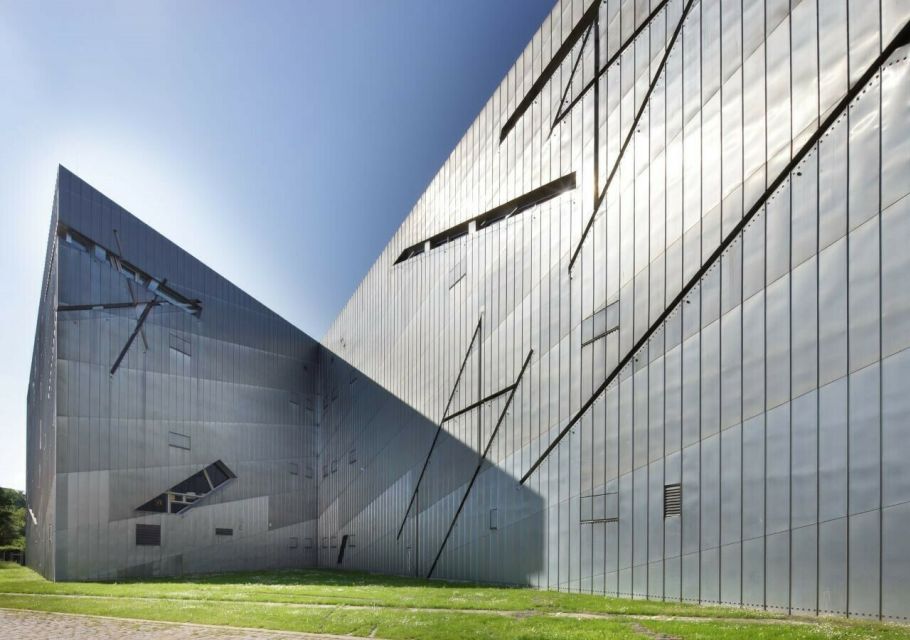
- The Libeskind architecture is the intro: slanted geometry, sharp angles, and voids aren’t decoration—they set the emotional tone.
- Expect 2,000 years, not one topic: the museum looks at Jewish history from the Middle Ages to today, not only the Holocaust.
- Special exhibitions add extra layers: Inventories (Salman Schocken) and Defiance (Jewish women and design) bring focus to culture, creativity, and modern life.
- Headphones make the museum easier: bring your own for best results, especially around audio/video installations.
- Plan for navigation friction: some areas can feel hard to follow, so give yourself time rather than rushing.
- A free app can help you pace: download the museum’s JMP app and use it alongside the displays.
Why the Libeskind building feels like history you can walk through
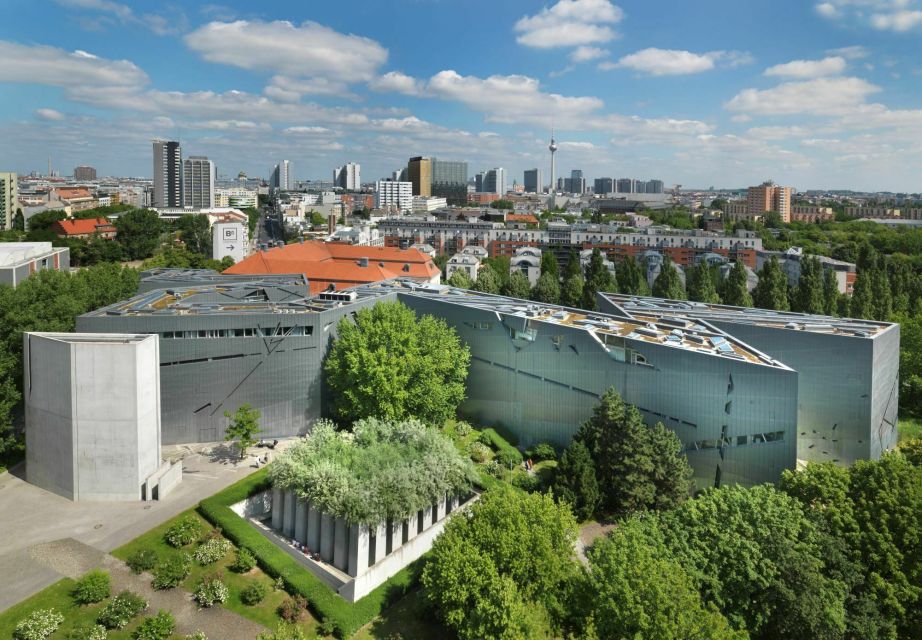
If you only came for the architecture, this would still be worth your time. The Jewish Museum Berlin is designed by Daniel Libeskind, and its zig-zag form doesn’t try to be polite. Inside, the building’s geometry—slanting walls, sharp edges, and gaping voids—creates a built-in sense of disorientation.
That matters because the museum isn’t aiming for a neutral, museum-flat experience. It’s trying to communicate that Jewish history in Germany didn’t unfold in a smooth, orderly line. The angles and voids function like visual and spatial metaphors: absence, interruption, rupture. You’ll feel that without needing an explanation first.
And then you get a second layer: light. You’ll notice how the museum uses illumination to guide you emotionally, even when the physical space makes you slow down. Several visitors come away talking about the Holocaust Tower and the Memory Void like they’re not just rooms, but experiences that stay with them.
What you’ll learn: Jewish life in Germany, from rules to daily routines
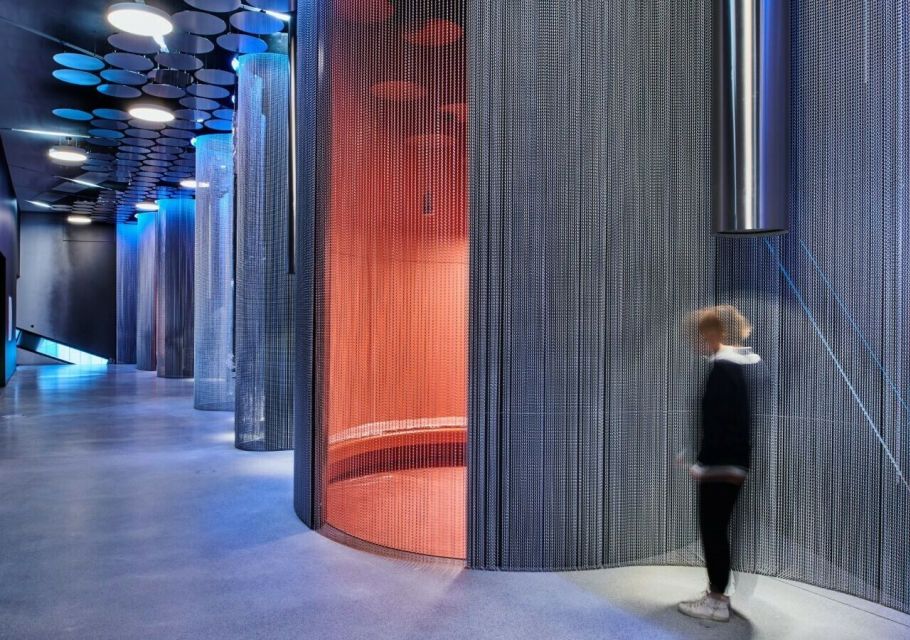
The museum’s core strength is balance. Yes, it addresses Nazi persecution and the Holocaust—but it also treats Jewish history as something bigger and older than any single tragedy. The exhibitions span Jewish life from the Middle Ages to now, which helps you understand how diverse the community was and how deeply embedded Jewish culture has been in German society over time.
You’ll also meet Jewish life through everyday topics, not just major historical events. The museum highlights themes like dietary laws (including kosher rules), Shabbat, and Jewish holidays. That kind of content is what turns history into something human-scale. Instead of only dates and documents, you get the texture of lived practice.
The museum also leans into diversity of Jewish culture. Rather than presenting one straight line, it’s more like a set of overlapping stories—different communities, different practices, different eras. If you care about understanding a culture as a living thing, this approach is a big win.
Special exhibitions worth building your route around
The museum rotates special exhibitions, so your best move is to check what’s on during your exact visit. Still, based on what’s currently being highlighted:
Inventories — The Legacy of Salman Schocken
There’s a special exhibition called Inventories — The Legacy of Salman Schocken. It’s built around books and objects from the museum collections, with an author perspective from Joshua Cohen. The concept is that a publisher and department-store entrepreneur’s life can be used as a vantage point for larger questions: culture and capital, museums and museums’ “acquisitions,” and how belonging gets shaped.
Good news for your wallet: admission to this exhibition is free. Dates listed are 11 July to 23 November 2025, so if you’re visiting in other months, check the latest schedule before you go.
Defiance — Jewish Women and Design in the Modern Era
Another exhibition being promoted is Defiance — Jewish Women and Design in the Modern Era. This one spotlights the role of Jewish women designers in Germany during the early twentieth century—specifically their push for emancipation and modernization.
What I’d plan to do here: slow down. The show includes work by more than sixty designers, and it covers practical crafts and creative disciplines, including goldsmithing, textiles, ceramics, wood carving, fashion design, and graphics. That range makes it more than a costume-and-chronology exhibition. It’s about careers, social marginalization, and what happened when the Nazi regime destroyed so many paths.
The museum also recommends bringing your own headphones for the best experience—especially since video and audio installations and interactive stations are part of how these exhibits tell their stories.
Audio, the JMP app, and why headphones are not optional
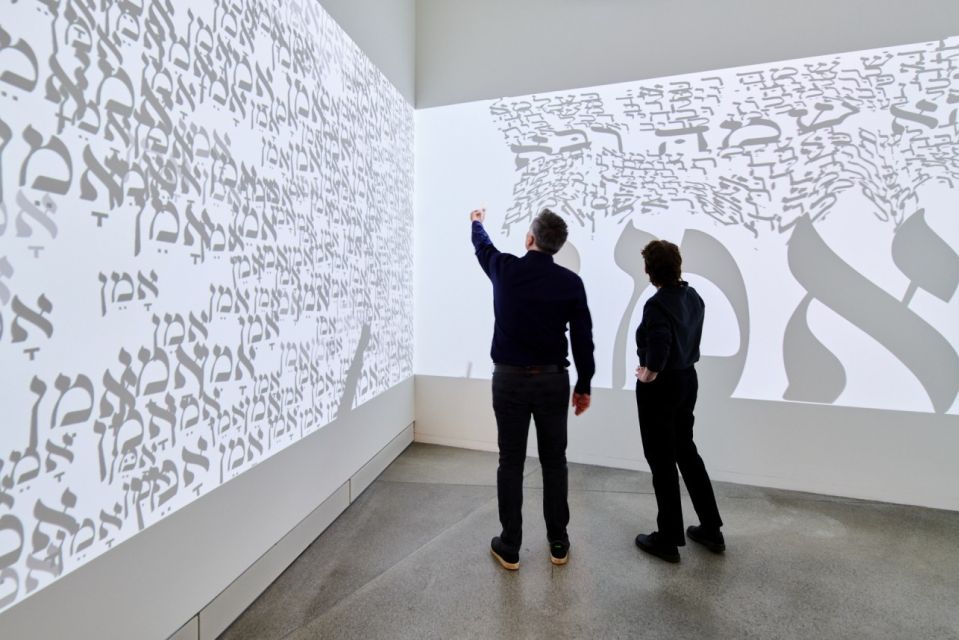
This isn’t the kind of museum you want to skim at a sprint. There’s a lot to read, but there’s also a lot to listen to. The ticket includes a free download of the JMP app, which can support your visit with additional context.
Even with the app, headphones help because the museum features video and audio installations. The onsite guidance also specifically says to bring headphones for an optimal experience. So pack a simple wired pair or reliable earbuds and save yourself the hassle of borrowing.
A couple of useful pacing ideas:
- If you want to control the speed, use the app and stop where audio/video adds context.
- If you’re planning to spend close to 2 hours, don’t wait until the end to start listening—build in time early.
And yes, audio can make a room feel heavier. That’s the point. When you’re ready, it brings the exhibits closer to human voices instead of just written history.
Timing in Kreuzberg: how to fit 2 hours without feeling rushed
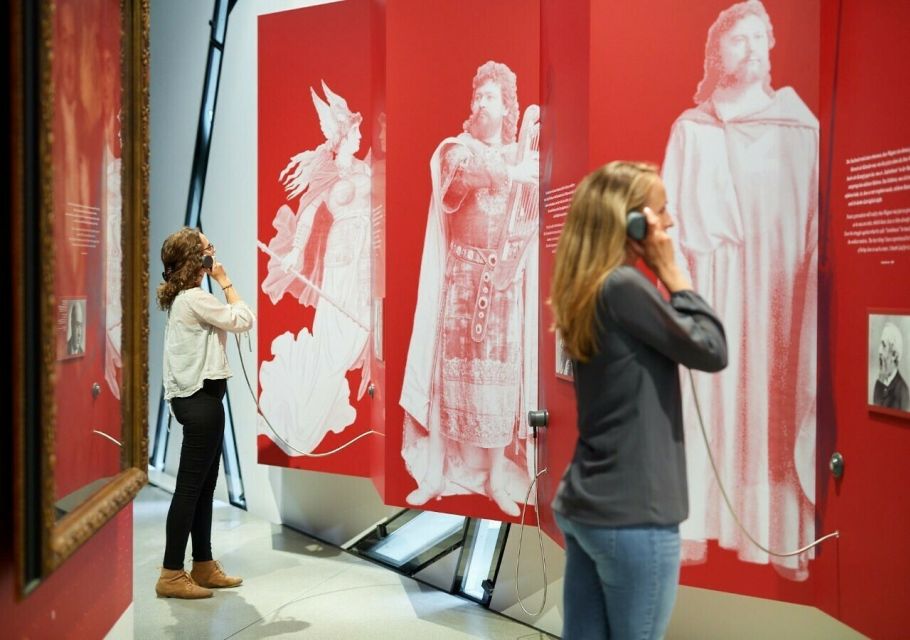
The museum is open 10:00–18:00, and it closes at 6pm. Since the average visit takes about 2 hours, you’ll want to treat closing time like a hard stop, not a suggestion.
One practical thing: it’s a long museum. There are stairs and some uphill walking, so if you’re sensitive to walking or want to keep it easy, build in a slower pace. Also note that some visitors found the museum a bit confusing to navigate, with room-to-room flow not always obvious. That’s your cue to give yourself margin.
A smart strategy:
- Start with the architecture-first moments, since they set the tone.
- Then move through the main story areas while you’re still fresh.
- Leave time for the pieces that hit hardest (like the Holocaust Tower area and Memory Void-type installations) so you’re not rushing through the most emotionally demanding sections.
If you’re the type who likes to read every label, plan closer to 2.5 hours rather than 2. You’ll get more out of it, and you’ll have less regret when the lights start thinking about closing.
The emotional stops: Holocaust Tower and Memory Void (plan for your headspace)
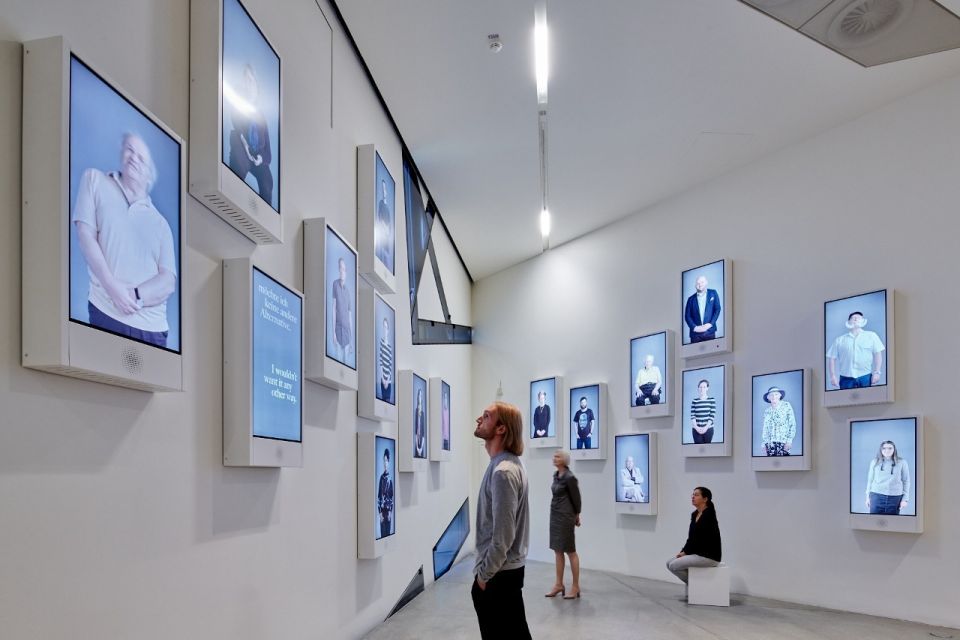
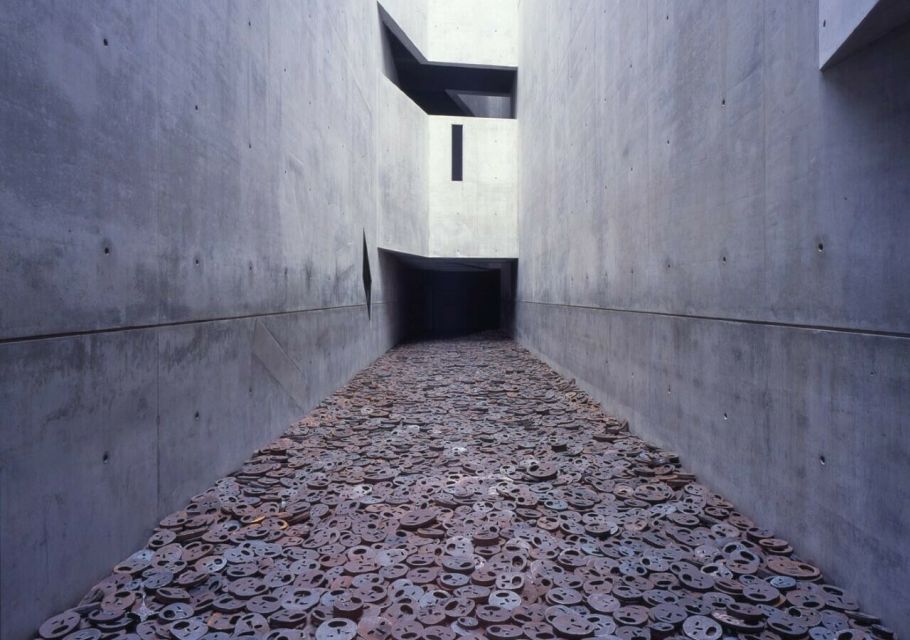
Two museum features come up again and again: the Holocaust Tower and the Memory Void (often referenced alongside Shalekhet, sometimes described as Fallen Leaves).
These aren’t quick photo stops. They’re designed to slow you down. Even if you’re visiting with a friend, you’ll likely find yourself standing in silence longer than you planned.
If you’re visiting on a packed Berlin day, I’d still protect this section from being rushed. Don’t stack it right before dinner reservations. Let the museum land before you move on to the rest of the city.
Also, remember: the museum is respectful and sober in tone. Some people find it difficult but still feel it’s important. If that describes you, you’re in the right place. Just make sure you aren’t doing it on the busiest day of your trip when you can’t process.
Bonus nearby: the Berlinische Galerie deal and a short walk
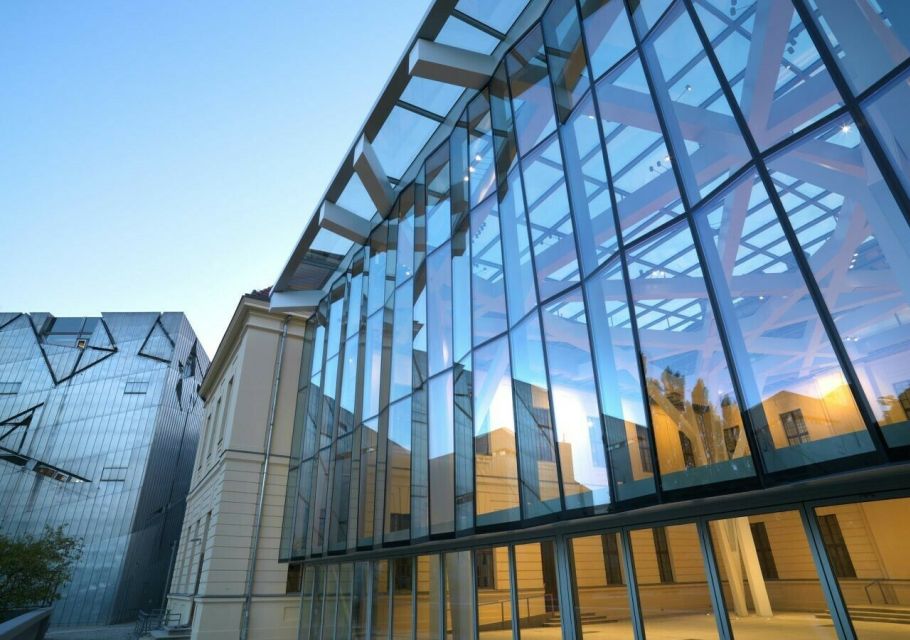
The Jewish Museum Berlin is located centrally in Berlin-Kreuzberg, and it’s within walking distance of Checkpoint Charlie. With your JMB ticket, you’re eligible for reduced-rate admission to the neighboring Berlinische Galerie on the day of your visit and the two following days.
That’s a smart add-on if you enjoy art that makes you think. The Berlinische Galerie is only about a 5-minute stroll away, so it’s easy to tack on if you still have energy after the museum.
And if you need a break, there’s a cafe on site mentioned as lovely by visitors. Just keep expectations realistic: food and drinks aren’t included with the ticket, so budget for it if you’re planning a sit-down pause.
Who should book this Jewish Museum Berlin entrance ticket?
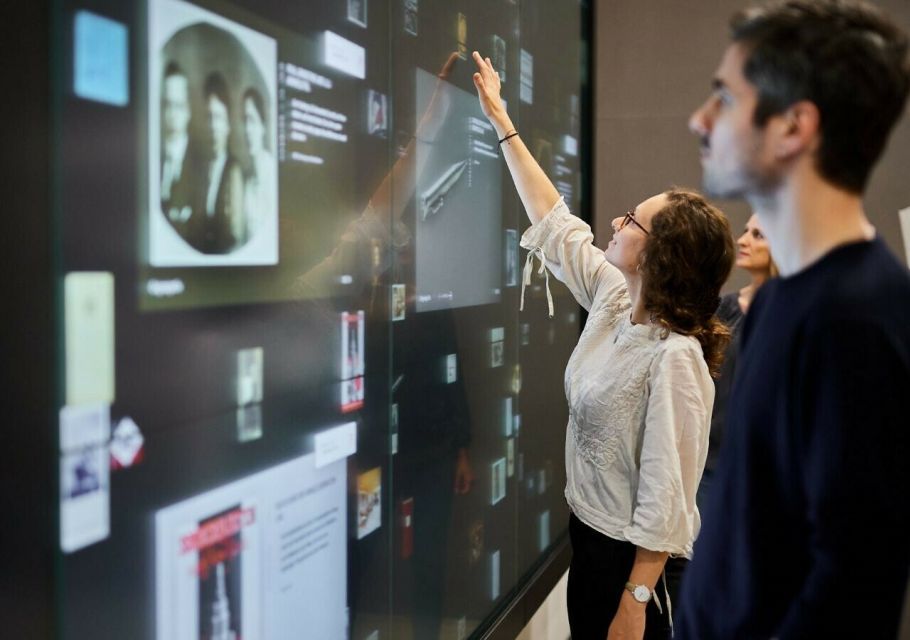
Book it if you want Berlin history that’s deeply grounded in real Jewish life—religion, community, creativity, and the long arc of how communities can be erased. Book it if you care about architecture that isn’t just pretty, but symbolic and intentional. Book it if you like museums that make you pause instead of just pass through.
You’ll especially like it if:
- You want more than the Holocaust story
- You enjoy special exhibitions connected to books, design, and culture
- You’re okay with a serious, sometimes heavy mood
Skip it (or at least go with a lighter plan) if you can’t handle emotionally demanding spaces or if you’re expecting a simple, laid-back museum stroll.
Should you book this ticket?
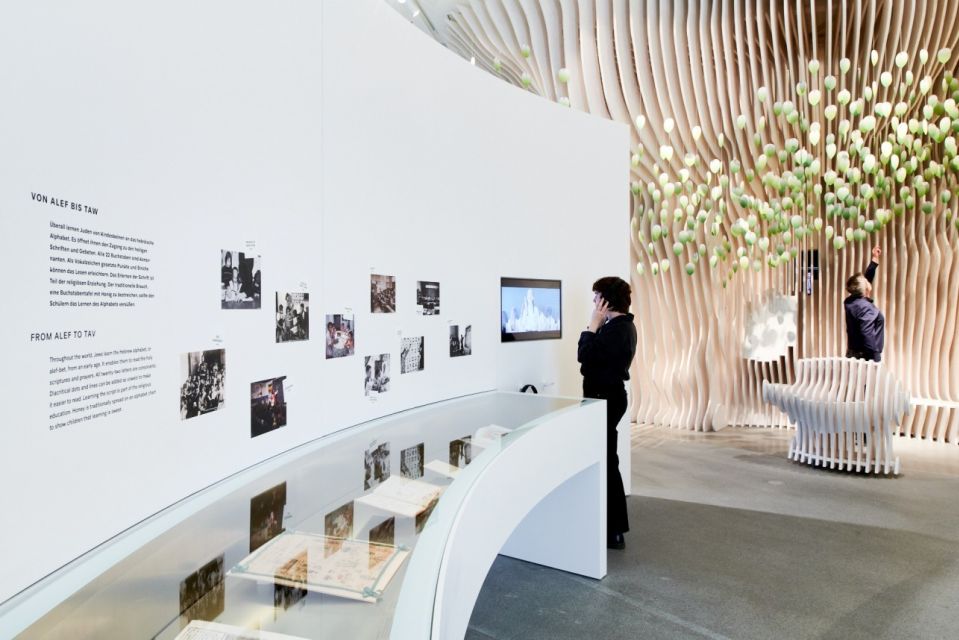
Yes—if you can spare around 2 hours and you’re ready for a museum that uses both objects and space to tell its story. The value here is strong: the ticket option is listed at $0 per person, and the museum’s special exhibition Inventories is also free, which makes your time feel even more worthwhile.
Just don’t treat it like a quick stop between landmarks. Give it time. Bring headphones. And accept that the building may feel disorienting in the best possible way—because it’s trying to make you understand, not just observe.
FAQ
FAQ
How long should I plan for the Jewish Museum Berlin?
Plan on about 2 hours. The museum closes at 6pm, and an average visit is around that time.
What are the museum opening hours?
The museum is open from 10am to 6pm.
Is the entrance ticket free?
This ticket listing is shown as $0 per person, and the Inventories — The Legacy of Salman Schocken exhibition is also free.
Do I need to bring headphones?
Yes. The museum recommends bringing your own headphones for the best exhibition experience.
Does the ticket let me skip the ticket line?
Yes, it says the ticket line can be skipped.
Is the museum wheelchair accessible?
Yes, it is wheelchair accessible.
What is included with the ticket?
The ticket includes the entrance fee and a free download of the JMP app.
Is food or drink included?
No. Food and drinks aren’t included.
Can I get reduced admission to another museum nearby?
Yes. With your JMB ticket, you can get reduced-rate admission to the Berlinische Galerie on the day you visit and the next two days.
Does the museum focus only on the Holocaust?
No. It covers Jewish history and Jewish culture in Germany from the Middle Ages to now, not only the Holocaust.