
REVIEW · BERLIN
Berlin: Sachsenhausen Concentration Camp Tour in English
Book on GetYourGuide →Operated by Insider Tour Berlin · Bookable on GetYourGuide
Sachsenhausen is history with teeth. This English-guided trip from Berlin takes you to Sachsenhausen Memorial in Oranienburg, with a licensed guide explaining what the camp was built for, how it worked, and what happened there after 1945. I like that the experience is structured enough to help you keep your bearings, even though the subject matter is heavy, and guides such as Daniel, Xavier, and Rebecca are often highlighted for staying respectful while still making the details clear.
Two things I particularly like: you don’t just look at plaques—you walk through the actual camp layout, from the administration areas to prisoner barracks, punishment cells, and sites linked to mass killing. And I love the way the best guides bring context to daily life and resistance, including stories connected to Jewish prisoners’ revolt in 1942 and defiance by British POWs. A small consideration: this tour includes moderate walking and isn’t wheelchair accessible, so comfortable shoes and realistic energy planning matter.
In This Review
- Key Points You’ll Care About
- Sachsenhausen From Berlin: A Short Trip That Hits Hard
- Meeting Outside Friedrichstraße With Yellow Umbrellas
- Getting to Oranienburg: The Ride and the Walk-In Feel Intentional
- Camp Administration Center: Where the System Was Managed
- Jewish Barracks, Punishment Cells, and What Daily Life Was Built On
- Experimentation Sites: Pathology Lab and Infirmary Areas
- Watchtower, Commandant’s House, and the Shape of Control
- Station Z, Mass Murder Sites, and the Gas Chamber Context
- After WWII: The Death March and Soviet Use of Sachsenhausen
- Resistance Stories That Prevent the Visit From Feeling Flat
- Price and Value: What $22 Really Covers
- Who This Tour Suits Best (and Who Might Want to Think Twice)
- Should You Book This Sachsenhausen Tour?
- FAQ
- Where do we meet the guide in Berlin?
- How long is the tour?
- How do I get to Sachsenhausen Memorial from Berlin?
- Do I need a public transport ticket?
- What language is the tour offered in?
- Is food included in the price?
- What sites will we visit during the tour?
- Is the tour wheelchair accessible?
- What if I need to cancel?
Key Points You’ll Care About
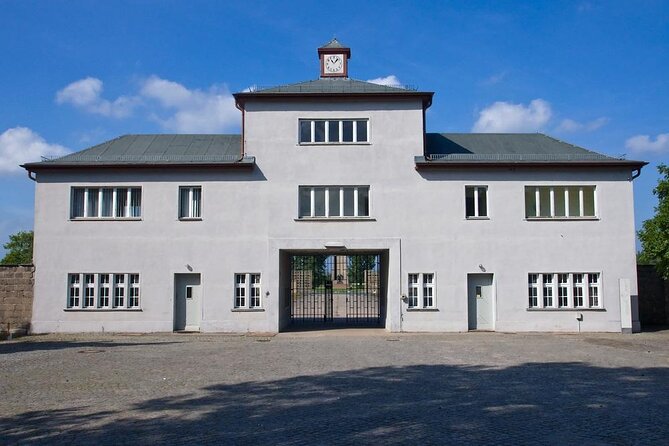
- Friedrichstraße meeting point with guides holding yellow umbrellas, which makes day-start easy even in busy Berlin
- Oranienburg train plus a walk gets you to the memorial without complicated logistics
- The Camp Administration Center is where the Nazi system is explained, including oversight of main and satellite camps
- You’ll see the ground-level locations tied to punishment, experimentation sites, and mass murder, including Station Z
- Expect resistance and aftermath context, including stories leading up to liberation and Soviet use after WWII
- Many guides earn praise for patient Q&A and handling a painful topic with care and steadiness
Sachsenhausen From Berlin: A Short Trip That Hits Hard
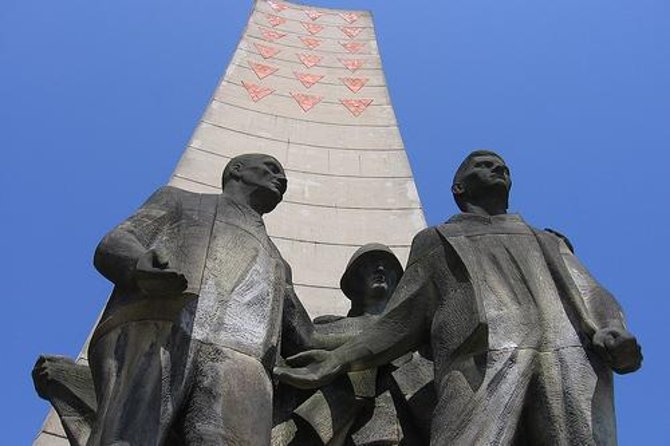
Sachsenhausen is one of those places where “seeing” isn’t the point. The point is understanding how a modern state turned into a machine for terror, and how ordinary space became a stage for unimaginable cruelty. Coming from Berlin, the commute keeps the day focused: you spend most of your time where it matters.
This tour is also well matched to visitors who want structure. You get a clear line through the camp’s story—before, during, and after WWII—so you’re not left trying to connect fragments on your own. And because you travel with a guide from Berlin, you get context before you arrive, not after you’ve already seen too much to absorb.
You can also read our reviews of more tours and experiences in Berlin.


Meeting Outside Friedrichstraße With Yellow Umbrellas
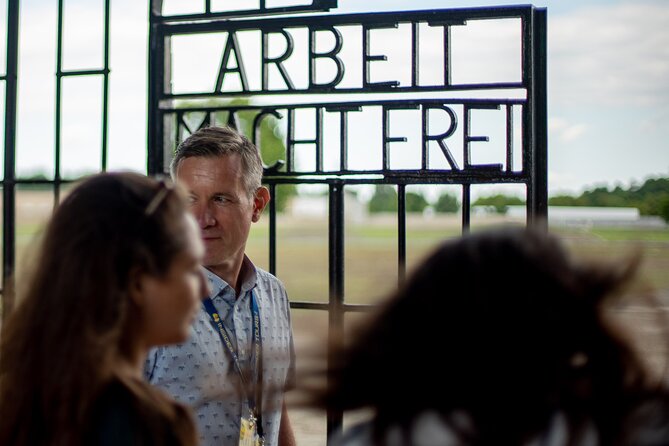
You start at Friedrichstraße train station, outside on the square by the Palace of Tears area. Look for the guide holding yellow umbrellas—it’s an intentionally easy visual cue when Berlin is full of people and routes.
Bring your own basics for the day: comfortable clothes for cold or rainy weather, plus water and snacks. The subject is solemn, so it helps if you keep your body comfortable enough to concentrate on what your guide is explaining.
Getting to Oranienburg: The Ride and the Walk-In Feel Intentional
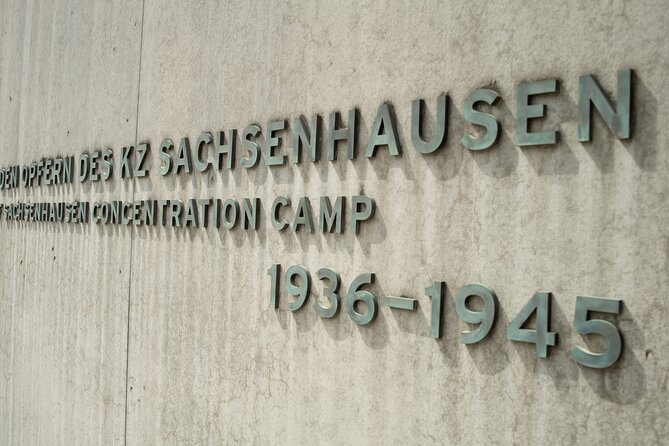
You take a short train ride from Berlin to Oranienburg, then walk the last stretch to the Sachsenhausen Memorial area. This pacing matters. You’re not dropped off in a rush—you arrive with time to settle into the place, which is helpful when the camp story includes mass imprisonment, punishment, and executions.
Plan to buy a public transport ticket for the ride. The tour requires an ABC zone ticket for travel to and from the memorial, and staff can help you purchase it on the day. If you’ve never used Germany’s ticket zones before, I suggest showing up a little earlier so you’re not stuck figuring it out while the group is waiting.
Camp Administration Center: Where the System Was Managed
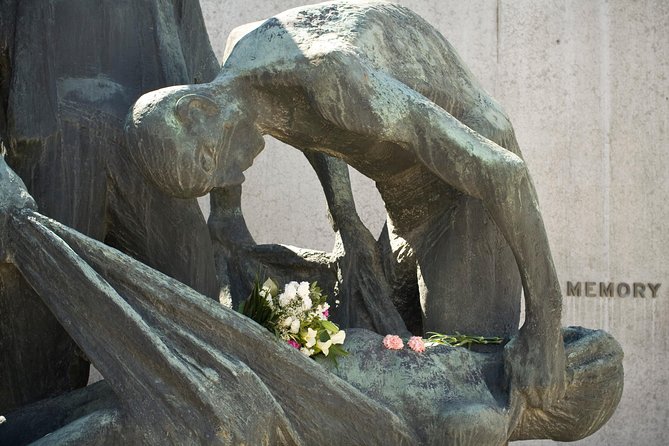
The tour begins at the Camp Administration Center, which now functions as an on-site museum. This is a critical starting point because it frames Sachsenhausen not as random cruelty, but as an organized operation.
Inside, you’ll hear how the SS started constructing the camp in 1936, originally as a way to detain opposition to the Nazi regime. Then the purpose widened: anyone the NSDAP considered a threat could be imprisoned there. That “expansion of targets” story is one of the most important threads of the whole visit, and the administration area is where you’ll start understanding why.
Your guide also connects Sachsenhausen to the broader Nazi camp system. You’ll learn it served as headquarters for overseeing 32 main camps and more than 1,000 satellite camps, which helps you grasp scale fast—before you walk into the physical reminders of that scale.
Jewish Barracks, Punishment Cells, and What Daily Life Was Built On
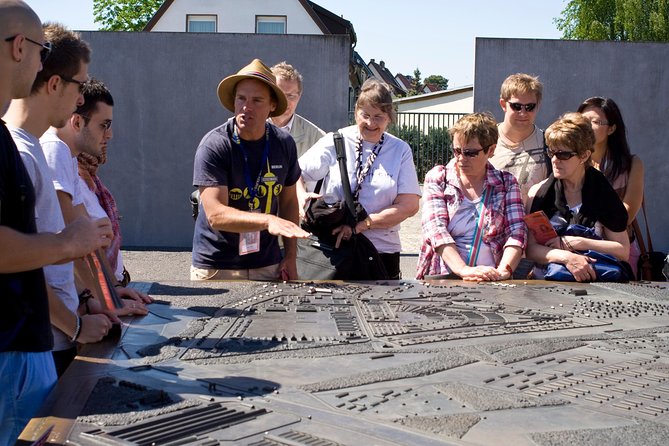
After the administrative framing, the tour moves into the camp’s interior areas: barracks, punishment spaces, and the parts of Sachsenhausen that reveal how control worked day to day. The guide’s job here is hard: you need realism without sensationalism, and you need details without losing respect for victims.
You’ll see Jewish barracks and other areas linked to how different prisoner groups were treated. And you’ll walk near punishment cells, where the camp’s brutal logic becomes physical, not abstract. If you’re coming with questions, this is when a good guide earns their reputation. Many guides are praised for staying patient and answering thoughtfully, even when the group has lots of questions.



Experimentation Sites: Pathology Lab and Infirmary Areas
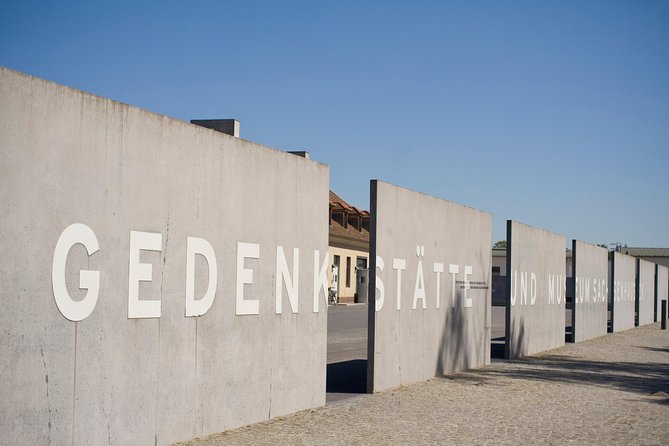
One of the toughest parts of Sachsenhausen is hearing about medical abuse. The tour includes stops at the pathology laboratory and infirmary areas tied to experimentation.
These sites aren’t presented like a museum curiosity. You’re shown where abuses happened, and you’re told what that meant in human terms—how people were subjected to violence under the cover of medicine. I recommend pacing yourself here. If your brain starts to overload, take a moment and breathe before continuing. This is exactly the kind of stop where you don’t want to rush.
Watchtower, Commandant’s House, and the Shape of Control
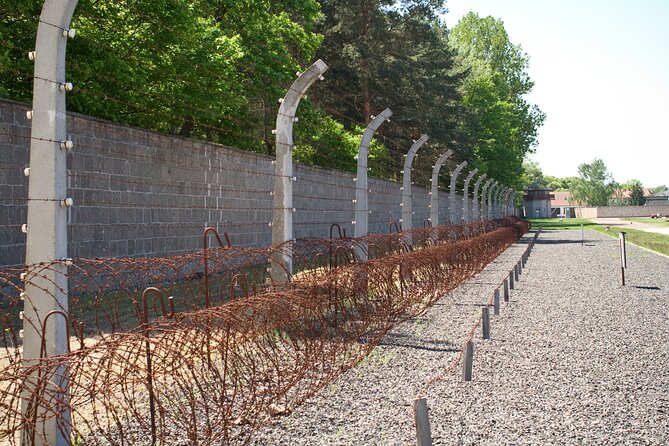
Throughout the grounds, your guide points out key structures that reveal the camp’s design. You’ll see things like a watchtower and the commandant’s house—places that help you understand how surveillance and authority were built into everyday movement.
These aren’t just scenery. When your guide explains what prisoners could see, what guards could monitor, and how layout influenced behavior, it turns the space into an argument about power. It’s the kind of explanation that helps you connect different areas of the memorial into one coherent story.
Station Z, Mass Murder Sites, and the Gas Chamber Context
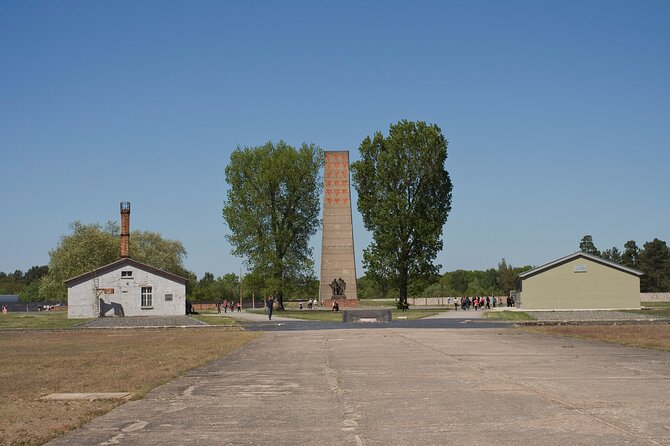
The tour includes places associated with mass murder, including Station Z and the gas chamber. You’ll also see the structures linked to executions, such as the gallows.
I’m glad this tour addresses these sites directly rather than skipping around them. Avoiding the hard parts can leave visitors with an incomplete picture of what the camp evolved into. Here, the guide helps connect the mechanics of killing to the ideology that made it possible, so you leave understanding the system—not just the location.
This is also where having a steady guide matters most. Many guides are praised for keeping the tone respectful and emotionally controlled, while still delivering the necessary facts. If you want a visit that honors victims and still teaches you what happened, this section is usually where the tour succeeds.
After WWII: The Death March and Soviet Use of Sachsenhausen
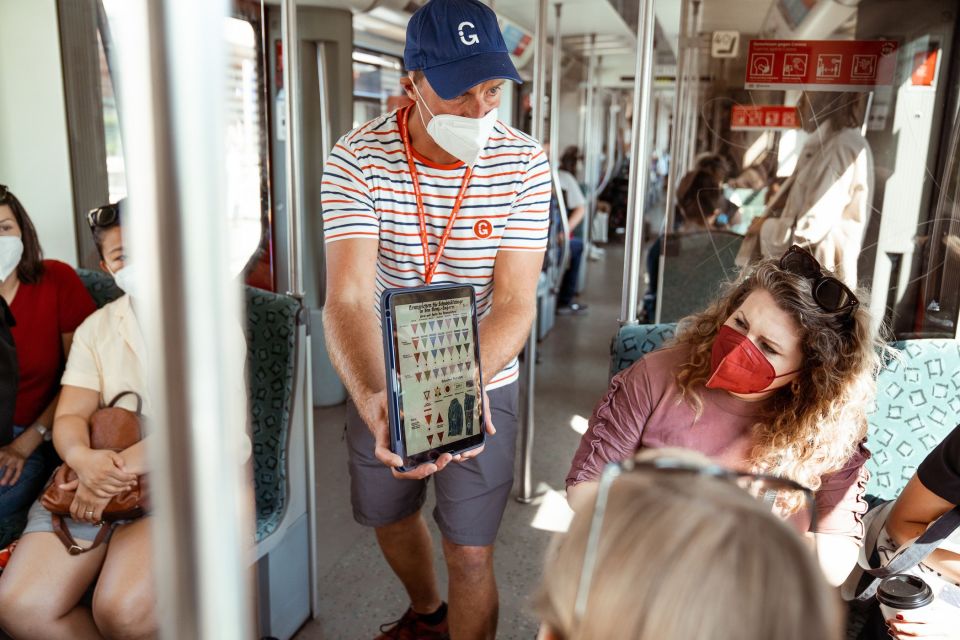
The story doesn’t end when the war ends. Your guide discusses the harrowing Death March leading up to liberation in 1945, and then what happened to Sachsenhausen afterward.
You’ll hear how the Soviets repurposed the camp, including stops tied to Special Camp 1/7. This is a sobering reminder that postwar chaos didn’t automatically mean justice. It also adds an important nuance: you learn how this place was reused by different regimes, and how that shaped the camp’s next chapter.
If you like historical balance, this is a key reason to do the guided version. A self-paced visit might tell you dates and locations. A good guide helps you understand the shift in control and why it mattered for the people trapped there.
Resistance Stories That Prevent the Visit From Feeling Flat
Sachsenhausen isn’t just a map of suffering. The tour includes resistance stories that show prisoners refusing to become passive objects in the system.
You’ll hear about the revolt connected to Jewish prisoners in 1942, acts of defiance by British POWs, and acts of sabotage by Soviet and Polish prisoners. These stories matter because they counter one of the biggest traps visitors can fall into: reducing victims to helpless silhouettes.
Guides such as Paul Declan, Irish Paul, and Lucia are repeatedly praised for telling these stories with care—making them understandable without turning them into “moral lessons.” That tone helps you stay focused on the people inside the camp, not just the atrocity statistics.
Price and Value: What $22 Really Covers
At about $22 per person, this tour is strongly priced for what you get. You’re paying for a licensed English-speaking guide, a guided tour of the memorial grounds, and an included donation of €3 to the camp memorial.
What’s not included is also part of the math. You still need the ABC zone public transport ticket, and food and drink aren’t covered. But overall, the value is good when you consider the time spent on-site with a guide and the fact that you’re transported to the memorial without needing to figure out the public transit puzzle on your own.
Who This Tour Suits Best (and Who Might Want to Think Twice)
This is a top choice if you want a structured, respectful visit focused on WWII-era camp history and the specific sites inside Sachsenhausen. It’s especially good for people who arrive with only general knowledge and want a clear, guided story that connects events, prisoner groups, and key locations.
It may not be the best fit if you have mobility limits. The tour is not wheelchair accessible, includes moderate walking, and runs in all weather. You’ll want a day that you can walk through without rushing, and you’ll want the freedom to stop and listen without pain pulling you out of the moment.
Should You Book This Sachsenhausen Tour?
If your goal is to understand Sachsenhausen with real structure, I think it’s worth booking. The main reasons are practical: you start with guidance from Berlin, you hit the most important physical sites, and you get context that ties those locations into a single story. And the repeated praise for guides like Daniel, Xavier, and Rebecca centers on something you can feel: careful handling of a brutal subject plus patient explanations.
Book it if you’re ready for an emotionally serious day and you can handle moderate walking. Skip it if you know walking distances or outdoor conditions will drain you faster than you can concentrate.
If you do book, come with comfortable shoes, a public transport plan, and a mindset of learning rather than checking boxes. This tour doesn’t try to make the camp feel light. It helps you face it clearly, and that clarity is the value you’ll carry back to Berlin.
FAQ
Where do we meet the guide in Berlin?
Meet your guide outside Friedrichstraße train station on the square beside the Palace of Tears. Look for guides holding yellow umbrellas.
How long is the tour?
The tour lasts about 5.5 to 6 hours.
How do I get to Sachsenhausen Memorial from Berlin?
You take public transport by train to the Oranienburg area, then walk about 20 minutes to the memorial. Your guide accompanies you on public transport.
Do I need a public transport ticket?
Yes. You need an ABC zone public transport ticket for the trip to and from the memorial. It can be purchased on the day with help from on-site staff.
What language is the tour offered in?
The tour is offered with live guides in German and English.
Is food included in the price?
No. Food and drink are not included.
What sites will we visit during the tour?
You’ll visit places including the Camp Administration Center, Station Z, watchtower, commandant’s house, Jewish Barracks, punishment cells, pathology laboratory, infirmary/excperimentation areas, Special Camp 1/7, SS training camp, and the gallows.
Is the tour wheelchair accessible?
No. The tour is not wheelchair accessible and isn’t recommended for people with limited mobility or walking impairments.
What if I need to cancel?
You can cancel up to 24 hours in advance for a full refund.