REVIEW · BERLIN
Private Photo Tour in Kreuzberg
Book on Viator →Operated by Berlin Photo Tours · Bookable on Viator
Berlin is a city that teaches through walls and streets. This private Kreuzberg photo tour mixes photo guidance with local history, so your pictures come out with context. You’ll move through places like Kottbusser Tor and Oranienstraße with answers to the stories behind the scenes.
I especially like the local photographer guides who shape what you shoot, and how the stops focus on very specific visual themes rather than random sightseeing. A second strong point is the trip is built for learning the how of images, not just where to stand. One consideration: at $206.10 per group (up to 5), it’s best value if you’re traveling with others who will actively participate with a camera and questions.
In This Review
- Key things that make this Kreuzberg photo tour worth it
- Kreuzberg on camera: why this route works
- Price and what you’re really paying for
- Where you start, how long it takes, and how the walk feels
- Stop 1: Adalbertstraße and Kottbusser Tor
- Stop 2: Oranienplatz and the Lenné connection
- Stop 3: Oranienstraße courtyards you can actually shoot
- Stop 4: Rio-Reiser-Platz and the fight against demolition
- Stop 5: Mariannenplatz and the Kunsthaus question
- Stop 6: Engelbecken and why it belongs to Kreuzberg
- Photo learning you’ll actually use on the walk
- Who this Kreuzberg photo tour is best for
- Practical tips before you go
- Should you book this private photo tour in Kreuzberg?
- FAQ
- What does the tour cost?
- How long is the private photo tour?
- Where does the tour start?
- Where does the tour end?
- Do I need to buy admission tickets for the stops?
- Is the ticket delivered digitally?
- Can I bring a service animal?
Key things that make this Kreuzberg photo tour worth it
- Private, up to 5 people means you’re not stuck watching a slow group photo line move ahead of you
- Local photographers lead with insider city context, not generic “look left” commentary
- Courtyard-focused Oranienstraße helps you aim at places many people never notice
- Kottbusser Tor and elevated rail gives you architecture + infrastructure storylines you can photograph
- Historical photos at key spots give you a compare-and-contrast view, ideal for stronger compositions
- A guide can tailor the experience after discussing your wishes (one guide named Sascha did this in a recorded booking)
Kreuzberg on camera: why this route works
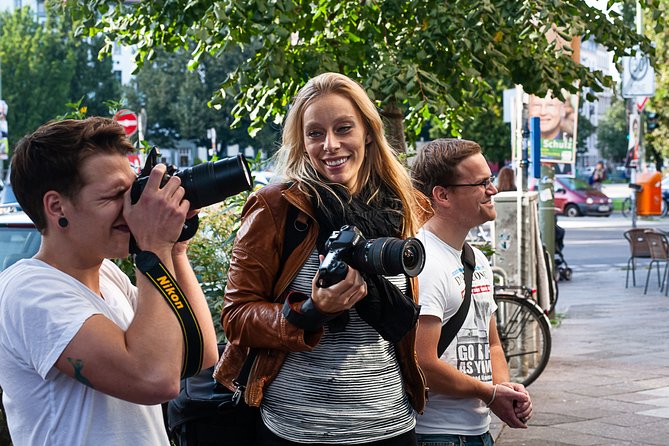
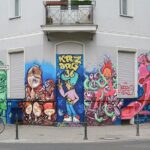
Kreuzberg is the kind of neighborhood where you can photograph the present and still see the past underneath. The best images here usually come from contrasts: old plans vs new streets, housing blocks vs everyday movement, and street fronts vs the courtyards behind them.
This tour leans into that. Instead of asking you to chase landmarks, it guides you toward repeatable photo thinking: where to look, what details matter, and how to connect a scene to the place’s changes over time. You’ll also get specific prompts that turn a normal walk into a targeted photo mission.
If your photos tend to look like snapshots, I think you’ll like this format. It pushes you to notice patterns—useful lines, repeating facades, and small “why is it like that?” moments. That’s how you move from taking pictures to building images.
You can also read our reviews of more private tours in Berlin
Price and what you’re really paying for
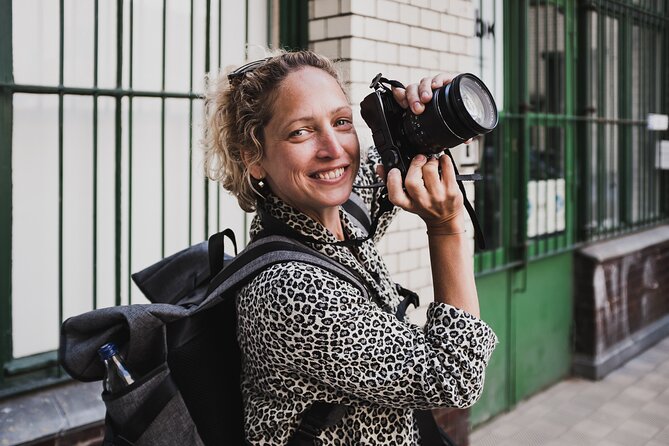
The price is $206.10 per group, for up to 5 people, for about 2 hours 30 minutes. That sounds simple, but the value comes from the private format plus the photo instruction.
Most standard sightseeing tours charge per person and still give only a light connection to photography. Here, you’re paying for a guide who’s a working photographer with city know-how, and you’re getting a route designed around what you can photograph at each stop. Also, the listed admission for each stop is free, so you’re not budgeting extra entries into museums or special sites during the walk.
One more practical upside: since the tour is private, it’s easier for you to adjust your pace. Want more time near doors and windows? Want to prioritize courtyards and entry points? The structure leaves room for that kind of emphasis.
Where you start, how long it takes, and how the walk feels
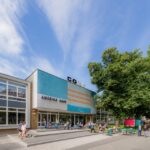
You meet at FHXB Friedrichshain-Kreuzberg Museum, Adalbertstraße 95A, 10999 Berlin. The tour runs roughly 2.5 hours, and it ends in a different location than where you start, so plan for that at the end of your day.
Because this is a photo walk, the “time on the street” matters more than the number of stops. Each station is short—often around 15 to 20 minutes—so you’ll get a steady rhythm: brief context, then time to shoot with purpose.
If you hate rushing, this may still work, as private tours usually let your guide slow down when your camera is in use. If you’re the type who needs long breaks, you might want to discuss that in advance, since the tour is designed to keep moving.
Stop 1: Adalbertstraße and Kottbusser Tor
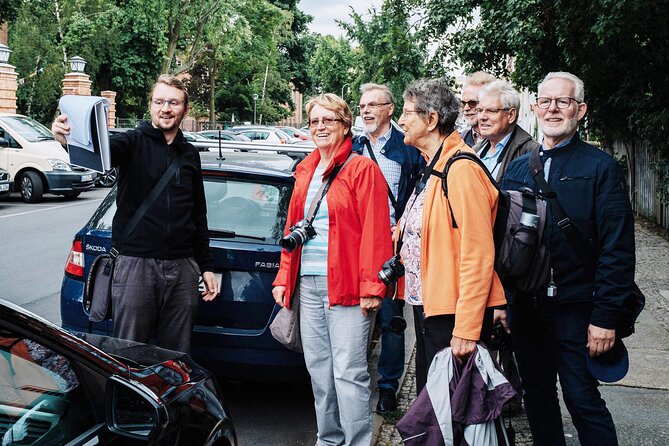
The tour starts around Kottbusser Tor, and you’ll look at how the square has changed over roughly 150 years. This is where the tour’s story-first approach clicks: instead of only photographing the view in front of you, you learn what the big residential towers were planned for and why the subway here runs as an elevated rail.
Photo-wise, that’s great material. Transit structures give you strong lines and layers, and squares like this help you build a wide frame before zooming in on details. You’ll also be better prepared to shoot because the guide’s context tells you what to look for: the building purpose, the infrastructure logic, and the way the area evolved.
A possible drawback: if you prefer very quiet residential streets only, the Kottbusser Tor area may feel more “city active” than “photo studio calm.” But it’s also exactly the kind of place where street life adds texture to your images.
Stop 2: Oranienplatz and the Lenné connection
Next is Oranienplatz, where the story is about planning and reshaping the city. The guide explains how the space underwent major changes after it was designed by Peter Joseph Lenné—and you’ll hear that he’s also linked to Sanssouci and Pfaueninsel.
This stop matters because it helps you photograph Berlin as a designed city, not just a collection of pretty angles. When you understand the planning behind a square, you’re more likely to shoot with the square’s geometry in mind: sightlines, edges, and how buildings frame open space.
You’ll also get a reminder that Berlin’s visual character often comes from decisions made decades ago, then reinterpreted through later change. That thinking helps when you’re picking between a wide scene and a detail close-up.
You can also read our reviews of more photography tours in Berlin
Stop 3: Oranienstraße courtyards you can actually shoot
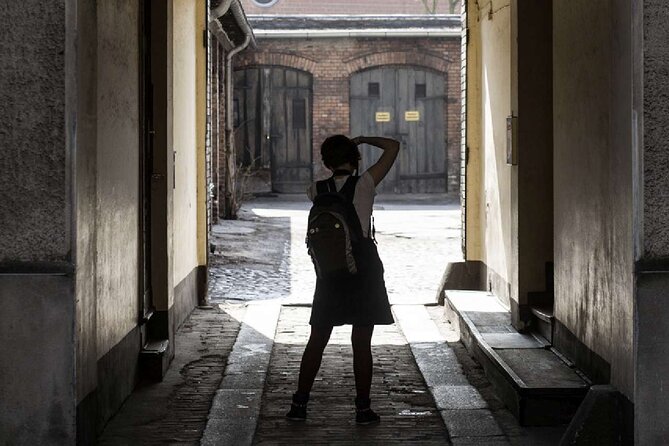
Then comes the core photography challenge: Oranienstraße and its behind-the-building spaces. You’ll learn which courtyards are worth visiting, which ones you can enter, and which areas are more of a “just look from the street” situation. You’ll also get background on when these courtyards were built and what architectural ideas are hiding behind those walls.
This is one of the most valuable stops for anyone who wants photos beyond street fronts. Courtyards often have calmer light, richer textures, and repeating patterns—great for both composition practice and storytelling. The tour’s emphasis on access is smart, too. If you don’t know which courtyards you can actually use, you waste time and end up with fewer images.
The only consideration here is practical: entry access can feel different depending on what’s happening in a courtyard on that day. Your guide helps you choose where it’s actually feasible to spend time, which is exactly what you want.
Stop 4: Rio-Reiser-Platz and the fight against demolition

At Rio-Reiser-Platz, the tour turns into a story of naming and resistance. You’ll learn who gave the place its name, and more importantly, how a planned full demolition of the houses there was prevented. The role of squatters comes into the explanation, which adds a human layer to the architecture you’re seeing around you.
For your camera, this is where you can shoot both “statement” and “details.” If the square includes renovated or surviving structures, you can photograph contrasts: preserved fragments vs rebuilt areas. If there are wall textures, street-level markers, or anything that reads as layered change, those become visual evidence for the story.
A small but real drawback: because this is about conflict and change, the visual cues may not be obvious at first glance. That’s why having the guide’s framing helps. You’ll look longer, and your photos will mean more because you understand what you’re seeing.
Stop 5: Mariannenplatz and the Kunsthaus question
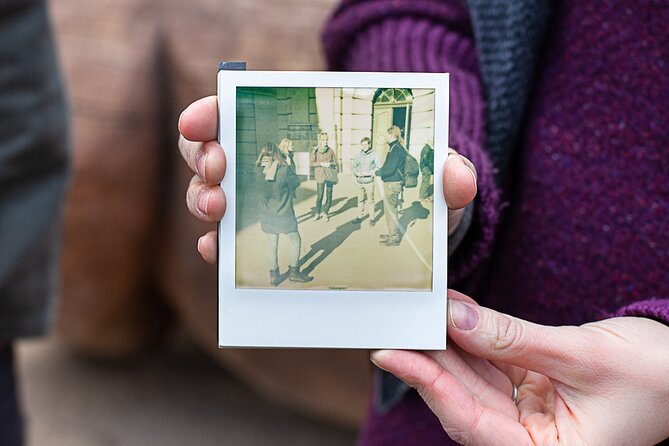
Next is Mariannenplatz, where you’ll hear who Marianne was (the person the square is named after) and what has happened here over the last decades. The tour also points you toward a major feature: the Kunsthaus located in the area.
This stop is especially useful if you like mixing street-level architecture with cultural institutions. Squares like this also let you create clean compositions: you can frame buildings around the open space, then add signage, doorways, or windows to keep the photo from looking empty.
The context about what changed in recent decades helps you avoid photographing only the “current postcard.” You’ll be more likely to shoot angles that reveal the evolution of the place.
Consideration: if you’re only interested in architecture without any cultural reading, you might find you have less interest in the institution-focused part. Still, the square itself usually gives you enough photo options to make the stop worthwhile.
Stop 6: Engelbecken and why it belongs to Kreuzberg
The final stop is Engelbecken. Even though it’s in the Mitte district, the tour explains why it belongs to Kreuzberg for many reasons. The highlight is the commitment of residents and the interesting history tied to the place, plus historical photos used to show how the area looked and changed.
This is a fantastic way to finish, because it reinforces the tour’s big theme: places aren’t just locations; they have community identity. If you enjoy then-and-now comparisons, this stop gives you built-in motivation to photograph the same type of frame twice—one for modern reality, one for the historic feel.
Because Engelbecken is a boundary space between districts, you also get strong opportunities for “in-between” compositions: views that show edges and transitions. Those are often what make a photo series look intentional.
Photo learning you’ll actually use on the walk
This tour isn’t just a stroll with a camera. It’s built around “image design” knowledge and city context, which is the sweet spot if you want photos that look planned.
Here’s what you can expect in practice:
- You’ll get short, targeted prompts at each stop, so you’re not wondering what to shoot next.
- You’ll learn what visual elements matter in each location—courtyard access, planning influences, and how infrastructure changes the look of a square.
- You’ll have time to experiment with framing after the context lands, which helps your brain connect story to composition.
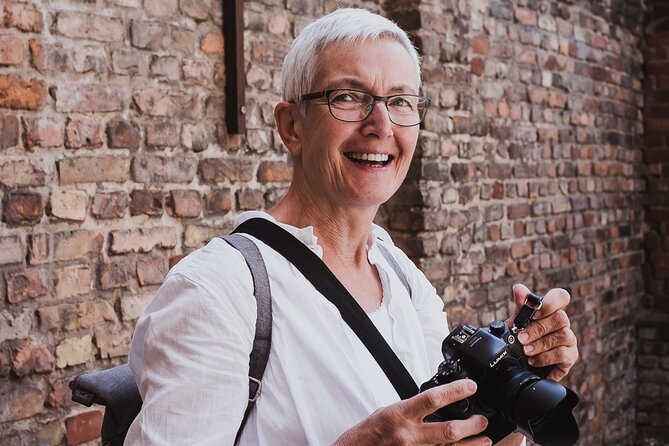
One detail I really like from the provided information: the tour is led by local photographers. That matters because they’re not only translating history; they’re also steering your eye. And in at least one documented booking, the guide Sascha spoke with the participant beforehand about their wishes and adjusted the tour accordingly. That kind of flexibility is exactly how you get better results from a short 2.5-hour session.
Who this Kreuzberg photo tour is best for
This is a strong match if you:
- want a private Berlin photography tour instead of a large group where you can’t ask questions
- enjoy architecture, urban planning clues, and the stories behind how neighborhoods changed
- like photographing courtyards, squares, and street-level details
- want to learn photo thinking (not only where to stand)
It’s also a good option if you’re visiting for a short time and want something more focused than “see the highlights” sightseeing. The route is concentrated, and each stop has a clear reason to exist in your camera roll.
If you only want wide famous sights and no history work, you might feel the emphasis on stories is more than you need. But if you care about meaning behind the frame, this fits well.
Practical tips before you go
Wear shoes you’ll be comfortable in for a moving 2.5-hour photo walk. Bring a camera you can swap quickly—phones work fine if you like composing carefully, but a camera with zoom helps when you want to isolate details in busy squares.
Also, think about what you like shooting most and tell your guide. The tour format supports tailoring, and you’ll get better outcomes if your guide knows your preferences early—like whether you want courtyards, transit angles, or institution-focused architecture.
Finally, since the tour ends in a different location, plan your next stop with that in mind so you’re not stuck trying to figure out logistics while you’re still in “shoot mode.”
Should you book this private photo tour in Kreuzberg?
Yes, if you want a photo-led walk with real city context and you’re traveling in a group of up to five. The value is strongest when you’ll actually use the instruction and spend time shooting at each stop instead of just passing through.
I’d also book it if you like the idea of learning the why behind what you’re photographing—like why an elevated rail exists here, which courtyards are worth the effort, and how community action shaped what stands today.
If your ideal Berlin day is purely scenic with minimal talking, you might find it too structured. But if you want better photos with fewer random attempts, this is a smart, practical choice.
FAQ
What does the tour cost?
The tour is priced at $206.10 per group, up to 5 people.
How long is the private photo tour?
It lasts about 2 hours 30 minutes.
Where does the tour start?
The start point is FHXB Friedrichshain-Kreuzberg Museum at Adalbertstraße 95A, 10999 Berlin, Germany.
Where does the tour end?
The tour ends in a different location from where it starts.
Do I need to buy admission tickets for the stops?
No. Each listed stop notes admission ticket free.
Is the ticket delivered digitally?
Yes. The tour uses a mobile ticket.
Can I bring a service animal?
Yes, service animals are allowed, and the meeting area is near public transportation.