REVIEW · BERLIN
Discover Berlin Half-Day Walking Tour
Book on Viator →Operated by Original Berlin Walks · Bookable on Viator
Berlin history hits different when you walk it. This half-day route threads the Prussian, Imperial, Nazi, and Cold War eras right through the city center, with stops like Brandenburg Gate and Topography of Terror. You move at an easy sightseeing pace, and a guide keeps the story straight (and not textbook-y).
I really like two things about this tour: the sheer number of major landmarks you touch in one go, and how the guide makes the periods connect. I’ve seen guides named Emma and Amanda praised for being funny and passionate, and that matters in Berlin, where the facts can feel heavy without good storytelling.
One consideration: you’re on your feet for about 3.5 hours and you cover a lot of ground. If you want long museum time or slow wandering, this won’t replace it.
In This Review
- Key highlights that make this walk worth your time
- A Berlin “eras” walk that keeps the story from getting messy
- Starting at Neue Promenade 3 and getting oriented fast
- Unter den Linden: the city’s grand spine, plus what it hides
- Museum Island pauses: when the guide points at the story behind the stone
- The places where Nazi Germany’s violence becomes specific
- Walking the Berlin Wall line and the 1989 change
- Topography of Terror: the former HQ, plus the excavated cellars
- Checkpoint Charlie and the French Church area: finishing with context, not just photos
- How much walking is really involved, and what to wear
- Price and value: getting a lot of named stops for $24.19
- Who should book this tour (and who might want a different style)
- Should you book Discover Berlin Half-Day Walking Tour?
- FAQ
- How long is the Discover Berlin Half-Day Walking Tour?
- How much does the tour cost?
- What language is the tour offered in?
- Where do I meet the guide?
- How many people are in the group?
- Do I get a mobile ticket?
- Are food and drinks included?
- Is there a service animal policy?
- Is the tour near public transportation?
- Can I cancel for a full refund?
Key highlights that make this walk worth your time
- Unter den Linden in one clear storyline, from royal grandeur to modern Germany
- Big 20th-century stops: Holocaust Memorial, Bebelplatz book burning site, and Checkpoint Charlie
- A live guide, not just a map, so you don’t miss the “why” behind each place
- Topography of Terror context at the former Gestapo and SS Headquarters
- Group size stays small (maximum 25), so questions don’t vanish
A Berlin “eras” walk that keeps the story from getting messy
Berlin can feel like you’re hopping between centuries. That’s exactly why this kind of walking tour works so well. You start with the city’s older layers, then the guide pushes you forward into the violent 20th century, and finally ties it to what’s visible today.
What I like most is the emphasis on connections. It’s not just naming monuments. It’s explaining how Prussians and Imperial-era plans shaped the city’s look, how the Nazi regime left scars you can still read in key locations, and how Cold War politics carved Berlin into two realities.
The result is a route that helps you understand what you’re seeing the moment you see it. After this, you’ll be better at choosing what to revisit later on your own.
You can also read our reviews of more walking tours in Berlin



Starting at Neue Promenade 3 and getting oriented fast
You begin at Neue Promenade 3 (10178 Berlin). From the start, your guide sets a simple frame: Berlin’s history isn’t one straight line, it’s layers. That makes the walk easier to follow when the buildings start blending together in your photos.
The opening stretch is also smart. You pass through areas like Hackescher Markt and James Simon Park, then head toward the Museum Island side of the city center. Even when you only pause for a few minutes, the guide’s job is to give you a mental hook for what to look at.
A nice detail: the tour is designed around a group format of up to 25 people. That’s big enough to feel social, but small enough that you’re not just another dot in a crowd.
Unter den Linden: the city’s grand spine, plus what it hides

Unter den Linden is the boulevard you’ve seen on postcards and in movies, but it’s also where history is built into the layout. As you walk, the guide helps you understand why this line of streets became such a powerful axis for Berlin’s identity.
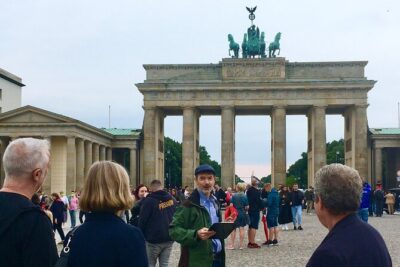
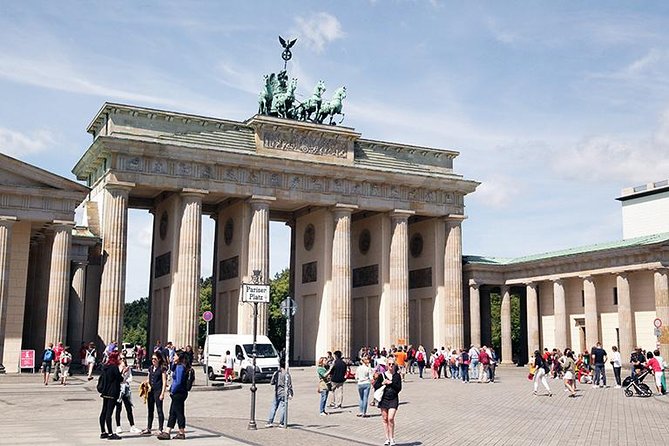
You’ll move through the stretch that links major points like the royal palace area toward Pariser Platz and the Brandenburg Gate. This is the kind of sight sequence that’s helpful for first-timers, because it gives you a sense of direction. You’ll also start to notice how the city’s “important” buildings aren’t random. They cluster in ways that reflect power and political intent.
The Reichstag is nearby, and the tour gives it extra weight because it represents Germany’s parliament. You don’t just glance at the building. You get the context of why this political symbol matters—especially in a city that has rewritten its government more than once in the last century.
Museum Island pauses: when the guide points at the story behind the stone
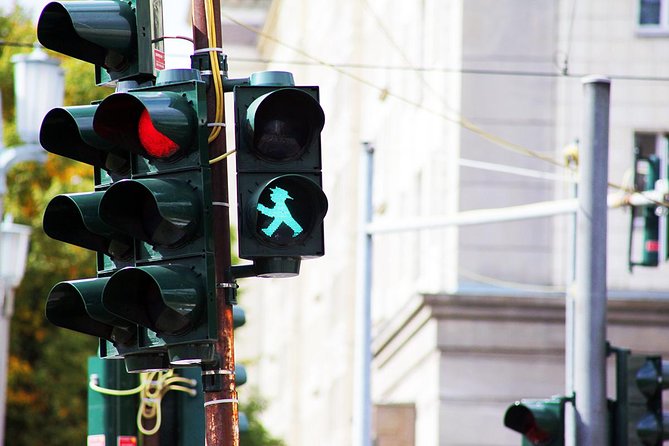
The walk touches the Museum Island zone (you’ll hear history tied to the area, including short pauses at several museum fronts). This is the part where Berlin’s outward beauty can trick you into forgetting the darker layers—so your guide keeps the balance.
One stop worth flagging: the Berlin State Library, which the tour notes was once the workplace of Albert Einstein. That single detail does a lot of work. It shifts your focus from politics alone to the people and ideas that shaped Berlin’s intellectual life too.
You’ll also have a short pause at Neue Wache, described here as a memorial. That’s an important contrast point after the museum-heavy look of Museum Island. Berlin isn’t only architecture and achievement. It also insists you face loss and responsibility.
Because these are brief pauses, you shouldn’t expect deep museum-level detail. Think of it as: your guide marks the locations so your later self-guided visits go faster and make more sense.
The places where Nazi Germany’s violence becomes specific
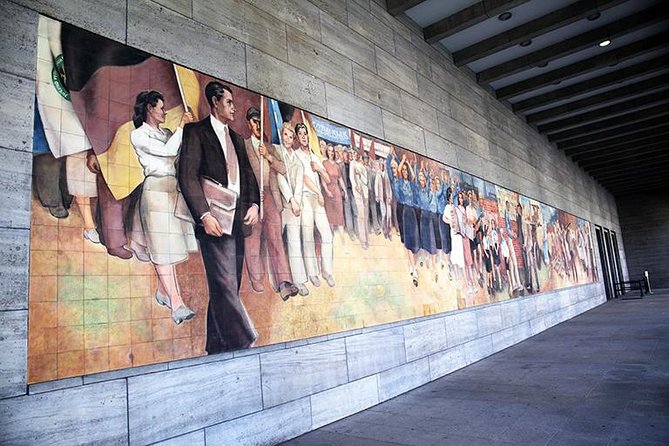
This tour doesn’t keep things abstract. It points you to sites tied to Nazi power and its consequences—then explains why those sites matter now.
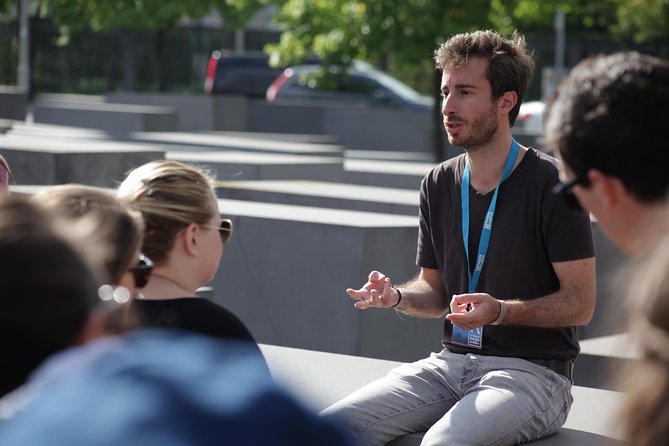
You’ll pass through Pariser Platz, where the guide connects the area to Hitler’s bunker. Nearby, you’ll also reach the Holocaust Memorial, described as commemorating the many Jews who lost their lives during the Nazi regime. The guide’s job here is to frame the site’s purpose, not just its look.
Then comes Bebelplatz, known for the infamous 1933 book burning by the Nazis. This is one of those moments where the guide’s pacing helps. A quick stop can feel too short, but the guide’s explanation gives you the meaning to carry with you afterward—especially when you walk away and realize it’s easy for everyday streets to hide past brutality.
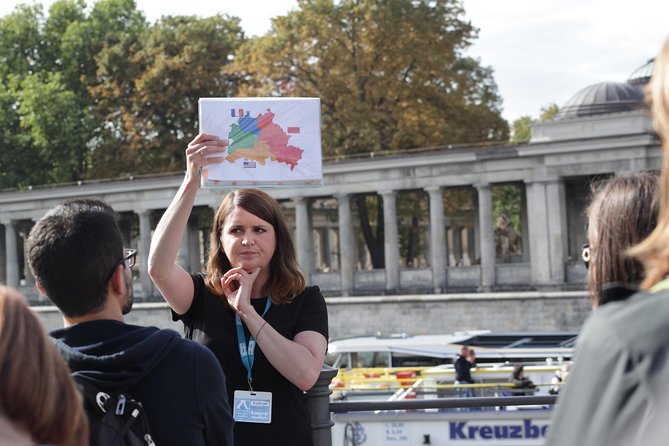
The tour also traces the path of the “death strip” to Checkpoint Charlie, the famous crossing point between East and West Berlin. That gives your Cold War story a physical backbone, so the history stops being something you only read.
You can also read our reviews of more tours and experiences in Berlin





Walking the Berlin Wall line and the 1989 change
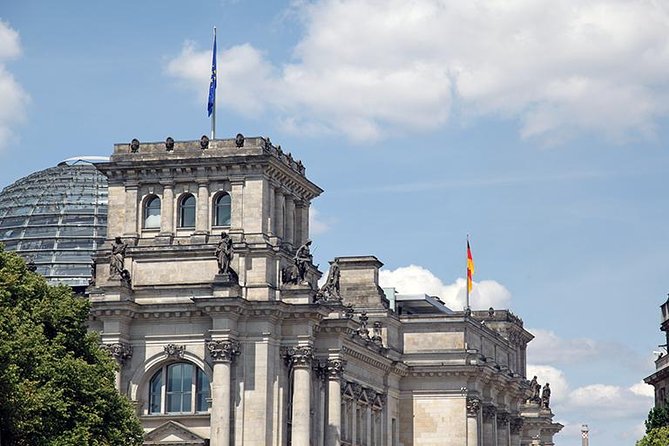
You’ll spend time walking along the Berlin Wall, described here as the boundary between East and West during the Cold War. The guide also covers the downfall in 1989, which is the pivot point where Berlin’s story flips.
What I find effective about doing this on foot is that you see how the wall’s presence shaped movement and city life. When the guide talks about the boundary, it stops being a concept. It becomes an urban fact—something that affected where people could go, and how the city could function.
There’s also a Memorial of the Berlin Wall on the route. Even if you’ve seen wall remnants in other cities, Berlin’s scale and the way the city integrates these reminders makes the experience feel unusually direct.
Topography of Terror: the former HQ, plus the excavated cellars

The emotional center of the walk is Topography of Terror. The tour specifically notes it’s located at the former Gestapo and SS Headquarters. That’s a big deal because it turns the museum from a general stop into a site of historical evidence.
The guide also explains why the location matters for modern Berlin’s confrontation with the past. And then you get a particularly hard-to-forget detail: you can look down into excavated cellars, described as places where political prisoners were tortured and killed.
This part of the tour can be heavy. The good news is that guides have earned praise for handling the subject with care. Several named guides—like Ruaridh and Ben—are noted for mixing respect for difficult history with a clear, factual approach.
If you’re the type who needs space after intense sites, plan a quiet moment afterward. A short walk to reset often helps.
Checkpoint Charlie and the French Church area: finishing with context, not just photos
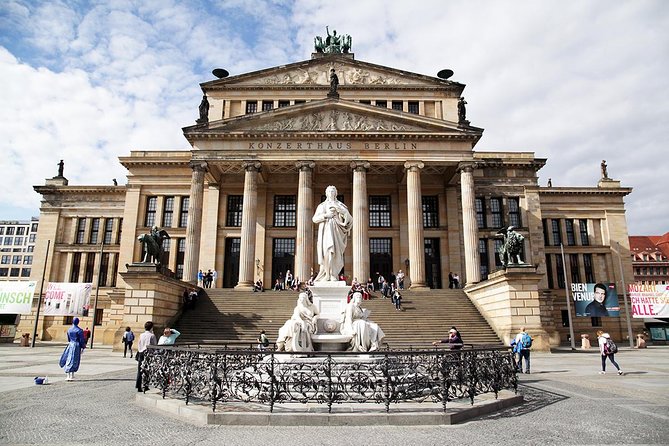
After Checkpoint Charlie, the route continues with more short pauses around central landmarks. The tour includes stops such as Staatsoper Unter den Linden, Humboldt University, St. Hedwig Cathedral, and even the Ampelmann Shop (a fun pop of everyday Berlin culture).
You’ll also pass by Victory Column, plus several notable church and government-era locations like Franzoesischer Dom and the Aviation Ministery of Berlin (as listed on the route). There are also stops tied to specific events and sites, including Fuhrerbunker and Platz des Volksaufstandes von 1953.
At first glance, that might sound like too many dots on a map. But in practice, the guide uses the dots to complete the eras you started with. By the end, you’re not just leaving with photos. You’re leaving with a mental map of Berlin’s political shifts.
And that matters because Berlin rewards repeat visits. The first time you get oriented, the second time you notice details you missed before.
How much walking is really involved, and what to wear
This is a walking tour. The duration is about 3 hours 30 minutes, with lots of short pauses rather than long sitting breaks.
A lot of people love this format because it keeps momentum and helps you see a wide swath of Berlin in one morning or afternoon window. The tradeoff is that you’ll want sturdy shoes and layers. Berlin weather can change your mood fast, and several guides have been praised for keeping the pace smooth even in cold conditions.
One extra practical note: there may be a short break to warm up, based on guide style. If you do stop at a café, food and drinks aren’t included.
So I’d pack: water, a snack if you like, and a jacket you can move in. You’ll be glad you did.
Price and value: getting a lot of named stops for $24.19
At $24.19 per person, this is priced like a deal for a guided, multi-hour walking tour that hits major Berlin landmarks. What makes it good value isn’t just the price tag. It’s the density of famous sites and the fact that you’re not navigating the story on your own.
You’ll also get a mobile ticket, offered in English, and the tour is run by a professional guide. Add the small group limit (up to 25), and you get something that feels structured without being rigid.
Food isn’t included unless specified. That’s normal for this kind of city walk. But given the number of stops and the time you save figuring out what matters, most people find the cost easy to justify.
Who should book this tour (and who might want a different style)
This tour is ideal if you:
- want a strong overview for a first Berlin trip
- care about how politics shapes the city’s buildings and street layouts
- like history told through real places, not just dates
- prefer a guide who invites questions and keeps the pace comfortable
It’s also a good fit for groups, since the stop-and-explain style works well when people have different interests. And while it’s not marketed as family-only, the structure can work for teens who still enjoy landmarks and stories.
If you prefer slow museum time, or you want to linger at one site for an hour, you’ll likely do better pairing this with separate museum visits afterward. Think of this as orientation plus meaning, then go deeper where you feel pulled.
Should you book Discover Berlin Half-Day Walking Tour?
Yes, if you want the fastest way to make Berlin’s major landmarks click. This walk is strong for first-timers because it links eras—Prussian and Imperial through Nazi and Cold War—into one readable route.
Book it early in your trip. You’ll use what you learn to plan the rest of your days, instead of bouncing randomly between sights. Just come ready for serious walking, dress for the weather, and bring your questions.
If you’re nervous about history being too heavy, you can still enjoy it. The tour’s approach is designed to explain difficult subjects with care, while keeping the overall pace sane.
FAQ
How long is the Discover Berlin Half-Day Walking Tour?
It runs for about 3 hours 30 minutes.
How much does the tour cost?
The price is $24.19 per person.
What language is the tour offered in?
The tour is offered in English.
Where do I meet the guide?
The meeting point is Neue Promenade 3, 10178 Berlin, Germany.
How many people are in the group?
The tour has a maximum of 25 travelers.
Do I get a mobile ticket?
Yes, it’s a mobile ticket.
Are food and drinks included?
No. Food and drinks aren’t included unless specified.
Is there a service animal policy?
Yes, service animals are allowed.
Is the tour near public transportation?
Yes, it’s near public transportation.
Can I cancel for a full refund?
Free cancellation is available if you cancel at least 24 hours in advance of the start time.