REVIEW · BERLIN
Nazi Berlin and the Jewish Community Tour
Book on GetYourGuide →Operated by Vive Berlin e.G · Bookable on GetYourGuide
Berlin’s past isn’t polite. This 3-hour tour links Nazi decision-making sites with key Jewish landmarks in Berlin, plus places tied to resistance and rescue.
I like that it focuses on cause and mechanism, starting with how power took hold in 1933 and moving through the real-world machinery of persecution. You’ll also get the contrast of sacred space and daily life, including the sight of the New Synagogue Berlin.
One thing to plan for: you’ll be on public transit, and you need an AB all-day ticket, so build in time and wear comfortable shoes.
In This Review
- Key highlights you should care about
- A 3-hour route through power, persecution, and rescue
- Starting point and transit: how you’ll move across Berlin
- Nazi headquarters and the mechanics behind 1933
- Resistance and the planning behind Operation Valkyrie
- Anhalter Bahnhof: where deportation stories become real
- The Jewish quarter and the New Synagogue’s golden dome
- Varian Fry and the lesser-known escape story
- Operation T4 command center: extermination planned like a project
- Otto Weidt Workshop for the Blind and the Righteous Among the Nations
- Guided tours in French or Italian, including Lorenzo’s mentioned style
- Price and value: what $27 buys you
- Who this tour is best for
- Should you book the Nazi Berlin and Jewish Community Tour?
- FAQ
- How long is the Nazi Berlin and Jewish Community Tour?
- How much does the tour cost?
- Do I need an AB public transport ticket?
- What languages are the guides?
- Where does the tour start and end?
- Is the tour wheelchair accessible?
- What should I bring?
- Is there free cancellation?
- Can I reserve without paying right away?
Key highlights you should care about
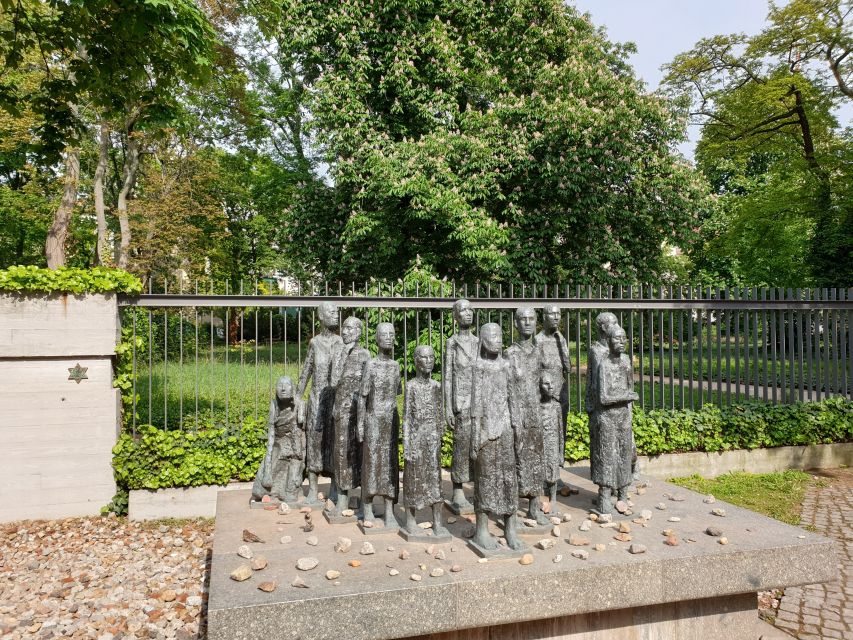
- Hitler’s rise explained in context, not just slogans
- German Resistance Memorial tied to Operation Valkyrie
- A powerful stop at Anhalter Bahnhof, connected to deportations
- Varian Fry and lesser-known escape history from Nazi-occupied Europe
- Otto Weidt Workshop for the Blind, including the story of rescue by a Righteous Among the Nations
A 3-hour route through power, persecution, and rescue
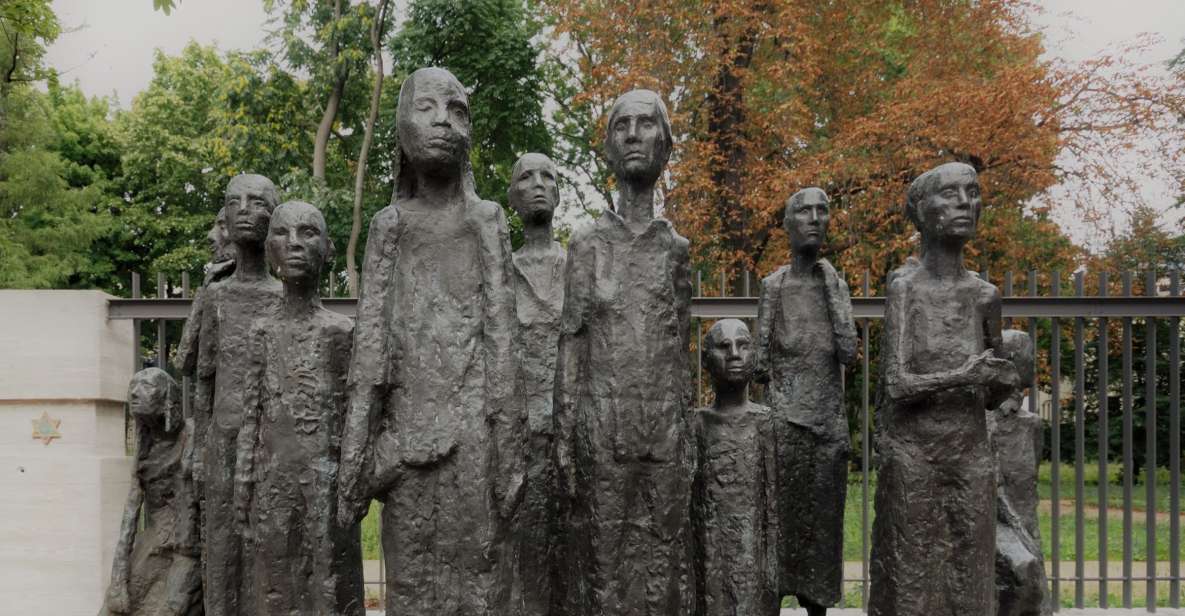
This is not a “drive-by history” tour. It’s a guided route across Berlin that connects the big political picture to the human scale of what happened to Jews in the city, and to the people who tried to stop it.
For you, the value is the tight timeline. In about three hours, the guide helps you connect several different threads: the Nazis taking control, the plans for extermination, the resistance trying to fight back, and the Jewish community’s landmarks and losses. It’s a lot to fit in, but the pace is built around short guided segments and moving between sites by public transport.
The tone is serious, but it’s also practical. You’ll learn what each place meant, why it’s remembered, and what details to notice while you’re there. And if you’re the type who likes to understand how systems work, you’ll appreciate the focus on mechanisms, from forced labor to deportations.
You can also read our reviews of more tours and experiences in Berlin.


Starting point and transit: how you’ll move across Berlin
You meet at a location that varies depending on the option you book, then you start with a short guided introduction. After that, the tour keeps you moving, using bus and train between key sites.
Why this matters: Berlin is spread out, and some of the most important places for this story are not all within easy walking distance. Using public transport helps you cover more ground without turning the day into a marathon of stairs and long walks.
What to watch for: you’ll be switching between guided stops and transit time. Bring comfortable shoes and expect you’ll want a little extra margin for getting on and off trains smoothly. This is especially true if you’re going at a busy time of day.
Nazi headquarters and the mechanics behind 1933
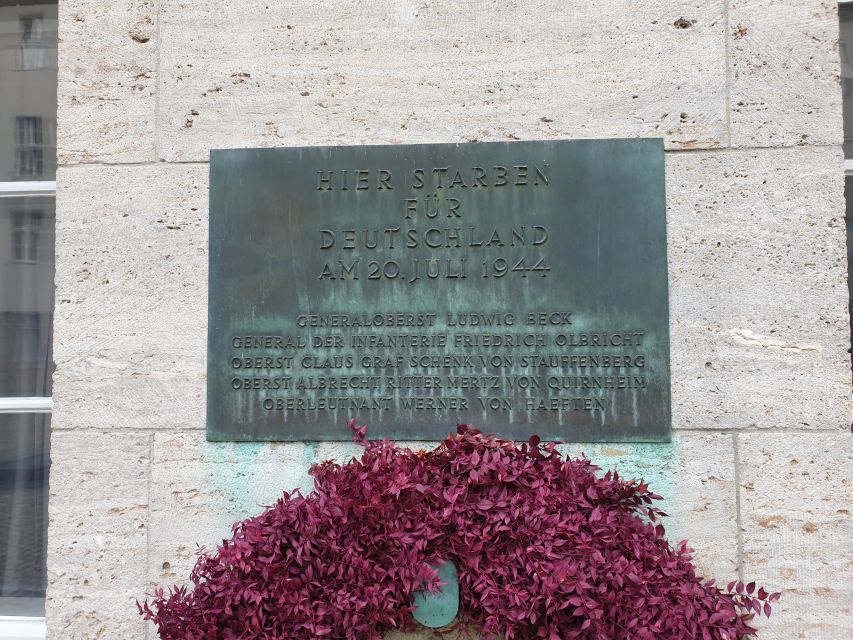
The tour’s first major theme is how Hitler’s rise to power in 1933 became possible. That opening matters, because it stops the story from feeling like it started out of nowhere.
At the Nazi-Headquarters stop, you’re set up to understand the dictatorship as something built step by step: decisions, institutions, and the ways power was used to control society. You’re not just shown a building. You’re given a framework for reading what you see and connecting it to later events.
This is also where the tour’s balance shows. It doesn’t treat Nazi Germany as a single evil event; it explains it as a political process and a system that gathered force. That approach makes later stops hit harder, because you see the through-line from control to catastrophe.
Resistance and the planning behind Operation Valkyrie
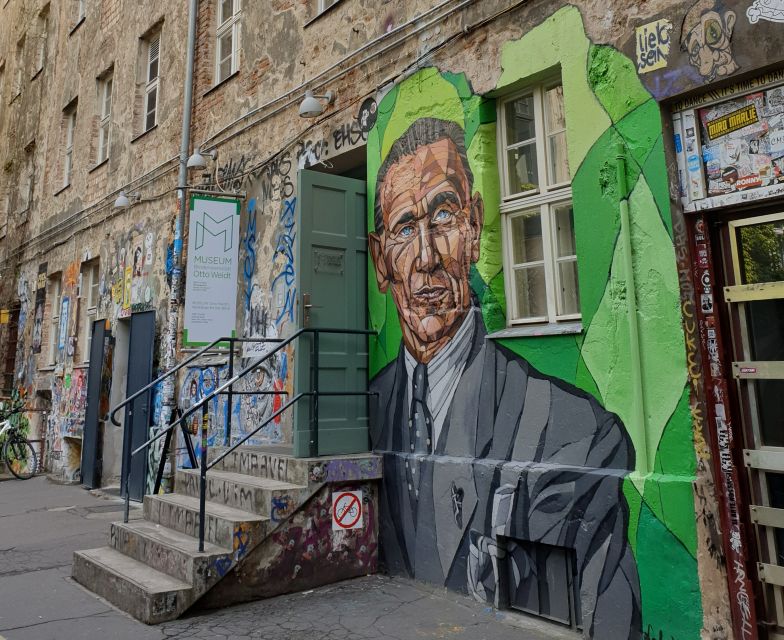
After the Nazi-power context, you move to the Gedenkstaette Deutscher Widerstand, the German Resistance memorial. The guide gives you a focused view (a short guided segment) that ties resistance to concrete action.
The key idea here is Operation Valkyrie. You’re shown the site from which the operation was directed, and the memorial now honors Germans who opposed and fought against Nazism. That’s important: resistance in Nazi Germany wasn’t only about protests or private moral courage. It included planning and action, and the memorial helps you understand that difference.
If you like history that connects people’s choices to outcomes, you’ll likely enjoy how this stop frames resistance as something planned and risky, not romantic. It also helps you compare motivations: not everyone resisted for the same reason, but they shared the sense that the regime had to be stopped.
Anhalter Bahnhof: where deportation stories become real
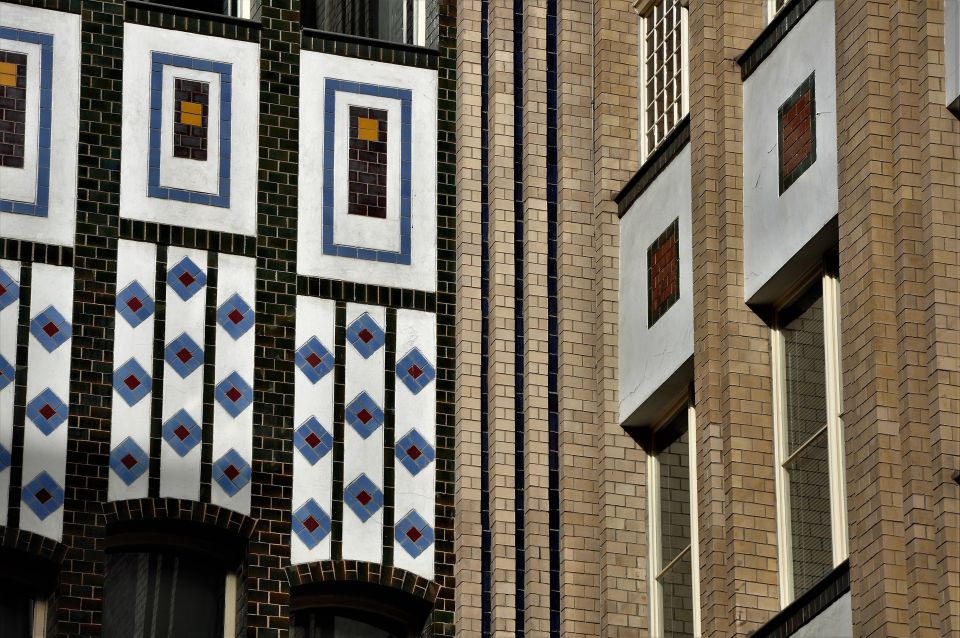
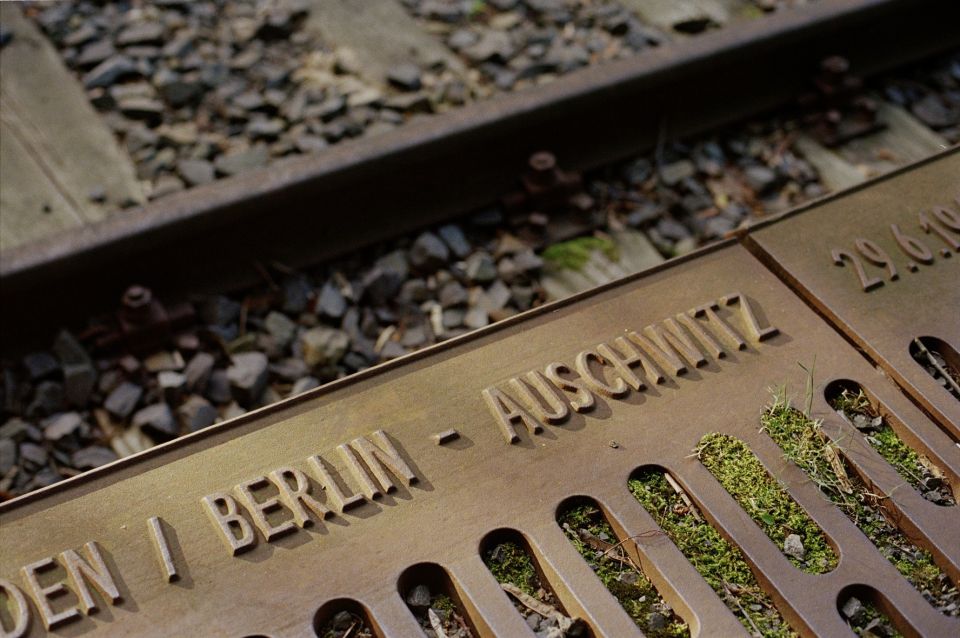
One of the tour’s more haunting moments comes around Anhalter Bahnhof. The guide gives a short guided stop here, and you’re expected to take in the setting as part of the story of persecution and deportation of Berlin Jews during World War II.
Why this stop works: train stations are often treated like blank backdrops in history tours. Here, you’re shown that stations are where lives were rerouted. Even without getting graphic, the location itself carries meaning because of what happened there.
You also get a bridge effect. Coming from Nazi headquarters and resistance planning, Anhalter Bahnhof becomes the link between policy and lived reality. It’s one of those stops where you can feel the story tighten: plans turn into movement, and movement turns into lives upended.


The Jewish quarter and the New Synagogue’s golden dome
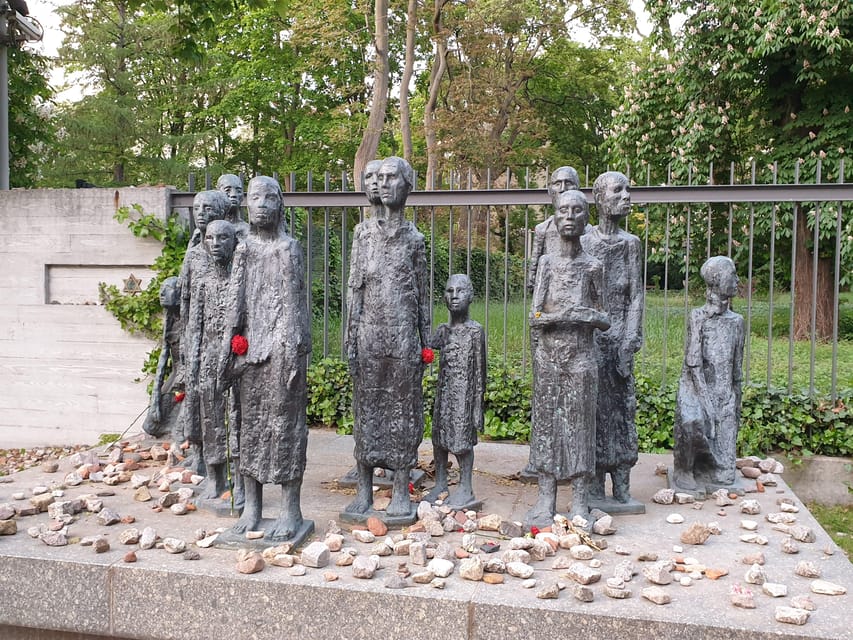
Then you head to the historical district of the Jewish community. This is where the tour changes gears, and it does so on purpose.
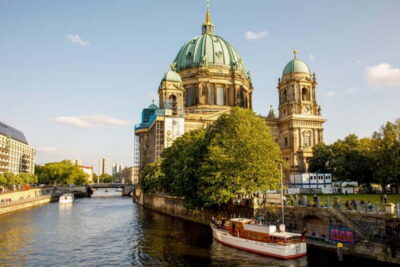
You visit the area where you can see traces of the community, including the oldest Jewish cemetery and the imposing New Synagogue of Berlin. The synagogue’s golden dome is a striking visual anchor, and the guided explanation gives you the long arc: Jewish life in Berlin before Nazi power, through what changed as Nazis came to power.
What I like about this portion is the way it avoids reducing Jewish history to tragedy only. You learn about the long presence of Berlin Jews in the city, and that context matters. It reminds you that deportation didn’t erase something that had just started; it destroyed a community that had existed through many generations.
You also hear about forced labor and deportations during World War II. Again, the tour’s strength is tying what you learn directly to what you’re seeing, so it doesn’t feel like disconnected facts.
Varian Fry and the lesser-known escape story
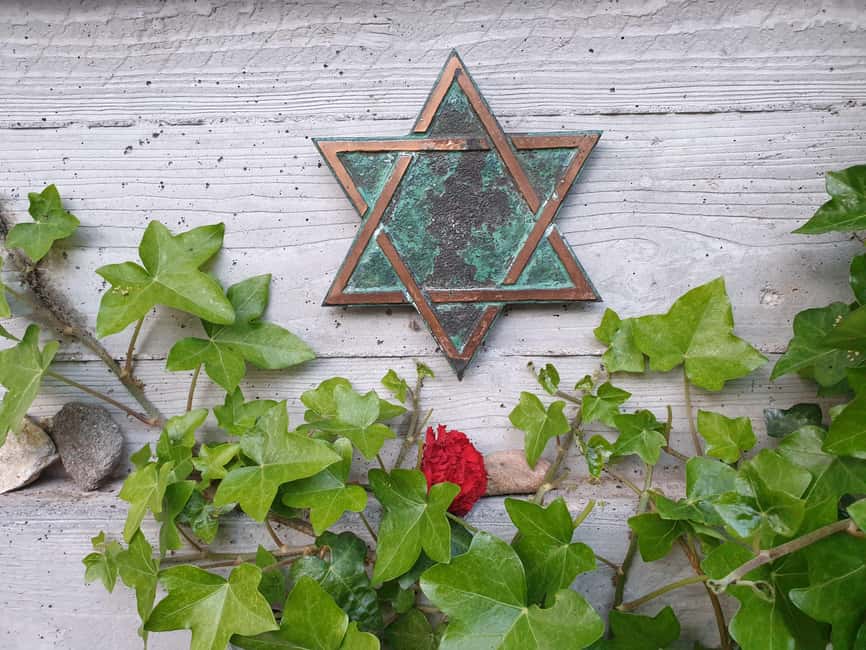
A special feature of this tour is the attention to lesser-known memorials, including one dedicated to American journalist Varian Fry. The guide explains how Fry orchestrated the escape of over 3,000 persecuted Jews from Nazi-occupied Europe.
This stop adds a different kind of story into the mix: not just what the Nazis did, but how some people tried to save others. It also names notable people connected to this escape network, including painter Marc Chagall, philosopher Hannah Arendt, and writer Heinrich Mann.
Why it’s valuable for you: rescue stories can get flattened into vague heroism. Here, you’re shown that specific people took concrete actions in real time, and that escape involved networks and effort. It helps keep the tour from feeling purely one-directional.
Also, memorials like this are easy to miss on your own. A guide helps you notice them and understand why they matter.
Operation T4 command center: extermination planned like a project
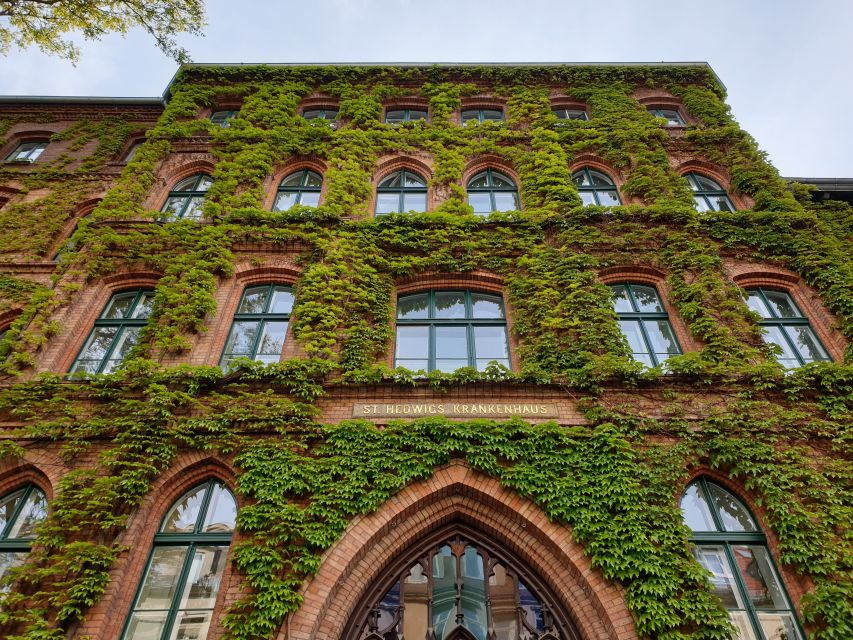
One of the toughest stops on the route is the visit connected to Operation T4. You go to the command center where the SS planned the extermination and sterilization of tens of thousands of disabled citizens.
This is heavy material. It’s also crucial, because it shows that Nazi cruelty wasn’t only about one group or one stage. It included a broader program aimed at destroying lives and enforcing a brutal ideology.
For your experience, the guide’s job is to keep this grounded and understandable. You’ll leave with a clearer picture of how bureaucratic planning and state structures helped carry out atrocities. The words extermination and sterilization are not abstract here; you learn the intent behind the plan and how such decisions became policy.
Otto Weidt Workshop for the Blind and the Righteous Among the Nations
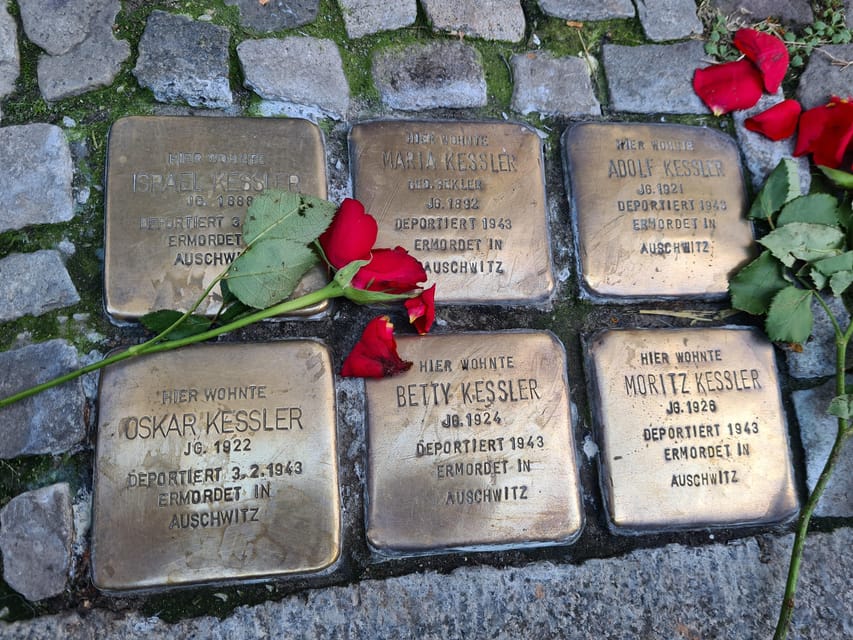
If the first half of this tour shows you the machinery of persecution, the Otto Weidt Workshop for the Blind stop shows you what resistance to that machinery could look like.
You visit the museum that tells the story of a Righteous Among the Nations and his efforts to protect Jewish workers from persecution and deportation. The guide explains that when the threat grew greater, he found places for some of them to hide, including on the premises of what is now the museum.
This is one of the most emotionally balanced stops. It’s not denial of the horror you learned earlier, and it’s not just a lesson in despair. It’s about action at the ground level, where one person could create breathing room and safety for others.
One additional reason I like this stop: it turns a large story into something you can picture. You’re not only learning names and dates. You’re seeing how protection happened in practice.
Guided tours in French or Italian, including Lorenzo’s mentioned style
The tour guide is French or Italian-speaking. If you get an Italian guide named Lorenzo, you may notice a style people describe as serious, well-prepared, and genuinely engaging.
In general, what you should look for as you choose your language: do you want the guide to translate the emotional weight clearly without sensationalizing it? A good guide here will keep you focused on facts, context, and the meaning of the sites.
Price and value: what $27 buys you
At about $27 per person, this is priced like a strong value for the amount of ground you cover and the number of guided segments you get. You’re paying for a guide who strings together multiple major themes across several key places: Nazi power, resistance, deportation context, Jewish landmarks, and rescue history.
The big catch is that the tour doesn’t include the AB all-day ticket you need for public transport. So your real cost is the ticket plus the tour fare.
Still, even with the transit cost added, this usually works out well if you want historical context without piecing together everything yourself. And you’re not just going to one museum where you’ll spend all your time indoors. You’re moving through the city in a guided way that helps the story land.
Who this tour is best for
This tour is a good fit if you:
- want a structured, guided route rather than an open-ended self-walk
- like learning how systems and decisions lead to real outcomes
- care about both Jewish history in Berlin and the resistance and rescue stories around it
- prefer short guided explanations at multiple sites over one long museum session
It may feel intense if you’re looking for lighter sightseeing, casual photo stops, or something designed to entertain. Also, if you know you dislike public transport segments, plan for transit time so you don’t rush the guided moments.
Should you book the Nazi Berlin and Jewish Community Tour?
I think you should book this if you want a clear, guided connection between Nazi power, the persecution of Jews in Berlin, and the resistance and rescue efforts tied to that story. The mix of sites is what makes it worthwhile: Nazi headquarters, German resistance memorial, Anhalter Bahnhof, the New Synagogue area, the Varian Fry memorial, and Otto Weidt’s workshop.
Skip it only if you want a purely museum-based experience or you’re not comfortable with the need for an AB ticket and transit between stops. If you’re set on understanding the city’s wartime history with guidance, this one is a solid, cost-effective way to do it in three hours.
FAQ
How long is the Nazi Berlin and Jewish Community Tour?
The tour lasts 3 hours.
How much does the tour cost?
The price is listed as $27 per person.
Do I need an AB public transport ticket?
Yes. An AB all-day ticket is required for the tour.
What languages are the guides?
The live tour guide is available in French or Italian.
Where does the tour start and end?
The meeting point can vary depending on the option booked, and the activity ends back at the meeting point.
Is the tour wheelchair accessible?
Yes, the tour is wheelchair accessible.
What should I bring?
Wear comfortable shoes, since you’ll be visiting several historical sites and using public transport.
Is there free cancellation?
Yes. You can cancel up to 24 hours in advance for a full refund.
Can I reserve without paying right away?
Yes. You can reserve now and pay later to keep your travel plans flexible.