REVIEW · BERLIN
Berlin: Third Reich and Cold War 2 Hour Walking Tour
Book on GetYourGuide →Operated by Insider Tour Berlin · Bookable on GetYourGuide
Berlin history walks with you. This 2-hour guided route turns major turning points into something you can actually see and piece together, from the Brandenburg Gate to Checkpoint Charlie, with guides like Hannah or Jimmy often driving the story with clear pacing and punchy details. I really like how the walk keeps a steady flow, so the city’s Nazi years and Cold War division don’t blur into one long lecture.
I also like that you don’t only visit dramatic sites. You pause at places with moral weight too, including the Soviet War Memorial in Tiergarten and the Memorial to the Murdered Jews of Europe, plus darker stops tied to Nazi terror like Topography of Terror. One drawback to plan for: you’ll walk about 2 km on city sidewalks, so wear shoes you trust and expect the topic to feel heavy in places.
In This Review
- Key highlights that make this tour worth your time
- Where you start: Brandenburg Gate, Nazi parades to reunification
- Reichstag stop: the 1933 Reichstag Fire in real-world context
- Tiergarten’s Soviet War Memorial: tanks, loss, and why it matters
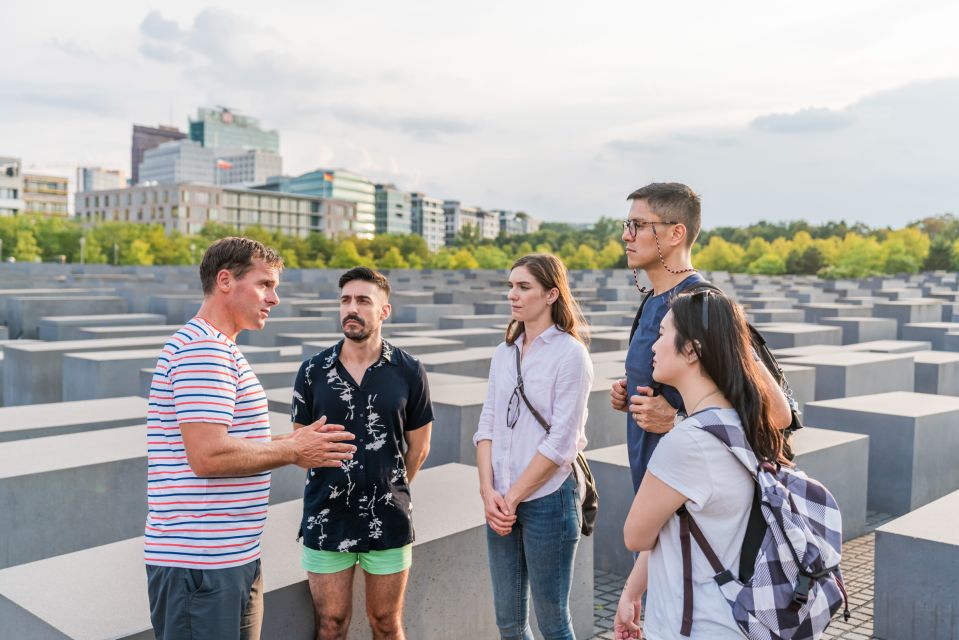
- Memorial to the Murdered Jews of Europe: a pause that changes how you see everything else
- Hitler’s bunker area and the machinery of terror
- Topography of Terror: the Nazi state made visible
- Walking a real Wall section: about 200 meters of division
- Checkpoint Charlie: the Cold War standoff you can picture
- Price and value: $23 for a 2-hour, high-impact route
- Who this tour fits best (and who should reconsider)
- Should you book it?
- FAQ
- How long is the Berlin: Third Reich and Cold War 2 Hour Walking Tour?
- Where does the tour start and where does it end?
- What landmarks will we see?
- Is the tour wheelchair accessible?
- How much walking is involved?
- What languages are available?
- Does it run in all weather, and what should I bring?
Key highlights that make this tour worth your time
- A short Berlin Wall walk (about 200 meters) so the division feels physical, not abstract
- Checkpoint Charlie with the classic Cold War face-off context that makes the area click
- Reichstag area context, including how the 1933 Reichstag Fire shaped Hitler’s rise
- Tiergarten stops that include the preserved Red Army tanks and the scale of the Battle of Berlin
- Nazi leadership and terror sites in the same corridor, including the bunker area and Topography of Terror
- Storytelling-style guiding, with many guides praised for clarity and energy (Hannah, Jimmy, Ru, Scott, Klaus, Marie, Mikhail, Steve—among others)
Where you start: Brandenburg Gate, Nazi parades to reunification
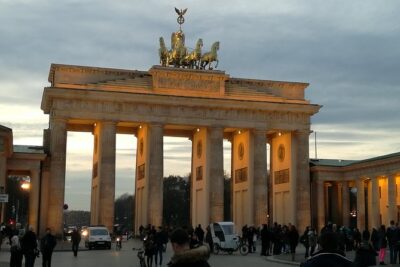
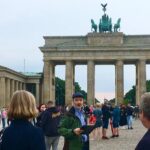
You begin at the Tourist Information at Brandenburg Gate in Pariser Platz 1. It’s one of those locations that instantly tells you you’re in the center of the story: you can see why this spot mattered to governments, propaganda, and later symbolism.
If you’re arriving by transit, aim for S-Bahn or U-Bahn at Brandenburger Tor (S1, S2, S25, S26, U5) or buses 100 and 245. When you meet, look for your guide with the pink umbrella right by the gate.
What I like about starting here is simple: the Brandenburg Gate isn’t just a photo stop. It’s the kind of landmark that helps you understand why Berlin became such a trophy during the 20th century. From the guide’s explanation, you’ll connect the gate to the Nazi era’s public spectacle and then to the Cold War tensions that surrounded the city.
You can also read our reviews of more walking tours in Berlin


Reichstag stop: the 1933 Reichstag Fire in real-world context
From the Brandenburg Gate area, the tour moves toward the Reichstag and the moment often described as a spark in the Nazi consolidation of power: the 1933 Reichstag Fire.
This works well for you if you’ve ever read about the event but wondered how it fit into the wider timeline. Standing near the seat of German parliamentary history makes the story feel less like a dry headline and more like a turning point with consequences. The guide’s job here is to help you hold two ideas at once: how the event was framed politically, and how it helped shift power in the direction Hitler needed.
Practical tip: this segment is also when your brain is switching gears from “Monument Mode” (pretty sights) into “Cause-and-effect Mode” (why things happened). A good guide keeps the pace calm so you can follow.
Tiergarten’s Soviet War Memorial: tanks, loss, and why it matters

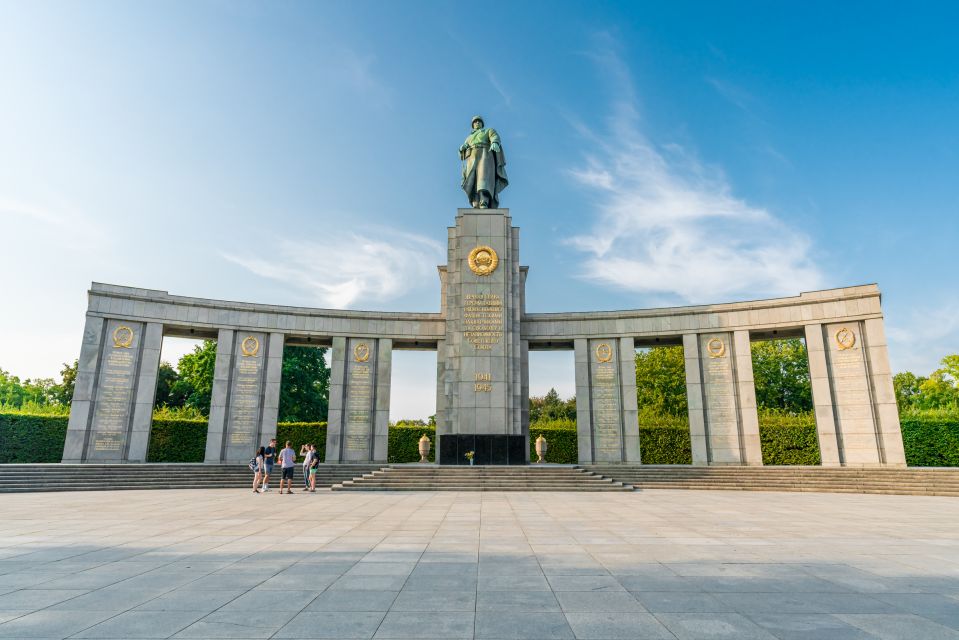
Next comes the Soviet War Memorial in Tiergarten, a stop that adds a crucial non-German perspective to Berlin’s story. You’ll see preserved Red Army tanks and hear about the scale of loss—80,000 Soviet soldiers who fell during the Battle of Berlin.
This is one of the best parts of the tour for anyone who wants context beyond Germany’s own internal storylines. The guide helps explain why Soviet presence in Berlin wasn’t just military; it shaped the postwar order and later the logic of the Cold War.
One reason I value this stop: it trains your eyes to look at memorials as sources of meaning. People come expecting solemn statues; you’ll leave understanding the memorial as a message from one side of the conflict to the other.
Memorial to the Murdered Jews of Europe: a pause that changes how you see everything else
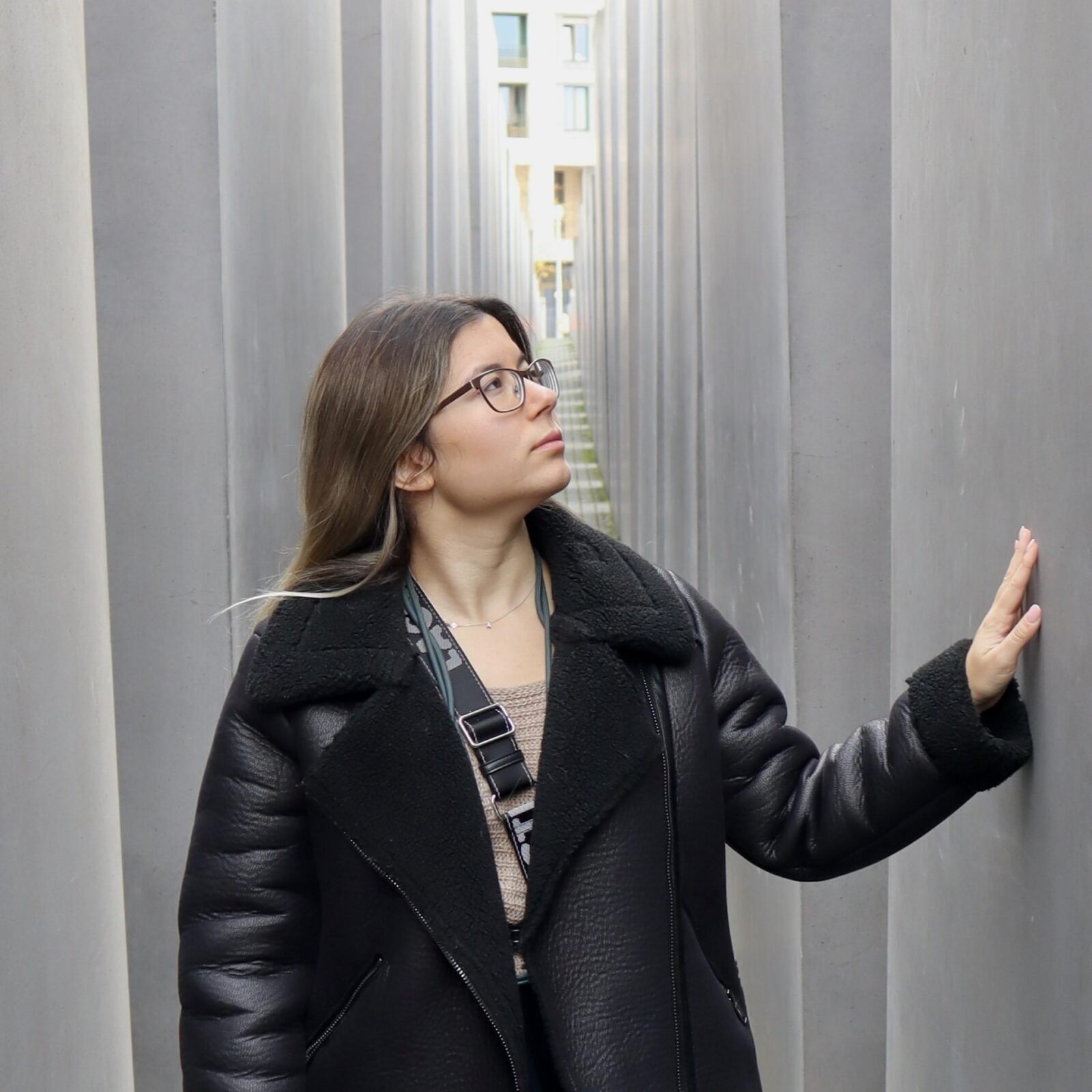
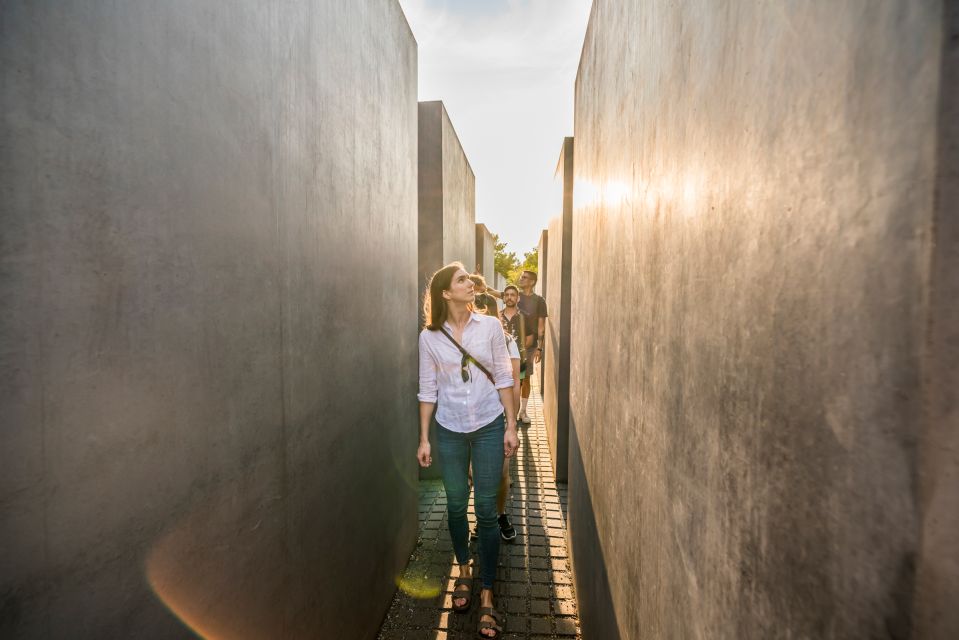
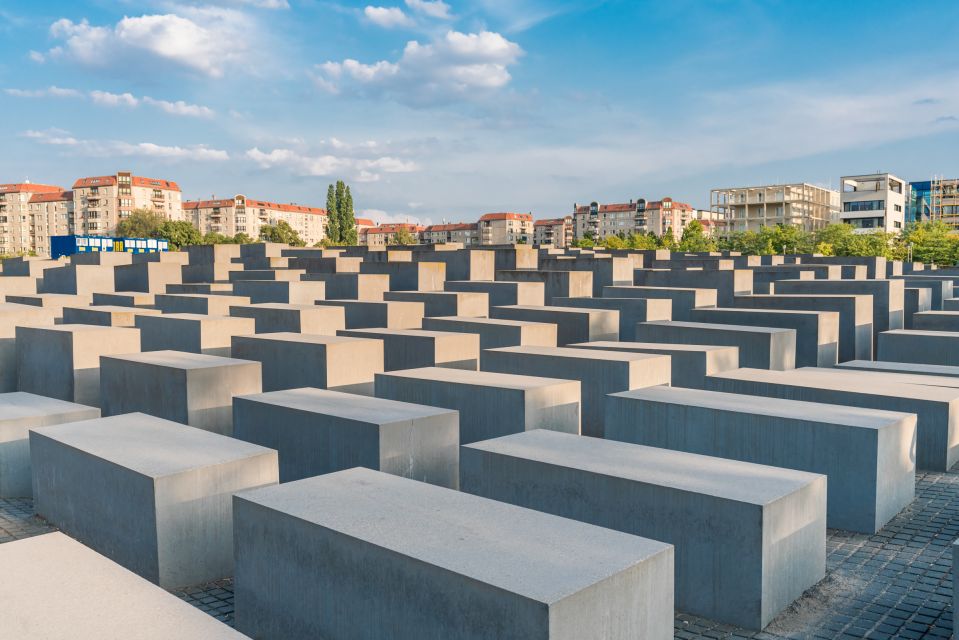
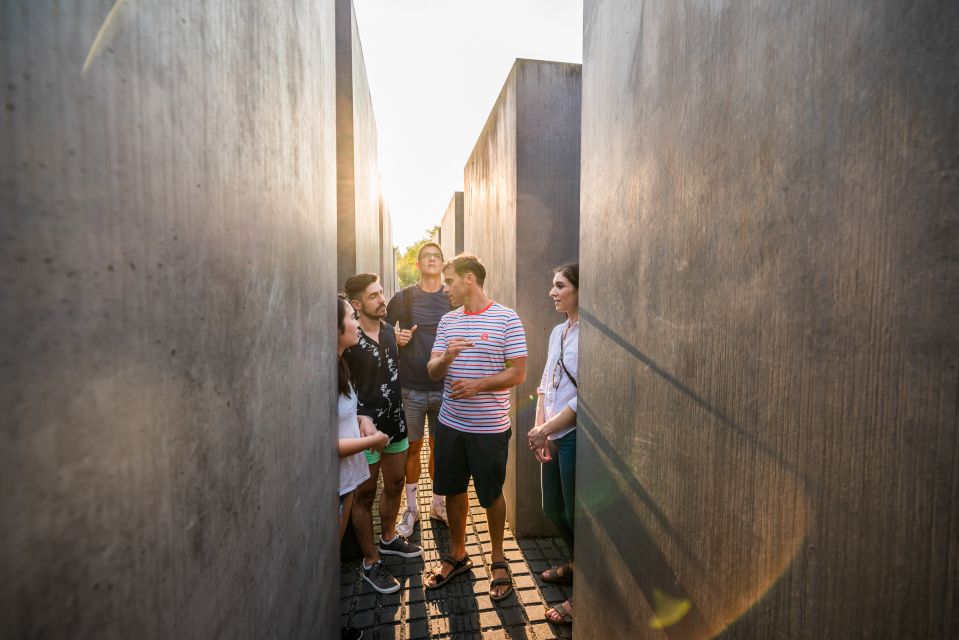
After the Soviet war remembrance, you move to the Memorial to the Murdered Jews of Europe. It’s an experience built to slow you down. Even if you’ve read about the Holocaust before, this stop has a way of turning information into weight.
I appreciate tours that don’t rush this kind of stop. The guide’s role matters here: you’ll get enough historical framing to understand what you’re looking at, without turning it into a checklist. And because the tour already set up the Nazi state’s trajectory earlier, this memorial lands as the moral center of the walk—not just a separate stop.
Hitler’s bunker area and the machinery of terror
The tour then heads toward the site of Hitler’s Bunker, where the Nazi leader spent his final days. Standing near the area where that regime ended is unsettling in a straightforward way: it turns the fall of the Third Reich from a page in a book into geography.
From there, you’ll also hear about nearby sites tied to Nazi administration and later outcomes, including Hermann Göring’s former Ministry of Aviation—later connected to the birth of East Germany in 1949. Then you’ll continue toward places associated with the SS and Gestapo, where the machinery of terror was orchestrated.
This section is intense. The tour does not pretend the subject is light. What you can take from it, if you’re paying attention, is the pattern: Berlin wasn’t only divided by walls. It was shaped by systems—propaganda systems, policing systems, and repression systems—that affected daily life.
If you prefer your tours more upbeat, this might not be your easiest 2 hours. If you want understanding, it’s exactly what you came for.
You can also read our reviews of more tours and experiences in Berlin

Topography of Terror: the Nazi state made visible
The walk continues to Topography of Terror, a site that helps you connect the dots between headquarters, surveillance, and terror. You’ll hear stories and facts that put bureaucratic power behind the violence—how the regime’s operations were organized in the city itself.
What makes this stop valuable is that it’s not only about famous names. It’s also about the system: the idea that terror was run, managed, and documented. That’s a hard concept, but it’s the key to grasping how the Third Reich extended beyond battlefields and into everyday structures.
Tip: take a breath here. If you’re photographing everything, you’ll miss the point. Pause, listen, and let the facts settle before you move on.
Walking a real Wall section: about 200 meters of division
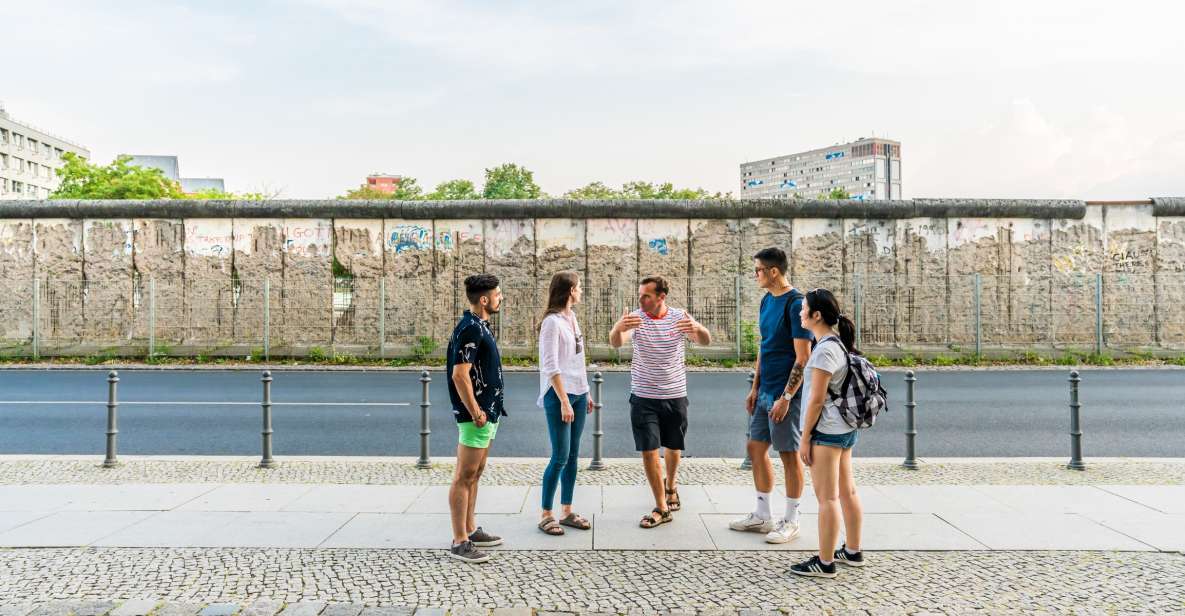
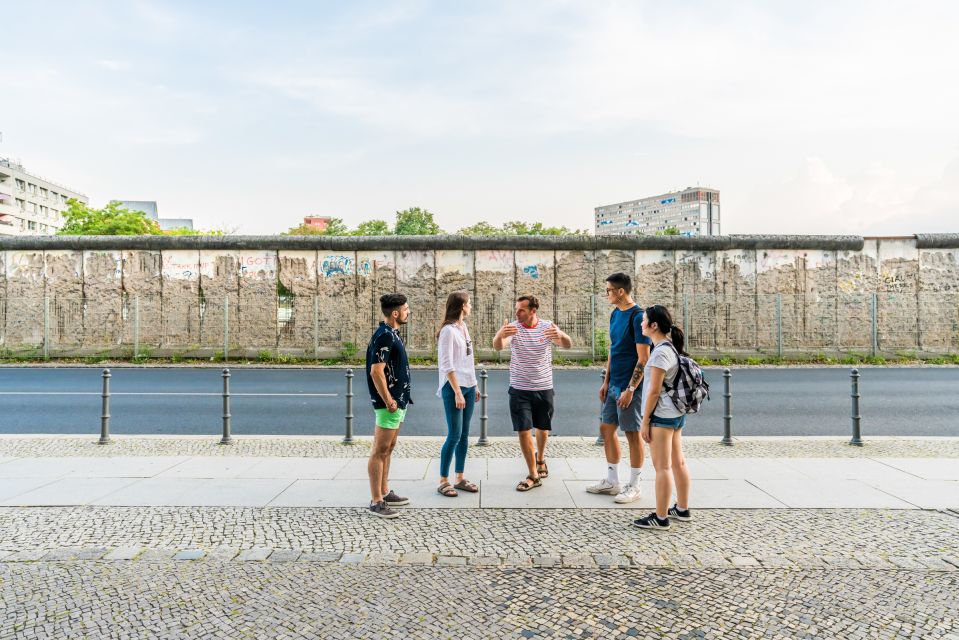
Then you reach the Berlin Wall segment, roughly 200 meters long. This is your “physical proof” moment. You can read about the Wall for years, but standing there helps you understand what division meant in spacing, movement, and daily life.
The guide will talk about escape attempts and how people risked everything. And that’s where the earlier stops pay off: you’ll start to see the Wall as the Cold War’s hard boundary, built on decades of conflict and ideology.
This is also a good moment to slow down your pace. The best tours let you look for details: how the Wall sits in the city, how modern buildings wrap around old lines, and how the street feels different in your body once you know what happened here.
Checkpoint Charlie: the Cold War standoff you can picture
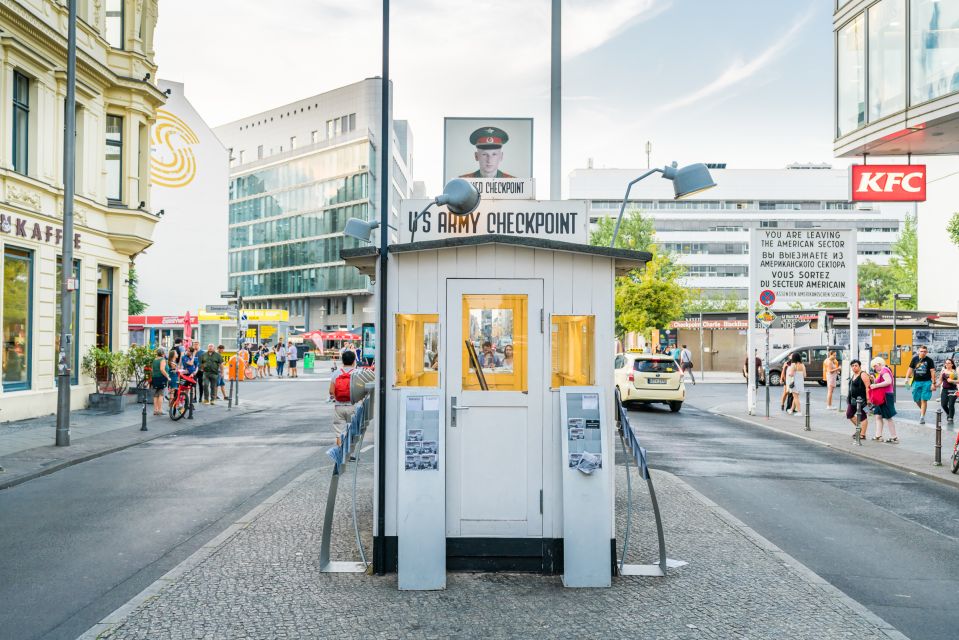
You finish at Checkpoint Charlie, where American and Soviet tanks once faced off during the Cold War. The guide brings in the feeling of the standoff—how a city divided by ideology became a chessboard where confrontations could get very real, very quickly.
Checkpoint Charlie is famously photographed, but the value of this tour is the context. You’ll hear about escape attempts and the pivotal final hours leading up to the Wall coming down, and how that moment changed Berlin’s future.
This stop is ideal if you want a clean ending point: you start at a symbol of division and end at a symbol of negotiation-by-force—then get the final turn toward reunification.
Price and value: $23 for a 2-hour, high-impact route
At $23 per person for about 2 hours, this tour is priced like something you’d do for context on your first or second day in Berlin. The value comes from focus and efficiency. You’re not paying for a bus ride or a long museum schedule. You’re paying for a guide who connects distant sites into one storyline.
If you’re short on time, this is a strong way to build a framework quickly:
- You get Nazi-era anchors (Reichstag Fire, bunker area, terror sites)
- You get Cold War anchors (Wall segment, Checkpoint Charlie)
- You get moral anchors (Soviet memorial, Holocaust memorial)
One thing to keep in mind: because it’s only 2 hours, you won’t linger for deep museum-style reading at every stop. This tour is meant for understanding, not for hours of independent exploring. If that matches your travel style, the price-to-time ratio works.
Who this tour fits best (and who should reconsider)
This tour is a great fit if you:
- Want a tight timeline of Third Reich to Cold War to reunification
- Like walking history with a guide who tells stories clearly
- Prefer seeing major sites on foot instead of bouncing between distant stops
It might be a tougher fit if you:
- Want a cheerful outing. This route includes Holocaust remembrance and Nazi terror sites.
- Have low tolerance for standing and walking about 2 km total.
Language-wise, the tour is offered in English and German, and you can choose shared or private. Just note that the language availability can differ by group type.
Should you book it?
If you’re in Berlin for a short stay and want your first big context-building experience, I’d book this. Starting at Brandenburg Gate, finishing at Checkpoint Charlie, and walking a real Wall segment turns the city’s 20th-century story into something you can remember.
Choose it especially if you learn best from guided narrative. The tour has a reputation for guides who keep energy high and explanations clear, with names like Hannah, Jimmy, Ru, Scott, Klaus, Marie, Mikhail, and Steve showing up as examples of the kind of storytelling you may get.
If you do book: bring comfortable shoes, consider an umbrella, and pack water. And plan to take the somber stops seriously. This is exactly the kind of walk that changes how you look at Berlin afterward.
FAQ
How long is the Berlin: Third Reich and Cold War 2 Hour Walking Tour?
It lasts about 2 hours.
Where does the tour start and where does it end?
It starts at the Tourist Information at Brandenburg Gate, Pariser Platz 1. The tour ends back at the meeting point.
What landmarks will we see?
You’ll visit stops that include the Reichstag area, the Soviet War Memorial in Tiergarten, the Memorial to the Murdered Jews of Europe, Hitler’s Bunker area, Topography of Terror, a 200-meter stretch of the Berlin Wall, and Checkpoint Charlie.
Is the tour wheelchair accessible?
Yes, it is listed as wheelchair accessible.
How much walking is involved?
Expect to walk about 2 kilometers.
What languages are available?
The tour is available in English and German.
Does it run in all weather, and what should I bring?
It runs in all weather conditions, so bring an umbrella if rain is possible. Comfortable shoes, a camera, and water are also recommended.