REVIEW · POTSDAM
Potsdam: Entry to DAS MINSK Kunsthaus in Potsdam
Book on GetYourGuide →Operated by DAS MINSK Kunsthaus in Potsdam · Bookable on GetYourGuide
Potsdam’s Minsk building has serious art power. Inside DAS MINSK Kunsthaus, a former 1970s GDR terrace restaurant, you’ll find changing exhibitions and the spring show Soft Power, centered on textile design and power relations.
I like two things a lot: the changing mix of modern and contemporary art, and the chance to see artworks from the former GDR placed into fresh, thought-provoking contexts. This is especially strong because the works come from the Hasso Plattner Collection, so the curatorial framing matters.
One thing to consider: this is mainly a self-directed visit. Some of the subject matter can feel heavy or bleak, and an audio option is worth using if you want clearer guidance while you move room to room.
In This Review
- Key things to notice before you go
- Entering DAS MINSK Kunsthaus: why this art ticket feels different
- The building itself: GDR modernism you can experience in 2 hours
- Soft Power and textile art: when fabric becomes politics
- Changing exhibitions: modern + contemporary art in rotating context
- Former GDR artworks from the Hasso Plattner Collection
- How the 2-hour visit usually works (and how to pace it)
- Audio support: worth it if you want more context
- Café HEDWIG and summer terrace views: the smart reset
- Wheelchair access and restroom setup: practical comfort
- Price and value: is $11 a good deal for this experience?
- Who should book DAS MINSK Kunsthaus in Potsdam?
- Should you book this ticket?
- FAQ
- FAQ
- How long is the DAS MINSK Kunsthaus visit?
- What is included with the ticket?
- Is a guided tour included?
- Can I skip the ticket line?
- Is the museum wheelchair accessible?
- What exhibitions should I expect?
- What is Soft Power about?
- Are artworks from the former GDR shown here?
- Is there a café on site?
- Can I reserve now and pay later?
Key things to notice before you go
- A 1970s GDR modernist building turned into an art venue
- Soft Power, a textile-focused group exhibition in three chapters
- Former GDR artworks from the Hasso Plattner Collection, shown in new contexts
- Changing exhibitions mixing modern and contemporary art
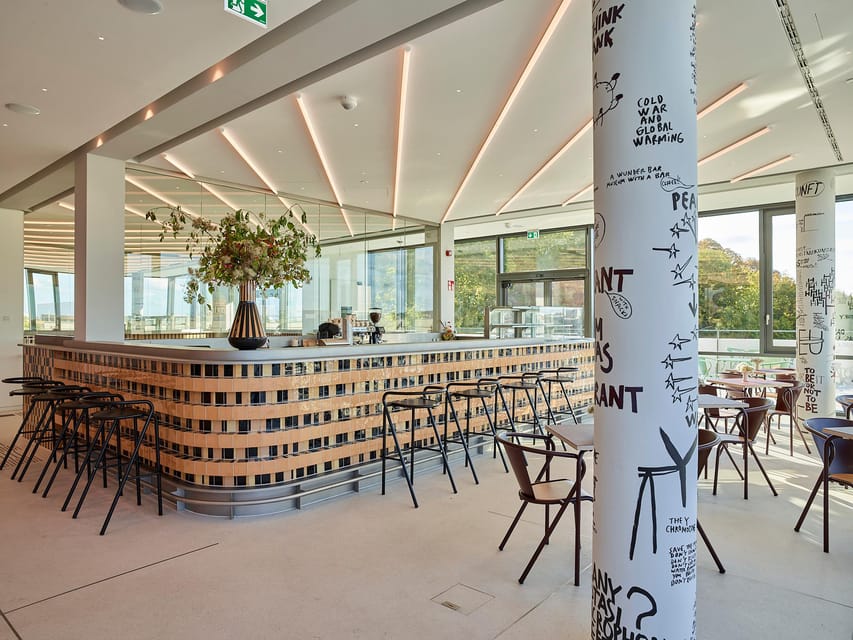
- Café HEDWIG with lunch, cakes, coffee, and city views on the terraces in summer
- Audio guidance helps if you prefer a bit more explanation while viewing
Entering DAS MINSK Kunsthaus: why this art ticket feels different
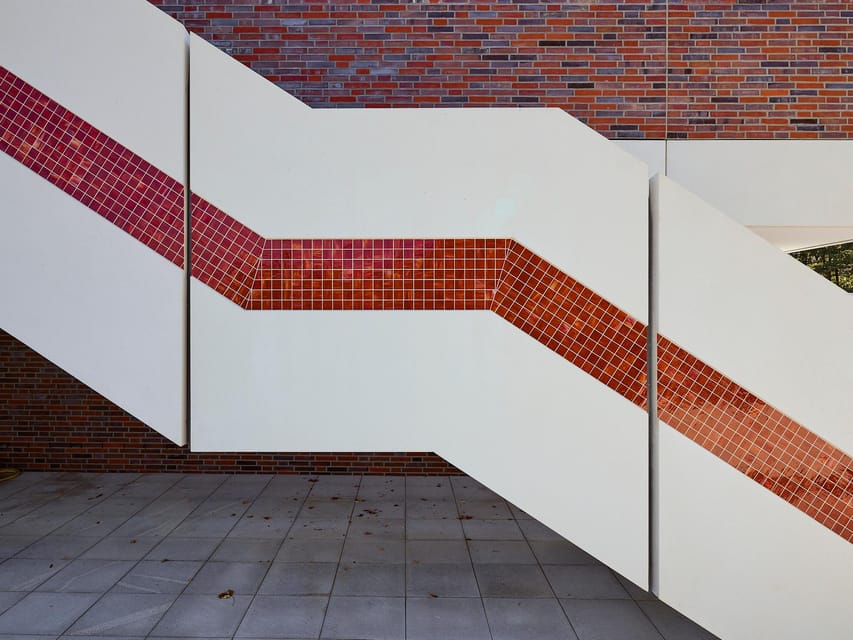
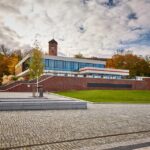
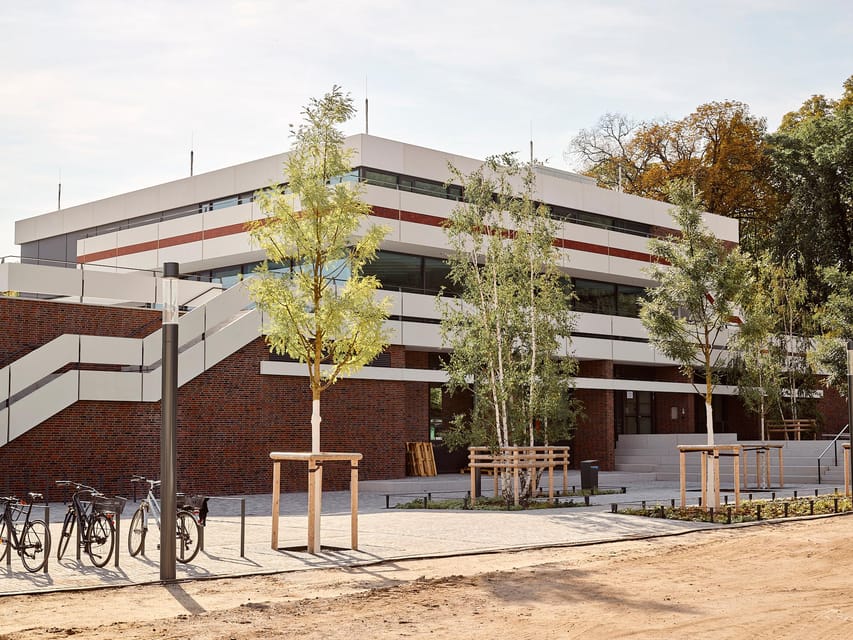
This place isn’t a classic white-box museum. You’re stepping into a building that once served a very specific purpose: a terrace restaurant called Minsk, built in the 1970s in the modernist style of the GDR. That original architecture still shapes the mood. Even before you read a label, the setting tells you this isn’t just about art objects floating in space—it’s about context.
Your ticket gets you into the exhibitions for about two hours, which is a sweet spot. It’s long enough to move through the main show and wander what’s currently on display, but not so long that you lose your focus. For $11 per person, you’re paying for access to the exhibition program, not a guided show.
Skip the ticket line is a real plus here. When you’re doing a short visit, saving time at the entry matters more than you’d think.
You can also read our reviews of more tours and experiences in Potsdam.
The building itself: GDR modernism you can experience in 2 hours
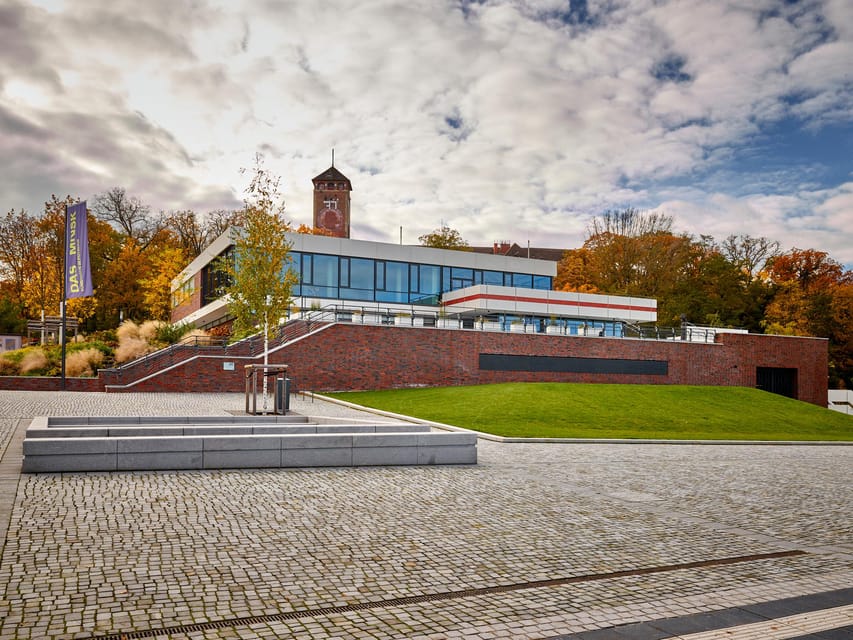
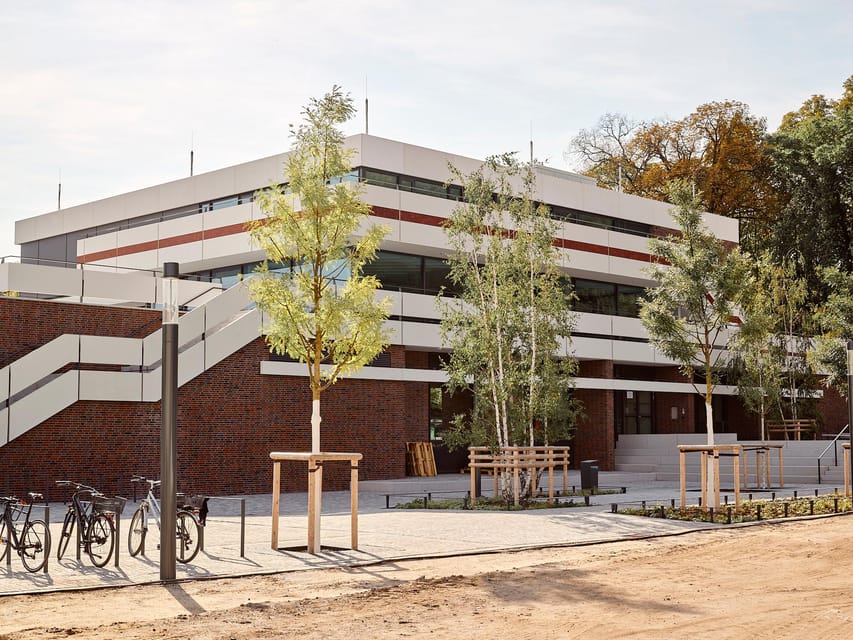
The building is a big part of the experience. It used to be a terrace restaurant, and now it functions as a meeting place between modern and contemporary art—and between people. That sounds like museum language, but you can feel it in how the space works: it’s not only about quiet viewing. It’s also about being inside a reused structure from the GDR era and seeing how today’s art conversations fit into that older setting.
Because the highlight list explicitly connects the site to architectural and urban history, I’d treat the place like a second exhibit. Don’t just race through rooms. Pause long enough to notice how the building’s original modernist design influences light, movement, and how you read the artworks around you.
If you’re into design and built spaces, this is where the value goes up. You’re not paying just for displays—you’re paying for a strong “container” for the ideas.
Soft Power and textile art: when fabric becomes politics
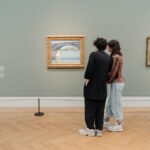
The spring exhibition Soft Power is the main event in your visit window. It focuses on textile design as an artistic means of expression, used to question power relations. That matters, because textiles are often dismissed as decorative. Here, they’re treated as language—something that can carry meaning, pressure, identity, and control.
The exhibition is organized in three chapters, which is great for pacing. A multi-part structure helps you avoid that museum problem where everything starts blending together after the first room. With three sections, you can keep a mental thread: each chapter adds another angle to the same core question about power.
You should also expect some conceptual intensity. The notes from one experience highlight how the artworks can come across as negatively toned—dark, heavy, and emotionally demanding. That doesn’t mean it’s bad. It just means you’ll enjoy it more if you’re the type of person who likes challenging themes rather than light entertainment.
Changing exhibitions: modern + contemporary art in rotating context
Beyond the spring show, the gallery program includes changing exhibitions with modern and contemporary art. The key detail for you is that the Hasso Plattner Collection pieces from the former GDR aren’t shown as a sealed historical block. They’re presented in new contexts, alongside whatever else is on display.
That creates a useful effect: you can compare eras and styles without forcing everything into one timeline. If you like to think in layers—how an artwork can change meaning depending on what it’s shown next to—this setup plays to that strength.
In a short visit, changing exhibitions are also efficient. They give you variety without requiring a full day of museum hopping. You can spend your time where the show clicks, and still leave feeling you got more than one “type” of viewing.
Former GDR artworks from the Hasso Plattner Collection
One of the most practical reasons to come here is simple: you’re getting access to artworks from the former GDR as part of the Hasso Plattner Collection. The highlight list emphasizes that these works are shown in new contexts, and that’s the part that will shape your experience.
When historical art is placed into contemporary conversations, it stops being only about the past. You start noticing what stays recognizable and what changes. You might spot design decisions that feel “official” or constrained, then see how textile-focused art today can reframe those power questions.
This also connects back to the site itself. Because the Minsk building is rooted in the modernist GDR era, the collection feels less like a lecture and more like an echo you can walk through.


How the 2-hour visit usually works (and how to pace it)
Since there’s no guided tour included, you’ll likely move through at your own rhythm. Here’s the pacing I’d use to make sure you get your money’s worth in two hours:
1) Start with Soft Power first. Give yourself time to understand the structure in three chapters before you get distracted by other rooms.
2) Then switch to the changing exhibitions. Let the style shift refresh your brain.
3) Finally, spend extra time on the GDR-era artworks as your “anchor thread,” because they’re central to why the collection matters here.
The one caution I’d take seriously: there’s a note about an instruction/setup feeling missing until someone asks. So if you’re the type who likes clarity, don’t be shy about figuring out where to begin, how audio support works, and what order makes sense.
Also, the experience is short enough that small decisions matter. If you wander randomly, you might end up skimming. If you follow a simple flow—main show first, then variety—you’ll feel like you actually finished something.
Audio support: worth it if you want more context
One of the practical takeaways is that an audio accompaniment is recommended. That lines up with how conceptual exhibitions can feel: if you’re reading labels only, you might miss how the museum wants you to connect materials, themes, and historical framing.
So my advice is straightforward: plan to use audio support if it’s offered on-site. Even if you don’t listen to every section, it can help you move from “I see the work” to “I understand what I’m supposed to think about.”
And if you skip audio entirely, that’s your choice. Just expect that the tone can come across dark or burdensome, so context helps you process what you’re seeing.
Café HEDWIG and summer terrace views: the smart reset
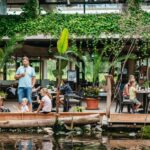
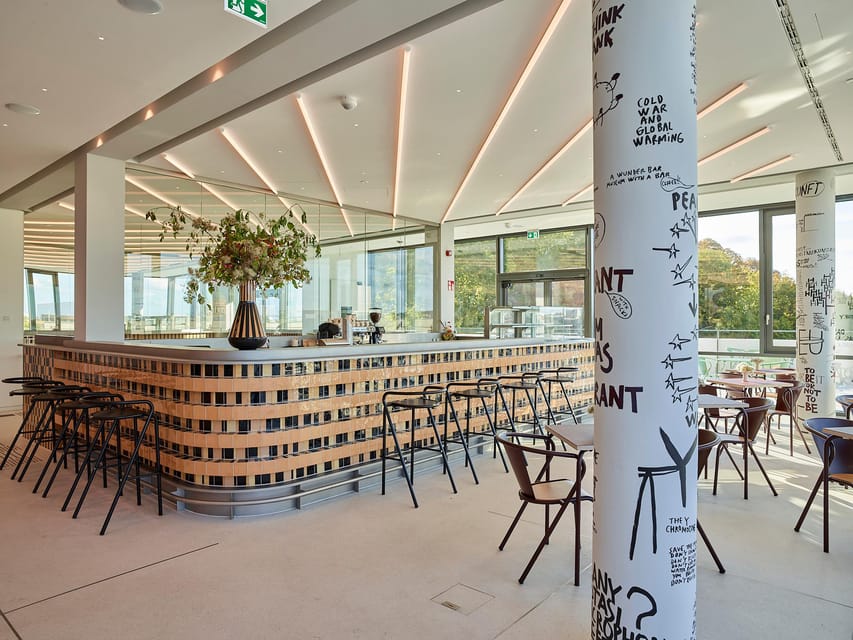
After art that questions power relations, you may want a reset that doesn’t require deep thinking. That’s where Café HEDWIG helps. It offers lunch, cakes, and coffee, and it’s also a social space.
In summer months, the building’s spacious terraces give you a great view over the city. Even if your two-hour visit is mostly focused on exhibitions, carving out 20 to 30 minutes for a drink or a slice of cake is a good move. It keeps the day balanced, and it gives you something to do when your brain needs a break from heavy themes.
If you’re going with someone, the café is also where conversations naturally happen. People tend to talk more comfortably about feelings and impressions once they’re out of the gallery hush.
Wheelchair access and restroom setup: practical comfort
This experience is wheelchair accessible, which makes a big difference in a building with historical architecture. You’ll want to check your route once you’re inside, but at least access is part of the offering.
The info from an experience also notes gender-appropriate restrooms. That’s a comfort detail you’ll be grateful for when you’re spending time on-site.
Price and value: is $11 a good deal for this experience?
For $11 per person with entry to the exhibitions, I’d call this good value—especially because the ticket includes access to more than just one room. You’re not paying only for Soft Power; you’re also getting the changing exhibition program and the chance to see former GDR works from the Hasso Plattner Collection framed in new ways.
What you’re not getting is the time-saving factor of a guided tour. No problem if you enjoy self-guided museums. But if you like strong interpretation with minimal effort on your side, you may need to rely on whatever audio or on-site explanations are available.
So the real question isn’t just the price. It’s whether you’re happy doing a thoughtful, self-paced walk for about two hours, with the option to use audio support.
Who should book DAS MINSK Kunsthaus in Potsdam?
This is a great match if you like:
- Modern and contemporary art mixed together with historical framing
- Exhibitions where design materials—like textiles—carry meaning
- A museum visit that’s short, focused, and intellectually active
- Architecture you can walk inside, not just look at from the outside
- Taking breaks at an on-site café with terrace views in summer
You might think twice if:
- You strongly prefer upbeat themes and light mood
- You want a fully guided experience included in the ticket price
- You need lots of staff explanation right away (audio support may become your best friend here)
Should you book this ticket?
Yes, I think it’s worth booking if you want a compact museum stop that feels grounded in place. The combination of the GDR modernist setting, Soft Power’s textile-and-power theme, and the presence of former GDR artworks from the Hasso Plattner Collection makes this more than a casual exhibit drop-in.
Book it when you have about two hours and you’re in the mood for thoughtful art, not just pretty distraction. If you’re sensitive to heavy themes, plan a calm pace and consider using audio support. If you’re visiting in summer, schedule in some terrace time at Café HEDWIG so the day ends with a breather.
FAQ
FAQ
How long is the DAS MINSK Kunsthaus visit?
The duration is 2 hours.
What is included with the ticket?
Your ticket includes entry to the exhibitions.
Is a guided tour included?
No. Guided tours, events, and workshops are not included.
Can I skip the ticket line?
Yes, this includes skip-the-ticket-line entry.
Is the museum wheelchair accessible?
Yes, it is wheelchair accessible.
What exhibitions should I expect?
You can expect changing exhibitions featuring modern and contemporary art, plus the current group exhibition Soft Power.
What is Soft Power about?
Soft Power focuses on textile design as a way of artistic expression to question power relations, presented in three chapters.
Are artworks from the former GDR shown here?
Yes. Artworks from the former GDR are shown as part of the Hasso Plattner Collection.
Is there a café on site?
Yes. Café HEDWIG offers lunch, cakes, and coffee, and in summer the terraces offer views over the city.
Can I reserve now and pay later?
Yes. You can reserve now & pay later.