REVIEW · POTSDAM
Potsdam: Museum Barberini Entry Ticket
Book on GetYourGuide →Operated by Museum Barberini · Bookable on GetYourGuide
Impressionism in Potsdam feels surprisingly close. Museum Barberini turns a reconstructed palace setting into a focused 2-hour art stop, built around Impressionist painting and a world-class Monet collection. I love the scale of what you’ll see—over 100 Impressionist works—and I’m especially drawn to the museum’s strength in Claude Monet.
A second reason I like this ticket is the practical free digital audio guide in the Barberini app, so you can move at your own pace without guessing what to look for. One thing to plan around: the museum rules are strict about what you can bring (no bags or backpacks, and food and drinks aren’t allowed), so you’ll want to travel light.
In This Review
- Key points before you go
- Museum Barberini in Potsdam: why the palace setting matters
- Ticket value for $11: what you really get in 2 hours
- The Barberini app audio guide: your shortcut to better looking
- Permanent collection highlights: Monet, Morisot, Cézanne, and friends
- Monet’s collection: second-largest in Europe
- Morisot, Cézanne, and Caillebotte: the contrast that teaches you
- What you can expect to notice as you move room to room
- Special exhibitions and the annual rhythm of new art
- Events program: what’s happening, and what your ticket covers
- After the paintings: museum store and the Barberini Café
- Practical rules that affect how your visit feels
- Who should book Museum Barberini?
- Should you book this ticket for Potsdam?
- FAQ
- How much is the Potsdam: Museum Barberini entry ticket?
- How long does the visit take?
- What is included with the ticket?
- Is there an audio guide?
- Are food and drinks allowed in the museum?
- Can I bring a pet?
- Is Museum Barberini wheelchair accessible?
- Can I cancel for a refund?
- Are workshops or events included?
Key points before you go
- Over 100 Impressionist paintings from founder Hasso Plattner’s collection
- Europe’s second-largest Monet collection for a serious, doable hit of his work
- Art plus context: Morisot, Cézanne, Caillebotte, Signac, Renoir, and more
- 3 special exhibitions per year included during your visit, with loans from international collections
- Free Barberini app audio guide you can download ahead and use inside the museum
- Strict gallery rules: no touching art, and plan for no bags/backpacks
Museum Barberini in Potsdam: why the palace setting matters
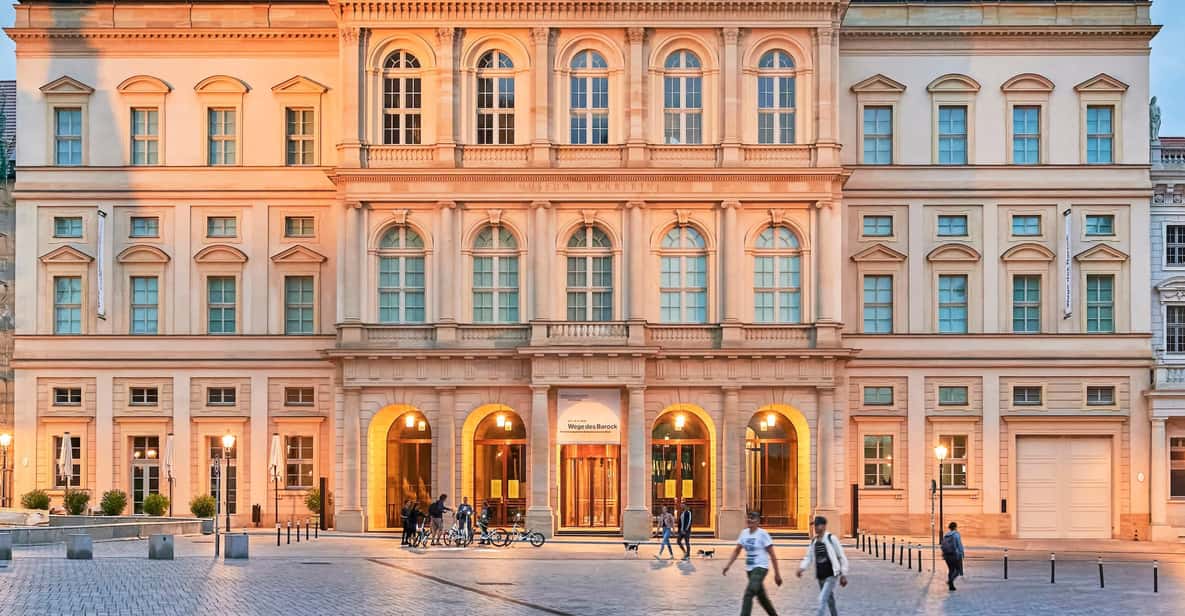
Museum Barberini sits in a reconstructed palace in Potsdam’s historic center, and that detail isn’t just decoration. You get an art museum experience in rooms that feel made for looking slowly. The building supports the pace: you’re not racing through a white box. Instead, you can linger where the Impressionists reward attention—brushwork, light shifts, and how painters built realism out of quick observations.
This matters because Impressionism can feel tricky if you only look for recognizable subject matter. At Barberini, the environment nudges you to study the technique. You’ll notice how artists turned fleeting appearances into something solid on canvas—especially when you compare artists with different approaches in the same collection.
Also, you’re not spending half a day. The ticket is designed for a 2-hour visit, which is perfect if Potsdam is one stop in a longer trip through Germany.
You can also read our reviews of more tours and experiences in Potsdam


Ticket value for $11: what you really get in 2 hours
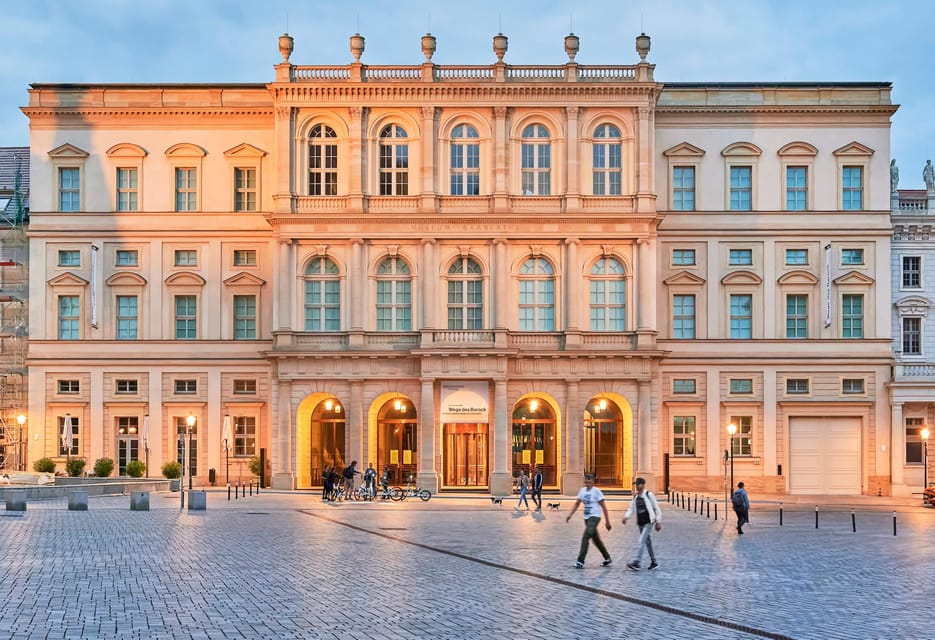
At about $11 per person, the ticket price is hard to argue with for what’s included. Your admission covers the permanent Impressionist collection, access to a special exhibition, and a digital audio guide via the Barberini app.
That combination is the value sweet spot. Paintings are the main event, of course. But the audio guide makes the difference between simply seeing famous names and actually understanding what you’re looking at—like why some works feel realistic even when the paint application looks more experimental than traditional styles.
The museum experience is also structured enough that you can get a lot done without feeling like you’re missing everything. With a 2-hour target, you can follow the guide for a few key rooms, then spend extra time where you’re drawn in.
The Barberini app audio guide: your shortcut to better looking
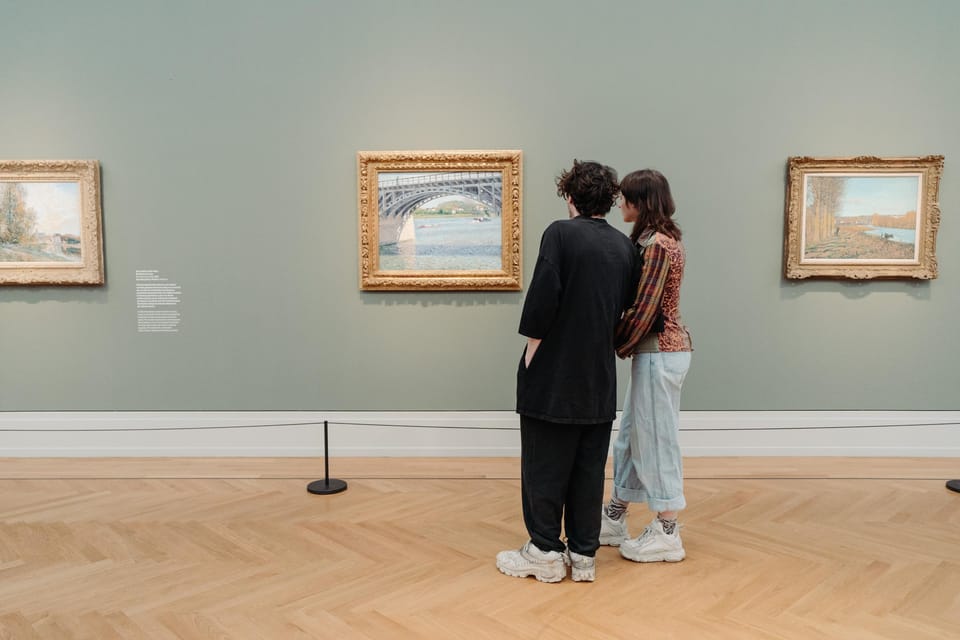
I like the idea of an audio guide that’s free and download-based, because it gives you control. Instead of relying on crowded, scheduled tours, you can keep your own rhythm.
Here’s how you’ll use it effectively:
- Download the app before you arrive (so you’re not stuck hunting for Wi‑Fi).
- Use the guide while you’re standing in front of the paintings, not after.
- If you’re someone who likes “what am I seeing?” answers, let the audio point your eyes to brushwork and lighting.
The big win is that the guide fits the museum’s style. Impressionism is all about observation—light changes, atmosphere, and the way artists decided what to emphasize. When you have commentary built for the collection, you can spot those choices fast.
Permanent collection highlights: Monet, Morisot, Cézanne, and friends
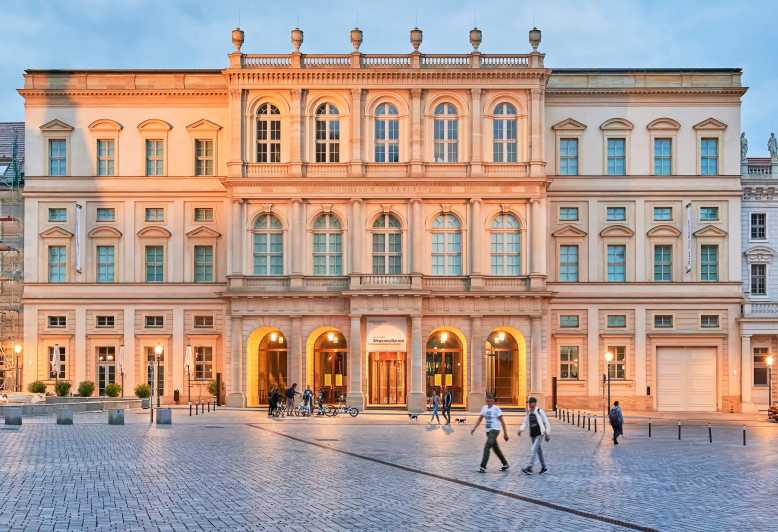
The permanent collection is where Barberini earns its reputation. You’re looking at more than 100 Impressionist paintings, including major names like Claude Monet, Pierre-Auguste Renoir, Berthe Morisot, Gustave Caillebotte, and Paul Signac, plus works by other artists in the same orbit.
Monet’s collection: second-largest in Europe
If Monet is your priority, plan to make him your backbone. The museum has the second-largest collection of Monet in Europe, which is exactly the kind of concentration that turns a single artist into a learning experience.
Monet’s works reward comparison. You’ll often find yourself noticing differences in light and weather, not just subject. The longer you look, the more you start seeing how he builds atmosphere through repetition—similar colors and strokes used for different effects.




Morisot, Cézanne, and Caillebotte: the contrast that teaches you
What I find most useful is the mix. Morisot, Cézanne, and Caillebotte don’t just sit beside Monet like nameplates. They show how different painters captured reality in distinct ways.
You’ll also get a sense of a theme that the highlights hint at: observation skills creating realistic depictions that can still feel connected to abstraction. In other words, you’re watching artists translate what they see into something that looks both immediate and structured. That tension is a big part of why Impressionism still feels fresh.
What you can expect to notice as you move room to room
As you work through the collection, keep an eye on three things:
- Light changes: how shadows don’t always behave like they do in older styles.
- Brushwork: how the paint itself contributes to the final image.
- Composition choices: what gets centered, cropped, or left half-implied.
That’s the kind of looking the audio guide helps with, and it’s what turns “I saw Impressionism” into “I understood a few things about how it works.”
Special exhibitions and the annual rhythm of new art
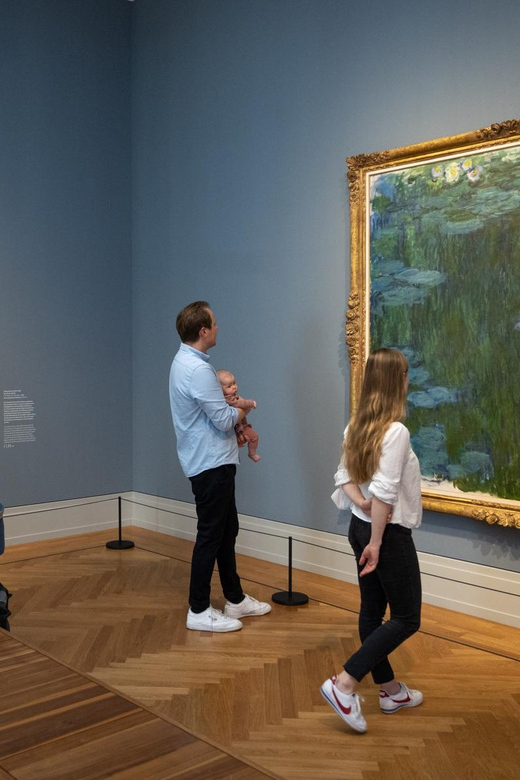
Your ticket doesn’t stop at the permanent collection. You also get access to a special exhibition, and the museum runs three special exhibitions annually.
That yearly rotation matters because it changes the reason to return. Even if you treat the permanent collection as the main course, the special exhibitions give you a second layer—often through loans from international museums and collections. That means you may see pairings or interpretations you wouldn’t get if the museum only focused on its own holdings.
One practical note: your time is limited to about 2 hours. So if you’re trying to see both permanent works and the special exhibition, pick your priorities first. Monet fans can treat the special exhibit as a bonus module—still worth seeing, but not at the expense of your main collection.
Events program: what’s happening, and what your ticket covers
The museum runs an active events program—things like symposia, readings, guided tours, concerts, film evenings, and workshops. That’s a nice bonus because it suggests the museum isn’t just a quiet room for looking.
That said, the ticket data is clear that education programs, workshops, and events require an extra ticket. So don’t assume your admission automatically includes any talk, class, or workshop day-of.
If your visit date lines up with something you want, treat it as an add-on decision:
- If it matches your interests, great—plan to buy separately.
- If you’re focused on paintings only, you can still enjoy the museum without chasing events.
After the paintings: museum store and the Barberini Café
Even a short museum visit ends better when there’s a comfortable wrap-up option. Barberini has both a museum store and the Barberini Café.
Plan your timing like this: give yourself enough museum time to actually linger, then use the café or store as the final stop while your eyes reset. If you’re trying to avoid feeling rushed, it helps to accept that the café isn’t where you’ll spend the bulk of your time. Think of it as your decompression zone after art.
One rule detail matters here: the museum does not allow food and drinks inside. That doesn’t stop you from visiting the café, but it means you should expect to buy and enjoy refreshments within the café context, not bring snacks into the galleries.
Practical rules that affect how your visit feels
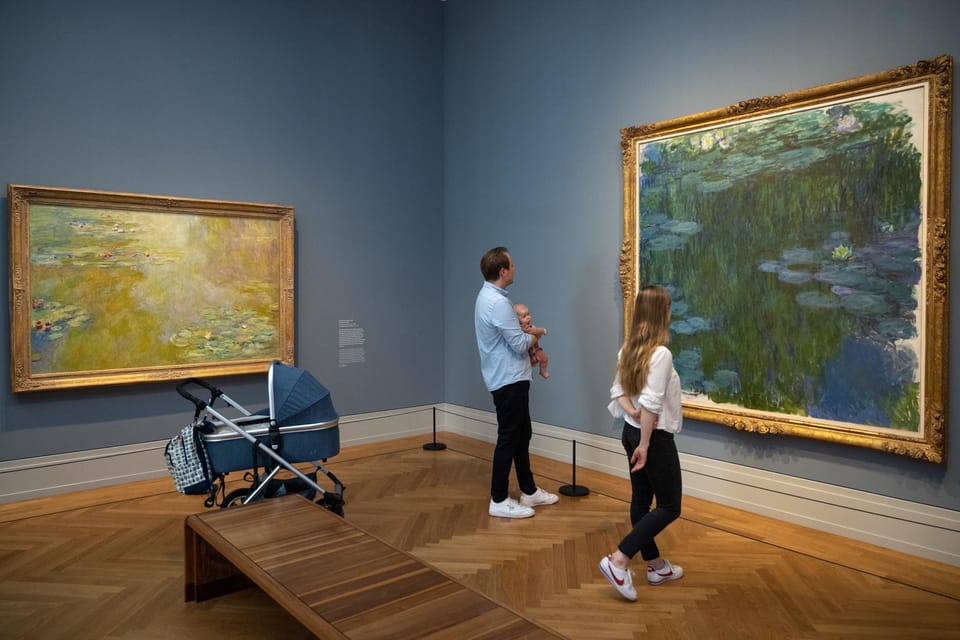
Museum rules can either be a minor annoyance or the thing that ruins your first 10 minutes—so it’s worth knowing them ahead.
Not allowed:
- Food and drinks
- Bags and backpacks
- Bikes
- Pets, except assistance dogs
- Touching exhibits
- Making fire
- Littering
- Climbing
This shapes how you should pack. If you want a smooth visit, bring only essentials. Plan for minimal items because you can’t rely on a roomy daypack to stash things while you look.
Also, if you’re traveling with a camera bag, shopping bag, or anything bulky, assume you’ll need another way to carry it or leave it behind. Your goal is simple: keep your hands free and your entry hassle-free.
Who should book Museum Barberini?
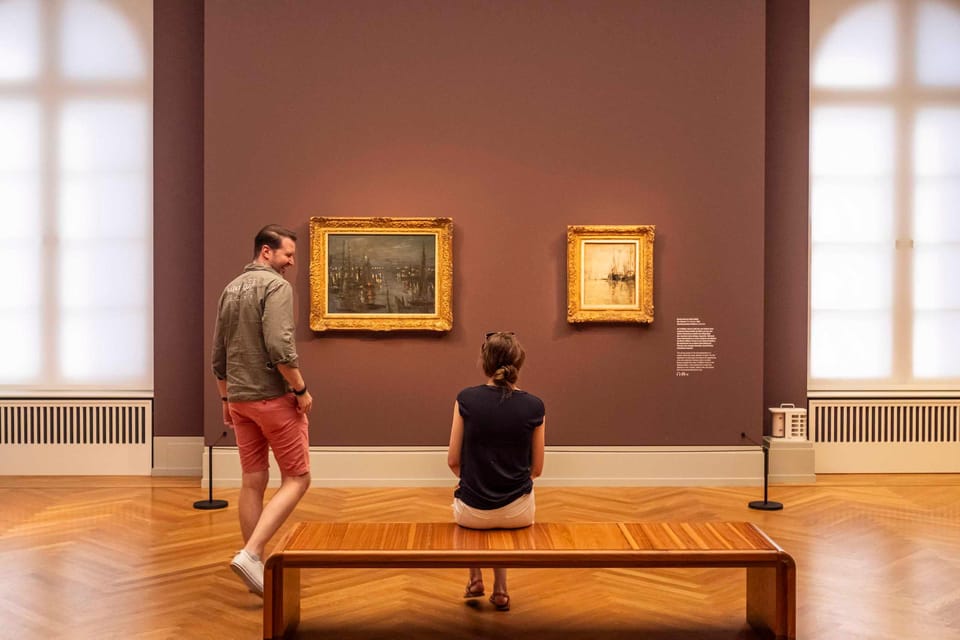
This ticket works best for people who want a high-quality art experience without spending the whole day on logistics.
It’s a strong fit if you:
- Love Impressionism and want a concentrated dose in about 2 hours
- Specifically want a major Monet collection in Europe
- Prefer self-paced museum time with a digital audio guide
- Are interested in seeing a rotating special exhibition during your visit
It might feel less ideal if you:
- Need to bring a lot of personal items with you (since bags and backpacks aren’t allowed)
- Only want activities like workshops or talks included (those require extra tickets)
And because it’s wheelchair accessible, it’s a good option for visitors who want barrier-aware planning.
Should you book this ticket for Potsdam?
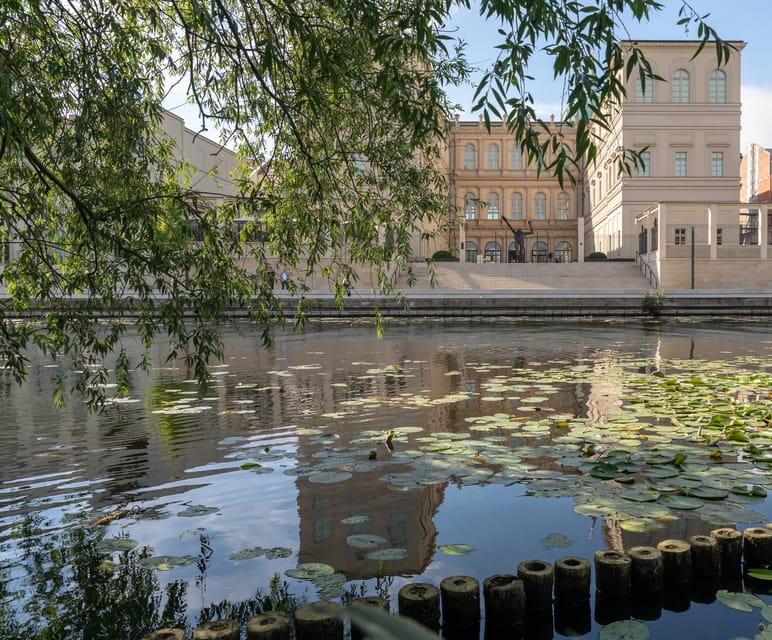
Yes, I’d book it if your priority is paintings first and you want smart support while you look. For the price, you get a focused Impressionist collection, a special exhibition, and a free audio guide that helps you actually connect the names to what’s in front of you.
Skip it only if strict item rules (no bags/backpacks) will create major friction for you, or if you’re specifically hunting for workshops and events that require extra admission.
If you’re building a Potsdam day and want a real art payoff without a time sink, Museum Barberini is the kind of stop that makes the whole trip feel more substantial.
FAQ
How much is the Potsdam: Museum Barberini entry ticket?
The price is listed as $11 per person.
How long does the visit take?
The duration is 2 hours.
What is included with the ticket?
It includes entrance to Museum Barberini, access to the permanent Impressionist collection and a special exhibition, plus a digital audio guide via the Barberini app.
Is there an audio guide?
Yes. You get access to a digital audio guide through the Barberini app, and it’s meant to be downloaded to your phone for use during your visit.
Are food and drinks allowed in the museum?
No. Food and drinks are not allowed.
Can I bring a pet?
Pets are not allowed, but assistance dogs are allowed.
Is Museum Barberini wheelchair accessible?
Yes. The activity is listed as wheelchair accessible.
Can I cancel for a refund?
Yes. There is free cancellation up to 24 hours in advance for a full refund.
Are workshops or events included?
No. Education programs, workshops, and events require an extra ticket.