REVIEW · BERLIN
Berlin: Sachsenhausen Concentration Camp Tour in English
Book on Viator →Operated by Insider Tour Berlin · Bookable on Viator
Sachsenhausen is history that lands hard. This English tour uses a licensed guide trained by the memorial authority to take you from Berlin to Oranienburg and back, with real places where the Nazi system ran on fear. You’ll walk through key areas like punishment cells and the gas chamber sites, and you’ll hear the human stories behind the numbers.
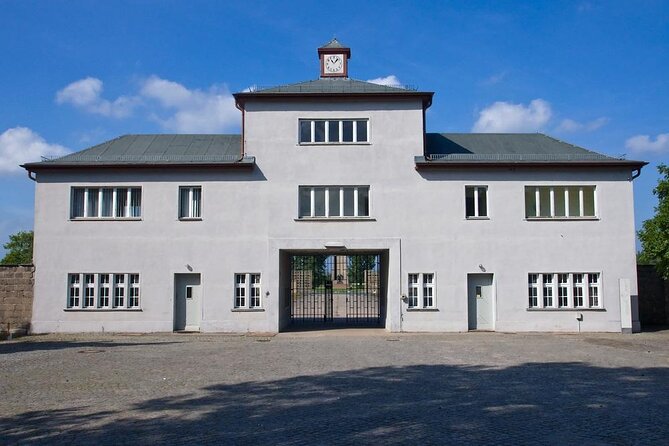
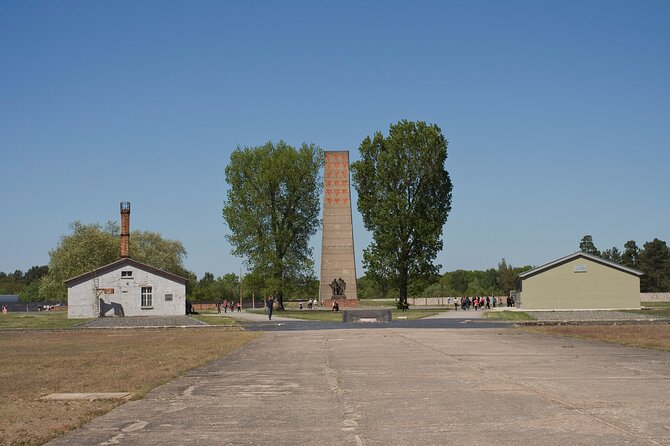
I love the tour’s focus on specific locations inside the camp, not vague talking points. You’ll see the old barracks, prison and torture cells, the camp kitchen, Station Z (linked to mass executions), the gas chamber and crematorium, plus areas like the infirmaries and pathology center and Tower A.
One drawback to plan for: it’s a long, cold day and the food situation is limited, so you’ll want to budget for transport tickets too and come ready to walk for hours. Even with a guide pacing the group, the memorial demands stamina and attention.
In This Review
- Key highlights you’ll feel right away
- From Friedrichstraße to Oranienburg: the train ride that sets the tone
- Oranienburg town walk: local involvement isn’t an afterthought
- Entering the Sachsenhausen Memorial: barracks, cells, and the camp layout
- Station Z, punishment cells, gas chamber, and crematorium spaces
- The big picture: 200,000 prisoners and a timeline that tightens
- Pace, group size, and how the guide’s role changes the day
- Price and value: what $36.16 covers (and what it doesn’t)
- Practical tips: tickets, shoes, and what to carry in cold weather
- Who this Sachsenhausen tour is best for
- Should you book this Sachsenhausen day trip?
- FAQ
- What language is the tour offered in?
- How long is the Sachsenhausen Concentration Camp tour?
- Where do I meet the tour guide?
- Is entry to the Sachsenhausen memorial included?
- Do I need train tickets or extra transport passes?
- Is the tour ticket mobile?
- What should I bring for the day?
- How big is the group?
- Is the tour suitable for limited mobility?
- What happens if weather is bad?
- Is free cancellation available?
Key highlights you’ll feel right away
- Expert historian-style narration with a memorial-trained guide: the explanations aim for clarity and respect, with room for questions.
- A route built around the camp’s major sites: from prison and punishment areas to Station Z, the gas chamber, and crematorium spaces.
- Oranienburg on the way in: you get a short town walk to understand local involvement and where inmates used to work.
- Original layout and structures matter here: the tour emphasizes that the camp was built as a concentration camp, not adapted from something else.
- Small group size (up to 29): easier to hear the guide and stay together without constant regrouping.
- Return by train to Berlin: you leave the memorial with a built-in way back, not guesswork.
From Friedrichstraße to Oranienburg: the train ride that sets the tone
Most people think they know Berlin’s WWII story. This tour starts by leaving Berlin by train with a guide, and that first step matters: it shifts you from city history to the reality of how camps sat on the edges of ordinary life.
You meet near S+U Friedrichstraße (Reichstagufer 17 is listed as the start point), then head toward Oranienburg. The timing is straightforward: a 10:00 am start, then you’ll spend most of the day away from central Berlin before returning by train.
It’s also a day-trip rhythm you can actually manage. With the guide leading the way, you’re not trying to figure out which station is which while your brain is already overloaded.
You can also read our reviews of more tours and experiences in Berlin.


Oranienburg town walk: local involvement isn’t an afterthought
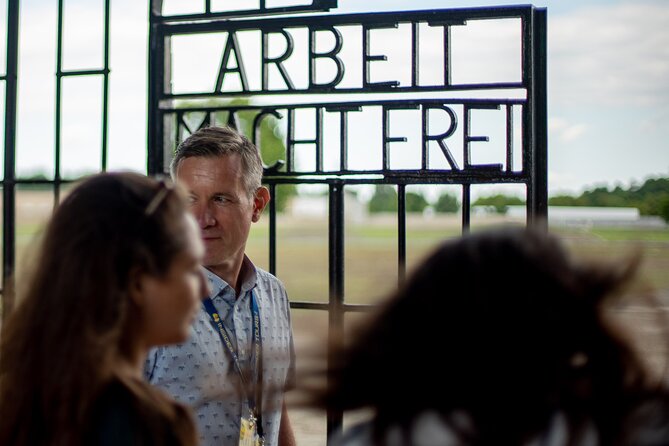
Before you even reach the memorial grounds, you get a brief walk in Oranienburg. It’s not long—about 15 minutes—but it’s intentionally placed early.
You’ll learn how townsfolk were complicit and you’ll see parts of the area tied to where inmates used to work. That’s a heavy lesson, but it makes the camp feel less like a sealed-off “other world” and more like a system built with real support around it.
Also, since this stop is a walk with free admission, it helps break up the logistics load. You’ll still want to keep your focus; this is not a sightseeing stroll.
Entering the Sachsenhausen Memorial: barracks, cells, and the camp layout
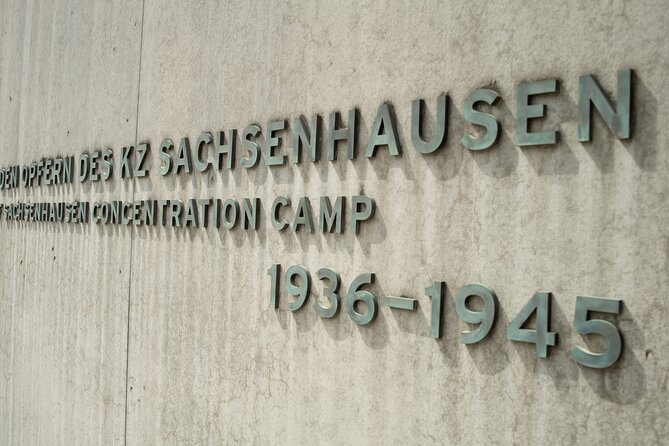
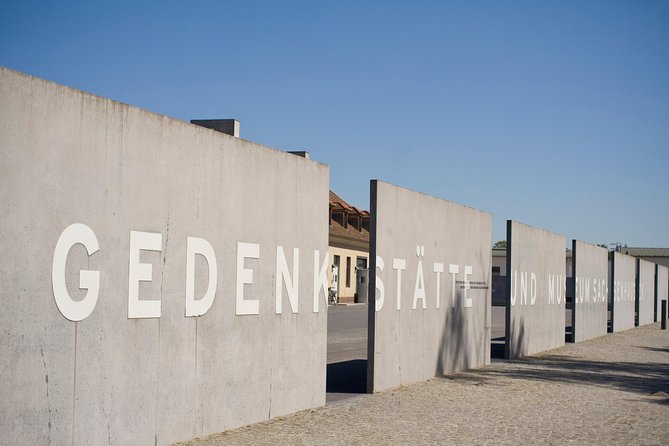
Once you arrive, the tour becomes fully “on the ground.” You’ll walk through the Sachsenhausen memorial and museum area for about 2 hours 30 minutes, with the guide directing you through the camp’s key zones.
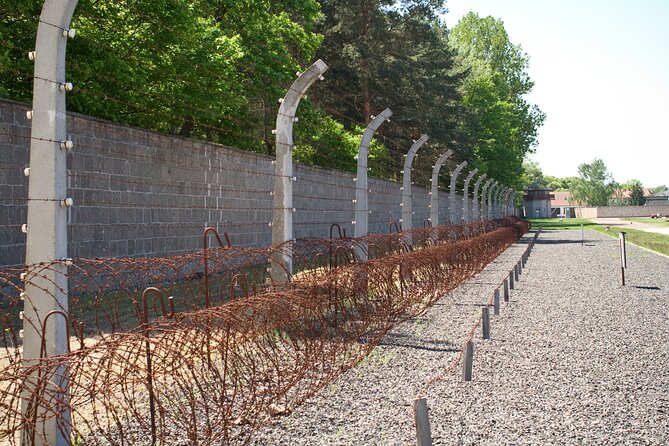
A big point here is that Sachsenhausen was built as a concentration camp from the start. That matters because you’re looking at spaces designed for confinement and control, not converted buildings that might blur the meaning.
Inside the camp, expect a sequence of stops that builds the story step-by-step:
- old barracks and the everyday structure of imprisonment
- prison cells and torture cells
- the camp kitchen
- infirmaries and a pathology center
- Tower A, the main guard tower
Even if you’ve read about Sachsenhausen, the value of this format is mapping. You’re not just learning terms—you’re seeing how the camp was laid out to break people physically and psychologically.
Station Z, punishment cells, gas chamber, and crematorium spaces
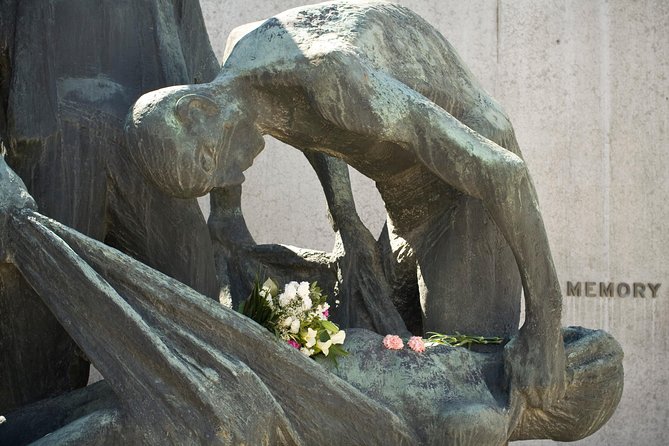
This is the part of the visit you’ll remember for a long time. The tour highlights the punishment cells and other execution-related areas inside the camp, including gallows and burial pits, plus Station Z.
Station Z is one of the stops where the guide’s job becomes especially important: you’re learning what happened there while staying grounded in the facts and the human cost. The tour also includes the gas chamber and crematorium areas, which is exactly the kind of place you don’t want to rush or treat like a museum exhibit.
What helps is the guide’s pacing. In multiple guide experiences (people have named guides such as Georgia, Daniel, Gregor, Tina, and Ariel), the consistent theme is careful, respectful explanation—not sensational storytelling.
If you’re sensitive to dark material, plan mentally. This tour doesn’t soften the subject, but it does give you structure so you can understand what you’re seeing.
The big picture: 200,000 prisoners and a timeline that tightens
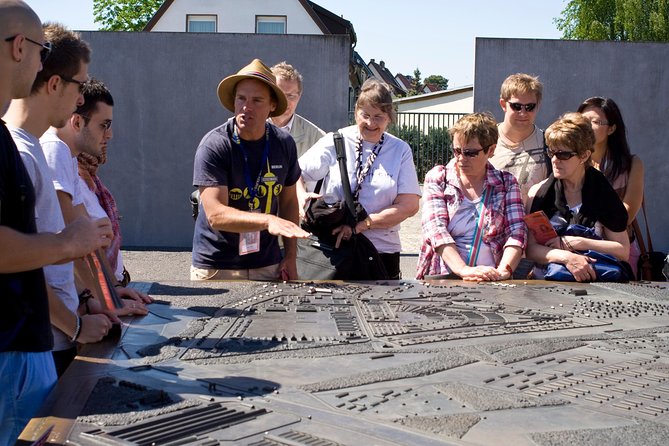
Sachsenhausen isn’t just a single event. The story runs from 1936 to 1945, and the tour frames that range clearly.
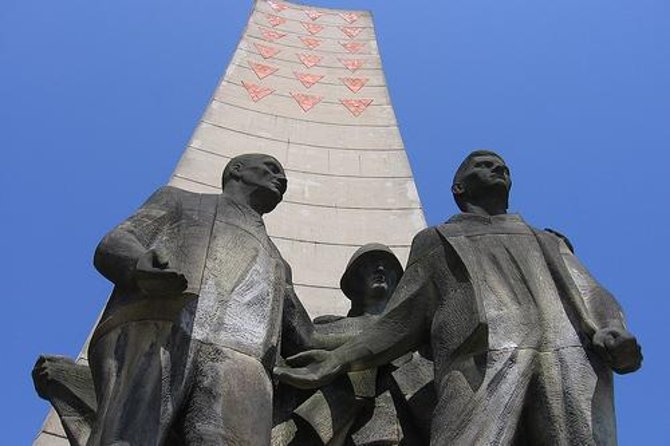
You’ll learn that more than 200,000 people were imprisoned there during that period. The camp began with prisoners who were primarily political opponents of the Nazi regime, then expanded to people defined by Nazi ideology as racially or biologically inferior. By 1939, Sachsenhausen also held large numbers of citizens from occupied European states.
The tour doesn’t stop at “prison life.” It also covers how tens of thousands died from starvation, disease, forced labor, mistreatment, and systematic extermination actions connected to the SS. And it brings the timeline forward to the chaotic end in April 1945, when evacuation was followed by death marches that killed thousands—along with the note that around 3,000 sick prisoners, plus doctors and nurses who stayed behind, were freed by Soviet and Polish soldiers.
For you, the payoff is perspective. If you only know Nazi Germany through posters or headlines, this day trip turns the ideology into physical reality—what it cost, and how deliberately it was administered.


Pace, group size, and how the guide’s role changes the day
This isn’t a quick walk-and-go tour. You should expect a lot of steps and steady movement, with stops that require your attention.
The group limit is 29 travelers max, and that smaller size helps. You’re more likely to hear the guide clearly, and it’s easier to move as a unit when you reach areas that require quiet focus.
Guide quality shows up in small details: re-explaining meeting points, matching explanations to what you’re seeing, and making time to answer questions when people want clarity. Several guides have been named across different experiences—Scott, Hannah, Will, Emma, Mikhail, and others—and the repeating strength is that the narration stays both factual and respectful.
Still, keep expectations realistic. This is a serious memorial visit, not a casual history lecture. Even with a good pace, the emotional weight slows you down.
Price and value: what $36.16 covers (and what it doesn’t)
At $36.16 per person, this tour’s value is mostly in what’s included: a licensed guide trained by the memorial authority, and entry to the memorial is included. You’re also told the tour donates €3 per guest to the Sachsenhausen memorial, which is part of the reason the experience is structured around official knowledge and preservation.
The things not included are the transport extras and your own meals. The info points out you’ll need an ABC-zone transport ticket (about €9 per person) and a train ticket for the round trip from the meeting point to the memorial area (listed at about €10 per person).
So the “real” cost planning is simple: yes, the tour price is reasonable, but add a small day budget for trains and food. Once you do that, you’re getting a specialist-guided experience for a full half-day plus transit.
Practical tips: tickets, shoes, and what to carry in cold weather
To make the day smooth, treat it like a winter field trip.
Arrive 15 minutes early so you’re not stressed before the train. Wear good walking shoes, because this is a memorial you’ll walk through at multiple points. The tour info also recommends moderate physical fitness, and it’s not recommended for limited mobility or walking impairments.
Plan for weather. The experience requires good weather, and if it’s canceled due to poor conditions, you’ll be offered a different date or a full refund.
Most importantly: bring food and water. One practical tip from an experience says there’s nowhere to buy food on site, and the day can run roughly 10:00 am to around 4:00 pm. On a cold day, one umbrella note also helps since there isn’t always shelter available.
A simple packing list for you:
- water
- a snack or lunch
- warm layers
- umbrella if weather is iffy
- charged phone for the mobile ticket
Who this Sachsenhausen tour is best for
This is a strong fit if you want a guided, structured way to understand Sachsenhausen without piecing together facts from multiple sources.
It works well for:
- adults who want a clear timeline from 1936–1945
- people who prefer seeing major sites in order rather than wandering alone
- anyone traveling with questions who wants a guide to explain what they’re standing in front of
It may be less ideal if you can’t do sustained walking or if dark historical sites are too much for you emotionally in one day. That’s not a judgment call—it’s just smart planning.
Also, it’s great for first-time Berlin visitors who want a serious World War II context beyond the usual city monuments. The return train ride gives you a small buffer to reflect instead of rushing straight into more sightseeing.
Should you book this Sachsenhausen day trip?
Yes, I’d book it if you want an organized, English-guided visit that connects ideology to specific places—Station Z, prison and punishment cells, the gas chamber area, and crematorium sites—rather than relying on guesswork.
Do it if you can walk comfortably for hours and you’re ready for difficult material. Also, come prepared with transport tickets and your own food and water; that alone makes the day feel far less exhausting and more respectful of your time and energy.
If you want, tell me your travel month and whether you’re sensitive to very graphic history, and I can suggest a best way to plan the rest of your Berlin days around this.
FAQ
What language is the tour offered in?
The tour is offered in English.
How long is the Sachsenhausen Concentration Camp tour?
The duration is about 5 hours 30 minutes.
Where do I meet the tour guide?
The start point is listed as Reichstagufer 17, 10117 Berlin, and the tour includes a guide meet and greet near S+U Friedrichstraße. Arrive about 15 minutes early.
Is entry to the Sachsenhausen memorial included?
Yes. Entry to the memorial is included, and the tour also includes access to the memorial sites on the route.
Do I need train tickets or extra transport passes?
Yes. The information says you will require an ABC transport ticket (about €9 per person) and an additional round-trip train ticket from the meeting point to the memorial (listed at about €10 per person).
Is the tour ticket mobile?
Yes. A mobile ticket is included.
What should I bring for the day?
Bring good walking shoes, and plan to bring food and drinks since the day can be long and the information notes limited options for food on site. Warm clothing is also a good idea in cold weather.
How big is the group?
The tour has a maximum of 29 travelers.
Is the tour suitable for limited mobility?
No. It is not recommended for individuals with limited mobility or walking impairments.
What happens if weather is bad?
The experience requires good weather. If it’s canceled due to poor weather, you’ll be offered a different date or a full refund.
Is free cancellation available?
Yes. You can cancel up to 24 hours in advance for a full refund, based on the experience’s local time.