REVIEW · BERLIN
Berlin: Classical Concert at Kaiser Wilhelm Memorial Church
Book on GetYourGuide →Operated by Prague Classics s.r.o. · Bookable on GetYourGuide
Berlin night plus church acoustics equals magic. This concert puts big-name classical hits inside the haunting Kaiser Wilhelm Memorial Church, and you get to hear organ moments up close with famous composers like Vivaldi, Mozart, Bach, and Beethoven. I especially love the string-and-soloist mix here (it feels focused, not padded), and the venue itself turns familiar melodies into something you can almost picture. One possible drawback: the sound and your view can vary by seat, so if you care about seeing the organist, plan smart.
The lineup includes acclaimed Thai soprano Duangamorn Fu and organist Vladimir Magalashvili, plus a violinist, performing an hour of music that runs from The Four Seasons into Mozart and Bach, and then lands on Beethoven’s famous Allegro. At $27, it’s a strong value for Berlin, where summer orchestras are often on holiday and you still want a real classical night. Do note the event has a no-unaccompanied-minors rule, and there’s no official dress code—so feel free, but bring something practical for waiting outside.
In This Review
- Quick reasons to go
- Kaiser Wilhelm Memorial Church turns a concert into an experience
- The performers: Duangamorn Fu and Vladimir Magalashvili bring star power
- Program breakdown: from Vivaldi to Mozart Requiem, then the Beethoven hit
- Where you sit: acoustics, organ sightlines, and why front rows matter
- Arrive early: ticket conversion and a smooth entry makes the night better
- How long is the concert, and what the pacing feels like
- Price and value: is $27 a good deal in Berlin?
- What’s included and what you should plan for
- Who should book this concert (and who might skip it)
- Should you book Berlin: Classical Concert at Kaiser Wilhelm Memorial Church?
- FAQ
- How much does the concert cost?
- How long is the concert?
- Where does the concert take place?
- Who performs in the concert?
- What pieces are on the program?
- Is there a dress code?
- Are food and drinks included?
- Is the venue wheelchair accessible?
- Are unaccompanied minors allowed?
- Is the concert air-conditioned in summer?
Quick reasons to go

- Kaiser Wilhelm Memorial Church: a visually unforgettable setting that makes the music feel bigger
- Duangamorn Fu + Vladimir Magalashvili: two standout soloists adding real star power
- Organ-focused programming: multiple works that let the pipes do what they do best
- A compact, one-hour plan: enough time to enjoy, not so long you dread the end
- Price for Berlin: $27 for a ticketed concert with printed program is good value
- Summer comfort: the venue is air-conditioned during the summer
Kaiser Wilhelm Memorial Church turns a concert into an experience

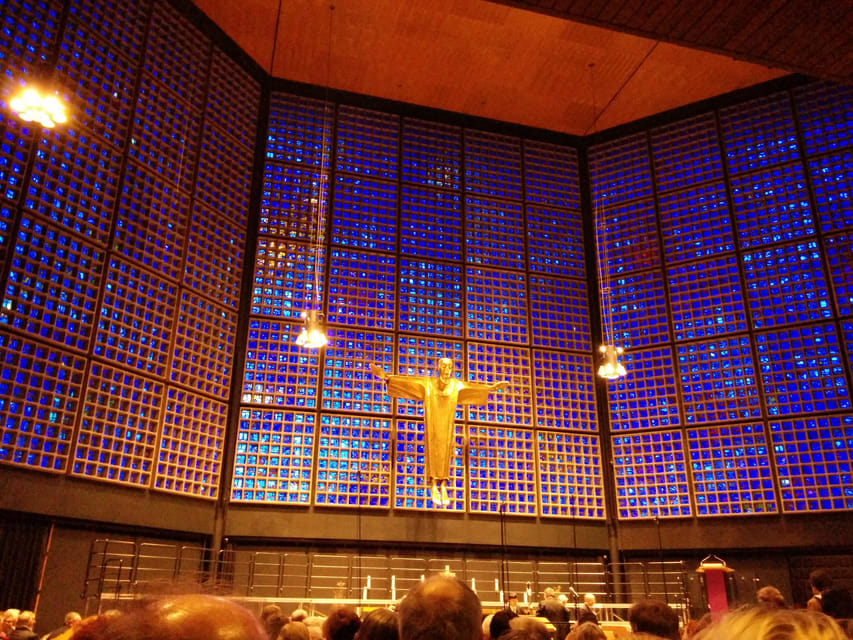
Even if you only know a handful of classical pieces, Kaiser Wilhelm Memorial Church gives you a reason to care. It’s one of Berlin’s most recognizable landmarks, and the sound inside matches the mood outside. The building has that mix of solemn and stirring that makes well-known music land harder than it usually does in a regular hall.
What I like is that this isn’t a stuffy performance. The church setting has a “pause your day” effect. You arrive, take your seat, and suddenly the noise of Berlin drops away. Several musical moments in the program—especially the organ passages—benefit from that kind of setting. They come through with clarity and power, and you feel the notes more than you just hear them.
A practical note: this church is big and the seating choices matter. If you end up farther back or at an angle, the music still works, but your view—especially of the organ area—may not be ideal. If that matters to you, arrive early and pay attention when you’re assigned your seat.
You can also read our reviews of more tours and experiences in Berlin

The performers: Duangamorn Fu and Vladimir Magalashvili bring star power
This concert isn’t just a group playing in the background. It has named soloists who shape the mood of the night.
Duangamorn Fu, the soprano, is the headline vocal presence. She’s trained in Vienna and Berlin, has won prestigious international competitions, and had an opera debut in 2022 as Gretel. In 2024, she won the debut concert at the Berlin Philharmonie. That matters because it signals you’re not just getting a warm voice—you’re getting a performer with real momentum and polish.
Then there’s Vladimir Magalashvili on the organ. Organ music isn’t easy. It’s all about control, balance, and knowing when to let notes ring. Reviews consistently highlight that the organ numbers are a big reason people leave happy, and I agree: in a small-format concert like this, the organ sections stand out because they’re a different world from strings and voice.
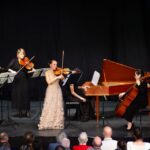
Alongside them, you’ll hear a violinist and a string-led ensemble. One thing worth knowing: this isn’t described as a full, massive symphony orchestra. Some accounts mention an eight-member string group. The upside is that the performance feels tight and lively, and you’re not lost in the scale—you’re right in the experience.
Program breakdown: from Vivaldi to Mozart Requiem, then the Beethoven hit
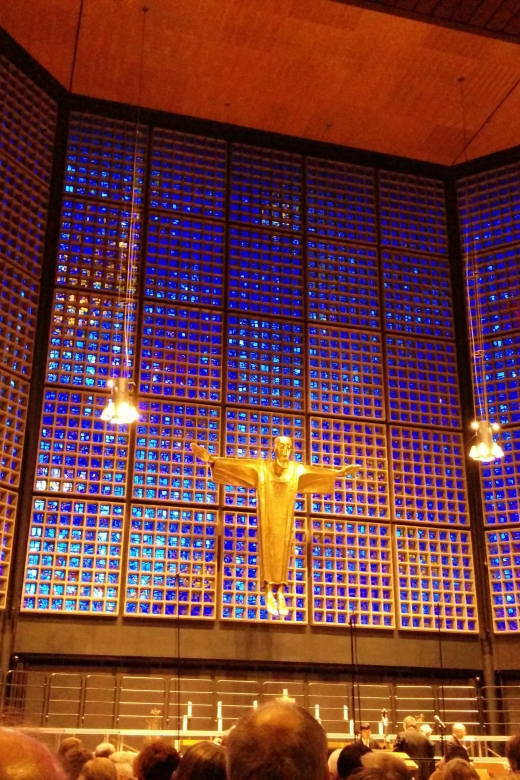
The best way to think about the program is this: it’s packed with well-known emotional swings, not just a random mix of titles. The order matters, because each section sets up the next.
Here’s the planned sequence you should expect (the program can change):
- Antonio Vivaldi — The Four Seasons: Spring and Summer
These movements are energetic and rhythmic. Expect bright lines from the strings and a sense of momentum that quickly wakes up the room.
- Wolfgang Amadeus Mozart — Requiem: Lacrimosa
Then the mood turns serious. Lacrimosa is all about gravity and feeling, and it pairs well with the church atmosphere. If you want one piece that just hits emotionally fast, this is often the kind.
- Johann Sebastian Bach — Toccata and Fugue in D minor
This is the showpiece of Bach’s structure and intensity. You get motion, tension, and then that satisfying sense of order.
- Bach — Air on the G String
After the complexity, the Air offers something calmer and more lyrical. It’s the kind of movement that makes even non-classical listeners lean in.
- Franz Schubert — Ave Maria
A clear moment for romance and reflection. It also helps you hear how the soprano interacts with the overall acoustic space.
- Georg Friedrich Händel — Largo from opera Xerxes
This brings a different kind of softness—less heavy than Lacrimosa, more graceful and flowing.
- Ludwig van Beethoven — Symphony No. 5: Allegro
The famous engine starts again. Even if you only know the theme, you’ll feel it. This is the moment where the night often turns into a collective reaction.
- Wolfgang Amadeus Mozart — Salzburg Symphony K136: Allegro
A quicker, bright follow-up that keeps the energy up without dragging.
- Charles-Marie Jean Albert Widor — Toccata, Symphony No. 5
Widor is where the organ really gets to be the star. This last segment is a classic way to finish: powerful, showy, and built for resonance in a church.
If you’re worried you won’t recognize enough pieces, don’t. Even if you don’t know the titles, you’ll likely catch melodies and musical shapes you’ve heard before—especially Beethoven’s Allegro and the Bach works.
Where you sit: acoustics, organ sightlines, and why front rows matter

In Berlin, you’ll hear a lot about acoustics. Here’s the reality: this church can sound wonderful, but your exact experience depends on where you’re placed.
One common point from people who rated the concert highly is that the overall quality is strong and the venue is beautiful. Others note that acoustics could be better, and that seats can be a little tricky. That usually means: the music is still good, but your comfort and your angle to the stage can change how much you enjoy the visuals—especially for the organ.
There’s also a practical issue: the organ area is part of the appeal. Some seats may make it harder to see the organist clearly, even if the sound is fine. So if you care about both hearing and watching, choose seats that keep the organ within your sightline.
Also keep in mind that the ensemble is not a giant orchestra. That can be great—clear focus—but it means your seating position can feel more important than it would for a huge brass-and-strings wall of sound.
Arrive early: ticket conversion and a smooth entry makes the night better
Plan for a calm arrival. The concert starts at a scheduled time (check availability for the exact slot), and you should arrive in advance.
Here’s why: the ticket process can involve some extra steps at the entrance. Some people describe confusion caused by a system that includes joining a queue and then getting a paper ticket with row and seat information. If you show up right at start time, you might waste the first part of your evening standing around.
My advice: give yourself time to settle. Use that buffer to find your row without stress. If you’re traveling in summer, remember the venue is air-conditioned once you’re inside, so the waiting period is the main moment when you’ll want comfort items. One helpful tip from people who attended: bring water and consider a hat.
Once you’re seated, the night usually flows quickly. The format is compact, so you won’t feel stuck in the pre-concert stretch.






How long is the concert, and what the pacing feels like
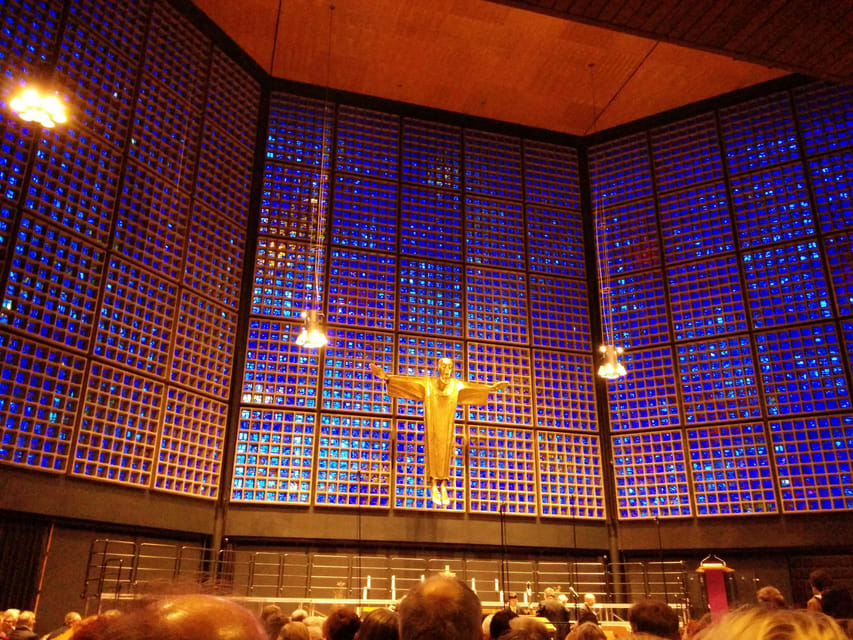
This is a 70-minute event. Several accounts suggest it may run closer to around 65 minutes in practice, but the key takeaway is that you’re getting a focused concert, not a long evening marathon.
That duration is a big part of the value. You can do this even on a busy Berlin day—sightseeing in the afternoon, dinner after, and a real cultural highlight in between. If you’re new to classical music, a one-hour plan is also friendlier. You get enough variety to stay interested, and you’re not stuck through multiple slow stretches.
The pacing also makes sense musically: lively pieces first (like Vivaldi), then heavier emotions (Mozart and Bach), then the big recognition moment (Beethoven), and finally the organ climax to close. You end with a sound-world that’s hard to forget.
Price and value: is $27 a good deal in Berlin?

At $27 per person, this concert is priced like a “serious but approachable” Berlin night. You’re paying for more than background music. You’re getting:
- a major Berlin landmark venue
- a program featuring major composers
- named soloists, including a soprano and a professional organist
- a printed program, so you can follow what you’re hearing
- about an hour of performance, so your time cost is realistic
Could you spend more and get a full symphony orchestra? Sure. But if you’re visiting in summer when large orchestras are often on break, this kind of format is a smart workaround. You still get the craft, the sound, and the emotional lift—without needing to plan your whole trip around a single heavyweight ensemble.
Also, the cost fits how Berlin works: you can do a cultural highlight without taking a big chunk out of your budget. If your goal is a memorable evening rather than a long, formal production, this is a strong match.
What’s included and what you should plan for
The ticket includes entry and a printed program. Food and drinks are not included, so plan to handle that separately.
That matters because in a church concert setting, food tends not to be part of the event flow. If you want something to drink, you’ll need to buy it on your own. If you’re arriving early, water is also useful while you wait.
As for dress: there’s no official dress code. People can dress normally. Think comfortable shoes and clothing you’re happy sitting in for an hour.
Finally, this event is wheelchair accessible, which is a solid plus if you need that support.
Who should book this concert (and who might skip it)
I think this concert is ideal if you:
- want a Berlin landmark experience without paying full premium orchestra prices
- like classical music but don’t want a super-long program
- enjoy organ music or are curious how it changes the sound in a church
- want a focused evening with recognizable composer titles
It might not be the best fit if:
- you need strict visual access to the organ area and are picky about sightlines
- you’re traveling with an unaccompanied minor, since unaccompanied minors are not allowed
- you want a giant, full-scale symphony orchestra sound (this is a smaller ensemble format)
If you’re the type who loves a clean, thoughtful program with big emotional contrasts, you’ll probably walk out feeling satisfied.
Should you book Berlin: Classical Concert at Kaiser Wilhelm Memorial Church?
If you want a smart, value-priced classical evening in one of Berlin’s most striking churches, I’d book it. The program hits major names—Vivaldi, Mozart, Bach, Schubert, Handel, and Beethoven—and the organ adds a special layer that you don’t always get in smaller concerts.
My main caution is simple: choose your seats with intention if organ sightlines matter to you, and arrive early so the entry process doesn’t eat into your calm. Do that, and you’ll likely get one of the most memorable nights of music you can have in Berlin for $27.
FAQ
How much does the concert cost?
Tickets are listed at $27 per person.
How long is the concert?
The concert lasts about 70 minutes.
Where does the concert take place?
It takes place at Kaiser Wilhelm Memorial Church in Berlin.
Who performs in the concert?
The event features the Berlin Orchestra with soloists including Duangamorn Fu (soprano), Vladimir Magalashvili (organist), and a violinist.
What pieces are on the program?
The planned program includes works by Vivaldi, Mozart, Bach, Schubert, Händel, and Beethoven, plus Widor. The exact program can be subject to change.
Is there a dress code?
There is no official dress code for this event.
Are food and drinks included?
No. Food and drinks are not included.
Is the venue wheelchair accessible?
Yes, the venue is wheelchair accessible.
Are unaccompanied minors allowed?
No. Unaccompanied minors are not allowed.
Is the concert air-conditioned in summer?
Yes. The venue is air-conditioned during the summer.