REVIEW · BERLIN
Berlin: Sightseeing Tour in Classic Volkswagen T1 Samba Bus
Book on GetYourGuide →Operated by T1 Berlin · Bookable on GetYourGuide
Berlin feels different from a VW Samba bus. You get a classic 1965 VW T1 Samba experience, plus live commentary as the city streams past your 21 windows. I also like the included photo booklet (an analogue iPad-style guide) because it helps you “see” what you’re looking at, not just where it is.
One thing to consider: this is a 2-hour drive-by tour. You’ll pass a lot of sights quickly, and you should expect exterior views more than inside visits.
In This Review
- Quick hits: what makes this VW Samba tour work
- Why Berlin from a 1965 VW Samba bus makes sense
- Getting your bearings: how the route moves in 2 hours
- Museum Island and the grand center: from Lustgarten to Humboldt University
- Unter den Linden and Pariser Platz: the boulevard that tells its own story
- Brandenburg Gate to the Reichstag: politics seen at street speed
- West meets memory: Berlin Wall, Checkpoint Charlie, and the Führerbunker area
- Modern Berlin icons: TV Tower, Potsdamer Platz, Philharmonie, and Ku’damm
- Side-road facts and the photo booklet that changes how you look
- Comfort and practical fit: who this tour is best for
- Should you book the VW Samba Bus Berlin sightseeing tour?
- FAQ
- How long is the Berlin VW T1 Samba sightseeing tour?
- Where does the tour start?
- What languages are the tours offered in?
- How large is the group?
- Is the tour wheelchair accessible?
- Who might need to skip this tour?
Quick hits: what makes this VW Samba tour work

- 1965 VW T1 Samba feel: a bus that looks like a time machine, and people actually smile when it rolls by.
- Small group (up to 7): easier to hear the narration and ask questions.
- 21 windows for photos: great angles compared with sitting in a tight side seat.
- Live driver/guide history: not just facts, but street-level context as you move.
- Photo booklet support: helps you connect buildings to older versions of Berlin.
- Fast, organized route: big highlights plus side-road peeks in just 2 hours.
Why Berlin from a 1965 VW Samba bus makes sense
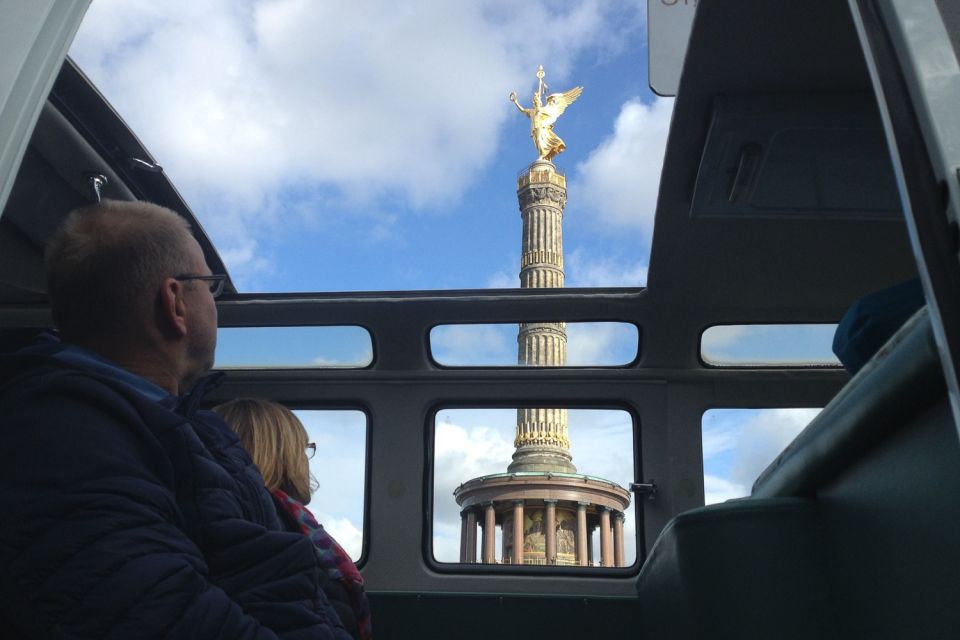
If you want Berlin to click, do it from street level. A tour bus can feel like you’re watching the city from far away. On this one, you’re close to the architecture, the traffic, and the textures of neighborhoods. The 1965 VW T1 Samba is also a conversation starter. It turns sightseeing into something more playful, which helps the history land.
The second reason I like this format is the storytelling engine: live narration from your driver/guide in English and German. Guides such as Michael and Rajko are specifically named in the tour feedback I’ve seen, and the common thread is clear. They connect what you see now to what was there before, so landmarks stop feeling random.
Value-wise, you’re paying for more than transport. At $51 per person for 2 hours, you’re buying guided context for dozens of major stops without needing multiple tickets, lines, or planning sessions. If you’re short on time, this is the kind of experience that helps you decide what to explore on your own later.
You can also read our reviews of more tours and experiences in Berlin.


Getting your bearings: how the route moves in 2 hours
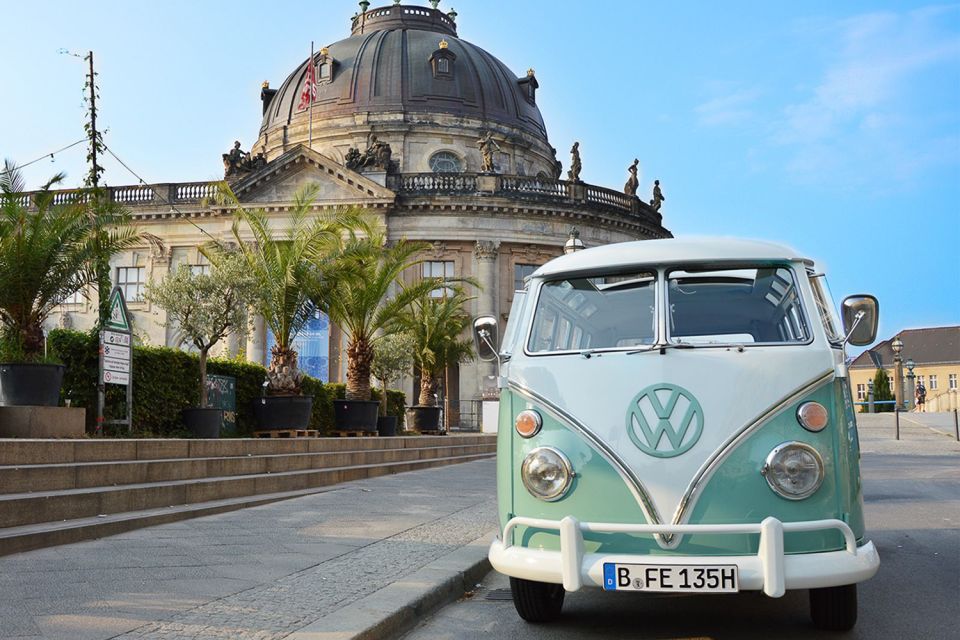
The tour starts at Berlin Cathedral, which is a smart pick. That area puts you near the city’s most central “axes,” so after you move through the route you can mentally map Berlin fast.
Then the day splits into three big story arcs as you ride:
- The grand museum-and-boulevard zone near Unter den Linden and the historic center.
- The political core and reunification-era landmarks, including the Brandenburg Gate and the Reichstag area.
- East-meets-West memory stops and modern Berlin icons, with sites tied to the Berlin Wall and major checkpoints, followed by West Berlin highlights and the TV Tower.
You’re not stopping for long walks at every point. Your best strategy is to treat this like a guided “read-through” of the city. You’ll get a lot in a short time, then you can return to the places that grab you most.
Also note the tour is wheelchair accessible, and the bus includes heating when necessary. That matters because comfort affects how much you absorb, especially in colder months when Berlin can feel extra sharp.
Museum Island and the grand center: from Lustgarten to Humboldt University
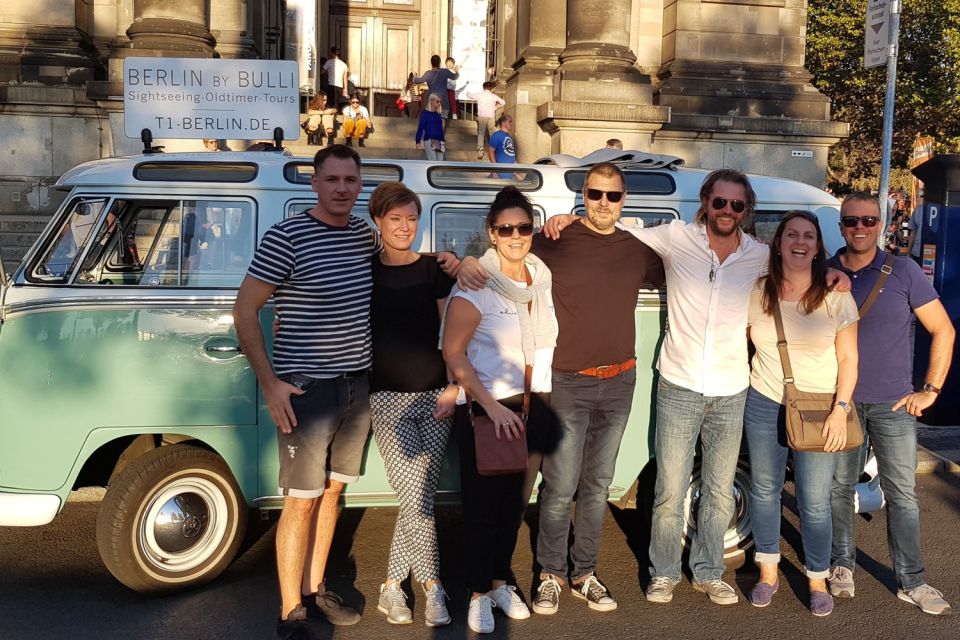
A big chunk of what you’ll see clusters around Berlin’s ceremonial center and museum district. After leaving Berlin Cathedral and Lustgarten, you roll past classic institutions like the Alte Nationalgalerie and continue along the Museum Island stretch where the names alone can make you pause.
You pass Neues Museum, Pergamon Museum, and Bode Museum. Even if you don’t go inside, the drive-by works because you’re learning how this area became a symbol of German culture and power. Your guide’s job here is to connect the architecture and placement to the eras that built it.
You then move through the wider governmental-and-academic belt: the tour includes German Historical Museum, Neue Wache, Humboldt University of Berlin, and landmarks near Berlin State Opera. This part of the ride is about flow. You’re seeing how Berlin stitches together scholarship, ceremony, and national identity in the same few kilometers.
Practical tip: during this stretch, focus less on taking the perfect photo and more on spotting the big lines—streets that feel straight and formal, and buildings that sit like anchors. Once you catch those “routes,” later stops like Brandenburg Gate and the Reichstag feel easier to understand.
Unter den Linden and Pariser Platz: the boulevard that tells its own story
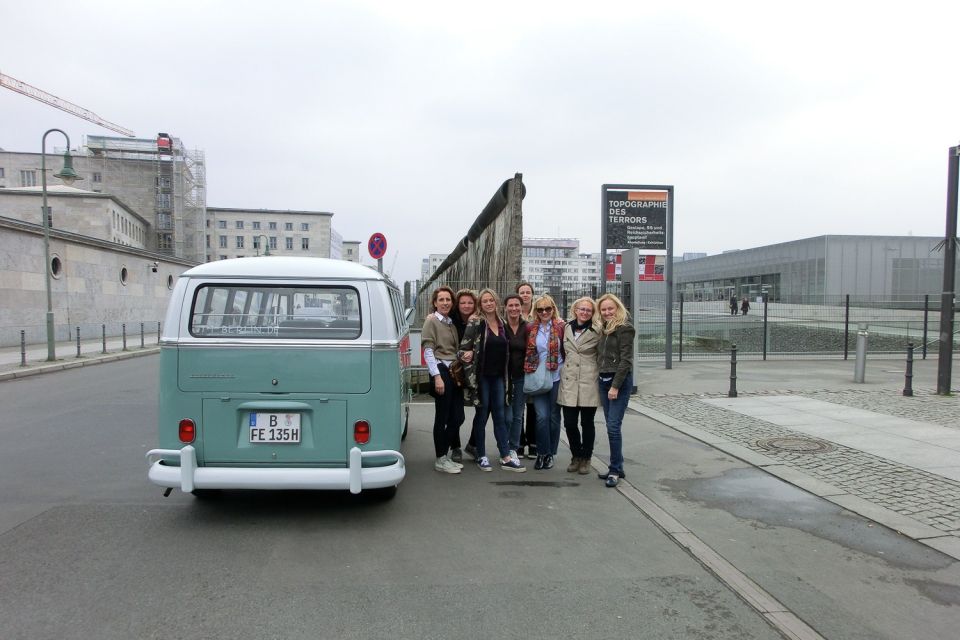
If you’ve heard Berlin described as split by history, this boulevard segment is where that idea becomes visible in architecture. The tour moves along Unter den Linden and includes Pariser Platz, with key cultural and civic stops nearby.
You’ll also pass Bebelplatz and important palace-era remnants such as the Alte Palais area. These are the types of spaces where Berlin’s layers sit side by side: imperial-era grandeur, 20th-century rebuilding, and the modern city you see today.
The most useful part of this section is how the guide explains why this boulevard became a spine for power and public life. From the bus, you also get the perspective of how wide these streets are and how that width shapes what people experience walking around here.
Drawback to keep in mind: because it’s a drive-by, you won’t stand at each site long enough to fully read every facade. If you have even a slight interest in architecture, plan to return later to the spots that feel most meaningful to you.
Brandenburg Gate to the Reichstag: politics seen at street speed
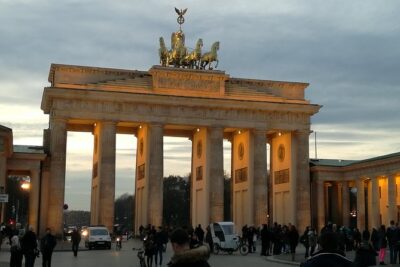
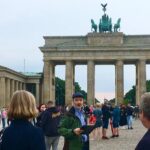
The Brandenburg Gate is one of those landmarks that’s famous everywhere, yet in Berlin it lands differently because of what it represents. On this tour, you approach it from the streets around it, not through a perfect postcard angle. That helps. You see it in context: as a piece of a larger public space and political landscape.
Soon after, the route continues to Reichstag, the government district, and the Federal Chancellery area. Even if you don’t go inside, you can still get the logic of how modern Germany projects authority: museums and palaces give way to institutions built around the state.
Your guide also helps you connect what you’re seeing to the stories Berlin tells about itself: why certain buildings matter, and how the city’s 20th-century upheavals show up in layout.
Quick practical move: when you see the Reichstag area, take a moment to look for the “shape” of the space. Then, later in the tour, when you hit memorial sites connected to Germany’s darker chapters, you’ll understand why Berlin places remembrance beside civic space.



West meets memory: Berlin Wall, Checkpoint Charlie, and the Führerbunker area
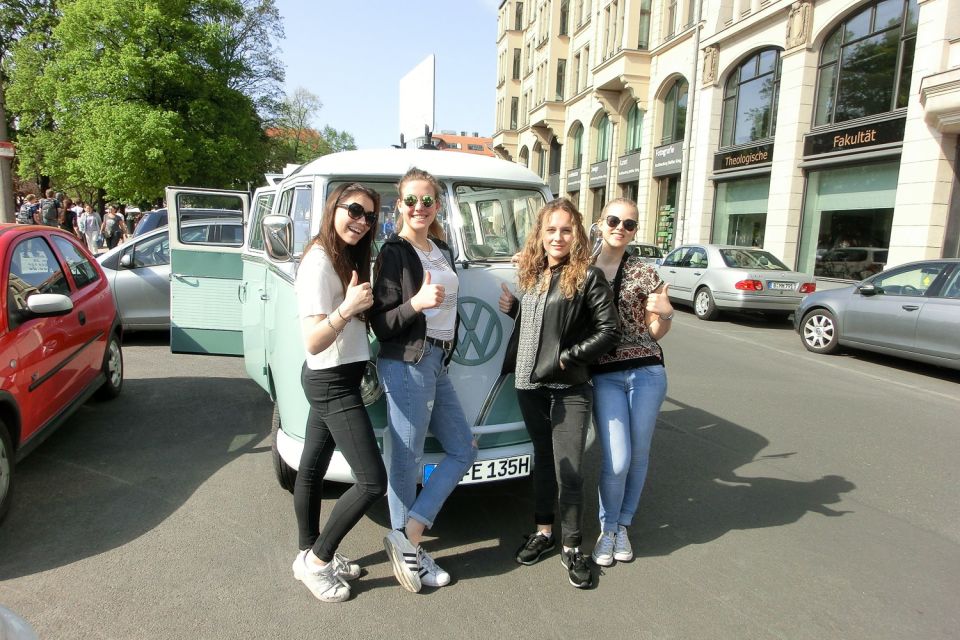
This is the part of the ride where the tone changes. You pass major memory-linked sites including the Berlin Wall, Holocaust Memorial, and the Checkpoint Charlie area. The tour also lists stops connected to the Führer Bunker and Reich Chancellery areas.
These aren’t landmarks you can treat casually. From a bus, you don’t get the slow, reflective time you’d have on your own, but you do get a guided framework that helps you read the city’s messages. A good guide here doesn’t just say what happened; they point out how Berlin marks those places now.
Other stops in this arc include Anhalter Bahnhof, Friedrichstraße, and Gendarmenmarkt, plus the Berlin City Palace area and nearby bridges like Jungfern Bridge. That’s important, because it shows Berlin isn’t only one story. It’s multiple eras overlapping, sometimes literally within a short ride.
If you’re sensitive to heavy subject matter, plan your mental pacing. I’d recommend bringing a little patience. Let the narration set the context, then decide after the tour if you want to return independently for deeper time at the sites that hit you hardest.
Modern Berlin icons: TV Tower, Potsdamer Platz, Philharmonie, and Ku’damm
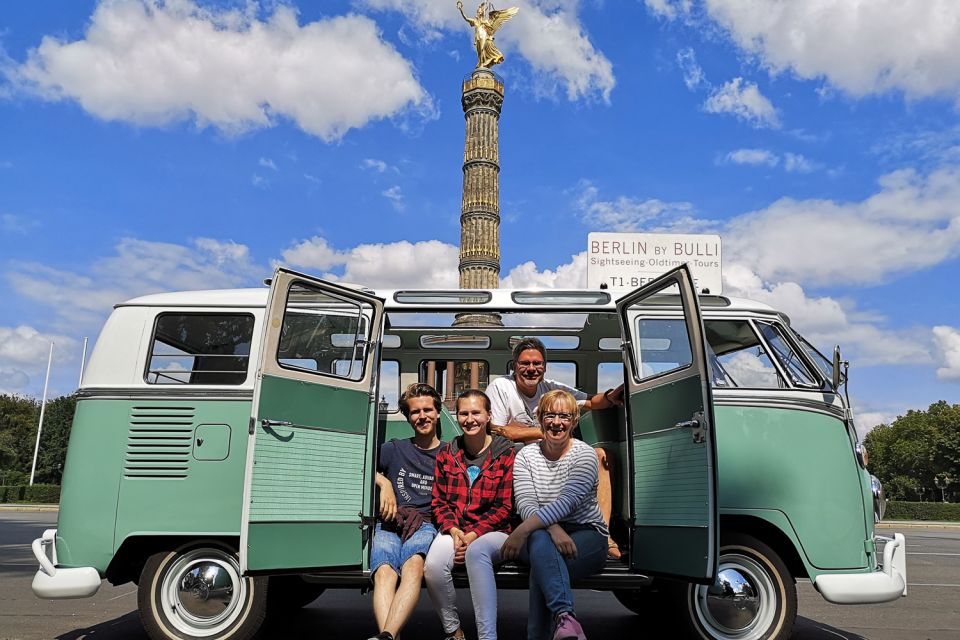
After the memory stops, the tour moves into a more panoramic Berlin phase: modern icons, major shopping streets, and post-reunification spaces.
You pass TV Tower, Neptunbrunnen, and St. Mary’s Church. The TV Tower segment works well on a bus because you can catch what’s around it—how Berlin’s skyline and skyline ambitions coexist with historic structures.
Then you see Potsdamer Platz, and ride through parts of the cultural and embassies zone including the Kulturforum and Berlin Philharmonie. This section helps you understand a side of Berlin that often gets overlooked: not only the story of division, but also the story of rebuilding and cultural emphasis.
You also get the classic West Berlin commercial stretch: Kurfürstendamm, Tauentzienstraße, and KaDeWe. Near there you’ll pass Kaiser Wilhelm Memorial Church, which adds a memorial angle even though the ride keeps moving.
If you love food, shopping, or architecture, this is your cue to start planning your follow-up day. The bus tour doesn’t offer time to linger, but it tells you where you’ll want to spend more hours later.
Side-road facts and the photo booklet that changes how you look
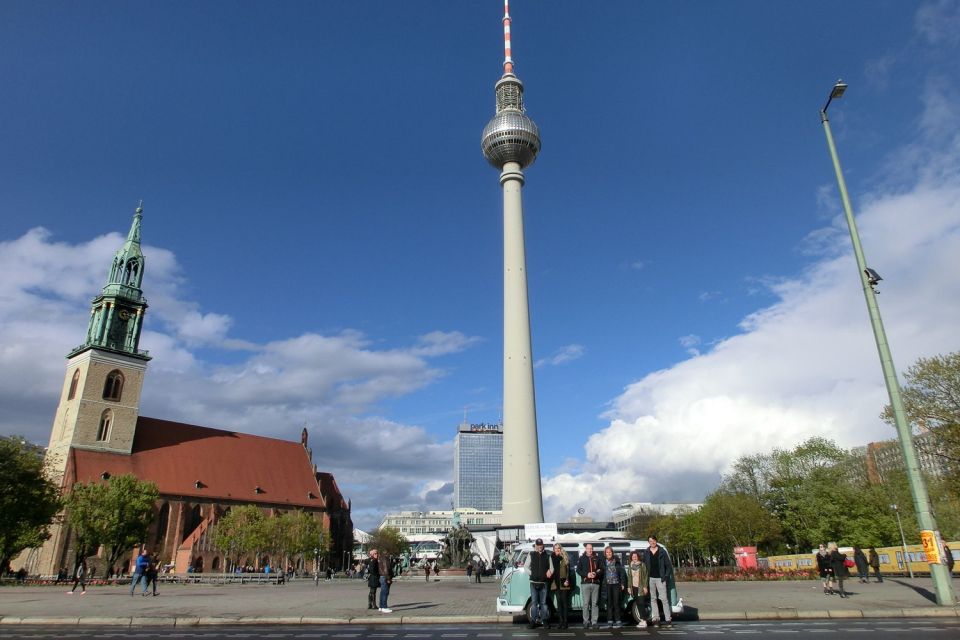
A lot of bus tours stick to the main roads. This one is built to veer off the beaten track so you can spot lesser-known details and get city layout context that’s hard to learn from a quick checklist.
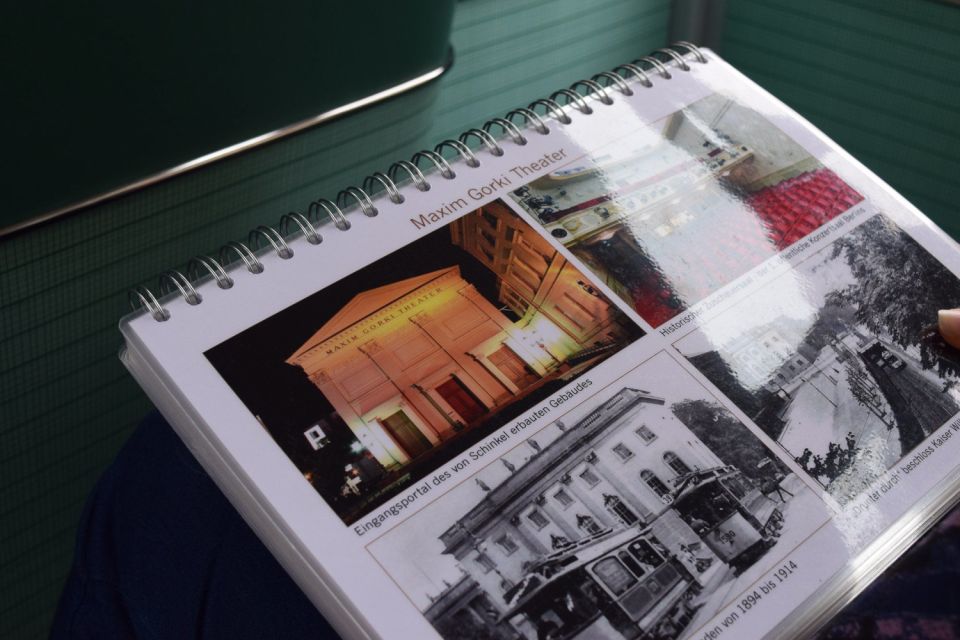
The included photo booklet is the secret weapon. The tour guide uses it to match what you’re seeing on the street to older versions of the city. That turns your ride into a visual timeline. Instead of treating buildings as static objects, you start noticing how Berlin’s shapes and purposes have shifted.
I also like that the booklet is designed for the tour’s specific locations. The guide can point, pause, and connect, which is where the analog format helps. It’s easy to follow while you’re moving and watching the road.
One more practical note from real tour experience: a guide may offer those photo book materials for purchase too, so if you want a keepsake that matches the places you saw, it can be worth asking during the tour.
Comfort and practical fit: who this tour is best for
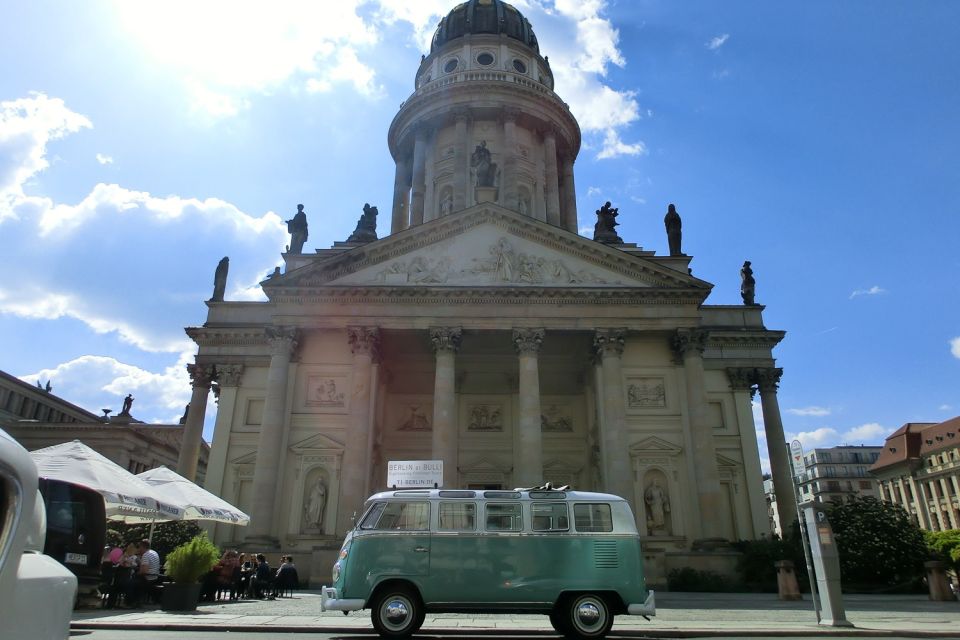
This experience works best if you want maximum Berlin context in minimal time. With small group size limited to 7 participants and a 2-hour duration, it’s a good pick for:
- First-time visitors who need a map in their head
- People who like history but don’t want a day of museum queues
- Anyone traveling in winter or shoulder season who values heating when necessary
- Families and mixed-age groups, since the ride is structured and the sights are nonstop
There are also clear limitations from the tour info. It is not suitable for people with epilepsy, people with a cold, and people over 275 lbs (125 kg). The tour also lists glass objects as not allowed, and it doesn’t allow non-folding wheelchairs even though it is listed as wheelchair accessible.
If you prefer long stops and inside visits, you might find this tour too quick. But if you treat it as a guided orientation plus storytelling, it’s a very efficient way to build your Berlin foundation.
Should you book the VW Samba Bus Berlin sightseeing tour?
Book it if you want a fast, memorable way to understand Berlin’s main threads: imperial center, political Germany, and the heavy geography of the 20th century, all tied together by a guide speaking from the street.
I’d skip it if you already have a museum-and-walking itinerary full and you’re hunting for long, quiet site time. This tour gives you context and momentum, not extended visits.
My take: for $51 and 2 hours, this is strong value because the bus itself adds personality, while the live narration and photo booklet add actual understanding. If you do it early in your trip, you’ll get a map and a shortlist of places worth revisiting.
FAQ
How long is the Berlin VW T1 Samba sightseeing tour?
The tour lasts 2 hours.
Where does the tour start?
The meeting point is Berlin Cathedral.
What languages are the tours offered in?
The live tour guide offers English and German.
How large is the group?
The group is limited to 7 participants.
Is the tour wheelchair accessible?
It is listed as wheelchair accessible, but non-folding wheelchairs are not allowed.
Who might need to skip this tour?
It is not suitable for people with epilepsy, people with a cold, and people over 275 lbs (125 kg).