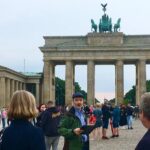
Berlin hits hard, fast, and in the best way. This walk strings together the city’s most important turning points, from the Third Reich to the Cold War. You’ll cover Checkpoint Charlie, the remains of the Berlin Wall, the Holocaust memorial, and end at Brandenburg Gate—on foot, in a tight 3 hours.
I like that it’s built around real places you can stand on and look at: the Traenenpalast (Palace of Tears), the book burning site at Bebelplatz, and the memorial walk through the darkest corners of modern Germany. I also like the guide format: an English-speaking expert who keeps the pace moving and makes complex politics readable, often with room for questions.
One thing to keep in mind: it’s a lot of ground in a short time, and some major museum stops are view-and-learn from the outside (ticketed entries are not included for several locations). If you hate long walks or want lots of slow photo time, plan your expectations.
In This Review
- Key things I’d circle before you book
- How A 3-Hour Walk Covers Berlin’s Nazi to Cold War Timeline
- Meeting Point and the Walking Reality: Shoes Matter
- Palace of Tears and the Boundary Feeling at Checkpoint Charlie
- The Berlin Wall Remains: When the City Still Shows the Break
- Memorials, War, and Tyranny: Neue Wache in Context
- Standing Where Hitler’s Last Days Happened
- The Holocaust Memorial: A Walk That Doesn’t Let You Look Away
- Reichstag, the Government Quarter, and Brandenburg Gate’s Second Life
- Churches, Museums, and Squares: How Berlin Teaches You to Look Closer
- What You Get for $24.07: Value Comes From the Story Pace
- Practical Tips Before You Go (So You Don’t Miss the Good Parts)
- Should You Book This Berlin History Walk?
- FAQ
- How long is the Berlin walking tour?
- What does it cost?
- Is the tour in English?
- Where does the tour start and end?
- Do I need admission tickets for everything?
- What major sights are included?
- Is there a group size limit?
- Is there a mobile ticket?
- Are service animals allowed?
- Can I cancel for free?
Key things I’d circle before you book
- Cold War details without the textbook tone at Palace of Tears and Checkpoint Charlie
- On-the-ground memorial stops, including the Holocaust Memorial to the Murdered Jews of Europe
- A tight, practical route that covers major sights and keeps moving toward Brandenburg Gate
- Wall remnants you can actually see, including a long stretch at Topography of Terror
- Museum exteriors and learning moments where some tickets are not included
- Guides who handle questions and pace well, with English that stays clear
How A 3-Hour Walk Covers Berlin’s Nazi to Cold War Timeline
Berlin’s biggest story is not one building or one museum. It’s the way power, fear, and propaganda reshaped daily life—then the way the city split, rebuilt, and remembered. This tour is built to show you that timeline in walking form, so you stop guessing and start connecting dots.
You’ll start with the Nazi era context—Hitler’s rise, the Third Reich, and how ideology pushed life in Germany. Then you shift into the Cold War Berlin that most people picture: division, border rules, surveillance, and the emotional weight of crossing from one side to another. By the time you reach the Holocaust memorial and the sites tied to Hitler’s last days, the tour stops feeling like a sightseeing loop and starts feeling like a guided map of modern Germany’s moral reckoning.
The best part is that it’s not only about dates. Your guide’s job is to translate what these places meant. When you hear the why behind a location—why that crossing mattered, why that square became symbolic—you look at the same street corners differently.
You can also read our reviews of more tours and experiences in Berlin.


Meeting Point and the Walking Reality: Shoes Matter
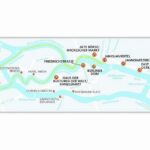
The tour begins at the listed meeting point near Reichstagufer 17, 10117 Berlin, and it ends at Brandenburg Gate, Pariser Platz. The tour runs about 3 hours. Expect a solid walk for that time—one of the clearer notes you’ll see is that you can end up covering around 3 miles.
This matters because some stops are quick hits, and the schedule flows: short segments, then the next landmark. If you’re prone to tiring out, wear comfortable shoes and avoid planning anything intense right after.
Also, show up early. The info is direct: be at the meeting point 15 minutes before the tour starts. That helps you avoid the common travel-day snag of missing the group. (Berlin’s public transit is great, but meeting spots are not always obvious at street level.)
Palace of Tears and the Boundary Feeling at Checkpoint Charlie
The Cold War sections are where the tour becomes unusually real.
You’ll stop at Palace of Tears (Traenenpalast). This place was an international checkpoint, and your guide’s explanation is the point: this wasn’t just bureaucracy. It was separation and control made physical. Even if you only get a few minutes there, the guided framing helps you understand why Berliners experienced the border as something personal.
Then comes Checkpoint Charlie, the best-known civilian and military crossing point between East and West Berlin. This is one of those places where it’s easy to get stuck in photo mode. The value here is the context: your guide connects Checkpoint Charlie to what life looked like on both sides and even the 1961 tank stand-off between Soviet and American armed forces.
Practical tip: at both Palace of Tears and Checkpoint Charlie, bring your patience for crowds and lines. These are high-interest spots. The tour moves you through them with enough explanation to make the photos mean more than just a landmark shot.
The Berlin Wall Remains: When the City Still Shows the Break
Berlin doesn’t hide its divisions. The tour leans into that by showing you remains of the Berlin Wall, including a long visible stretch at Topography of Terror.
At Topography of Terror, the big hook is simple: you can see a 200-meter piece of the Berlin Wall. But the guide angle makes it click. This isn’t just a wall chunk for nostalgia. You get the wider political story around why terror and control were built into daily life—and how that connects to the era you’re walking through.
This is also where the tour earns its nickname as a fast “how did we get here?” route. When you see the physical evidence of division, it becomes easier to absorb the later memorial stops. The city’s geography is basically part of the curriculum.
Memorials, War, and Tyranny: Neue Wache in Context
Before you reach the most intense sites, you pass Neue Wache. It’s described as a national memorial reflecting on war and tyranny. For many visitors, Berlin’s memorials can feel like they come in different emotional styles—quiet, solemn, and direct.
With your guide, the goal is to keep the meaning clear. You’re not just seeing a monument; you’re hearing how Germany chooses to remember suffering and how those choices shape public space. That matters later, when the tour shifts from history lessons to moral weight.
If you’re the type who gets overwhelmed by heavy topics, this stop can actually be a helpful breather. The tour keeps moving, but it gives you a tonal pause before the darkest section.



Standing Where Hitler’s Last Days Happened
The tour includes a stop at Fuhrerbunker, the site where Hitler spent the last days of World War II. You won’t be walking around a preserved bunker in a movie-set way. Instead, you’re standing above the location and hearing what your guide can explain about what it represented at the end of the war.
This is also the part where your guide’s handling of sensitive history makes or breaks the experience. In the guide feedback you’ll see repeated patterns: people praised English clarity, the ability to answer questions, and respectful storytelling. If you prefer a guide who slows down for the serious points and communicates carefully, you should feel comfortable here.
One note for your expectations: like many memorial-related sites, this section is about meaning, not comfort. It’s not designed to be fun in the casual sense. It’s meant to make you understand why the city still carries these events in public memory.
The Holocaust Memorial: A Walk That Doesn’t Let You Look Away
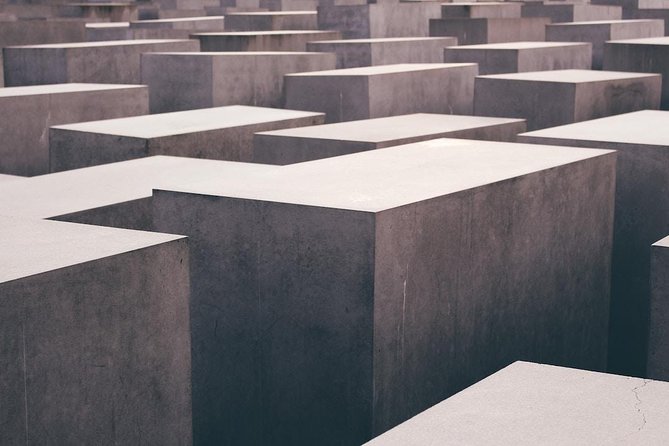
Next is the Holocaust Memorial – Memorial to the Murdered Jews of Europe. The tour takes you inside the memorial area for a dedicated walk, with your guide explaining what you’re seeing.
This isn’t a lecture delivered from the sidewalk. You’re walking through the memorial itself, which changes how you process the message. The physical design makes the space feel slow and deliberate. Your guide’s job is to keep the history clear without turning it into a distant facts-only moment.
If you visit Berlin mainly for monuments, this is the stop that will likely change how you remember the rest. It shifts the tour from political timeline to human consequence.
Reichstag, the Government Quarter, and Brandenburg Gate’s Second Life
Near the end, you move into the iconic heart of West Germany’s modern story.
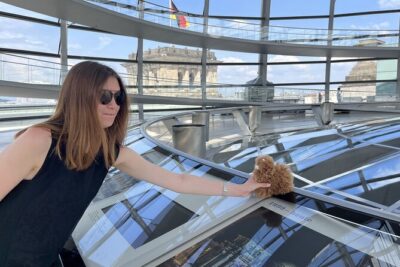
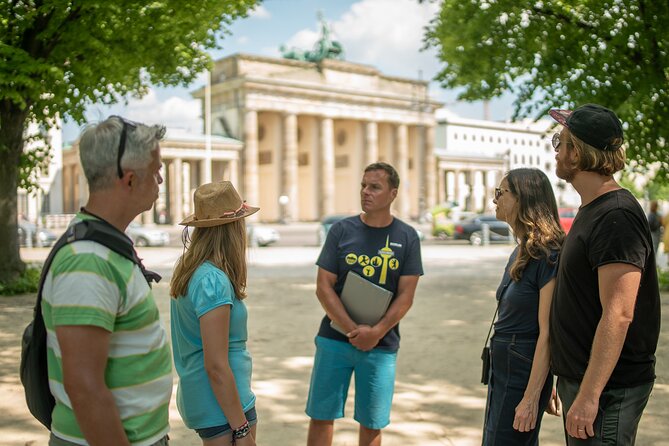
You’ll see the Reichstag parliament building area and then the Brandenburg Gate. The key idea to hold onto is the gate’s double meaning. Your guide connects it to the Cold War era symbol of division and then to today’s role as a national symbol of peace and unity.
This is a smart ending, because the tour began with ideology and control—and ends at a place now used for a shared national identity. Even if you’ve seen photos of Brandenburg Gate before, walking under it with the history threaded through your head makes it land differently.
The tour ends at Brandenburg Gate/Pariser Platz, so you finish right where you can continue on your own—either wandering the government district or grabbing a nearby meal.
Churches, Museums, and Squares: How Berlin Teaches You to Look Closer
One reason this tour feels so packed is that it threads major buildings and major public spaces into the narrative. A few highlights that matter for how you experience Berlin:
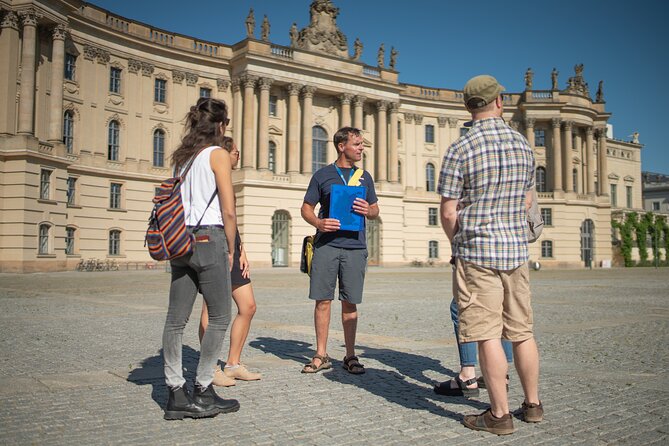
- Humboldt University: You pass by the university where Marx, Engels, and Einstein studied or taught. Your guide uses this to show how intellectual life overlaps with political shifts.
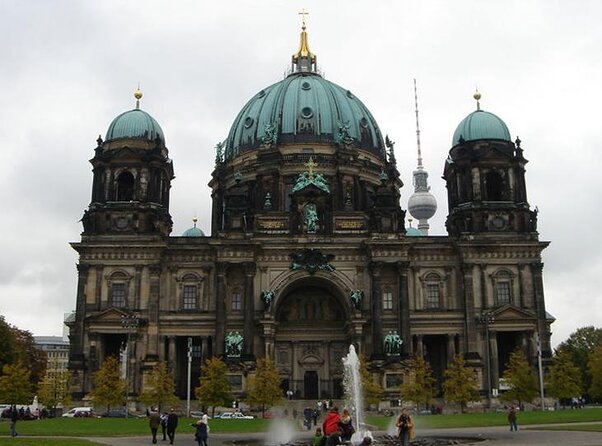
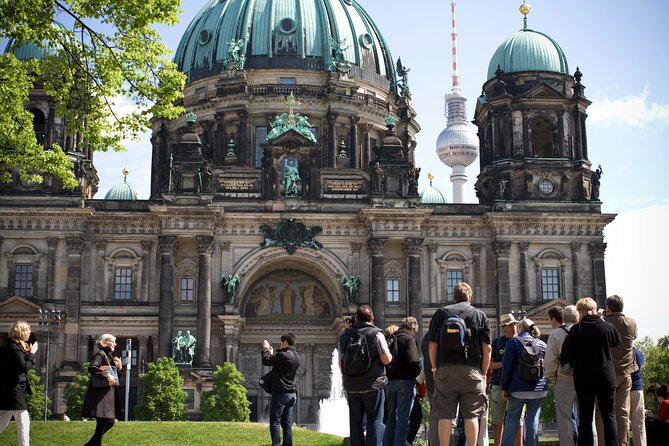
- Berliner Dom: You’ll stop near the biggest church in Berlin, along with nearby areas like Lustgarten and the Humboldt Forum zone. The entry ticket is not included, so this is mostly an exterior learning stop unless you choose to add your own museum time later.
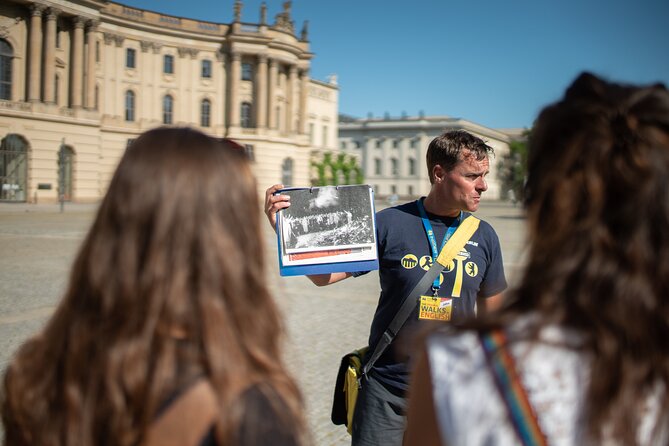
- Bebelplatz and the Book Burning Memorial: This is one of the most chilling stops for the way it ties ideology to action. You stand on the location where Nazi book burnings happened in 1933.
- Gendarmenmarkt: The guide points out the French and German cathedrals, tied to Berlin’s earlier ideas of religious tolerance. It’s a visual reminder that not every chapter of Berlin is about conflict.
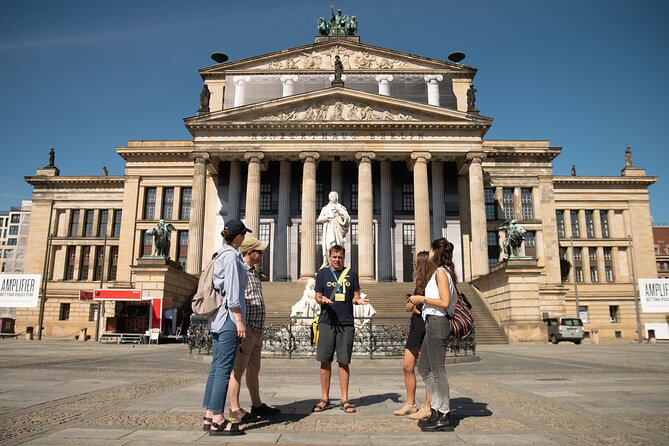
- Staatsoper and Konzerthaus: Two elegant opera and concert venues in the area, both tied to the architecture and cultural life shaped by different eras.
There’s also a museum cluster where the tour focuses on quick orientation rather than entry:
- Pergamonmuseum, Neues Museum, and Altes Museum are described as stops tied to Islamic art and major collections (and the Egyptian collection at the UNESCO-listed site). But their admissions are not included, so you’re seeing key exterior context and getting guided context rather than full museum time.
If you love museums, you’ll likely want to come back separately. But as an intro walk, these stops do something useful: they help you decide what to prioritize later.
What You Get for $24.07: Value Comes From the Story Pace
At $24.07 per person for about 3 hours, this is strong value if you want an organized first pass at Berlin’s hard history. The price only matters if you use the time well—and this route is designed for that.
Two features make a difference for value:
- The local English-speaking expert guide. The repeated praise for guides like Joseph and Klaus centers on clear English, entertainment without fluff, and willingness to handle questions. Another name that shows up often is Hannah, praised for keeping a steady pace with thoughtful breaks—useful if weather is cold.
- The focus on multiple eras in one go. Many Berlin tours do one theme. This one links Nazi rule, war years, the Cold War border system, and then the memorial landscape.
Group size also affects your experience. The cap is 25 people, which is large enough to be affordable but small enough for most guides to manage pacing.
One more practical reality: not every stop includes entry. Berliner Dom, Pergamonmuseum, Neues Museum, and Altes Museum list admission as not included, as does the Aviation Ministry area stop. So you’re paying for narration and orientation, not for museum tickets.
Practical Tips Before You Go (So You Don’t Miss the Good Parts)
A few things will help you get more out of the walk:
- Bring your question habit. Multiple guide notes highlight that questions are welcomed early and answered during the tour. If something doesn’t make sense, ask it right away.
- Accept that some stops are short. With so many landmarks, you’ll often get a quick guided moment rather than free-roam time at every site.
- Use the breaks. One piece of guide praise focused on pacing and short warm-up pauses in cold weather. If it’s chilly, dress for quick stops between sights.
- Plan your photos smart. This is a common snag area: if you wait too long at one spot, you can feel rushed. I’d take photos during the guide’s pauses and then move when the group does.
- Wear shoes you can walk in comfortably for 3 miles. Berlin’s center is flat enough, but the schedule is dense.
Should You Book This Berlin History Walk?
If you’re short on time and you want a guided map of Berlin’s darkest and most consequential chapters—Nazi rule, Cold War division, and modern memorial culture—this tour is a solid choice. The route hits major landmarks like Checkpoint Charlie and Brandenburg Gate, but it also gives you the meaning behind less-famous stops like Palace of Tears and Bebelplatz.
I wouldn’t book it as your only Berlin activity if you’re a serious museum lover who wants hours inside buildings. Several stops are ticketed for entry that isn’t included, so you’ll still need to add museum time later.
If you can handle a firm pace and you want a clear, English-guided storyline that makes the city’s symbols feel connected, go for it.
FAQ
How long is the Berlin walking tour?
It’s about 3 hours long.
What does it cost?
The price is $24.07 per person.
Is the tour in English?
Yes, it’s offered in English.
Where does the tour start and end?
The tour starts at Reichstagufer 17, 10117 Berlin and ends at Brandenburg Gate, Pariser Platz, 10117 Berlin.
Do I need admission tickets for everything?
No. Some places on the route have admission not included, including Berliner Dom, Pergamonmuseum, Neues Museum, and Altes Museum, and the Aviation Ministry stop.
What major sights are included?
The tour covers highlights such as the Brandenburg Gate, the Reichstag area, Checkpoint Charlie, visible Berlin Wall remains at Topography of Terror, the Holocaust Memorial, and the Fuhrerbunker location.
Is there a group size limit?
Yes. The tour has a maximum of 25 people.
Is there a mobile ticket?
Yes, the tour uses a mobile ticket.
Are service animals allowed?
Yes, service animals are allowed.
Can I cancel for free?
Yes. There is free cancellation up to 24 hours before the experience start time for a full refund.