Berlin tells harder stories than textbooks. This walking tour follows the Path of Resistance through Berlin’s Jewish quarter, connecting everyday courage to the Nazis’ machinery of persecution. I like the small-group format and the fact that guides named in reviews, like Tom and Hannah, bring WWII focus and a steady, human tone to heavy material. One consideration: it moves through dark, personal moments, so it helps to go in with an open mind and steady nerves.
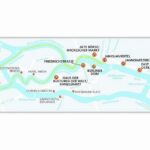
You’ll start near the old Imperial Post Office and end near Friedrichstraße, with stops that read like a map of how persecution worked—and how people pushed back. I especially appreciate the mix of well-known sites (like the 1933 book burning location) and quieter places that get overlooked, including Otto Weidt’s workshop. The drawback is timing: 2.5 hours is tight, so bring patience for short stop-and-listen moments instead of expecting long museum wandering.
In This Review
- Key points to know before you go
- A resistance-focused walk through Berlin’s Jewish quarter
- Meeting near the Former Imperial Post Office (and why the start matters)
- WWII historians at the helm: what guides like Tom and Hannah do well
- New Synagogue Berlin and the Jewish community world before the Nazis
- Grosse Hamburger Strasse Cemetery: memory you can stand beside
- Otto Weidt’s workshop: protection that came from stubborn humanity
- Block of Women on Rosenstraße: courage in public
- Museum Island and Neue Wache: Berlin’s memorial language, explained on the move
- Bebelplatz and the 1933 Nazi book burning site: attacking ideas, not just people
- Deportation made tangible: trains to life and trains to death
- Price and time: what $56 gets you for a 2.5-hour walk
- Practical tips: shoes, umbrellas, and pacing your emotions
- Who should book Path of Resistance
- Should you book Path of Resistance: Berlin’s Hidden Holocaust Stories?
- FAQ
- How long is the tour?
- How much does it cost?
- What language is the tour offered in?
- How big is the group?
- Where do I meet the guide?
- Where does the tour end?
- What sites will we visit?
- Is the tour wheelchair accessible?
- What should I bring?
- Is the tour offered in all weather?
Key points to know before you go
- Small group in a respectful pace: limited to a very small number of people, so questions stay real.
- WWII-focused storytelling: guides like Tom and Hannah handle sensitive history with care and clarity.
- Resistance in multiple forms: from saving workers to public protest by women on Rosenstraße.
- Stand where ideas were attacked: the stop at the 1933 Nazi book burning site is a gut-check.
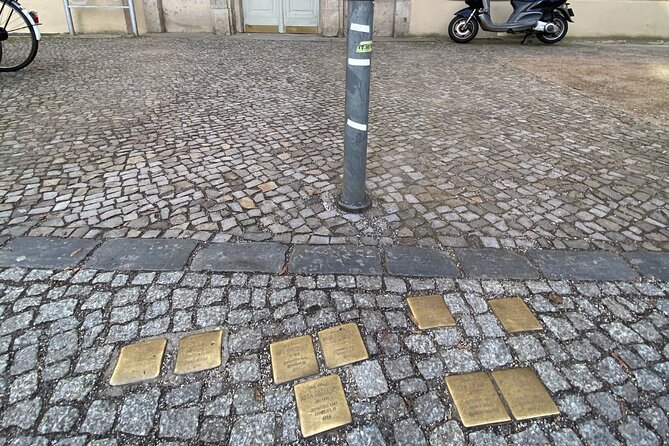
- Memorials you can’t get from a quick photo: quiet corners tied to deportation and survival.
- Designed for discussion: Q&A plus “then & now” photographs and historical maps help the places make sense.
A resistance-focused walk through Berlin’s Jewish quarter
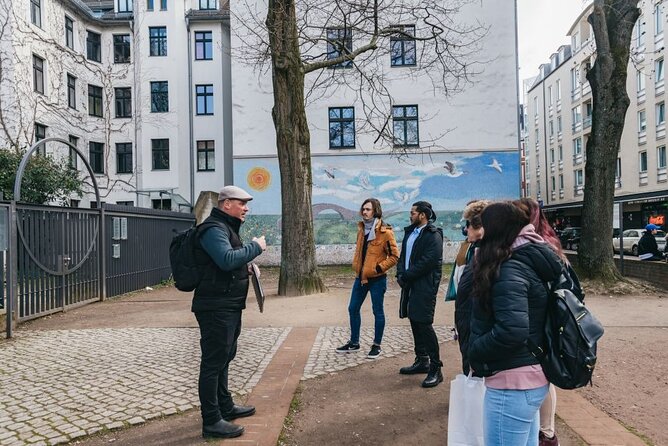
This isn’t a “sit and watch” museum day. It’s a guided walk where the streets do some of the talking. You’ll move through Berlin’s older Jewish quarter with plaques, courtyards, and memorial traces that link daily life to Nazi oppression and resistance. The theme is simple, and it matters: what people did when the rules became lethal.
I like that the tour frames history through choices. You get stories of ordinary Germans who risked everything to oppose Nazi power, alongside the horrifying state logic behind Aryan superiority and the Nazi idea of “sub-races.” That pairing helps you see how ideology turned into policy, and policy turned into deportation.
Also, the tone aims for respect, not shock value. You’ll stand at places tied to Jewish families being torn from their homes, then hear how resistance also looked like quiet defiance—paperwork, hiding, smuggling, or public protest when bravery took a group form.
You can also read our reviews of more tours and experiences in Berlin.


Meeting near the Former Imperial Post Office (and why the start matters)
You’ll meet at the former Imperial Post Office, with the guide holding a blue umbrella at the main entrance. Arrive about 10 minutes early so you’re not sprinting for group history right at the starting bell. The umbrella tip sounds small, but it tells you how weather-aware this walk is: it runs in all conditions.
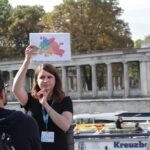
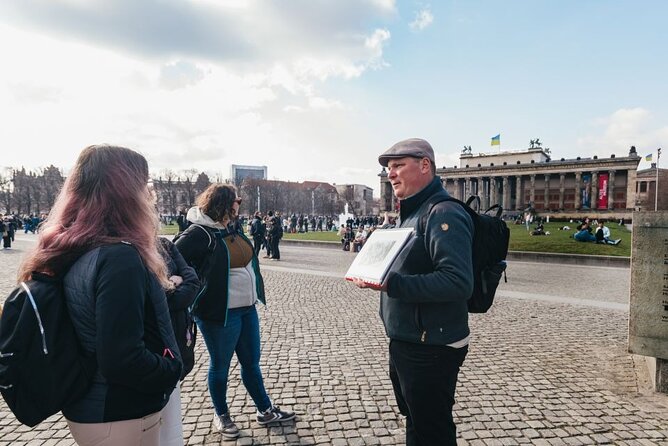
From the first minutes, the guide’s job is to give you bearings fast. Berlin can feel like a patchwork of eras, and this tour uses maps and “then & now” photographs to anchor what you’re seeing to what used to be there. That’s a big value add for a 2.5-hour format. You won’t just hear dates; you’ll connect places to events.
You also get a clear route rhythm. Each stop has a short guided moment and time to look around, then you’re moving again. That keeps the tour from turning into a long lecture and helps you process one scene at a time.
WWII historians at the helm: what guides like Tom and Hannah do well
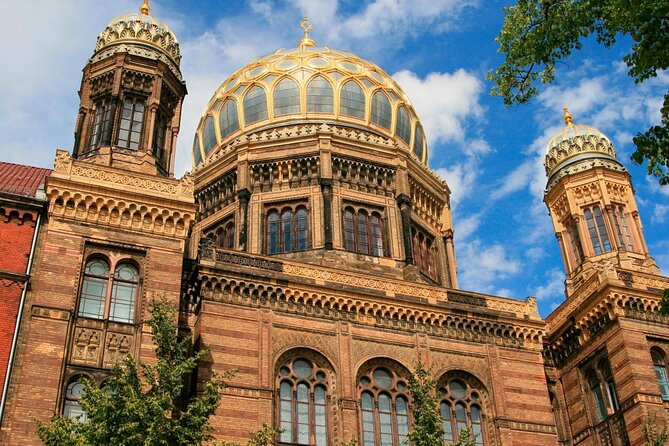
This tour is led by expert local historian guides who specialize in WWII. In reviews, names like Tom and Hannah come up for a reason: the history lands because the guide keeps it organized and emotionally steady.
Here’s what that looks like in practice. You’ll hear personal stories of resistance, defiance, and hope—not just a list of atrocities. The guide ties those stories to specific sites so you understand why a courtyard, a building, or a street matters. And you’ll get interactive discussion and Q&A, which is huge on tours about sensitive topics. Questions can turn confusion into clarity without the awkwardness of guessing.
If you’re the type who asks, Why did people do that? this format fits you. The guide doesn’t dodge the hard parts about antisemitism turning into state-sponsored genocide. But the focus stays on human action—how some people complied, and how others refused.
New Synagogue Berlin and the Jewish community world before the Nazis
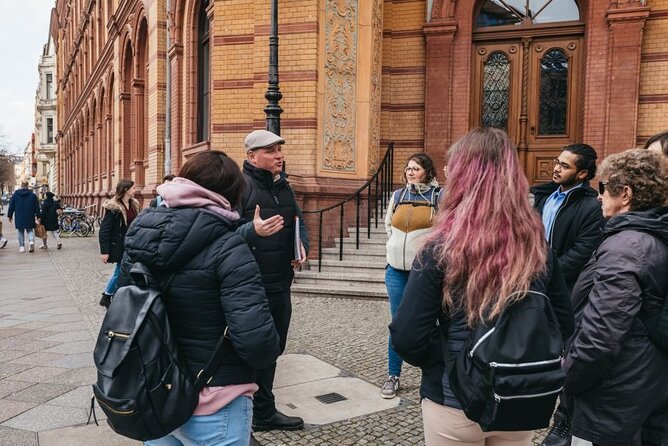
The tour begins with a stop at New Synagogue Berlin – Jewish Centre. From there, you’ll also visit Jüdisches Gymnasium Moses Mendelssohn. Even though the Nazi era is the tragic centerpiece, the tour uses these early stops to show what was at stake: Jewish institutions were part of community life before the Nazis tightened the noose.
This is a key part of the emotional structure. Starting with Jewish community sites helps you avoid the history trap where everything starts in the camp era. Instead, you see continuity, education, culture, and daily existence—and then you watch that get targeted.
At each site, expect a short guided overview followed by time for you to take it in. Look at how the building fits into the street. Berlin’s architecture is doing the work here: it shows how old life can sit right next to modern movement.
Grosse Hamburger Strasse Cemetery: memory you can stand beside
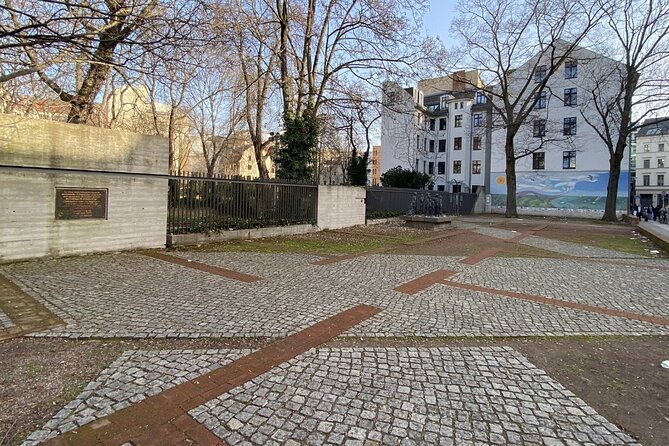
Next comes Grosse Hamburger Strasse Cemetery. Cemeteries are never “just a cemetery” on this kind of tour. They’re where absence becomes physical, and where names and loss can’t be reduced to a statistic.
The guide uses this stop to slow the pace. You’ll reflect at memorial spaces tied to people who vanished and to the reality of how violence was carried out beyond the front pages. If you like history that feels grounded, this is often where it clicks. You can read plaques, look around, and let the human scale take over.
One practical note: cemeteries often mean uneven ground and more walking than you’d expect from the word “visit.” Wear comfortable shoes. This tour spends a lot of time on foot, and you’ll want your legs to cooperate.


Otto Weidt’s workshop: protection that came from stubborn humanity
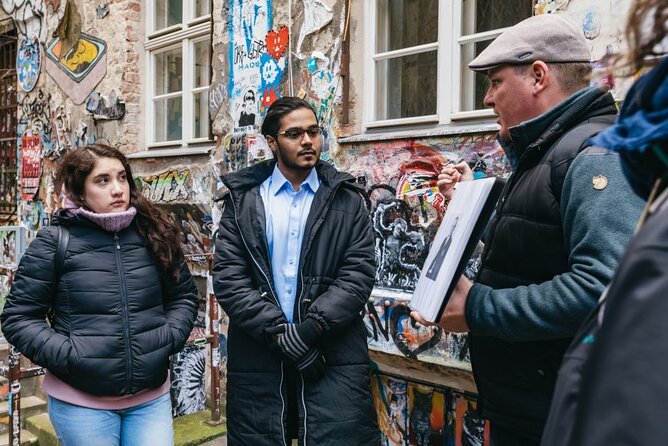
One of the most compelling stops is Otto Weidt’s Workshop for the Blind. The story here isn’t abstract. You’re walking about a workplace where Otto Weidt shielded blind and deaf Jewish workers from persecution.
This is where the tour’s “resistance takes many forms” message becomes real. Not every act of defiance is dramatic in the Hollywood sense. Some of it is labor, daily routine, and using what you have—connections, courage, and plain persistence—to keep people alive and working.
I like how the guide frames Weidt’s actions as resistance without turning him into a cartoon hero. You get the moral weight, the risk, and the human stakes. You’ll also learn how protecting one person could ripple outward in a time when the Nazis were trying to erase entire communities.
Block of Women on Rosenstraße: courage in public
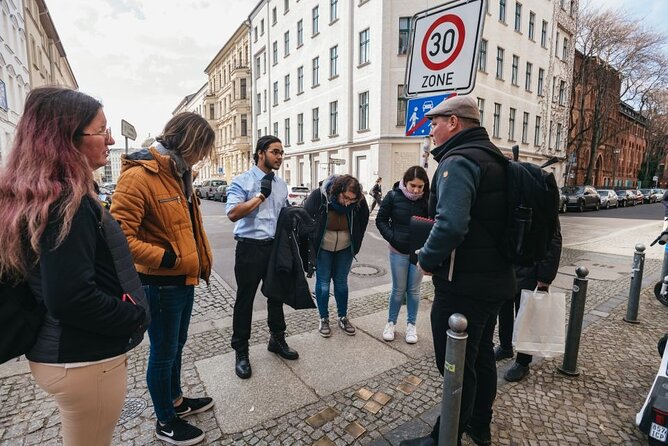
The tour then focuses on the Block of Women tied to the Rosenstraße Protest. This is the kind of story that changes how you think about resistance. It’s collective. It’s public. And it’s women standing up to Nazi power to demand the release of their Jewish husbands.
The message you take away is that defiance wasn’t only underground or quiet. Sometimes it was right there in the open—faces visible, risk immediate, hope stubborn. The guide helps you understand why this mattered in the Nazi system, where intimidation was part of the control strategy.
Even if you’ve heard of Rosenstraße before, seeing it connected to the surrounding streets and sites helps you grasp the scale. And because the guide sets the context, you won’t get lost in names and dates.
Museum Island and Neue Wache: Berlin’s memorial language, explained on the move
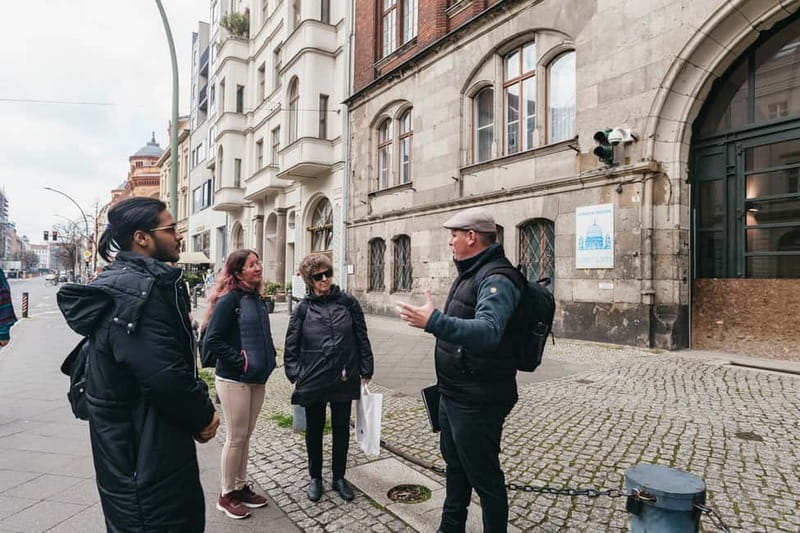
You’ll walk through Museum Island and then visit Neue Wache. These stops shift the tone slightly from “what happened during the Nazi era” to “how Berlin remembers.” The guide uses them to help you interpret the city’s memorial language—what is marked, what is framed, and how public memory is shaped over time.
This portion can feel more reflective than story-driven, which is not a weakness. It gives you room to connect the dots: how a society chooses symbols, and how those symbols communicate values to future generations.
If you’re worried about fatigue, this is where it helps that the tour is structured. Short guided visits keep things manageable. You’ll get time to look, absorb, and then walk again.
Bebelplatz and the 1933 Nazi book burning site: attacking ideas, not just people
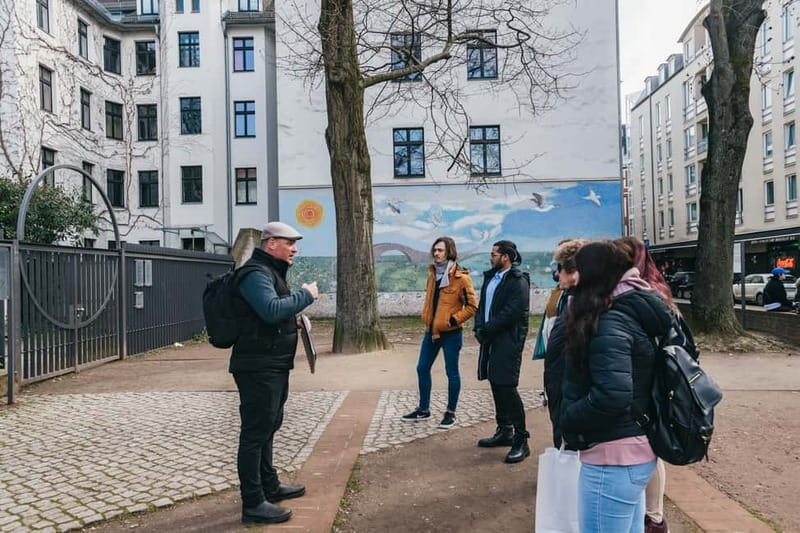
At Bebelplatz, you’ll stand at the site tied to the 1933 Nazi book burning. This is one of the strongest “standing in the right place” moments. The guide connects the event to the Nazi campaign against free thought and intellectual freedom.
It’s also a warning you can carry forward. When regimes control books, they try to control the future. The point isn’t only what was burned; it’s what was threatened—thinking, debate, and independent voices.
I like that the tour doesn’t treat this as a separate story. It connects it to the larger machinery of oppression. The Nazis weren’t just targeting bodies. They were targeting ideas that contradicted their worldview.
Deportation made tangible: trains to life and trains to death
The tour ends with a stop at Trains to Life – Trains to Death. The name alone tells you the emotional direction: how rail systems and schedules became part of genocide, and how some efforts created chances for survival.
This is one of those stops where the guide’s explanation matters. You’ll connect transportation to deportation policy and understand how ordinary infrastructure became an instrument of extreme harm.
If you’re sensitive to details, you’ll likely appreciate that the guide stays organized and respectful. The goal here is to help you understand, not to overwhelm you.
Price and time: what $56 gets you for a 2.5-hour walk
At $56 per person for about 2.5 hours, the price works best if you want expert guidance rather than a self-guided route. You’re paying for a specialist historian, access to museums and memorials tied into the itinerary, and the added tools like then & now photographs and historical maps.
For me, the value comes from three things:
- You don’t just see places; you learn what they mean.
- You get Q&A, so confusion gets cleared on the spot.
- You visit memorial-related stops that many quick city walks skip.
This is not a long tour with a dozen food breaks. You should treat it as a focused history appointment. If you hate walking tours or you need lots of free time, you might feel rushed. If you like guided pacing and small-group discussion, this format is a good match.
Practical tips: shoes, umbrellas, and pacing your emotions
Bring comfortable shoes, water, and an umbrella. The tour runs in all weather, so don’t count on Berlin being kind. Dress appropriately for rain or sun.
Also, this tour is not a casual stroll. Alcohol and drugs aren’t allowed, and the subject matter asks for respect. In plain terms: keep your head clear and your behavior considerate.
Group size is small. The info you’ll see for this tour mentions small groups and caps the number of people tightly (the exact cap is listed as 10 in one place and max 15 in another). Either way, it’s designed so the guide can interact with you and keep questions from piling up.
Plan your day around it. After 2.5 hours of heavy history, you’ll probably want something calm afterward, like a quiet meal or a slower museum visit.
Who should book Path of Resistance
This tour is ideal if you:
- Want a Holocaust-related Berlin walking tour that stays focused on resistance and human action
- Prefer a small group over a big bus experience
- Like WWII-specialist guides and real Q&A
- Are visiting Berlin for the first time and want context that turns sites into meaning fast
It’s also a strong choice if you’ve visited memorials before but want the missing “how did it happen” layer—how ideology, policy, and individual choices connected.
If you’re looking for a light, entertainment-heavy afternoon, you may not love the tone. This is a serious walk through serious material.
Should you book Path of Resistance: Berlin’s Hidden Holocaust Stories?
Yes, if you want Berlin history that feels human and specific. The combination of Otto Weidt, the Rosenstraße women’s protest, and the 1933 book burning site gives you a pattern: resistance shows up in different shapes, and courage can be both public and quiet.
Before booking, ask yourself one question: do you want guided context more than you want free roaming? If your answer is yes, this tour is a good use of your time. And if you’re bringing a friend who gets uneasy with dark topics, go together anyway—but talk beforehand so you know what the walk is going to cover.
If you’re ready to see the city’s Jewish quarter through the lens of resistance, this one delivers.
FAQ
How long is the tour?
The tour lasts about 2.5 hours.
How much does it cost?
The price listed is $56 per person.
What language is the tour offered in?
The tour is offered in English.
How big is the group?
The tour is described as a small group, with limits mentioned as up to 10 participants in one place and up to 15 in another. Either way, it’s kept small.
Where do I meet the guide?
You meet at the former Imperial Post Office. The guide will be standing at the main entrance holding a blue umbrella.
Where does the tour end?
The information provided says the finish is at Berlin Friedrichstraße station, and it also says the activity ends back at the meeting point. Double-check the exact end point when you book.
What sites will we visit?
The tour includes stops such as New Synagogue Berlin – Jewish Centre, Jüdisches Gymnasium Moses Mendelssohn, Grosse Hamburger Strasse Cemetery, Otto Weidt’s Workshop for the Blind, the Block of Women (Rosenstraße), Museum Island, Neue Wache, the 1933 Nazi book burning memorial site, and Trains to Life – Trains to Death.
Is the tour wheelchair accessible?
Yes, it’s listed as wheelchair accessible.
What should I bring?
Wear comfortable shoes. Bring an umbrella and water.
Is the tour offered in all weather?
Yes. It runs in all weather conditions, so dress appropriately and bring rain protection or sun coverage.