REVIEW · BERLIN
Berlin: Guided Bike Tour of the Berlin Wall and Third Reich
Book on GetYourGuide →Operated by FREE BERLIN Bike Tours · Bookable on GetYourGuide
Berlin’s history comes at bicycle speed. This guided ride strings together Nazi-era sites and Cold War traces in one active, not rushed circuit that feels close to the ground. I especially like two things: you cover serious distance on good bike paths, and the guide turns landmarks into everyday stories you can picture. The one thing to consider is simple: it’s a physical 15 km cycling experience, and a few emotional or sensitive stops come with limited time on-site.
You start in a very central place—Nikolaiviertel, about a five-minute walk from the TV Tower—then leave the main drag for side streets where Berlin looks more local and less postcard. The small, flexible routing (the guide can design the plan) helps you see parts of the Wall line and borderland that you might miss if you were on your own. Bring weather-ready clothing and expect to ride even if it’s gray out—good ponchos are included.
In This Review
- Key Points to Know Before You Ride
- Starting in Nikolaiviertel: the smart way to begin Wall history
- The 3-hour cycling rhythm: 15 km, side streets, and frequent context
- Wall remains and the borderland’s new uses
- Ghost stations and old bunkers: seeing Cold War infrastructure
- Why you cannot visit Hitler’s bunker site (and why that matters)
- The bunker and the Germania vision: big plans, concrete walls
- How the guide’s Free-Berlin concept changes the feel of your day
- Price and value: is $40 a good deal for 3 hours?
- Weather, gear, and comfort tips that actually matter
- Who this tour fits best (and who might want another option)
- Should you book this Berlin Wall and Third Reich bike tour?
- FAQ
- How long is the bike tour?
- What’s the starting location?
- Where does the tour begin in terms of sights?
- About how far do you bike?
- Is the bike rental included in the price?
- Are helmets and rain gear included?
- What languages are offered for the live guide?
- Is there an option for e-bikes?
- Can I leave luggage during the tour?
- Can you access Hitler’s bunker during the tour?
Key Points to Know Before You Ride
- Nikolaiviertel start near the TV Tower: easy to find, convenient before and after.
- About 15 km in roughly 3 hours: you’ll see a lot without feeling like you’re sprinting.
- Wall line, ghost stations, and bunker remains: Cold War history told through the street grid.
- Remote corners via side streets and bike paths: more Berlin, less sightseeing traffic.
- Führerbunker access is not possible: you learn why instead of chasing a rumor.
- Bike rental, guide, and waterproof ponchos included: value stays steady even on rainy days.
Starting in Nikolaiviertel: the smart way to begin Wall history
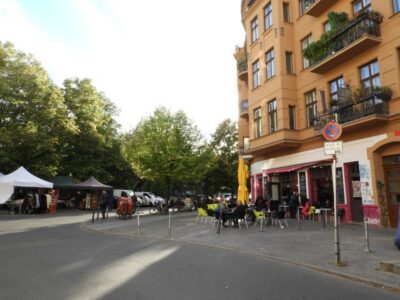
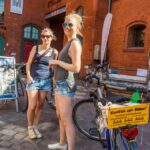
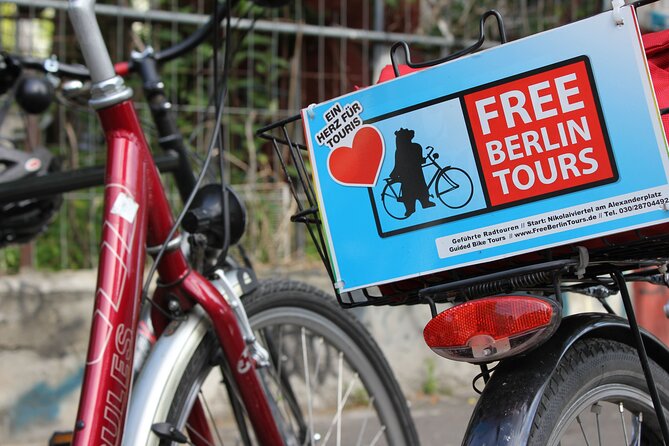
The tour begins at Poststraße 11, at the courtyard entrance of the building—look for the FREE BERLIN sign. If you’re staying central, this is a practical start point because Berlin’s transit and sightseeing are dense here. From the starting area near Nikolaiviertel (around a five-minute walk from the TV Tower), you’re already in a neighborhood where the city feels layered: medieval roots, then the 20th century’s breaks and scars.
One reason I like this opening is that it gives you a mental map early. The guide starts where Berlin’s story really begins, then gradually shifts you forward through time—so the later “big” sites (Wall remains, borderland infrastructure, bunker ideas) don’t feel like random stops. Instead, you build a sense of direction and purpose.
Practical note: the tour ends back at the meeting point, which makes it easy to keep your day moving after the ride.
You can also read our reviews of more cycling tours in Berlin
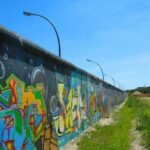

The 3-hour cycling rhythm: 15 km, side streets, and frequent context
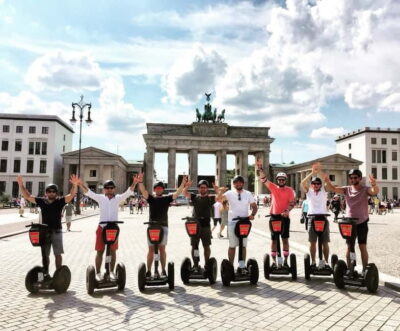
At about 15 kilometers over 3 hours, this tour has a clear pace. You’re not stuck waiting around, but it’s not a casual cruise either. The bike lets you see more than you could by foot in the same time, yet you still get regular storytelling stops where the guide can connect each location to the bigger picture.
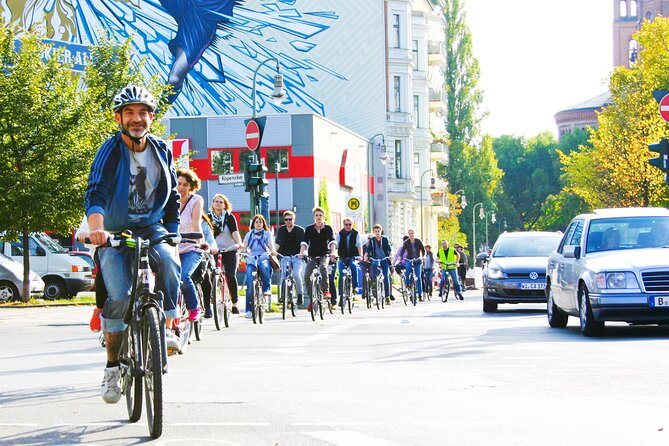
Expect the ride to be active. The route runs mostly on side streets and bike paths—exactly the kind of routing that helps you feel like you’re in Berlin, not just moving between plaques. You’ll also spend time at locations tied to the Nazi era and the Cold War, with the guide guiding you through what you’re seeing and what used to be there.
Two details make this smoother:
- Rental bikes come with baskets and are regularly checked by a certified mechanic.
- Waterproof ponchos are provided if rain shows up, which matters in a city where weather can change quickly.
If you’re deciding whether this is for you, I’d treat it like this: if you can handle a steady bike ride for a few hours, you’ll enjoy the flow. If you’re looking for a purely stop-and-stare museum day, you might prefer a walking or museum-focused tour instead.
Wall remains and the borderland’s new uses
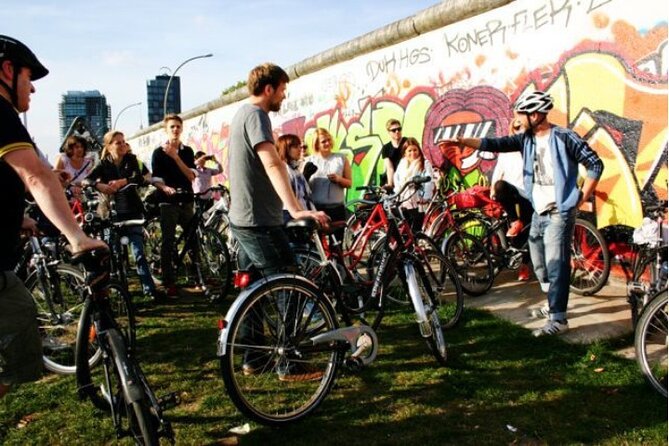
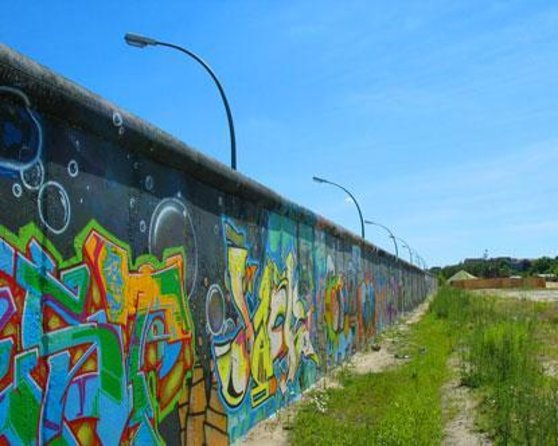
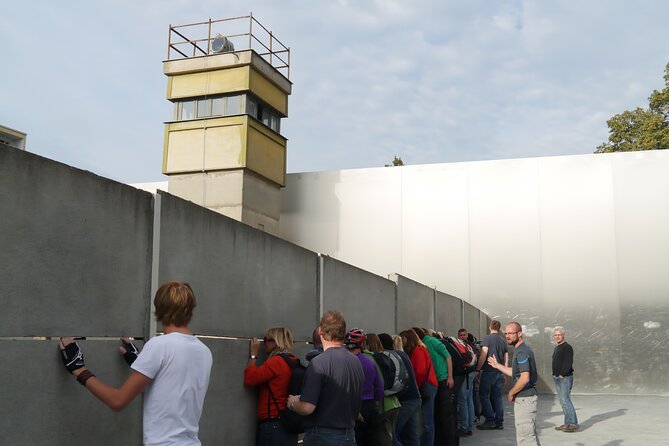
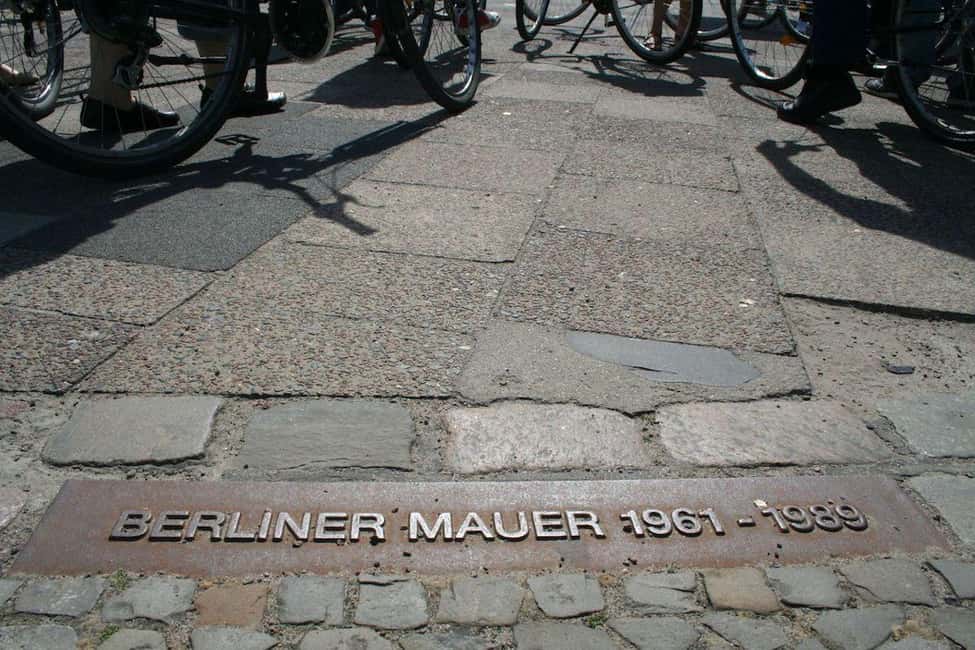
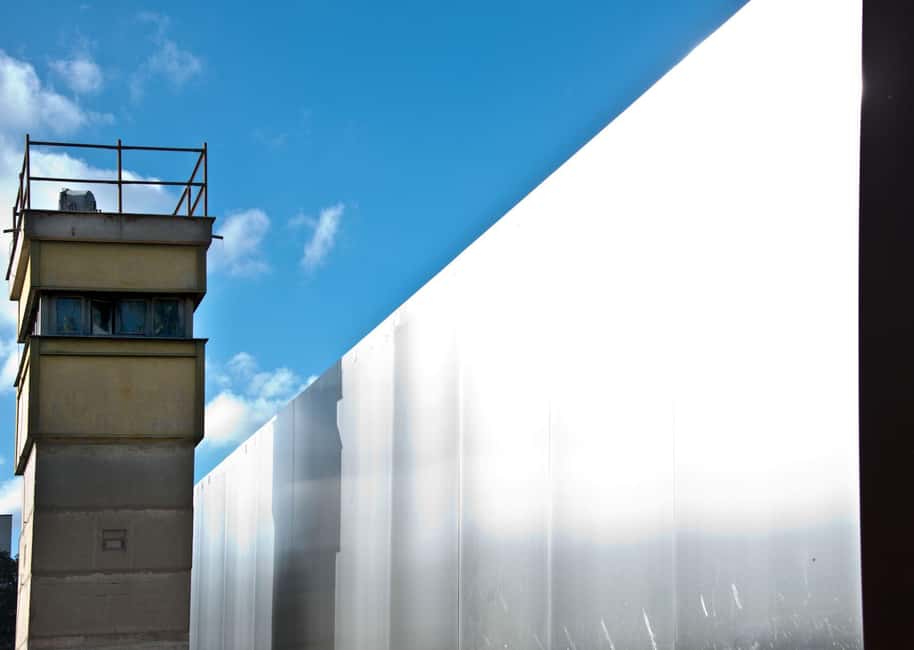
A big draw here is seeing the remains of the Wall and learning how the borderland didn’t just freeze in time—it changed. The tour isn’t only about where the Wall ran; it’s about how the space around it developed new roles after division ended. That’s a key idea, because Berlin today often looks peaceful where history was violent.
You’ll follow the line where the Wall once stood. But instead of treating it like a single monument, the tour frames it as a corridor that shaped movement, daily life, and opportunities—then later became material for new uses. When the guide points out what’s left and what’s been repurposed, it starts to click: the city you’re riding through is not a “then vs. now” postcard. It’s a live place with layers still operating.
You’ll also hear about how daily life worked in a divided Berlin—what separation meant in practical terms, not just political slogans. That human focus is often the difference between a tour that feels like facts and one that feels like understanding.
Ghost stations and old bunkers: seeing Cold War infrastructure
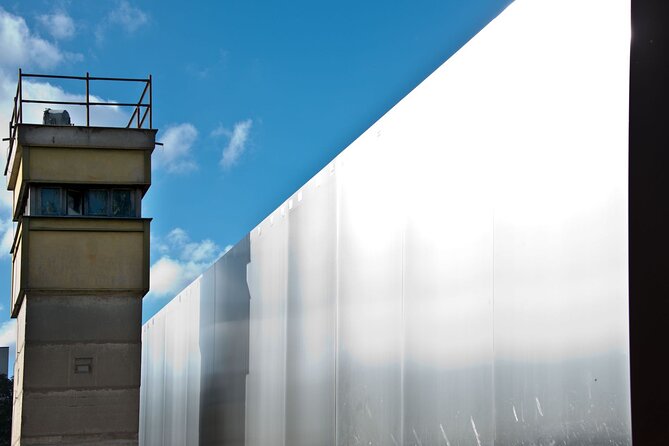
One of the most memorable parts of Berlin Wall history is that the Cold War wasn’t only on the surface. It was also in transportation, underground spaces, and military planning. This tour aims at that larger system by guiding you to former sites—especially around where ghost stations were part of the story.
The idea of ghost stations hits hard because it shows how ordinary routines were interrupted. The guide explains how those spaces functioned under division and what it meant for people moving through the city. Even if you don’t know the terminology today, the ride helps you connect the dots on the ground: station layouts, connectivity, and why certain paths became controlled, forbidden, or strangely silent.
You’ll also see old bunker locations tied to the era’s planning. And that doesn’t mean you’ll get a doom-and-gloom photo stop. It’s more useful than that: the guide connects these structures to decisions made at the top, then translates those decisions into what it changed for people down below.
Why you cannot visit Hitler’s bunker site (and why that matters)
There’s an important reality check built into the tour: it is no longer possible to access Hitler’s bunker (Führerbunker). The tour doesn’t just mention that and move on. It explains why the access is blocked now, and it uses that limitation as part of the lesson.
I appreciate this approach. If a tour promises a visit to a site that can’t be reached, it turns into disappointment. Here, you get the context instead—so you understand the site’s role historically without relying on wishful logistics. You also learn what that absence tells you about how Berlin treats its most painful spaces today.
If you’re hoping for a dramatic “look over the bunker door” moment, you’ll be better served by expecting an explanation and the surrounding history, not an on-site walkthrough.
You can also read our reviews of more guided tours in Berlin



The bunker and the Germania vision: big plans, concrete walls
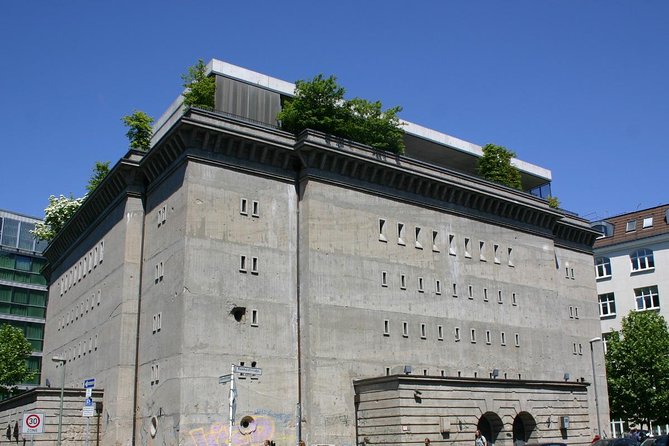
One highlight is seeing the remains of an enormous bunker and learning about the vision of Germania—the planned future that obsessed Nazi leadership. The value here isn’t just scale. It’s how the guide makes you connect ambition to architecture, and architecture to fear.
Berlin’s Nazi-era planning left behind not only buildings and ruins, but also a mindset: the desire to reshape a city into a political stage. When you view bunker remnants in the context of Germania, the story becomes clearer. The bunker isn’t just an object; it’s a symbol of how power tried to protect itself and control reality.
This stop tends to land especially well when the guide balances the cold “how it was designed” angle with the human consequences. You’ll be given the framework to understand why these ideas mattered—and what it likely felt like for Berliners living through the period.
How the guide’s Free-Berlin concept changes the feel of your day
A detail worth calling out: the tour uses a Free-Berlin concept, meaning the guide can design the route freely. That’s not a vague marketing line; it shows up as a real flexibility in where you go and how the route connects the dots.
In practice, this can be a plus. If Berlin has multiple surviving fragments of the same story, a flexible guide can adjust so you see the most instructive segments rather than a rigid checklist. It also helps when conditions change—rain, road flow, or simply what timing makes possible.
The route plan may differ, so if you’re booking this with a tight schedule, don’t plan to also spend the next hour cramming in another major Wall-related stop. Let this tour be the “spine” of your Berlin Wall day.
Price and value: is $40 a good deal for 3 hours?
At $40 per person for roughly 3 hours, this is straightforward pricing for a guided bike tour that includes the basics you’d otherwise have to arrange yourself: bike rental, a guide, waterproof ponchos, and a helmet if requested.
Here’s why it can feel like good value:
- You’re covering about 15 km, which is a lot of distance for a history-focused tour.
- The guide’s job is to interpret sites you’d otherwise see as random remnants or awkward street corners.
- You get transportation included, so you’re not paying separate bike rental fees or trying to solve “how do I get between Wall points fast?”
Where value can soften is if you’re not comfortable biking or you want long time at each stop. The format is efficient by design, so you’ll learn quickly and move on. It’s not a sit-and-stare slow tour.
Weather, gear, and comfort tips that actually matter
Even with ponchos provided, weather changes how the ride feels. If it’s wet or cold, plan for real comfort:
- Wear layers. Berlin can be chilly even when the sun shows up for an hour.
- If you ride in cooler months, consider bringing gloves. Cold hands cut down on how much you enjoy the day.
- Use the bike’s basket wisely—keep small essentials accessible so you’re not fumbling mid-story.
The tour is set up so you won’t be miserable in rain, but your comfort still depends on what you wear and how prepared you are.
Who this tour fits best (and who might want another option)
This bike tour is a good match if you want:
- A fast, guided way to understand Berlin Wall and Nazi-era leftovers
- Real context, not just photos of bricks
- A format that mixes movement with story stops
It’s especially suited for independent travelers who want help turning Berlin’s physical fragments into a coherent timeline.
It might not fit if:
- You’re uncomfortable cycling for a couple of hours.
- You want long museum-style time at fewer sites.
- You’re hoping for access to the Führerbunker itself, because that’s not part of what’s possible.
Should you book this Berlin Wall and Third Reich bike tour?
If you want an active day that connects the Nazi era to the Cold War through actual surviving spaces, I think it’s an easy yes. The included bike rental, the covered 15 km route, and the focus on how the borderland and Wall line still shape the city make it practical, not just emotional.
My main caution is physical comfort: make sure you’re up for steady riding. Also, keep expectations honest about the Führerbunker—this tour prioritizes context over impossible access.
Book it if you want to get your bearings fast and come away with a clearer picture of how Berlin’s past still lives in its streets.
FAQ
How long is the bike tour?
The tour lasts about 3 hours.
What’s the starting location?
Meet your guide at the courtyard entrance of the building at Poststraße 11. Look for the FREE BERLIN sign.
Where does the tour begin in terms of sights?
The tour begins in the Nikolaiviertel area, roughly a five-minute walk from the TV Tower.
About how far do you bike?
The tour covers about 15 kilometers.
Is the bike rental included in the price?
Yes. Bike rental is included.
Are helmets and rain gear included?
A helmet is included if requested, and waterproof ponchos are provided in case of rain.
What languages are offered for the live guide?
The live tour guide is available in German, English, and French.
Is there an option for e-bikes?
Yes. You can book as a senior if you want an e-bike, and the price is adjusted accordingly so you get an e-bike for the activity.
Can I leave luggage during the tour?
On request, you can leave large pieces of luggage safely with the operator for the duration of the tour.
Can you access Hitler’s bunker during the tour?
No. It’s explained during the tour that access to Hitler’s bunker (Führerbunker) is not possible now.