REVIEW · BERLIN
Produce Techno and House Music in Berlin
Book on GetYourGuide →Operated by Andy Sexton · Bookable on GetYourGuide
Berlin’s club sound starts with a plan.
This house and techno production masterclass lets you work inside a real studio in Berlin’s clubbing district and learn how tracks are built from first clicks to a club-ready mix. What I like right away is the hands-on focus: you learn synth and drum machine programming and how to turn those parts into a full track using professional software. One consideration: it’s only 2 hours, so you’ll get a guided start and a finished demo, not a months-long deep learning course.
The second thing I really liked is the way the session teaches structure. You’re not just shown buttons—you learn a workflow for arranging a groove, recording parts, and getting the sound sitting in a way that DJs can actually play. That mix of craft and method is why small details matter here.
The main drawback to keep in mind is the format. This is small-group studio time, so if you need lots of space, quiet, or a slower pace, you might prefer something longer or more one-on-one.
In This Review
- Key points before you book
- A pro studio session that actually makes music
- What you’ll learn: synths, drum machines, arrangement, and mixing
- Programming synths and drum machines
- Recording and arranging a house or techno track
- Mixing down for club play
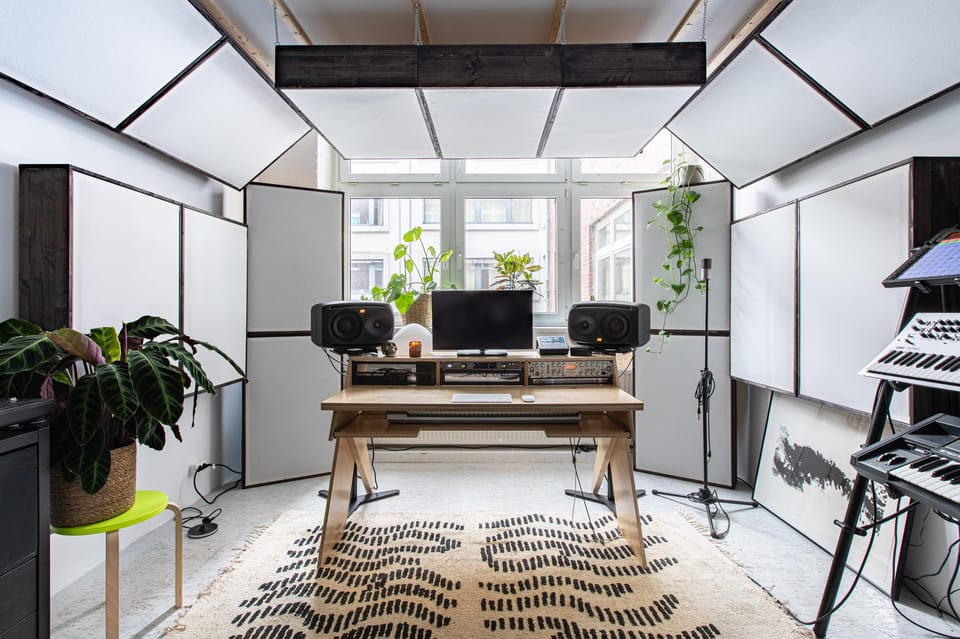
- The studio setup: modern gear, vintage flavors, and real instruments
- Why the small-group format changes everything
- The Berlin context: understanding the culture behind the sound
- Logistics that matter (and what to plan for)
- Price and value: is $147 worth your time?
- Who this class is best for
- Should you book this Berlin production masterclass?
- FAQ
- What is the duration of the music production masterclass?
- How much does it cost per person?
- Do I need prior music production experience?
- Is the class taught in English?
- How many people are in the group?
- What is the minimum age, and is it suitable for children?
- Is the studio session wheelchair accessible?
- Are meals and drinks included?
- Where do we meet?
Key points before you book
- Small group size (up to 4) means more personal feedback as you program and record
- English instruction makes it straightforward to follow the process step by step
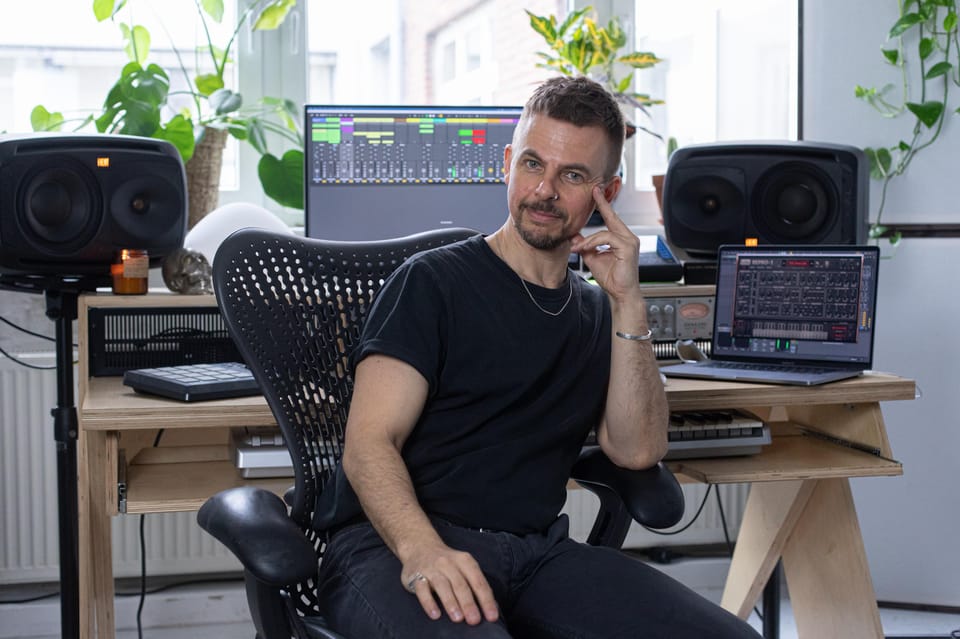
- Studio gear is both modern and vintage, plus microphones and instruments like piano, guitar, and percussion
- You create a house or techno track, including recording, arranging, and mixing down
- Beginner-friendly approach with no prior production experience required (minimum age 10)
- Club-play preparation is part of the goal, so you learn what sounds work for dance floors
A pro studio session that actually makes music
Berlin techno and house have a reputation for being fearless—loud, repetitive, and hypnotic. But behind the noise, there’s always craft. This class gives you the craft in plain terms.
You meet in a large industrial building with reddish brown brick, right in the clubbing district. From the start, the setting matters. Berlin’s club culture isn’t a museum piece; it’s working culture. In a studio like this, you can feel that mindset. The session takes you from basic ideas to an actual track that you’ve built with your own hands—synths, drum machines, and arrangement software.
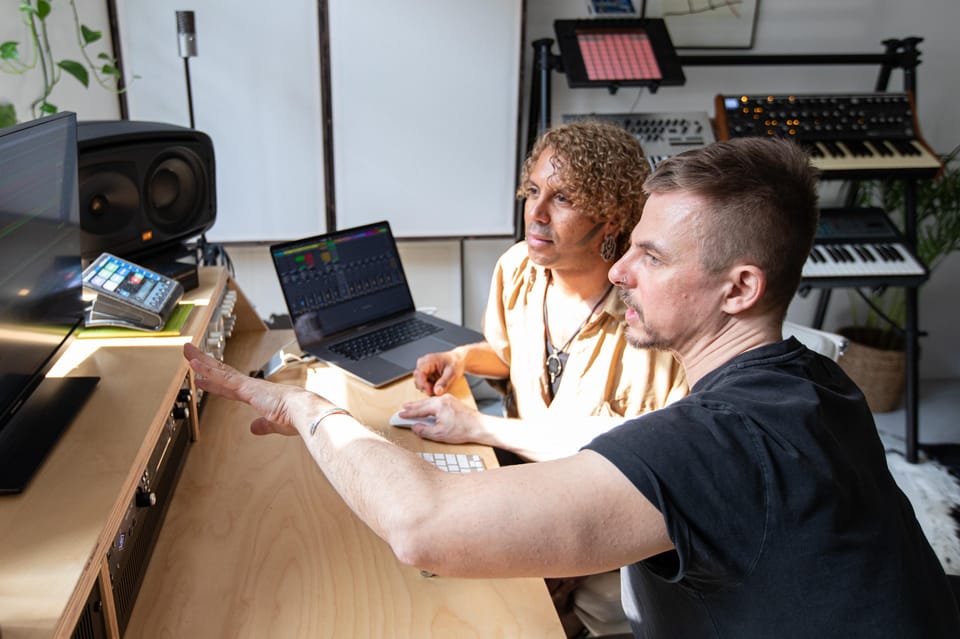
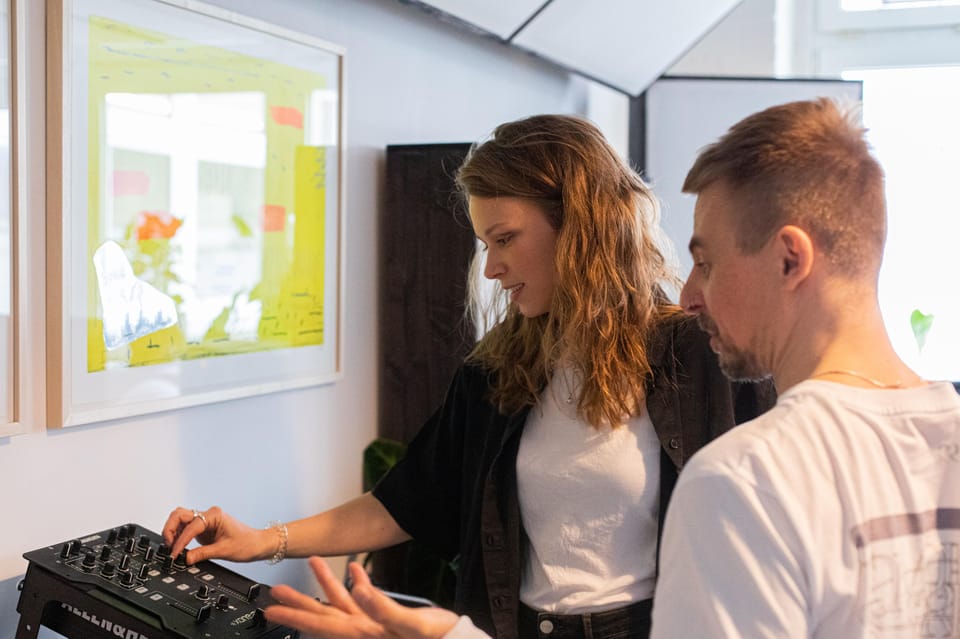
The instructor, Andy Sexton, teaches in English and uses a friendly, practical approach. Multiple participants highlight that he’s not only skilled with the gear, but also enjoys teaching and explaining frameworks you can reuse later. That’s a big deal for me, because learning a track is fun. Learning how to build your own process is what keeps paying off after you leave.
You can also read our reviews of more tours and experiences in Berlin.


What you’ll learn: synths, drum machines, arrangement, and mixing
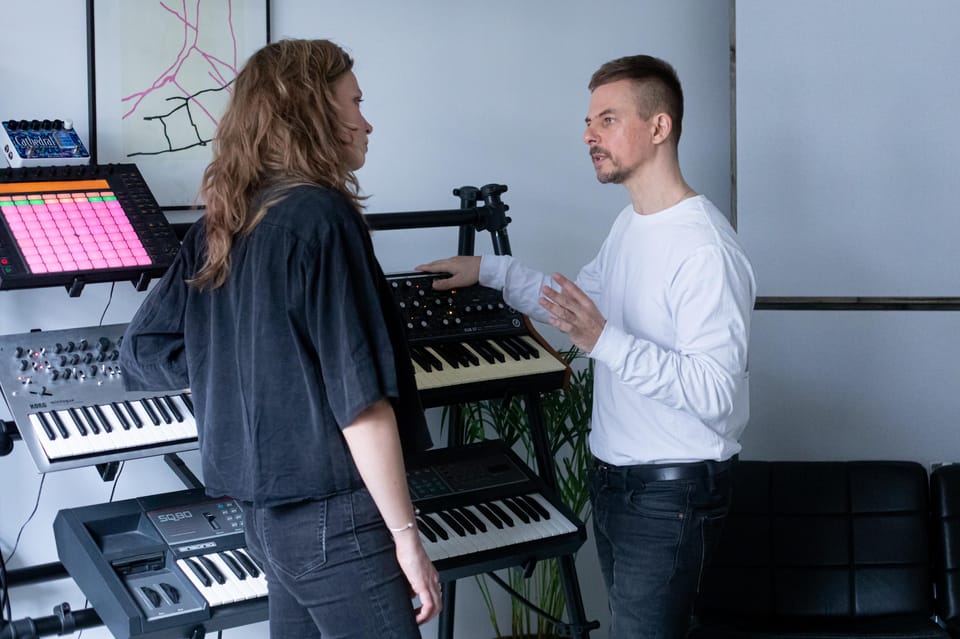
This is not a “watch and listen” class. You’re meant to create. The core learning goals are built around a simple but powerful loop: sound design → rhythm → structure → final mix.
Programming synths and drum machines
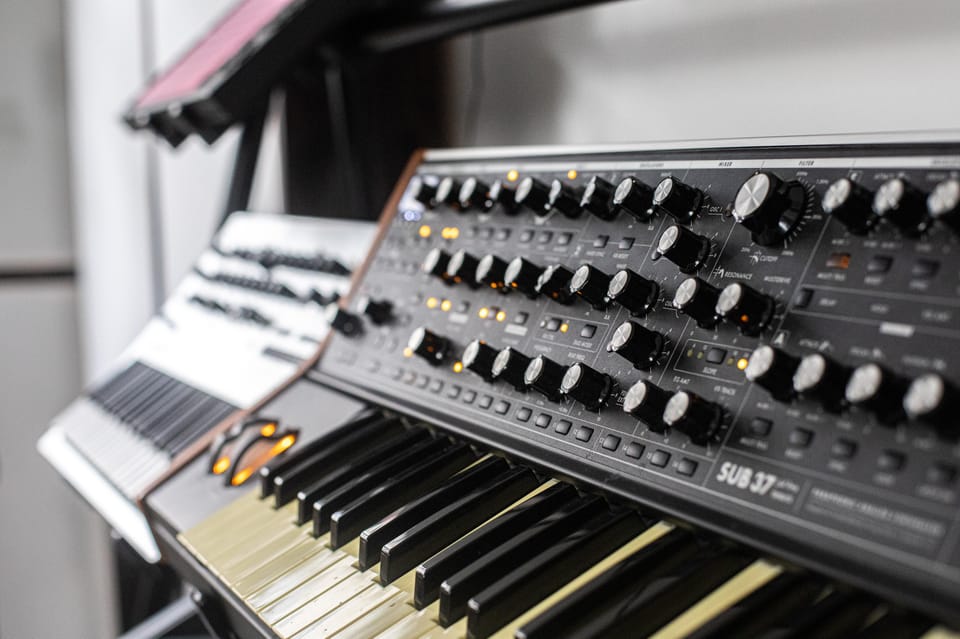
You start by programming synthesizers and drum machines. In practice, that means you’re learning how to create musical patterns that feel right in techno and house. The point isn’t to copy a famous track. The point is to understand how the groove is made: kick placement, drum variation, and how a synth line or texture supports the rhythm instead of fighting it.
Because it’s a studio workshop, you get access to professional music production software and gear that supports both electronic work and recording. That gives you options. If a part needs to be programmed, you program it. If you want a recorded element—something human and imperfect—you can.
Recording and arranging a house or techno track
Once you have building blocks, you record and arrange a house or techno track. Arrangement is where most beginners stall. They can make a loop, but turning that loop into a track with moments and momentum is different.
In this class, you get help to organize your workflow—how to structure ideas, keep your layers under control, and build a progression that makes sense on the dance floor. One of the best themes from participant feedback is that the session helps you understand groove structure, not just sound effects. That’s exactly what you want if you’re trying to go from beginner to something more professional.
Mixing down for club play
The last step is mixing. The class includes mixing down the track preparation for club play, which is a real-world goal. Even if you don’t plan to become a DJ, learning how to mix with club context in mind teaches discipline: how you balance levels, control clarity, and shape impact so the rhythm carries.
This part also helps you understand why techno and house tracks often feel tight. They don’t rely on constant change. They rely on consistent rhythm energy, controlled low end, and deliberate texture.



The studio setup: modern gear, vintage flavors, and real instruments
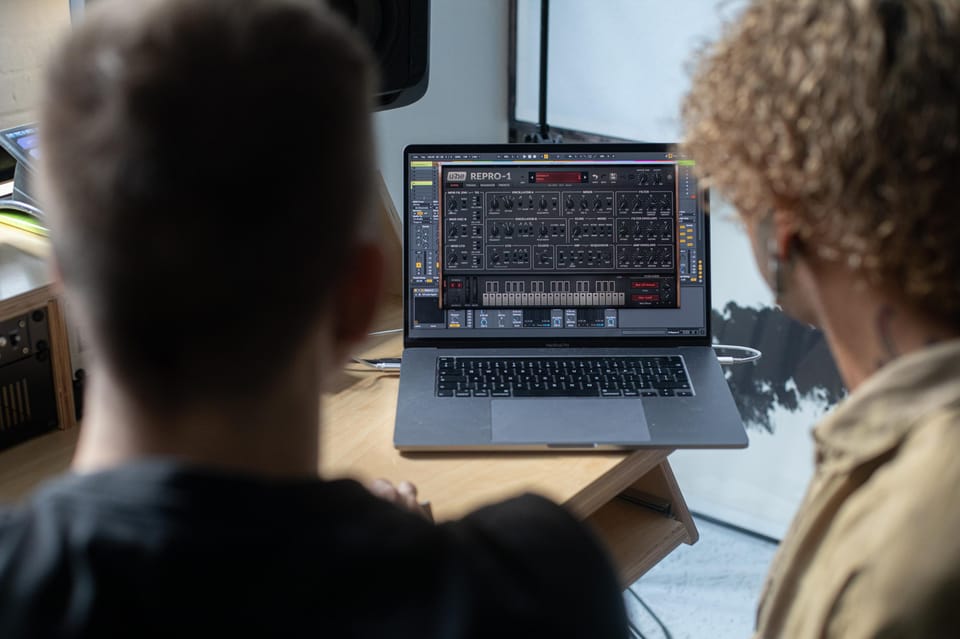
Studios can be either impressive or useful. This one aims for useful.
You get access to modern and vintage music gear, plus a vast array of microphones. That combo matters because it lets you do more than just click-mouse synths. You can record or capture sounds in ways that add character, especially if you use acoustic instruments.
The studio also has piano, guitar, and percussion. Even if your end goal is a fully electronic track, having these instruments around gives you extra colors. You can layer something recorded, add a top-line texture, or use percussion samples that feel more alive than quantized everything.
If you’re the type who gets frustrated when everything is software-only, this is a relief. You’re not trapped in one tool. You’re learning production as a set of choices.
Why the small-group format changes everything
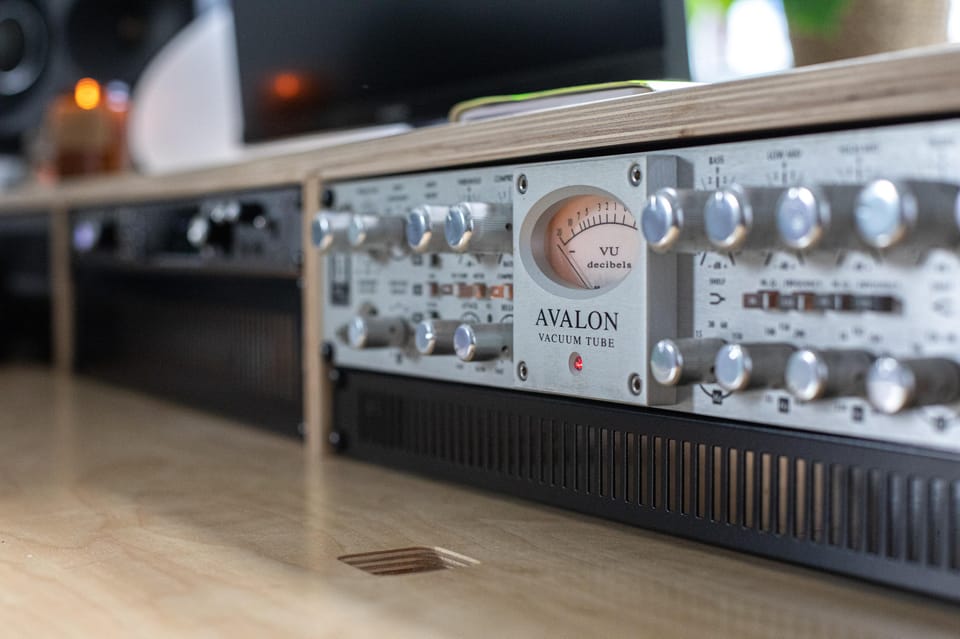
This class is limited to 4 participants, and that’s a sweet spot. With a bigger class, you can end up waiting for help while you spiral through settings. In a small group, you can get the kind of feedback that prevents wasted time.
You also get better learning dynamics. If someone else asks a question, it often clarifies something you didn’t realize you needed. That’s especially true for beginners, because early confusion tends to repeat. The small group keeps the confusion from becoming a dead-end.
I also appreciate that the session is designed to work even if you have no production background. You must be at least 10 years old, but there’s no requirement to already know how to make music. That lowers the entry barrier in a way that feels respectful, not dumbed down.
The Berlin context: understanding the culture behind the sound
Berlin is one of the major global hubs for underground electronic music. That’s not just a claim—it’s something you feel when the city’s scene shows up in the details. This class is built to connect your work to that reality.
You step behind the scenes and learn about the process that leads to Berlin’s house and techno sound. The useful part here is the mindset: the music is made with purpose, not just for entertainment. Tracks are built for clubs, for long hours, for consistent energy.
Participant feedback also points out that the session includes some history and explanation about how techno reached Berlin, and why that matters. I think that’s more than trivia. When you understand where the sound comes from, you’re more likely to make decisions that fit the genre instead of chasing random “cool sounds” that don’t work together.
Logistics that matter (and what to plan for)
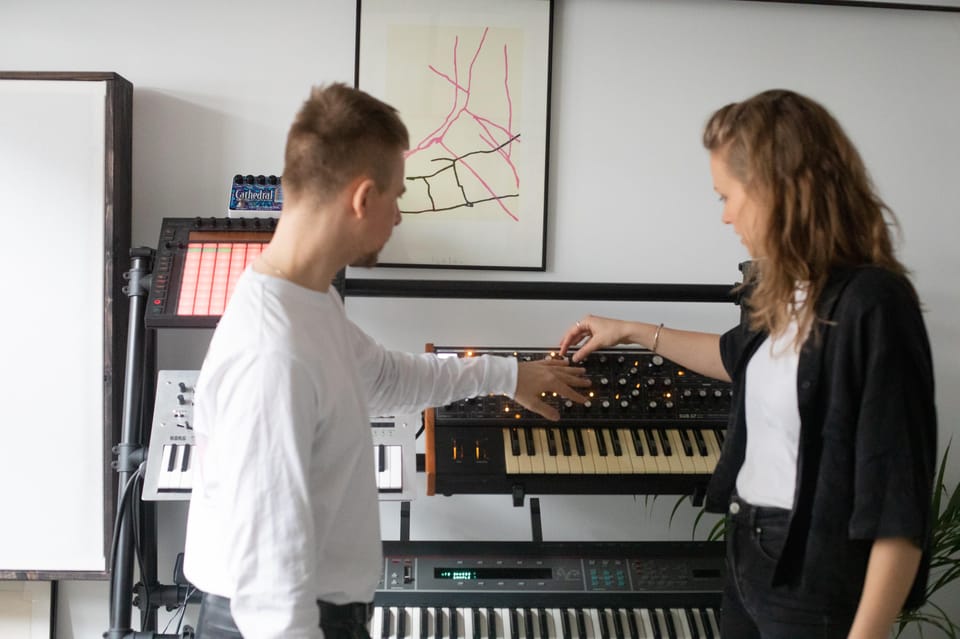
This experience runs for 2 hours, so you’ll want to treat it like a focused creative sprint. Go in expecting a guided start, not a fully custom masterpiece. The goal is to get you creating and leaving with momentum and a working understanding of the workflow.
The session is wheelchair accessible, and instruction is in English. It also has clear rules: no smoking, no alcohol and drugs, and no littering. That’s standard, but it also helps keep the environment professional and calm.
Meals and drinks aren’t included, and transportation to and from the studio isn’t provided. Plan your day accordingly so you’re not rushing or hungry during the work. You’ll learn faster when you can concentrate.
Price and value: is $147 worth your time?
At $147 per person for a 2-hour studio session, this can be a very good deal if your goal is hands-on learning rather than passive sightseeing.
Here’s why the value stacks up:
- You get studio access, including gear that’s not cheap to maintain.
- You get professional software access and guided help for creating a track.
- You learn a complete workflow: synthesis/drum programming → recording/arranging → mixing for club play.
- The class is small-group, so help is available when you hit questions.
If you only want to hear techno music, Berlin already offers endless ways to do that for less. But if you want to understand how the music is made—how grooves are organized and how sound is shaped—this is one of the most direct ways to convert curiosity into a real output.
Who this class is best for
You’ll likely enjoy this most if:
- You’re curious about techno or house and want a practical way to start
- You’ve tried making tracks before but still feel stuck on workflow and structure
- You want to learn in a studio environment without needing prior experience
- You’d rather make something real in a short time than watch someone else do it
It’s also a good fit for mixed experience levels, because the instruction supports beginners while still giving music-minded participants a more “professional” approach.
The main mismatch would be if you’re seeking a long-form course, unlimited studio time, or deep theory lessons without hands-on work. This is a production session with clear outputs.
Should you book this Berlin production masterclass?
If you want a serious start in how Berlin house and techno gets made, book it. The strongest reason is the combination of small-group attention and a complete process: you don’t just touch the gear—you build and arrange a track, then you work toward a club-play-ready mix.
I’d book it especially if you’re a beginner who wants structure and confidence. The teaching approach is clearly designed to make you feel comfortable fast, and that matters when you’re learning new tools under time pressure.
Skip it only if you already have a solid production setup and are looking for long, advanced sound-design training. For a two-hour creative sprint with real guidance, this one is well worth your time.
FAQ
What is the duration of the music production masterclass?
It lasts 2 hours.
How much does it cost per person?
The price is $147 per person.
Do I need prior music production experience?
No. No prior music production experience is required.
Is the class taught in English?
Yes, the instructor teaches in English.
How many people are in the group?
It’s a small group limited to 4 participants.
What is the minimum age, and is it suitable for children?
Participants must be at least 10 years old. It is not suitable for children under 10.
Is the studio session wheelchair accessible?
Yes. The activity is wheelchair accessible.
Are meals and drinks included?
No. Meals and drinks are not included.
Where do we meet?
Meet at the front door of a large industrial building with reddish brown brick a few minutes before the scheduled start time.