REVIEW · BERLIN
4 hours tour “The Best of Berlin”
Book on Viator →Operated by Nirit Ben-Joseph Tours · Bookable on Viator
Berlin rewards the people who slow down. This private, 4-hour tour blends major sites with room to shape the day your way, plus hotel pickup so you’re not hunting trams. I like the focus on landmarks like the Reichstag and the Holocaust Memorial, and I also like the guide’s extra visual help with old photos and a tablet-based, image-led experience. One thing to consider: this is a packed route, so if you prefer long stops and quiet time, you’ll want to tell the guide early.
You’ll see the big Berlin hits in a thoughtful order, from Brandenburger Gate to the Berlin Wall murals at East Side Gallery. The best part for me is how the guide brings the places into focus fast, using historic images to help you understand what you’re looking at instead of just passing by stone and signage. The only real drawback is simple: you’ll cover a lot ground in 4 hours, so comfortable shoes matter.
If you want the famous sights plus smart context—and you don’t want to plan the logistics yourself—this is an efficient way to get your bearings.
In This Review
- Key things that make The Best of Berlin worth your time
- Price and logistics: what you’re really paying for
- Your 10:00 start: how the day feels in real time
- Brandenburg Gate and Pariser Platz: the starting point for Berlin’s identity
- Holocaust Memorial: walking with intention, not just sightseeing
- Gendarmenmarkt and its cathedral contrast: where Berlin looks almost classical
- Bebelplatz and Micha Ullman’s memorial: the cost of censorship
- Neue Wache: remembering victims of war and dictatorship
- Reichstag Building: seeing modern Germany’s parliament in context
- Museum Island area: the brainy intermission in the route
- East Side Gallery: the Wall as an open-air timeline
- Checkpoint Charlie: the famous crossing, with context that matters
- What the guide adds: old photos, tablet visuals, and better recall
- Who this tour is for (and who might want a different pace)
- Should you book this Best of Berlin tour?
- FAQ
- How long is The Best of Berlin tour?
- How much does it cost?
- Is this tour private?
- Do you offer hotel pickup and drop-off?
- What language is the tour offered in?
- Is admission required for the stops?
- Do I get a mobile ticket?
- What time does the tour start?
- What is the cancellation policy?
Key things that make The Best of Berlin worth your time
- Private-group pace: only your group rides along, so you can ask questions and adjust stops.
- Pickup and drop-off: hotel pickup is built in, which makes a half-day feel easy.
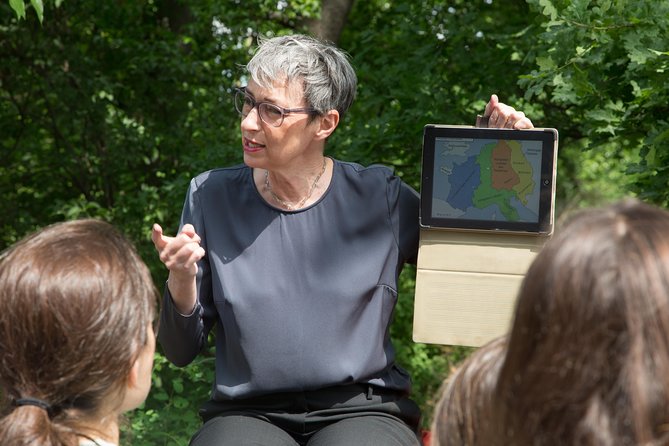
- Visual storytelling with photos and a tablet: you’ll see supporting images while walking and learning.
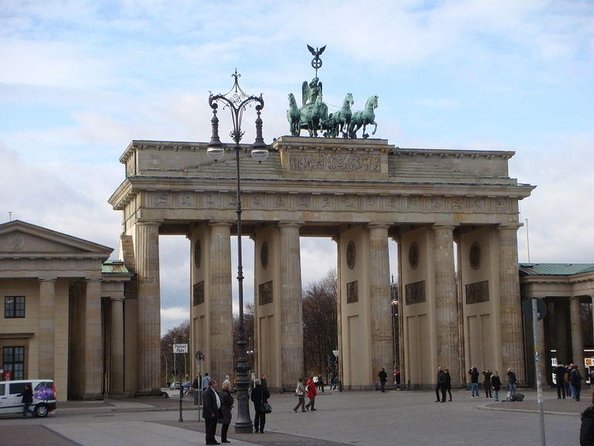
- Major landmarks in one loop: Brandenburger Gate, Holocaust Memorial, Reichstag area, East Side Gallery, and Checkpoint Charlie.
- Free-admission stops (where noted): many key stops are listed as free to enter for the tour’s timed segments.
Price and logistics: what you’re really paying for
At $643.36 per group (up to 6) for about 4 hours, this is not a budget tour. But when you look at what you get, it starts to make sense. You’re paying for (1) a guide who stays with your group the whole time, (2) a route designed around the highest-impact sights, and (3) hotel pickup and drop-off that saves you the hassle of navigating Berlin right away.
This matters in Berlin. Distances add up, and some of the most important sites are spread out. A private format also helps because the guide can shift emphasis if you’re more interested in architecture, war and memory sites, or the Wall era. With a smaller group, questions don’t get cut off like they often do on larger group tours.
One practical note: the tour is often booked far ahead, with an average of 200 days in advance. If you’re traveling in peak seasons or want a specific start time window, book early.
You can also read our reviews of more tours and experiences in Berlin.


Your 10:00 start: how the day feels in real time
The tour begins at 10:00 am, and pickup is offered so you can start right from your Berlin hotel. That’s a big deal when you’re visiting several world-famous landmarks in one morning window. You’ll avoid the “meet at X, then sprint to Y” pattern that turns sightseeing into a scavenger hunt.
Timing is built into the visit flow. Many stops are around 10–20 minutes, which sounds short—until you realize the purpose is to point you at the meaning of each place and then move on before the day gets bogged down. It’s a smart structure for a first visit, when your goal is to see what’s where and learn the story in digestible chunks.
Brandenburg Gate and Pariser Platz: the starting point for Berlin’s identity
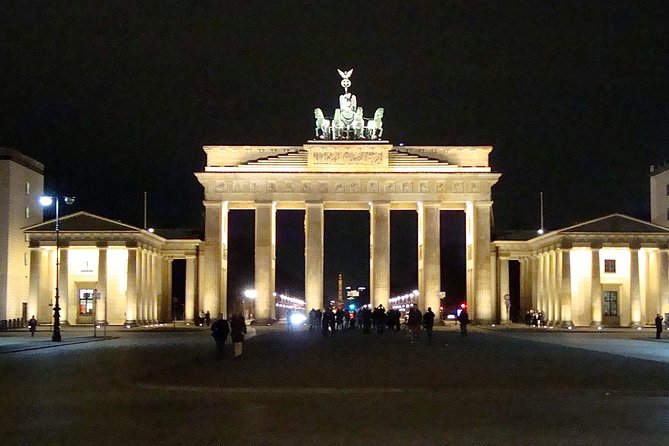
The day kicks off at Brandenburg Gate, right by Pariser Platz. Even if you’ve seen this gate in photos a thousand times, the physical scale hits you in person. It’s one of those places where you can feel the “Berlin as a stage” idea: power, diplomacy, shifting eras—always in the background.
What I like about making this the first stop is momentum. Brandenburg Gate gives you an orientation anchor. From here, the rest of the route makes more sense because you’re mapping the city’s story against one clear reference point.
One consideration: because this is such a famous public area, it can feel busy. Your best move is to lean into the guide’s context—how the gate fits into the city’s changes—rather than trying to get the perfect photo without patience.
Holocaust Memorial: walking with intention, not just sightseeing
Next is the Memorial to the Murdered Jews of Europe. This stop is less about views and more about presence. The timed visit (about 20 minutes) is long enough to walk slowly, read the memorial elements, and reset your head before the next major site.
This is one of those locations where your guide’s role matters. A good explanation helps you understand how the space is designed to affect your sense of scale and direction. Even in a short stop, you can come away with a clearer emotional map, not just a checklist box.
If you tend to get overwhelmed at solemn sites, give yourself permission to pause. You won’t be rushed through like a photo line if you communicate what you need.
Gendarmenmarkt and its cathedral contrast: where Berlin looks almost classical
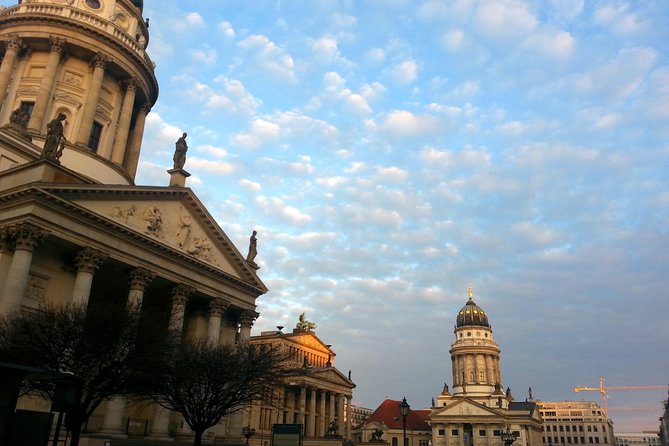
Then you head to Gendarmenmarkt, often described as one of the most beautiful squares in Berlin. Here you get two cathedral silhouettes—the German and the French Cathedral—plus the Konzerthaus setting the scene. It’s a welcome visual break after the heavier stops.
This square works as a lesson in how Berlin can be graceful, not only gritty or political. You can also use the short 10-minute slot to orient yourself: once you’ve seen this kind of urban symmetry, other central Berlin streets start to click in your mind.
Tip for getting value from a brief square stop: look at the geometry first, then let the guide explain the significance. That order helps you remember the visuals later.



Bebelplatz and Micha Ullman’s memorial: the cost of censorship
At Bebelplatz, you’ll visit the memorial to the Nazi book burning by Micha Ullman. This is an unusual kind of memorial: it points to an idea—censorship—using a physical concept rather than grand architecture.
The stop is about 10 minutes, which means you’ll get the main context without the visit turning into a long detour. Still, it’s enough time to understand the point: this isn’t just about what happened, but about how societies can try to control what people are allowed to read and know.
If you’re a reader, or you care about free expression, this is a stop that usually lingers mentally even after you move on.
Neue Wache: remembering victims of war and dictatorship

Next is Neue Wache, the Central Memorial of the Federal Republic of Germany for the Victims of War and Dictatorship. The visit is also about 10 minutes, but memorial sites like this often reward even short, guided attention.
What makes this stop valuable is the shift in focus. You’ve already seen memorials tied to specific tragedies; now you’re looking at a broader statement about violence and oppression. Your guide can help connect the dots so the route doesn’t feel like separate monuments. In a half-day, this is how you avoid “I saw a lot of memorials” and instead come away with “I understand the themes.”
If you want a moment of quiet, step slightly aside from the flow of pedestrians. You’ll get more from the explanation if you let the space slow you down.
Reichstag Building: seeing modern Germany’s parliament in context
Then comes one of the highlights: the Reichstag Building, the German Parliament. The tour allocates about 20 minutes here, with free admission noted for the stop.
This is where Berlin’s layers show up in one place. The Reichstag isn’t only a political building—it’s also a symbol of rebuilding, transformation, and ongoing change. With a guide using old photos and a tablet with images, you can compare what you’re seeing now with what the site meant in past eras.
If you’re interested in government, architecture, or how Germany has shaped its public identity over time, this is a high-value stop. Even if you’re not, it’s one of the best “big” sights on the route because it connects the city’s story to the present.
Museum Island area: the brainy intermission in the route
You’ll also spend time around the museum area on the island (Museum Island). The tour information doesn’t name specific museums in the stop details, so think of this as a structured window into the idea of Berlin as a cultural center.
This portion works as a mental reset. After memorials and political landmarks, museum-focused surroundings give you a different kind of Berlin energy. Even without deep time inside a specific museum, being in the setting helps you understand why so many visitors cluster here.
If you have strong museum priorities, you might want to use the rest of your trip to pick one or two places to explore at your own pace later.
East Side Gallery: the Wall as an open-air timeline
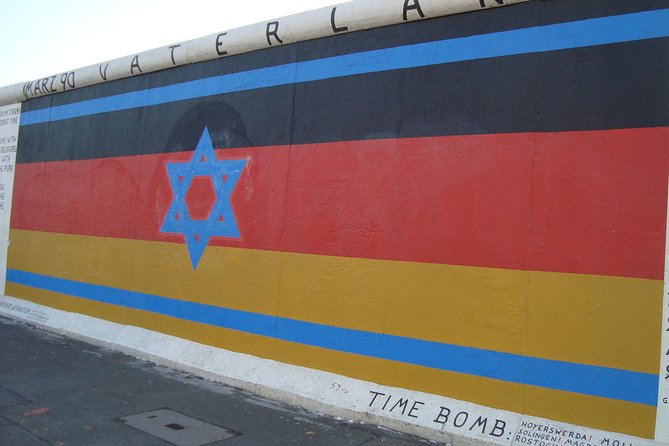
The next major stop is the East Side Gallery, the open-air mural stretch painted on the Berlin Wall. You’ll have about 20 minutes here, again listed as free to access.
This is Berlin history you can read at street level. Instead of learning about the Wall only as a symbol, you see it as a canvas that people turned into public expression. The mural style also makes it easier to remember details. It’s not abstract; it’s art you can point at.
Why this stop works particularly well on a 4-hour tour: it gives you a visual payoff after earlier political and memorial sites. You finish this stretch with something you can actually compare—how the same wall became a different kind of message.
If you’re photographing murals, take a breath before you shoot. Look once for overall composition, then get close for details.
Checkpoint Charlie: the famous crossing, with context that matters
Finally, you’ll visit Checkpoint Charlie, about 10 minutes. It’s one of the most recognizable crossing points between east and west Berlin, and the place can feel like a “top attraction” on the surface.
Here’s how to make it more than just a photo stop: let the guide place it in the bigger Wall-era reality. In a short visit, you want context that turns a landmark into an explanation.
If you’re the kind of person who likes to know what was real, what was staged for visitors, and how the Cold War played out day to day, this is where a good guide really earns their keep.
What the guide adds: old photos, tablet visuals, and better recall
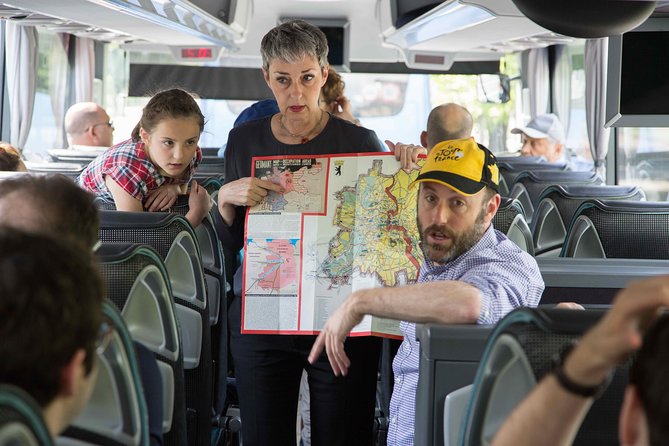
Two standout things show up clearly in the tour experience: the guide brings a lot of preparation, and the visuals are more than decoration. You’ll see old photos used during explanations, which helps you connect today’s street view to earlier realities.
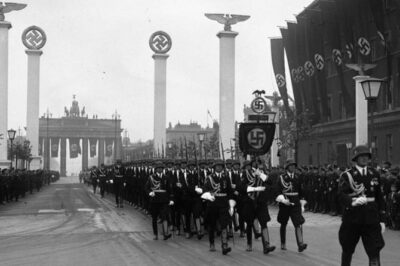
On top of that, there’s a tablet-based, image-led approach. That matters because Berlin’s story is visual—walls, buildings, memorial forms, architectural changes. A tablet lets the guide point out patterns you might miss when you’re just walking.
If you learn best by seeing comparisons, this format helps a lot. It’s also just more fun. The day stops being a sequence of names and becomes a story with pictures you can mentally replay later.
Who this tour is for (and who might want a different pace)
This “Best of Berlin” style tour is ideal if you:
- Are seeing Berlin for the first time and want a fast, high-impact orientation.
- Want a private guide who can explain the major sites in English.
- Prefer hotel pickup to reduce stress on Day 1.
It may be less ideal if you:
- Want long, unhurried museum time at Museum Island.
- Prefer a slower walk with fewer stops.
- Don’t like compressed schedules, even for important sites.
The good news: because it’s private, you can tell the guide what you want more of. The route is flexible by design.
Should you book this Best of Berlin tour?
Book it if you want a smart first pass through Berlin’s most important landmarks, with pickup convenience and a guide who uses photos and a tablet to make the meaning stick. The price is high for a four-hour trip, but it’s a reasonable way to buy time and reduce planning friction—especially if this is your first day in the city.
I’d pass or look for a slower option if you’re the type who needs deep time at memorials, wants to spend longer inside major buildings, or plans to do major Museum Island interior visits that can’t be rushed.
If your goal is: see the essentials, learn the story fast, and enjoy a guided “greatest hits” without the transit headaches—this tour hits that goal.
FAQ
How long is The Best of Berlin tour?
The tour duration is approximately 4 hours.
How much does it cost?
It costs $643.36 per group, up to 6 people.
Is this tour private?
Yes. It’s a private tour/activity, and only your group participates.
Do you offer hotel pickup and drop-off?
Pickup is offered, and the tour details indicate guests are picked up from their Berlin hotel.
What language is the tour offered in?
The tour is offered in English.
Is admission required for the stops?
For the listed stops, admission ticket is marked free in the tour information.
Do I get a mobile ticket?
Yes, the tour includes a mobile ticket.
What time does the tour start?
The start time is 10:00 am.
What is the cancellation policy?
Free cancellation is available up to 24 hours in advance for a full refund. If you cancel less than 24 hours before the start time, the amount paid isn’t refunded. The tour also may be canceled if a minimum number of travelers isn’t met, with an offer of another date/experience or a full refund.