REVIEW · BERLIN
The Best of Berlin Private Guided Tour
Book on GetYourGuide →Operated by Private Tours Berlin · Bookable on GetYourGuide
Berlin has layers. This private tour helps you read them fast. You’ll connect the dots from Frederick the Great and the Hohenzollern dynasty to Bismarck’s 1871 nation-building, then onward through Weimar chaos, the Nazi rise and fall, and the Berlin Wall right into today’s capital role. I like the way the route lines up major sites with the key turning points that shaped the city, and I especially like that you get an experienced, English- or German-speaking guide who can stay flexible during the walk. One drawback to consider: you’re covering a lot of landmark ground in about 3.5 hours, so comfortable shoes matter, and the subject matter includes heavy WWII-era and genocide history.
This is also a tour that’s built for real conversations, not just photo stops. You’ll move from grand monuments and royal boulevards to places tied to Allied-Cold War tension, then land at memorials that ask you to slow down. If you want a guided through-line that makes Berlin feel less like a random set of stops, this fits. Still, it’s priced per private group (up to 15 people), so if you’re traveling solo, it may feel steep unless you’re sharing the cost.
In This Review
- Key things you’ll notice on this tour
- Why this Berlin private route works so well
- Meeting point and pickup: less friction, more walking time
- Museum Island and Unter den Linden: Prussia’s grand idea of power
- Bebelplatz and Gendarmenmarkt: culture, politics, and an ugly scar
- Checkpoint Charlie and the Wall: Cold War geography you can walk
- Potsdamer Platz to Hitler’s bunker site: where modern Berlin grew
- Reichstag and the Memorial to Murdered Jews of Europe
- Brandenburg Gate: division, survival, and reunified identity
- Price and value for a private group up to 15
- Who this tour fits best
- About the guides and the pace
- Should you book this private Berlin tour?
- FAQ
- How long is the Best of Berlin Private Guided Tour?
- What does the tour cost?
- Is this a private tour or a shared group?
- What language is the guide?
- Do I get hotel pickup?
- Where will the tour go during the walk?
- Is the tour wheelchair accessible?
- Can I cancel for a full refund?
- Can I reserve now and pay later?
- What is the walking format like?
Key things you’ll notice on this tour
- A guided storyline through Prussia, unification, and twentieth-century collapse so the city history clicks into place
- Hotel pickup and a true private format (up to 15) that keeps your pacing under your control
- Major sights in one route: Museum Island, Unter den Linden, the Wall line, Potsdamer Platz, the Reichstag, and Brandenburg Gate
- Cold War and Nazi-era sites in the same walk including Checkpoint Charlie and the Reichstag fire context
- A stop at the Memorial to the Murdered Jews of Europe—not as an afterthought, but as a focal moment
- A guide who stays flexible so you can ask questions without feeling rushed
Why this Berlin private route works so well
Berlin can feel like a choose-your-own-adventure city. One block you’re staring at elegant architecture, the next you’re at a site tied to war, imprisonment, propaganda, and loss. What makes this tour valuable is that it treats those contrasts as the whole point. The guide doesn’t just name places; you get the cause-and-effect story behind them.
The private setup matters more than you might think. In a group tour, you often trade understanding for crowd control. Here, your guide can adjust the pace and keep the attention on what you find most interesting—whether that’s the Prussian world, the rise of the Nazi Party, the mechanics of Cold War division, or what it means for Berlin to function as a reunified capital today.
I also like that the itinerary avoids the common pitfall of only hitting the shiny highlights. You still get the marquee sights—Brandenburg Gate, Reichstag, and Unter den Linden—but you also walk through places tied to difficult moments like the Nazi book burnings and the genocide memorial.
You can also read our reviews of more guided tours in Berlin



Meeting point and pickup: less friction, more walking time
This tour includes hotel pickup and you can meet your guide at your accommodation or a chosen meeting point. That sounds like a small detail until you’re in a big city with patchy transit connections and limited daylight. Less hunting around means you start learning sooner.
Because it’s a private group, you don’t have to time your day around other strangers. Your guide can also stay flexible on tour days, which is useful in Berlin where crowds, weather, and closures can shift your best photo angles and walking flow.
If you’re using a pickup, do one smart thing: confirm where your guide will find you and aim to be ready a few minutes early. Berlin is spread out, and pickup timing works best when everyone is lined up.
Museum Island and Unter den Linden: Prussia’s grand idea of power
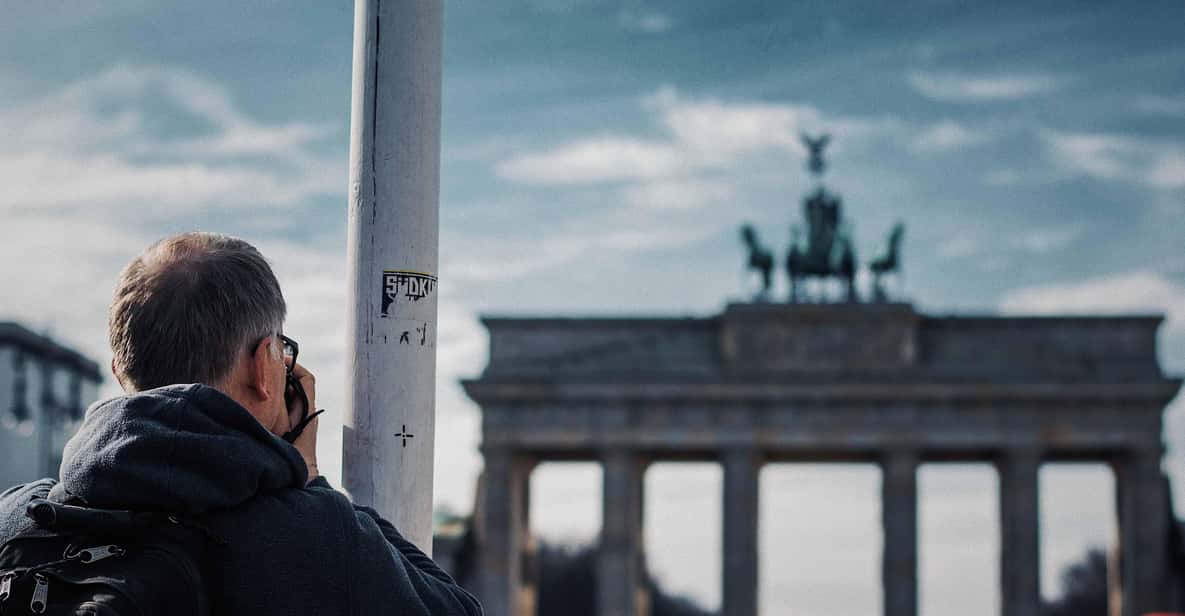
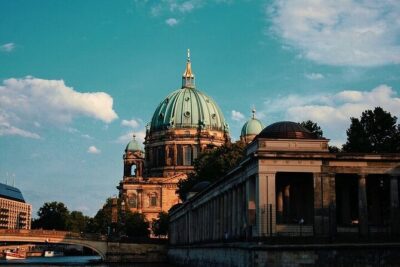
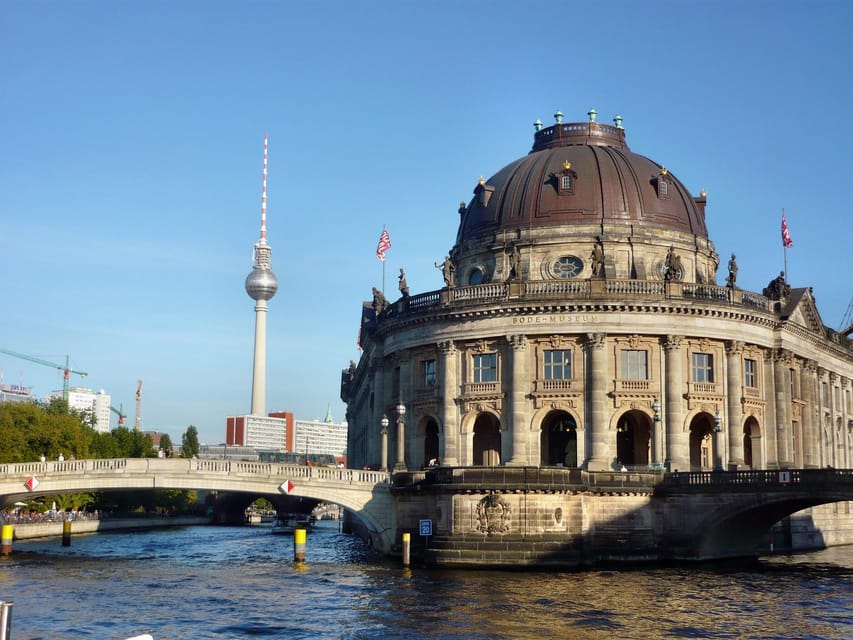
The tour begins with Museum Island, a historical centre that brings together monumental “who matters” symbolism with learning spaces. You’ll see the area’s six world-class museums, plus the Berlin Cathedral and the newly rebuilt Hohenzollern city palace. Even if you don’t go inside every museum, the exterior lineup helps you understand why rulers cared about this part of Berlin.
Then you move onto Unter den Linden, the royal boulevard that connects Brandenburg Gate to Museums Island and the City Palace. Walking this stretch with a guide is an efficient way to get your bearings. It’s not just a scenic promenade; it’s a built-in timeline showing how Berlin’s identity has been tied to authority, empire, and state planning.
The best part is the way the guide connects architecture to history: you’ll hear how the Hohenzollern dynasty shaped politics and Berlin’s rise, and you’ll connect it to the next big shift—German unification under Bismarck in 1871. When you understand that, the buildings stop looking like background and start looking like decisions.
Practical note: this area can attract lots of foot traffic. Since it’s private, your guide can often adjust where you stop and how long you linger, so you don’t waste time waiting behind crowds.
Bebelplatz and Gendarmenmarkt: culture, politics, and an ugly scar
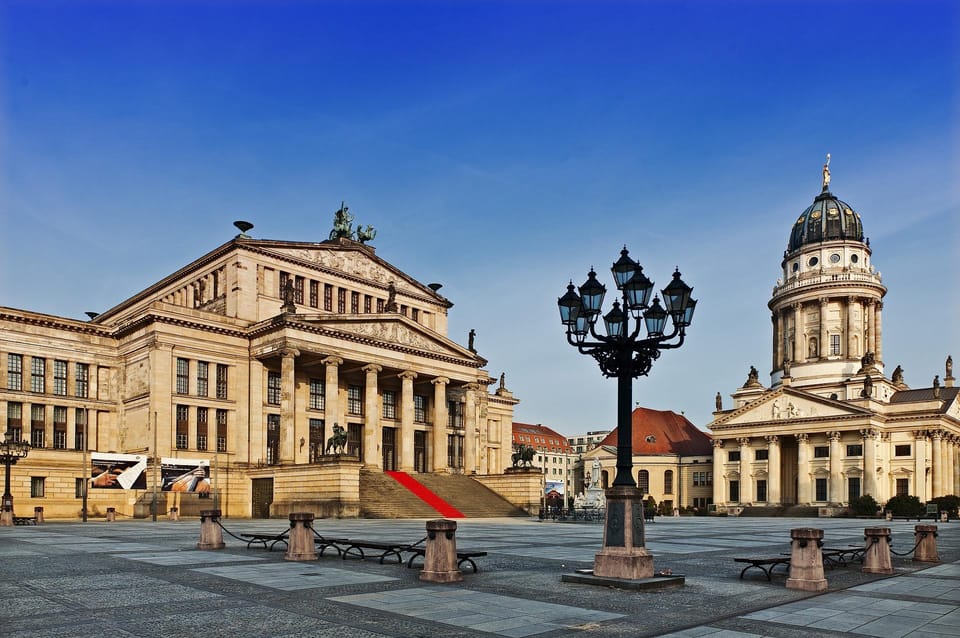
Next come two squares that feel different on the surface, but work together in the story.
At Bebelplatz, the site was once Frederick’s Forum, tied to Prussia’s Frederick the Great. Today it’s home to places like Humboldt University, the Opera House, the Royal Library, and Hedwig’s Cathedral. Your guide will also connect the square to the Nazi-era crime against ideas—this was infamously the site of the Nazi book burnings on May 10, 1933.
That date matters because it’s a reminder that the Nazi takeover wasn’t only about guns and borders. It was about controlling what people were allowed to read, think about, and believe. Standing there as you learn the context tends to make the moment feel less abstract.
Then you head to Gendarmenmarkt, often considered one of Berlin’s most beautiful squares. You’ll see the French and German Cathedrals and the Konzerthaus. This is where Berlin shows a different side: cultural identity and European city-style grandeur.
If you’re wondering how these places relate, that’s the point. The tour uses contrast on purpose. You see a city that built institutions of learning and culture—and you also see how authoritarian power targeted culture when it felt threatened.
Checkpoint Charlie and the Wall: Cold War geography you can walk
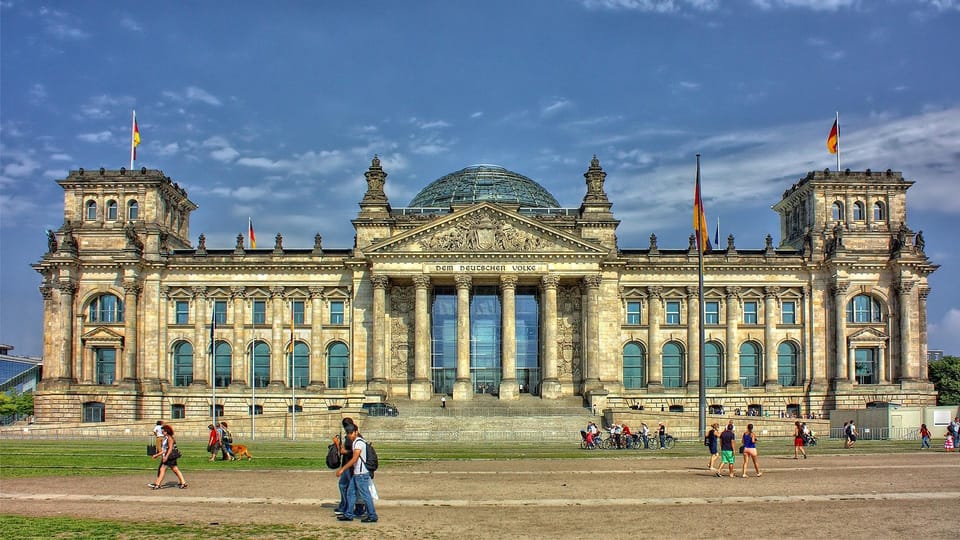
From there the tour moves into Berlin’s most internationally recognized division story: the Cold War and the Berlin Wall.
You’ll visit Checkpoint Charlie, the famous frontline where Americans and Soviets were manning a boundary point during the Cold War. With a guide, this stop is more than a photo op. It becomes a way to understand how tense “normal life” could be when the city itself functioned like a chessboard.
Then comes the Berlin Wall stretch included on this route—one of the remaining sections. Your guide will point out it sits on the site of the former SS and Gestapo headquarters, and that it was situated directly across from the monolith former Nazi Luftwaffe headquarters. That spatial relationship is chilling because it shows how infrastructure of terror and military power lined up along the wall’s world.
You’ll also hear the story arc leading up to the Wall: how WWII ended, why Berlin became a divided symbol, and how the wall evolved into the hard line everyone could see. The walk format helps because you’re not just learning in a room. You’re seeing how geography gets turned into policy.
One consideration: the Wall and checkpoint stops can bring emotional weight. If you prefer a lighter day, this might feel intense. If you want the real Berlin story with honesty, it delivers.
You can also read our reviews of more private tours in Berlin


Potsdamer Platz to Hitler’s bunker site: where modern Berlin grew
Next is Potsdamer Platz, a place that packs in multiple eras at once.
Your guide covers how in the 1920s it was one of Europe’s busiest traffic intersections, with more than 20,000 cars crossing each day. Then you learn how WWII destroyed it almost completely, and how it was later rebuilt in the 1990s and early 2000s as Berlin’s modern district.
This stop is great for understanding why Berlin feels both historic and new at the same time. The city keeps reinventing itself, often on top of ruined ground. That reinvention is not denial—it’s survival.
From Potsdamer Platz the tour heads to the site of Hitler’s Bunker, the air-raid shelter that became the center of the Nazi regime until the last week of WWII in Europe, including the moment when Hitler took his own life. Your guide will discuss those last days in the broader context of the collapse of the Nazi regime and Adolf Hitler.
This is one of those moments where a guide’s framing matters. The point isn’t sensationalism. It’s to help you connect political decisions to outcomes—how leadership, propaganda, war, and desperation reshaped the city and trapped people in the final phase.
If you’re sensitive to heavy history, give yourself permission to pause and take breaks during this segment.
Reichstag and the Memorial to Murdered Jews of Europe
Now you shift from where events happened to where Berlin confronts consequences.
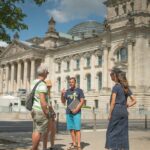
You’ll visit the Reichstag, Germany’s House of Parliament. The story here includes the Reichstag fire, which enabled Hitler to take total control. You’ll also see the building topped with a glass copula designed by British architect Sir Norman Foster. Even if you don’t go up into it on this tour, the design itself symbolizes a modern Germany talking back to its past—visibility, transparency, and rule through democratic architecture.
Then you’ll stop at the Memorial to the Murdered Jews of Europe, a thought-provoking complex that honors the six million Jews murdered by the Nazis in concentration and death camps across Europe. This memorial isn’t just a name on a sign. It’s the tour’s strongest reminder that the Nazi era wasn’t only battles and political speeches—it was industrialized murder.
Your guide’s job here is to help you stay present. You’ll likely spend more mental time than physical time at this stop, and that balance is good. Berlin needs both: walking through sites and sitting with meaning.
Brandenburg Gate: division, survival, and reunified identity
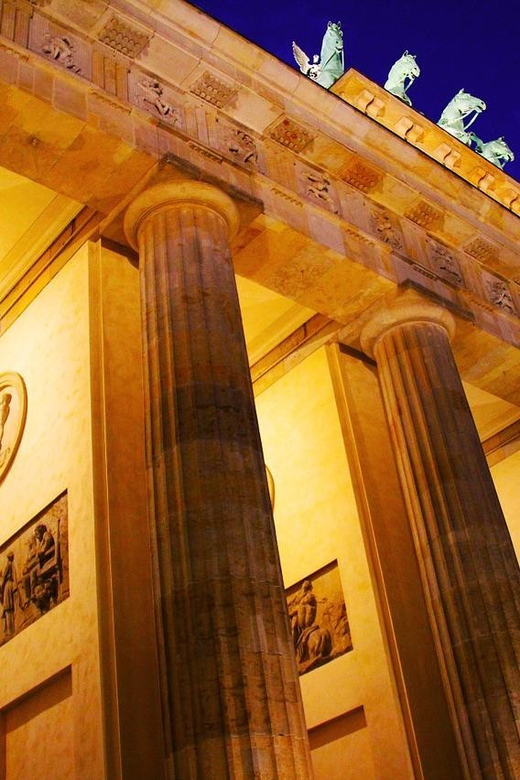
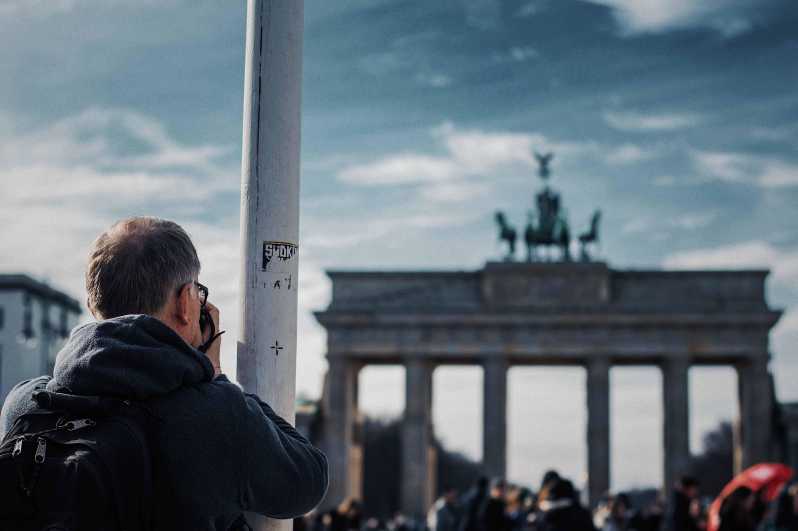
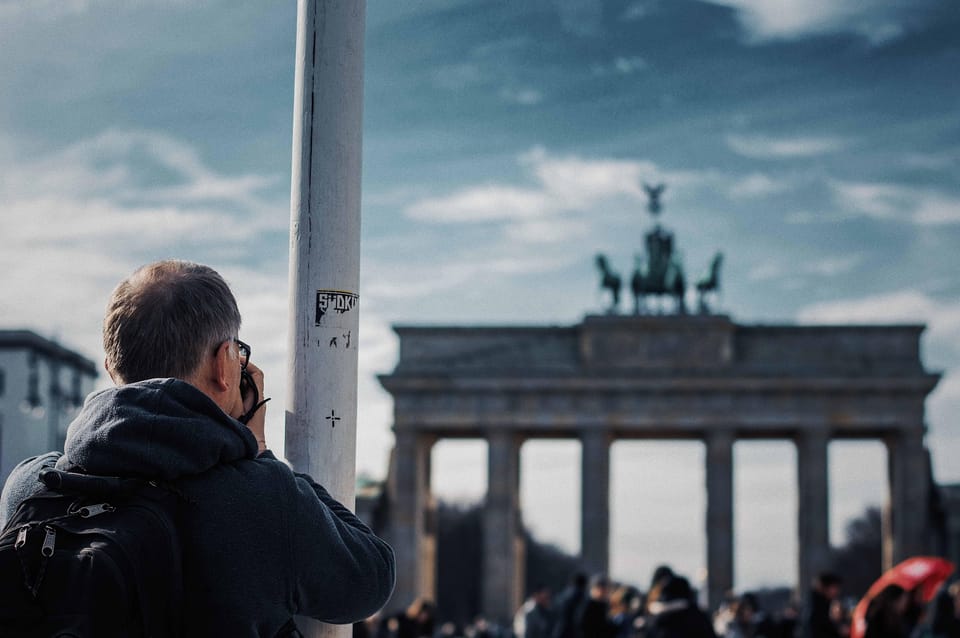
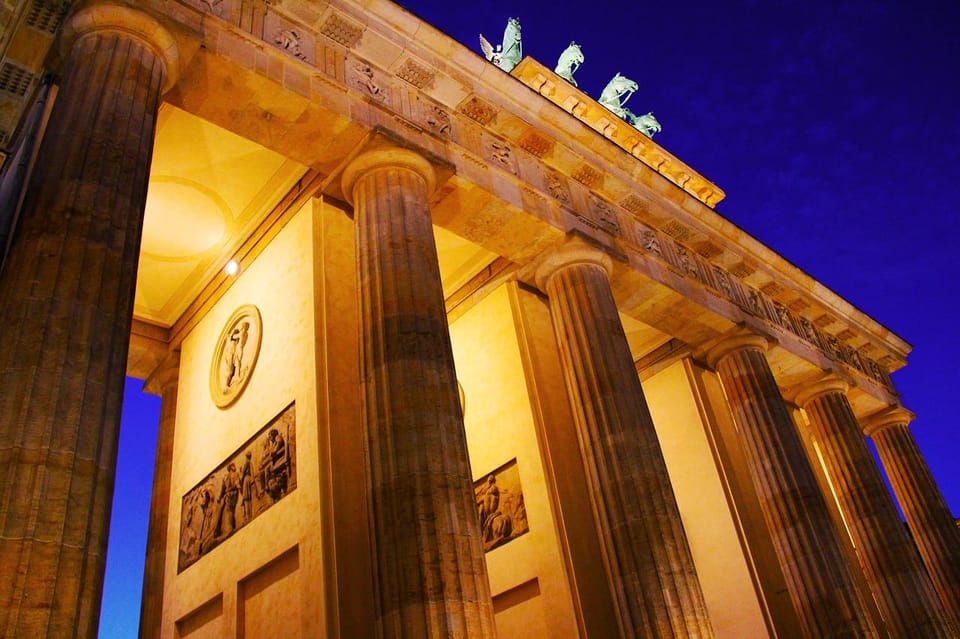
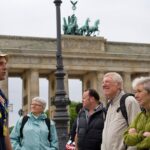
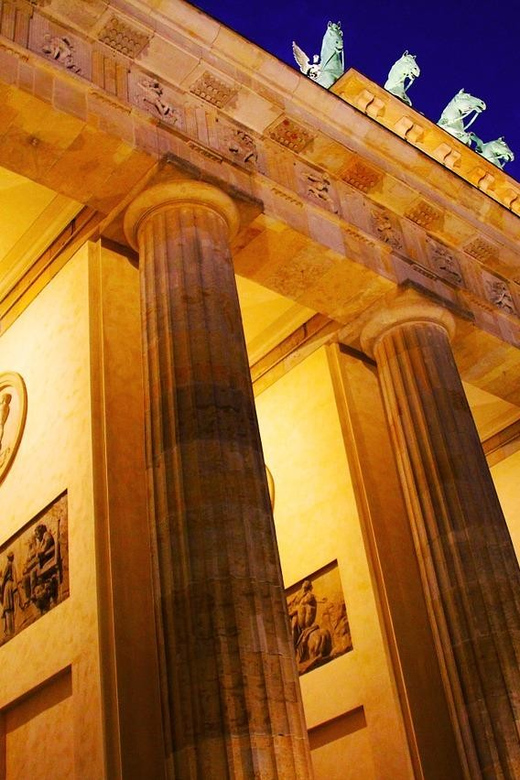
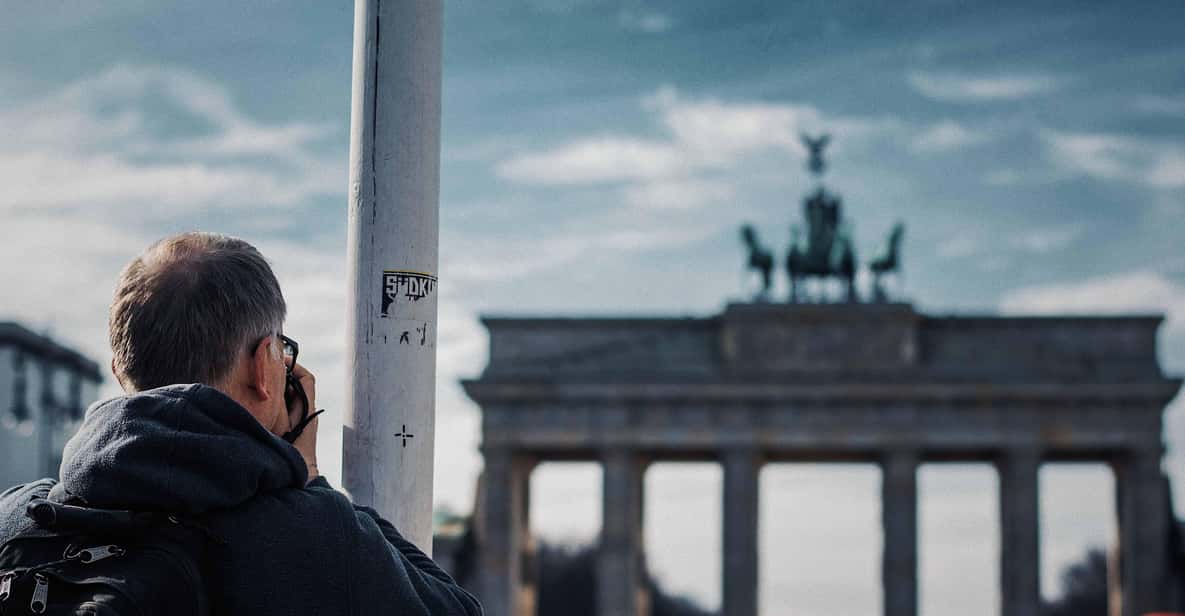
The tour finishes at Brandenburg Gate, one of Berlin’s most iconic sights and the former royal entrance to Berlin of the Prussian royal family.
Your guide will walk you through the gate’s survival and how history kept trying to bend it. It survived Napoleon, it survived WWII, and then it was trapped in the middle of the Berlin Wall for almost 30 years. That single fact turns the gate into a symbol of division—then later, of unity, when the wall came down and the city reunited.
This is where the tour’s title theme clicks: Prussia to reunification, through war and ideological control. When you see it with context, the gate doesn’t just look like a big landmark. It feels like a witness.
Price and value for a private group up to 15
At $295 per group for up to 15 people, this tour is priced like a private session rather than a per-person sightseeing ticket. That matters if you’re traveling with family, friends, or another couple you trust. Split the cost among a few people and the value starts to look real fast: you’re paying for a focused guide for hours, plus hotel pickup and a tight route through the city’s biggest historical anchors.
If you’re traveling solo, think of the cost as buying access to a private guide and the route discipline that keeps Berlin understandable in one half-day. In that case, the value depends on your appetite for history and your ability to turn explanations into something you’ll remember.
Either way, the price makes sense most for people who want a story-driven walk, not just a list of attractions.
Who this tour fits best
This is an easy match if you’re:
- In Berlin for a short time and want the timeline to make sense quickly
- The type of traveler who likes asking questions and hearing the connections between eras
- Planning to hit multiple major sites and would rather have one logical route than separate tickets
- Traveling as a small group and want the comfort of a private pacing
It might not be your best choice if:
- You want a light, casual sightseeing day with minimal heavy historical content
- You’re hoping for lots of inside-the-building time at museums or official sites (this tour focuses on landmark viewing and guided context, not shopping for optional tickets)
About the guides and the pace
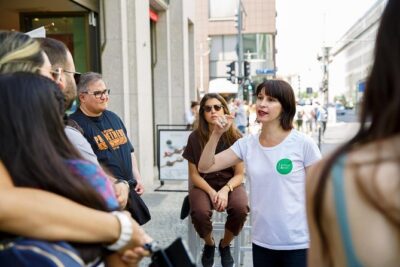
The tour runs with a live guide in English or German, and you’ll get hotel pickup plus the flexibility to keep the experience comfortable. One guide name that comes up is Natalie, described as excellent—easy to chat with and strong on sharing what to notice around Berlin.
The pacing is built for a walking route, about 3.5 hours. That duration is long enough to cover meaningful ground without turning into an all-day slog, but it does require basic stamina. If you know you’ll get tired quickly, you can still make it work—just plan rest moments and hydrate.
Should you book this private Berlin tour?
I’d book it if you want Berlin to feel like one connected story, not a scattered set of monuments. The route hits the big learning anchors—Prussia and unification, Weimar and the rise of Hitler, WWII, the Berlin Wall, and reunified Berlin—while also spending time at the Memorial to the Murdered Jews of Europe. That combination is rare.
Pass if your top goal is only postcard sights and you’d rather save your energy for museums you can explore at your own speed. Also, if you’re one person paying the full group rate, compare the value against a couple of shared tours or independent planning.
If you want the city’s meaning in a few hours, this private guided walk is a strong use of your time.
FAQ
How long is the Best of Berlin Private Guided Tour?
The tour runs for 3.5 hours.
What does the tour cost?
The price is $295 per group, up to 15 people.
Is this a private tour or a shared group?
It’s a private group tour.
What language is the guide?
The live guide is available in English and German.
Do I get hotel pickup?
Yes. Hotel pickup is included, and you’ll meet your guide at your accommodation or another chosen meeting point.
Where will the tour go during the walk?
It includes stops around Museum Island, Unter den Linden, Bebelplatz, Gendarmenmarkt, Checkpoint Charlie, the Berlin Wall, Potsdamer Platz, the site of Hitler’s Bunker, the Reichstag, the Memorial to the Murdered Jews of Europe, and Brandenburg Gate.
Is the tour wheelchair accessible?
Yes, it is wheelchair accessible.
Can I cancel for a full refund?
Free cancellation is available up to 24 hours in advance for a full refund.
Can I reserve now and pay later?
Yes. You can reserve now and pay later.
What is the walking format like?
It’s a private guided walking tour, and it typically covers major landmarks over about 3.5 hours.