REVIEW · BERLIN
Berlin: Sachsenhausen Concentration Camp Bus Tour in English
Book on GetYourGuide →Operated by Insider Tour Berlin · Bookable on GetYourGuide
Sachsenhausen hits fast and hard. This 4-hour Berlin day trip sends you by air-conditioned bus to the Sachsenhausen Concentration Camp Memorial, then puts you on a guided walk through the camp with clear historical context. I love that the bus ride helps you get oriented before you step onto the grounds, and I love how the guide ties the site to how the Nazi camp system worked. One thing to consider: the subject matter is heavy, and the time inside the memorial is limited, so you’ll want good shoes and patience.
The route includes major moments you’ll remember, like Tower A with Arbeit Macht Frei, the gas chamber, crematoria, and the execution trench. If you’re hoping for a long, slow visit with lots of wandering time, this format might feel brief. But if you want a respectful, structured visit without logistics stress, it’s a strong choice.
In This Review
- Key things to know before you go
- Why Sachsenhausen Works Best as a Berlin Guided Day Trip
- Meeting at Friedrichstraße and Spotting Your Yellow-Umbrella Guide
- The Bus Ride to Sachsenhausen: Oranienburg First, Questions Later
- Inside the Memorial: Barracks, Tower A, and the Camp’s Daily Logic
- Gas Chamber, Crematoria, and the Spaces of Punishment
- Infirmary Barracks and Experiments: When Care Was Weaponized
- How the 4-Hour Format Feels: Time on Site vs. Time to Process
- Bus Ride Back to Berlin: Reflect, Then Move On
- Cost and Value: What You Get for Around $49
- Who Should Book This Tour (and who might want something else)
- Should You Book This Sachsenhausen Bus Tour From Berlin?
- FAQ
- How long is the Sachsenhausen bus tour from Berlin?
- Where do I meet my guide in Berlin?
- What language is the tour available in?
- What’s included in the price?
- Do I need to bring anything?
- Is hotel pickup included?
Key things to know before you go
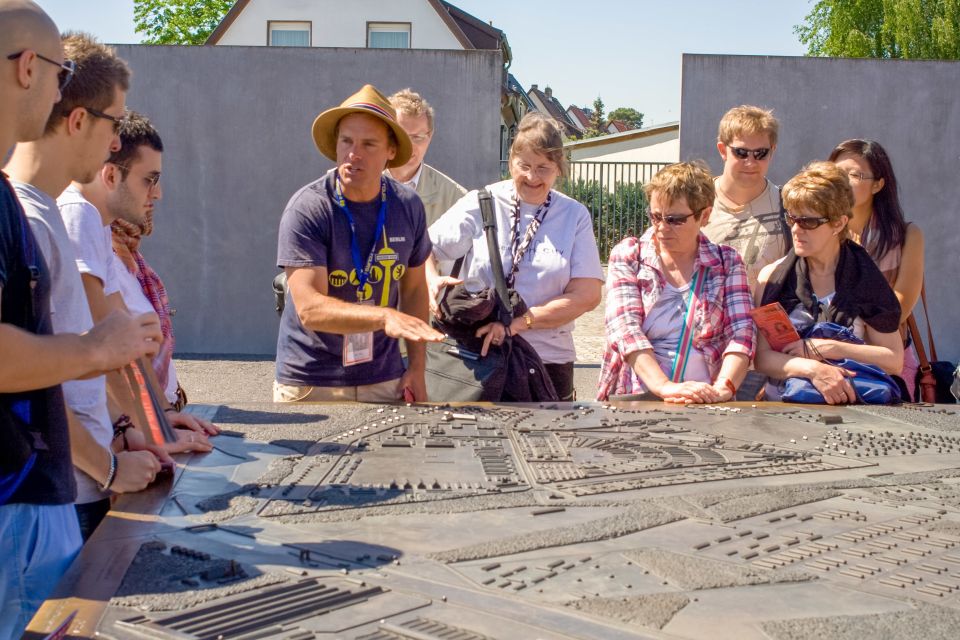
- Convenient Berlin-to-Sachsenhausen transport: a private air-conditioned vehicle keeps the trip smooth
- Guided focus on the Nazi camp system: you’re not just seeing buildings, you’re learning how it operated
- Major sites included in the route: gas chamber, crematoria, isolation/punishment areas, infirmary barracks
- Short enough for a day plan: about 2 hours guided on site, plus travel time
- Guides who handle tough questions well: names that show up often include Ariel, Nickolai, Lewis, Paul, and JR
- You get context on the way: the bus commentary sets up what you’ll see, including areas around Oranienburg
Why Sachsenhausen Works Best as a Berlin Guided Day Trip
Sachsenhausen Memorial in Brandenburg is one of those places where the details matter. The tour is designed around that: you go from central Berlin to the memorial by bus, and you don’t just stare at ruins. You learn how Sachsenhausen was built and run as part of a broader Nazi system for control, forced labor, and mass murder.
I like that this experience doesn’t treat the camp like a museum “stop.” The guide walks you through how daily routines and administrative decisions created an environment where suffering was organized, not accidental. You’ll also hear how Germany today teaches this past, and how the camp affected people beyond the barbed wire.
And honestly, the bus format is smart. The walk from Berlin to the memorial area is not the point of your day. Here, you spend your energy where it counts: on the guided route inside the memorial.
You can also read our reviews of more tours and experiences in Berlin.


Meeting at Friedrichstraße and Spotting Your Yellow-Umbrella Guide
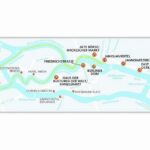
Your day starts at Friedrichstraße train station. Look for your guide outside the station on the square beside the Tränenpalast (Palace of Tears). The easiest visual cue is the guide wearing a blue lanyard and a yellow name tag, holding a yellow umbrella.
This matters more than it sounds. When you arrive with a group at a major station, timing can get chaotic fast. This setup is designed to get you moving quickly, and the tour stays on schedule.
Bring comfortable shoes. You’re walking through an outdoor memorial with uneven surfaces and lots of time on your feet. A camera is allowed, but remember: this is a solemn place, so use it thoughtfully. Also pack a light snack and water; the tour info specifically recommends it, and you’ll be glad you did.
The Bus Ride to Sachsenhausen: Oranienburg First, Questions Later
The drive from Berlin is about 50 minutes, and it’s not just “transport.” The guide uses the ride to build context for what you’re about to see. On the way, you pass through Oranienburg and hear about where inmates would have worked.
That pre-visit context changes how you read the site. Instead of thinking only about what’s standing now, you’re encouraged to picture the system around it: labor, supervision, punishment, and the machinery that kept the process going.
You’ll also get a quick overview of Sachsenhausen as the first concentration camp designed and constructed from the ground up, built for maximum control and expansion. The guide connects it to Heinrich Himmler’s modern concentration camp approach, and that bridge is useful once you’re inside.
The overall rhythm is calm but purposeful: listen on the way, ask questions when you want, then switch gears to walking and observing.
Inside the Memorial: Barracks, Tower A, and the Camp’s Daily Logic
The guided time at Sachsenhausen is about 2 hours. That’s a short window for a site this large and emotionally intense, so the route focuses on the most important and telling elements.
A big early stop is the interior areas: barracks and the setting where imprisoned people faced harsh conditions and daily routines. You’ll learn what life looked like behind the system’s strict control, including the administrative ruthlessness that made brutality routine.
One of the most memorable sights on the tour is Tower A. Above it, you’ll encounter the phrase Arbeit Macht Frei. Seeing it in place is chilling because it’s tied directly to the reality of forced labor and terror. The guide helps you understand why that motto is such a cruel piece of propaganda.
You’ll also pass by the commandant’s house, which adds another layer. It’s not just about what happened to prisoners; it’s also about how the people running the camp insulated themselves from consequences, while creating an efficient structure for suffering.
Gas Chamber, Crematoria, and the Spaces of Punishment
This is where the tour becomes unmistakably specific. As you move through the memorial, you’ll visit key areas connected to mass killing and terror: the gas chamber, isolation cells, crematoria, and punishment-related spaces.
The route also includes the execution trench and infirmary areas, so the picture stays complete. You’re shown how the camp wasn’t only about imprisonment; it was also about killing through multiple methods and controlling who lived long enough to be used, broken, or murdered.
At Sachsenhausen, about 35,000 people were murdered or died of disease (as highlighted in the tour materials). Hearing that number in context makes it land differently than reading it on a sign. The guide’s job is to connect the statistics to locations and to the chain of decisions that turned prisoners into expendable labor and targets.
If you prefer tours with a steady pace and firm structure, this works well. The guide doesn’t wander. You get an organized path through the most important sites.



Infirmary Barracks and Experiments: When Care Was Weaponized
One of the strongest segments of the route focuses on the infirmary barracks. You’ll see where experimentation took place during the war, and the guide explains how that perversion of medical authority fits into the camp’s broader logic.
This can be difficult to hear, but it’s also one of the most important learning points. It shows how Nazi cruelty wasn’t limited to overt violence. The camp system used institutions, paperwork, and procedures to produce outcomes.
You’ll also hear about brutal treatment in the barracks, and why these spaces matter historically. Even if the buildings feel ordinary at first glance, the guide connects them to what happened there. That’s the difference between seeing structures and understanding the human reality behind them.
Names that come up with high praise for handling these sections respectfully include Ariel and Nickolai, who are often noted for question-friendly delivery and careful sensitivity on a topic that demands it.
How the 4-Hour Format Feels: Time on Site vs. Time to Process
Let’s talk honestly about the clock. The total experience is about 4 hours, with around 2 hours guided at Sachsenhausen and roughly 50 minutes each way on the bus.
Two hours inside the memorial can feel fast, especially because you’re dealing with painful material. Some people even mention wishing they had more time at Sachsenhausen. That’s fair. This isn’t a slow, open-ended exploration.
But here’s the tradeoff: you’re getting a guided route that covers the core sites that most visitors would otherwise struggle to prioritize. If you’re short on time in Berlin, that structure is a real benefit. You’re leaving with a coherent understanding rather than a pile of unrelated stops.
Also, remember the outdoor factor. Weather can change your comfort level quickly. One review note that the trip still worked despite rain and wind is a good reminder: dress for the conditions so you can focus on the tour instead of fighting discomfort.
Bus Ride Back to Berlin: Reflect, Then Move On
After the guided visit, you head back to Berlin by bus. The return is about 50 minutes, and the tour ends at the meeting point area near Friedrichstraße train station.
Some options also list drop-offs around Reichstagufer 17. Either way, the setup keeps your day from turning into a transit scavenger hunt. You don’t have to figure out connections with a head full of heavy history.
I like tours that end near where you started. It helps you transition. You can pause, breathe, and then decide what Berlin looks like again once you’re back in the city.
Cost and Value: What You Get for Around $49
Price is listed at $49 per person. For many people, the value is less about the number and more about what’s included.
You’re paying for:
- a professional licensed guide
- round-trip transportation by private air-conditioned vehicle
- Sachsenhausen Memorial entry
- a €3 donation per person to the Sachsenhausen Memorial
- a map of the former concentration camp
That bundle matters. Transport alone can eat time and energy, and entry plus a proper guide saves you from trying to stitch together planning on the fly. A handful of reviews specifically praise how the bus makes the experience easier to approach, especially compared with longer walks to get in and settled.
If your Berlin schedule is tight, you’re also buying efficiency. You get context on the ride, a guided route at the memorial, and a smooth return.
Who Should Book This Tour (and who might want something else)
This tour is a good fit if:
- you want a respectful, structured visit to Sachsenhausen with a guide
- you’re short on time in Berlin and still want the big sites covered
- you prefer English (and in some cases Spanish) commentary instead of figuring things out alone
- you like having time to ask questions during a guided walk
It may not be your best choice if:
- you’re looking for a long, slow, self-paced memorial visit
- you need a lighter emotional day (this is intense, no soft edges)
- you’re expecting huge amounts of free time on site
That said, the guides consistently get praised for professionalism and sensitivity. People mention names like Campbell, JR, Lewis, Paul, and Gregory, along with Ariel and Nickolai, often in the same breath as being respectful and helpful during a difficult experience. That’s a strong sign the tour prioritizes both education and care in how it’s delivered.
Should You Book This Sachsenhausen Bus Tour From Berlin?
I’d book it if you want an organized day trip that gets you oriented fast and keeps the focus on the most important parts of the Sachsenhausen story. The combination of bus context, a guided route through key camp areas, and included entry makes it feel like a complete package rather than a “transport-only” add-on.
Book it especially if it’s your first time visiting a major concentration camp memorial. You’ll get structure, explanations, and a clear sense of how the system worked across camp spaces. If you’re the kind of visitor who needs more time to absorb quietly on your own, you might pair this with additional time later, but as a first visit from Berlin, this format is a solid win.
FAQ
How long is the Sachsenhausen bus tour from Berlin?
The tour lasts about 4 hours total, with roughly 50 minutes each way on the bus and about 2 hours for the guided visit at the Sachsenhausen Memorial.
Where do I meet my guide in Berlin?
You meet outside Friedrichstraße train station on the square beside the Tränenpalast (Palace of Tears), with the guide wearing a blue lanyard and a yellow name tag holding a yellow umbrella.
What language is the tour available in?
The live guided tour is available in English and Spanish.
What’s included in the price?
The price includes a professional licensed guide, transportation by private air-conditioned vehicle, the Sachsenhausen Memorial entry, a €3 donation per person, and a map of the former concentration camp.
Do I need to bring anything?
Wear comfortable walking shoes. Bring a camera if you want photos. The tour also recommends bringing a light snack and a drink.
Is hotel pickup included?
Hotel pickup isn’t included. Pickup is only mentioned as available for private options.