REVIEW · BERLIN
Berlin: Sachsenhausen Concentration Camp Memorial Tour
Book on GetYourGuide →Operated by buendía · Bookable on GetYourGuide
Sachsenhausen hits hard, and the structure helps. This tour guides you from Alexanderplatz to the memorial site by train, then walks you through major parts of the camp with clear context on what the Nazis built it to do. I really like how it keeps a steady rhythm: you’re never thrown into random information, because the visit moves stop-by-stop through the places that tell the story.
Two things I especially like: you’ll get licensed guidance from Berlin all the way, and the tour is designed around specific camp locations (like Tower A, Barracks 38/39, and Station Z) so you can connect history to physical details. One drawback to plan for: it’s not suitable for people with mobility impairments or wheelchair users, and you’ll want comfortable shoes because the time on site involves a lot of walking in a memorial environment.
In This Review
- Key Highlights You’ll Actually Care About
- Getting There From Alexanderplatz: The Part That Sets the Tone
- Price and Value: Why $21 Makes Sense Here
- Tower A and the Gate: Where the Camp’s System Becomes Real
- Barracks 38 and 39: Daily Life Under Extreme Confinement
- Punishment Cells: The Meaning of Minor Offenses in a Total System
- Infirmary and Morgue: Medical Cruelty as Part of Camp Reality
- The Former Prisoner Kitchen Museum: Why Food Matters in a Story of Starvation
- Station Z and Executions: The Site That Holds the Brutal Timeline
- The Soviet Memorial Built in 1961: What Happens After the War
- The Best Part: Respectful Guidance and Question-Friendly Teaching
- What to Wear and Bring (So You Don’t Waste Energy)
- Who Should Book This Sachsenhausen Memorial Tour
- Should You Book This Tour?
- FAQ
- Where is the meeting point in Berlin?
- How long is the tour?
- Do I need to buy train tickets in advance?
- Is the memorial entrance fee included?
- Which languages are offered?
- Is this tour suitable for wheelchair users?
Key Highlights You’ll Actually Care About
- Licensed guide from Berlin: you’re not on your own after the train ride.
- Alexanderplatz meeting point: meet by the World Time Clock, with the guide wearing Buendía accreditation.
- Skip-the-line access: a separate entrance helps you start efficiently.
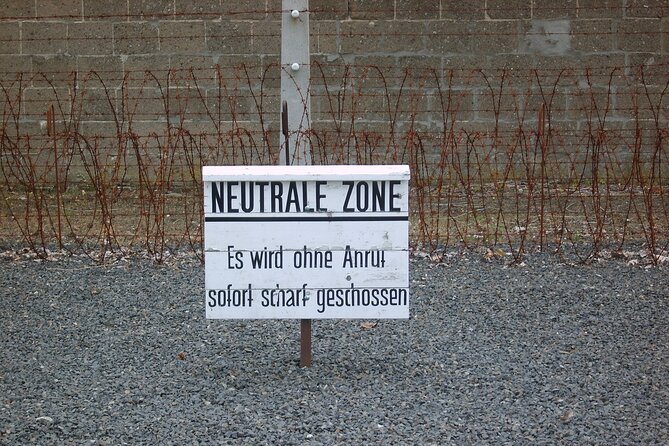
- Camp stops that map the story: Tower A, Barracks 38/39, punishment cells, infirmary/morgue, kitchen museum, Station Z.
- After WWII context: you’ll also see the Soviet memorial built in 1961.
- Strong organization: several guides are noted for helping with train timing and group management.
Getting There From Alexanderplatz: The Part That Sets the Tone
The experience starts in Berlin, not at the camp. You meet at Alexanderplatz next to the World Time Clock, and your guide is easy to spot with Buendía accreditation. From there, you take a scenic train ride toward Sachsenhausen with the guide setting historical background en route.
That pre-visit framing matters more than you might think. Without it, Sachsenhausen can feel like a list of dark rooms and platforms. With it, you get a sense of the camp’s origins and purpose first—then you can read each stop with the right context.
On the transport side, you’ll only need to arrange one thing yourself: an ABC zone train ticket before you go. The tour covers the memorial entrance and the guiding, but the train ticket is on you. You can buy the ticket at machines in the stations or online on the Berliner Verkehrsbetriebe website.
You can also read our reviews of more tours and experiences in Berlin.


Price and Value: Why $21 Makes Sense Here
At $21 per person, this tour is priced like a “serious education day,” not a quick sightseeing add-on. The memorial entrance fee (3€) is included, and you’re paying for more than talking points—you’re paying for a licensed guide who stays with your group from Berlin and guides the visit through key locations.
The big value question is time. With a total 5 hours, you’re getting a structured memorial visit plus the train transfer. That’s the difference between trying to piece together Sachsenhausen on your own and getting a guided path that explains why each site matters.
The main cost to budget for is your ABC zone train ticket. If you already plan to ride transit that day, it’s not much extra—but it’s still worth doing ahead of time so you don’t waste energy right before you enter the memorial.
Tower A and the Gate: Where the Camp’s System Becomes Real
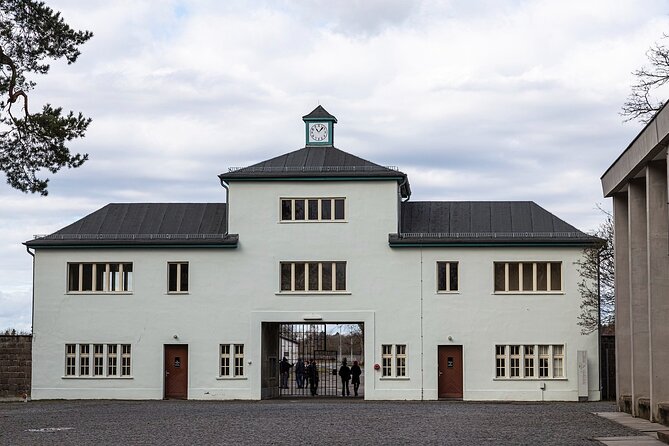
When you arrive at Sachsenhausen, the first major emotional landmark is Tower A and the main entrance. It’s marked by the famous phrase Arbeit macht Frei, a reminder that propaganda was used to mask cruelty and discipline.
This is where your guide’s role really shows. The guide helps you connect architecture and layout to the Nazi camp system—how power was organized, how control was enforced, and why the camp’s design mattered. You’re not just looking; you’re learning to “read” the space.
Also, take a breath at the scale and the openness. Even when you’re ready for the topic, the physical environment can be jarring. Having someone with you who keeps the discussion respectful and clear helps you process what you’re seeing without rushing.
Barracks 38 and 39: Daily Life Under Extreme Confinement
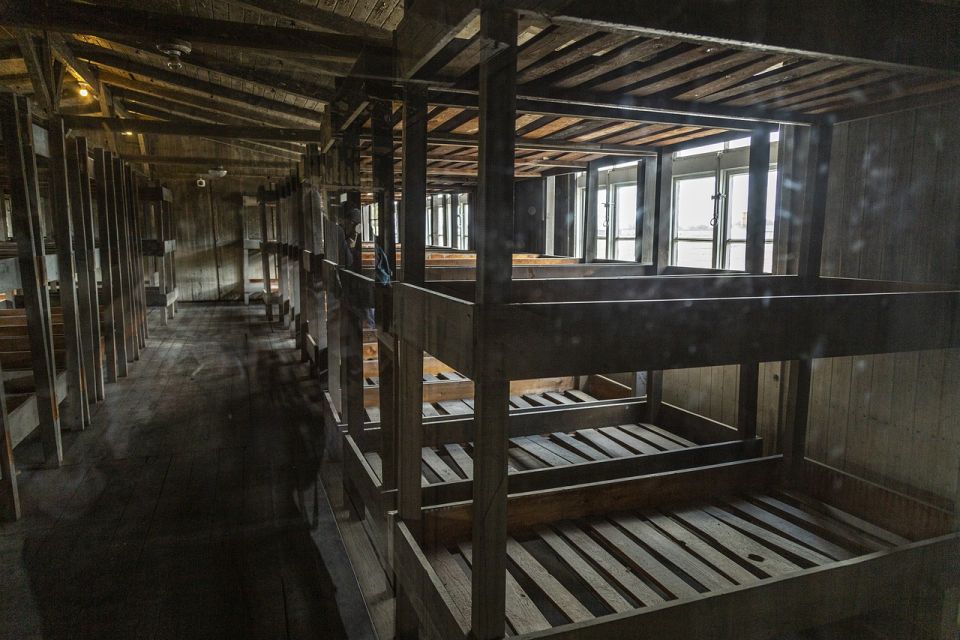
Next comes the part that most people remember for a long time: Barracks 38 and 39. These were where Jewish prisoners were held in extremely cramped conditions. Your tour slows down here, because the story isn’t only about what happened to prisoners—it’s also about what life looked like when space, movement, and dignity were stripped away.
Barracks 38 is now used as a museum space showing aspects of daily life. That shift—from a functioning place of imprisonment to a place of learning—is powerful, but it can also be emotionally heavy. Your best move is to keep your attention narrow: focus on what’s being explained about confinement and routines rather than trying to absorb everything at once.
Punishment Cells: The Meaning of Minor Offenses in a Total System
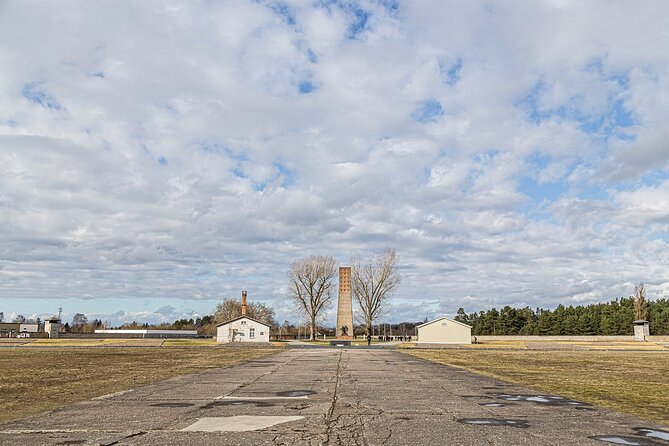
You’ll also visit the original punishment cells, where prisoners were detained for minor offenses. This stop gives the Nazi camp system its full shape: it wasn’t only mass executions; it was also constant threat, constant enforcement, and constant fear.
A good guide doesn’t sensationalize this. You’ll want to listen for the logic of the system—how rules were used to control people, and how punishment worked as a tool for intimidation. This part can feel repetitive in a bad way if it’s handled poorly. Here, the point is to help you understand how small breaches were turned into mechanisms of dominance.


Infirmary and Morgue: Medical Cruelty as Part of Camp Reality
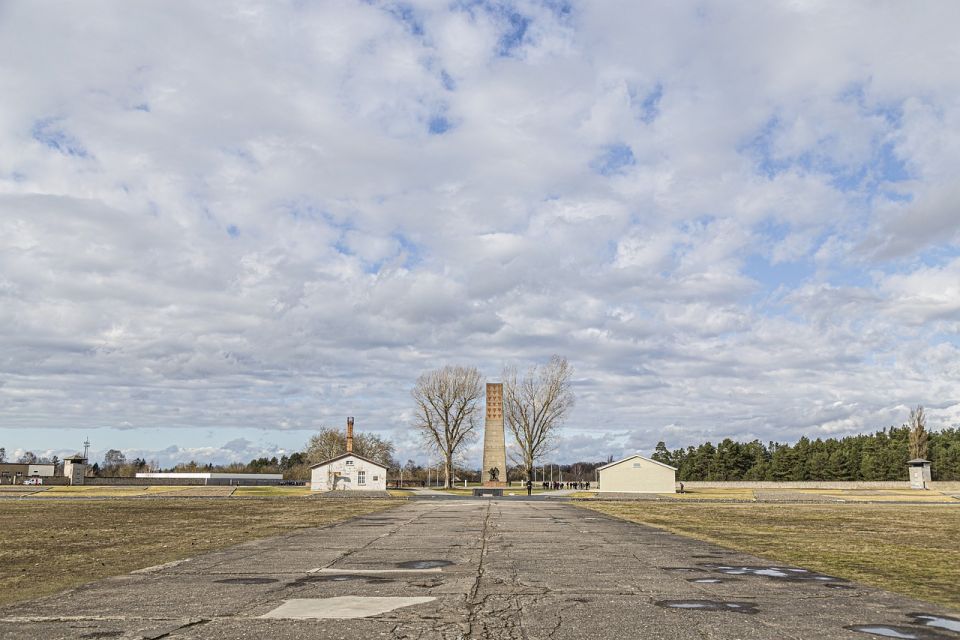
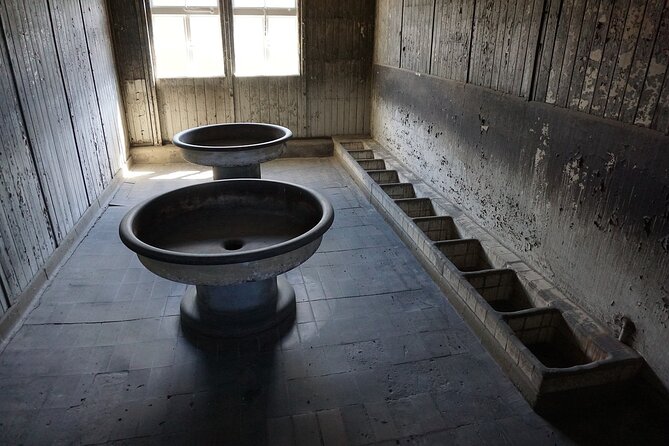
Another major stop is the infirmary and morgue, where the tour explains cruel medical experiments. This section isn’t aimed at shock for shock’s sake. It’s explained with historical context so you understand why these actions were possible inside a system built on dehumanization.
If you’re the type who needs a moment to process, this is a place to take it. You might find it helpful to pause during explanations, then continue when you can hold the information without feeling overwhelmed. The guide’s pacing matters here, and the best tours are those that keep you moving forward while still giving you space to absorb.
The Former Prisoner Kitchen Museum: Why Food Matters in a Story of Starvation
You’ll also see the former prisoner kitchen, now a museum space highlighting key moments in the camp’s history. Even if you don’t expect it, food and kitchens are important because they connect policy to daily survival.
This isn’t a “comfort” stop, and it isn’t trying to soften the story. Instead, it helps you see how deprivation was managed and how camp life was organized down to the smallest systems. If you like history that connects cause to everyday reality, this is one of the more thought-provoking stops.
Station Z and Executions: The Site That Holds the Brutal Timeline
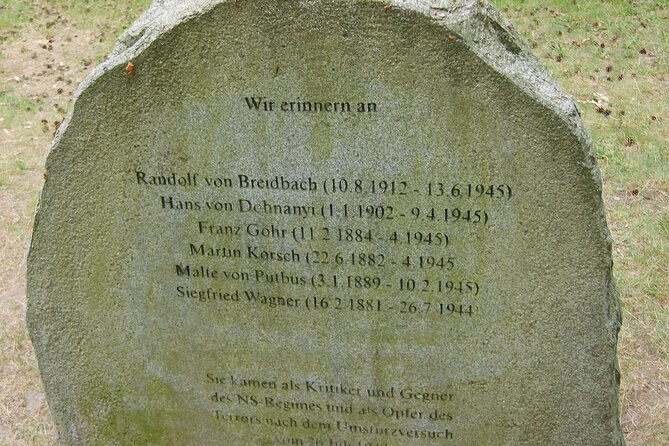
The tour then takes you to Station Z, where many executions took place. This stop carries a heavy weight, and you’ll likely feel it more than at earlier points. The main value is clarity: you’re learning how the camp operated, how violence escalated, and how these actions fit into the broader Nazi structure.
You don’t need to force emotion to make this meaningful. What helps is staying factual, guided by what your guide explains on-site. When history is presented clearly and respectfully, you can take in the facts without the experience turning into noise.
The Soviet Memorial Built in 1961: What Happens After the War
After that grim section, you’ll still have one more layer: a Soviet memorial built in 1961. This visit reflects the camp’s role after World War II, not just during the Nazi era. It’s a reminder that memorial sites don’t only preserve the past—they also reflect how later generations shaped memory.
This part can be easier emotionally than some others, but it still deserves attention. You’ll learn how interpretation changes over time, and why commemorating victims includes confronting what came next, not only what happened first.
The Best Part: Respectful Guidance and Question-Friendly Teaching
One pattern shows up again and again in how people talk about this tour: the guides manage difficult content with respect, and they explain it in a way that feels understandable without becoming casual. Names like Walid, Richard, Peter, Amelia, Hugo, and Filipe appear often, and the common thread is clear communication—plus help with navigation and staying organized.
If you’re wondering whether you can ask questions, you usually can. Several guides are praised for balancing a respectful tone with a touch of lightness when appropriate—never to reduce the tragedy, but to keep the day workable when you’re standing in cold air or walking a lot.
This also makes a difference for first-time visitors. Sachsenhausen is not the kind of place you can truly “speed run” and still leave with understanding. A guide gives you a map for your mind, not just for your feet.
What to Wear and Bring (So You Don’t Waste Energy)
You’ll be on your feet, and you’ll be outside. Bring comfortable shoes and consider packing a snack, since you’ll want energy for both the train ride and the time at the memorial.
Weather can matter a lot. Many participants note cold conditions, so dress like it’s Berlin in winter—layers, gloves, and a hat if the forecast says you’ll need them. You’re going to remember the information longer if you’re not too distracted by discomfort.
Who Should Book This Sachsenhausen Memorial Tour
This works best if you want more than a self-guided visit. If you like history that connects facts to the exact locations where those facts happened, the stop-by-stop structure will feel like a real advantage.
It’s also a good fit if you value organized help with transit. The group moves as a unit from Berlin, and guides are repeatedly praised for making sure everyone has the right train information and knows how to get back at the end.
If you’re traveling with limited mobility, this may not be the right choice. The tour is not suitable for wheelchair users or people with mobility impairments, so you’ll need an alternative format.
Should You Book This Tour?
Yes—if you want guided understanding rather than a lonely walk through difficult grounds. At $21 with the memorial entrance included, you’re buying time, structure, and the kind of historical framing that makes Sachsenhausen more than a grim photo stop.
I’d book it especially if:
- you’re new to Nazi-era concentration camp history and want a clear, respectful path
- you prefer having a licensed guide stay with you from Berlin
- you’d rather spend 5 hours learning properly than cobbling together a half-day plan on your own
Skip it if:
- you need accessibility support beyond what’s listed for this tour
- you’re looking for a short, casual overview rather than a focused memorial visit
If you do book, go in ready to listen. Sachsenhausen doesn’t feel light, but with the right guide and the right pacing, it becomes clearer—and that clarity is part of the respect you owe the people whose stories are being preserved.
FAQ
Where is the meeting point in Berlin?
You meet next to the World Time Clock at Alexanderplatz. Your guide will be wearing Buendía accreditation.
How long is the tour?
The total duration is 5 hours.
Do I need to buy train tickets in advance?
Yes. You need an ABC zone train ticket before the activity. Entrance to the memorial is included, but train tickets are not.
Is the memorial entrance fee included?
Yes. The 3€ entrance fee to Sachsenhausen Concentration Camp Memorial is included.
Which languages are offered?
The live tour guide is available in Spanish, English, German, French, and Italian.
Is this tour suitable for wheelchair users?
No. The tour is listed as not suitable for people with mobility impairments and not for wheelchair users.