REVIEW · BERLIN
Explore Berlin: Walking Tour of All The Iconic Sites
Book on GetYourGuide →Operated by Insider Tour Berlin · Bookable on GetYourGuide
Berlin history hits fast, and it stays with you. This 3-hour walk strings together the big, unforgettable landmarks and the darker backstory between them, from the Brandenburg Gate and Reichstag to the Holocaust Memorial and the Berlin Wall. Two things I really like: you get major “must-see” sights without wasting a day hopping around town, and the route pairs famous buildings with the places that explain how Berlin changed from divided city to united capital.
You should know one possible drawback: it’s a steady walking tour. Even though stops are frequent, you’ll still cover a lot in just three hours, and parts of the story are heavy, especially around the Holocaust sites.
In This Review
- Key things you’ll notice on this route
- Meeting Friedrichstraße: the Palace of Tears is your starting signal
- Museum Island and Bebelplatz: the story behind the headlines
- Gendarmenmarkt and the turn from beauty to ideology
- Checkpoint Charlie: where the Cold War became street-level
- The Berlin Wall stop: close-up time at East vs West
- Hitler’s bunker site: Death Strip context without the fantasy
- Holocaust Memorial: pause, respect, and let the meaning land
- Reichstag and the Brandenburg Gate: the political heart, seen from the street
- How the guides make or break the experience
- Price and value: $17 for a full arc of Berlin’s 20th century
- Who this tour suits best (and who should consider something else)
- Should you book this Berlin walking tour?
- FAQ
- Where does the tour start?
- How long is the tour?
- How much does it cost?
- What sites are included on the route?
- What languages is the guide available in?
- Is the tour wheelchair accessible?
- Is pickup from a hotel available?
- Does the tour run in bad weather?
- What should I bring?
- Can I cancel and get a refund?
Key things you’ll notice on this route
- Friedrichstraße start point with easy guide spotting: yellow umbrellas near the Palace of Tears (Traenenpalast)
- Museum Island + Bebelplatz for the “books, power, and propaganda” story tied to Nazi book burning
- Checkpoint Charlie + Cold War headquarters context (including former SS and Gestapo HQ area)
- Real close-up time for the Berlin Wall and a grounded look at East vs West
- Holocaust Memorial stop built into the tour, not treated as an afterthought
- Compact 3-hour format that hits a lot of Berlin’s iconic sights without a full day commitment
Meeting Friedrichstraße: the Palace of Tears is your starting signal
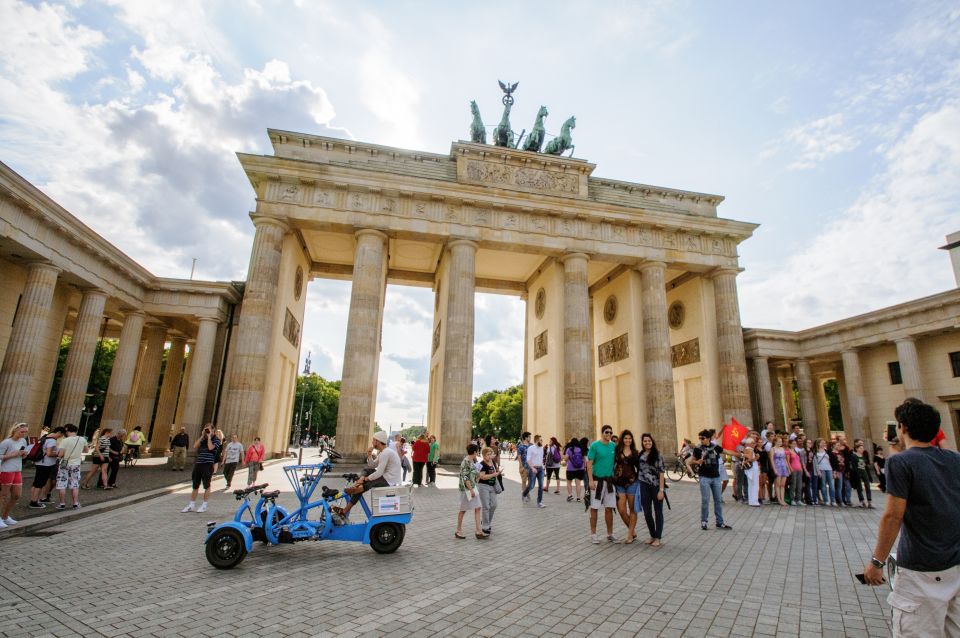
The tour begins outside Friedrichstraße train station, on the square beside the Traenenpalast (Palace of Tears), at Reichstagufer 17, 10117 Berlin. This is a smart place to start because it’s already tied to Berlin’s Cold War era—so you’re not just “arriving” in history, you’re stepping into it right away.
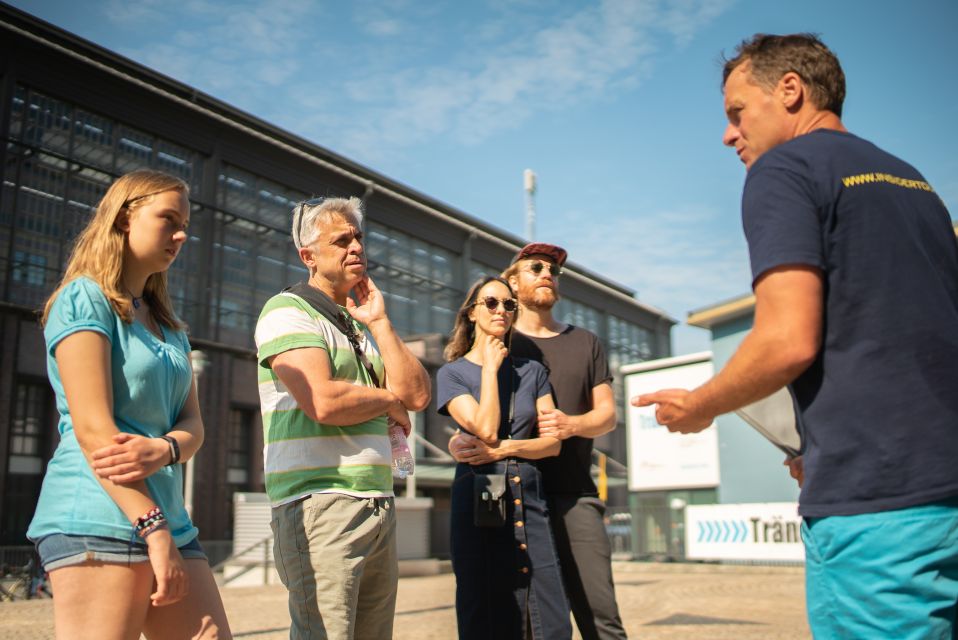
Look for the guides holding yellow umbrellas. That small detail matters. Berlin intersections can be chaotic, and you don’t want to spend your first 15 minutes hunting for your group. The tour ends back at the same meeting point, which keeps the logistics simple if you’re planning meals or museum time afterward.
If you pick the private option, there’s hotel pickup from your accommodation in Berlin. You wait in the hotel lobby about 5 minutes before pickup, and the guide will wear a yellow name tag so you can spot them easily.
You can also read our reviews of more walking tours in Berlin



Museum Island and Bebelplatz: the story behind the headlines
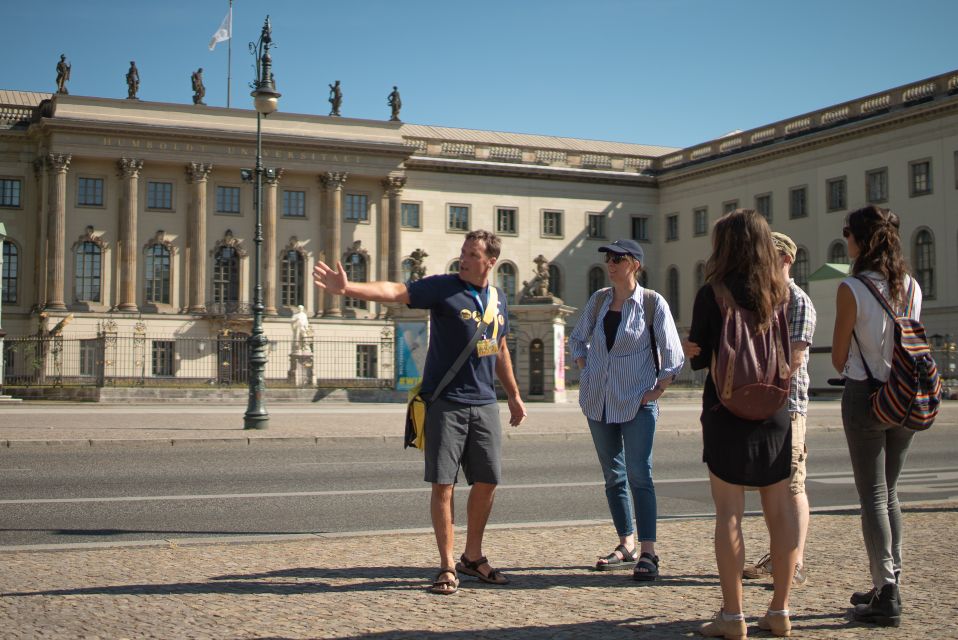
One of the best values of this tour is how it uses short stops to explain themes, not just landmarks. Early on, you’ll get guided time at Museum Island. Even if you’re not hopping between museums, the island sets the tone: Berlin as a city that shaped culture, learning, and public identity.
Then you’ll reach Bebelplatz, and this is where the tour makes a sharp turn into political history. This stop is tied to the site of Nazi book burning. That might sound like a grim detail, but it’s exactly the kind of place that makes Berlin’s 20th-century story feel real. The point isn’t to recite dates; it’s to understand how regimes used culture and fear to control people.
What to expect here: shorter guided segments and frequent orientation. The upside is that you won’t feel dragged through one long lecture. The drawback is that you’ll want to take photos and then do some follow-up reading if any of the themes grab you.
Gendarmenmarkt and the turn from beauty to ideology
Gendarmenmarkt is one of Berlin’s classic showpiece squares. It’s also useful for this tour because it shows a more formal, civic side of the city—before the route moves back into the high-stakes politics of the 20th century.
You get a guided walk through the area in about ten minutes. That’s a good pacing choice. In a short tour, you want a rhythm: quick context now, then deeper focus at the next historical anchor.
If you’re the kind of traveler who loves architecture, you’ll probably enjoy the contrast here. Berlin isn’t only memorials and checkpoints. It’s also the city that kept rebuilding, reshaping, and re-centering itself.
Checkpoint Charlie: where the Cold War became street-level
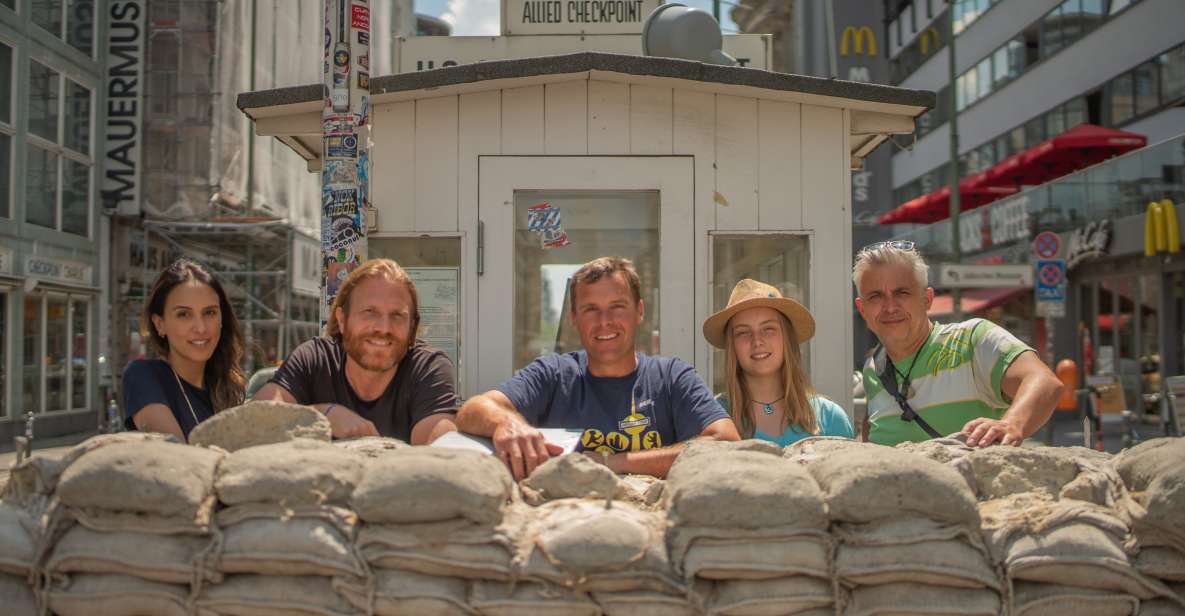
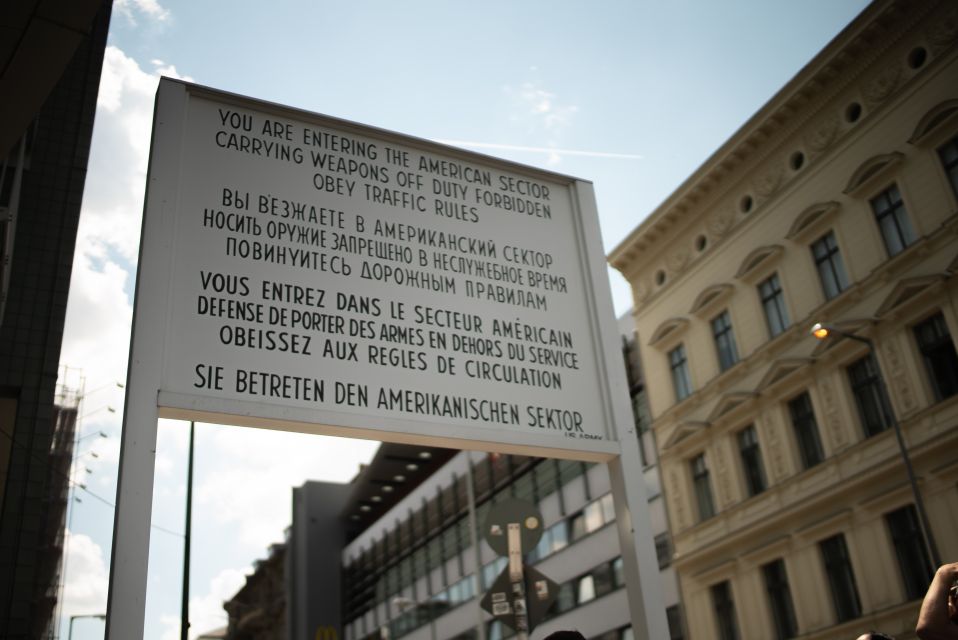
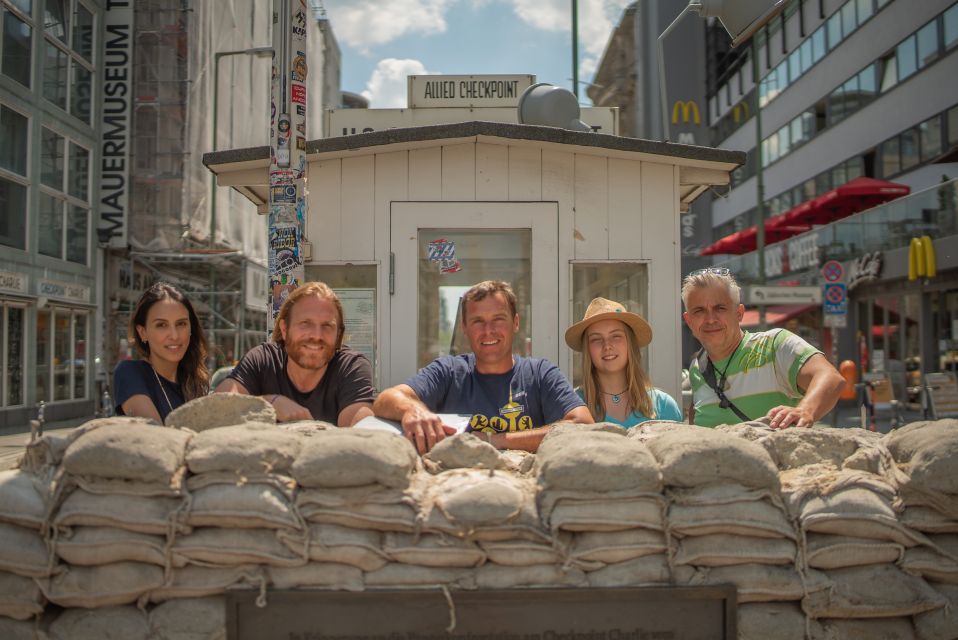
Next up is Checkpoint Charlie, with a photo stop and guided time. This part of the tour is where the Berlin Wall story becomes more than a symbol—it becomes geography, borders, and human risk.
The tour also references the surrounding context of Cold War espionage and points to the former SS and Gestapo headquarters area. That’s a big deal because it helps explain why the checkpoint mattered so much. It wasn’t only about crossing points. It was about power, surveillance, and the machinery behind repression.
Practical tip: plan to stand where your guide directs you for the best view for photos. Checkpoints are busy areas, and it helps to follow the guide’s positioning so you can hear the explanation and still get your pictures.
The Berlin Wall stop: close-up time at East vs West
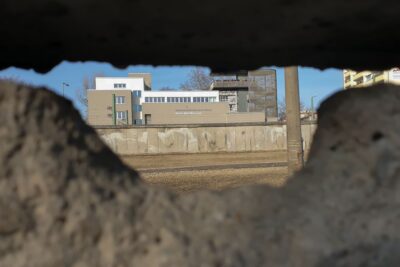
At the Berlin Wall photo stop, you’ll get guided context and time for close-up photos. The tour highlights include a chance to touch the Berlin Wall at this stop, which is one of those rare moments where history stops being abstract.
This is also where you’ll start to hear the tour’s central arc: Berlin went from being a city divided into two worlds, then grew into a united capital. In a walking tour format, this works because the route keeps you moving. You don’t just hear the story—you see the city blocks that carried it.
Be ready for a mix of feelings. Even when guides keep things clear and structured, the subject matter is emotionally charged. If you’re traveling with kids, it can still work well, but you’ll want to be mindful about how they process the darker parts.





Hitler’s bunker site: Death Strip context without the fantasy
The tour then moves into the Hitler’s bunker area, where you get a photo stop and guided time tied to the former Death Strip idea. The tour description frames this as time to stand and reflect on how the space functioned under Nazi rule and then in the shifting war context.
This isn’t a “thrill ride” stop. It’s designed to ground the timeline. What makes it valuable is that it connects the physical location to what that space meant for danger, control, and escape attempts—without turning it into spectacle.
If you’re a traveler who likes clear storytelling, this stop is often where guides shine because they can link nearby locations into one coherent narrative.
Holocaust Memorial: pause, respect, and let the meaning land
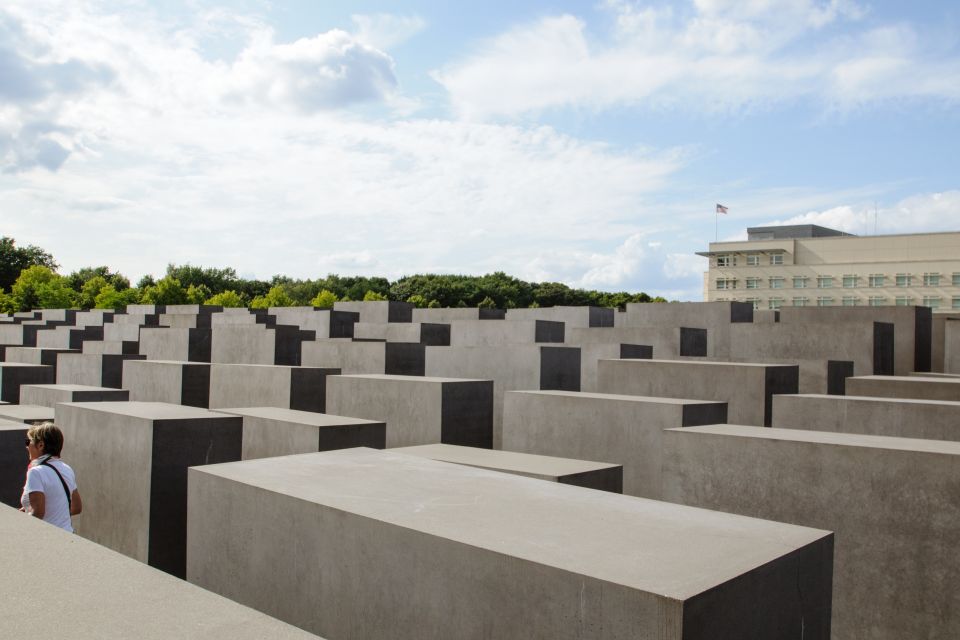
One of the most praised parts of the tour experience is the inclusion of the Memorial for the Murdered Jews of Europe (also called the Holocaust Memorial). You’ll have a photo stop plus guided time here.
This is not a stop that should be rushed. The design forces you to slow down, and the guided explanation helps you understand what you’re looking at. If you want your Berlin trip to go beyond surface-level sightseeing, this is the kind of stop that makes the whole route feel grounded.
Practical note: wear shoes you can stand in comfortably. You may not need to “walk a lot” within the memorial area, but you do need to be able to pause and remain upright for the guided segment.
Reichstag and the Brandenburg Gate: the political heart, seen from the street
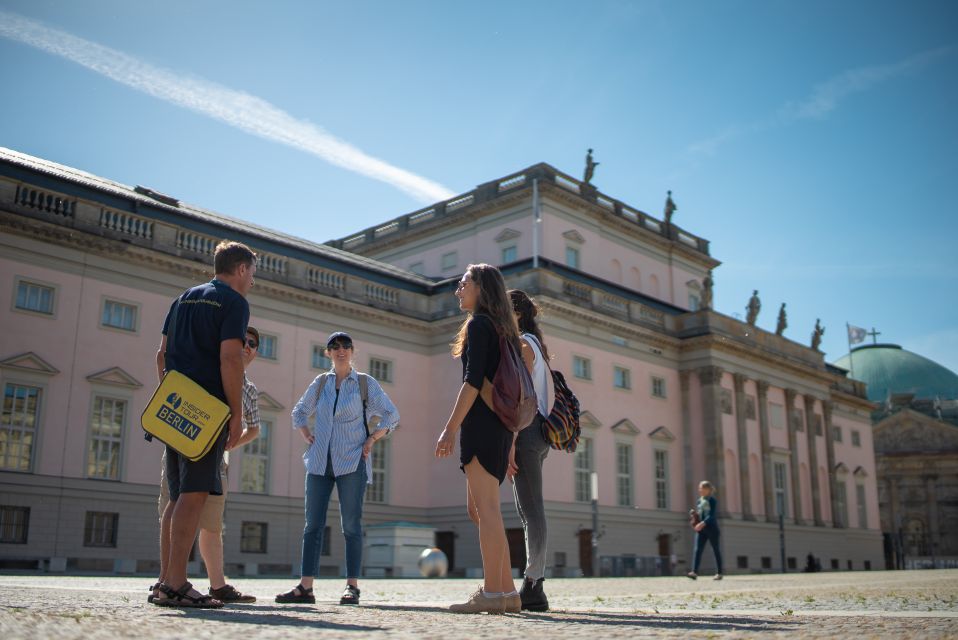
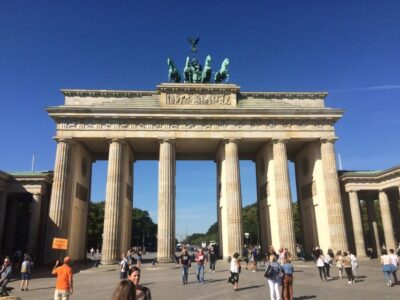
The tour ends with more official landmarks: Reichstag and then Brandenburg Gate. Both have photo stops and guided time.
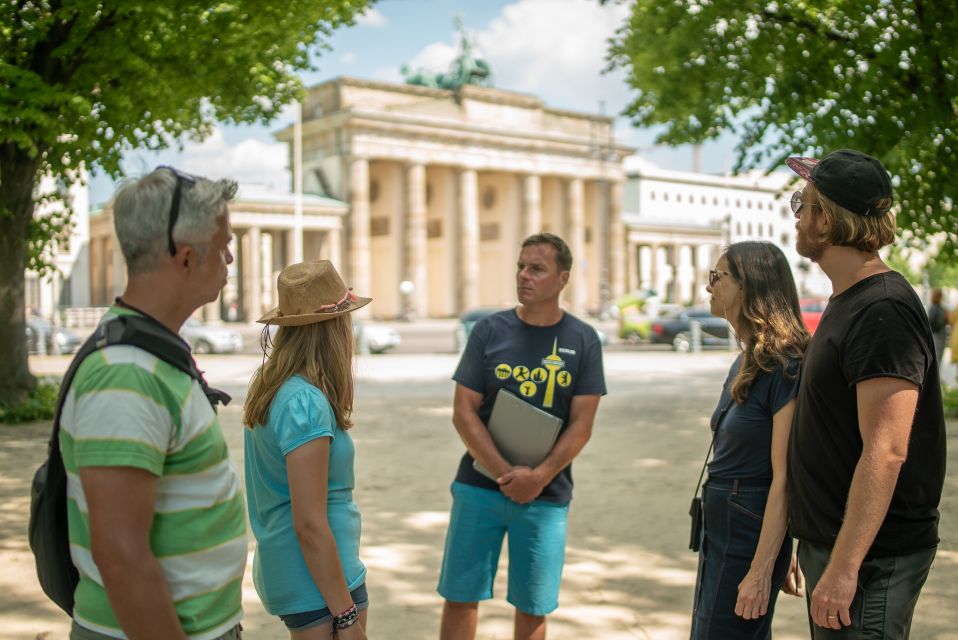
The Reichstag is the house of parliament, so you’ll get context for how Berlin’s political role evolved over time. The Brandenburg Gate is the other major anchor: it’s one of those icons that everyone recognizes, but it becomes much more meaningful when your guide ties it to division, reunification, and the city’s transformation.
This pairing works well at the end of a tour like this. You start with Berlin’s Cold War geography, move through repression and resistance locations, and then arrive at symbols of governance and national identity.
How the guides make or break the experience
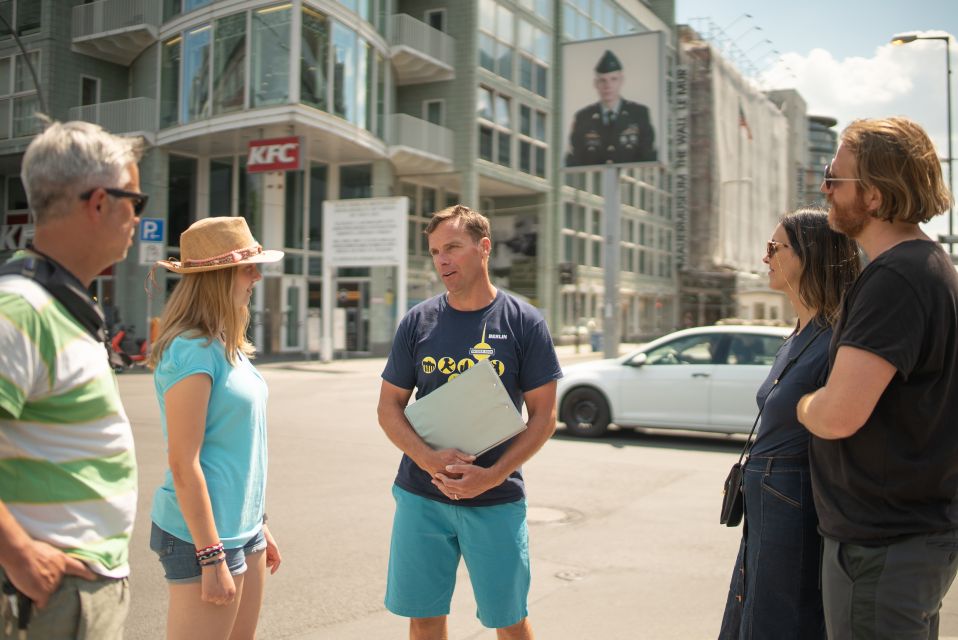
A walking tour is only as good as the guide’s ability to explain. This one is frequently praised for pacing and clarity, and the range of guide styles shows up in names like Maria, Hannah, Tina, Rohan, Eran, Ru, Daniel, and Xavier in past groups.
What you can reasonably expect from the best versions of this tour:
- Direct explanations tied to what you’re seeing in front of you
- A sense that the guide actually loves Berlin and can answer questions
- Humor used carefully, without flattening the darker parts
Even if your guide isn’t one of those specific names, the overall structure is built around short guided segments at each stop, so you’re not stuck listening for hours in one block.
Price and value: $17 for a full arc of Berlin’s 20th century
At $17 per person for about 3 hours, the pricing is a strong value—especially because you’re covering multiple major sights in one route with a live guide. You’re not just paying for narration at a single landmark; you’re paying for a guided connection between landmarks that are far more meaningful when placed in sequence.
Here’s the practical way to judge the value: if you’d otherwise try to self-guide and piece together the political timeline yourself, you’d spend time and mental energy just figuring out what connects to what. This tour gives you that chain of meaning in a fixed walking plan.
Is it perfect for everyone? Not if you want deep museum time or long stays at one site. But if you want a high-yield introduction to Berlin’s big story in one morning or afternoon, it’s hard to beat.
Who this tour suits best (and who should consider something else)
This walking tour is a great fit if:
- You want to see a concentrated set of Berlin’s iconic landmarks
- You’re interested in the Cold War, reunification, and the political consequences of ideology
- You want a guide to help you understand what you’re seeing, fast
You might want to consider another option if:
- You hate walking steadily for several blocks at a time
- You prefer lighter topics and don’t want emotionally serious stops (like the Holocaust Memorial) built into the route
- You plan to spend most of your trip in museums and need longer museum time
Either way, it can work well early in your trip, because it helps you orient yourself before you pick where to go next.
Should you book this Berlin walking tour?
Yes, if your goal is a smart, guided tour of Berlin’s most famous sights with context that makes the city’s story click. The route design is the selling point: Brandenburg Gate and Reichstag at the end, Holocaust Memorial and Berlin Wall in the middle, and Cold War checkpoints along the way. Add in the low cost for a live guide and the fact that it runs everyday rain or shine, and it’s a practical first-choice option.
Skip it only if you want a slower pace or a mostly “feel-good” sightseeing day. Berlin’s 20th-century story is serious, and this tour doesn’t dodge that.
FAQ
Where does the tour start?
Meet outside Friedrichstraße train station, on the square beside the Traenenpalast (Palace of Tears), at Reichstagufer 17, 10117 Berlin. Look for the guides holding yellow umbrellas.
How long is the tour?
The tour lasts 3 hours.
How much does it cost?
It costs $17 per person.
What sites are included on the route?
You’ll visit stops such as Museum Island, Bebelplatz, Gendarmenmarkt, Checkpoint Charlie, the Berlin Wall, Hitler’s Bunker (photo stop), the Holocaust Memorial, Reichstag, and Brandenburg Gate.
What languages is the guide available in?
The live tour guide is available in English, German, and Spanish.
Is the tour wheelchair accessible?
Yes, it’s listed as wheelchair accessible.
Is pickup from a hotel available?
Pickup is optional if you choose the private option. Your guide picks you up from your accommodation, and you should wait in the hotel lobby 5 minutes before the scheduled pickup time.
Does the tour run in bad weather?
Yes. The tour operates every day rain or shine.
What should I bring?
Bring comfortable shoes and a camera.
Can I cancel and get a refund?
Yes. There’s free cancellation up to 24 hours in advance for a full refund.