REVIEW · BERLIN
Berlin: Sachsenhausen Memorial 6-Hour Tour in Spanish
Book on GetYourGuide →Operated by cultourberlin by cultour-incoming · Bookable on GetYourGuide
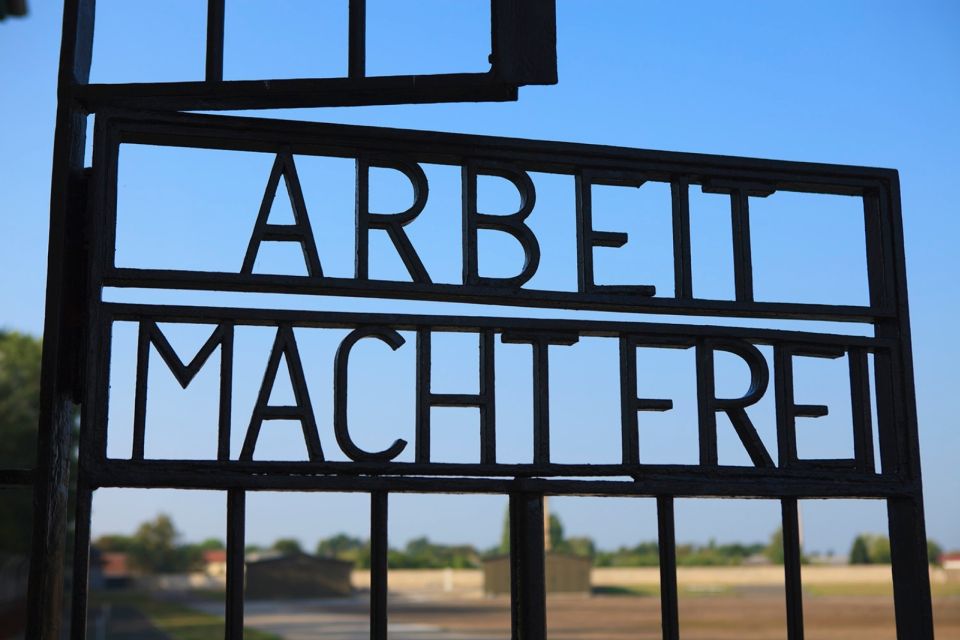
Berlin to Sachsenhausen is one of those trips that changes how you see the past. You’ll get a Spanish-speaking guide, a train ride north, and a careful walk through the National Memorial Sachsenhausen. The stop that stays with me most is Station Z, along with the chilling roll-call setup at the A Tower.
I like that the tour is structured around specific sites instead of general facts. You also get the chance to understand daily life and forced labor through explanations tied to what happened on the ground, including survivor accounts, photographs, and official documents.
A possible drawback: this is heavy history. Plan for an emotionally intense visit, and bring warm layers—cold wind is a real factor out there.
In This Review
- Key things to know before you go
- From Alexanderplatz to Sachsenhausen in 50 minutes
- The price makes sense for what you get (and what you don’t)
- A Tower: roll-call, control, and how the system worked
- Station Z: the chilling purpose built for killing
- Understanding camp life and forced labor (not just dates)
- The museum and exhibits: where the bigger picture clicks
- After Hitler: Sachsenhausen becomes part of the Soviet Gulag story
- The GDR memorial: seeing how memory was shaped after
- Practical tips that actually help on site
- Who this tour suits best
- Booking verdict: should you book this Sachsenhausen tour?
- FAQ
- How long is the Sachsenhausen memorial tour from Berlin?
- What language is the guide speaking?
- Where do I meet the group in Berlin?
- Is the public transport ticket included?
- What parts of the memorial are included?
- Is there a shop at Sachsenhausen?
- Is the tour wheelchair accessible?
Key things to know before you go
- Station Z: explained as a killing site added in 1942, with the idea of being quick and clinical
- A Tower roll-call area: learn how prisoners were counted and processed
- National Memorial Sachsenhausen: museum and exhibits help connect the whole system
- GDR memorial area: see how the story continued after Nazi Germany
- A 50-minute train ride from Berlin: you’ll need the right ticket zones to get there smoothly
From Alexanderplatz to Sachsenhausen in 50 minutes
This tour starts in central Berlin at Alexanderplatz, by the Fernsehturm—the TV tower that basically defines the skyline. You’ll find your group next to a green flag with the text tours en español, at the only entrance to the tower. The meeting area is between the TV station and the Alexanderplatz train station, near Espresso House.
Then you head north on public transport. The ride is about 50 minutes, which is long enough to get your bearings, but not so long that you feel stuck on the way. It also means you’re doing the practical part up front: get there, stay alert, and be ready to switch gears when the memorial begins.
One small but important planning note: you need a public transport ticket covering zones ABC. If you forget that detail, you’re the one dealing with it later. Also, the tour includes everything related to the memorial visit and guide time, but your transport ticket isn’t included.
You can also read our reviews of more tours and experiences in Berlin.


The price makes sense for what you get (and what you don’t)
This tour costs $41 per person for a 6-hour guided visit in Spanish. It includes the full Sachsenhausen tour with a Spanish-speaking guide, plus a €3 concentration camp foundation surcharge.
Is that good value? For Berlin, yes—because you’re paying for more than a bus ride. You’re getting an interpretation of specific locations like Station Z and the A Tower, plus museum and exhibit context. That kind of guided framing matters here, since the grounds are large and the history can feel overwhelming without help.
What’s not included is also clear: you’ll pay for the ABC public transport ticket yourself. And there’s another reality check: there’s no shop at Sachsenhausen, so you should bring snacks and drinks. That’s not glamorous advice, but it can make the difference between a calm visit and a distracted one.
A Tower: roll-call, control, and how the system worked
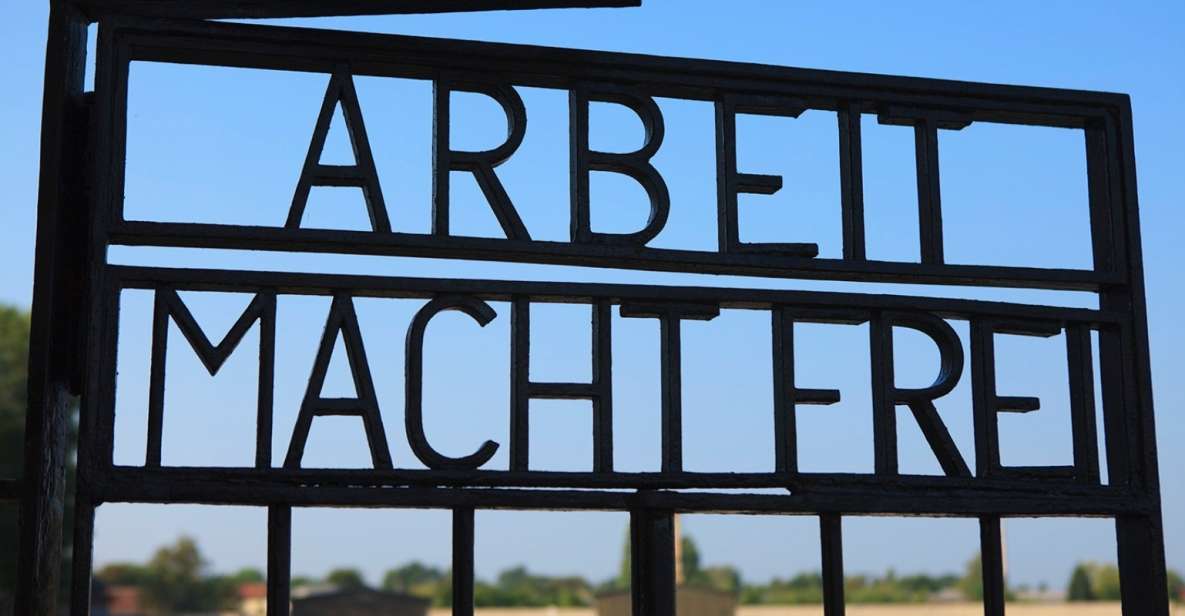
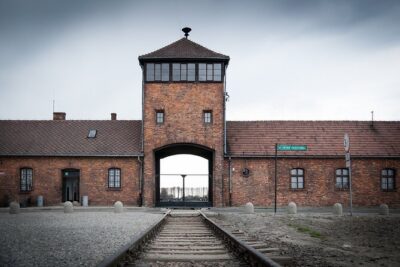
The A Tower is one of those places where the layout tells the story. The memorial explains it as the roll-call location of the camp. In plain terms, this is where the routine of control becomes visible in the space itself.
When you hear the explanation in Spanish and see the site, you get more than “facts.” You understand how the camp was organized to keep people under constant pressure. The tour doesn’t treat the camp as vague horror. It treats it as a mechanism: counting, positioning, processing, and enforcing.
This is also where the tour’s approach feels particularly helpful for first-time visitors. If you’re new to Germany and you don’t speak the local language well, having a guide who can walk you through the logic of the place is a big advantage. You’re not guessing what you’re looking at.
Just be ready for the emotional weight. The A Tower area isn’t designed to make you comfortable.
Station Z: the chilling purpose built for killing
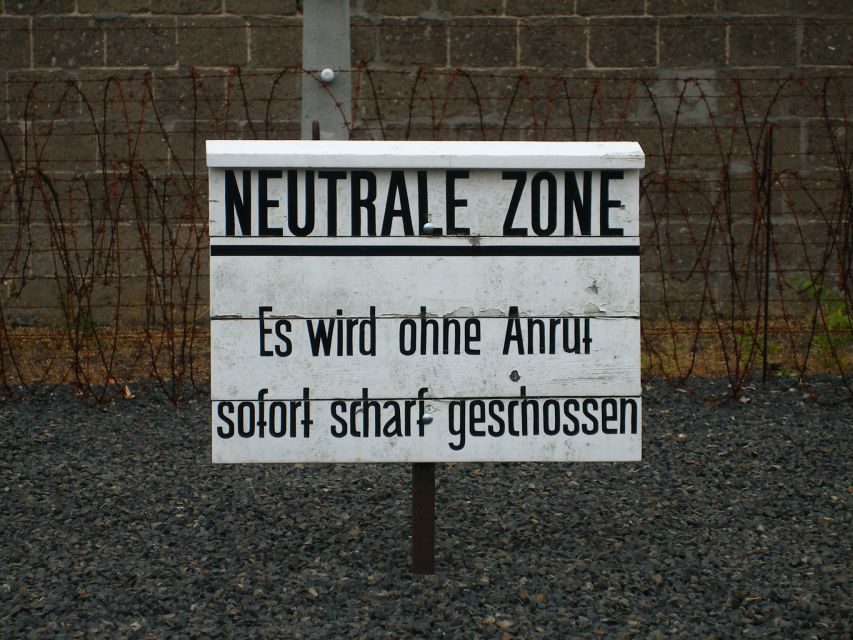
The site that many people remember most is Station Z. It was added in 1942 with the purpose of killing victims quickly and clinically. Even without extra graphic detail, the meaning lands hard because the explanation is direct and tied to why that area existed.
This stop is also where you’ll feel the difference between reading about atrocities and standing in a memorial space. The guide’s job is to connect the dots: what Station Z was, how it fit into camp operations, and how the Nazis tried to systematize murder.
If you’re the type who wants the “how and why,” this is your section. The tour helps you connect the broader concentration-camp system to a specific function on the ground.
Understanding camp life and forced labor (not just dates)
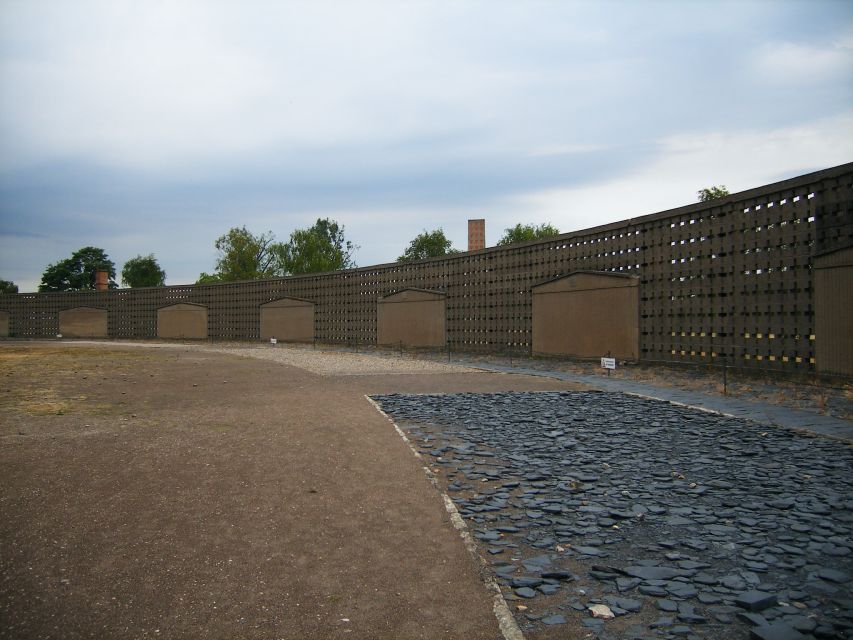
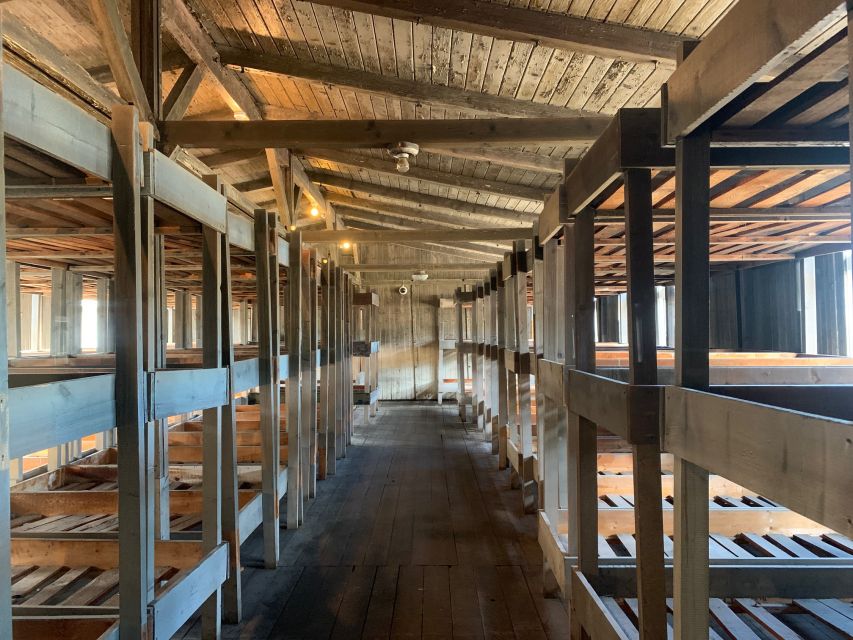
Sachsenhausen isn’t presented as a list of events. You’ll hear about the camp’s origins, what life could have been like inside, and the type of work prisoners were forced to do. The guide uses personal accounts, photographs, and official documents to build a picture that’s grounded rather than abstract.
This is valuable because the camp system wasn’t only about imprisonment. It was also about labor, administration, and exploitation. The memorial’s interpretation helps you understand how prisoners were used, controlled, and moved through a wider network.
You’ll also learn why Sachsenhausen mattered within the Nazi world. It was intended as a model camp and the center for administration of other Nazi concentration camps. More than 200,000 people passed through, and at least 50,000 died. Those numbers are hard, but the tour’s explanation helps them feel real rather than floating.


The museum and exhibits: where the bigger picture clicks
After the standout sites, the tour includes time in the museum and exhibits. This is where your visit stops being only about what you see outdoors and starts connecting to context: the camp’s role over time, how the machinery worked, and how the story is documented.
For me, museums like this are where you get the “okay, now I understand what I just saw.” The outdoor spaces can be powerful, but the exhibits help you interpret them correctly. You’ll come away knowing you’re not just touring ruins—you’re learning from a preserved record.
If you’re the kind of person who reads slowly and wants meaning, the museum portion is where you’ll appreciate having a guide. A Spanish-speaking guide can also be a stress reliever if Spanish is your comfort language and you don’t want to fight through translation on your own.
After Hitler: Sachsenhausen becomes part of the Soviet Gulag story
Sachsenhausen has layers. After the fall of Hitler, the Soviets transformed the camp into a gulag for their own prisoners. That shift matters, and the tour treats it as part of the memorial’s educational mission.
This is also where the tour helps you avoid a common mistake: thinking the story ends with the Nazis. The camp’s history did not end immediately after World War II. It was repurposed, and the memorial experience reflects that continuity.
If you’re curious how power changes hands and places continue to be used, this section gives you the answer without turning it into generic political talk.
The GDR memorial: seeing how memory was shaped after
One of the highlights includes visiting the GDR memorial. This is important because it shows how the place became part of later remembrance and interpretation, not just immediate postwar history.
Even if you know the broad facts, the GDR memorial helps you understand that memorial sites are not frozen in time. They’re shaped by the eras that maintain them. The tour’s inclusion of this area gives you a fuller picture of how the meaning of Sachsenhausen evolved and how it has been presented as a learning space.
Practical tips that actually help on site
Here’s what I’d do if you’re planning this day trip and want it to feel manageable.
Dress for wind and cold. One guide-led visit I saw described a truly harsh day—cold wind included—and it made the setting feel even more real. Layers win.
Bring snacks and water. There’s no shop at Sachsenhausen. The tour lasts six hours, and you don’t want to lose momentum because you’re hungry or thirsty.
Use the right transport ticket. You need a ticket covering zones ABC. It’s a small line on paper, but it’s the difference between smooth travel and last-minute stress.
Expect Spanish throughout. The tour is Spanish-only with a live guide. If your Spanish is basic, you’ll still get a lot from the site explanations, but plan on listening more than guessing.
Who this tour suits best
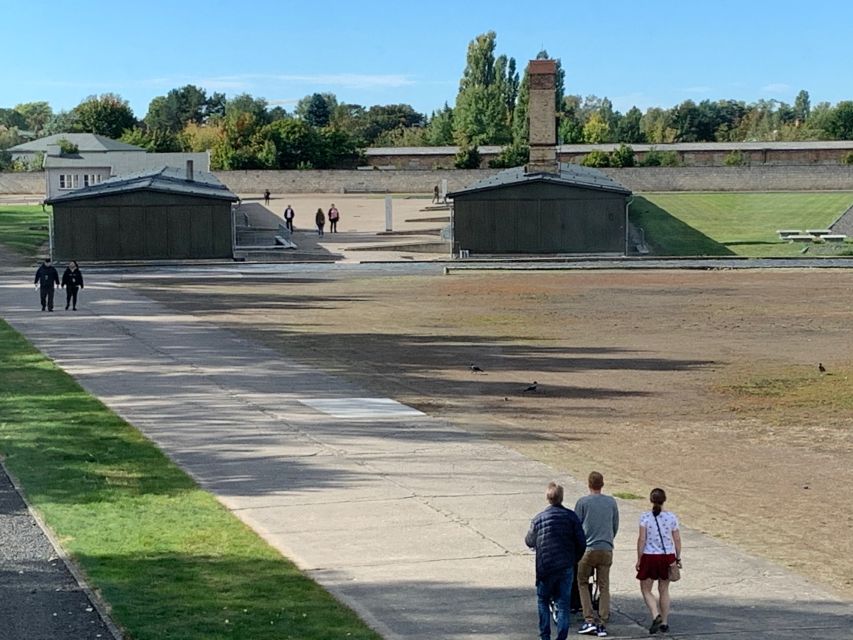
This experience is a strong match if:
- You want a guided visit that points you to major locations like Station Z and the A Tower
- You prefer learning in Spanish rather than relying on translation on the go
- You want context that connects camp operations, forced labor, documentation, and memory over time
- You like structured tours that reduce the guesswork on a large memorial site
It may be less ideal if:
- You’re looking for a light, casual day with cheerful viewpoints
- You want a self-guided pace without a guide’s interpretation
- Spanish is not comfortable enough for you to follow the explanations
Booking verdict: should you book this Sachsenhausen tour?
I’d book it if your priority is clarity—seeing the key sites and getting guided interpretation in Spanish. The focus on Station Z, the A Tower, the museum/exhibits, and the GDR memorial gives you a well-rounded memorial visit in one package. The price also feels fair for a full guided day trip that includes the Sachsenhausen foundation surcharge.
Skip it only if you’re not ready for a serious, emotionally heavy experience or if you need language support beyond Spanish.
FAQ
How long is the Sachsenhausen memorial tour from Berlin?
The tour lasts 6 hours.
What language is the guide speaking?
The tour is in Spanish with a live guide.
Where do I meet the group in Berlin?
Meet at Alexanderplatz near the Fernsehturm (TV tower). Look for the green flag that says tours en español, beside the only entrance to the TV tower, between the tower and Alexanderplatz station, near Espresso House.
Is the public transport ticket included?
No. You need to bring a public transport ticket covering zones ABC.
What parts of the memorial are included?
The tour includes major areas such as the A Tower and Station Z, along with visits to the National Memorial Sachsenhausen, the museum, exhibits, and the GDR memorial area.
Is there a shop at Sachsenhausen?
It’s advisable to bring snacks and drinks because there is no shop at Sachsenhausen.
Is the tour wheelchair accessible?
Yes, the tour is wheelchair accessible.