REVIEW · BERLIN
Berlin Wall: Small Group Guided Tour
Book on GetYourGuide →Operated by BBT-Sightseeing & More · Bookable on GetYourGuide
The Berlin Wall still writes on your feet. This small-group walk follows the former border line through today’s Berlin, starting at Bornholmer Straße and working you toward the wall memorials and beyond. You’ll hear how families lived next to the barrier, not just the official dates and headlines.
I love how the tour turns big events into street-level moments. You’ll track the former death-strip and the famous row of cherry trees, plus you’ll walk the well-known Ulbrichtkurve line and see where the wall’s path forced odd angles in the city. One consideration: it’s a 2.5-hour, all-weather walking tour in German, so plan for steady walking and bring warm layers in cold months.
In This Review
- Key highlights you should notice
- Starting at Bornholmer Straße: where the first meetings happened
- Following the death-strip traces and cherry trees
- Walking Ulbrichtkurve: seeing how the wall shaped the city
- Bornholmer Straße to Bernauerstraße: memorials that don’t act silent
- Over Schwedter Steg near Mauerpark: memory meets everyday Berlin
- Gleim Tunnel: where the party energy has a past
- Ending near Nordbahnhof: a ghost-station finish that sticks
- Guide experience and the small-group advantage
- Price and value: is $24 for 2.5 hours a fair deal?
- Who should book this Berlin Wall tour (and who might skip it)
- Should you book this Berlin Wall guided tour?
- FAQ
- FAQ
- How long is the Berlin Wall small-group guided tour?
- How much does the tour cost?
- What group size should I expect?
- Where do I meet the guide?
- What language is the guide?
- Does the tour run in rain?
- Is food or drink included?
- What stops are featured on the route?
- What if I need to cancel?
Key highlights you should notice
- Bornholmer Straße border crossing: the place where East and West met when the wall fell
- Cherry trees along the former death-strip: a strange, living reminder of the barrier’s edge
- Ulbrichtkurve: a recognizable bend that helps you “see” the wall’s logic
- Schwedter Steg near Mauerpark: a bridge crossing the memory line into today’s neighborhood life
- Gleim Tunnel: a stop tied to an annual party culture that keeps the space from feeling frozen
Starting at Bornholmer Straße: where the first meetings happened
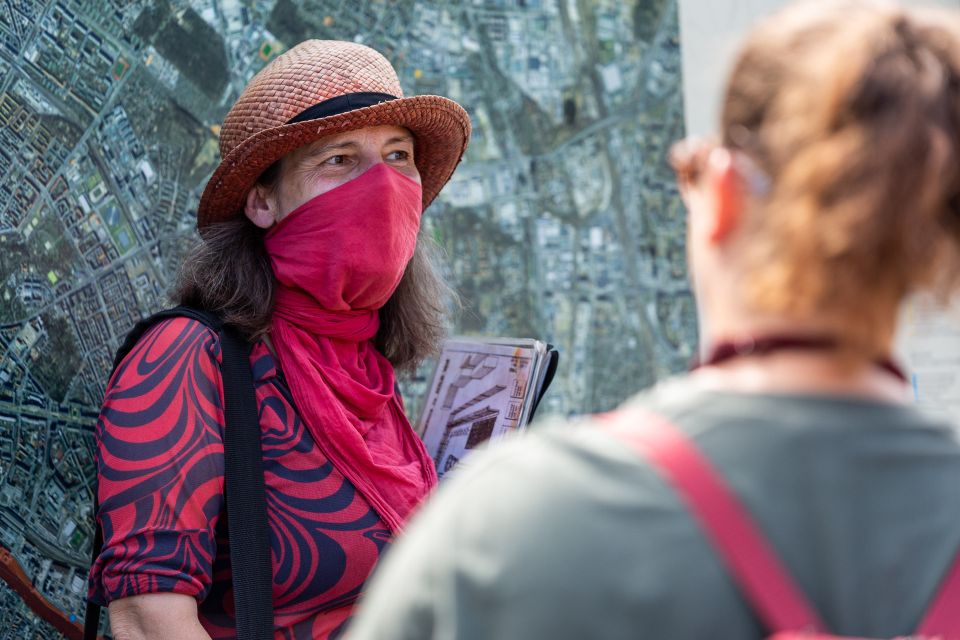
Your tour begins at the Berlin Bike Tours office, with easy public-transport access (you’re about a minute on foot from tram-stop Björnsonstraße, and roughly 2 minutes from S-Bahn Bornholmer Straße). That matters because Berlin can be a puzzle, and this start point helps you get oriented fast.
Bornholmer Straße is more than a backdrop. It’s tied to the day the wall fell and to the moment when people from East and West found a way to meet in the open. The tour sets the tone here: the Berlin Wall wasn’t only a wall. It was a system that controlled movement, family life, and everyday choices.
If you like your history tied to specific streets, you’ll appreciate this opening. You’re not staring at a museum label first—you’re learning how this specific place changed what people could do.
You can also read our reviews of more guided tours in Berlin



Following the death-strip traces and cherry trees
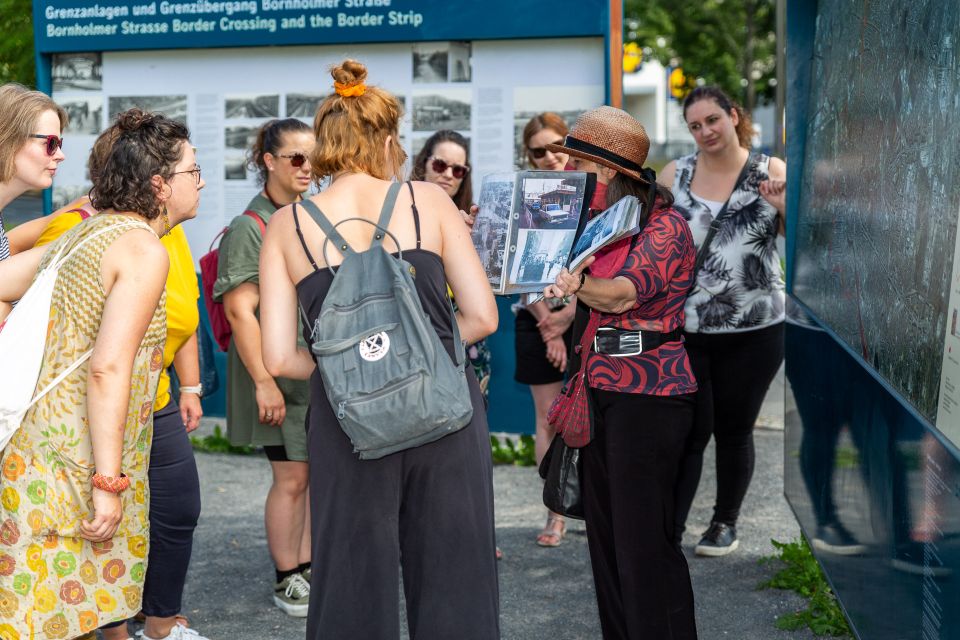
The core of the walk is the former death-strip area—plus the traces that remain. Some of what you’ll see isn’t instantly obvious, and that’s the point. A guide helps you recognize subtle indicators of where the wall and related border structures sat, so your eyes start working like a local map.
One of the most memorable visual elements on this route is the cherry-tree story. The tour explains why cherry trees grew along the length of the wall and what that meant in daily terms. It’s a detail that sounds odd at first, then lands hard: nature showing up in a place designed for control and fear.
You’ll also learn how traces are being documented. That’s useful because Berlin’s wall story is not one single surviving wall section. It’s a network of remnants, marked lines, and careful preservation choices. This is how a city keeps memory readable as it changes.
Tip for your photo brain: when you see gaps, slight alignments, or odd-looking edges in the street scene, slow down. The tour trains you to look for patterns, not just monuments.
Walking Ulbrichtkurve: seeing how the wall shaped the city
At some point, you’ll walk the Ulbrichtkurve—one of the well-known bends associated with the wall’s course. This stretch is valuable because it teaches you something you can’t get from a straight-line map: the wall didn’t always run like a neat line. It followed real-world constraints and decisions, including where it could control space.
Standing where the wall curved, you start to understand why neighborhoods feel different on opposite sides. Even if you know the wall existed, the bend makes it feel physical again—like it was built to manage sightlines and movement, not just to make a border.
I like that this tour doesn’t treat these features like random trivia. You’re walking a route that explains why Berlin developed the shapes it did, and why the city’s grid can feel a little off once you know what happened underneath.
Bornholmer Straße to Bernauerstraße: memorials that don’t act silent
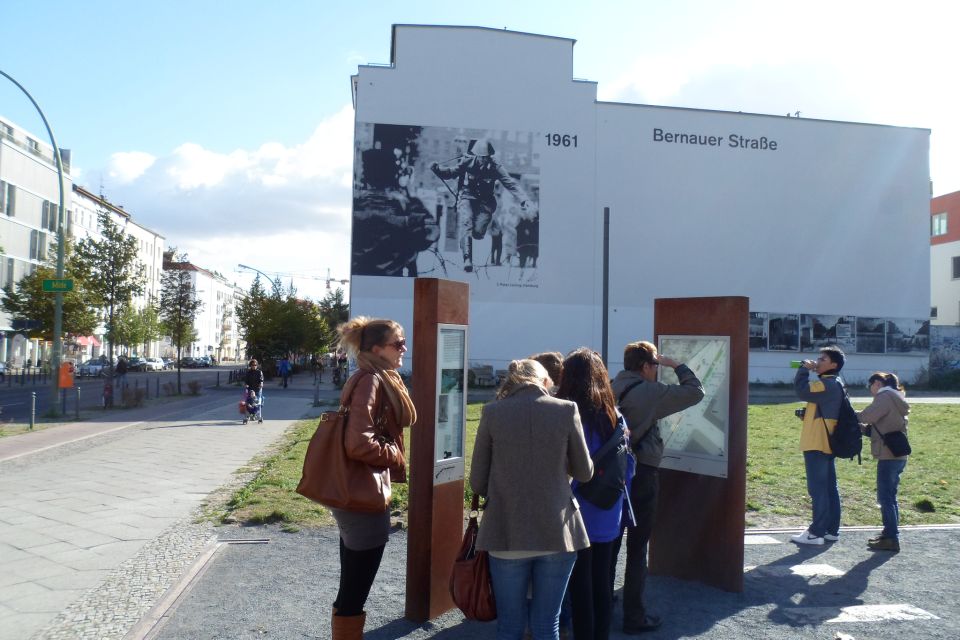
As the walk heads toward the wall memorial areas, you’ll see how remembrance works in Berlin—through sites, markers, and routes that force you to keep moving. A lot of the emotional weight comes from the guide’s approach: they talk about separation from the perspective of real families, not just policy.
In at least some departures, guides use their own lived context to bring the route alive. Names that show up in reported experiences include Marcus, Steffen, Katrine, and Markos, and the common thread is how they connect the wall’s lines to daily life under the system. If you’re hoping to ask questions, this small-group setup helps a lot.
One drawback to know up front: this is a walking tour of former border space. Some people expect dramatic wall sections at every turn, but Berlin mostly gives you traces and memorial space. That’s normal here. If you want heavy “brick-and-mortar” wall viewing the whole time, you may feel the pace is more interpretive than scenic.
Over Schwedter Steg near Mauerpark: memory meets everyday Berlin
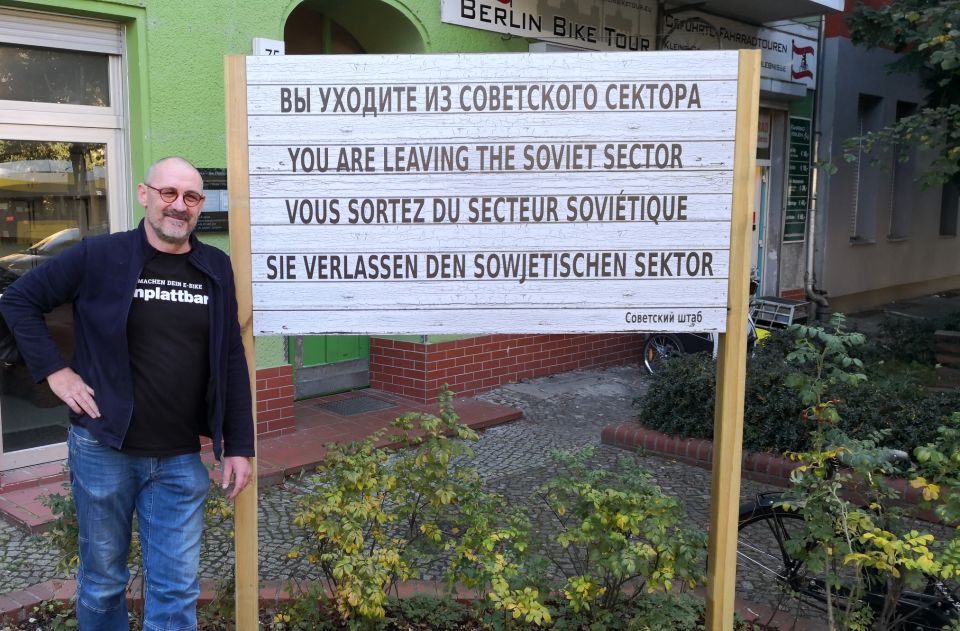
A standout highlight is the walk over Schwedter Steg Bridge near Mauerpark. This is where the tour’s present-day viewpoint clicks. You cross a piece of infrastructure near a lively area, and you can see how quickly Berlin’s social life took over the ground once the border restrictions disappeared.
Mauerpark itself is now one of the city’s cultural and social centers. The tour uses that contrast to help you understand what changed after the wall stopped. It’s not just about loss. It’s also about how public space gets repurposed once people can move freely again.
You may get a chance to pause and grab coffee along the way. Food and drink aren’t included in the tour price, so treat this as optional time to refuel rather than a planned stop.
If you’re traveling with someone who worries that wall tours will feel too heavy, this bridge-and-park section is a good pressure release. It gives you a place to breathe while keeping the lesson anchored.



Gleim Tunnel: where the party energy has a past
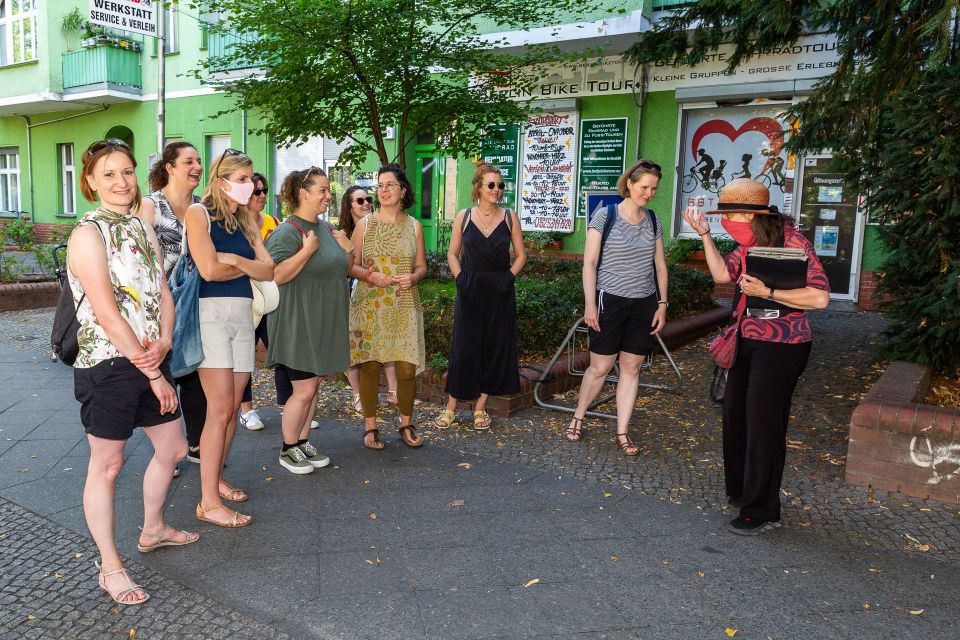
The Gleim Tunnel is one of the route highlights and it’s genuinely striking. The tour points out that a huge party takes place there every year. That fact does two things at once: it shows how Berlin repurposes spaces, and it reminds you that the city built its culture on top of the old systems people tried to escape.
Even if you don’t know the full details of the event, the stop gives you a clearer sense of why wall sites can’t only be about sorrow. Berlin’s recovery is part of the story too, and tunnels like this show how movement and gathering can flip meaning over time.
This is also a good segment for asking questions. The tunnel stop tends to spark practical curiosity: how did the border area work here, and what kinds of routes did people take to navigate it? With a group capped at 12 people, your guide can handle more back-and-forth than you’d get on larger bus tours.
Ending near Nordbahnhof: a ghost-station finish that sticks
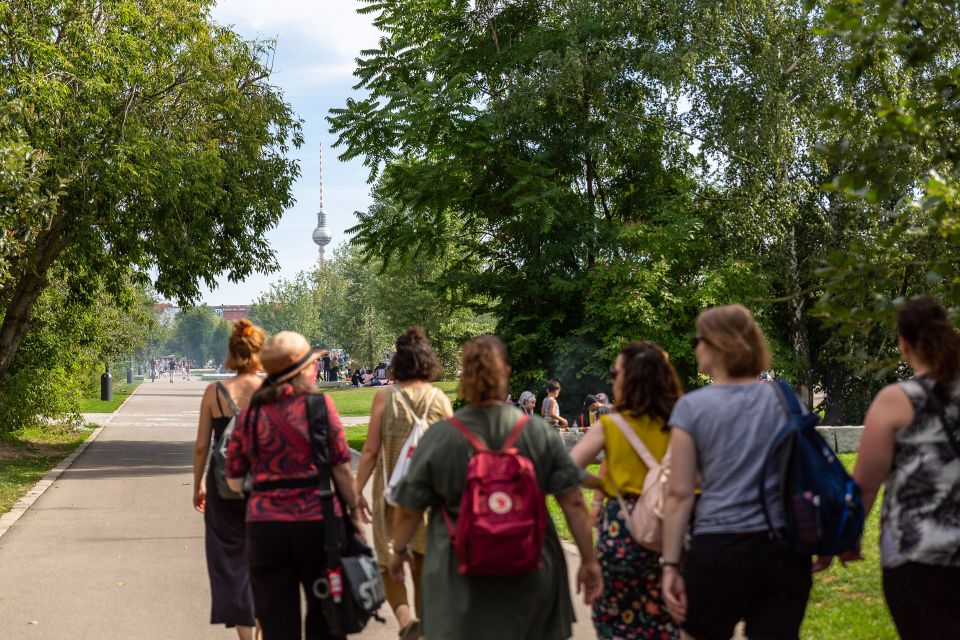
Near the end, the tour heads to Nordbahnhof, a former ghost station, where the walk concludes. A ghost station is one of those Berlin terms that sounds poetic until you realize what it implies: platforms and spaces that once existed in a controlled, restricted framework.
This finish works well because it closes the loop between geography and human impact. You’ve tracked border movement through famous crossings and memorial areas, and then you land on a site type that symbolizes what the system did to daily routines.
The activity is listed as ending back at the meeting point, but the walk itself is described as finishing at Nordbahnhof. Either way, you’ll have an easier time planning your next leg of the day if you treat the final area as where you rejoin the city’s normal routes.
Guide experience and the small-group advantage
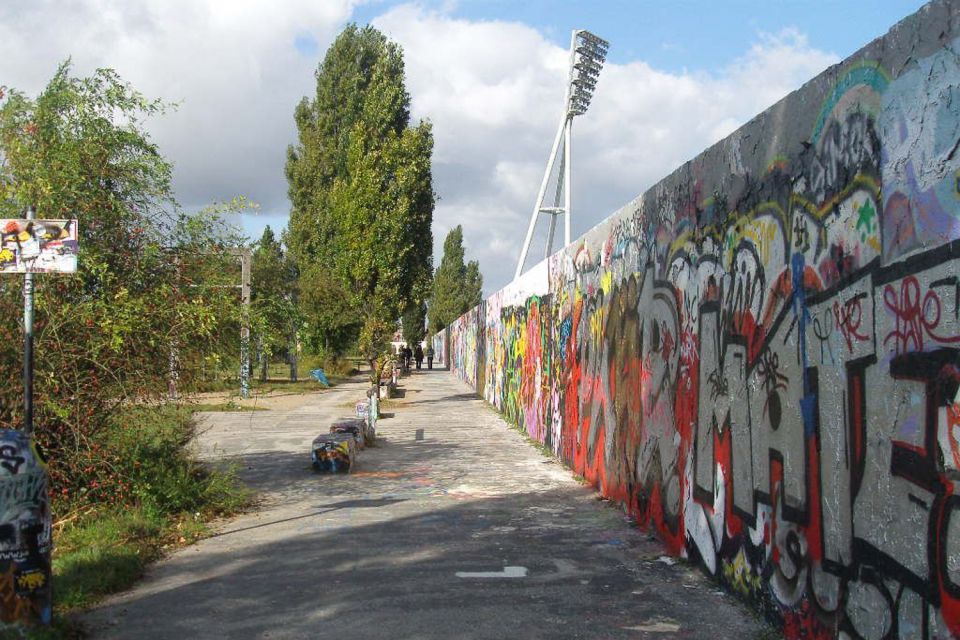
One of the strongest reasons to book this tour is the format: maximum group size of 12. That doesn’t just make it comfortable. It makes the tour more interactive, especially if you care about how the wall affected ordinary decisions like where to live, how to visit relatives, and what happened when people were cut off.
Reported experiences mention guides who keep questions flowing. Marcus is one example, with stories and personal context tied to the route. Other guides named include Katri(ne), Steffen, and Markos, and the consistent theme is a guide who can explain without turning it into a lecture.
Also, the guide language is German. If you don’t read German, plan for a learning experience that’s more about understanding through pace and interpretation than following every word. The good news: the places you visit are visual and the route is designed to make the story coherent even if your German is basic.
Price and value: is $24 for 2.5 hours a fair deal?
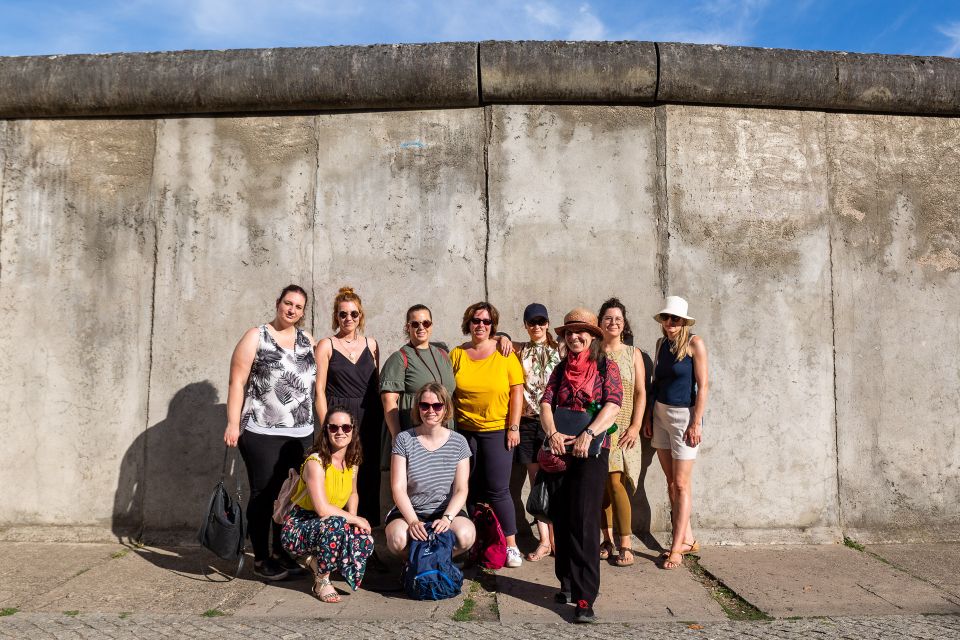
At $24 per person for a 2.5-hour, guided, wall-focused walk, I’d call this one of the more approachable price points for a specialized topic tour. You’re paying for a human guide and a route that hits multiple named features: Bornholmer Straße, Ulbrichtkurve, Schwedter Steg near Mauerpark, and the Gleim Tunnel stop.
Here’s the practical value math I’d use:
- You get a guided route with multiple specific stops tied to the wall line
- You get rain ponchos if needed, which saves you from last-minute shopping
- Food and drink aren’t included, so you should budget for a coffee stop if you want one
The tour also notes that it takes place in all weathers. That reduces the chance your experience gets shortened because of rain.
If your goal is to see the wall story in a single sitting without spending half a day piecing together sites yourself, this price can make sense.
Who should book this Berlin Wall tour (and who might skip it)
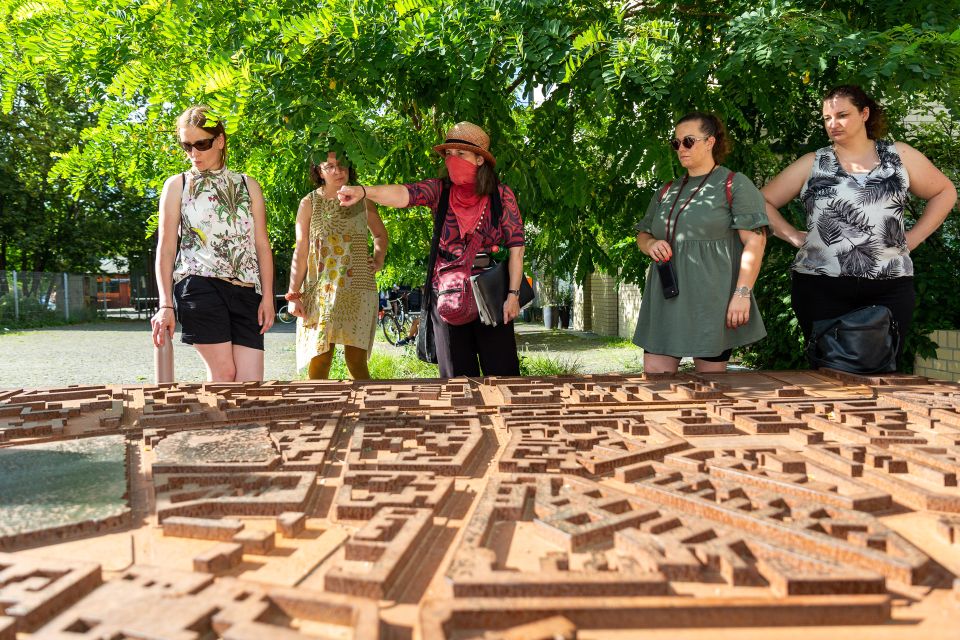
This is a strong choice if:
- you want a guided way to understand the wall’s layout and why certain bends and areas mattered
- you like small groups where you can ask questions
- you’re comfortable walking for about 2.5 hours
Skip or reconsider if:
- you want heavy wall photography the whole time, not traces and memorial areas
- you’re not comfortable with a German-led tour and want constant English narration
- you hate cold, because it runs in all weathers and you’ll be outside most of the time
For couples, this kind of walk also works well. The route is structured enough that you’ll feel oriented by the end, and the story focus makes it easier to talk about what you’re seeing.
Should you book this Berlin Wall guided tour?
Yes, if you want one well-planned walk that connects key Berlin Wall spots into a single story. The small-group size, the specific route elements (Bornholmer Straße, death-strip traces, Ulbrichtkurve, Schwedter Steg/Mauerpark, Gleim Tunnel, Nordbahnhof), and the way the guide turns sites into lived context are the big wins.
I’d book especially if you care about getting the “how did this work day to day” answer. The tour is made for that. Just go in knowing it’s an interpretation-focused walk where traces and memorials do much of the heavy lifting.
FAQ
FAQ
How long is the Berlin Wall small-group guided tour?
The tour lasts about 2.5 hours.
How much does the tour cost?
The price is $24 per person.
What group size should I expect?
The tour is a small group with a maximum of 12 people.
Where do I meet the guide?
Meet your guide at the Berlin Bike Tours office.
What language is the guide?
The live tour guide speaks German.
Does the tour run in rain?
Yes, it runs in all weathers, and rain ponchos are provided if necessary.
Is food or drink included?
No, food and drink are not included.
What stops are featured on the route?
You’ll see the border crossing at Bornholmer Straße, the cherry trees along the former death-strip, the Ulbrichtkurve, the Schwedter Steg Bridge near Mauerpark, and the Gleim Tunnel.
What if I need to cancel?
You can cancel up to 24 hours in advance for a full refund. For tours with groups of three or more persons, the cancellation deadline is 3 days before the scheduled tour. The operator also requires a minimum of 2 participants and may cancel short notice if the minimum isn’t reached.