REVIEW · BERLIN
Berlin: Sights and Highlights Bike Tour with a Local Guide
Book on GetYourGuide →Operated by Berlin on Bike BoB Fahrradtouren GmbH · Bookable on GetYourGuide
Pedal past Berlin’s biggest stories on two wheels. I love how you can cover signature spots like Brandenburg Gate and the Berlin Wall in just a few hours, without the stop-and-go hassle of public transit. I also love the way the guide ties scenes together, so you understand what you’re looking at instead of just collecting landmarks.
You’ll start in Prenzlauer Berg at the restored Kulturbrauerei, then glide through major government and central-city areas at a relaxed pace. The bikes come sorted for you, with a basket for light bags and helpful extras like sunscreen and clips for your trouser cuffs.
One thing to consider: this is a real bike ride in real Berlin traffic. You’ll need to judge road crossings and lights yourself, even though the guide keeps the group together and waits when needed.
In This Review
- Key things I’d aim to catch on this tour
- Why this 3-hour Berlin bike tour feels like a smart first day
- Starting in Prenzlauer Berg at Kulturbrauerei
- How the Government District changes the feel of the ride
- Berlin Central Station and the Brandenburg Gate corridor
- The Holocaust Memorial: where the tour turns serious
- Passing the Berlin Wall: street-level history you can feel
- Museum Island and Gendarmenmarkt: culture on the route
- What you actually get for $41: bikes and practical extras
- Pace, safety, and group size: what you’re signing up for
- Who should book this tour (and who might skip it)
- Should you book this Berlin Sights and Highlights Bike Tour?
- FAQ
- How long is the Berlin Sights and Highlights Bike Tour?
- How many people are in the group?
- Where does the tour start?
- Are bikes provided, and do I get safety gear?
- What sights are included?
- Which languages are the guides?
- Is food included?
- Is alcohol allowed on the tour?
- What if the weather is bad?
Key things I’d aim to catch on this tour
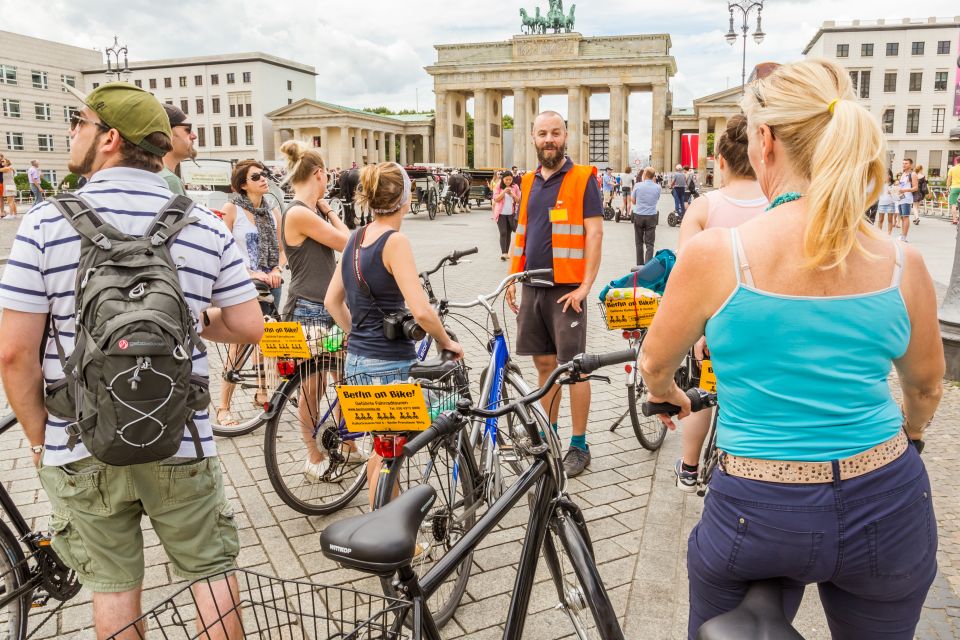
- Prenzlauer Berg start at Kulturbrauerei gives you a stylish warm-up before the big sights
- Small group (max 15) keeps the pace comfortable and the explanations easy to hear
- Government District + Reichstag area puts modern Germany’s power centers into context
- Holocaust Memorial stop slows things down for reflection, not photo ops
- Museum Island and Gendarmenmarkt pass-by links Berlin’s cultural identity to what’s outside the museums
- Berlin Wall viewpoints show how the city changed after 1989, from the street level
Why this 3-hour Berlin bike tour feels like a smart first day
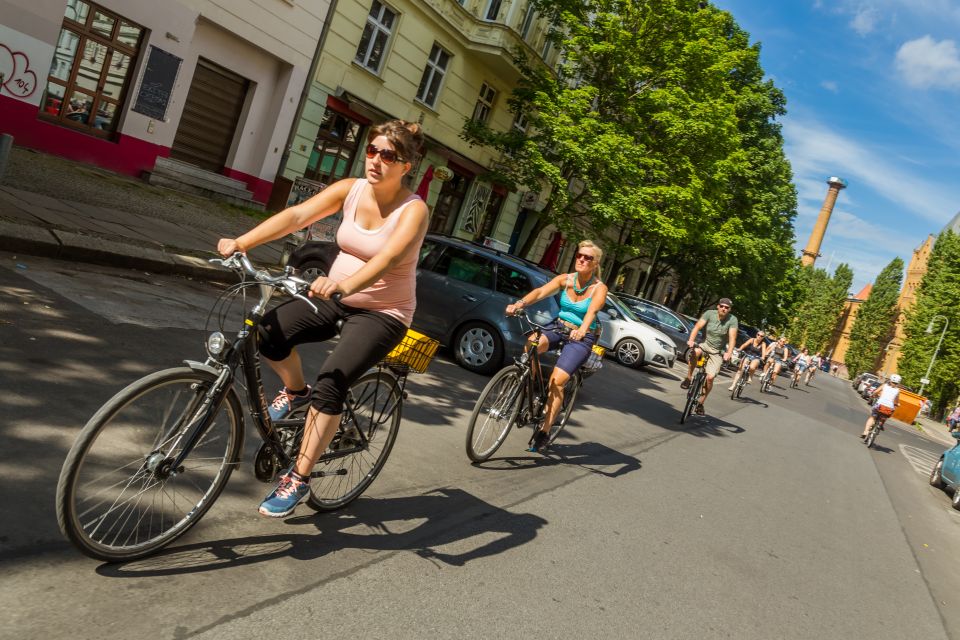
Berlin can overwhelm you fast. There are whole neighborhoods, multiple eras, and monuments that look similar until someone explains the details. This tour is built for orientation: in about 3 hours (210 minutes), you get a compact circuit of the city’s most recognizable sights plus a few less-obvious stops.
The bike format matters. On foot, you’d spend too much time walking between areas. On a bike, you keep moving and still get regular stops for stories. It’s also a good way to see Berlin in daylight without committing to a half-day museum plan you can’t undo.
At $41 per person, the value is in the combination: a guided route, a reliable rental bike, and safety-friendly extras. When your time is limited, paying for direction and context usually beats spending your first hours wandering and guessing.
You can also read our reviews of more cycling tours in Berlin

Starting in Prenzlauer Berg at Kulturbrauerei
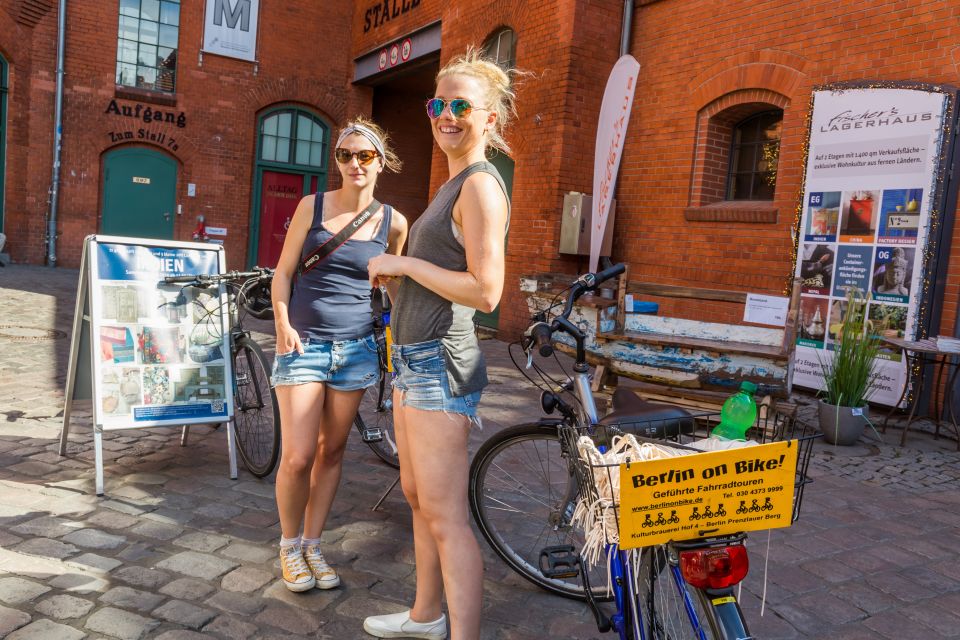
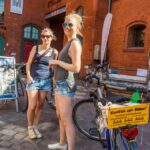
Your ride kicks off at the restored Kulturbrauerei in trendy Prenzlauer Berg. That matters because it sets the tone. You’re not starting at a single monumental square where everyone funnels in. Instead, you get a neighborhood feel right away—streets, buildings, and local rhythm—before you roll toward Berlin’s major institutions.
Prenzlauer Berg also works as a “warm-up zone.” You’ll find the pace stays relaxed from the start, and you’ll have time to settle into the bike before the route hits the more significant political and memorial stops.
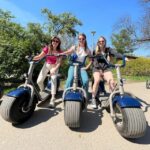
If you’re picky about bike fit, you’ll like this setup. The bikes come from a larger fleet, and you can select the size that fits you. In practice, the guide also carries small tools to adjust the seat if needed.
How the Government District changes the feel of the ride
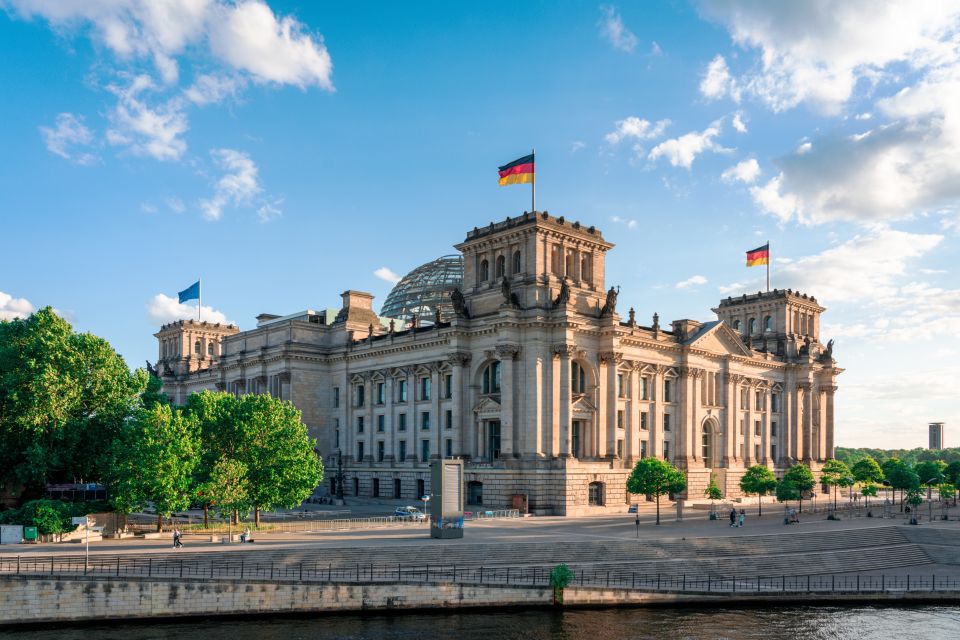
Once you leave Prenzlauer Berg, the tour shifts gears toward Berlin’s political core. The highlight here is the Government District, including the Reichstag area. Even if you’ve seen photos, it hits differently from ground level when you’re traveling by bike—close enough to read the scale, far enough to keep perspective.
What makes this segment worth it is the storytelling angle. The tour doesn’t just point and say important building. It frames what you’re passing as Germany’s ongoing transformation—from older forms of power to the speed of change after the fall of the Berlin Wall. That makes later stops feel less random.
You’re also riding through an area that can be visually complex, with roads, crossings, and heavy pedestrian traffic. The best part of having a guide is not only the history. It’s route navigation: you spend less time figuring out what’s safe and straightforward and more time actually looking.
Berlin Central Station and the Brandenburg Gate corridor
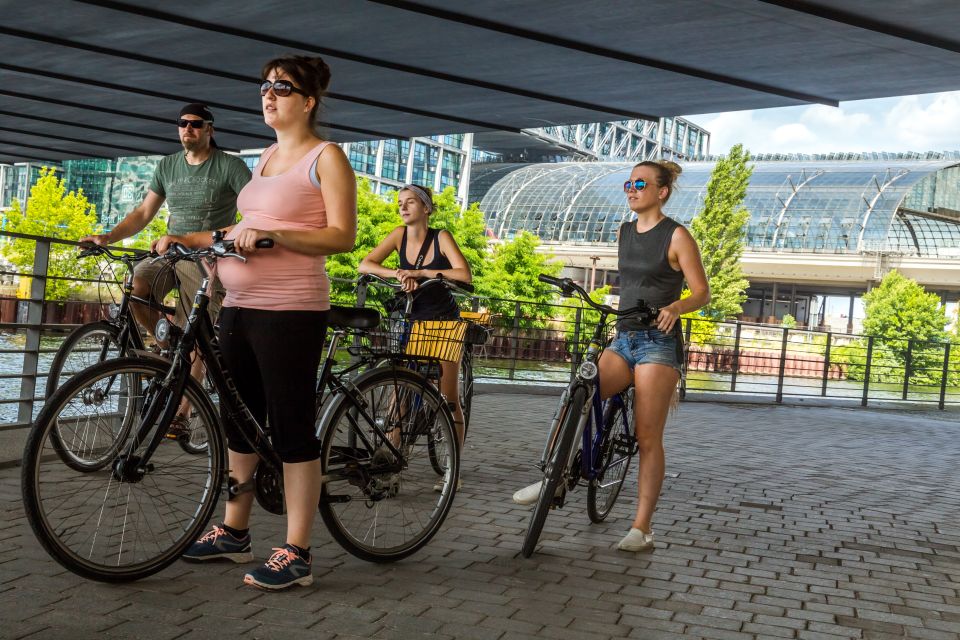
From the central government area, you move toward Berlin Central Station, then continue on toward Brandenburg Gate. This is the stretch where a bike tour starts feeling efficient. You cover a lot of distance while still getting regular “stop and look” moments.
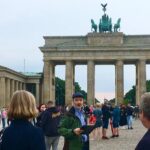
Brandenburg Gate is one of those sights that can feel almost over-familiar from postcards. The guide’s job is to keep it grounded. Instead of treating it like a single image, you learn how it fits into the city’s shifting chapters—especially how Berlin’s story accelerated in the 20th century and changed again after reunification.
A practical note: this section can involve busier streets. Your guide will keep the group together, but you’ll still be making your own calls at intersections. If you’re uncomfortable with bikes weaving through city traffic, consider that as your main drawback category—not the history.
The Holocaust Memorial: where the tour turns serious
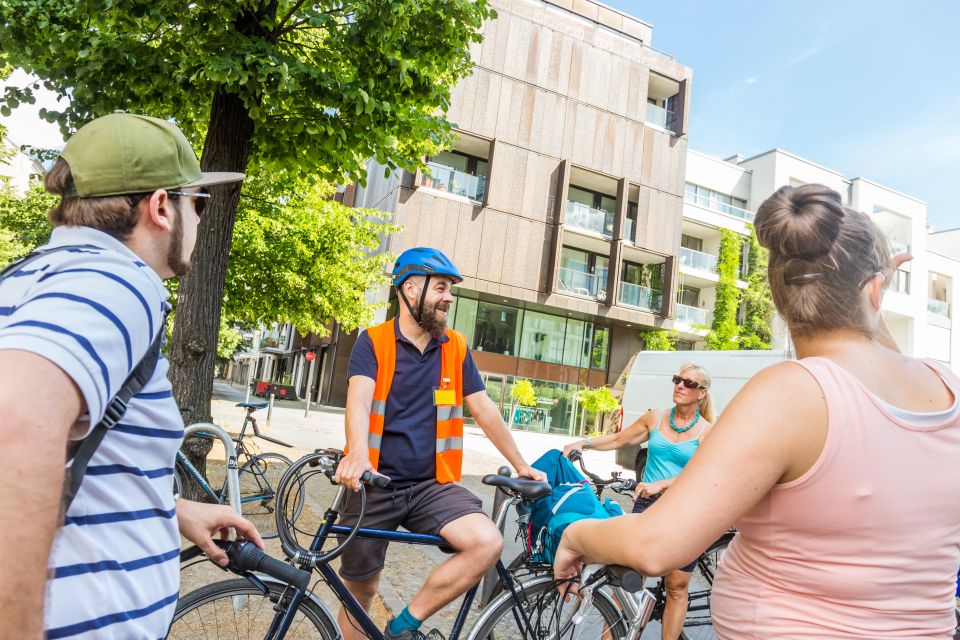
Not every stop on a highlights tour carries the same weight. The Holocaust Memorial is one of the places where the ride becomes slower in meaning, even if the biking pace stays steady.
The value here is that you’re not seeing the memorial as a standalone scene. You’re seeing it as a chapter in a larger Berlin narrative. The guide explains the context while you’re there, so your time doesn’t turn into a silent, rushed walk-through.
This is also where small-group touring helps. You can stop long enough to think, and the group isn’t so large that you’re stuck behind a wall of people doing the same photo angle.
If you plan your day around emotions, build in a little buffer. This stop can change the mood of the rest of your tour in a good way—more thoughtful, less checklist-y.
You can also read our reviews of more guided tours in Berlin

Passing the Berlin Wall: street-level history you can feel
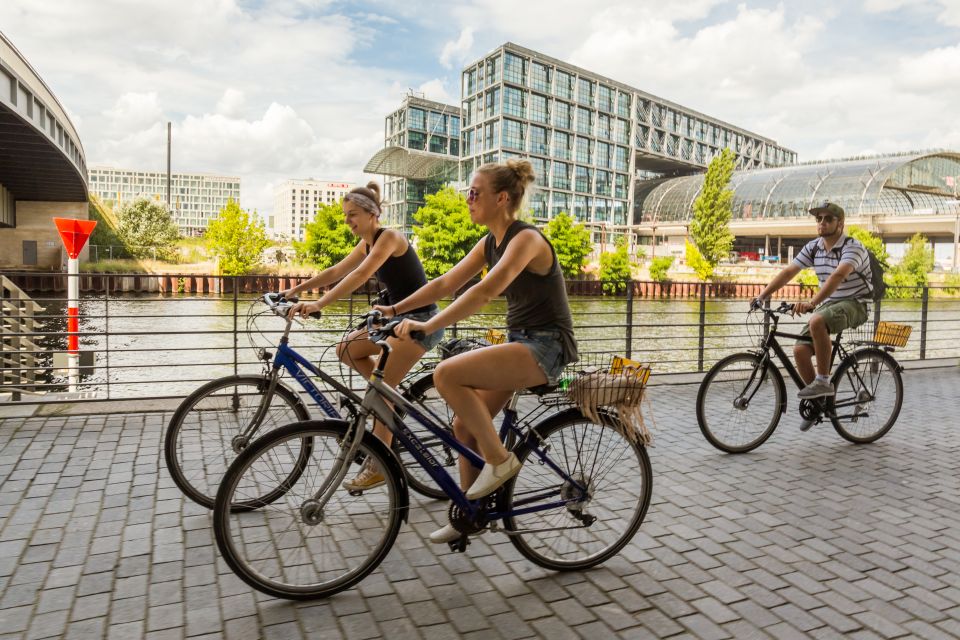
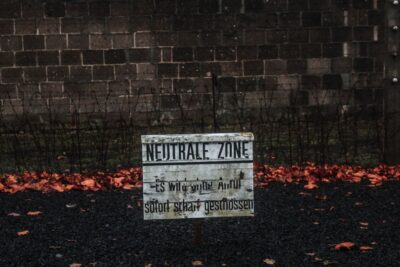
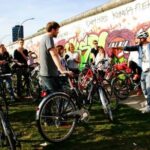
The tour includes rides past the Berlin Wall. The Wall is hard to fully understand from pictures because it was both physical and psychological. Cycling past gives you a street-level sense of distance and separation—you’re seeing the city’s structure, not only a museum display.
What I appreciate about this kind of stop is that the guide can help you read the city as a map of different eras. The Wall segment isn’t just a Cold War icon; it’s a turning point that connects directly to the post-1989 changes mentioned in the tour’s story line.
You’ll also get the benefit of timing. You’re outside, moving along the route, with frequent stops that let you take photos without turning the Wall into a sprint.
Museum Island and Gendarmenmarkt: culture on the route
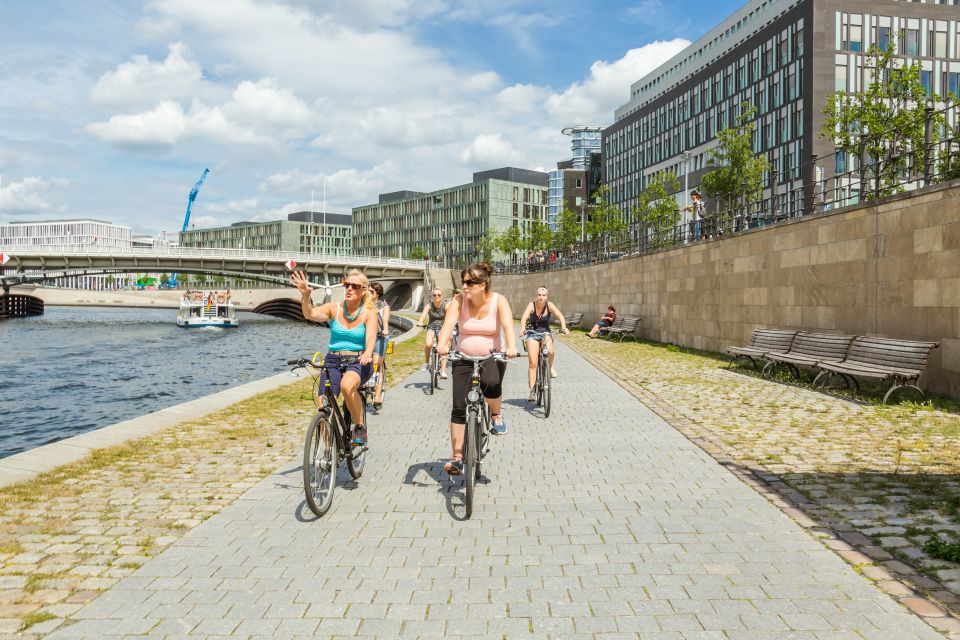
Two of the most visually satisfying “pass-by” moments are Museum Island and Gendarmenmarkt.
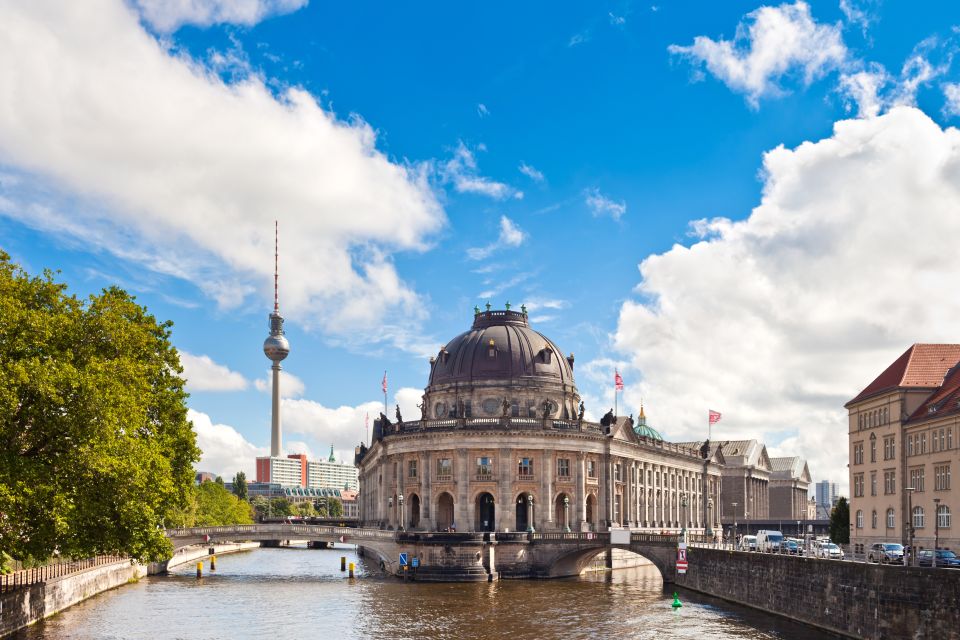
At Museum Island, the tour gives you a way to experience Berlin’s cultural identity without demanding that you spend hours in indoor galleries first. You get the sense of why this part of the city mattered long before you pick which museum to visit later.
Then Gendarmenmarkt adds a different texture—more classic architecture, more open-space feel, and a vibe that contrasts with the heavier memorial stops earlier. When this works, it works because it’s paced. You’re not stacking one monumental site after another without breath.
If you’re building a Berlin plan, these two locations are useful markers. After your bike tour, you’ll know what you want to revisit on foot, and you’ll have a better sense of neighborhood orientation for scheduling museum time.
What you actually get for $41: bikes and practical extras
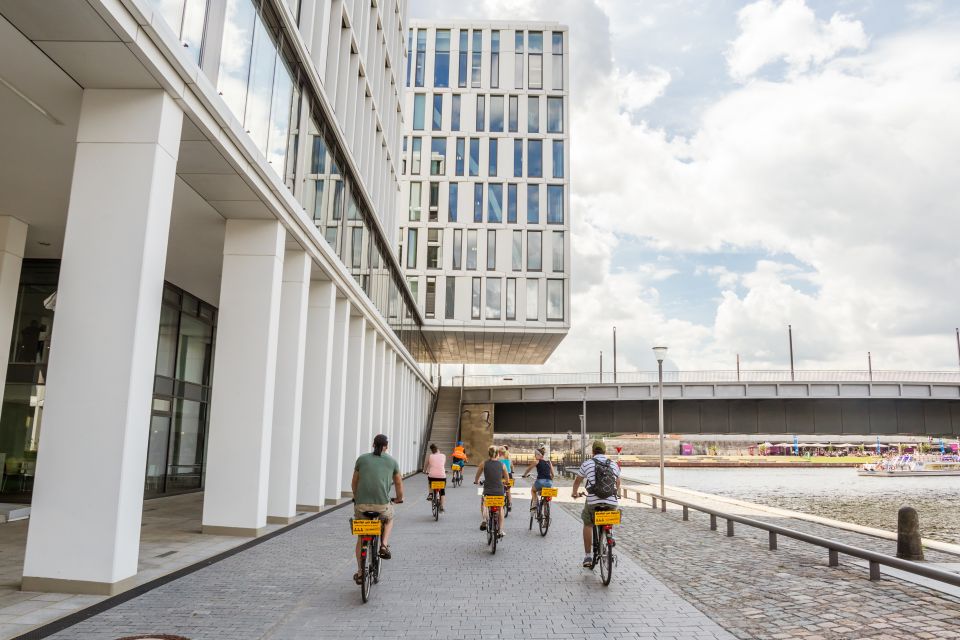
This tour is built around low-friction logistics, and that’s part of the value. You’re paying for a guided route, but you’re also getting a reliable bicycle, plus helmet and gloves upon request.
Other small things show they thought about real riding comfort:
- Sunscreen for daytime sun exposure
- Trouser clips, so fabric doesn’t get caught
- Rain ponchos available if the weather turns
One detail I really like for comfort: the bike setup is flexible. If the seat height or fit isn’t perfect, the guide can adjust it during the early part of the ride. That reduces the chances you’ll spend the tour fighting your own posture.
Food and drink aren’t included. You might find yourself wanting a snack or coffee, so plan for that. Some riders report a short café stop during the tour, but you shouldn’t count on snacks being part of the base price.
Pace, safety, and group size: what you’re signing up for
The tour runs as a small-group experience, with a maximum of 15 participants. That size keeps things friendly and helps the guide manage the route without losing people every two minutes.
The pace is described as relaxed. Stops are brief but meaningful, and the guide explains what you’re looking at while you’re there. You’ll also notice the guide tends to keep the group together at crossings, waiting for everyone to catch up when needed.
Here’s the realistic safety takeaway: you’re not being sheltered from city streets. You’ll be riding in traffic, so you need to be alert—especially at lights and intersections. If you’re confident riding on paved urban roads, you’ll likely find it easy enough. If you’re new to biking in cities, consider going into it with a calm mindset and slower reactions.
Who should book this tour (and who might skip it)
This tour is a strong match if you:
- Want a first-day feel for Berlin without over-planning
- Like history told through places you can actually see
- Prefer moving by bike over long stretches of walking
- Travel with teens or friends who get bored with museum-only schedules
It’s also a good option for solo travelers. You get conversation with the guide and the group while still seeing a lot.
You might skip this ride if:
- You dislike biking in traffic or at intersections
- You want a fully slow, stop-to-absorb-everything pace (this is still a ride with scheduled highlights)
- You’re not emotionally ready for the Holocaust Memorial segment
Should you book this Berlin Sights and Highlights Bike Tour?
Yes, if your goal is clarity plus major sights in one shot. For $41 and roughly 3 hours, you’re getting far more than a route map. You’re getting a guided way to connect Brandenburg Gate, Reichstag area sights, Berlin Central Station, the Holocaust Memorial, the Berlin Wall, Museum Island, and Gendarmenmarkt into a story you can remember.
I’d book it especially if Berlin is new to you and you want to choose the rest of your itinerary with confidence. Ride this first, then come back later for the museums or neighborhoods that genuinely grab you.
Just go in prepared for two things: city biking requires attention, and one stop on this tour is meant to be serious. If you can handle that mix, it’s an efficient, enjoyable way to experience Berlin without turning your day into a checklist.
FAQ
How long is the Berlin Sights and Highlights Bike Tour?
The tour lasts 3 hours, which is listed as 210 minutes.
How many people are in the group?
It’s a small-group tour with a maximum of 15 participants.
Where does the tour start?
The meeting point may vary depending on the option booked.
Are bikes provided, and do I get safety gear?
Yes, you get a reliable bicycle for the tour. Bicycle helmet and gloves are available upon request.
What sights are included?
You’ll see or pass major places including Brandenburg Gate, Reichstag (Government District), Museum Island, the Berlin Wall, Berlin Central Station, the Holocaust Memorial, and Gendarmenmarkt, plus the start area at Kulturbrauerei in Prenzlauer Berg.
Which languages are the guides?
The live tour guide is available in Dutch, German, and English.
Is food included?
No. Snacks and coffee expenses during the tour are not included.
Is alcohol allowed on the tour?
No, alcohol and drugs are not allowed.
What if the weather is bad?
Rain ponchos are available in the event of bad weather.