REVIEW · BERLIN
Delicious Deutsch: Learn German while creating German Breakfast
Book on Viator →Operated by Eat like a Berliner - market tour + cooking class + lunch · Bookable on Viator
Berlin breakfast can teach German fast.
This hands-on class turns shopping, chopping, cooking, and eating into German practice, so you learn by doing. I like that the focus is beginner to intermediate German, and you build real sentences around food you can see and taste, not just memorized drills. I also like that the lesson is built around a multi-sensory market-and-kitchen flow, where you handle ingredients and repeat the language with purpose. One thing to keep in mind: the start time is listed as 9:30 pm, so confirm the exact time when you book, because breakfast usually implies a morning schedule.
I also really valued the human side of it. The host, Kit, has a knack for teaching in a friendly way that makes you feel comfortable using the language, and she can adapt when you’re traveling with family. A possible drawback for some people: it’s a private tour for your group, so you won’t get the built-in energy of a larger mixed group, and you’ll move at the pace of your own class.
If you want German plus a genuine taste of modern Berlin food culture, this is a smart use of a few hours. You’ll walk away with both a meal and a bunch of food-related German you can actually use the next day.
In This Review
- Key Highlights You’ll Feel During the Experience
- How Delicious Deutsch Works: Food Shopping Becomes German Practice
- Finding the Start Point Near Goltzstraße: Location and Time Reality Check
- The Market Part: Where You Learn German With Your Hands
- Cooking at Home: Recipes That Teach Language in Steps
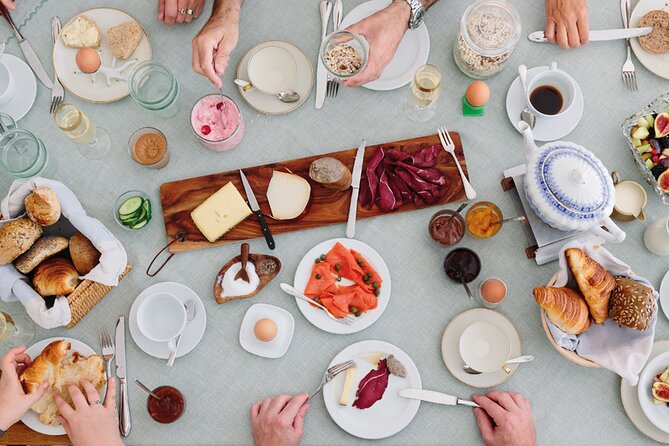
- What You Actually Eat: Berlin Breakfast as Cultural Practice
- Language Levels and How You’ll Participate
- Price and Value: Why $110 Can Make Sense for This Format
- Who This Experience Fits Best (And Who Might Want Something Else)
- Practical Tips Before You Go
- Should You Book Delicious Deutsch: Learn German While Creating German Breakfast?
- FAQ
- Where is the meeting point for this tour?
- How long is the experience?
- What is included in the price?
- Do I need to speak German already?
- Is this a private tour?
- How do I get the ticket?
- What is the start time listed for the experience?
- FAQ
- Can I travel with a service animal?
- What’s the cancellation policy?
Key Highlights You’ll Feel During the Experience
- Market-first learning: You start by seeing and choosing ingredients, then you use the German right away.
- Hands-on cooking and tasting: You’ll prepare the breakfast, not just watch it happen.
- Beginner to intermediate friendly: The language is taught in a way that supports quick progress.
- Kit’s warm, practical teaching style: The vibe is personal, and she helps you feel included.
- Dietary accommodations when needed: The host can adjust for restrictions, so you’re not left out.
How Delicious Deutsch Works: Food Shopping Becomes German Practice
This is one of those language activities that makes the classroom vanish. Instead of a standard sit-down lesson, you learn German through the whole process of creating breakfast: you look at produce, touch ingredients, talk about what you’re choosing, then cook and taste while using the words and phrases again and again.
That matters because food vocabulary sticks better when it’s tied to real actions. You’re not only hearing German. You’re also smelling, tasting, and making decisions. That combo helps your brain link new words to experiences, so you remember them later when you’re reading menus or chatting in shops.
The structure also keeps you moving. Expect a rhythm where German shows up at the moment you need it: asking about something, describing an ingredient, following a step in a recipe, or tasting and reacting. If you’ve ever tried to learn a language with only flashcards, this style feels far more direct.
You can also read our reviews of more tours and experiences in Berlin.



Finding the Start Point Near Goltzstraße: Location and Time Reality Check
The meeting point is Goltzstraße 36, 10781 Berlin, and the activity ends back at the same place. That simple loop is a practical win: you don’t need to coordinate extra transit to get back to where you started.
The listing says the start time is 9:30 pm, and the duration is about 3 hours. Breakfast-themed tours usually run earlier, so I’d treat the time as something to double-check in your booking confirmation message. If the timing is evening-based, you’ll still get the same market-and-kitchen learning format, but you might want to plan your day around it accordingly.
You’re also close to public transportation, and the tour is designed for people who can reach the meeting point without needing private transportation. If you’re staying in central Berlin, you’ll likely find it easy to get there.
The Market Part: Where You Learn German With Your Hands

A big chunk of the experience is the ingredient shopping. You’ll head out to pick food you’ll later use in your German breakfast, and along the way you’ll practice German terms tied to real choices.
In practice, this usually means talking through what you want to cover and what you’re interested in, then selecting items that match your tastes and goals. One value here is that market shopping forces you to use functional language fast: things like asking about ingredients, describing what you like, and naming what you’re holding.
It also helps if you care about where food comes from. Even without getting into heavy theory, market time gives you a window into how Germans think about fresh produce and everyday cooking. You’ll likely notice the connection between seasonal ingredients and the way people plan meals.
One more thing I appreciated from the experience vibe: the host’s approach seems flexible. Kit has a reputation for knowing vendors and pointing out ingredients she likes to cook with and seasonal treats, which makes the shopping stage feel like more than a quick stop for groceries.
Cooking at Home: Recipes That Teach Language in Steps
After shopping, the class moves into the cooking phase at the host’s home. This is where the tour earns its name: you’ll be learning German while preparing and cooking breakfast, not just discussing it in theory.
The language method is practical. Recipes become a framework for speaking. You’ll hear and repeat words tied to cooking techniques and ingredients, and you’ll connect vocabulary to what your hands are doing. That’s how “learning” becomes “use.”
Think about what you get:
- You follow cooking steps while saying what you’re doing.
- You repeat ingredient names and cooking verbs in context.
- You practice short phrases that you can reuse later.
This is also where the multi-sensory angle really shows. Cooking engages smell and taste, and tasting forces a different kind of language use, like describing flavors and reacting to texture. Even if your German is still shaky, you can participate. Your body already knows what to do; the lesson catches up with the words.
From the reviews, Kit comes across as both knowledgeable and warm, and she’s especially good at making kids feel included. If you’re traveling with a daughter or son, this kind of host-centered teaching can make the difference between a stressful class and a real family activity.
What You Actually Eat: Berlin Breakfast as Cultural Practice
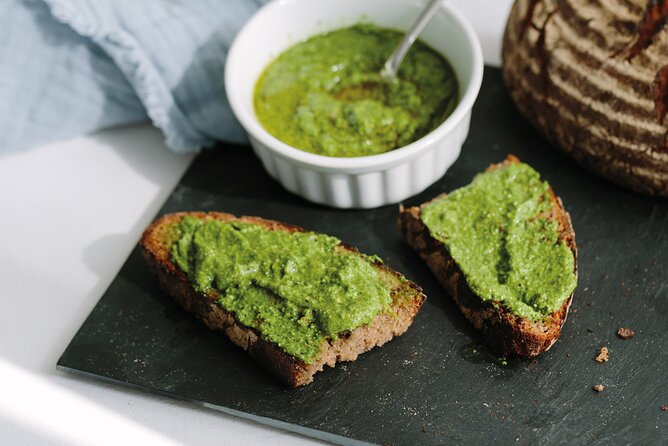
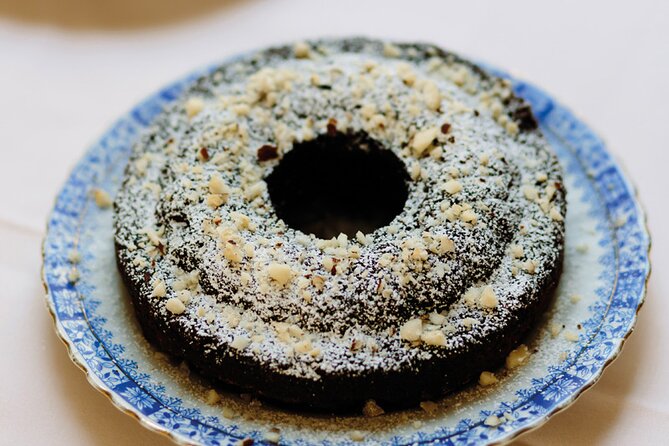
The meal included is breakfast, made from the ingredients you selected. That’s more than a perk. It’s the payoff for the language work, because you get to taste what you learned.
Berlin food culture is practical and everyday, and this style of cooking leans into that. You’re not preparing some distant, formal dish. You’re learning how German breakfast fits into real life: what people buy fresh, what they mix together, and how they season and adjust to taste.
And because you’re cooking and eating within a guided German practice framework, you’ll likely leave with more than “how to say butter.” You’ll pick up how to talk about ingredients, how to describe steps, and how to react when something tastes right or needs adjustment.
One review highlight that stands out: the experience also connects food to Germany and Berlin, plus some history. You won’t feel like you’re in a museum. It’s more like an explanation of why certain food choices make sense in Berlin life.



Language Levels and How You’ll Participate
This experience is described for beginner to intermediate learners. That range is important. It suggests you won’t be thrown into only advanced conversation, but you’ll also be nudged to speak rather than only listen.
So what should you do if your German is basic? You’ll still be able to participate by focusing on:
- ingredient names
- simple verbs tied to cooking steps
- short responses during tasting
If you’re intermediate, you’ll have more room to build longer phrases and explain what you’re doing. Either way, the class structure is built to make speaking feel natural because you’re doing something with your hands.
A practical tip: bring a notebook or notes app on your phone. Write down the words you hear during the cooking steps. You’ll remember them better while you still have the taste and smell of the ingredients in your mind.
Price and Value: Why $110 Can Make Sense for This Format
The price is $110 for about 3 hours. That may sound high compared to a free walking tour, but you’re paying for a bundled experience: ingredient selection, guided teaching, cooking instruction, and the included breakfast.
Where the value shows up:
- You’re not just learning vocabulary. You’re using it during real tasks.
- You get one-to-your-group time. Since it’s private, the host can adjust pace to your level.
- You get a full meal from what you prepared, which turns the lesson into something you can share or remember.
One caution: the duration estimate is about 3 hours, but at least one review described it as lasting longer. That isn’t automatically bad; it can mean you get a more relaxed pace and more hands-on conversation. Just plan your schedule with some flexibility.
Also, transportation isn’t included. You’ll need to get yourself to the meeting point (near public transportation). If you’re budgeting, factor in transit costs.
Cancellation is non-refundable per the provided policy. If your dates are firm and you can show up on time, it’s less stressful. If your schedule is shaky, double-check your plans before booking.
Who This Experience Fits Best (And Who Might Want Something Else)
This tour fits best if you’re:
- learning German and want food-focused vocabulary you can use immediately
- curious about modern Berlin everyday life, not just famous sights
- looking for a small, friendly setting where you can speak without feeling rushed
- traveling as a group that wants a private experience with a flexible pace
It also seems ideal for families. Kit has helped a daughter feel included, which is a big deal. If you’ve ever struggled to find activities that work for both adults and kids, this format often makes sense because cooking gives everyone a role.
You might want to consider other options if you:
- only want the fastest sightseeing and hate spending time cooking
- need strict daytime timing, since the listing shows 9:30 pm and you should confirm
- dislike food tasks or tasting. This is fundamentally an eating-and-making experience.
Practical Tips Before You Go
To get the most from the German practice, go in with a small mindset shift: treat the class like a guided conversation while cooking.
Here are a few practical ways to make it easier:
- Bring simple questions you can ask in German, even if you use beginner phrasing.
- Write down new words as you go, especially ingredient names and cooking verbs.
- Come hungry, but don’t show up starving. If you arrive too hungry, it can be harder to focus on language during the steps.
- If you have dietary restrictions, say it ahead of time. The host is reported to accommodate dietary needs.
Also, since it’s a mobile ticket tour, have your confirmation accessible on your phone. And since it ends at the same place it starts, you won’t need to scramble for final transit directions.
Should You Book Delicious Deutsch: Learn German While Creating German Breakfast?
I’d book it if your goal is practical German learning through real food tasks. The market-to-kitchen flow is smart, because you learn language at the exact moment you need it, while smelling and tasting the words you’re studying.
I’d also book it if you like experiences where the host is the star. Kit’s reputation for being warm, knowledgeable, and good at including people of different ages makes this feel like something you’d talk about after the trip, not just “another class.”
Before you click confirm, do one quick check: verify the start time. The listed time is 9:30 pm, and that’s the one detail that could affect your schedule given the breakfast theme.
If you want German with flavor, and you’re okay spending a few hours making something you’ll actually eat, this is a strong value at $110.
FAQ
Where is the meeting point for this tour?
The tour starts at Goltzstraße 36, 10781 Berlin, Germany, and it also ends back at the same meeting point.
How long is the experience?
The duration is listed as about 3 hours.
What is included in the price?
The price includes breakfast. Private transportation is not included.
Do I need to speak German already?
The experience is designed for beginner to intermediate language levels.
Is this a private tour?
Yes. It is a private tour/activity, meaning only your group participates.
How do I get the ticket?
You’ll receive a mobile ticket. Confirmation is received at the time of booking.
What is the start time listed for the experience?
The start time is listed as 9:30 pm. I recommend double-checking the exact time in your booking confirmation.
FAQ
Can I travel with a service animal?
Yes. Service animals are allowed.
What’s the cancellation policy?
This experience is non-refundable and cannot be changed for any reason. If it’s canceled because a minimum number of travelers isn’t met, you’ll be offered a different date or a full refund.