REVIEW · BERLIN
Berlin: 2.5-Hour Walking Tour through Kreuzberg 61
Book on GetYourGuide →Operated by Sonderweg-Berlin · Bookable on GetYourGuide
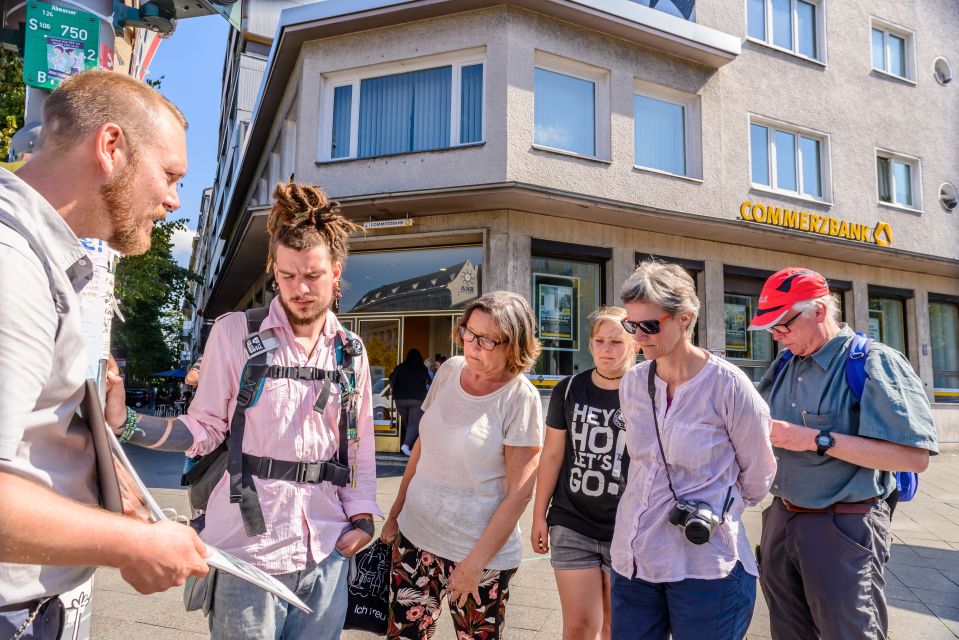
Kreuzberg 61 feels like Berlin with the volume turned down. You’ll walk between Platz der Luftbrücke and Mehringdamm, hopping from 19th-century stories to tucked-away courtyards, then finishing in the multicultural buzz around Bergmannstraße. It’s an off-the-main-drag way to see Kreuzberg as more than just clichés.
What I like most is the focus on lesser-known spots you’d be hard-pressed to find solo, and the way the guide makes architecture and city planning feel practical, not academic. You’ll stop in calm pockets like Viktoriapark and Riehmers Hofgarten, then get back on the street to feel how the neighborhood actually works.
One thing to consider: it’s a walking tour, so you’ll want comfortable shoes and a willingness to move at an active pace for about 2.5 hours while stopping for photos and short viewpoints.
In This Review
- Key things you’ll notice on Kreuzberg 61
- Kreuzberg 61: why this walk feels different from the usual sightseeing loop
- Timing and walking pace: what 2.5 hours really means
- Where you’ll start near Mehringdamm (and why meeting points matter)
- Platz der Luftbrücke to the district’s 19th-century core
- Verband der deutschen Buchdrucker (Denkmal) and Sixtusgarten: small stops, sharp details
- Viktoriapark’s waterfall and the calm pause you’ll remember
- Schinkel’s national monument viewpoint and the Prussian Liberation Wars moment
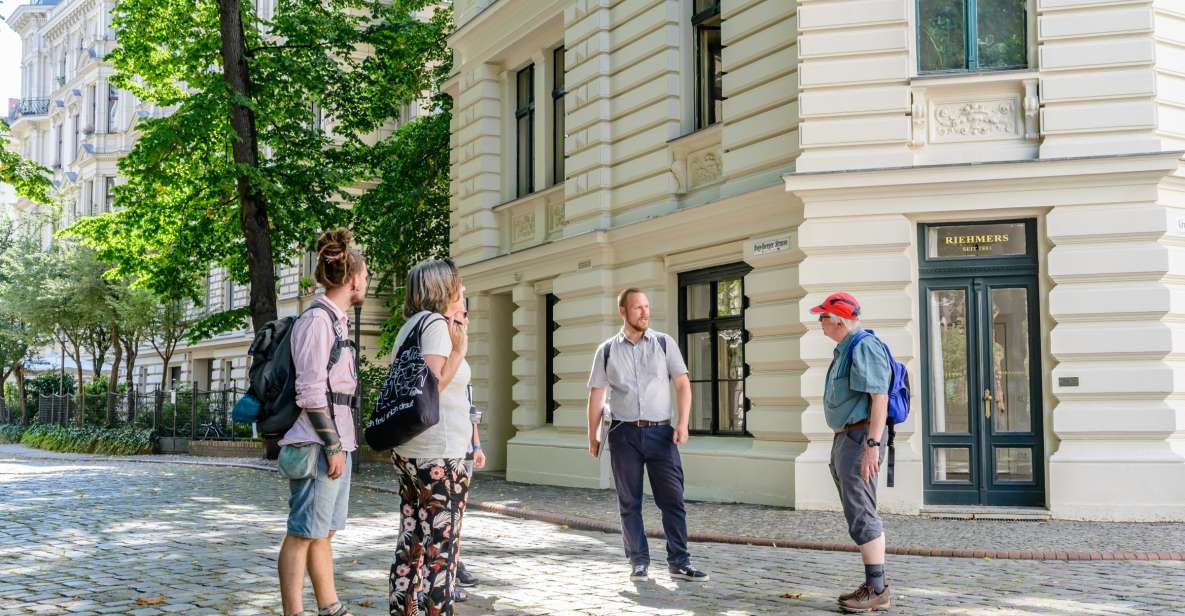
- Riehmers Hofgarten and the Sarotti courtyards (Schmelzwerk) on a calmer track
- Bergmannstraße, Der Fachwerkhof, Chamissoplatz, and Marheineke Markthalle: ending in real neighborhood life
- The guide factor: Tobias Schwabe’s storytelling approach
- Who this Kreuzberg 61 tour is best for
- Price and value: what $23 buys you in this 2.5-hour format
- Should you book it? My practical take
- FAQ
- FAQ
- How long is the Kreuzberg 61 walking tour?
- How much does the tour cost?
- What languages is the live guide available in?
- Where does the tour start?
- Who runs the tour?
- Is there time to stop during the walk?
- Is free cancellation available?
- Can I reserve now and pay later?
Key things you’ll notice on Kreuzberg 61
- Parks as pace-breaks: Viktoriapark and Riehmers Hofgarten act like an oasis between busier streets
- Big viewpoints in a small route: Schinkel’s national monument gives panoramic city views
- Architecture nerd or not: you’ll learn what to look for in restored courtyards and facades
- Bergmannstraße at neighborhood speed: shopping and street life, not just monuments
- A Markthalle break built into the walk: Marheineke Markthalle is part of the flow, not an add-on
- A guide who tells stories: Tobias Schwabe’s approach is friendly and professional, with historical and personal context
Kreuzberg 61: why this walk feels different from the usual sightseeing loop
Kreuzberg has a reputation for being trendy, loud, and easy to sum up. This tour refuses that shortcut. Instead, you follow a storyline that starts with the neighborhood’s physical shape—Kreuzberg as the hill that lends the district its name—then moves through the built environment that grew up around it.
The best part is that you don’t just read about history. You’re out on the streets, looking at buildings that still show their age and purpose. The walk threads through 19th-century apartment blocks and military-era structures, so Berlin’s past isn’t trapped behind a museum wall. You’ll also hear why Kreuzberg’s mix of communities matters to how the district feels today, especially toward Bergmannstraße.
You can also read our reviews of more walking tours in Berlin



Timing and walking pace: what 2.5 hours really means
This is a 2.5-hour walking format. That sounds short until you see how the route is structured: you’re constantly moving, then repeatedly stopping for a photo, a quick explanation, or a viewpoint. Expect a rhythm of walk → learn → pause → walk again.
The itinerary is built around meaningful time blocks: for example, Platz der Luftbrücke gets about 25 minutes, while most other stops are tighter (often around 5–10 minutes). That works well if you prefer tours that stay in the neighborhood and keep the momentum. If you’re the type who needs long seated breaks, this one might feel a bit busy.
Where you’ll start near Mehringdamm (and why meeting points matter)
Your meeting point can vary depending on the option you book. One of the listed starting options is Mehringdamm 129, and the tour operator can arrange a special meeting point for your group if you request it.
This matters because Kreuzberg is laid out in layers—parks, courtyards, and streets that feel connected but aren’t always obvious at first glance. A clear starting point helps you get oriented fast, and the guide can steer you into the first stretch without awkward scrambling.
Tip for your plan: arrive a few minutes early, especially if you’re arriving by transit and want time to regroup before the group sets off.
Platz der Luftbrücke to the district’s 19th-century core
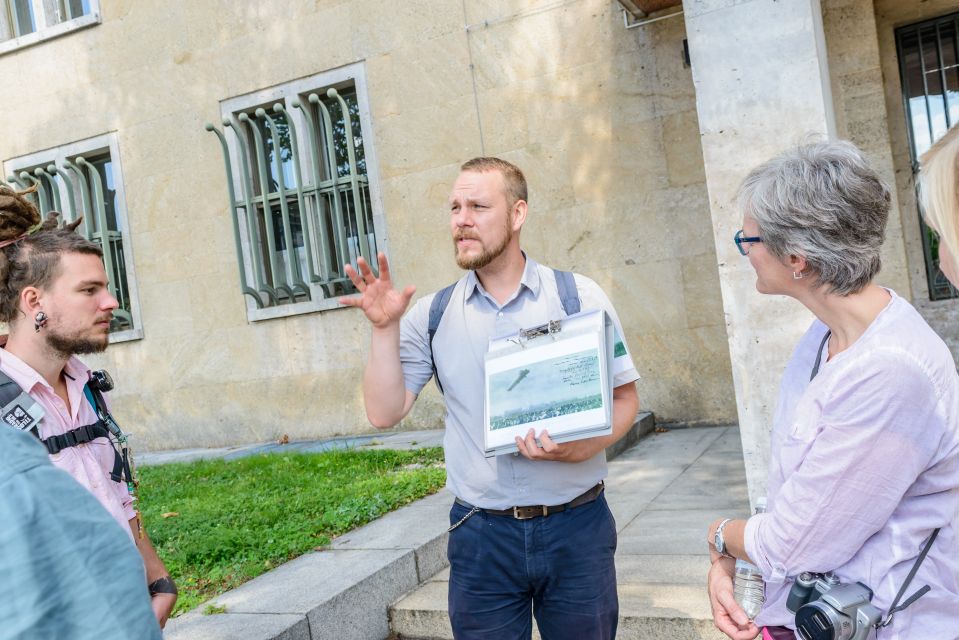
You begin around Platz der Luftbrücke, and the first segment is the longest walking block (about 25 minutes). This is where you get your bearings. The tour frames Kreuzberg as a place built over time—over roofs, military buildings, and the 19th-century infrastructure that shaped daily life.
What you’re really doing here is learning the local geography in motion. You’ll understand why Kreuzberg looks the way it does and how those architectural choices fed into neighborhood culture. The guide’s storytelling style is one of the highlights in the feedback I saw: Tobias Schwabe is consistently described as friendly, professional, and able to connect facts to what you can actually see on the street.
If you only have one afternoon to get past the postcard version of Berlin, this opening sets you up so later stops make sense.
Verband der deutschen Buchdrucker (Denkmal) and Sixtusgarten: small stops, sharp details
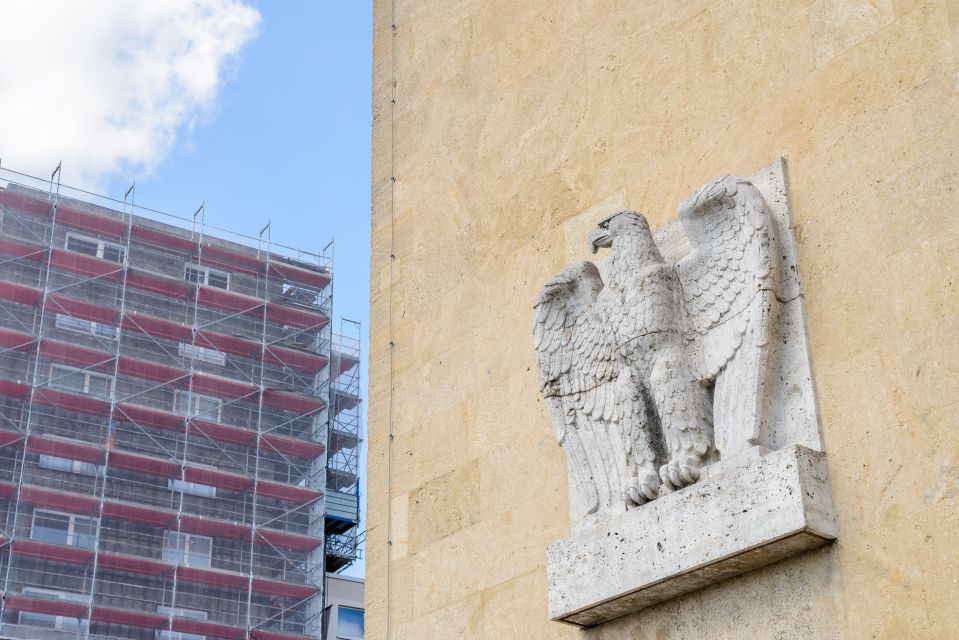
After the big start, the tour adds short, high-value pauses. One of them is Verband der deutschen Buchdrucker (Denkmal), passed for about 10 minutes. Even in a brief stop, the goal isn’t to rush past a landmark. It’s to train your eyes: look at how the built environment hints at work, industry, and civic identity.
Then you move to Sixtusgarten (about 10 minutes, with a photo stop). Courtyard-style places like this are where Kreuzberg’s everyday character shines. They’re not trying to impress you with grand scale. They’re trying to function as peaceful spaces inside dense urban streets.
Why these pauses are worth it: they keep the walk from turning into a checklist. You start noticing transitions—street to courtyard, public to semi-private, movement to calm.





Viktoriapark’s waterfall and the calm pause you’ll remember
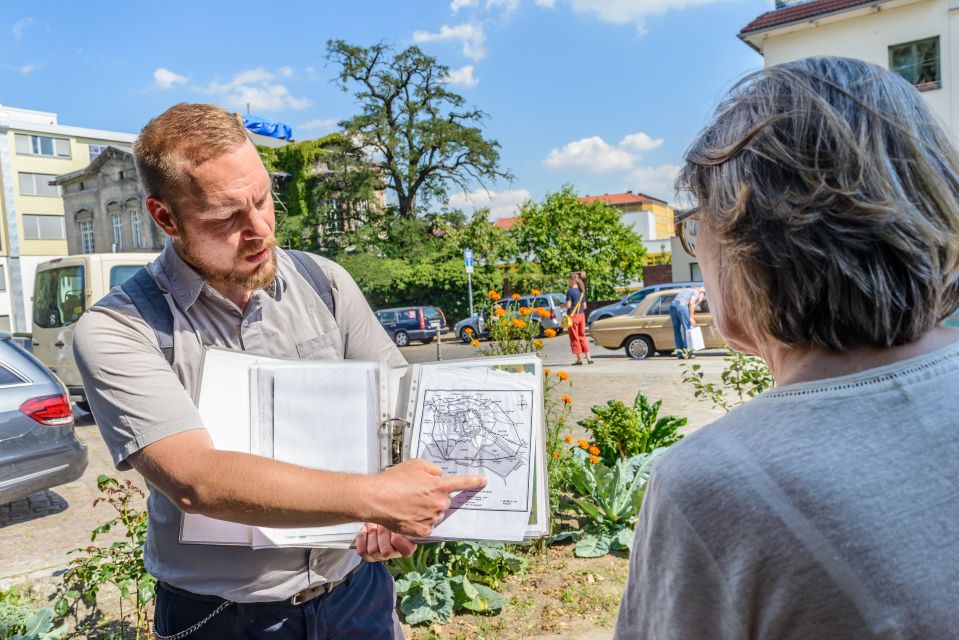
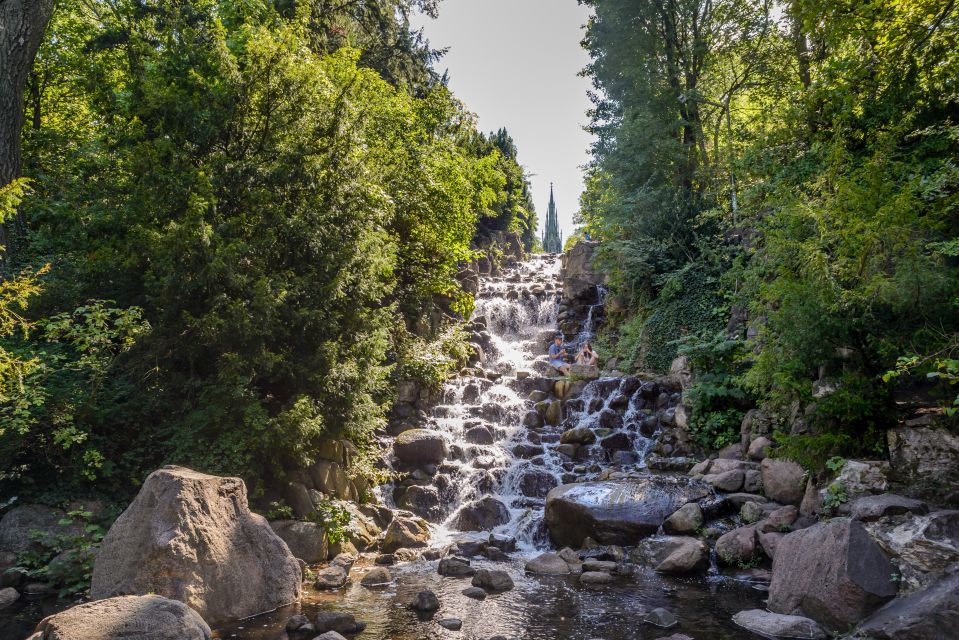
The tour spends about 35 minutes at Viktoriapark, and this is one of the standout zones. You’ll get photo stops plus scenic views on the way, and the area is specifically highlighted for the waterfall and the “oasis of calm” feeling.
This is the kind of place that changes your pace without you realizing it. You’re walking in Berlin, then suddenly you’re looking at greenery and water, with views that feel lifted above the street level. For architecture and city-shape fans, it’s also an opportunity to see how parks are planned as part of the urban structure, not just random add-ons.
If you’re traveling with someone who gets bored on history-only tours, Viktoriapark helps keep the energy balanced. It gives you a visual break while still feeding the context the guide is building.
Schinkel’s national monument viewpoint and the Prussian Liberation Wars moment
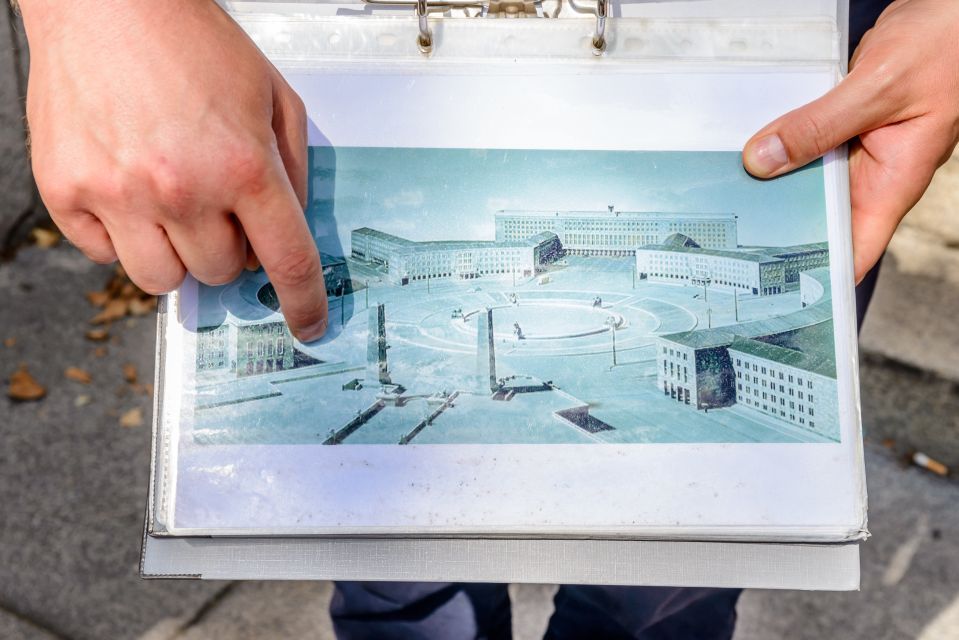
At the Prussian Monument for the Liberation Wars (about 10 minutes), you pause for photos and viewpoints along the way. The tour framing includes Schinkel’s national monument, which offers a panoramic view over Berlin.
This is your “look at the whole city” stop. After walking through tight street scenes and courtyards, the payoff is seeing how Kreuzberg sits within the bigger Berlin picture. You don’t need a long explanation to feel why it’s useful: a viewpoint anchors your mental map.
One consideration: viewpoints can be busy spots depending on the day and time, and you’ll be standing and photographing briefly rather than staying for a long sit-down. If you prefer a slower pace for photos, use your time efficiently—get your wide shot first, then your details.
Riehmers Hofgarten and the Sarotti courtyards (Schmelzwerk) on a calmer track
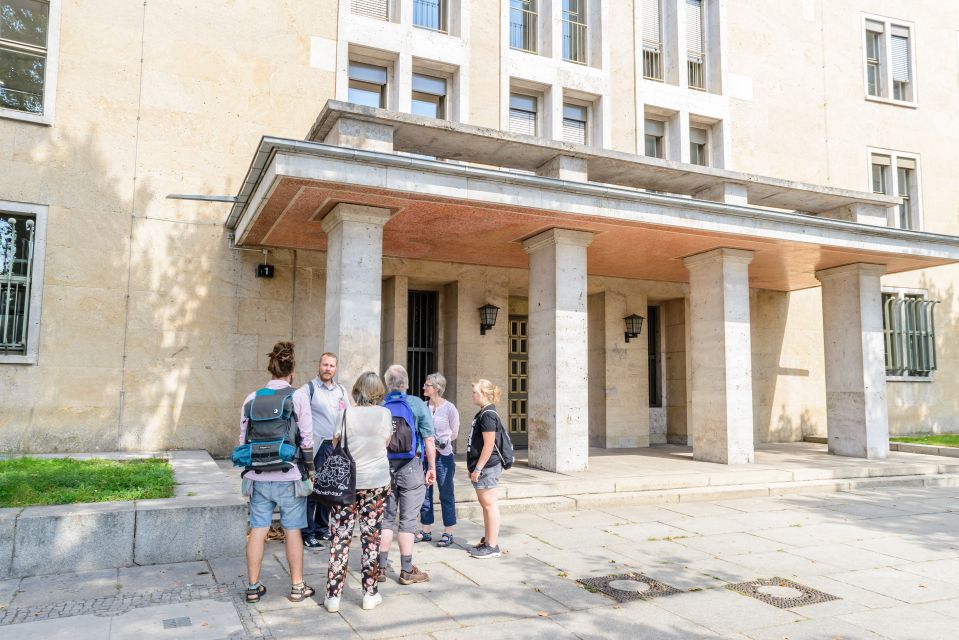
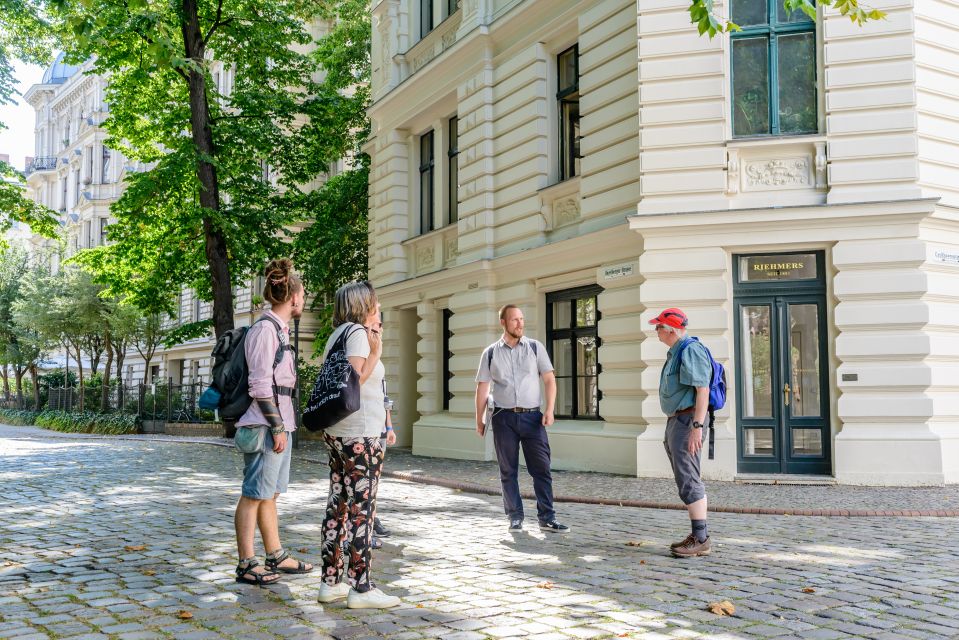
After Viktoriapark, you continue into another quiet pocket: Riehmers Hofgarten (about 10 minutes). Like Viktoriapark, it’s described as calm—a deliberate reset. This matters because Kreuzberg can feel intense in the streets. These parks let you breathe while still staying in the same narrative flow.
Next comes Schmelzwerk in den Sarottihöfen (photo stop, about 10 minutes). This is where the walk leans into architecture lovers. It’s a stop that’s less about a single statue and more about understanding what you’re looking at: industrial history repurposed in a courtyard context.
Why I think this stop works: it shows how Berlin reuses space. You learn to read courtyards and structures as living environments, not relics. Even if you’re not a hardcore architecture fan, you’ll pick up enough “what to notice” to make future walks around Berlin easier.
Bergmannstraße, Der Fachwerkhof, Chamissoplatz, and Marheineke Markthalle: ending in real neighborhood life
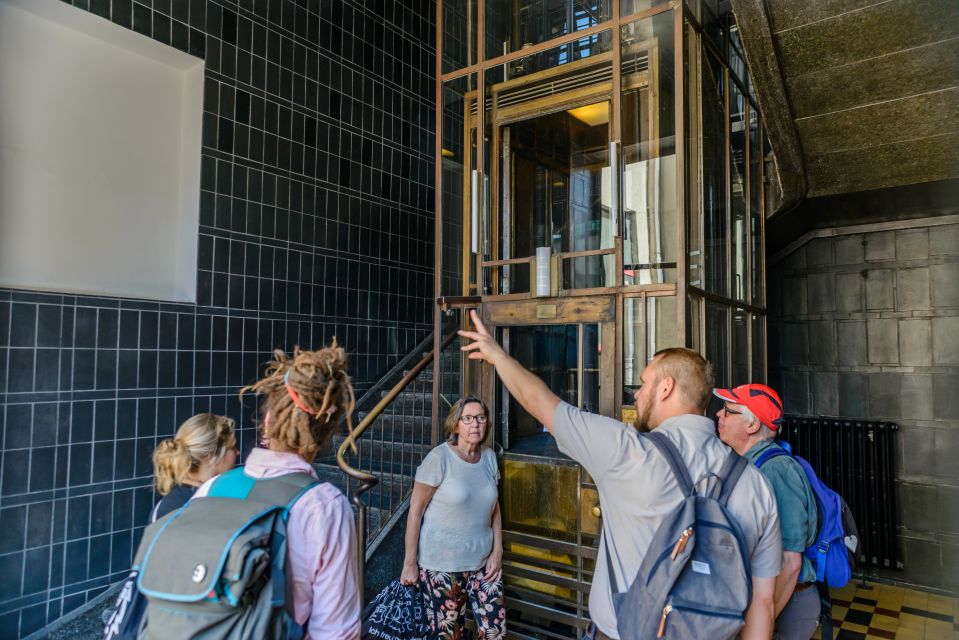
The final stretch is where you feel Kreuzberg shift into everyday energy. You spend about 20 minutes around Bergmannstraße, with time that includes shopping and sightseeing as you pass along the street.
This segment is valuable for one reason: it anchors the entire tour in present-day Berlin. The guide has been building a picture of the neighborhood through history, architecture, and urban form, and now you see it in motion—people walking, shops running, the neighborhood doing its thing.
Then you get more compact architectural interest:
- Der Fachwerkhof in Berlin Kreuzberg (photo stop, about 5 minutes): a well-preserved, half-timbered-style courtyard moment
- Chamissoplatz (about 5 minutes, passed): charming space with preserved architecture highlighted in the tour description
- Marheineke Markthalle (break time, about 5 minutes): a quick pause at the market hall
For the Markthalle stop: don’t expect a long meal here. It’s a brief break built into the route. Still, it’s a smart way to end a walking tour because markets make Berlin feel immediate. If you want to keep exploring after the tour, it also gives you a natural location to return to.
The guide factor: Tobias Schwabe’s storytelling approach
A tour is only as good as the guide, and here the feedback is consistently positive around Tobias Schwabe. People describe him as friendly, professional, and passionate. The big theme is how he connects stories—historical and personal—to what you’re seeing in Kreuzberg.
That style makes the walk feel like a guided conversation, not a lecture. You’re encouraged to spot details and learn how to read the neighborhood, whether that’s noticing architectural choices or understanding why certain places feel like they do.
If you like tours where you can ask questions and get answers that match your route, this is a strong fit.
Who this Kreuzberg 61 tour is best for
This tour is ideal if you:
- Want Kreuzberg without the standard “famous landmarks only” approach
- Care about architecture, urbanism, and how neighborhoods are shaped
- Prefer learning outdoors, where the city itself becomes the classroom
- Enjoy a mix of calm park time and street-level neighborhood life
It’s also a good match if you’re visiting Berlin for the first time but already feel ready for a deeper district perspective. Even longtime Berlin fans can find it useful because it focuses on places you might skip when you only chase the big attractions.
If you hate walking, need lots of seated time, or want a tour that’s heavy on indoor museums, you may find the pace a little too active.
Price and value: what $23 buys you in this 2.5-hour format
At $23 per person for about 2.5 hours, the price feels fair for a guided walking experience that includes a professional guide and multiple stops with photo moments and viewpoints.
The value isn’t just the hours. It’s the way the time is spent:
- Long early orientation at Platz der Luftbrücke
- Park time at Viktoriapark with waterfall and scenic viewpoints
- A viewpoint moment tied to Schinkel’s national monument
- Neighborhood-life ending at Bergmannstraße and a break at Marheineke Markthalle
If you’re comparing this to tours that only hit big, obvious stops, this one stretches your money further by covering fewer “tick boxes” and more “this is why it matters” street understanding.
Should you book it? My practical take
If you want a Kreuzberg walk that explains the district in layers—history, architecture, and how people actually live here—this is an easy yes. The parks-to-monuments-to-market structure keeps it balanced, and the Tobias Schwabe storytelling style seems to be the secret ingredient that turns a simple walk into something memorable.
Book it if:
- You want an off-the-beaten-track Berlin afternoon
- You like the idea of learning while walking, not sitting in a van
- You’re an architecture fan, or you want to become one without trying too hard
Skip it if you:
- Need lots of long breaks or mostly indoor stops
- Want only the most famous highlights and nothing else
FAQ
FAQ
How long is the Kreuzberg 61 walking tour?
It lasts 2.5 hours.
How much does the tour cost?
The price is $23 per person.
What languages is the live guide available in?
The guide is available in English and German.
Where does the tour start?
The meeting point may vary depending on the option booked. One listed starting option is Mehringdamm 129, and a special meeting point can be arranged for your group upon request.
Who runs the tour?
A professional tour guide leads the experience.
Is there time to stop during the walk?
Yes. There are photo stops throughout and a short break time at Marheineke Markthalle.
Is free cancellation available?
Yes. You can cancel up to 24 hours in advance for a full refund.
Can I reserve now and pay later?
Yes. You can reserve your spot and pay later.