REVIEW · BERLIN
DJ for a Day: Learn to Mix Like a Pro in Berlin
Book on GetYourGuide →Operated by Marcos Jesus Otero Valeta · Bookable on GetYourGuide
Want to touch Berlin’s decks for real? This 1.5-hour DJ workshop is built around hands-on mixing, including vinyl scratching and time on the turntable and mixing table. I like that you’re not just watching what DJs do, you’re learning the moves. A consideration: if you want a full nightlife set (not a lesson), 1.5 hours is short.
The teacher, Marcos Jesus Otero Valeta (Sasha), keeps it practical and fun. You can work with the CDJ or even sing one song, and you choose what you want to try from styles like techno, trance, psytrance, and hard styles. The group stays small (up to 6), so the instruction feels personal, not rushed.
In This Review
- Key things to know before you start
- What you’ll actually do in a DJ for a Day Berlin workshop
- The decks, the gear, and the CDJ vs vinyl lesson you’ll remember
- Scratching basics: timing first, then style
- Mixing-table basics and effects: learning how transitions get built
- How your choice of music styles shapes the lesson
- The Berlin electronic music story you hear while you practice
- What small-group instruction feels like in practice
- Included drinks and the “real-life” feel of the session
- Price and value: is $67 worth it?
- Where to meet and how the timing works
- Who this workshop is best for
- Should you book DJ for a Day in Berlin?
- FAQ
- How long is DJ for a Day in Berlin?
- How much does it cost?
- How many people are in the group?
- What languages are offered?
- Can I play on both CDJ and vinyl?
- Is there singing involved?
- What drinks are included?
- Is the workshop refundable?
- Is this experience for kids?
Key things to know before you start
- Small group (max 6) means you get more time at the decks.
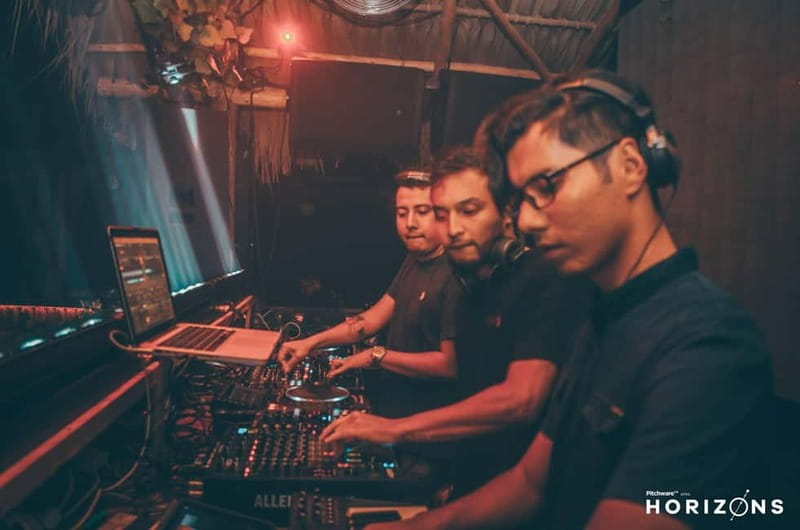
- CDJ and vinyl both get covered, so you learn the real difference in technique.
- Vinyl scratching practice teaches multiple styles, including hip hop and techno flavors.
- You pick your music style, from trance and progressive to hard techno and hardcore.
- Effects and mixing-table basics are part of the lesson, not an afterthought.
- Berlin electronic music context is woven in while you learn, including how club sounds evolved.
What you’ll actually do in a DJ for a Day Berlin workshop
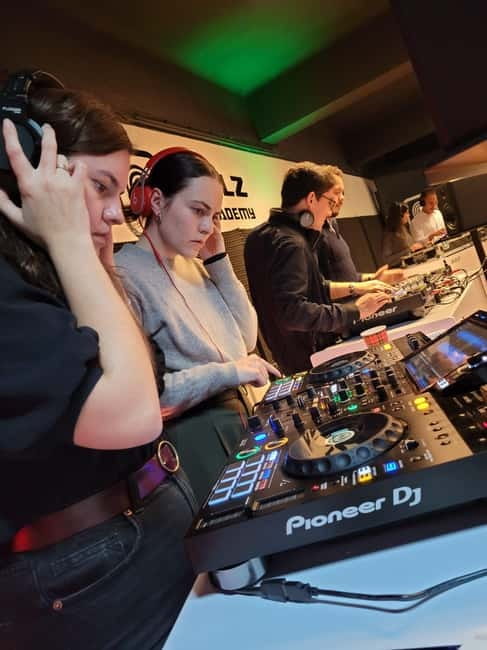
This isn’t a museum-style class. The whole point is to get you comfortable with the mechanics of DJing, then let you try your own ideas. Expect a clear learning flow: equipment first, then mixing basics, then hands-on practice with your chosen style.
The workshop also gives you a kind of “DJ thinking,” the way beats and transitions are planned. You’ll hear the same song differently once you’re responsible for bringing the energy along. That shift is what makes these sessions valuable, even if you’re a total beginner.
And yes, you get to play. That matters. A lot of music workshops stop at theory or a quick demo. Here, you work with turntables/mixing gear and you get to do the mixing steps yourself.
You can also read our reviews of more tours and experiences in Berlin.



The decks, the gear, and the CDJ vs vinyl lesson you’ll remember
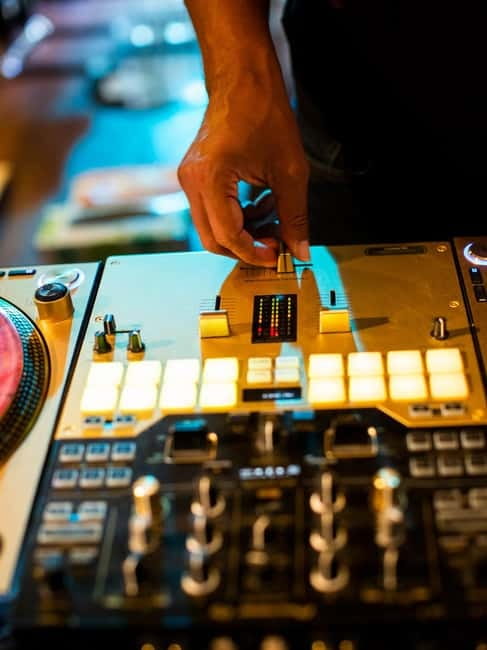
You’ll work with a DJ setup that includes a turntable and a mixing table with effects. The goal is simple: you should leave knowing what each control does and how it affects the sound.
Then comes the big comparison. You’ll see the difference between playing with CDJ versus vinyl—not as a label, but as technique. Vinyl demands physical timing and handling; CDJ feels more direct, but you still have to stay on beat and manage transitions.
Most importantly, you’ll get practice with vinyl like the style people associate with the 80s and 90s. That’s where scratching skills come in, and where you learn that scratching is not random noise—it’s pattern, timing, and rhythm. The instructor covers different scratching approaches (including hip hop and techno, plus pop-style handling).
Scratching basics: timing first, then style
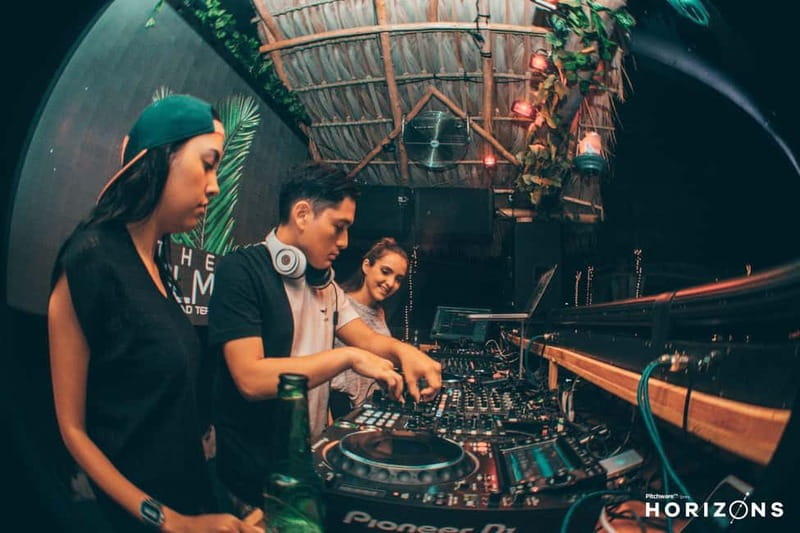
Scratching can look intimidating on YouTube. In real life, it’s mostly repeatable technique. That’s why this workshop starts with the basics and gradually moves you toward trying it in the session.
You’ll learn how to handle records (and the mechanics of the turntable setup) without rushing. Once your hands can do the motion, the sound makes more sense. When you’re listening actively, you start to hear where the scratch fits: before the beat drops, as a bridge, or as an accent.
A nice touch is that scratching styles aren’t treated like one-size-fits-all. The lesson includes different scratching styles and shows you how they connect to genres. That’s the practical part you can use later when you listen to real sets and try to understand what you’re hearing.
Mixing-table basics and effects: learning how transitions get built
DJing isn’t only about one perfect move. It’s about transitions that feel right. Here, you learn the basics of how to structure songs by beats—think of it like giving your track a plan, the same way you’d plan musical phrasing.
You’ll work through core mixing fundamentals: how to line up the beat relationship, how to keep energy moving, and how to use the mixing table with effects. Effects are not just “cool buttons.” They’re tools for smoothing, building momentum, or marking a shift.
If you’re learning for the first time, this is where the workshop earns its keep. Once you can hear why a transition works, you’ll understand sets differently the next time you go out.
How your choice of music styles shapes the lesson
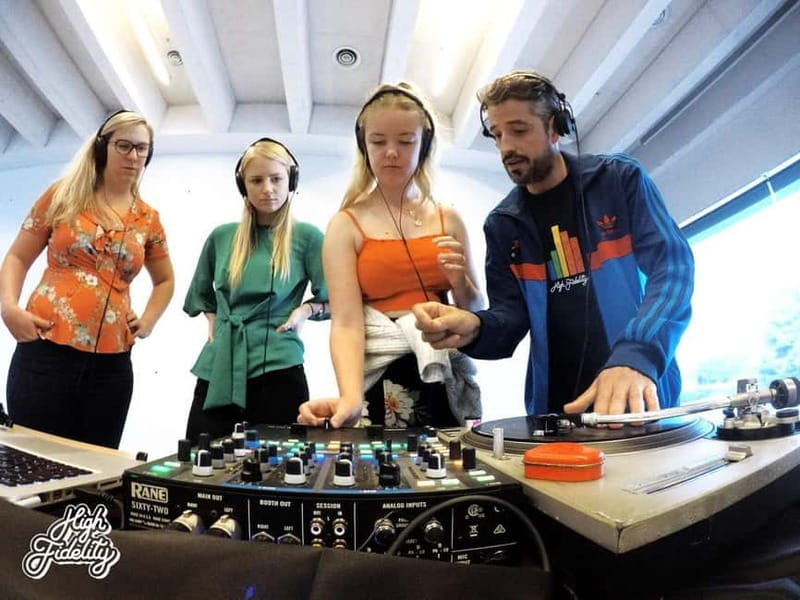
The workshop is flexible. You’re encouraged to play the style that you want—examples include trance, progressive, hard techno, techno, hardcore, hip hop, and hard style.
That matters because DJ technique shows up differently across genres. Techno might reward tight rhythm control. Trance often leans into smooth momentum and arrangement. Hardcore and hard styles can demand faster decisions as the track energy climbs.
So when the instructor asks you what you like, it isn’t just fun personalization. It helps you practice with the right feel and the right kind of pacing. You’ll also have a chance to choose favorite music you want to work with, including techno, trance, psytrance, and Jouse.
One more detail I appreciate: you can even sing one song. That turns the workshop from pure technical training into a more playful, performer-style moment. If you’re the type who learns better by doing and expressing, that option can help you relax and jump in.



The Berlin electronic music story you hear while you practice
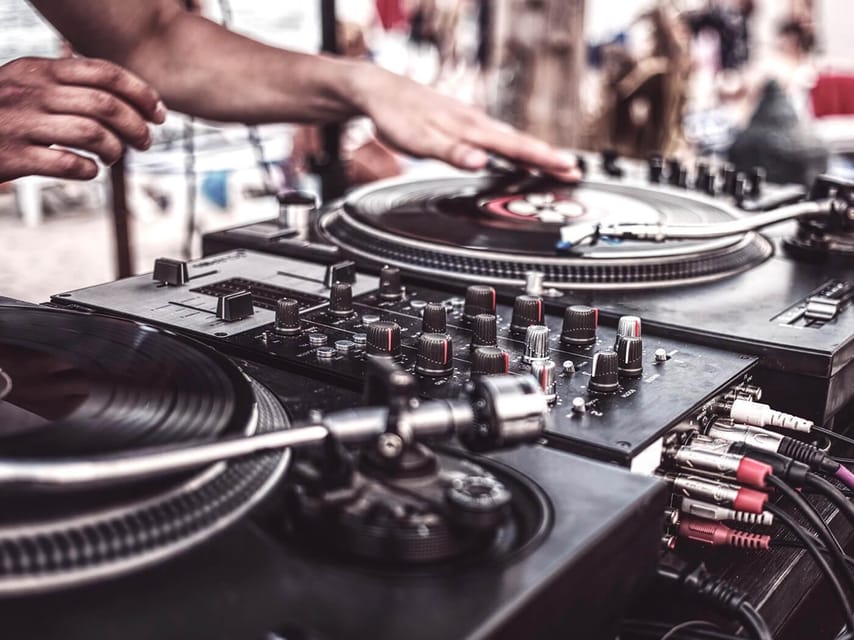
This workshop doesn’t treat Berlin like a slogan. The instructor explains Berlin’s electronic music evolution and connects it to what you learn at the decks.
You’ll hear how the scene moved through different genres and how that shaped what people expect from clubs and DJs. Since you’re actively mixing during the talk, it sticks better. You aren’t just collecting facts; you’re hearing context while your hands are working.
The instructor also explains the differences between playing formats—CDJ versus vinyl—and how that technical difference changes what DJs can do. That kind of context is rare in basic DJ lessons. It helps you understand why certain sounds and techniques became popular in certain scenes.
And yes, there’s guidance on club music. The instructor can explain the kind of music associated with Berlin clubs, including an older one. Since the focus is practical, it’s not only about naming places—it’s about helping you connect sound to setting.
What small-group instruction feels like in practice
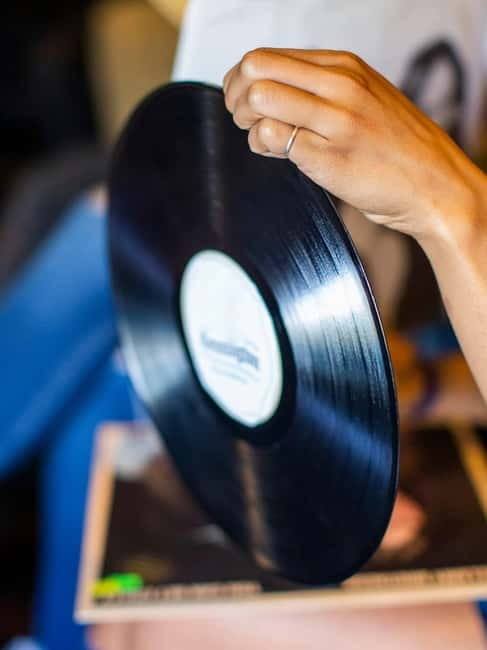
Up to 6 participants is a big deal here. In a larger class, you can end up waiting your turn while someone else gets the deck time. Here, the setup and the pace are designed so you can try things yourself.
In the reviews, the instructor stands out as both skilled and supportive. Marcos Jesus Otero Valeta goes by Sasha (Jesus) in the session vibe, and the teaching approach comes across as easygoing, not stiff. That’s important because DJ skills involve muscle memory. You need time to experiment without feeling judged.
The group size also helps the instructor spot what you’re struggling with—beat timing, scratch motion, or navigating effects—and adjust on the spot. That kind of real-time correction is how you improve faster than you would alone.
Included drinks and the “real-life” feel of the session
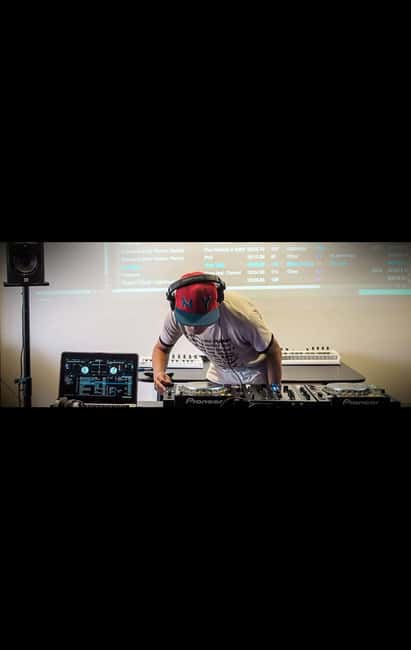
The workshop includes drinks like coffee, water, or soft drinks. It’s a small line item, but it makes a difference in a hands-on class where you’re focused and moving around a bit.
This also keeps the vibe comfortable. You’re not bouncing between activities in Berlin all day. You’re here to learn, try, and reset your brain between steps. That simple comfort helps people get past the awkward stage of trying something technical in front of others.
Price and value: is $67 worth it?
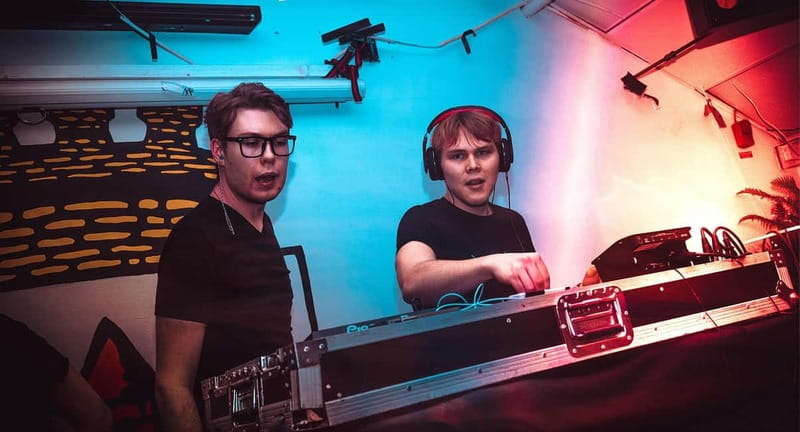
For $67 per person, you get:
- 1.5 hours of direct DJ instruction
- small-group deck time (limited to 6 participants)
- practice with vinyl and CDJ
- mixing table with effects
- drinks included
That price makes sense if you compare it to the cost of concert tickets plus trial-and-error practice time. Here, you get guided feedback and structured learning in one session.
If you’re a complete beginner, the value is highest because someone else is removing the guessing. If you already know some basics, you can still benefit because you’re getting vinyl handling/scratching practice and effects mixing—plus context on Berlin electronic styles.
And the short duration is part of the pricing logic. It’s not a long course. It’s a focused, “get started properly” session.
Where to meet and how the timing works
You’ll meet at a spot described as being between a building with a cake shop and a jewelry shop. The activity ends back at the meeting point.
The duration is listed as 1.5 hours, but start times can vary. So check availability for your day and pick the start that fits your Berlin schedule.
Because the group is small, I’d arrive a bit early. DJ sessions run on rhythm, and you’ll want a calm minute to get oriented before the gear and lesson begin.
Who this workshop is best for
This experience is a strong match if you:
- want to learn the basics of DJing without a heavy music theory load
- are curious about vinyl scratching and the tactile side of DJing
- like electronic styles such as techno, trance, psytrance, progressive, and hardcore
- value small-group, hands-on learning
It’s also a good choice if you’re the kind of person who enjoys culture through action. You’re learning Berlin electronic music context while your hands practice mixing.
A caution: it’s not suitable for children under 13. And if you want a mostly passive experience—more watching than doing—this won’t feel like the right fit.
Should you book DJ for a Day in Berlin?
I’d book it if you want a practical Berlin music experience with real deck time. The mix of vinyl practice, CDJ basics, scratching instruction, and genre-focused song choices makes it more than a demo.
It also scores points for the way the session supports beginners. With a small group and an instructor who’s fun and easygoing, you’re more likely to leave feeling like you can actually repeat what you learned. For $67, that’s a very fair deal.
If you’re already an experienced DJ, you might still find value in the vinyl handling and scratching coaching, plus the Berlin-club music context. But if you only want to watch and soak up atmosphere, you’ll probably prefer something more performance-based.
FAQ
How long is DJ for a Day in Berlin?
The workshop lasts 1.5 hours. Start times can vary, so it’s best to check availability for the times offered.
How much does it cost?
The price is $67 per person.
How many people are in the group?
It’s a small group limited to 6 participants.
What languages are offered?
The instructor teaches in English and German.
Can I play on both CDJ and vinyl?
Yes. You can play with the CDJ or work with vinyl, including scratching practice.
Is there singing involved?
Yes, you can sing one song as part of the experience.
What drinks are included?
Drinks included are coffee, water, and soft drinks.
Is the workshop refundable?
It has free cancellation up to 24 hours in advance for a full refund.
Is this experience for kids?
It’s not suitable for children under 13 years.