REVIEW · BERLIN
Berlin: E-Bike Tour of the Berlin Wall and Mitte Highlights
Book on GetYourGuide →Operated by BBT-Sightseeing & More · Bookable on GetYourGuide
Two wheels make Berlin’s wall story hit harder. This Berlin Wall e-bike tour turns the Mitte highlights into a moving timeline, starting at the former border area and rolling past major landmarks in a way that feels easy and real. I like that you stay active through historical streets, and I love how the ride connects key Wall-related locations with what’s here today—so the city makes sense fast.
The main trade-off is simple: it runs rain or shine, so you’ll want weather gear and a plan to stay comfortable. Also, it’s a German guided tour, and entrance tickets aren’t included—so check what you want to go in for before you arrive.
In This Review
- Key points worth knowing
- Why riding the Berlin Wall line is the best way to get it
- Getting set up at Bornholmer Strasse 75
- The night of 9 November 1989: where celebration meets history
- Mauerpark: cycling through a park that used to be divided
- Bernauer Strasse, the Wall Memorial, and the Chapel of Reconciliation
- Nordbahnhof: the ghost-train-station story you won’t get from postcards
- Mitte’s government quarter: Charité, Reichstag, and Brandenburg Gate
- The Holocaust Memorial: pause, then keep going with context
- Gendarmenmarkt and Bebelplatz: grandeur plus a darker whisper
- Unter den Linden to Berlin Cathedral and the renovated Berlin Palace
- Rotes Rathaus, Alexanderplatz, TV Tower, and the World Clock finish
- Price, pace, and what you get for $48
- Who this tour is best for (and who should skip it)
- Practical tips to make your ride smoother
- Should you book this Berlin Wall e-bike tour?
- FAQ
- FAQ
- How long is the Berlin Wall and Mitte highlights e-bike tour?
- Where does the tour start?
- Is the tour offered in English?
- What’s included in the price?
- Are food and drinks included?
- Does the tour include entrance tickets to attractions?
- Is the tour canceled in bad weather?
- How big is the group?
Key points worth knowing
- Bornholmer Strasse starting point gives you the border-story context right away
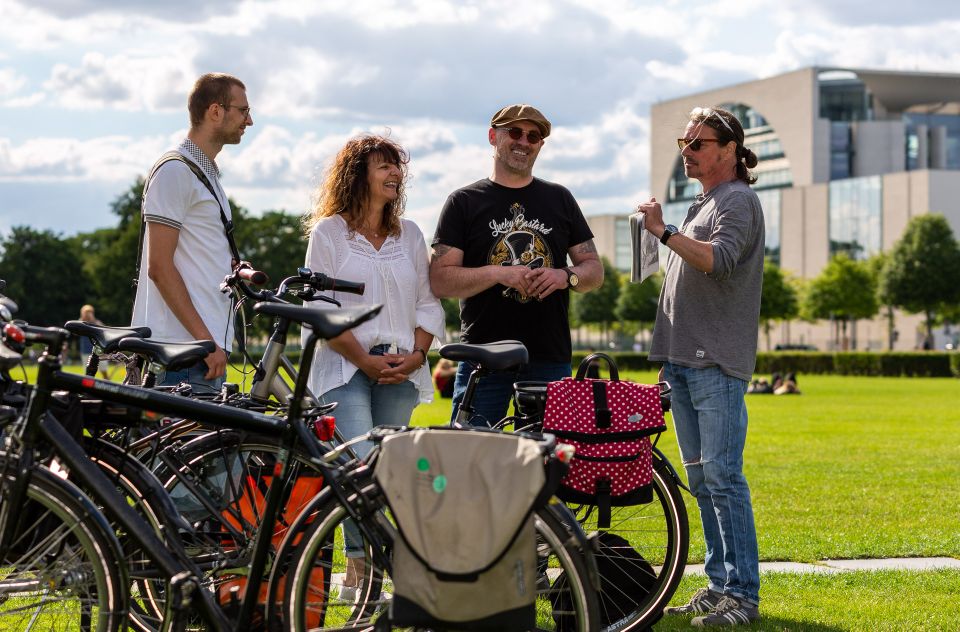
- Small group (max 8) keeps the pace human and the guide’s explanations clear
- Wall landmarks + modern Mitte icons means you get both the past and the present in one loop
- Mauerpark, Bernauer Strasse, and Nordbahnhof connect the Wall line to real places you can see today
- Reichstag, Brandenburg Gate, Holocaust Memorial add big, emotional landmarks without feeling chaotic
- End at Alexanderplatz and the TV Tower area so the tour finishes on modern Berlin energy
Why riding the Berlin Wall line is the best way to get it
Berlin is a city of layers. The Wall isn’t one monument you can check off—it’s a whole set of lines, neighborhoods, and everyday streets that still shape how the city looks and moves. Doing it by e-bike helps because you’re not stuck in long walks or hopping between points with gaps in the story.
You also get a practical advantage: most of the best sights in Mitte sit close enough to link together, but they’re spread out enough that a normal walking route can drain you. Here, the electric assist keeps you in the flow. That means you can spend your energy on paying attention—listening to the guide’s framing of each site—rather than fighting fatigue.
One more reason this format works: it lets you feel the city rhythm. You’re cycling through neighborhoods instead of just arriving, viewing, and leaving. It’s the difference between reading about a place and moving through it.
You can also read our reviews of more cycling tours in Berlin

Getting set up at Bornholmer Strasse 75
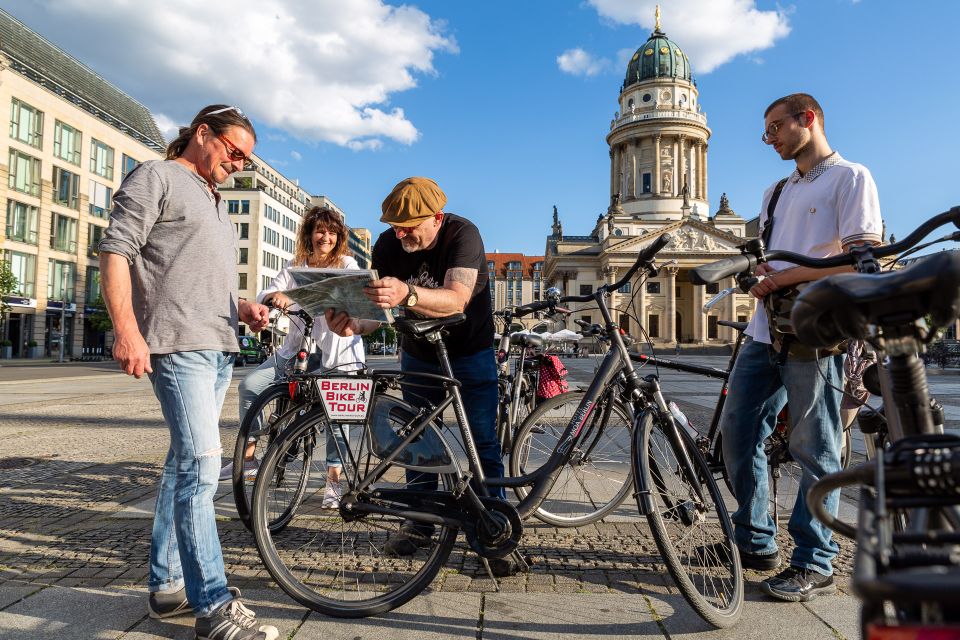
The tour meets outside Bornholmer Str. 75, which matters because you start at a former border-zone area tied to the fall of the Wall. You begin the ride with the physical geography in mind, and that makes later stops hit harder.
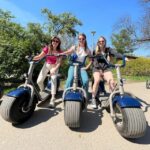
You’ll be provided the e-bike plus a bike lock, and you’ll travel with a live guide. The tour is designed for a small group—limited to 8 participants—which helps a lot. It’s easier to hear the guide, easier to keep the group together, and easier to ask quick questions when something doesn’t click yet.
Language is German, so if you’re not comfortable with German conversation, you’ll want to be okay with getting the main ideas even if you can’t catch every detail. You can still enjoy the visual storytelling and the route itself.
The night of 9 November 1989: where celebration meets history
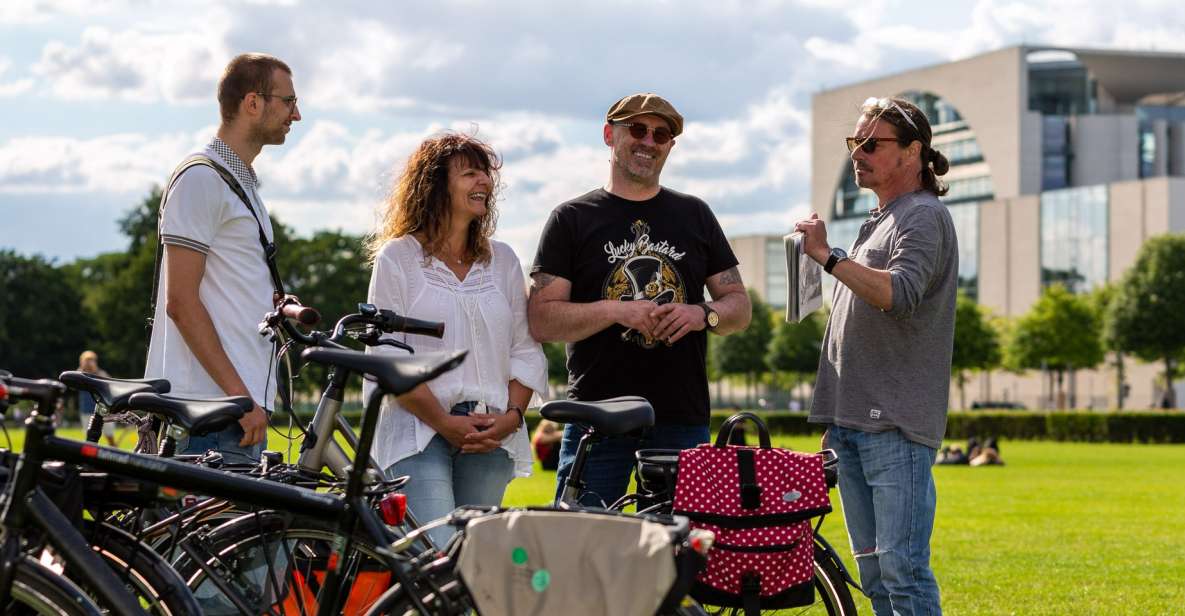
One of the strongest moments is the ride into the area tied to the events of 9 November 1989—the night East and West Berliners surged through opened gates at the fall of the Wall. Starting from there gives you immediate emotional context, not just geography.
This stop isn’t just about the date. It’s about how a single turning point changes a city overnight. As you ride out from that origin point, you’ll feel how the Wall moved from being a daily reality to something that became history—then memory—then a physical absence that the city has had to rebuild around.
A small caution: this is an emotional topic. Even if you’re not a history nerd, keep your expectations calm and respectful. The best part of the tour is how the guide balances facts with tone.
Mauerpark: cycling through a park that used to be divided
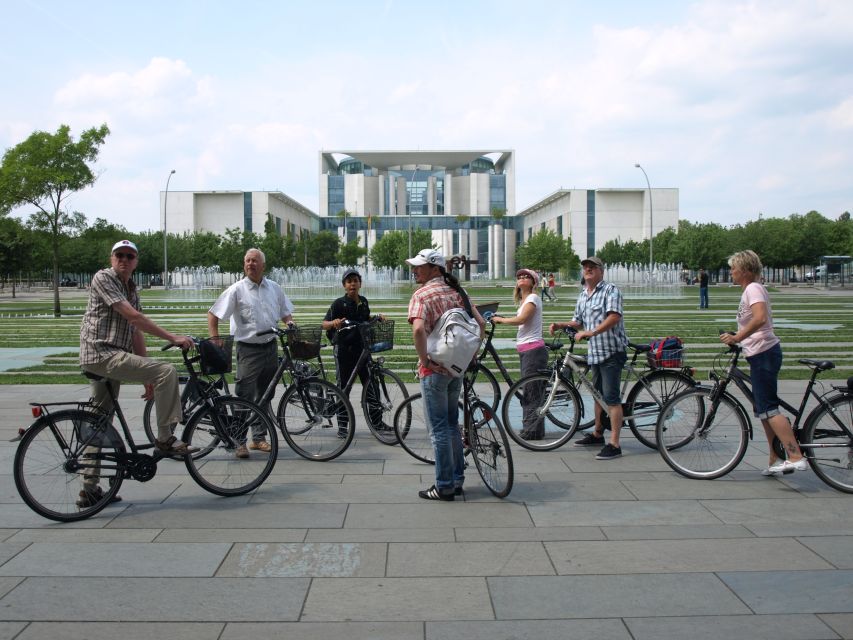
Next, you roll toward Mauerpark, where the Wall used to slice the park into East and West sections. This is one of those sights where the present-day space can trick you. A lively park can make it easy to forget what the ground used to mean.
That’s why a guided route matters. You’re not just seeing a green area—you’re seeing a location with a past that changed the lives of people on both sides. When the guide explains how the Wall shaped public space here, the park stops feeling generic and starts feeling like a living reminder.
Practical note for your ride: this is a sightseeing stretch, so bring your attention. Look out for the way the route is arranged so you can follow the logic of the border line without getting lost in details.
Bernauer Strasse, the Wall Memorial, and the Chapel of Reconciliation
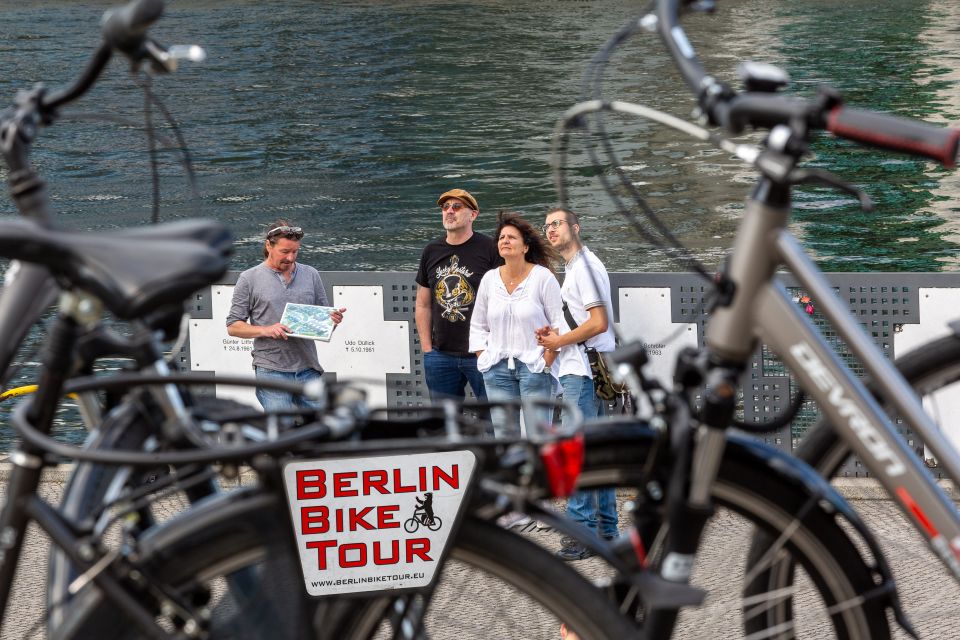
As you continue along Bernauer Strasse, you reach the Wall Memorial and the Chapel of Reconciliation. This is a “slow down and absorb” section. It’s also where you’ll feel that the tour isn’t only about architecture and landmarks—it’s about human impact.
The Wall Memorial gives you the physical sense of what used to stand there, while the Chapel of Reconciliation brings in the tone of reflection. You don’t need to be religious to appreciate the feeling of the space. Even if you’ve seen photos before, being on site and hearing the guide’s framing makes it different.
This is also the part where I’d recommend you keep your phone use reasonable. Taking pictures is fine, but don’t let the camera become your only focus. The guide’s explanations are built for you to listen, not just look.
You can also read our reviews of more tours and experiences in Berlin

Nordbahnhof: the ghost-train-station story you won’t get from postcards
You then head toward a former ghost train station, Nordbahnhof. That description alone sounds like a movie set, but it’s tied to how the border affected everyday movement—especially travel routes.
This stop helps you understand something important: the Wall wasn’t only walls and watchtowers. It also disrupted transport, access, and normal routines. When you’re cycling through Mitte, it’s easy to assume the city’s smooth flow is the whole story. Nordbahnhof is a reminder that the city’s motion was once interrupted on purpose.
If you like history that feels concrete—rather than only theoretical—this is one of the more compelling sections.
Mitte’s government quarter: Charité, Reichstag, and Brandenburg Gate
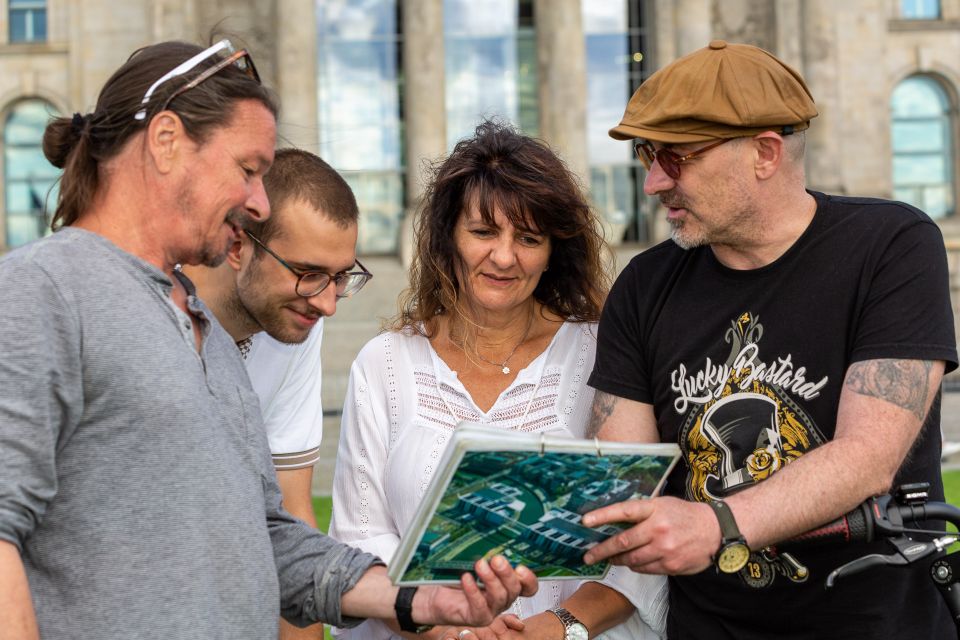
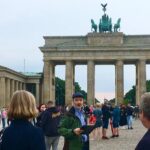
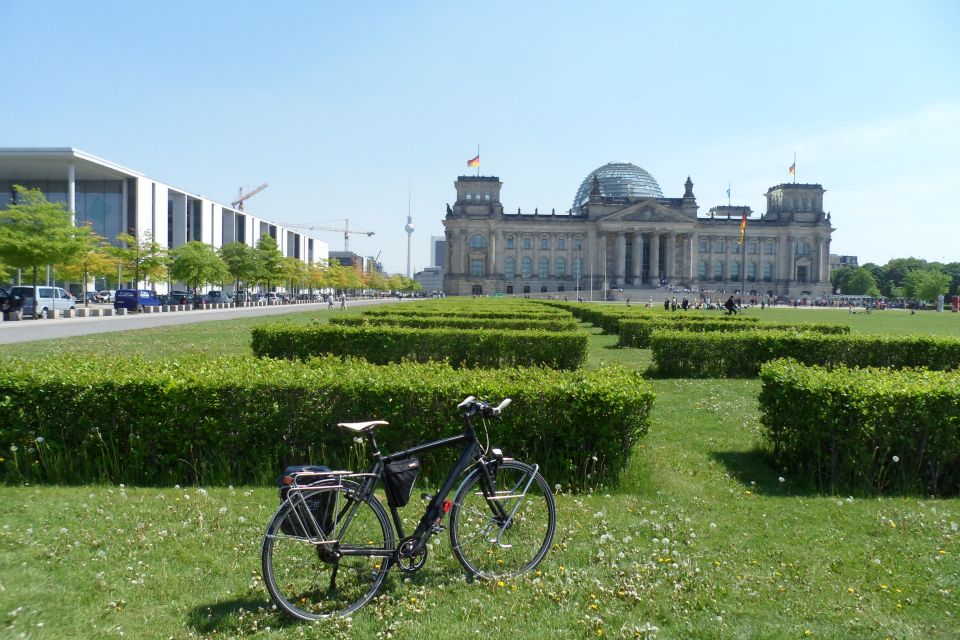
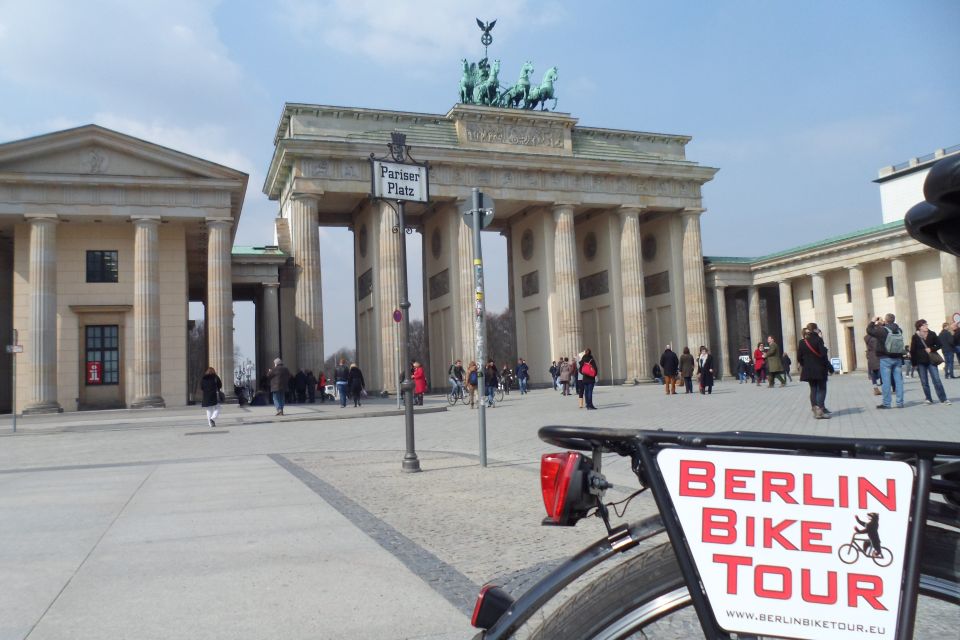
Now you shift into the classic “Berlin looks like Berlin” zone. The ride passes Charité, the government quarter, and the Reichstag. You also reach the Brandenburg Gate, one of the most recognizable symbols in Germany.
This stretch is valuable because it shows the Wall story moving into the modern capital story. You’re not just learning about division—you’re seeing the architecture and institutions that helped define post-Wall Berlin.
The route also includes the Tiergarten, which helps break up the dense concentration of sights. It’s a green breathing space inside the city center, so you get a mental reset before the more solemn stops later.
A small tip: this part is good for photos, but it’s also a good moment to listen. The guide’s job here is to connect what you’re seeing to why it matters—not only to point.
The Holocaust Memorial: pause, then keep going with context
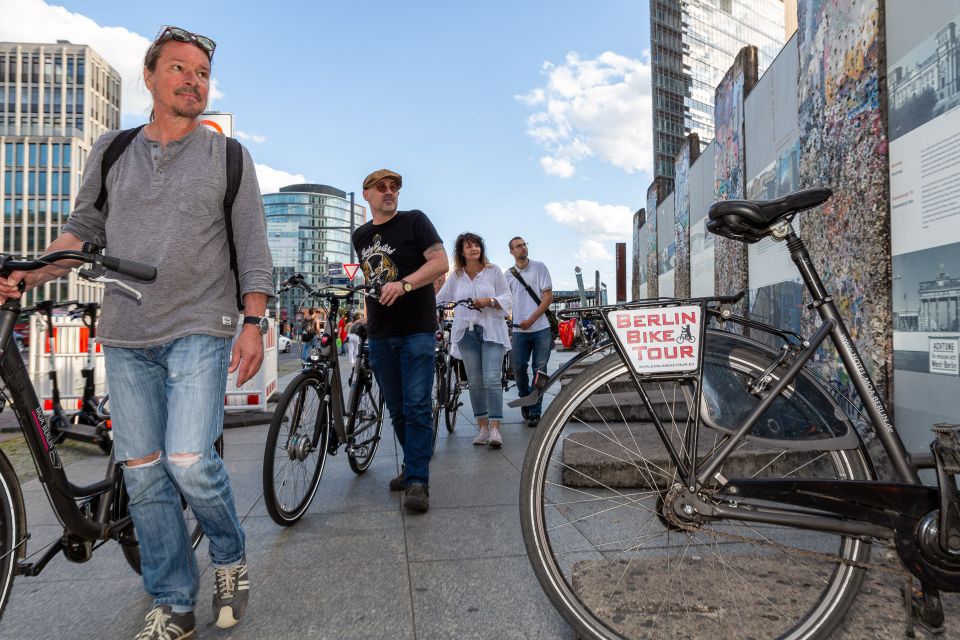
You’ll stop at the Holocaust Memorial and take a moment to pay respects. This isn’t a quick drive-by. The value is in the pause and the acknowledgment.
After a lot of sights, it would be easy for a tour to rush ahead. Here, the structure keeps it serious. Then you move on, but with a changed lens—because you’ve done the respectful break instead of skipping over it.
Gendarmenmarkt and Bebelplatz: grandeur plus a darker whisper
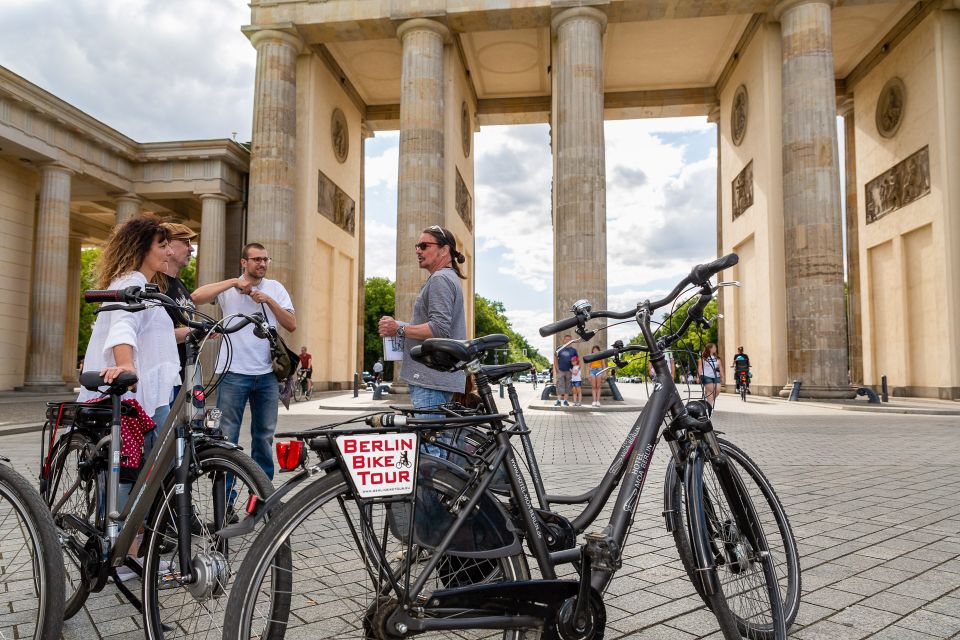
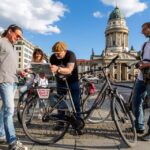
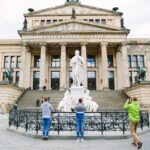
From the memorial area, the tour heads toward Gendarmenmarkt and Bebelplatz. This is where Berlin shows a different side: dramatic public spaces, beautiful buildings, and the kind of urban design that makes you stop even without thinking.
The reason I like this pairing is balance. You get the visual comfort of a landmark square, but you also get a stop that carries historical weight. Berlin does this often: beauty and seriousness sit close together, and a good guide helps you hold both at once.
If you’re the type who hates tours that only feel like checklists, this section is a good sign. It adds texture to the day without turning into a lecture marathon.
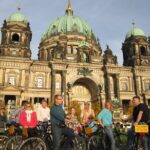
Unter den Linden to Berlin Cathedral and the renovated Berlin Palace
As you cycle down Unter den Linden, you’ll pass major central sights like Berlin Cathedral, the renovated Berlin Palace, and then continue toward the charming streets of Nikolaiviertel—the original village area that became part of Berlin.
This is a “slow city” stretch in the best way. It gives you a chance to appreciate how Berlin’s main avenues feel on a bike: long sightlines, grand buildings, and streets that connect districts smoothly.
One thing to keep in mind: some of the most famous buildings can be crowded or under repair depending on the season, and entrances may require tickets you won’t have included. The tour focuses on seeing and learning; it doesn’t promise you’ll go inside every landmark.
So treat this section as orientation and appreciation, not as a guarantee of indoor time.
Rotes Rathaus, Alexanderplatz, TV Tower, and the World Clock finish
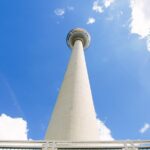
The tour ends in modern central Berlin with stops around Rotes Rathaus, Alexanderplatz, and the TV Tower area. You’ll also see Marien Church and the World Clock, which gives a fun contrast to the Wall sites earlier in the day.
This ending is smart: after emotionally heavy parts of the route, it feels good to land somewhere lively and forward-looking. Alexanderplatz is the kind of place that reminds you Berlin is still working, still moving, still reinventing.
If you’re deciding what to do next after the tour, this is a great finish point. You’ll be near major transit and plenty of options for dinner, snacks, or a second round of exploring at your own pace—without dragging the tour structure along with you.
Price, pace, and what you get for $48
At $48 per person for about 210 minutes, the value comes from what’s included: the e-bike, a bike lock, and a tour guide. That’s a lot of guided route time for the price, especially in a city where transport and guiding costs add up quickly.
The tour doesn’t include food and drinks, and it also doesn’t include entrance tickets. That’s not a deal-breaker—just plan ahead. If you want inside access somewhere, you’ll need to budget separately.
Pace-wise, you’re staying active the whole time, which is part of the charm. If you’re comfortable riding an e-bike, you’ll likely find the pace enjoyable rather than exhausting. If you’re not confident on a bike, you’ll want to go in with a beginner mindset and take it slow early on while you get used to the controls.
Group size is capped at 8, which helps keep the tour from feeling rushed. A smaller group also tends to mean fewer stops skipped and fewer explanations lost.
Who this tour is best for (and who should skip it)
This is a strong fit if you:
- Want a Berlin Wall route that connects multiple sites without long transfers
- Prefer learning with a live guide rather than reading signs alone
- Like seeing landmarks in the center of Berlin but don’t want your day consumed by walking
- Feel more comfortable touring with a small group
It may be less ideal if you:
- Need a tour in English (this one runs with a German guide)
- Are looking for lots of inside attraction time (entrance tickets aren’t included)
- Hate riding in the rain—because it runs rain or shine
One more note from the experience vibe: guides can be emotionally and historically focused, and the ride works best when you’re ready to listen for longer stretches.
Practical tips to make your ride smoother
- Bring drinks. The tour covers a lot of ground, and you’ll feel better if you can sip before you get thirsty.
- Wear weather-appropriate clothing. Since it’s rain or shine, aim for something that can handle damp streets without soaking through.
- Keep your bike comfort in mind. If the bike feels off, tell the guide early so it can be adjusted.
- For photos, plan to shoot during stops and at major viewpoints, not while rolling at full speed.
- If you want to maximize the value, skim your own must-sees ahead of time. That way, when the guide points something out—like a Wall-related reference—you’ll know why it matters to you.
And if you get a guide like Ference, you’re in good shape. At least one rider highlighted how clearly he brought the Wall story to life, with explanations that felt both structured and emotional.
Should you book this Berlin Wall e-bike tour?
If your goal is to understand the Berlin Wall in a way that feels connected—not scattered—this tour is a solid choice. The route links border-related places like Bornholmer Strasse, Mauerpark, Bernauer Strasse, and Nordbahnhof, then carries you into iconic Mitte landmarks like Reichstag and Brandenburg Gate, and finally finishes at modern Alexanderplatz and the TV Tower area.
Book it if you want an active day, small-group attention, and a guide who can shape the story as you ride. Skip it if you need an English-only tour, want guaranteed entrance time, or can’t handle the idea of riding in rain.
FAQ
FAQ
How long is the Berlin Wall and Mitte highlights e-bike tour?
It lasts 210 minutes.
Where does the tour start?
The meeting point is outside Bornholmer Strasse 75.
Is the tour offered in English?
The live tour guide language listed is German.
What’s included in the price?
The tour includes the e-bike, bike lock, and a tour guide.
Are food and drinks included?
No. Food and drinks are not included, so you should bring your own.
Does the tour include entrance tickets to attractions?
No. Entrance tickets are not included.
Is the tour canceled in bad weather?
The tour runs rain or shine.
How big is the group?
It’s a small group, limited to 8 participants.