REVIEW · BERLIN
Hitler to Stalin – WWII & Cold War Tour (Small Group)
Book on Viator →Operated by On the Front Tours · Bookable on Viator
Berlin hits you differently when you walk it. This small-group WWII and Cold War tour connects the dots across Nazi Germany, Soviet control, and the city’s later division. I like the tight route that covers major sites fast, and I like that the guides turn stone-and-brick history into clear human stories.
What makes it especially interesting is the mix of places that mean very different things today. You’ll stand at Brandenburg Gate and the Holocaust Memorial, then move to Cold War flashpoints like the Berlin Wall Memorial and Checkpoint Charlie. The one drawback to keep in mind: the pace is brisk, and the subject matter is heavy, so you may want a moment to slow down if you’re sensitive to intense topics.
Key to this tour’s value is that you’re not paying extra entry fees for the main stops. Most stops list free admission, so your money goes mostly to the guide and the walking history format—easy to justify when you’re trying to get your bearings in a short time.
In This Review
- Hitler to Stalin: How Berlin’s Dark Timeline Gets Told on Foot
- Brandenburg Gate to Reichstag: The Symbol and the Government at the Center
- Tiergarten and the Holocaust Memorial: Two Kinds of Memory to Hold at Once
- Fuhrerbunker to 17 June Uprising: When the City Became a Weapon
- The Berlin Wall Memorial and Checkpoint Charlie: The Boundary You Can Feel
- Price and Logistics: Why This Walk Feels Like a Deal
- Who Should Book This WWII and Cold War Tour in Berlin
- Final Thoughts: Should You Book It?
- FAQ
- How long is the Hitler to Stalin: WWII & Cold War tour?
- Where does the tour start and end?
- How much does the tour cost?
- Is the tour a small group?
- Do I need physical tickets?
- Are admission fees included for the stops?
- What are the main sights covered?
- What weather conditions are required?
- Can I get a refund if plans change?
Hitler to Stalin: How Berlin’s Dark Timeline Gets Told on Foot
Berlin has a rare talent for showing history in layers. You see the old empire in the architecture, the Nazi era in the scars and symbols, then the Cold War in the boundaries between neighborhoods and the way authorities shaped everyday life. When you do this tour as one connected walk, the story stops feeling like random facts and starts feeling like a cause-and-effect chain.
And that’s the emotional trick. This isn’t just about dates. It’s about how power moves: from governments, to bunkers, to walls, to uprisings, to new identities. You’ll leave with a clearer sense of how a city can be both the stage for global conflict and a survivor in its own right.
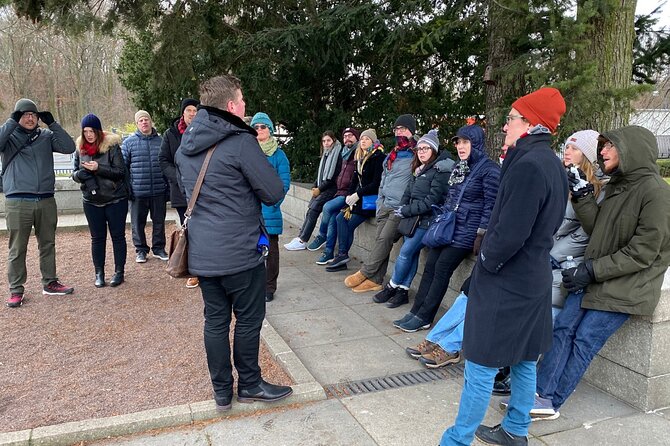
The small group size (max 15) also matters. It helps you ask questions without feeling like you’re shouting into a stadium. You get the benefits of a tour guide, but you still have the ability to look around and take in what’s actually in front of you.
Brandenburg Gate to Reichstag: The Symbol and the Government at the Center
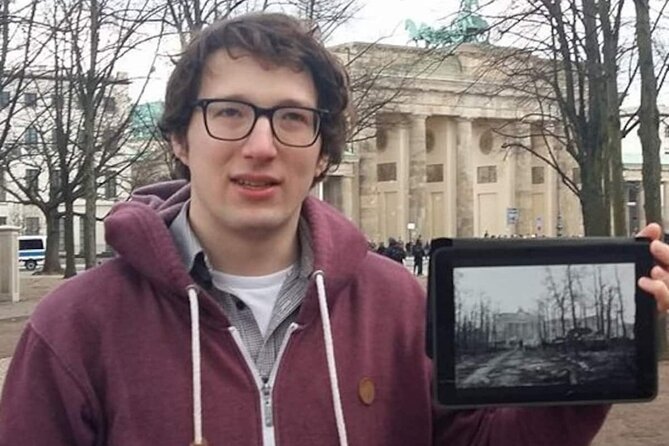
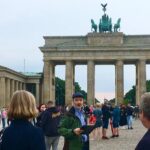
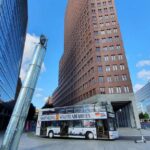
You start at Pariser Platz at the Brandenburg Gate, one of Berlin’s most photographed structures. The gate itself has an 18th-century backstory: built by Frederick William II after an earlier city gate stood there. Even with that older origin, it quickly became a stage for major moments—today it’s often framed as a symbol of European unity and peace.
Here’s the practical value: the Brandenburg Gate location helps you understand Berlin’s layout. You’re close to Mitte, and you can feel how the gate sits at an intersection of civic power and national identity. It’s not tucked away in a museum corner; it’s built for public life.
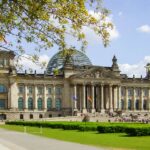
Next you move to the Reichstag building, home of Germany’s Bundestag. The building’s long political run is what makes it click. It opened in 1894 for the Imperial Diet (the German Empire’s political body). Then in 1933, it was destroyed by fire, leaving a Nazi-era break in the continuity of German governance.
After World War II, it was badly damaged, and it wasn’t fully restored until 1999. That restoration date is your hint for how long the aftershock of war lingered—not just physically, but in rebuilding national institutions.
What to look for: don’t treat the Reichstag like a single stop. Think of it as a “before and after” marker—how Germany tried to reassemble itself after catastrophe. If you like history that explains how institutions change, this part is a strong anchor.
You can also read our reviews of more tours and experiences in Berlin.


Tiergarten and the Holocaust Memorial: Two Kinds of Memory to Hold at Once
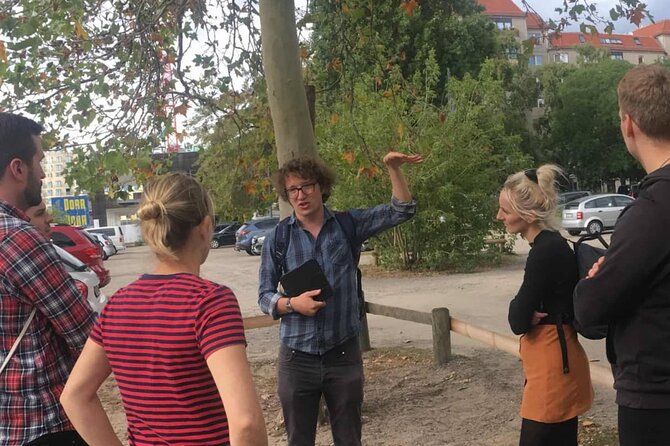
After the civic-power stops, the tour moves into memory that is harder to simplify. First comes the Soviet War Memorial in the Großer Tiergarten. The Soviet Union erected it in 1945 to commemorate soldiers of the Soviet Armed Forces who died in the Battle of Berlin. The placement is also specific, located near the Straße des 17 Juni corridor, on the northwest corner of that east-west street.
This is where the tour’s World War II story stops being one-country and becomes the collision of multiple armies and multiple narratives. You’re standing at a site that honors one group’s loss, but in Berlin—where so many groups suffered—honoring loss is rarely clean or simple.
Then you reach the Memorial to the Murdered Jews of Europe, created in 1999 and designed by Peter Eisenman. The concept is stark: over 2,711 concrete slabs set on a large site area of 19,000 square meters. The uneven layout can make your steps feel uncertain, even oddly disorienting.
That design choice matters. It pushes you to experience discomfort rather than just read about tragedy. And it also gives visitors a strange sort of freedom: because the memorial is abstract and open, you’re forced to confront the subject in your own personal way.
A practical note: bring steadiness. This isn’t the place for a quick photo spree. Give yourself a minute or two to just stand and register what you’re feeling.
Fuhrerbunker to 17 June Uprising: When the City Became a Weapon
The tour then turns toward the Nazi endgame at the Fuhrerbunker. This was an air-raid shelter built in Berlin during World War II, and it became the last site of Hitler’s headquarters. On January 16, 1945, Hitler took over the bunker. Less than forty hours before suicide, he married Eva Braun on April 29, 1945.
Those are dates you often see in textbooks. Standing near the place where this happened helps those numbers become human decisions under pressure. It’s grim, but it’s also clarifying: you can understand the last phase of Nazi rule as a closed world, where leadership retreated underground while the city above faced destruction.
The story of the site continues with what happened after the war. The old Chancellery buildings were leveled by the Soviets, while new ones were built. The underground complex remained mostly undisturbed until 1988—another reminder that Berlin’s past doesn’t vanish on schedule.
From there you move into the postwar fight between communist rule and resistance. The Denkmal zur Erinnerung an den Aufstand des 17. Juni 1953 marks the June 17 uprising, described as the first major challenge to the communist regime after the war. Soviet tanks suppressed it, and about 15,000 people were arrested afterward.
If you want a clear thread connecting World War II to the Cold War, this is it. The conflict doesn’t just shift from one army to another; it changes form. You go from bombs and bunkers to protests, arrests, and control of public life.
Between those stops, you also visit the Embassy of the Republic of Korea (Democratic People’s Republic of Korea) in Berlin, located in Glinkastraße 5 in the Mitte district. The Cold War in Berlin is often easiest to understand through symbols and states that still carry political weight long after the wall’s heyday.
The Berlin Wall Memorial and Checkpoint Charlie: The Boundary You Can Feel
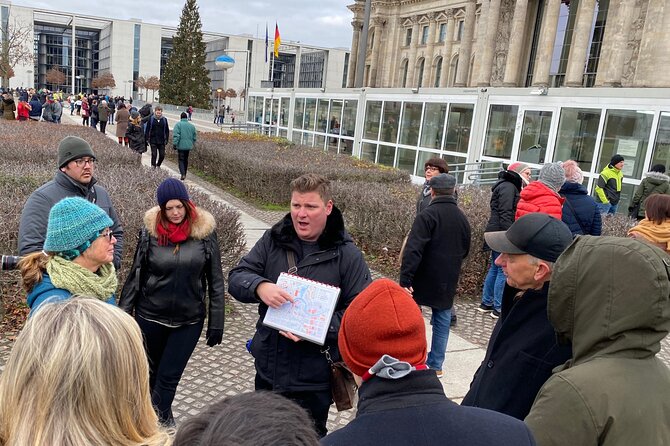
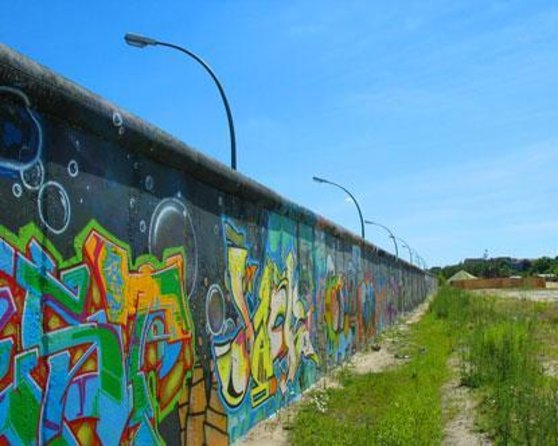
You finish with the Berlin Wall Memorial and then Checkpoint Charlie, and this is the part that tends to snap everything into focus. The Berlin Wall Memorial commemorates the division of Berlin by the wall and the deaths that occurred there. You’re not just looking at an artifact; you’re looking at a reminder that borders cost lives.
The wall’s story is one of the most teachable Cold War lessons because it’s visible in ordinary city space. Even if you weren’t alive during its era, you can see how a physical barrier reshapes people’s daily routes, their sense of safety, and their expectations about who controls the future.
Then comes Checkpoint Charlie, perhaps the world’s most famous crossing point between East and West Berlin during the Cold War period (1947–1991). Western Allies used the name Checkpoint Charlie, often shortened to Checkpoint C.
The value here is interpretation. A checkpoint is not just a location; it’s a system: paperwork, authority, surveillance, and the constant tension of crossing between incompatible political realities. In a short stop window, you still get that conceptual meaning, not just a photo op.
What to expect for timing: this ending stretch typically feels the most intense. You’re hit with the emotional weight of the wall, then immediately pulled into the sharp theater of a famous crossing point. If you’ve got sensitive nerves, slow down your breathing and give yourself small pauses.
Price and Logistics: Why This Walk Feels Like a Deal
The tour runs about 2 hours 30 minutes and costs $23, with a maximum group size of 15. That combination is where the value lives. You’re paying for a guide-led walk that covers major landmarks tied directly to WWII and Cold War turning points, and many stops list free admission.
You’ll get a mobile ticket, which is a practical bonus. Berlin is a city where systems move quickly, and having your ticket on your phone saves time and hassle.
You also start at Brandenburg Gate (Pariser Platz, 10117 Berlin) and end at Checkpoint Charlie (Friedrichstraße 43–45, 10117 Berlin). Because the route ends near a famous transit area, it’s easier to continue your day without feeling stuck in the middle of nowhere.
One more logistics factor: it requires good weather. The tour is outdoors and based on walking between fixed points, so plan to dress for a real Berlin day, not a perfect weather fantasy.
Finally, note the accessibility angle: service animals are allowed, and most travelers can participate. Still, the pace is not museum-casual. It’s a walk-and-talk style with short stop times (around 10 to 20 minutes at most points), so it suits people who like momentum.

Who Should Book This WWII and Cold War Tour in Berlin
If you’re a first-timer and you want a clear overview without spending the whole day in museums, this is a strong fit. It’s also ideal if you like history with location-based storytelling, meaning you enjoy learning by standing where events unfolded.
It’s especially good for:
- People who want both WWII and the Cold War in one coherent loop
- Visitors who learn well from guided interpretation and site context
- Anyone trying to understand why Berlin became a symbol of division and then unification
If you prefer slow, deep museum time at each stop, you might find the short duration at memorials too fast. The material is emotional, and some places (like the Holocaust Memorial) are best handled with extra quiet time. In that case, I’d treat this tour as your “orientation and meaning” first step, then plan your own return visits later.
Final Thoughts: Should You Book It?
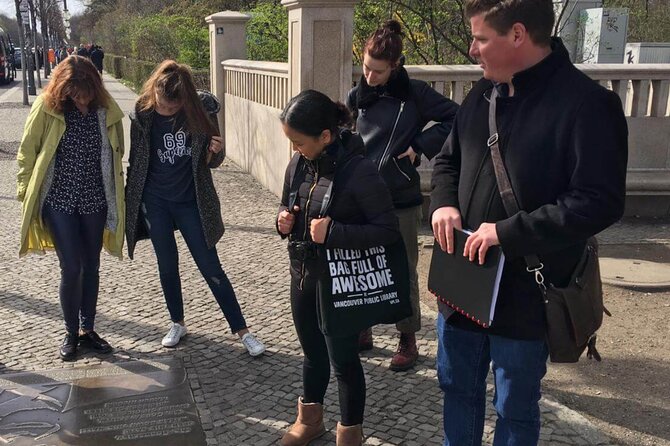
Yes, I’d book it if you want a guided, efficient walk through Berlin’s most important WWII and Cold War landmarks, especially at $23. The route makes sense for building context: you go from symbols of European unity and state power to memory sites, then to the visible structure of the Cold War.
Also, if you care about getting answers, this style of tour tends to work well. A guide named Mark has been praised for bringing the past to life with comparison photos of wartime scenes versus today, and that kind of visual storytelling is exactly what helps Berlin’s layers click.
Just go in prepared for heavy topics and a quick pace. If you can handle that, you’ll leave with a much clearer map of why Berlin matters—and how quickly a city can change when history turns dark.
FAQ
How long is the Hitler to Stalin: WWII & Cold War tour?
It lasts about 2 hours 30 minutes.
Where does the tour start and end?
It starts at Brandenburg Gate, Pariser Platz 10117 Berlin, Germany, and ends at Checkpoint Charlie, Friedrichstraße 43-45, 10117 Berlin, Germany.
How much does the tour cost?
The price is $23.
Is the tour a small group?
Yes. The group size is limited to a maximum of 15 travelers.
Do I need physical tickets?
No. You get a mobile ticket.
Are admission fees included for the stops?
The stops listed show free admission tickets for the main sights on the route.
What are the main sights covered?
You’ll visit Brandenburg Gate, the Reichstag building, the Soviet Memorial in Tiergarten, the Holocaust Memorial, the Fuhrerbunker area, an embassy stop, the June 17, 1953 uprising memorial, the Berlin Wall Memorial, and Checkpoint Charlie.
What weather conditions are required?
The experience requires good weather.
Can I get a refund if plans change?
Free cancellation is available. You can cancel up to 24 hours in advance for a full refund.