REVIEW · BERLIN
Historic Berlin: Exclusive Private Tour with a Local
Book on Viator →Operated by LocalBini - The go-to platform for Experiences by Locals in Europe · Bookable on Viator
Berlin history gets personal on this walk. This exclusive private tour threads together major democracy, remembrance, and Cold War landmarks, paced by a local and shaped around what you care about. I especially like the tailored itinerary and the way the guide keeps the story balanced, not overly dramatic or overly sanitized.
You also get real efficiency. In about two hours, you cover landmarks that can take way longer on your own, from the Reichstag area to Berlin’s medieval-feeling streets in Nikolaiviertel. The main drawback is the focus: this route hits heavy subjects and won’t feel like a casual sightseeing stroll.
Expect a smooth start and end point. You meet at the Academy of Arts on Pariser Platz and finish in Nikolaiviertel near Rathausstraße, with a route designed to match your walking pace and interests (and it can shift with weather). If you have impaired mobility, this isn’t recommended, since it’s a walking-based route.
In This Review
- What You’ll Notice on This Historic Berlin Route
- From Pariser Platz to Nikolaiviertel: How the Tour Feels
- The First Big Stop: Berlin as an Idea of Creativity and Thought
- Reichstag Building: Democracy You Can See (and Feel)
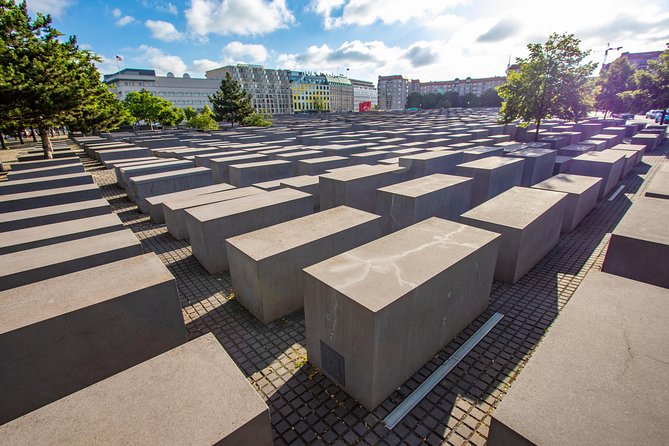
- Memorial to the Murdered Jews of Europe: Why Remembrance Needs Space
- Platz des Volksaufstandes (1953): The Cold War Hits the Street
- Former Gestapo and SS Headquarters Grounds: The Nazi Regime’s Real Footprint
- The East-West Division and Reunification Landmark: Seeing a Border as a Reality
- A Picturesque Square and the Classical Face of Berlin
- Bebelplatz on Unter den Linden: Book Burning and the Attack on Ideas
- Berlin Cathedral at Am Lustgarten: Religion, Architecture, and Public Identity
- Nikolaiviertel: Ending in Berlin’s Medieval-Feeling Heart
- Price and Value: Is $151.41 Worth It for 2 Hours?
- Who This Tour Fits Best (and Who Might Skip It)
- Should You Book This Historic Berlin Private Tour?
- FAQ
- How long is the private tour?
- Is this an exclusive private tour?
- What language is the tour offered in?
- What’s included in the price?
- Are entry tickets included?
- Can I cancel for a full refund?
What You’ll Notice on This Historic Berlin Route
- Exclusive private group time: only your group participates.
- An English-speaking local host: a real person guiding, not just a script.
- A route built for meaning, not just photos: democracy, genocide remembrance, and Cold War memories.
- Flexible pacing and stop choices: the itinerary adapts to your interests and walking speed.
- A strong ending location: you finish in Nikolaiviertel, an atmospheric area to continue on your own.
- Entry tickets aren’t included: plan for any ticketed viewing you want to add later.
From Pariser Platz to Nikolaiviertel: How the Tour Feels
This tour is built like a guided “through-line” of Berlin. You start at Academy of Arts, Pariser Platz 4, where the city’s official, political, and cultural worlds sit close together. From there, you walk into areas that help explain Berlin’s identity—how a city known for creativity can also be shaped by brutal decisions and political fractures.
What makes it work for me as a traveler is the pacing control. The itinerary adapts to your interests and walking pace, so you’re not stuck doing the same speed-run itinerary as everyone else. You’ll also be able to ask questions as you go, especially at the big symbolic stops where context matters.
A small consideration: because the stops include remembrance sites and Nazi-era history, the mood can shift quickly. That’s not a problem—it’s the point—but it means you should mentally pack for “serious listening,” not just sightseeing.
You can also read our reviews of more private tours in Berlin

The First Big Stop: Berlin as an Idea of Creativity and Thought
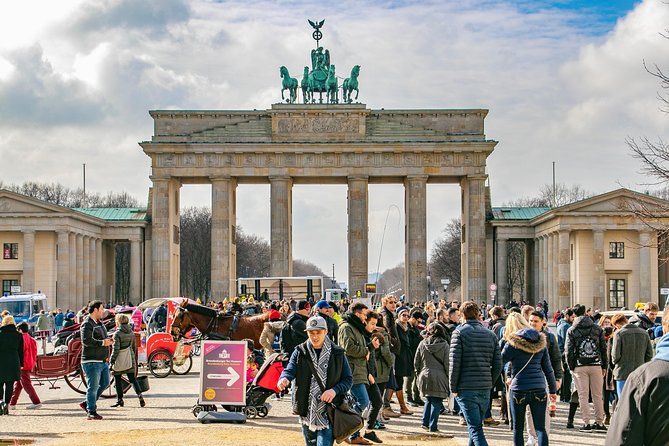
The route begins at a place described as a hub of artistic expression and creativity—an anchor for Berlin’s cultural and intellectual reputation. This is a smart warm-up, because it sets up the contrast you’ll see all tour long: Berlin as a place that thinks differently, even while being forced into political extremes.
You’re not just hearing that Berlin is artsy. You’re getting a framing that helps everything else click later—why the city’s buildings and institutions matter, and why people fought over ideas. Even if you’re not a “museum person,” this kind of context makes the rest of the route easier to understand.
If you prefer purely architectural tours with minimal “big theme” talk, this may feel a bit more interpretive than you expect. But if you like stories behind stones, you’ll enjoy this start.
Reichstag Building: Democracy You Can See (and Feel)
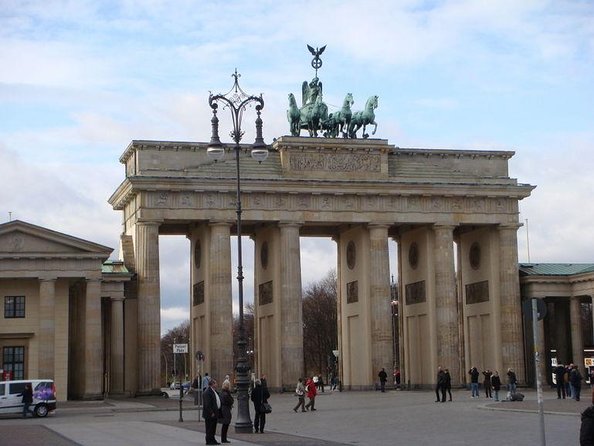
Then you hit the Reichstag Building in Platz der Republik, the symbol of German democracy, with the iconic glass dome called out as part of why this place is unforgettable. This stop is more than a landmark photo. It’s about what the building represents: governance, accountability, and the long process of rebuilding political legitimacy.
What I like about guiding here is that the story usually comes down to specifics you can point at. You can stand where the architecture signals transparency, then hear how history makes that idea complicated. It’s the kind of contrast that turns a “pretty building” into a meaningful stop.
Possible drawback: the area is very visible and central, so you’ll want to keep an eye on your guide’s timing and where you position yourself for the best viewpoint without blocking others.
Memorial to the Murdered Jews of Europe: Why Remembrance Needs Space
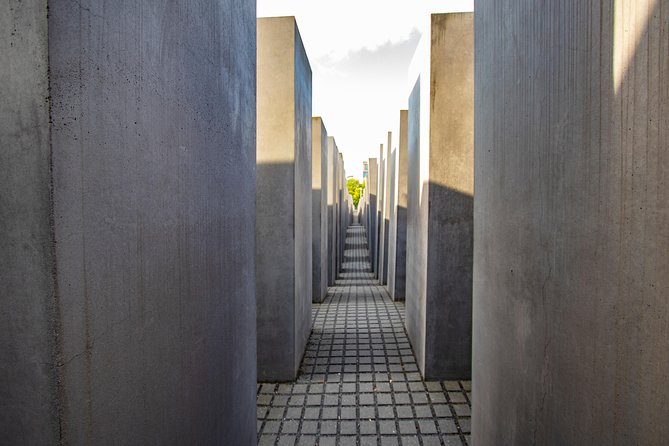
Next comes the Memorial to the Murdered Jews of Europe, described as a poignant and powerful reminder of the Holocaust. This is one of those stops where you don’t want to rush. The value of a private guide here is simple: they can explain what you’re looking at and why the memorial is designed to create a certain kind of mental space.
Instead of treating it like a “check-off,” the tour approach helps you slow down. You get context for the memorial’s purpose and how it fits into Berlin’s commitment to remembering its past. That matters, because without guidance it’s easy to either oversimplify it or feel unsure what you’re meant to take from it.
This stop can also be emotionally intense. If you’re traveling with kids or you know you prefer lighter history, you might want to prepare everyone for a serious segment.
Platz des Volksaufstandes (1953): The Cold War Hits the Street
After that, you walk to Platz des Volksaufstandes von 1953, commemorating the East German uprising. This is a key moment because it shifts the story from World War II-era memory to Cold War tension—where Berlin became a physical stage for political conflict.
I like this stop because it helps you understand that the Cold War wasn’t only about speeches and borders. It was about people, protest, and the consequences of challenging power. When you connect this to the later border and division/reunification symbolism, the route feels tighter.
One practical note: this is still a walking tour through urban space, so if you’re sensitive to crowds or long standing periods, plan to take cues from your guide on where to stand.
You can also read our reviews of more historical tours in Berlin




Former Gestapo and SS Headquarters Grounds: The Nazi Regime’s Real Footprint
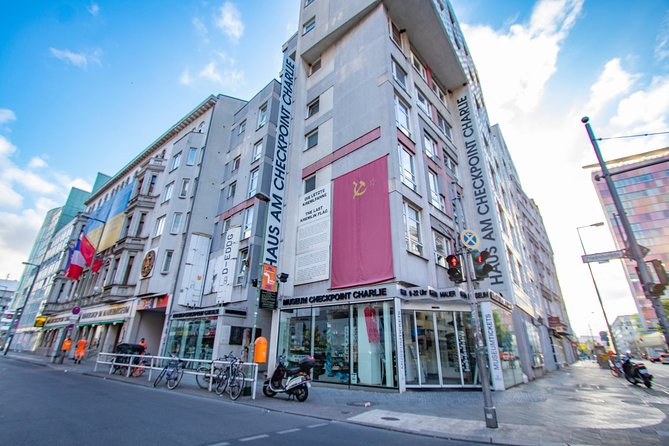
The tour then moves to a museum and memorial site on the grounds of the former Gestapo and SS headquarters, chronicling the horrors of the Nazi regime. This is heavy history with very specific roots. Standing in a place tied to those institutions makes the past feel less abstract.
A good guide makes the difference between “I learned facts” and “I understand why the location matters.” In places like this, the value is in the balance: understanding the scope of crimes without turning it into shock for shock’s sake. It’s the kind of stop where being careful with wording—and pacing—matters a lot.
If you want a lighter itinerary, you might find this portion overwhelming. But if you want Berlin explained honestly, this is essential.
The East-West Division and Reunification Landmark: Seeing a Border as a Reality
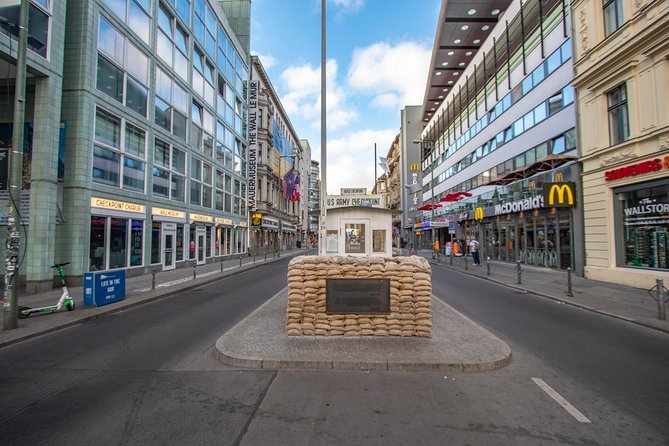
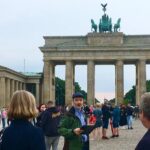
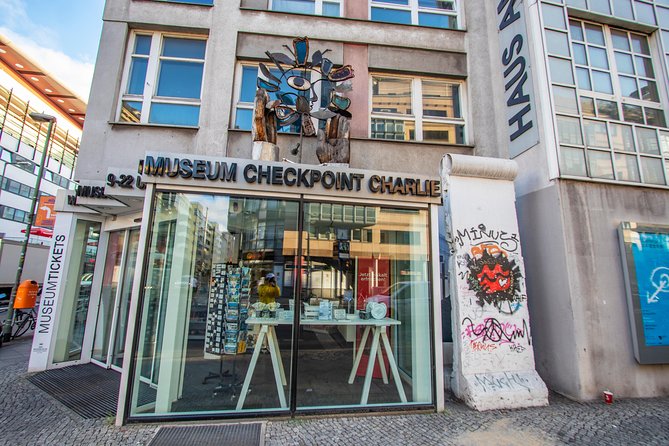
Next you’ll see a landmark symbolizing Berlin’s division and eventual reunification, once a crossing point between East and West Berlin. This part of the tour helps you imagine the city as something people lived inside—rather than just a map with lines.
The power here is in how the guide ties symbolism to human impact. You can look at a site that represents reunification and also understand what separation meant for daily movement, choices, and opportunity. That’s where Berlin’s history stops being a timeline and starts feeling like a lived experience.
There’s also a practical benefit: this stop often provides a natural “breather” in the emotional rhythm. Not because it’s lighter, but because it’s more about transformation—the shift from separation to the possibility of a shared future.
A Picturesque Square and the Classical Face of Berlin
You then pass through a picturesque square in Berlin, flanked by architectural masterpieces that showcase the city’s classical beauty and historical grandeur. After the heavier stops, this feels like visual recovery time, but it still fits the tour theme.
I find that Berlin’s “classic” spaces matter even in political history tours. They show how power, culture, and identity get expressed in buildings, symmetry, and public space. You’re reminded that Berlin isn’t only conflict—it’s also a place where design and planning communicate ambition.
If you’re someone who only cares about war and politics, you might call this a break-stop. But it’s also where you get better “geography in your head,” making it easier to connect later neighborhoods and landmarks.
Bebelplatz on Unter den Linden: Book Burning and the Attack on Ideas
At Bebelplatz on Unter den Linden, you’ll hear about the infamous Nazi book burning and the surrounding significant historical buildings. This stop matters because it tackles a different kind of violence: not only harming bodies, but controlling thought.
With a guide, this becomes more than a grim anecdote. It’s a lesson in how regimes try to erase dissent by attacking culture and knowledge. For me, that makes the earlier Berlin-as-creativity framing feel less random. You’re seeing the same theme from the opposite direction.
If you visit on a busy day, stand where your guide suggests so you can actually process the setting instead of just moving along for photos. This is one of those places where reflection works better than speed.
Berlin Cathedral at Am Lustgarten: Religion, Architecture, and Public Identity
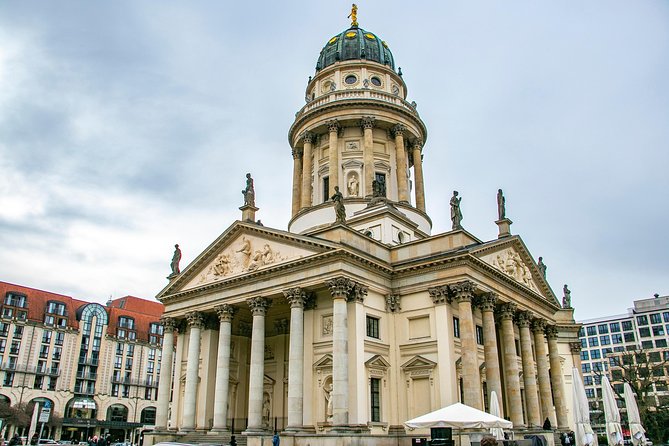
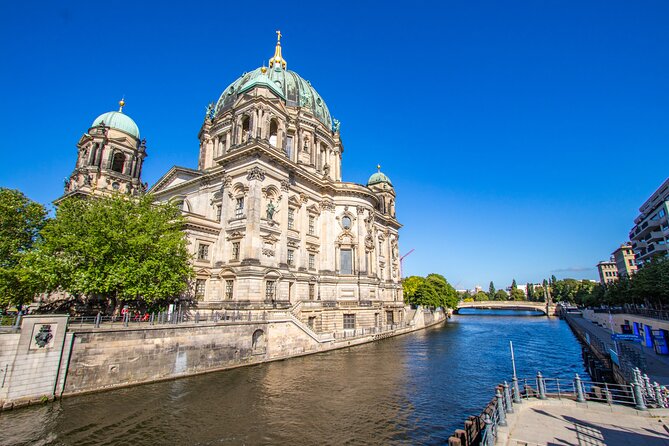
Next is Berlin Cathedral at Am Lustgarten, described as a magnificent example of Berlin’s religious architecture and a key historical and cultural landmark. This is a different flavor of “public meaning” compared to the Reichstag or memorial sites, but it still connects to identity.
A guided approach helps you notice what makes a cathedral feel “built for a city,” not just for worship. You can connect religion and architecture to how people historically centered community life. Even if you aren’t religious, it’s still architecture with a message.
Possible drawback: if you’re the type who prefers politics-only stops, you might feel this is slightly off-theme. But if you want a fuller sense of how Berlin’s identity is layered, it works.
Nikolaiviertel: Ending in Berlin’s Medieval-Feeling Heart
Finally, you finish at Nikolaiviertel in Rathausstraße, described as the historical heart of Berlin, with glimpses into medieval origins through traditional buildings and charming streets. This ending is smart because it gives you somewhere pleasant to walk after a tour that includes very heavy content.
This is where you can transition from “history lesson” back to “city experience.” Even if you’re tired, the streets help you reset. You’re also close to a natural next step—grab a coffee, browse, or wander without feeling like you should immediately head somewhere else.
Practical angle: finishing here is ideal if you like to keep exploring on foot, since it’s a neighborhood-style end point rather than a single monument plaza.
Price and Value: Is $151.41 Worth It for 2 Hours?
At $151.41 per person for an approximately two-hour exclusive private tour, the price only makes sense when you look at what you’re buying: time with a local host and a flexible route that aims to cover major, meaningful sites without you having to plan the sequence.
You’re not just paying for a map and a headset. You’re paying for:
- Exclusive private group focus, meaning questions and pacing aren’t an afterthought.
- A tailored itinerary that adapts to your interests and walking pace.
- Coverage of major landmarks tied together by theme: democracy, remembrance, Cold War division, and everyday-city context afterward.
Two things to keep in mind for value:
- Entry tickets are not included, so if you plan to add any ticketed views, you’ll pay extra.
- The tour is not recommended for guests with impaired mobility, so make sure the walking style fits your group.
If you’re traveling as a small group, the mention of group discounts can make this feel much more competitive with non-private options. If you’re traveling solo, it’s still worth it if you want depth and flexibility rather than racing through stops with strangers.
Who This Tour Fits Best (and Who Might Skip It)
This is a strong choice if you want:
- A fast but thoughtful route through Berlin’s most important symbolic places
- A local perspective that keeps the story balanced
- A walking pace that can adapt to your group
- An itinerary that ends in a pleasant area for continuing your day
It’s not ideal if:
- You want a purely light, entertainment-style walk
- Your group has impaired mobility (the tour is specifically not recommended for that)
- You prefer long time at fewer sites; this route packs many major stops into a short window
One extra detail from a guide highlight: a local guide named Abie has been praised for being well educated, informed, and notably balanced, plus for custom tailoring to the group’s needs while still making sure key elements aren’t missed. That kind of guide style is exactly what makes Berlin history land.
Should You Book This Historic Berlin Private Tour?
Book it if you want your Berlin time to feel guided, coherent, and genuinely meaningful—without having to plan a complicated route. The private format is a big deal here because many stops only become powerful when someone explains what you’re seeing and why it matters.
If your ideal day is fast photos and casual wandering, you may not love the heavier themes. But if you’re aiming for understanding—democracy, genocide memory, Cold War rupture, and what Berlin looks like after—you’ll likely appreciate how tightly this route connects the dots.
FAQ
How long is the private tour?
It’s listed as about 2 hours.
Is this an exclusive private tour?
Yes. Only your group will participate.
What language is the tour offered in?
The tour is offered in English.
What’s included in the price?
It includes a local host, an exclusive private tour, and a tailored itinerary.
Are entry tickets included?
No. Entry tickets for transportation, museums, and monuments are excluded.
Can I cancel for a full refund?
Free cancellation is available up to 24 hours in advance for a full refund.