REVIEW · BERLIN
Rude Bastards tour of Berlin (CYHIT)
Book on Viator →Operated by Rude Bastards Tour Berlin · Bookable on Viator
This tour makes the hard parts of Berlin easier to follow, because the guide keeps things lively while still handling grim sites with care. I especially like the small group size (max 10), which means you get more real storytelling and room for questions, not just a shuffle in a crowd. One thing to consider: the humor is often off-color, so if you want a quiet, lecture-style walk, this may feel too cheeky.
You’ll spend about 3 hours 15 minutes on flat, city-stroll routes with a built-in reset halfway through: a 20-minute break at a Berlin mall. The tour runs in English, and you’ll get a mobile ticket, so it’s simple to show up and get going from Potsdamer Platz. Price is listed at $3.63 per person, which is so low that the value is mostly about what you cover: key landmarks and clear context in a short time.
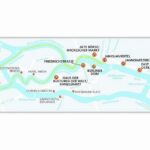
The route flows from major symbols of German history to Cold War geography, then toward the historic center near Museum Island. It starts at Potsdamer Platz (10, 10785 Berlin) and ends at Bebelplatz, Unter den Linden (10117 Berlin), so you can keep moving afterward without fighting for transit right at the finish.
In This Review
- Key points to know before you go
- Potsdamer Platz to Bebelplatz: how the route sets you up
- Tiergarten and the Soviet WWII memorial: war in stone and steel
- Brandenburg Gate: the symbol and the story you need
- The Holocaust Memorial and the Fuhrerbunker location: remembering with care
- Reichstag, Luftwaffe HQ, and the Berlin Wall: learning the city’s war map
- Checkpoint Charlie: the shortcut to Cold War reality
- Gendarmenmarkt and Bebelplatz: history around elegant squares
- Museum Island: why ending here helps your next moves
- The guides: humor that keeps its footing
- Price and value: $3.63 for major Berlin landmarks
- Who this tour is best for
- Should you book this Berlin history walk?
- FAQ
- Is the tour offered in English?
- How long is the walk?
- What’s the group size?
- Where does the tour start and end?
- Are there tickets included for the stops?
- Is there a break during the tour?
- What’s the cancellation window?
Key points to know before you go
- Small group vibe (max 10): easier conversation and less time stuck behind someone’s phone.
- Serious sites, handled with humor: you’ll see WWII and Cold War landmarks with an adult edge.
- Smart route for first-timers: major stops that help you understand where everything sits on the map.
- Built-in break: a 20-minute pause at a Berlin mall keeps energy from crashing.
- Mixed ticket reality: some sights are free to view; others (like the Holocaust Memorial) are marked as not included.
Potsdamer Platz to Bebelplatz: how the route sets you up
This walk is built like a guided orientation through the core of Berlin’s 20th-century story. It starts at Potsdamer Platz, a practical meeting spot and easy jump-off point, then works you across the city toward Bebelplatz in the Unter den Linden area. You’ll be walking enough to count as an actual tour, but the pacing is managed with a mid-route break.
You’ll also get the big advantage of seeing locations in the order your brain needs. Berlin’s history gets complicated fast, and the way the route moves from WWII to post-war politics to Cold War chokepoints helps you connect the dots instead of collecting random photos.
One practical tip: wear shoes you can handle for 3+ hours outdoors. Several stops are memorial-style areas where you’ll stand for explanations, not just breeze past.
You can also read our reviews of more tours and experiences in Berlin.


Tiergarten and the Soviet WWII memorial: war in stone and steel
The route swings through Berlin’s main park zone: Tiergarten. It’s Berlin’s central park and also described as the 3rd largest of Germany, which matters because it gives you breathing room between heavy sites. You’re not just looking at a monument in isolation—you’re crossing the kind of space Berlin uses to absorb history into daily life.
Then comes a major WWII stop: a Soviet soldier memorial tied to the end of the war in Europe. Expect the kind of scene that uses scale to make a point—statues, tanks, and an obelisk are part of the view. These are not “pretty photo backdrops.” They’re meant to be read, so the guide’s role here is huge: you’ll get help understanding what you’re looking at without turning the whole thing into a dry history class.
Drawback to plan for: memorial grounds can feel emotionally heavy on a wet or cold day. If you’re sensitive to that mood, expect it and give yourself permission to go slower at these moments.
Brandenburg Gate: the symbol and the story you need
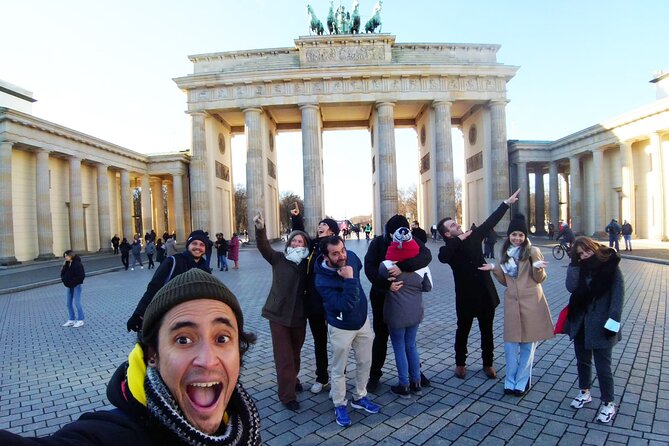
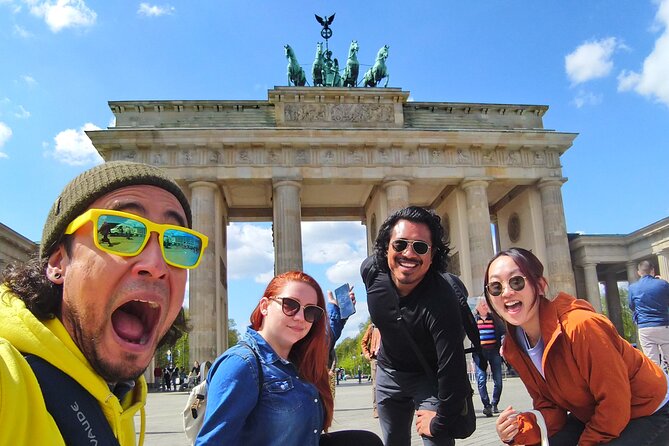
Next, you hit Brandenburg Gate, one of Germany’s most recognized landmarks. It’s free to visit, and the stop is around 15 minutes, which is a good amount of time to take in the landmark without rushing. More importantly, it works as a “reset point” in the tour: the guide can frame why this gate became such a powerful symbol after all the political changes Berlin went through.
What I like about starting with an obvious icon is that it anchors everything else. Once you know what Brandenburg Gate represents, the later contrasts—borders, walls, checkpoints—land harder and make more sense.
If you’re someone who likes to understand geography, this stop is worth staying focused through. The gate isn’t just architecture; it’s a pointer for the city’s shifting power.
The Holocaust Memorial and the Fuhrerbunker location: remembering with care
From Brandenburg Gate, the route goes to the Memorial to the Murdered Jews of Europe. Admission here is marked as not included, so think of it as a site where you may need to plan separately if you’re trying to enter or access specific parts. The stop time is short (about 10 minutes), so the goal is clear: you’ll get context that helps the layout mean something.
Then you move to the Fuhrerbunker location, the place tied to Hitler’s final months. This stop is also marked as free, with around 10 minutes on the ground. The bunker site is less about scenery and more about the sense of “this is where history snapped shut.”
This is where the tour’s style matters most. The guides are known for jokes and banter, but the key is timing—when you’re standing in Holocaust and WWII-related space, the tone should shift. If you’re expecting a stand-up act at every stop, you might not love it. If you want irreverence that knows when to stop, this part is where the tour earns trust.
Reichstag, Luftwaffe HQ, and the Berlin Wall: learning the city’s war map
The walk keeps pushing through the WWII and post-war layers, including the Reichstag area and other sites tied to the machinery of power. You’ll also see Luftwaffe HQ on the route. Even if you don’t go inside anywhere, the guide’s job is to make the exterior locations meaningful: why they mattered, who used them, and how the city’s control changed.
Then the route turns toward the physical divide that defined daily life in the Cold War: the Berlin Wall. The tour includes both the Wall area and nearby border symbolism, which helps you understand that the wall wasn’t one place—it was a system that shaped movement, risk, and propaganda.
If you’re a photo person, this part can get crowded. Plan to pause often and read what the guide points out rather than sprinting for pictures. With a short stop, small details are what make it stick.



Checkpoint Charlie: the shortcut to Cold War reality
You’ll reach Checkpoint Charlie, one of the most famous border crossings connected to the divided city. This is one of those stops where people often already know the name, but the guide helps you understand what it meant in lived terms—how borders turned into checkpoints, and how politics became a daily obstacle course.
This portion of the tour is especially useful if Berlin is new to you. Checkpoint Charlie is a visual anchor for the Cold War map, and once you grasp it, the rest of the city’s layout becomes easier to navigate on your own.
One practical thing: keep an eye on your pace here. It’s an easy place to lose time because shops, crowds, and distractions pull you in multiple directions.
Gendarmenmarkt and Bebelplatz: history around elegant squares
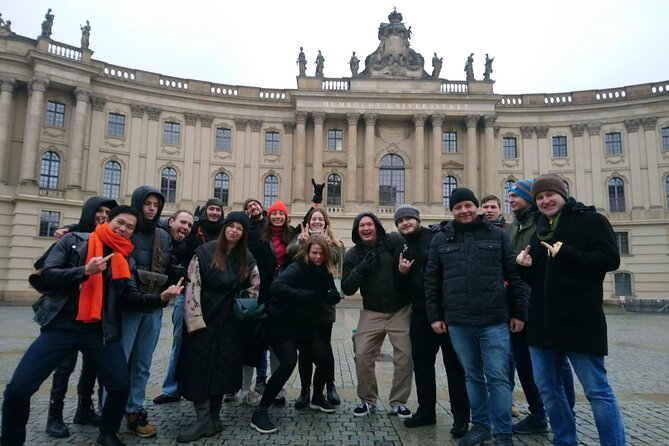
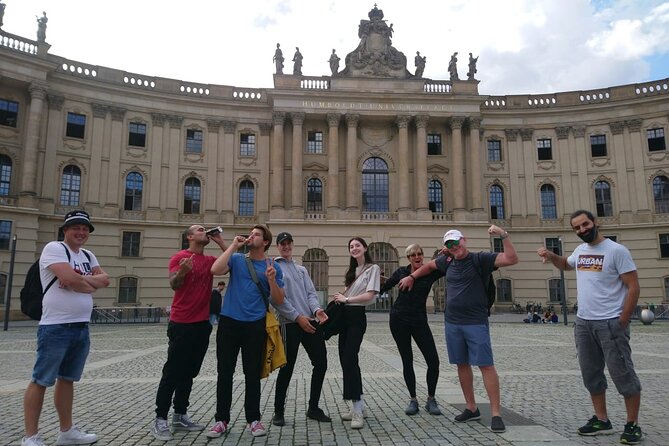
Next, the walk heads into central Berlin’s classic square zone, starting with Gendarmenmarkt. It’s an 18th-century square, and the surroundings include important buildings such as the opera house and Humboldt University’s law school. The tour also ties this pretty geometry to darker political episodes—Berlin has a way of placing the brutal next to the ceremonial.
Then you end at Bebelplatz, near Unter den Linden. This is the kind of stop where you’ll likely slow down, because the meaning is more about memory than about monuments. The tour’s pacing helps you land here without rushing the final moments.
If you want to keep exploring afterward, this ending area is convenient. You’re positioned near Museum Island and the broader historic core, so you can extend the day with minimal transit friction.
Museum Island: why ending here helps your next moves
Even if you don’t spend long inside every museum, the tour’s route includes Museum Island, which is a strong “finish line” for first-time visitors. Ending in the historic center means you can transition smoothly into your own choices: museum time, a walk along the river area, or just grabbing food without a big commute.
What I like here is cognitive closure. Earlier stops teach you what Berlin tried to control and hide. Ending in the historic museum zone gives you a different feeling—Berlin as a place that now puts its story on display and invites you to look closer.
The guides: humor that keeps its footing
The brand behind this tour is built on a certain kind of banter. You’ll see it in how guides like Kai, Alex, Arthur, Frey, Nichole, Anna, Jason, and Felix are described: funny, energetic, and quick to keep a group moving. Some guides are also praised for knowing exactly when to joke and when to hold space for something serious.
That balance is the point. If you’re looking for a stiff lecture, you’ll probably hate it. If you want history that feels like a conversation between someone who cares and someone who wants answers, you’ll likely have a great time.
One drawback that comes up: adult language and off-color jokes. The tour can still be respectful in solemn locations, but you should expect that the humor style is part of the product.
Price and value: $3.63 for major Berlin landmarks
At $3.63 per person, this tour is priced like a deal you don’t fully believe. I can’t explain how they set it at that number, but I can tell you how it feels from a value standpoint: you’re paying for time, route design, and interpretation across a cluster of major landmarks. In a city where guided tours often cost several times more, that price makes it easier to do this early and then plan the rest of your Berlin days on your own.
Also, the tour lists mobile tickets and English as standard, with a maximum of 10 travelers. That small-group size matters for value because it usually means more direct interaction and less lost energy.
What to watch: ticket coverage varies by stop. Brandenburg Gate and the Fuhrerbunker location are listed as free, while the Holocaust Memorial is marked as not included. If you care about entry, plan your time and budget accordingly.
Who this tour is best for
This is a great fit if you want:
- a strong orientation walk for first-time Berlin
- WWII and Cold War sites tied together with clear explanations
- an adult, funny guide who doesn’t talk down
It may be a poor fit if you:
- need a strictly quiet, no-jokes tour
- get uncomfortable with profanity or off-color humor
- want lots of time inside major buildings (this is mostly a walking, viewing-and-explaining format)
Should you book this Berlin history walk?
I’d book it if you’re coming to Berlin to understand the city’s turning points and you’re okay with humor that’s sometimes sharp. The route hits heavy, famous landmarks in a way that helps you connect them, and the small group size keeps it from feeling like a rushed museum queue.
Skip it if you want a formal, respectful-only tone at every stop. Also, double-check any plan you have around the Holocaust Memorial, since it’s marked as not included.
If you like your history with jokes, context, and good pacing, this is one of the easiest ways to get your bearings fast.
FAQ
Is the tour offered in English?
Yes, the tour is offered in English.
How long is the walk?
It’s listed at about 3 hours 15 minutes.
What’s the group size?
The tour has a maximum of 10 travelers.
Where does the tour start and end?
It starts at Potsdamer Platz 10, 10785 Berlin and ends at Bebelplatz, Unter den Linden, 10117 Berlin.
Are there tickets included for the stops?
Admission is listed as free for Brandenburg Gate and the Fuhrerbunker location. The Holocaust Memorial is marked as not included.
Is there a break during the tour?
Yes. There is a 20-minute break at a Berlin mall.
What’s the cancellation window?
You can cancel for a full refund up to 24 hours before the experience starts.