REVIEW · BERLIN
Berlin Highlights Sightseeing Bike Tour in Small Groups
Book on Viator →Operated by Berlin on Bike · Bookable on Viator
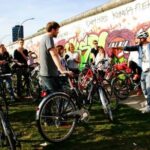
Berlin’s history plays out in seconds on a bike. This 3.5-hour, small-group ride strings together major landmarks at a leisurely pace with regular stops for photos and clear context. You’ll glide past places tied to modern politics, the Cold War, and the city’s cultural layers.
Two things I really like: you get a real local guide who connects what you see to what it meant, and the route is built for comfort—Berlin is mostly flat, and the pacing stays easy enough for most people. One consideration: you’re on a bike for a long stretch, so if you’re a slower rider, you may feel the group moves with the quickest pace at intersections.
In This Review
- Key Highlights You’ll Notice Fast
- Why This Berlin Highlights Tour Works Better Than “Just Sightseeing”
- The $43.53 Value: What You Really Get for the Money
- Where You Start at Kulturbrauerei (and Why That’s a Smart Place)
- Stop-by-Stop: What You’ll See and What It Means
- KulturBrauerei Courtyards and Industrial Architecture
- The Memorial of the Berlin Wall: Division in Real Human Scale
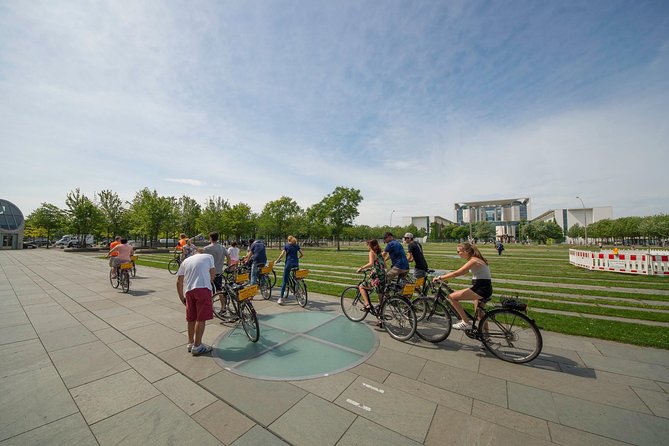
- Bundeskanzleramt: Germany’s Power in Plain Sight
- Brandenburg Gate: The Icon Everyone Knows, Explained Differently
- Reichstag Building: Parliament Today, Not Just a Landmark
- The Holocaust Memorial: A Quiet Stop With Heavy Impact
- Central Park and Big Tiergarten Views: Berlin’s Green With Urban Edges
- Victory Column: Victoria’s Winged Statue and a Monumental Stop
- Checkpoint Charlie: The Cold War at Street Level
- Gendarmenmarkt: A Square That Feels Like a Set
- Bebelplatz: Books Burned Here in 1938
- Museum Island and Berliner Dom: Art, Museums, and a Grand Church
- Pace, Terrain, and Traffic: The Real-World Bike Factors
- Your Guide Makes or Breaks It (So Watch for the Style)
- What to Bring So You Enjoy the Ride More
- Tips for Making the Most of the Stops
- Should You Book This Berlin Highlights Bike Tour?
Key Highlights You’ll Notice Fast
- Small group (max 15): more attention, less waiting around, better for questions.
- Helmet + bike included: you show up, get fitted, and roll.
- Photo-friendly rhythm: frequent stops so landmarks don’t turn into quick photo-and-go.
- Big Berlin symbols, in one loop: Brandenburg Gate, the Reichstag area, the Holocaust Memorial, Checkpoint Charlie, Museum Island.
- Free admission listed at stops: you avoid surprise entry fees at the viewpoints.
- Traffic-aware, bike-lane city: Berlin cyclists are common, and roads are set up for riding.
Why This Berlin Highlights Tour Works Better Than “Just Sightseeing”
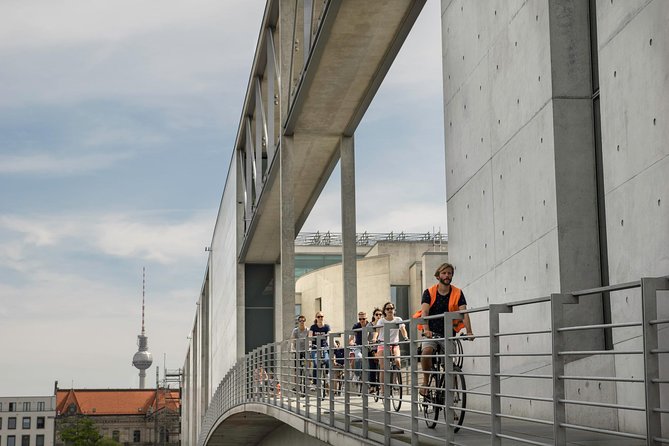
Berlin is huge, and that’s the problem with walking. This tour solves it by using bikes for movement, then slowing down at the right stops so you actually understand what you’re looking at. In about 3.5 hours, you get a broad overview that helps the rest of your trip make sense.
You’re also not stuck with a rigid “tour bus” vibe. A good guide can switch from simple landmark facts to real context, and that’s where this ride earns its keep. On bikes, you can ask questions without feeling like you’re holding up a whole crowd.
You can also read our reviews of more cycling tours in Berlin

The $43.53 Value: What You Really Get for the Money
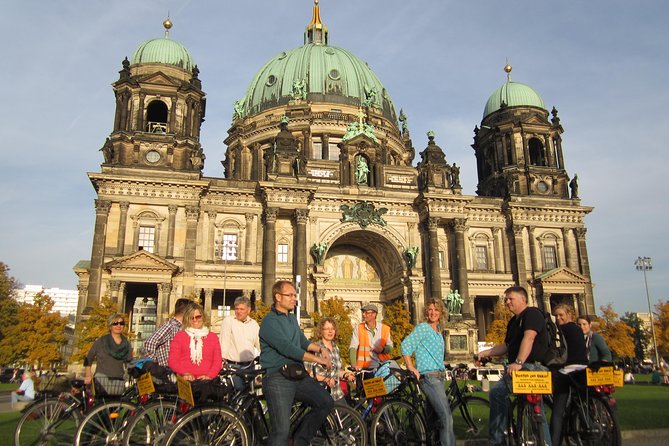
At about $43.53 per person, the price is low for a guided, multi-stop city experience. The big value is that your bike and helmet are included, so you’re not adding rental costs or figuring out gear at the last minute. You’re also getting a local guide for the full 3 hours 30 minutes, which stretches your sightseeing time far beyond what you’d do on your own in that window.
What’s not included is also clear: food and drinks. That means you’ll want to plan your day so you’re not hungry when the ride ends, or you have a meal plan ready afterward. (Some guided rides build in a short break for coffee or something sweet, but it’s not something you should count on.)
Where You Start at Kulturbrauerei (and Why That’s a Smart Place)
Meeting at Berlin on Bike at Knaackstraße 97, by Kulturbrauerei puts you in a lively neighborhood right away. You’re near the kind of architecture and streetscape Berlin is known for, which helps the tour feel like it begins in real local life—not just a generic “tour starting point.”
Start time matters, too. You’ll want to arrive a bit early so you can handle check-in, bike fitting, and helmet setup without rushing. Getting comfortable on the bike at the beginning makes the whole loop easier.
Stop-by-Stop: What You’ll See and What It Means
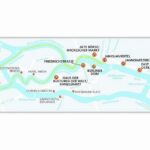
This route is built like a guided story. You don’t just roll past monuments—you pause where the meaning becomes clearer.
KulturBrauerei Courtyards and Industrial Architecture
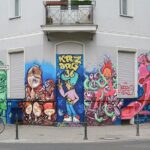
Your first landmark stop is KulturBrauerei, a large ensemble with courtyards and industrial architecture dating back to the late 1800s. It’s listed as a protected building, and it’s one of those places where Berlin’s past didn’t get erased—it got repurposed.
Why it’s worth your time: it’s a reminder that Berlin isn’t only about war and borders. Even on a highlights tour, this stop gives you a contrast so the heavier memorial stops later land with more weight.

The Memorial of the Berlin Wall: Division in Real Human Scale
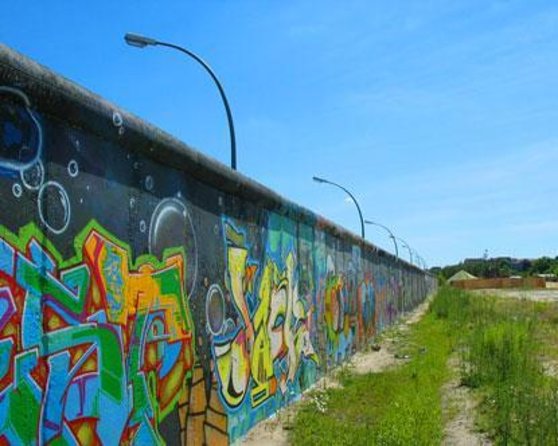
Then you hit the Berlin Wall Memorial, focused on the division of Berlin and the deaths connected to the Wall. This is one of the stops where a guide’s wording matters—this isn’t the kind of place where you benefit from a fast picture only.
What to expect: a short pause, but a serious tone. If you’re the type who likes to read plaques for a minute or two, you’ll appreciate the stop length more here than at pure photo spots.
Bundeskanzleramt: Germany’s Power in Plain Sight
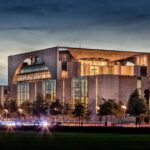
Next comes Bundeskanzleramt (Federal Chancellery). Even if you don’t go inside, it’s a landmark that gives you a sense of how modern Germany presents itself in the capital.
Practical tip: keep your camera ready for the official-looking facades, but also listen. A good guide will connect the building’s role to Germany’s political structure in a way you can carry into later sightseeing.
Brandenburg Gate: The Icon Everyone Knows, Explained Differently
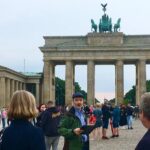
At Brandenburg Gate, you get one of Berlin’s most recognizable silhouettes. The guide can help here by shifting you from postcard impressions to the gate’s role in German symbolism and European history.
Drawback to keep in mind: it’s famous, which can mean it feels crowded visually even if the tour group is moving smoothly. Slow down for a photo if you want it, but don’t skip the guide’s context while you’re there.
Reichstag Building: Parliament Today, Not Just a Landmark
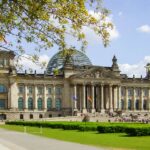
A short stop at the Reichstag Building rounds out the politics theme. Since it became home to the German Bundestag, it’s not just architecture—it’s a working center of government.
What makes this stop work on a bike tour: you get the big-picture view quickly, then you’re rolling again. If you want deeper interior access, you’ll need separate planning, but this stop is ideal for orientation.
The Holocaust Memorial: A Quiet Stop With Heavy Impact
The Memorial to the Murdered Jews of Europe is one of those places where the experience matters more than the photos. Expect a pause that feels reflective, and plan for your emotions to catch up.
This is also where listening pays off. The structure is distinctive, but the guide’s framing helps you understand why it was built and what it asks you to remember.
Central Park and Big Tiergarten Views: Berlin’s Green With Urban Edges
After the memorial, the route opens up with a centrally located park area connected to Berlin Zoo, the Victory Column, and the Café am Neuen See. This part gives your legs a break from dense landmark hopping while still staying in “top Berlin” territory.
If you’re hoping for scenic city cycling, this is where you’ll likely enjoy the views most. Berlin’s bike culture helps here because you’re not constantly fighting for space.
Victory Column: Victoria’s Winged Statue and a Monumental Stop
The Victory Column is another major monument stop, with its winged statue of Victoria. It’s the kind of structure that makes you feel Berlin’s scale, even when you’re only stopping briefly.
If you like architecture and public art, spend a little extra time here. Even a short stop can be meaningful if you look around at the surrounding tiers and alignments, not just the column itself.
Checkpoint Charlie: The Cold War at Street Level
Then comes Checkpoint Charlie, one of the best-known border crossings from the Berlin Wall era connecting Soviet and American sectors.
Why this stop is valuable on a highlights bike tour: it makes the border story tangible. On the ground, you can understand how movement was controlled, not just read about it in a book.
Gendarmenmarkt: A Square That Feels Like a Set
At Gendarmenmarkt, you’ll see a square built in the late 1600s, destroyed in World War II, and rebuilt starting in the 1970s through the early 1990s. It’s named after the cuirassier regiment Gens d’armes, which adds another historical thread beyond the reconstruction story.
Practical expectation: this stop is scenic. It’s a great place to take photos, and your guide can point out architectural cues so it looks less like a pretty square and more like a designed piece of city planning.
Bebelplatz: Books Burned Here in 1938
Bebelplatz is a smaller stop that hits hard. It’s tied to the Forum Fridericianum planning and is also the place where Nazis burned books in 1938.
If your day includes other memorial sites, this one adds a cultural-political dimension you might miss otherwise. The ride’s advantage is that it connects culture and power without forcing you into a full museum day.
Museum Island and Berliner Dom: Art, Museums, and a Grand Church
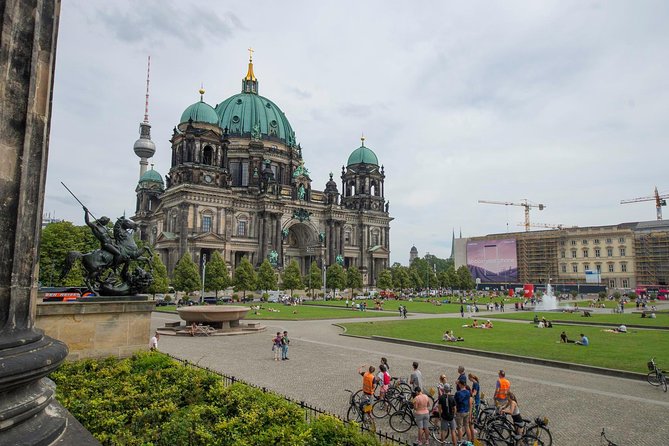
The route ends with Museum Island, one of Berlin’s major museum complexes, and then the Berliner Dom area on Lustgarten. Even if you don’t enter, these buildings give you a strong visual finish: grand, historic, and central to the city’s identity.
If you’re planning your next day, this is where you can start mapping what you want to return to on foot or by transit. A highlights tour works best when it leaves you with a short list.
Pace, Terrain, and Traffic: The Real-World Bike Factors
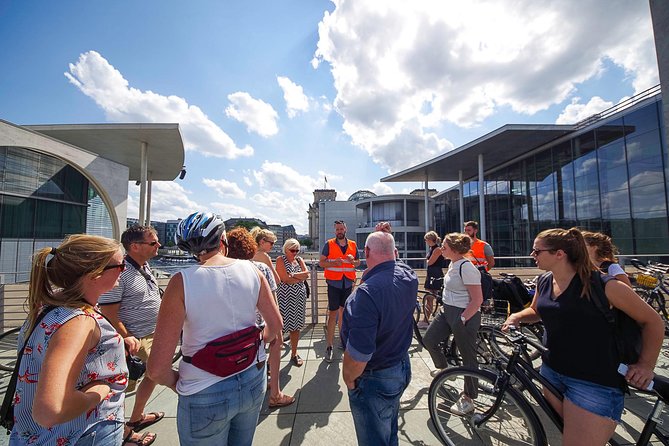
This is designed as a leisurely pace with stops for photos and commentary. Berlin’s layout helps: you’re generally on manageable streets, and the ride feels easier than many cities because it’s built for cyclists.
Still, there are tradeoffs. One review mentioned the tour is easygoing and mostly flat, with a short hill near the end. Another pointed out that at intersections, slower riders might miss some crossing opportunities, and the group can end up moving a bit faster to keep the route flowing.
My practical advice: ride confidently but comfortably, keep an eye on the guide for when to pause, and don’t treat every stop as optional. If you want all the information, be ready for the guide to keep momentum between stops.
Your Guide Makes or Breaks It (So Watch for the Style)
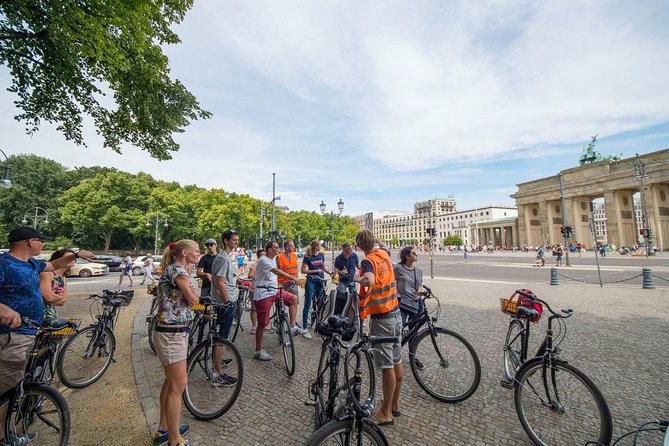
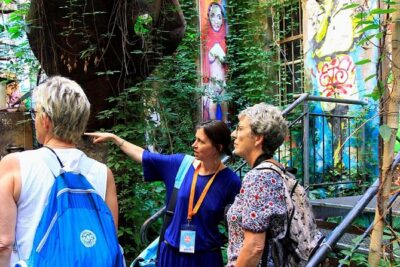
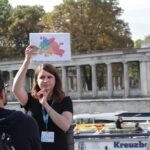
The guide is the difference between seeing landmarks and understanding Berlin. The strongest feedback in the experience centers on guides who explain clearly, answer questions, and add local perspective.
You might meet guides like Isabelle, Niels, Anthony/Andy, Anastasia, Ollie, Yves, Thomas, Roberto, Frey, Anna, Angus, Brendan, Matt, Mateo, and Paul—names that show up in past departures. The common thread is how they translate big history into something you can grasp while you’re moving.
What to do: ask a question early. If you’re curious about the Wall, the Reichstag, or what life looks like in neighborhoods beyond the monuments, put it on the table when you’re gathered at a stop. On a small-group ride, you actually get a response.
What to Bring So You Enjoy the Ride More
The tour runs in all weather conditions, with a clear instruction to dress appropriately. That matters because you’re cycling outdoors for hours.
Bring:
- a light layer you can adjust if it’s windy
- sunscreen if it’s sunny (Berlin can surprise you)
- a small bag you can keep secure on the bike
- and if rain is possible, be ready—being dry helps your mood and your photos
You’ll have a helmet provided, and service animals are allowed, so gear needs are simple.
Tips for Making the Most of the Stops
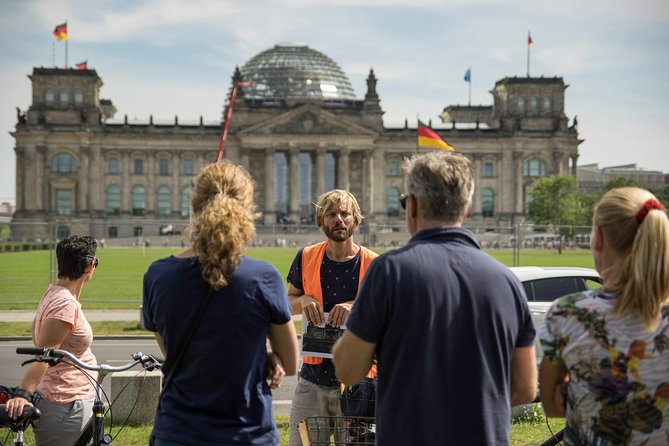
A bike tour can turn into “photo sprinting” if you’re not careful. Here’s how to avoid that and keep it fun.
- At each major monument, listen first, then shoot photos.
- If a stop feels heavy, take your time. Memory sites are the ones you’ll remember later.
- Use the final parts of the loop—Museum Island and the Berliner Dom area—to plan your next day. Those places are big, and you’ll want more time if they click.
Should You Book This Berlin Highlights Bike Tour?
Book it if you want a fast, friendly overview that connects Berlin’s landmarks to real meaning. It’s especially smart for a short stay because you’ll get a broad sweep—Wall, major government sites, memorials, and key central squares—without spending your whole day in transit or stuck in long lines.
Skip it or consider another style of tour if you’d rather linger for long periods at just one or two sites. This ride is built for coverage, not for deep museum time. Also, if you know you’re a slow rider, be ready for the group pace and intersection flow to affect what you see in each moment.
If you want a practical first pass through Berlin that sets you up to explore with confidence afterward, this small-group bike loop is a strong pick.