REVIEW · BERLIN
Sachsenhausen Concentration Camp Bus Tour in English from Berlin
Book on Viator →Operated by Insider Tour Berlin · Bookable on Viator
Sachsenhausen hits hard, fast. This English day trip from Berlin brings you to the Sachsenhausen Concentration Camp memorial with a licensed guide who keeps the story clear and respectful.
I especially like the way this tour handles the big timeline in a short 4 hours, from the camp’s Nazi-era purpose to what happened after 1945. One possible drawback: it’s an efficient route, so you won’t have unlimited time to read every individual story at your own pace.
In This Review
- Key things to know before you go
- Sachsenhausen in a small group: what makes this tour different
- The Berlin pickup and the coach ride to Oranienburg
- Inside the memorial: walking the core camp areas with meaning
- The wartime story: why 1936–1945 matters at Sachsenhausen
- The postwar shift: Sachsenhausen as a Soviet special camp
- Time management in a 4-hour day trip: what you can expect
- Who your guide is, and why the tone matters here
- Price and value: what $68.77 really buys you
- Should you book this Sachsenhausen bus tour?
- FAQ
- How long is the Sachsenhausen Concentration Camp bus tour?
- Is the tour offered in English?
- Where do I meet the tour in Berlin?
- Is the memorial admission included?
- What is included in the price?
- Do I need to bring food or drinks?
- Is this tour suitable for people with limited mobility?
- What is the cancellation policy?
Key things to know before you go
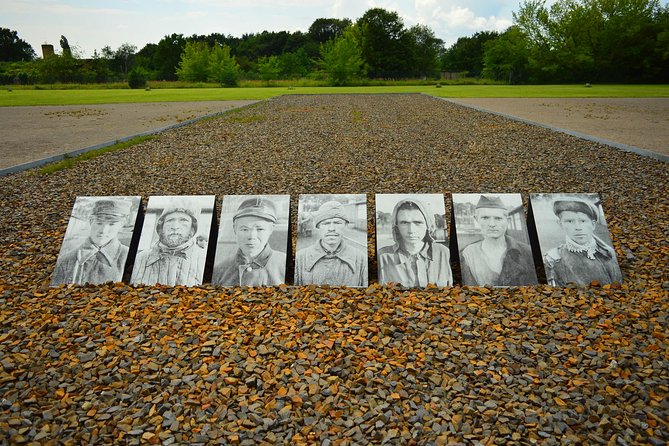
- Licensed guidance from the memorial-trained team: the tour is designed to explain the site with care and context
- Central Berlin to Oranienburg by air-conditioned coach: round-trip transfers, no fuss
- The gate message ARBEIT MACHT FREI and Tower A: you’ll see iconic parts of the camp layout
- Infirmary barracks tied to wartime experimentation: the guide explains what occurred there
- Postwar Soviet special camp years (1945–1950): the narrative doesn’t stop at 1945
- A memorial donation is built in: your ticket includes a €3 donation to the Sachsenhausen memorial
Sachsenhausen in a small group: what makes this tour different
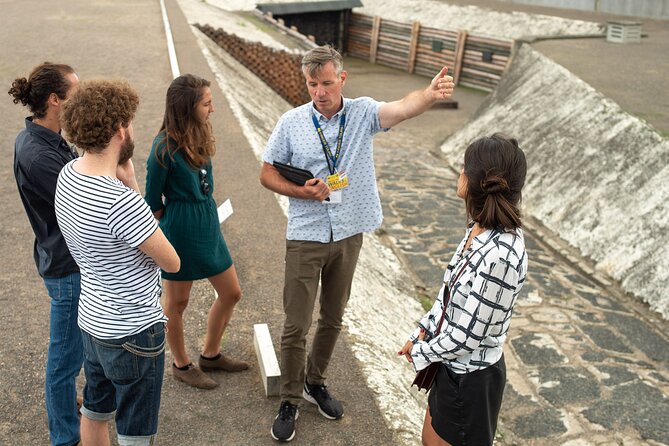
Some Berlin tours sprint. This one has a different aim: get you to the right places with a guide who can explain what you’re seeing without turning it into a rushed lecture.
In a group this size (up to about 28), you still get to ask questions. In practice, that matters at a place like Sachsenhausen, where details on the ground can feel confusing. A good guide helps you connect the camp layout to how the system worked, and why specific areas existed.
Guides named in English departures, including Ariel, Hannah, Rebecca, Joseph, Klaus, and Irish Paul, are repeatedly praised for handling a heavy subject with clarity and sensitivity. If you’re the type who wants context before walking the grounds, you’ll likely feel looked after.
You can also read our reviews of more tours and experiences in Berlin.


The Berlin pickup and the coach ride to Oranienburg
This is built as a true Berlin day trip. You meet in central Berlin, then board an air-conditioned coach for the ride to Oranienburg. The value here is simple: you don’t have to figure out train times, platform changes, or timing the return. You’re also not traveling while carrying the stress of a tight schedule.
You’ll also get explanation during the journey. The guide sets the stage, including references to where inmates would have worked around Oranienburg and what local people knew about the camp system.
In winter, the bus ride also helps you arrive at the memorial without arriving frazzled. One thing I appreciate about this setup is that it’s practical: you spend your effort on the site, not on transit logistics.
Plan to arrive early. The tour asks you to be at the meeting point about 15 minutes before departure, and with a group coach departure, that timing matters.
Inside the memorial: walking the core camp areas with meaning
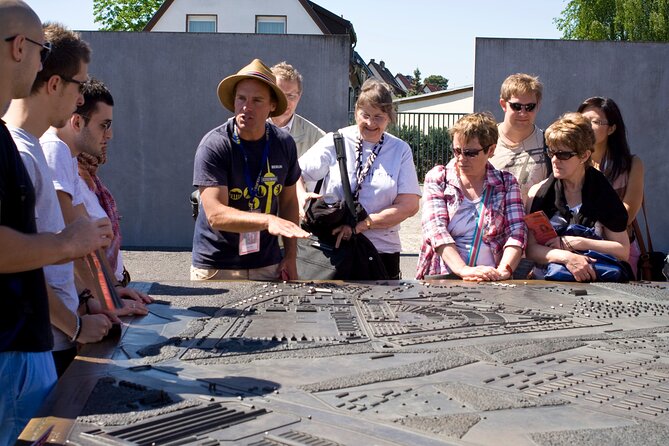
Your visit starts at the Gedenkstatte und Museum Sachsenhausen area. From there, the guide leads you through the interior spaces that are central to understanding how Sachsenhausen functioned.
One of the tour’s strengths is that it doesn’t treat the site as a museum display. It treats it as a system: where people were brought in, where power was exercised, and where daily life was controlled. As you walk, your guide points out relevant structures so the camp layout makes sense.
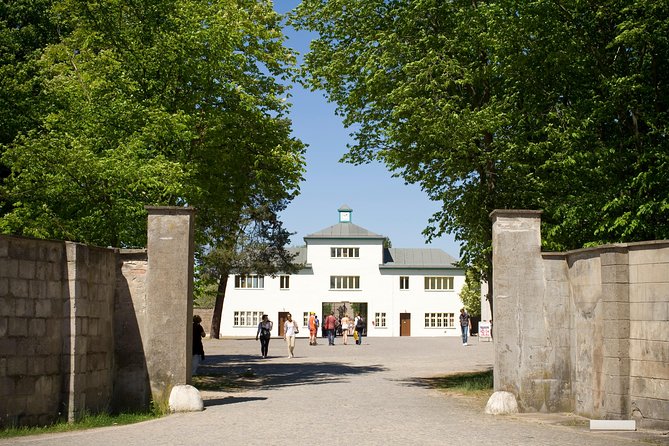
You’ll see the commandant’s house and then move toward Tower A, where the famous gate slogan ARBEIT MACHT FREI is still visible. Whether you already know the phrase or not, seeing it in context makes it feel colder and more deliberate than it ever does in a textbook.
The wartime story: why 1936–1945 matters at Sachsenhausen
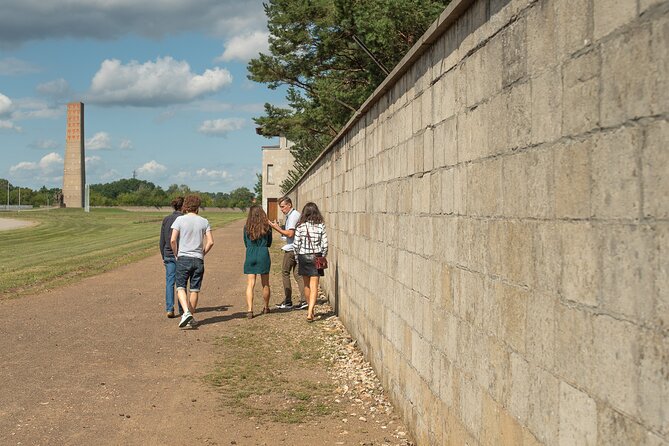
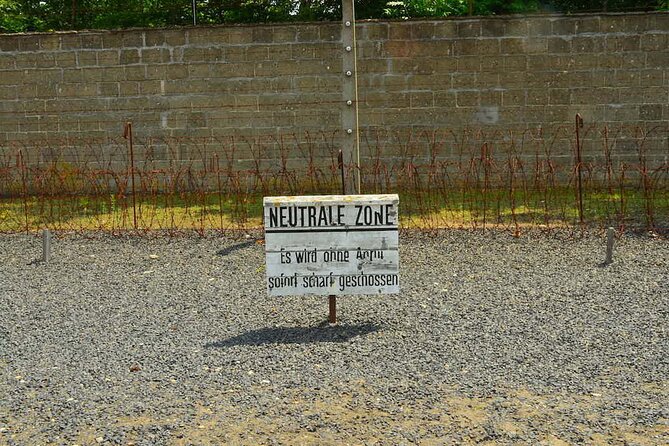
Sachsenhausen operated from 1936 to 1945, and the camp took a staggering toll. The tour frames that with hard facts and clear explanation: 35,000 people died during its years of operation.
What you’ll get during the walk is a guided understanding of why certain areas mattered. One key stop is the infirmary barracks, tied to what was described as experimentation during the war. The guide connects those details to the broader machinery of Nazi control, not just to isolated facts.
I like that the tour aims for “understand what you’re looking at” rather than “hit a checklist.” If you’ve ever visited a site where you’re left guessing what you’re standing in front of, you’ll probably appreciate having someone interpret the space with respect.
Just be ready for the emotional weight. A place like Sachsenhausen isn’t designed for casual browsing, and the tour won’t try to soften it.
The postwar shift: Sachsenhausen as a Soviet special camp
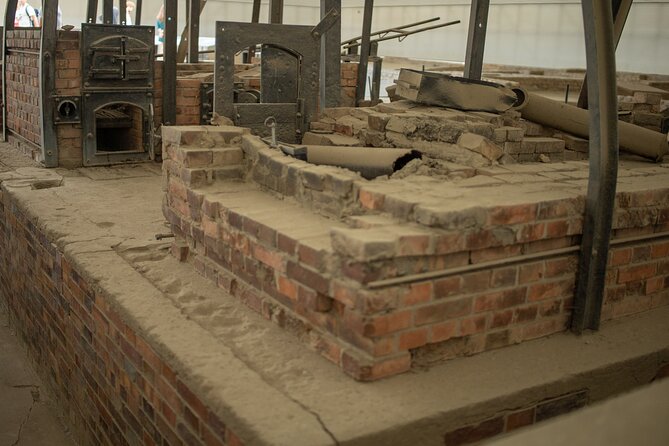
A big reason I’d choose a guided tour here is what happens after 1945. Many visitors arrive expecting the Nazi chapter to end the story. This tour pushes past that.
You’ll learn that Sachsenhausen was repurposed by the Soviets as a special camp after World War II, and that an additional 12,500 died between 1945 and 1950. The guide also discusses what life could be like for inmates during those years.
This part of the experience often stays with people because it complicates the simple “then it ended” mindset. It turns the visit into a broader lesson about how systems of detention and cruelty can continue under different regimes.
If you want a tour that doesn’t treat 1945 as a full stop, this one fits that goal.



Time management in a 4-hour day trip: what you can expect
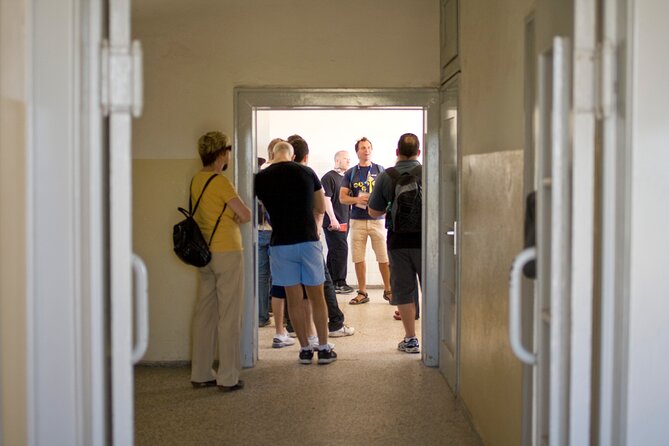
The tour runs about 4 hours total. That’s enough to see the main camp areas and get meaningful explanation, but it’s still an efficient format. Expect a guided route through key points rather than a slow, self-paced wander.
That’s the tradeoff. One balanced way to think about it: you’ll leave with a strong structure for understanding Sachsenhausen, but you might not spend long stretches reading every individual story pinned throughout the memorial.
If you want extra time for reading and quiet reflection, consider pairing this tour with independent time at the memorial afterward. If you’re short on time in Berlin, the guided format is the faster way to get the “what this all means” part correct.
Also note the physical side. The tour is described as requiring moderate physical fitness, with a lot of walking. It’s not recommended for people with limited mobility or walking impairments.
Who your guide is, and why the tone matters here
At Sachsenhausen, tone isn’t decoration. It changes how you process the facts. This tour is designed around licensed guiding trained by the memorial authority, and that training shows in how the story is paced and handled.
Guides named in English tours—such as Hannah and Rebecca—are praised for delivering history with sensitivity, respect, and good pacing. Ariel is also mentioned for answering questions and maintaining a pace that works even in cold weather.
That matters because the site can overwhelm your brain. A guide who slows down at the right moments helps you take in what you’re seeing: why a building existed, why the camp layout was built the way it was, and how the system functioned day to day.
And because it’s a day trip out and back, you often end up with useful Berlin advice too. On the return to Berlin, guides are happy to answer questions about your stay.
Price and value: what $68.77 really buys you
The listed price is about $68.77 per person, and the value is tied to what’s included.
You’re not just paying for a guide. Your ticket covers:
- Air-conditioned coach transport round-trip from central Berlin
- Entry into the Sachsenhausen Memorial
- A licensed guide who’s trained by the memorial authority
- A €3.00 donation per person to the memorial
For many people, the biggest hidden cost of going independently is time. You’d still need reliable transport and tickets, and you’d be doing the interpretation work yourself. Paying for a guided visit can be worth it if you want the camp explained in context, with fewer guesswork moments.
If you’re traveling solo and you’re comfortable self-guiding, you might choose the self-planned approach. But if you want the day trip to run smoothly and feel structured, this price looks reasonable for the bundle.
Bring snacks and a drink. The tour notes that food isn’t included, so a small plan helps you stay comfortable during the walk.
Should you book this Sachsenhausen bus tour?
Yes, if you want an organized Berlin day trip that explains the camp with care and context. The format works well when you:
- want English guidance at a memorial site
- prefer direct coach transfers from central Berlin
- care about the full story, including postwar Soviet detention (1945–1950)
- appreciate good pacing and the ability to ask questions
Skip it (or plan differently) if you need very slow, unstructured time to read every detail on your own. The tour is built to hit the key areas in about 4 hours, so it’s not a long “sit and read everything” experience.
If you can handle a respectful, emotionally heavy walking visit, this is a strong choice.
FAQ
How long is the Sachsenhausen Concentration Camp bus tour?
The tour lasts about 4 hours.
Is the tour offered in English?
Yes, it’s offered in English.
Where do I meet the tour in Berlin?
The meeting point is listed at Reichstagufer 17, 10117 Berlin, Germany. You’ll be in the downtown area and the tour uses coach transfers to reach Oranienburg.
Is the memorial admission included?
Yes. Entry into the Sachsenhausen Memorial is included.
What is included in the price?
The tour includes an air-conditioned vehicle, a licensed guide trained by the memorial authority, the group visit of the memorial, admission, the return trip back to central Berlin, and a €3 donation per person to the memorial.
Do I need to bring food or drinks?
Food and drinks aren’t included, so it’s recommended to bring snacks and a drink.
Is this tour suitable for people with limited mobility?
It’s not recommended for individuals with limited mobility or walking impairments, though it’s described as requiring a moderate physical fitness level.
What is the cancellation policy?
You can cancel for a full refund if you cancel at least 24 hours in advance of the experience start time.