REVIEW · BERLIN
Berlin Street Art & Graffiti Walking Tour
Book on Viator →Operated by Original Berlin Walks · Bookable on Viator
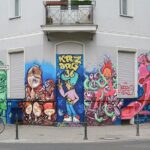
Berlin street art reads like a comic strip. On this 3-hour walk, you follow an English-speaking guide to Dircksenstraße, Haus Schwarzenberg, and RAW Tempel, spotting hidden murals and learning what makes them matter.
I like how the guide turns random walls into a clear story. You get focused talk on artists and techniques, plus names and background that make you look up, down, and around instead of just snapping photos. I also like the mix of styles and neighborhoods, so you see how Berlin street art connects local creators with global influences.
One thing to consider is pacing and mural scale. If you’re hoping for lots of big, showy pieces back-to-back, the tour can feel slower depending on the guide’s style—one guide was criticized for spending more time on smaller works.
In This Review
- Key highlights at a glance
- Street Art in Berlin: Why a Guided Walk Beats Random Wandering
- Price, Timing, and Logistics You Can Plan Around
- Starting Point: Neue Promenade 3 at 12:00 and the Best Way to Arrive
- Dircksenstraße: How to Spot Street Art in Plain Sight
- Haus Schwarzenberg: The Story Behind the Walls
- RAW Tempel in Friedrichshain: Street Culture with Real Attitude
- What the Guide Actually Gives You: Stories, Names, and How to Look
- How to Get More Out of the 3-Hour Walk (Without Rushing)
- Who This Tour Fits Best (and Who Might Want Another Style)
- Should You Book This Berlin Street Art & Graffiti Walking Tour?
- FAQ
- How long is the Berlin Street Art & Graffiti Walking Tour?
- What time does the tour start?
- Where is the meeting point?
- How much does the tour cost?
- Is the tour in English?
- What’s included in the price?
- What isn’t included?
- Do I need an admission ticket for the stops?
- Is there a group size limit?
- Is it okay for people with service animals?
- Can I cancel for free?
Key highlights at a glance
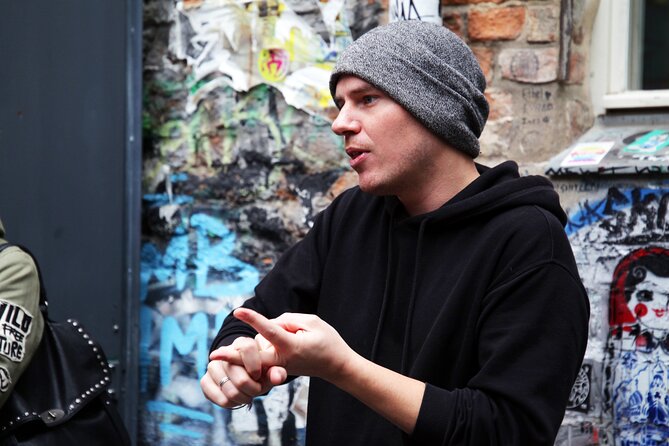
- English-speaking guide who points out what most people miss in plain sight
- Three major street-art stops across different Berlin areas, each about 15 minutes
- Free entry at the stops (the price covers the guide, not museum tickets)
- RAW Tempel in Friedrichshain as a headline moment for street-art and street-culture vibes
- Small group size capped at 25, which keeps questions from getting lost
- Mobile ticket and a start location near public transport for easy arrival
Street Art in Berlin: Why a Guided Walk Beats Random Wandering
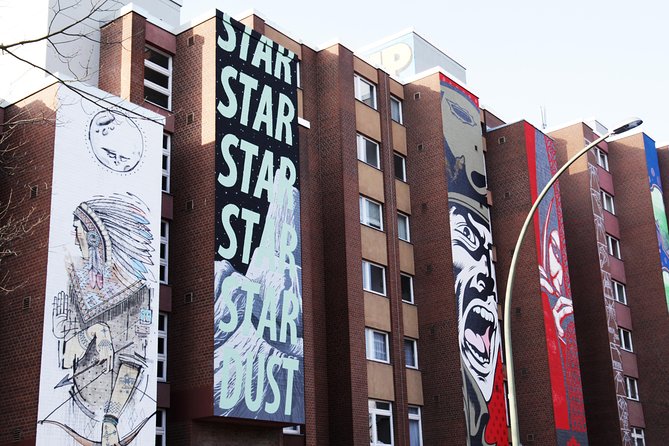
Berlin street art can feel like it’s everywhere, which is exactly why it’s easy to miss the point. A guided walk helps you learn how to read what you’re seeing. Not just the image, but the context: why a piece is placed where it is, how styles change over time, and what the artists are reaching for.
On this tour, the guide isn’t just naming works. They’re connecting dots—between the street-art scene, the people who create it, and the city around it. That’s the difference between looking at graffiti and actually understanding street art. One of the strongest themes in the guide praise is the way they train your attention: look up and down, watch how different pieces sit together, and let yourself be surprised by what’s around the corner (or on the side wall you didn’t notice at first).
I also think the value is strong for the price. You’re paying about $24.19 for a ~3-hour walking tour that includes a guide and visits multiple free-to-see street-art locations. The “free stops” part matters because it keeps the cost simple and predictable—you’re not paying extra at each location.
You can also read our reviews of more walking tours in Berlin



Price, Timing, and Logistics You Can Plan Around
This is a 3-hour street-art walking tour in Berlin. The start time is 12:00 pm, and the meeting point is Neue Promenade 3, 10178 Berlin. The tour ends back in Berlin (the exact endpoint can vary), but the main thing is that you’ll be in central, walk-friendly areas during the route.
A few practical points that help you enjoy it more:
- Bring comfortable shoes. Street art tours are still city walking first.
- Bring a camera/phone you’re happy with. One key detail from the feedback: people were able to get great photos once they knew where to look and how to frame shots.
- Plan for public transit access. The meeting point is near public transportation, and train tickets in Zone AB are not included.
- Expect a small group. Maximum is 25 travelers, which makes it easier to ask questions without fighting for attention.
There’s also a bit of flexibility baked in: some stops are marked as subject to changes. That’s common with street-art walking tours because walls change, pieces get covered, and schedules shift.
Starting Point: Neue Promenade 3 at 12:00 and the Best Way to Arrive
Meeting at Neue Promenade 3 (10178) is a smart choice because it puts you close enough to transit lines while keeping you in the middle of the city’s everyday energy. If you’re arriving from further out, give yourself time to account for Berlin’s transit rhythm and the fact that you’ll want to be early enough to orient yourself.
Here’s how I’d approach arrival:
- Get there 10 minutes early. That gives you time to find the meeting spot without rushing.
- Look up and down when you arrive. The best street art often starts right where you’re standing.
- If you’re using a phone for your ticket, check the battery. The tour uses a mobile ticket, so you don’t want to be stuck with a low battery mid-walk.
And for accessibility: the tour notes that most travelers can participate, and service animals are allowed. If you’re relying on a mobility aid, it’s still worth mentally budgeting for a steady walk across several city blocks.
Dircksenstraße: How to Spot Street Art in Plain Sight
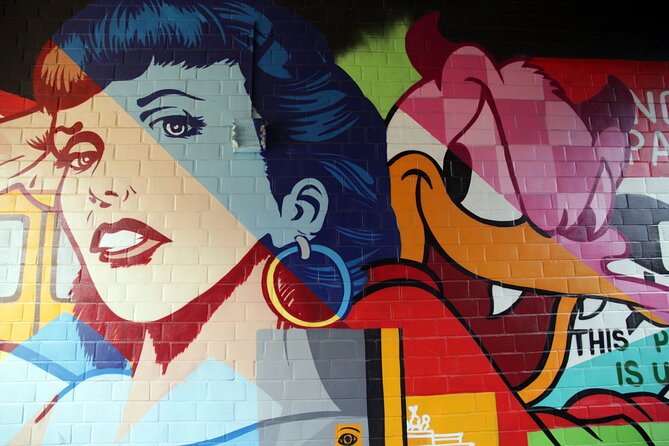
Dircksenstraße is where the tour starts teaching you the “street-art reading skills.” Even if you’ve seen graffiti before, Berlin’s style can feel different depending on the area and the artists involved. This first stop is set up for exactly that—helping you notice the details that casual looking skips.
What you can expect here is a quick focus on spotting and interpretation:
- You’ll see street art positioned in the everyday city environment, not behind museum walls.
- The guide helps you understand what a piece is doing—visually and culturally—rather than treating it like random decoration.
- You’ll likely get a reminder that street art isn’t one single style. It can be tags, murals, characters, and layered visual messages that only click after you learn how to read them.
One of the best guide comments in the feedback is about learning how to look around. That’s what Dircksenstraße helps with. After this stop, you’ll feel more confident moving through the rest of the city because you know what to scan for: placement, layering, scale, and the clues that hint at the artist’s intention.
Time on this stop is about 15 minutes, and admission is free. That short duration is good if you want momentum—walk, learn, look again—without getting stuck on one wall too long.
Haus Schwarzenberg: The Story Behind the Walls
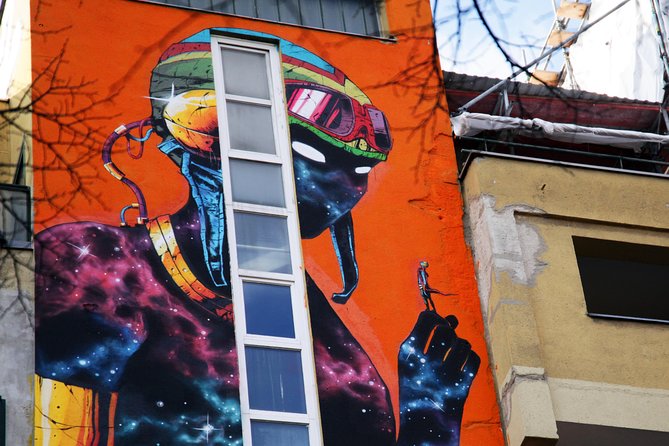
Haus Schwarzenberg is another short stop (about 15 minutes), and it plays a different role than the opening spot. This is where the tour starts to feel more like a guided conversation about the scene—how street art relates to the wider city, how artists build reputations, and how the culture around the art grows and changes.
Because the stop is “subject to changes,” it’s wise not to assume the exact wall will be identical to what you might Google later. Instead, think of it as a chance to practice your new street-art skills in a fresh setting. The guide’s job is to connect what you’re seeing to larger ideas like:
- how artists develop recognizable styles,
- how techniques can vary even when the subject looks similar,
- and how Berlin’s street art doesn’t exist in isolation.
The feedback also hints at a big theme: this kind of walk gives you more than just one famous landmark story. You’re learning the city through street-level art, not only through the most iconic images people already know.
If you’re the type of traveler who likes art history but hates long museum lectures, this stop is often a comfortable middle ground. You get context in walking form.
You can also read our reviews of more tours and experiences in Berlin




RAW Tempel in Friedrichshain: Street Culture with Real Attitude
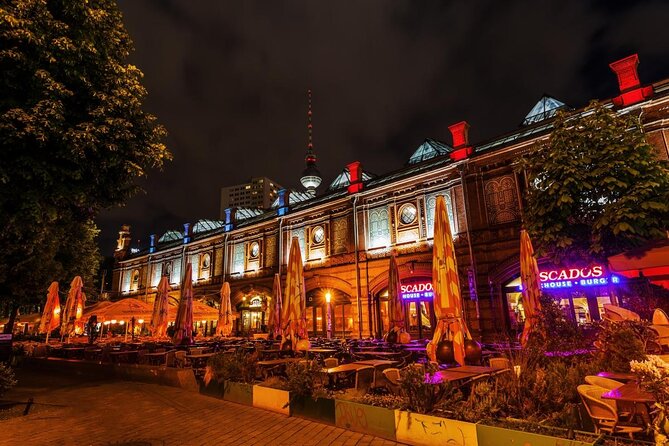
Then you hit RAW Tempel in Friedrichshain, and this stop often feels like the tour’s energy boost. Friedrichshain is tied to youth culture and street culture in a way that makes the street art feel more alive and less like a historical exhibit.
Here, the guide’s storytelling tends to matter even more, because street art in areas like this can carry references that aren’t obvious on a quick look. Feedback specifically mentioned hip hop energy mixed into the scene, which fits with what you’ll likely feel walking through an area where street culture overlaps: art, music, identity, and community.
What I’d watch for at RAW Tempel:
- layers of visual style—things that don’t match at first glance but start making sense with context,
- the sense of movement in the art (how it feels like it belongs to a living scene),
- and the way different generations of street artists can show up in the same general environment.
This stop is also about 15 minutes, and admission is free. Since it’s a longer-feeling cultural zone, the short time works best if you come mentally ready to look fast but carefully. Use the guide’s prompts to decide what’s worth your closer photos.
And if your goal is street art that feels current rather than purely nostalgic, RAW Tempel is the stop that usually delivers that vibe.
What the Guide Actually Gives You: Stories, Names, and How to Look
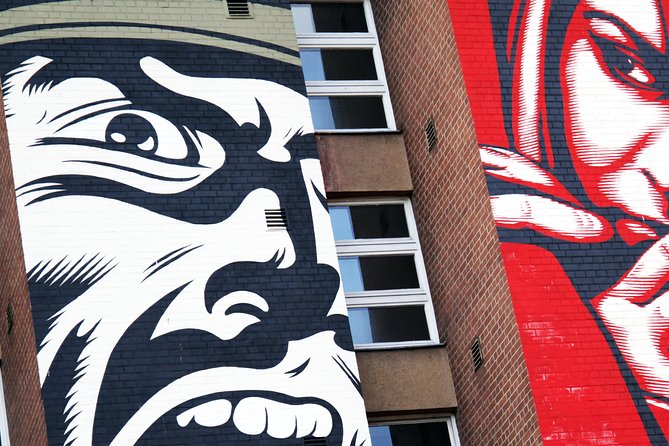
The guide is the main product here, and the best feedback names the difference clearly. People praised guides like Ania, Amanda, Rona, Martin, and Maike for bringing the art scene to life with stories and background. Different guides, different personalities, but a consistent theme shows up: the tour teaches you how to pay attention.
Here’s what that “how to look” can mean in real life:
- You look up and down on purpose. A piece might be framed from street level, but there’s often more meaning higher up or tucked into a corner.
- You learn the role of up-and-coming artists. You’ll hear about emerging creators from Berlin and beyond, not only the most famous names.
- You connect art to place. The guide’s explanations help you see how Berlin’s urban fabric shapes street-art choices.
- You get help framing photos. One review praised the chance to take really good pictures, which usually comes from understanding what angles highlight the work best.
At the same time, the tour is not one-size-fits-all. A critical note was that one guide talked too long per picture and preferred smaller works, which pushed someone to leave after about 2.5 hours. That’s the main consideration: your satisfaction can depend on your taste and the guide’s pace.
If you tend to get impatient with slow art commentary, you can preempt that by choosing a mindset like this: listen for the key story beats, then ask a quick follow-up when you want more detail.
How to Get More Out of the 3-Hour Walk (Without Rushing)
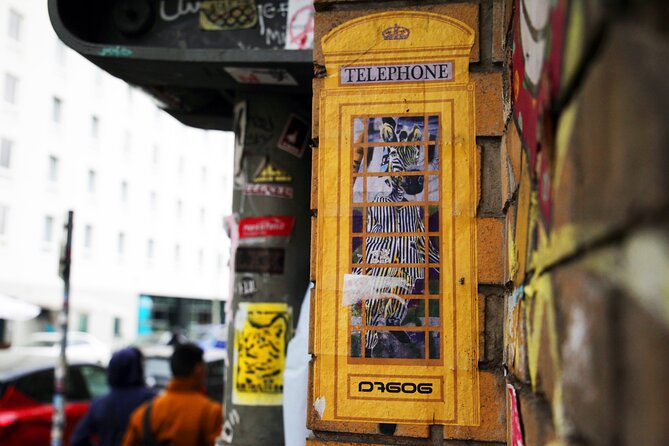
Because the tour is around 3 hours, you’ll be covering multiple locations and moving on. That’s great for seeing variety, but it also means you should travel with the right expectations.
Here are practical tips that help:
- Wear shoes you can walk in for hours. Street-art tours are still active walking tours.
- Bring water. Berlin afternoons can be surprisingly warm, and you’re out for a few hours.
- Keep your phone handy, not buried. You’ll want quick shots when a piece hits you.
- Choose one or two pieces per stop to study longer. Otherwise, you might end up trying to capture everything and understanding nothing.
If you love street art, you’ll probably want to keep exploring afterward. This tour can be a perfect “training run” for self-guided browsing, because once you learn what the guide is looking for, Berlin starts revealing more layers as you walk.
And if you’re a first-time visitor: this walk is a smart way to learn the city’s street-art language without committing a full day to it.
Who This Tour Fits Best (and Who Might Want Another Style)
This is a strong match if you want street art with context. It’s also a good fit if you like learning through stories rather than long lectures. The praise for the guides’ helpful explanations and question-friendly approach suggests you’ll do well if you like to interact, not just watch.
It can also work well if you want to see Berlin beyond the most famous tourist sites. The guide focus can help you understand how street art connects to Berlin’s larger themes without replacing those bigger sights.
On the other hand, it’s less ideal if your priority is very large mural walls only, with minimal commentary. The pacing note about spending too long on small pictures is a reminder that different guides may emphasize different scales and details.
If you’re the type who wants a fast photo tour with minimal stop-and-talk, you might prefer a different format. But if you want your street-art experience to become more than pretty walls, this one is set up for that.
Should You Book This Berlin Street Art & Graffiti Walking Tour?
I’d book it if you want:
- a guided way to understand street art,
- a route that covers multiple well-known street-art areas like RAW Tempel and Haus Schwarzenberg,
- and a tour price that mainly pays for the guide’s perspective and time (with free access at stops).
I’d pause before booking if you’re very mural-size picky, or if you know you dislike slow pacing around each piece. In that case, consider whether you’re going to enjoy the guide’s style and commentary.
For most visitors, though, this is a high-value street-art introduction. The overall ratings are extremely strong, and the repeated praise for guides like Ania, Amanda, Rona, Martin, and Maike points to the real payoff: you’ll leave with better eyes, not just more photos.
FAQ
How long is the Berlin Street Art & Graffiti Walking Tour?
It lasts about 3 hours.
What time does the tour start?
The start time is 12:00 pm.
Where is the meeting point?
The meeting point is Neue Promenade 3, 10178 Berlin, Germany.
How much does the tour cost?
The price is $24.19 per person.
Is the tour in English?
Yes, it’s offered in English.
What’s included in the price?
The tour includes a guide.
What isn’t included?
You’ll need to cover your train ticket (Zone AB) on your own.
Do I need an admission ticket for the stops?
Admission at the listed stops is marked as free, so you won’t need special paid entries for them.
Is there a group size limit?
Yes. The tour has a maximum of 25 travelers.
Is it okay for people with service animals?
Yes. Service animals are allowed.
Can I cancel for free?
Yes. You can cancel for a full refund if you cancel up to 24 hours in advance.