REVIEW · BERLIN
Potsdam, City of Emperors Walking Tour
Book on Viator →Operated by SANDEMANs Tours - Berlin · Bookable on Viator
Potsdam hits hard on day trips. This small-group walk turns Potsdam’s royal buildings into a clear story about the Prussian Kaisers and how the city mattered again after World War II. I love that you get real sight-to-story connections across palaces, gardens, and the famous Bridge of Spies, and you also get a practical end-game at Sanssouci with help on tickets and line timing. One thing to consider: it’s about 5–6 km of walking plus public transit, so you’ll want comfortable shoes and a moderate fitness level.
You start late morning in Berlin near Zoo, then ride out to Potsdam on public transport before slowing down for baroque streets and palace squares. The route also includes UNESCO areas like the Potsdam complex around Bassinplatz and Cecilienhof, so you’re not just taking photos—you’re learning what to look at and why these sites were built this way.
There’s a lot packed into roughly 5.5–6 hours, and the group size cap is 30. If your group is near that upper limit, the pace can feel tight at certain stops, especially if you like long pauses for views.
In This Review
- Key highlights worth your time
- Why Potsdam Feels Like a Royal Time Machine from Berlin
- Price and Logistics: What the $80 Really Buys
- Meeting Point, Start Time, and the Public Transit Reality
- A Stop-by-Stop Route Through Potsdam’s Palaces and Power
- The Potsdam Conference Thread: Why This Tour Feels More Than Royal Tourism
- What Guides Do Well Here (and Why It Matters for First-Timers)
- Before You Go: Footwear, Timing, and What to Bring
- Should You Book This Potsdam Walking Tour?
- FAQ
- Where does the tour start in Berlin?
- What time does the tour start?
- How long is the Potsdam tour?
- How do I get to Potsdam, and what transit ticket do I need?
- Is public transit included in the price?
- Which attractions have entrance fees?
- Is Sanssouci Palace open every day?
- Can I cancel for a refund?
Key highlights worth your time
- Prussian royal power in one walking thread: you’ll track the same theme through multiple reigns, not random facts
- Bridge of Spies in context: you’ll connect Cold War intrigue to the city’s role after WWII
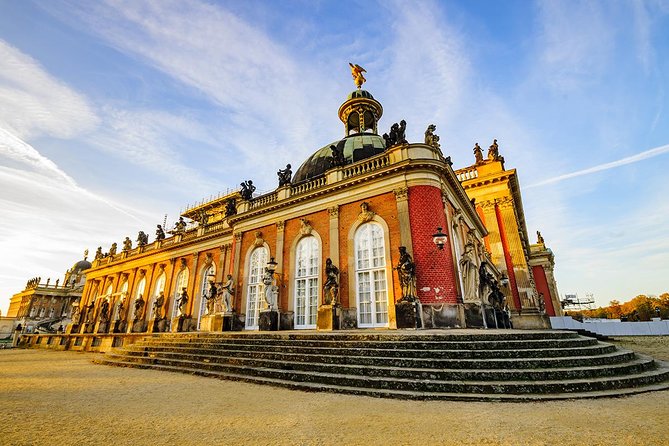
- UNESCO grounds at Bassinplatz, Neuer Garten, and Cecilienhof: you’ll know what you’re seeing before you wander
- Sanssouci wrap-up with ticket strategy: your guide shares how to get the best-priced entry and skip long lines
- A small-group feel that can get busy near 30: great for lively Q&A, but bring patience
Why Potsdam Feels Like a Royal Time Machine from Berlin
Potsdam is one of those places where the architecture does the storytelling for you. You’ll go from Berlin’s modern transit rhythm to a city built for kings—then, later, to a city where postwar negotiations shaped Europe.
What makes this day trip work is that it’s not just a checklist of buildings. You’ll learn how Potsdam began as a garrison city, grew into the home base of Prussian rulers, and stayed central when power shifted again after WWII.
I like that the tour keeps the tone grounded. You’ll hear the drama—royal courts, Cold War tensions, and the Potsdam Conference—without it turning into a history lecture you can’t remember. And because you’re walking between major stops, the story stays anchored in what you can actually see.
You can also read our reviews of more walking tours in Berlin



Price and Logistics: What the $80 Really Buys
The price is $80 for a 5.5–6 hour guided experience in a small group, with a lunch break included. That part matters: it’s not just “walk with a guide,” because you get structured time at key places plus a break that keeps the day from turning into pure marching.
What you should budget separately is straightforward. Public transport into Potsdam and back is on you, and you’ll also pay for Sanssouci Palace entrance (listed as €12). The tour itself does not include those costs, and the guide can only help with ticket strategy—not erase fees.
So is $80 good value? For Potsdam, yes, if you want context. The biggest benefit is guidance: you’ll know where to look at Sanssouci, what to connect at UNESCO sites, and how the Cold War story fits the same geography you’re walking through.
If you’re the type who loves to “wander free” with zero structure, you could do Potsdam on your own. But if you want the story stitched together—kings, palaces, and the postwar conference—this format saves you effort and guesswork.
Meeting Point, Start Time, and the Public Transit Reality
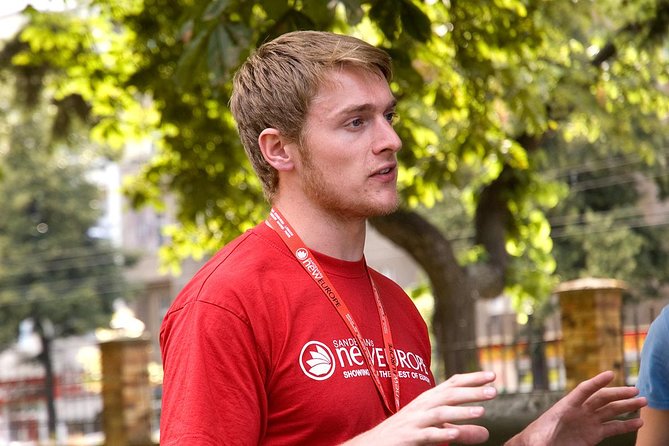
You meet in Berlin late morning at Joachimsthaler Straße 1–4, right by the Starbucks area near Zoologischer Garten. Start time is 10:00 am, and the end of the day is back in Berlin near the S-Bahn Kundenzentrum Zoologischer Garten (Hardenbergpl. 13).
The tour requires a train journey. You’ll need an ABC travel ticket, listed as a single trip ABC €3.40, and it’s your responsibility to buy it before joining. In practice, that means plan ahead so you’re not scrambling before you meet the group.
Once you’re in Potsdam, you’ll mix walking with short public rides (bus/tram). You won’t be stuck in one long coach ride the whole time, but you also won’t do all 5–6 km of walking in one straight line. Still, it’s real walking, so comfortable shoes are not optional.
Also note a key day-specific detail: Sanssouci is closed on Mondays. If you’re traveling on a Monday, confirm dates before you buy, because the end point is Sanssouci.
A Stop-by-Stop Route Through Potsdam’s Palaces and Power
This tour is paced as a sequence of “look here, then understand why.” You’ll get time at each stop, and your guide ties the details together so the day feels like one narrative instead of scattered photo stops.
Stop 1: Joachimsthaler Straße (Berlin warm-up, 45 minutes)
You start in Berlin near Zoo, and this first block is where you get oriented. It’s a useful moment to settle in, meet your guide, and get the opening framework for what Potsdam became and why it mattered to German rulers.
Stop 2: Glienicke Bridge, Bridge of Spies (Potsdam, ~30 minutes)
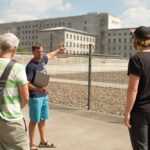
You’ll head to Glienicke Bridge and get the Cold War story behind it. This is one of Potsdam’s most famous “intrigue” landmarks, and the value here is the interpretation: your guide explains why this crossing became infamous, not just that it exists.
If you love geopolitical history, this is a great mid-morning reality check. It also gives you a strong contrast from the royal-court theme—because Potsdam’s importance didn’t vanish after the kings.
Stop 3: Bassinplatz (Potsdam town center, ~30 minutes)
Bassinplatz is tied to the largest UNESCO World Heritage site connected to Potsdam’s royal complex. You’ll walk and take in the setting, and your guide gives you the “what to watch for” lens so you don’t miss the spatial design that makes the whole area feel intentional.
This is a good place to slow down. If you like architecture, you’ll notice how the squares and routes guide you toward palaces and gardens rather than leaving you in random-looking streets.
Stop 4: Babelsberg Castle / Babelsberg area (tram, ~30 minutes)
Next comes Babelsberg Castle, framed as a formal royal residence with connections to film studios today. Your guide ties this stop back to why Potsdam was the city of the German Kaisers—housed with royal power and also tied to the kind of military presence rulers built around them.
One practical note: the tram ride is short, but you still need to stay alert for the transfer point and regroup quickly when the group moves.
Stop 5: Schloss Cecilienhof and the Neuer Garten (bus/area access, ~30 minutes)
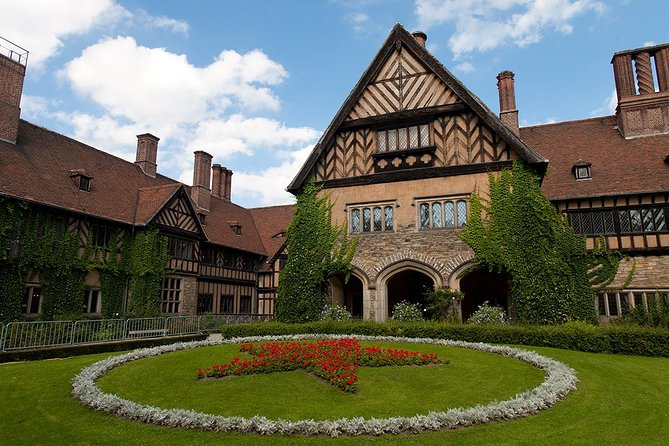
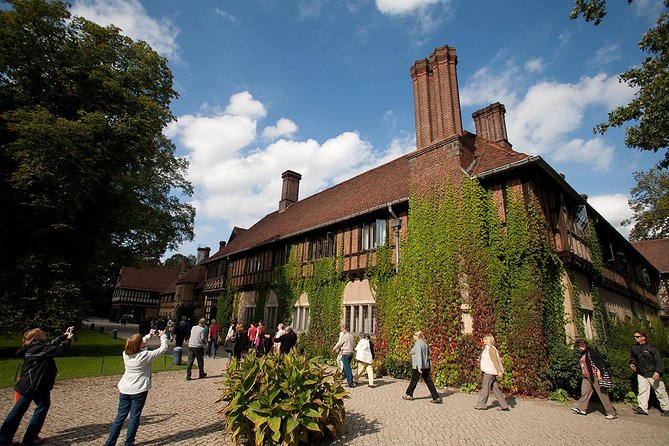
You’ll see Cecilienhof Palace at the edge of the Neuer Garten area, another UNESCO-listed royal landscape. The big story here is how the Crown Prince lived there before the royal family abdicated at the end of WWII.
This stop is where the tour’s WWII thread starts clicking more clearly. It’s not just palaces for show—it’s palaces tied to leadership, decisions, and the end of an era.
Stop 6: Potsdam’s Brandenburg Gate (guided stop, ~30 minutes)
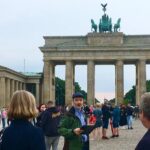
You’ll pause at Potsdam’s Brandenburg Gate, and your guide explains Potsdam’s growth story across generations of kings and onward to the two World Wars. It’s a compact stop, but it works because it links earlier royal momentum to the historical turning points that followed.
If you want a mental map of the day, treat this as your “connect-the-dots” checkpoint.
Stop 7: Schloss Sanssouci (tour ends here, ~30 minutes guided; entrance at your expense)
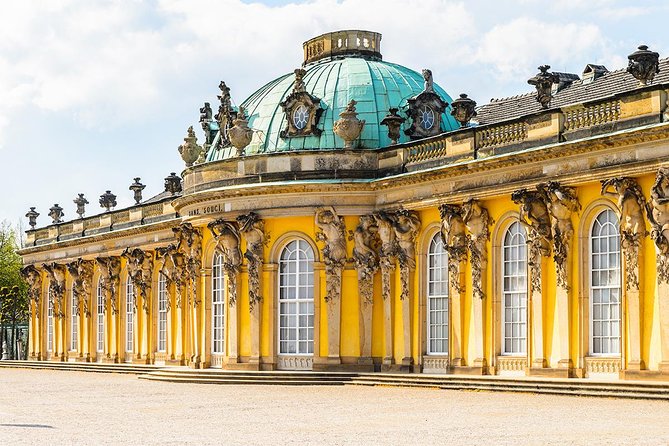
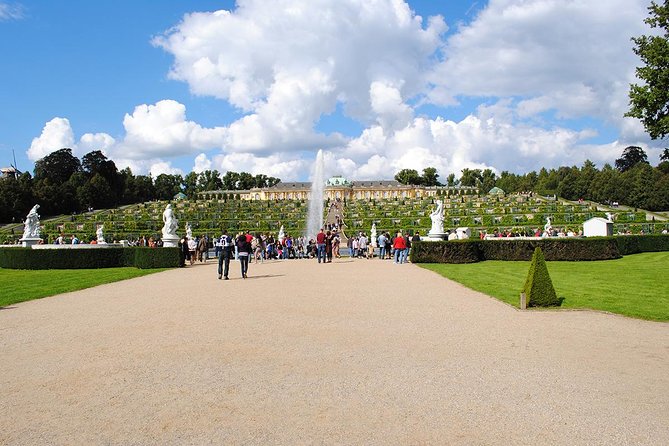
The day finishes at Sanssouci Palace, the former summer palace of Frederick the Great, King of Prussia. You’ll get views and a focused explanation of the palace and its architecture, and your guide shares tips for best-priced tickets and how to skip long lines.
Sanssouci entrance is €12 and listed as not included. If you’re going to spend extra time after the guided portion, put it here—the palace gardens and grounds are part of the payoff.
Also, in winter some statues can be covered, so your photos might look different than summer images you’ve seen online. If seasonal timing matters for you, check your dates before planning big expectations.
The Potsdam Conference Thread: Why This Tour Feels More Than Royal Tourism
Potsdam gets famous for palaces, but it gets historically serious because the city mattered at the end of WWII. You’ll hear about the Potsdam Conference and the negotiations that helped shape postwar Europe.
What I like is that the tour doesn’t treat WWII as an unrelated chapter. Your guide keeps tying the story back to the same physical places you’re standing in, so the conference isn’t just a date on a timeline.
Cecilienhof and the Neuer Garten area are especially strong for this theme. Standing in that setting helps you understand why leaders needed space, security, and symbolism at the same time. It’s one of those moments where geography turns into history.
And then you cap it with Sanssouci’s Frederick the Great connection. Even if you don’t love monarchy stories, the contrast between ruler-as-architect and ruler-as-negotiator makes Potsdam click.
You can also read our reviews of more city tours in Berlin



What Guides Do Well Here (and Why It Matters for First-Timers)
The tour runs with a local guide, and the reviews point to a consistent strength: storytelling that feels clear and organized. You’ll see praise for guides like Sophia and Rodrigo for strong explanations, and for Susan, Alice, and Rochelle for keeping history accessible and well paced.
Why that matters for you: Potsdam can feel “pretty but confusing” if you don’t know what each palace is connected to. A good guide helps you avoid that problem fast. You’ll spend less time guessing and more time noticing.
The guided format also helps with tickets at Sanssouci. Your guide shares details to get the best-priced tickets and skip long lines, which is a real time-saver at a big site.
Just keep one realistic consideration in mind: the group size can be near the 30-person cap, and that can affect how quickly you move through certain points. If you like lots of questions or slower pacing, keep your expectations flexible.
Before You Go: Footwear, Timing, and What to Bring
This is a walking-oriented day trip covering about 5–6 km. You’ll also use public transport within Potsdam and from Berlin, so bring a plan for transit time and small delays.
Bring:
- Comfortable shoes (no fancy bottoms; you’ll be on pavement a lot)
- A daypack for water and a snack if you’re prone to hunger after lunch
- Cash or card for Sanssouci entrance (€12)
The tour includes a lunch break, but food and drinks aren’t included. Plan to buy something small during the day, especially if you have dietary needs.
Mobile ticket is part of the setup, so have your phone ready and charged. And because the route includes public transit, it’s smart to have your ticket and any email confirmations ready before you leave your hotel.
Should You Book This Potsdam Walking Tour?
Book it if you want Potsdam to make sense. This is ideal for first-timers who like royal architecture but also want the Cold War and WWII negotiation angle explained in real-world locations.
Skip it (or consider a different format) if you hate walking with a group. The day is paced for efficient touring, and while it’s manageable for many people, it does require moderate fitness and comfortable shoes.
I’d also book it if you value ticket help. Sanssouci entrance costs extra, and the guide’s strategy for best-priced entry and line avoidance can save you stress.
If you go on a Monday, double-check whether Sanssouci being closed impacts your dates. The tour ends at Sanssouci, so that closure could affect the experience.
If your goal is a guided “story walk” instead of independent wandering, this $80 trip is a solid way to turn Potsdam into a place you can actually remember—palaces, spies, and all.
FAQ
Where does the tour start in Berlin?
You meet at Joachimsthaler Str. 1-4, 10623 Berlin, near the Starbucks by the Zoologischer Garten area.
What time does the tour start?
The start time is 10:00 am.
How long is the Potsdam tour?
It runs about 5 hours 30 minutes (approx.), with a duration described around 6 hours.
How do I get to Potsdam, and what transit ticket do I need?
You travel via Berlin’s public transport. You’ll need an ABC travel ticket (single trip ABC €3.40) purchased before joining the tour.
Is public transit included in the price?
No. Transportation to and from Potsdam is not included, and the public transit ticket is at your own expense.
Which attractions have entrance fees?
Sanssouci Palace entrance is not included and is listed as €12. Other stops include or indicate admission, but Sanssouci is the clear separate cost.
Is Sanssouci Palace open every day?
No. Sanssouci Castle is closed on Mondays.
Can I cancel for a refund?
Yes. Free cancellation is available up to 24 hours in advance for a full refund.