REVIEW · BERLIN
Sachsenhausen concentration camp.
Book on Viator →Operated by cultourberlin · Bookable on Viator
Sachsenhausen is heavy, and the facts matter. This moving visit walks you through one of Germany’s key concentration-camp sites, covering what happened there during the Nazi era and then afterward under the NKVD. I love that you get 3 hours at the museum with admission included, and I love the respectful, serious way the tour is handled by a local Spanish-speaking guide, including Juan. One possible drawback: it’s a long, emotionally intense tour, and you’ll be walking for much of it.
You start in central Berlin, meeting at the Berlin TV Tower area, and you’re in a small group (up to 30), which helps the guide keep things clear. The tour runs about 6 hours total, uses a mobile ticket, and ends in Mitte without a fixed “last stop,” since the guide will help you figure out how to get to wherever you want next.
In This Review
- Key highlights you’ll care about
- Sachsenhausen: a camp with two painful chapters
- Your 6-hour flow: museum admission plus guided site meaning
- The part I’d plan around: day-to-day life and prisoner profiles
- Stop-by-stop: what the Sachsenhausen museum visit actually gives you
- Berlin start point: meeting at the TV Tower without stress
- Where the tour ends (and how you won’t feel stranded)
- Price and value: $34.76 for a serious guided session
- Small group size: why max 30 helps your experience
- Language note: Spanish guide, and what to do if it’s not your first language
- Practical tips that make Sachsenhausen easier to handle
- Should you book this Sachsenhausen tour?
- FAQ
- What is the duration of the Sachsenhausen concentration camp tour?
- Is the museum ticket included?
- What time does the tour start?
- Where do I meet the guide in Berlin?
- What language is the guide?
- Are food and drinks included?
- Do I need a transportation ticket (ABC)?
- Is cancellation free?
Key highlights you’ll care about
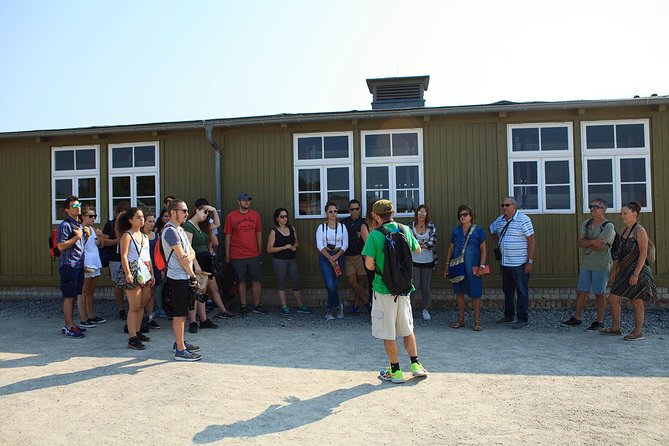
- Museum time is built in: plan for about 3 hours at the Sachsenhausen Memorial and Museum with admission included.
- Spanish guide who keeps it respectful: the name Juan comes up in the guide praise for clarity and seriousness.
- Full camp context, not just one room: you’ll cover the camp’s history, day-to-day life, and prisoner profiles across the session.
- Small group size (max 30): it’s easier to hear explanations and stay focused.
- Easy starting point near transit: meet by the Berlin TV Tower, a simple landmark for getting there.
- You don’t get stuck at the end: your guide helps you get around afterward, even if there’s no single finishing location.
Sachsenhausen: a camp with two painful chapters
Sachsenhausen is in Oranienburg, just outside Berlin, and it has two distinct, grim phases you’ll hear about during the tour. Under the Nazis, the site was used primarily for political prisoners starting in 1936 and continuing until the end of the Third Reich in May 1945. After World War II, Oranienburg ended up in the Soviet Occupation Zone, and the camp buildings and grounds were used as an NKVD special camp until 1950.
That matters because a lot of people arrive with one mental picture: Nazi concentration camp only. This tour keeps the scope broader. You’re guided through how the function of the site changed while the human harm stayed. It’s not about “history as trivia.” It’s about understanding the machinery—how detention worked day to day, and how prisoners lived inside that system.
The visit ends up feeling like a guided argument against shortcuts. You’ll leave with a clearer sense of who was imprisoned there, why, and what life looked like behind the fences.
You can also read our reviews of more tours and experiences in Berlin.


Your 6-hour flow: museum admission plus guided site meaning
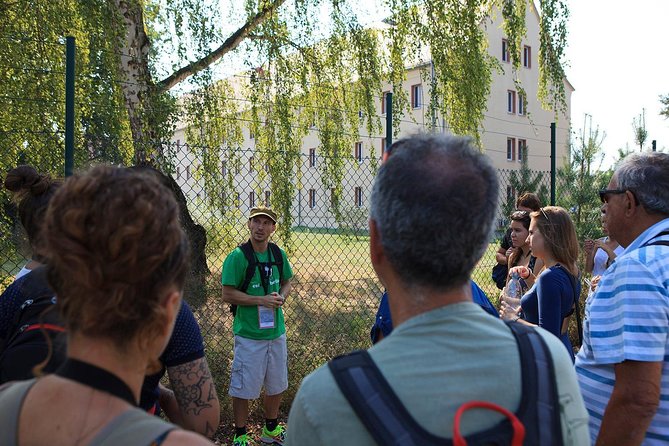
The tour is about 6 hours total, and it includes around 3 hours at the Gedenkstätte und Museum Sachsenhausen. That first chunk is where the museum part earns its keep: you get the structured explanations that help you connect names, dates, and locations. After that, you continue through the overall site experience with a guide focused on the camp’s history and the way prisoners’ lives unfolded in practice.
A good way to think of it: the museum gives you the storyline. The walk through the remaining grounds helps the story land in real space. You’re not just reading labels; you’re hearing how the pieces fit together—timeline, daily routine, and prisoner profiles.
Because the camp is large and you’re on your feet, wear comfortable shoes. You’ll cover long distances, and you don’t want your legs to be the thing that ruins your concentration.
The part I’d plan around: day-to-day life and prisoner profiles
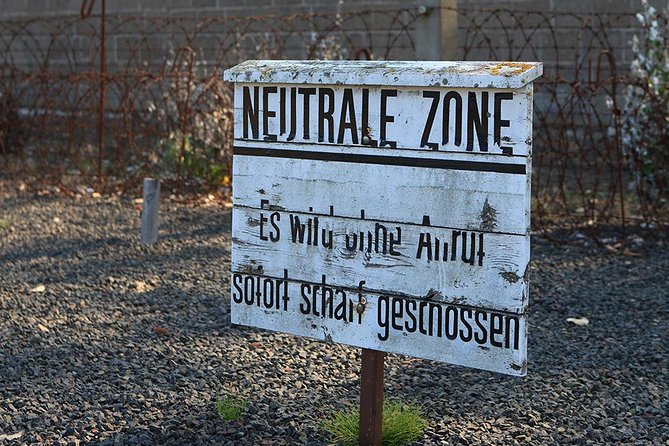
What makes this tour genuinely worthwhile is the focus on how the camp operated in everyday terms—not only the big-picture timeline. The tour description specifically highlights that you’ll review the day-to-day life of the camp and the profile of each of the prisoners discussed.
If you’ve ever visited memorial sites and felt like you were only getting dates and geography, you’ll appreciate this approach. Day-to-day life is where you start to understand the reality of control: how routines shape fear, how people are processed, and how prisoners’ identities get treated by the system.
You also get a guided look at prisoner profiles. That’s important because it shifts the conversation from statistics to people. The tour doesn’t ask you to guess who belonged to which group; it’s structured around explaining who the prisoners were.
This is also where the guide’s tone becomes part of the experience. The reviews put real emphasis on seriousness and preparation. One of the praised details in the feedback is that Juan brings strong knowledge to such an important topic and keeps the experience respectful.
Stop-by-stop: what the Sachsenhausen museum visit actually gives you
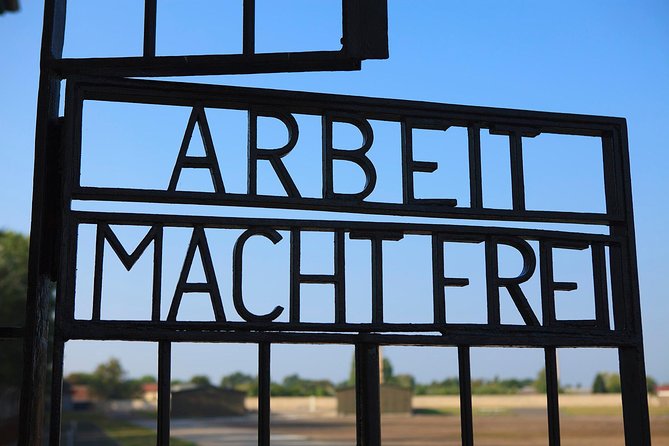
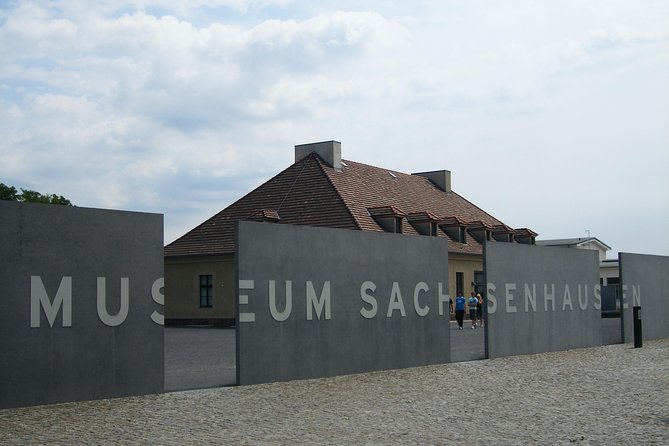
Even though the itinerary lists one main stop, it’s a substantial one: Gedenkstätte und Museum Sachsenhausen at Oranienburg. This is the section where you spend the admission-included time and where your guide sets the historical framework.
Here’s what you can expect from the museum component, based on what the tour promises to cover:
- The camp’s history from its start in 1936 through May 1945.
- The post-war transition into the NKVD special camp, continuing until 1950.
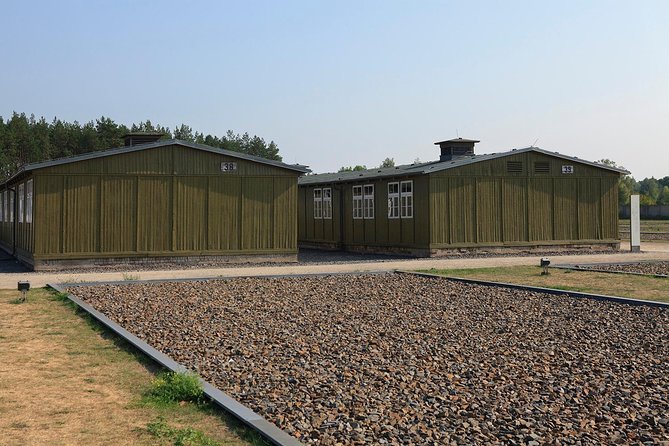
- How the camp ground and remaining buildings became a public museum space.
The key practical point: you’re not rushing through a quick photo stop. Plan on real attention—expect to take in a lot of information in a way that builds a coherent picture.
One consideration: because the subject matter is intense, the museum time can feel dense. If you get overwhelmed by heavy topics, use your own pacing. It’s okay to pause and sit for a moment. This kind of visit rewards slow focus.
Berlin start point: meeting at the TV Tower without stress
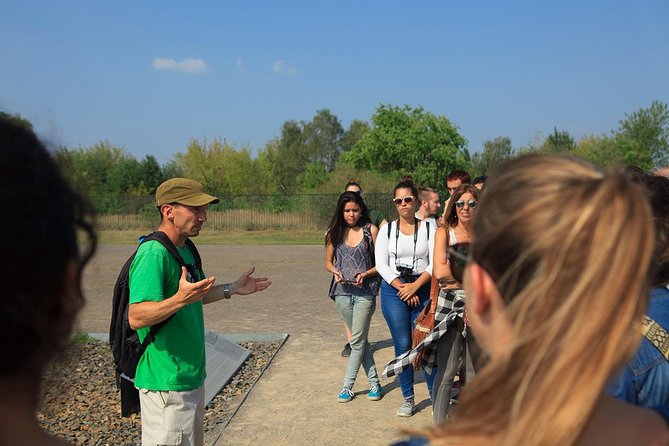
Your start is at Berlin TV Tower, Panoramastraße 1A, 10178 Berlin. That’s a big help for first-timers, because it’s a clear, recognizable landmark near transit. Also, the tour says the meeting point is near public transportation, which means you can get there without relying on taxis or complicated connections.
The start time is 10:00 am, and the tour runs for about 6 hours, so you’ll want to structure your day accordingly. If you’re thinking of squeezing in another major activity right after, I’d rethink it. You’ll probably want time to decompress and let the information settle.


Where the tour ends (and how you won’t feel stranded)
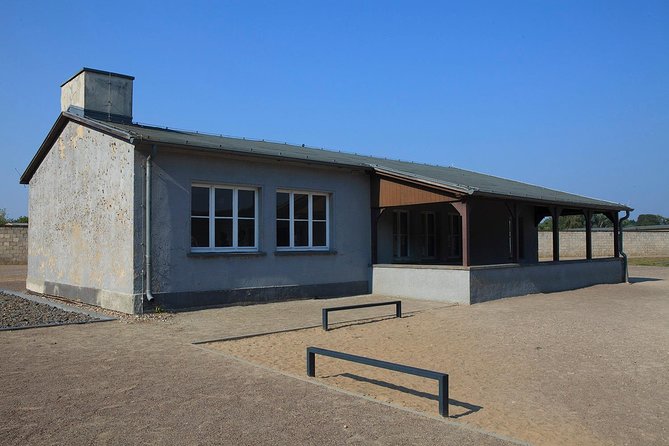
Here’s a small but useful detail: the tour ends in Mitte, Berlin, but there’s no rigid finishing point. Instead, the guide goes with you for the important part—explaining how to get at any point in the city that you want.
That helps a lot if your plans are flexible. Mitte is a smart end area since it connects well to the rest of Berlin. But the real value is the personal guidance from your guide. You’re not left guessing with a full schedule of trains and walk times.
Price and value: $34.76 for a serious guided session
The price is listed as $34.76 per person, and the experience is typically booked about 17 days in advance on average. At this price point, the best value isn’t just the cost—it’s what you get bundled into it.
You’re paying for:
- A local Spanish-speaking guide (and the guide quality is specifically praised in the feedback).
- A structured visit that covers history, day-to-day life, and prisoner profiles.
- Museum admission included for about 3 hours.
- A 6-hour time block that reduces the mental work of planning your own route and research.
What’s not included is also useful to know: food and drink and an ABC transportation ticket are not included. So budget a meal or snacks separately if you’ll be in the area all day.
If you’re traveling with limited time in Berlin, the included museum entry and the guided structure can easily make this feel like a better deal than paying for museum access plus trying to piece together context on your own.
Small group size: why max 30 helps your experience
The tour caps at 30 travelers. That number doesn’t sound tiny on paper, but it’s enough to keep the discussion manageable. At a memorial site, you don’t want a loud, chaotic crowd. A smaller group also makes it easier for the guide to watch pacing and keep explanations coherent.
This matters because your attention will be pulled in multiple directions: museum materials, outdoor spaces, and emotional weight. You’ll enjoy the tour more when the guide can hold the group together and keep questions and pacing in check.
Language note: Spanish guide, and what to do if it’s not your first language
The tour includes a local Spanish-speaking guide. If Spanish is comfortable for you, this is straightforward. If it’s not, you might find it harder to follow the nuances of prisoner profiles and day-to-day operations.
I’d treat this as a matching problem:
- If you can follow Spanish conversation, you’ll likely get a lot more out of the explanations.
- If you can’t, consider whether you’ll still benefit from visual materials and basic meanings even when details slip by.
This is one of the biggest “considerations” that can affect how much you truly absorb.
Practical tips that make Sachsenhausen easier to handle
This tour asks for moderate physical fitness and notes that you’ll be walking long distances. That’s not unusual for Sachsenhausen, but it’s still worth preparing.
A few practical moves:
- Wear comfortable shoes. You’ll thank yourself later.
- Bring a way to keep hydrated, but remember food and drink aren’t included, so plan ahead.
- Keep your schedule calm before and after. This kind of visit needs emotional room.
Also, the tour uses a mobile ticket, which usually makes check-in smoother. Just make sure your phone has enough battery when you’re in the meeting area.
Should you book this Sachsenhausen tour?
If your goal is a guided, structured visit to one of Germany’s most important concentration-camp memorial sites, I think this is a solid choice. It’s not trying to be a quick “drive-by” experience. It’s built for context: the Nazi period from 1936 to May 1945, then the NKVD special camp phase until 1950, plus a focus on day-to-day life and prisoner profiles.
Book it if:
- You want museum admission included and a guide to connect the dots.
- You can handle a serious, emotionally heavy tour.
- You’re comfortable with a Spanish-speaking guide, or at least confident you’ll follow most of it.
Skip it (or be cautious) if:
- You’re looking for a light, flexible sightseeing stop.
- You need a tour in a different language than Spanish.
- You know long walking + heavy topics will wear you down fast.
If you do book it, go in expecting respect and clarity, and plan your day so you can process what you learn instead of rushing out the door.
FAQ
What is the duration of the Sachsenhausen concentration camp tour?
The tour lasts approximately 6 hours.
Is the museum ticket included?
Yes. The included admission ticket covers about 3 hours at the Gedenkstätte und Museum Sachsenhausen.
What time does the tour start?
The start time is 10:00 am.
Where do I meet the guide in Berlin?
You meet at Berlin TV Tower, Panoramastraße 1A, 10178 Berlin, Germany.
What language is the guide?
The tour includes a local Spanish-speaking guide.
Are food and drinks included?
No. Food and drink are not included.
Do I need a transportation ticket (ABC)?
The ABC transportation ticket is not included.
Is cancellation free?
Yes. You can cancel for a full refund up to 24 hours before the experience start time.