REVIEW · BERLIN
Berlin: David Bowie & 1970s Berlin Guided Walking Tour
Book on GetYourGuide →Operated by insightcities.com · Bookable on GetYourGuide
Berlin feels different when you track it through one artist’s life. This David Bowie guided walking tour links the city’s Cold War mood to the songs on Low, Heroes, and Lodger. I especially like how the guide turns landmarks into stories, not checkboxes. I also like the stop-by-stop build toward Hansa Studios, where Bowie’s Berlin sound found its room to breathe.
Here’s the main drawback: this is 3 hours with a mix of walking and public transport, and Berlin weather can be a factor. Also, the tour price is $135 per person and food is not included, so you’ll want to plan your snack timing.
If you’re going, I’d treat this as part music lesson, part Berlin history walk. The meeting point is a memorabilia-filled cafe at Ständige Vertretung (Schiffbauerdamm 8), and the tour runs with an English live historian guide. Expect photos, video clips, and music excerpts as you move from neighborhood to neighborhood.
In This Review
- Key things you’ll remember from this Bowie Berlin walk
- Why Bowie’s 1970s Berlin still hits, even today
- Starting at Ständige Vertretung and moving toward Zoo Station’s West Berlin pulse
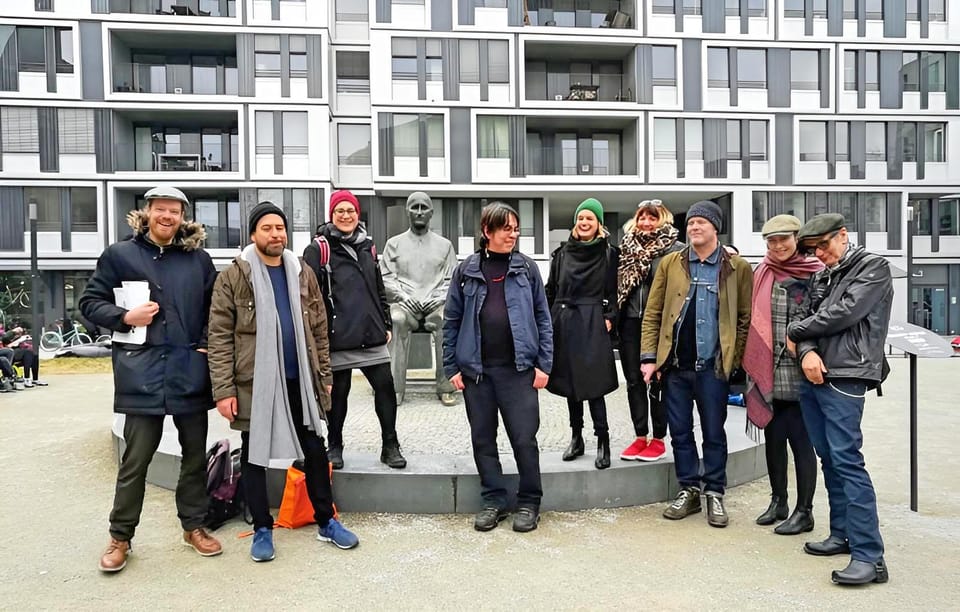
- Bertolt-Brecht-Platz, Tränenpalast, and Anhalter Bahnhof: stations as storytelling engines
- Bertolt-Brecht-Platz
- Tränenpalast
- Anhalter Bahnhof
- Martin-Gropius-Bau and Topography of Terror: the past behind the music
- Martin-Gropius-Bau
- Topography of Terror
- Hansa Studios: the best reason to book if you love the sound of Low and Heroes
- KaDeWe, Potsdamer Platz, and Bahnhof Zoo: where everyday life met Bowie’s nightlife
- KaDeWe
- Potsdamer Platz
- Bahnhof Zoo and the nightlife thread
- The Berlin Wall and Topography’s shadow: why this tour doesn’t just name-drop
- Bowie’s flat with Iggy Pop and the Neues Ufer Café finale
- Guides matter: Dan, Lee, Klaus, Ronen, and Martin turned facts into a story
- Price and value: is $135 for a 3-hour Bowie tour fair?
- Practical stuff you’ll want to get right before you go
- Who should book this tour, and who should skip it
- Should you book the David Bowie and 1970s Berlin walking tour?
- FAQ
- How long is the David Bowie and 1970s Berlin guided walking tour?
- Is the tour offered in English?
- What does the ticket price include?
- Do I need a public transport ticket?
- Where does the tour meet?
- Is food and drink included?
Key things you’ll remember from this Bowie Berlin walk
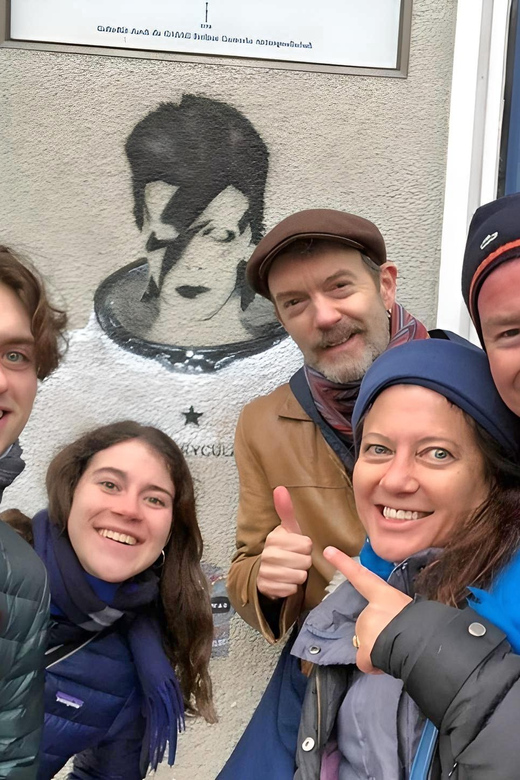
- Hansa Studios: a walk past the place tied to Bowie’s creative peak in Berlin
- The Bowie–Iggy Pop trail: you follow the thread from Bowie’s Berlin years to their shared-life stories
- West Berlin landmarks with real context: stations and memorial sites that frame the songs
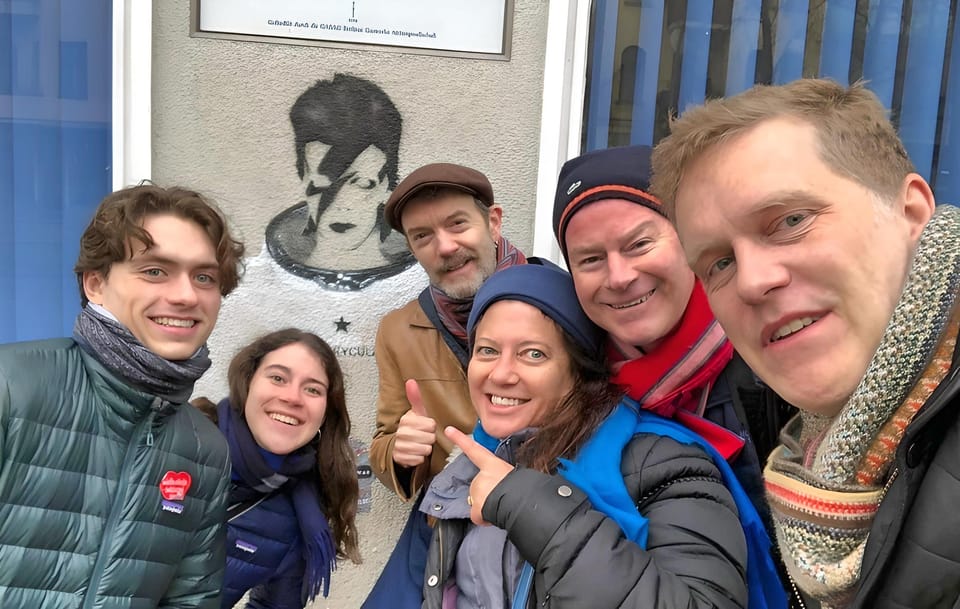
- Bowie haunts you can still spot: clubs/cafes tied to the 1970s scene, plus a stop at Neues Ufer Café
- Guides with real energy: names like Dan, Lee, Klaus, Ronen, and Martin show up again and again for a reason
Why Bowie’s 1970s Berlin still hits, even today
David Bowie didn’t just visit Berlin in the 1970s. He planted himself in the middle of West Berlin’s contradictions—hope and anxiety, art and surveillance, nightlife and paperwork. That’s why this tour works: it doesn’t treat Bowie as a museum object. It treats him as a working artist reacting to a city in flux.
You’ll connect the dots between place and sound. The tour is built around the Berlin that inspired Bowie’s classic Berlin albums, and you’ll see how that mood shaped both the aesthetic and the attitude. If you know the albums already, you’ll hear them differently when you stand near the very streets and institutions that framed those years.
And if you’re not a hardcore Bowie person, you’ll still get something useful: Berlin’s creative life under Cold War pressure. The tour uses music as a lens, but it also gives you the historical scaffolding so the city makes sense.
You can also read our reviews of more walking tours in Berlin



Starting at Ständige Vertretung and moving toward Zoo Station’s West Berlin pulse
The tour’s meeting point is Ständige Vertretung, a memorabilia-filled cafe at Schiffbauerdamm 8 (10117 Berlin). It’s a good start because it sets the tone: this isn’t just an itinerary. It’s a story kickoff.
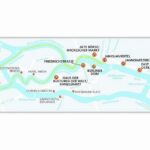
From there, your guide leads the group into the West Berlin core. The route is anchored around Zoo Station / Zoologischer Garten Station, and that matters. Zoo-area Berlin is the kind of district where you can feel the city’s mix of tourists, locals, and nightlife coexisting. It’s the right staging ground for a Bowie-in-Berlin day.
One practical note: the tour uses public transport a few times because some of the key spots aren’t close enough for nonstop walking. That’s normal for a city like Berlin, and it actually helps you cover more territory within the 3-hour window.
Bertolt-Brecht-Platz, Tränenpalast, and Anhalter Bahnhof: stations as storytelling engines
The first major stops lean into Berlin’s movement: where people passed through, waited, and disappeared into the machinery of the Cold War.
Bertolt-Brecht-Platz
You’ll start with a guided stop here that helps you understand the city as a stage for culture and conflict. The point isn’t to memorize facts. It’s to learn how Berlin’s public spaces shaped daily life, including the life of an artist trying to carve out time, connections, and inspiration.
Tränenpalast
This is one of those names that sounds theatrical until you learn the reality behind it. You’ll get guided context here so you can see how a place used by families and travelers also reflects a broader system of separation and control.
You can also read our reviews of more guided tours in Berlin






Anhalter Bahnhof
Anhalter Bahnhof is the kind of location that makes you think about scale. Even when you’re seeing the remnants or surrounding areas, you get a sense of Berlin as a city built on routes. For a Bowie-focused tour, that movement theme matters: his Berlin story is partly about being somewhere that never stops shifting.
Martin-Gropius-Bau and Topography of Terror: the past behind the music
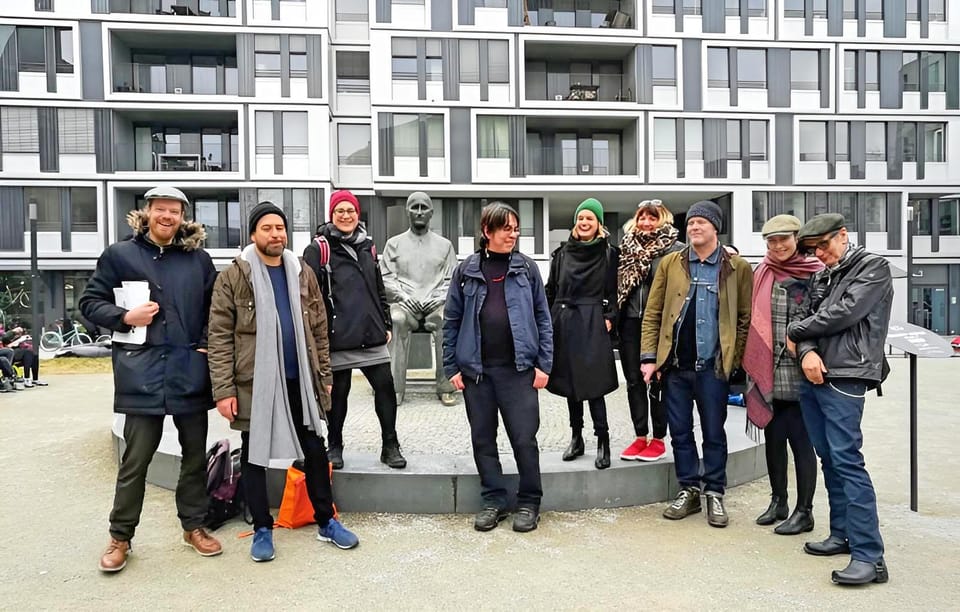
After the station sequence, the tour turns sharper. Martin-Gropius-Bau and the Topography of Terror area bring you into the historical weight that sits behind West Berlin’s creative output.
Martin-Gropius-Bau
This stop gives you a bridge from street-level Berlin to the institutions and cultural environment that shaped public life. It’s a helpful checkpoint because it reminds you that Bowie’s Berlin wasn’t operating in a vacuum. Institutions, architecture, and public memory shaped what people felt they could say and do.
Topography of Terror
This part of the tour is more reflective. You’ll get guided interpretation that makes the Cold War-era atmosphere feel less abstract. It also helps you understand why “Berlin angst” wasn’t just a catchy phrase. The city’s emotional weather had roots—and the tour makes those roots visible.
For me, the value here is balance: you’re not just sightseeing. You’re learning how a place can hold creative freedom and brutal history in the same frame.
Hansa Studios: the best reason to book if you love the sound of Low and Heroes
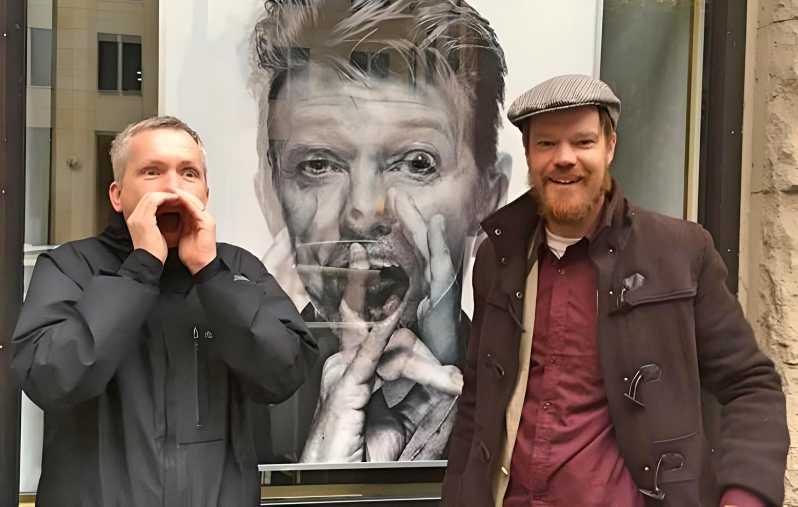
If you want one stop that justifies the entire tour, it’s Hansa Studios. The tour is designed to help you understand how Bowie’s Berlin work connected to this specific recording environment.
You’ll take a stroll by the studios, with your guide explaining why this site matters for Bowie’s music reaching its creative peak in Berlin. Even if you don’t know the recording-story details, the stop works because it reframes the albums: you start thinking about studio rooms, producers, collaborators, and how a city’s mood becomes part of the sound.
This is also where the tour’s energy tends to peak. You may hear music excerpts linked to the places you’re standing near, and that link turns a physical stop into a sensory one.
KaDeWe, Potsdamer Platz, and Bahnhof Zoo: where everyday life met Bowie’s nightlife
Bowie’s Berlin wasn’t only about studios. It was about living. That’s why you’ll spend time in areas tied to shopping, nightlife, and late-night conversations—places where the city’s culture showed up in real time.
KaDeWe
KaDeWe is a chance to see West Berlin as a consumer-friendly, stylish counterweight to the surrounding tension. You’ll get guided context on what that kind of environment meant in the 1970s, especially for someone building a new life in a new city.
Potsdamer Platz
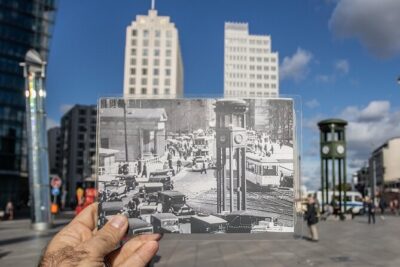
Potsdamer Platz helps connect your Bowie story to Berlin’s broader urban identity. Your guide brings in context so you understand why this area matters beyond being a famous square. It’s a “Berlin as a crossroads” stop.
Bahnhof Zoo and the nightlife thread
The tour is explicitly tied to Bahnhof Zoo and the former Dschungel Club, along with a mention of the clubs and cafes Bowie and Iggy Pop frequented. Your guide connects these scenes to the albums and to the social life behind them.
One thing I like here is that the guide doesn’t treat nightlife as trivia. It’s framed as part of how Bowie lived—how he listened, watched, met people, and turned impressions into work.
The Berlin Wall and Topography’s shadow: why this tour doesn’t just name-drop
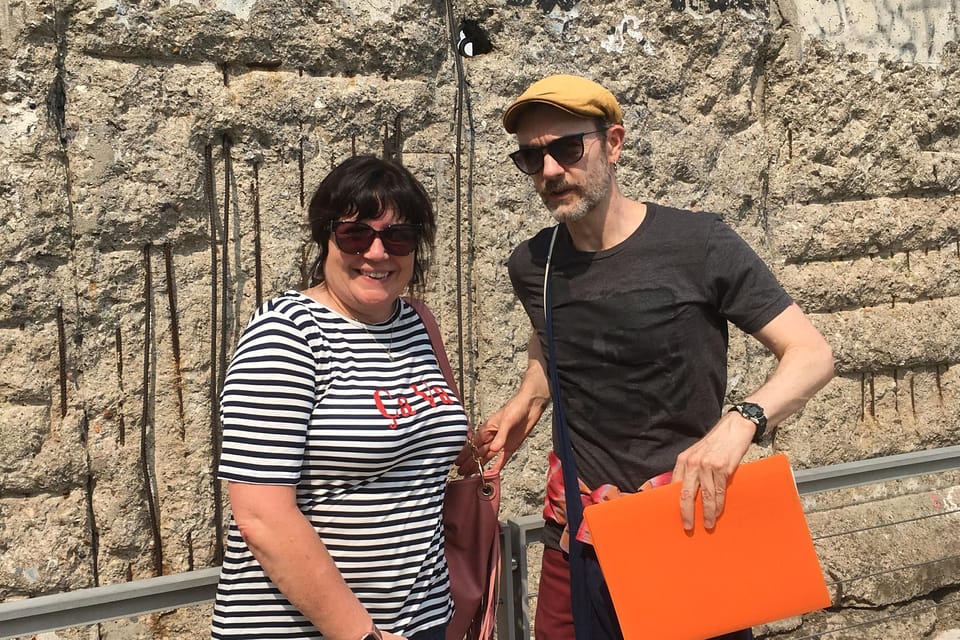
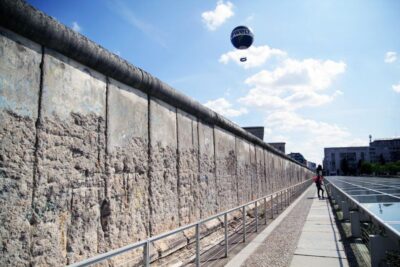
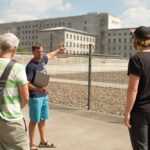
The route includes the Berlin Wall area and keeps circling back to what the city’s divisions did to people’s movement and emotions. You don’t just hear that Berlin was divided; you walk through parts of the city where you can feel how division shaped daily life.
And because the tour also includes Topography of Terror, the wall isn’t treated as a lone event. It’s part of a longer arc of control, fear, and survival. That’s what makes the Bowie angle more than a pop-culture detour.
In my book, this is where the tour earns trust: it connects a beloved artist to real place-based history without turning either into caricature.
Bowie’s flat with Iggy Pop and the Neues Ufer Café finale
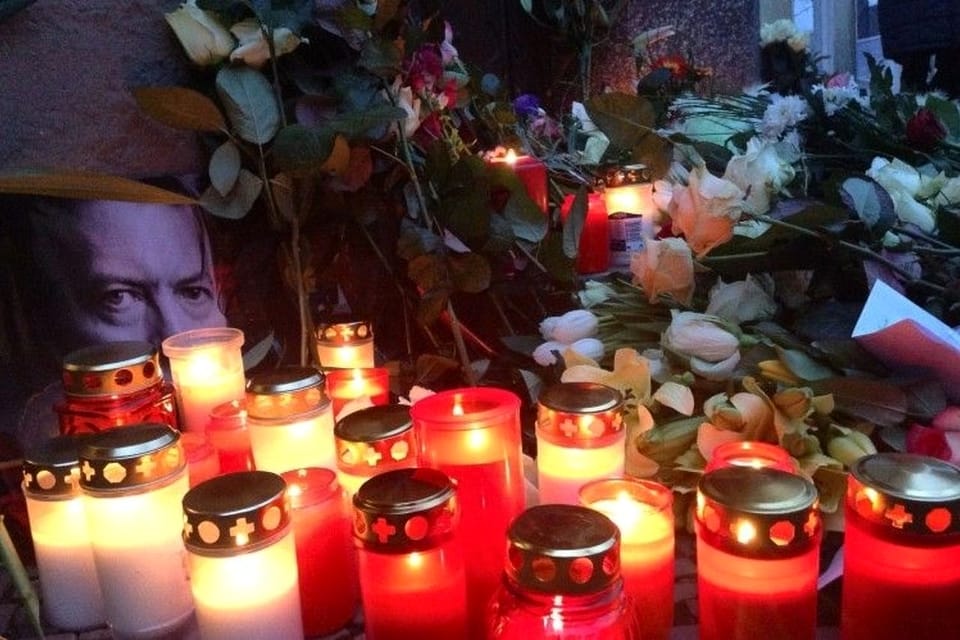
One of the tour’s big promises is that you’ll follow Bowie’s trail to the flat he shared with Iggy Pop. That’s the personal core of the day: the places that reflect not just inspiration, but companionship, routines, and the everyday reality of living in the same city that was shaping your art.
Then you wrap up at Cafe Neues Ufer. This is the kind of finish that makes sense for a Bowie tour. It’s social. It’s Berlin-cafe casual. It gives you a place to land after the stops that have been more intense and more political.
If you’re the type who likes to end tours with a quiet moment to think, this ending is useful. You’ll leave with images stuck in your mind: the studio stop in your head, the Cold War context under your skin, and the sense that Bowie didn’t float above Berlin. He worked inside it.
Guides matter: Dan, Lee, Klaus, Ronen, and Martin turned facts into a story
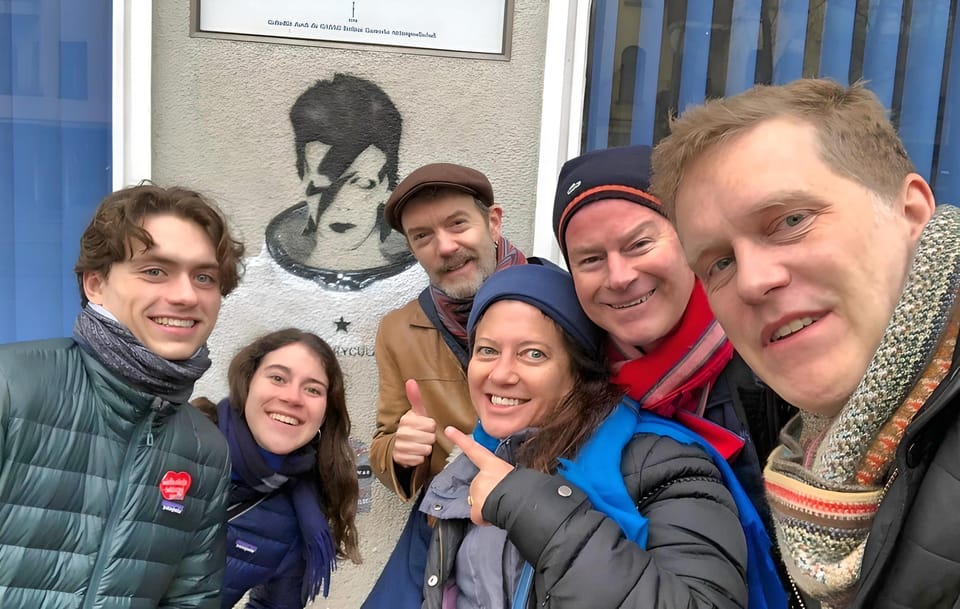
The tour’s standout feature isn’t just the locations. It’s the guides. The reviews consistently point to guides like Dan, Lee, Klaus, Ronen, and Martin for being focused, engaging, and able to make the era feel alive.
In practice, that looks like a few things you should look for when you join:
- You get linked context at each stop, so one location doesn’t feel “random.”
- You may get photos, video clips, and music excerpts tied to the moment.
- Guides often add lesser-known stories and details that make the tour feel personal rather than generic.
- Some guides go beyond Bowie and include related cultural references so you get a wider sense of Berlin’s creative ecosystem.
One helpful tip that comes through clearly: arrive early. At least one guide arrived early and made a point of being friendly and organized, and another review recommends arriving around 10 minutes before. In winter, that buffer helps because Berlin weather changes fast.
Price and value: is $135 for a 3-hour Bowie tour fair?
At $135 per person for a 3-hour guided tour, you’re paying for more than walking. You’re paying for:
- A live English historian guide (not just a scripted audio track)
- A route that hits multiple major Berlin sites connected to Bowie’s Berlin years
- Time spent on context-heavy stops, including memorial history sites
- A tour format that often uses music and multimedia to connect Bowie’s life and work to place
What isn’t included matters too. Food and drink are not included, and you’ll need public transport tickets for portions of the route. So you should budget for a day pass or have a plan for getting transit quickly.
In terms of value, I think it’s a good deal if you fall into one of these groups:
- You already love Low / Heroes / Lodger and want location-based meaning
- You want Berlin history that’s tied to art and culture, not only dates
- You like small-group energy and conversation during a walking tour
If you’re indifferent to Bowie or only want a light, purely scenic stroll, this might feel like it has more gravity than you need.
Practical stuff you’ll want to get right before you go
Here are the practical details that most affect your comfort and flow:
- Wear sturdy footwear. This is a 3-hour route with walking plus transit, and your legs will notice the difference.
- Plan for weather. Berlin can be cold and changeable, so dress for that, not for how it feels at the start.
- Bring transit readiness. A public transport ticket is needed a few times, and a day metro pass is advised if you don’t already have one.
- If you don’t have the pass yet, ask your guide early. The tour info says the guide will help you purchase it at the first metro station if you can’t buy in advance.
- Bring a snack plan. Since food isn’t included, think about where you’ll eat after the tour ends, especially if you have a tight schedule.
Who should book this tour, and who should skip it
You’ll love this tour if:
- You’re a Bowie fan who wants the city as a character in the story
- You like connecting music to real-world place and context
- You enjoy history stops like Topography of Terror as part of the same day, not as a separate trip
You might skip it if:
- You want only a casual stroll with no historical weight
- You prefer tours without transit segments
- You’re not interested in Bowie’s Berlin albums or the Iggy Pop connection
That said, the tour’s design makes it accessible to non-hardcore fans too. Music is used as the hook, and the Berlin background is there to help you follow the thread.
Should you book the David Bowie and 1970s Berlin walking tour?
I’d book it if you want a focused 3-hour experience that links David Bowie’s Berlin Trilogy to real streets, studios, and Cold War landmarks. It’s not just fan service. The best guides bring the city’s pressure and creativity into the same conversation, and Hansa Studios plus the nightlife and cafe stops make it feel like a full arc.
If you’re on the fence, use this simple filter: do you want Berlin history that’s shaped by an artist’s choices? If yes, this is a strong use of your time. Just go in prepared for walking, bring your transit game, and treat the day as part music listening, part Berlin education.
FAQ
How long is the David Bowie and 1970s Berlin guided walking tour?
The tour is 3 hours.
Is the tour offered in English?
Yes. The live guide is English-speaking.
What does the ticket price include?
It includes a 3-hour tour with a historian guide.
Do I need a public transport ticket?
Yes. You’ll use public transport a few times because some key sites are too far to walk. If you don’t already have a Berlin visitor transit pass, it’s advised to buy a day metro pass. If you can’t purchase it in advance, your guide will help you buy it at the first metro station.
Where does the tour meet?
The meeting point is Ständige Vertretung, at Schiffbauerdamm 8, 10117 Berlin.
Is food and drink included?
No. Food and drink are not included.