
REVIEW · BERLIN
Berlin: Charité Hospital History Walking Tour
Book on GetYourGuide →Operated by Beyond and Beneath Tours · Bookable on GetYourGuide
Medical history gets real at Charité. This 2-hour walk through Berlin’s oldest hospital campus connects you to big breakthroughs and hard ethics, starting with the neo-gothic buildings you can’t miss. I especially like how the tour links names you’ve heard—Robert Koch and Rudolf Virchow—to the physical places in Berlin.
What I love most is the stop at the Veterinary Anatomy Theatre, Berlin’s oldest academic building still standing. You’ll also hear the real people and events behind stories people associate with the Charité TV series, which makes the whole thing feel less like trivia and more like human drama.
One thing to plan for: most of the tour is outdoors, and entry to some Charité areas is restricted, so you won’t be going inside every impressive building you see. In cold weather, dress warm.
In This Review
- Key points before you go
- Charité: From Plague House to Medical Power
- Meet at Robert-Koch-Platz and Get Your Bearings
- Veterinary Anatomy Theatre: The Old Room That Explains Everything
- Walking the Neo-Gothic Charité Campus (Koch and Virchow)
- Medicine, Ethics, and the Story Rachel Hirsch Couldn’t Forget
- The Nazi and East Germany Chapters You Should Expect
- What the 2 Hours Feels Like on Your Feet
- Price and Value: Why $28 Can Be a Bargain
- Charité Stories That Connect to What You’ve Seen on Screen
- Should You Book This Charité Hospital History Walk?
- FAQ
- How long is the Charité Hospital History Walking Tour?
- Where do I meet the guide?
- Where does the tour end?
- Is admission to the Veterinary Anatomy Theatre included?
- What languages are offered?
- Is the tour wheelchair accessible?
- Is it suitable for children?
- What should I bring?
- Do I get inside every building on the Charité campus?
Key points before you go

- Meet at Robert-Koch-Platz by the Robert Koch statue and look for your guide holding an orange umbrella
- Veterinary Anatomy Theatre stop (included) with free admission as part of the tour
- A campus circuit outside that lets you read the neo-gothic architecture while learning the science names behind it
- Rachel Hirsch’s 1913 story about becoming the first woman with a medical professorship in Prussia
- Nazi and East Germany chapters on medical ethics, racial hygiene, and how memory was managed after WWII
- Finish near Central Station at Alexanderufer, so you can keep moving around Berlin
Charité: From Plague House to Medical Power
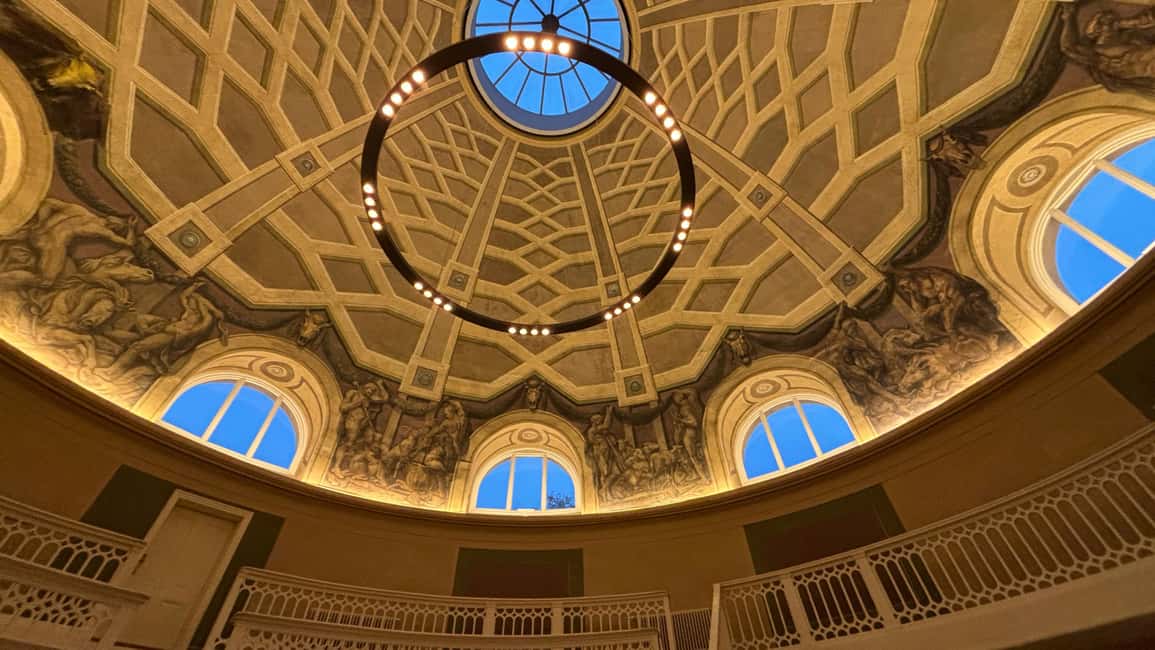
Charité begins in 1710, when it was built as a simple plague house to protect Berlin from an approaching epidemic. That origin matters because the tour doesn’t treat medicine like a straight line from past to progress. You see how fear, limited tools, and political power shaped what doctors did.
You’ll hear what early “treatment” often meant in the 1700s: bloodletting, mercury, and amputations. That’s a tough section, but it’s also a reality check. It helps you understand why medical institutions weren’t just places to heal—they were also places where society’s ideas about health, order, and control got tested.
As the tour moves forward, Charité becomes tied to scientific breakthroughs and famous researchers. The campus you’ll walk around connects to names like Robert Koch and Rudolf Virchow, both of whom are central to understanding modern biology and pathology. I like that the guide frames these figures as workers inside an institution, not just distant geniuses.
You can also read our reviews of more walking tours in Berlin



Meet at Robert-Koch-Platz and Get Your Bearings

The tour starts at Robert-Koch-Platz, meeting by the Robert Koch statue. Your guide holds an orange umbrella, which is a small detail, but it saves time when you’re standing around with cold hands wondering where the group is.
This is also one of those “right neighborhood, right story” starts. You’re basically stepping into the Berlin medical district, so the first minutes feel like orientation—where Charité sits in the city, and why this hospital ended up being such a powerful reference point.
Guides are available in English and German, and the tour is run by Beyond and Beneath Tours. If you’re lucky enough to have Martina from BB tours, you’ll see the type of guiding style that tends to win people over: clear storytelling, strong enthusiasm, and extra explanations to help the topics land.
Veterinary Anatomy Theatre: The Old Room That Explains Everything
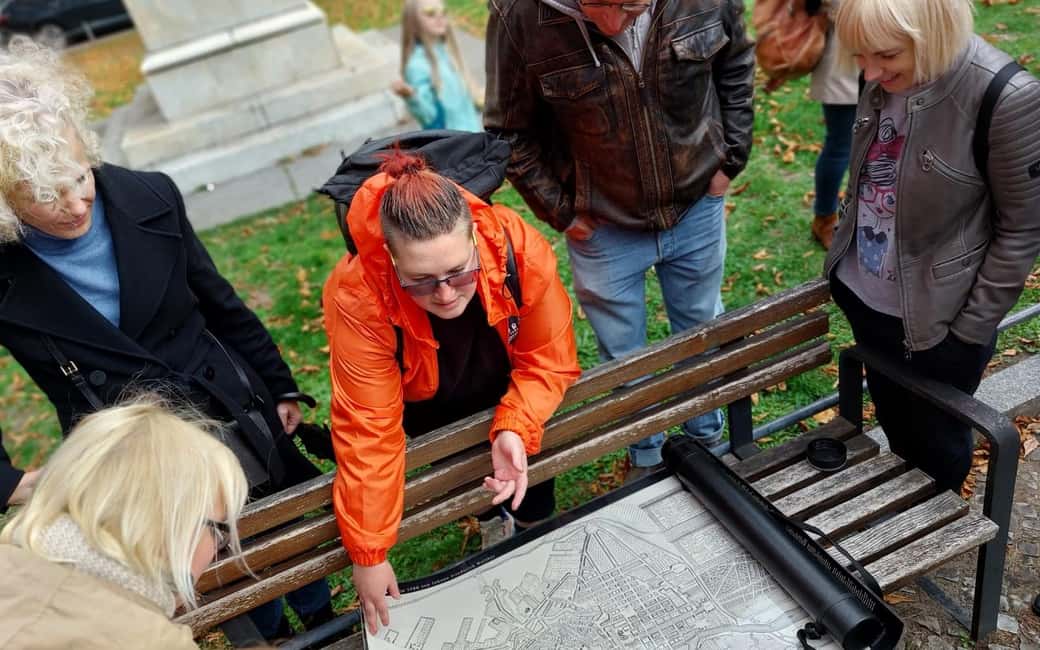
The highlight for many people is the Veterinary Anatomy Theatre, a stop that lasts about 15 minutes. Even though it’s short, it works because it gives you a physical model for how learning happened centuries ago.
This theatre is Berlin’s oldest academic building still in existence, and it connects directly to how ailments of livestock and cavalry horses were investigated back in the 18th century. That detail is easy to miss in a general museum visit, but on this tour it becomes the point: Berlin wasn’t thinking about medicine only for people. It depended on animals for work, food, and transportation.
The theatre visit also comes with free admission, which is a practical win. You’re not paying extra at the site to get the centerpiece moment. And yes, on occasion the theatre can be closed due to internal events or public holidays, so if your schedule is tight, it’s smart to keep a little flexibility.
Walking the Neo-Gothic Charité Campus (Koch and Virchow)

After the theatre, the tour keeps moving with guided stops and a route that circles the historic neo-gothic campus. This is the part where architecture becomes more than decoration. You’re learning while looking at the shapes, layouts, and campus structure that supported teaching, research, and hospital life.
You’ll connect the campus to medical pioneers who made groundbreaking discoveries there—again, especially Koch and Virchow. The guide’s job is to help you connect the name to the place, so you don’t just remember two famous surnames and move on. I like this approach because it makes the science feel grounded in real institutions, real decisions, and real time.
One more thing: the tour isn’t trying to get you into every building. Entry to areas where hospital or university activities take place isn’t included, and some sections of the campus are restricted for guided visits. Still, you’ll see enough from the outside circuit to understand how Charité grew into a medical system.
Medicine, Ethics, and the Story Rachel Hirsch Couldn’t Forget
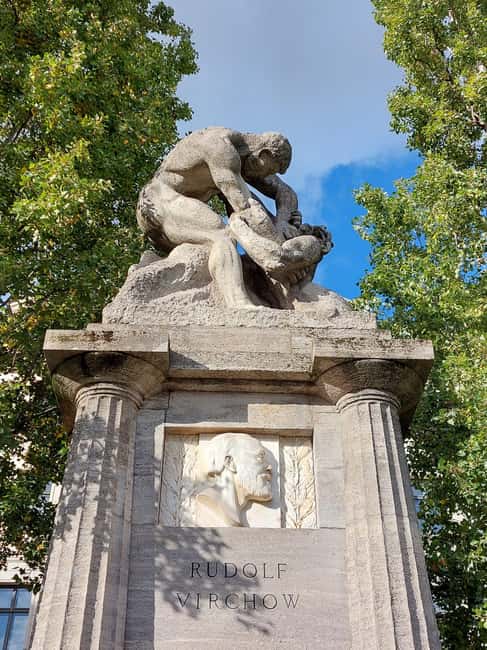
Charité doesn’t just represent scientific progress. It also represents social progress—sometimes ahead of its time, sometimes fighting for space.
One of the most compelling moments is the story of Rachel Hirsch, who became the first woman to hold a medical professorship in Prussia in 1913. You’ll learn that her appointment marked a turning point for women in medicine, even though she faced resistance inside the institution.
I find this part especially useful because it adds a human angle to “history of medicine.” It’s not only about what doctors discovered—it’s about who was allowed to teach, publish, and lead. Once you see how power worked, the later dark chapters land harder, because you understand the stakes were never just intellectual.
You can also read our reviews of more historical tours in Berlin






The Nazi and East Germany Chapters You Should Expect
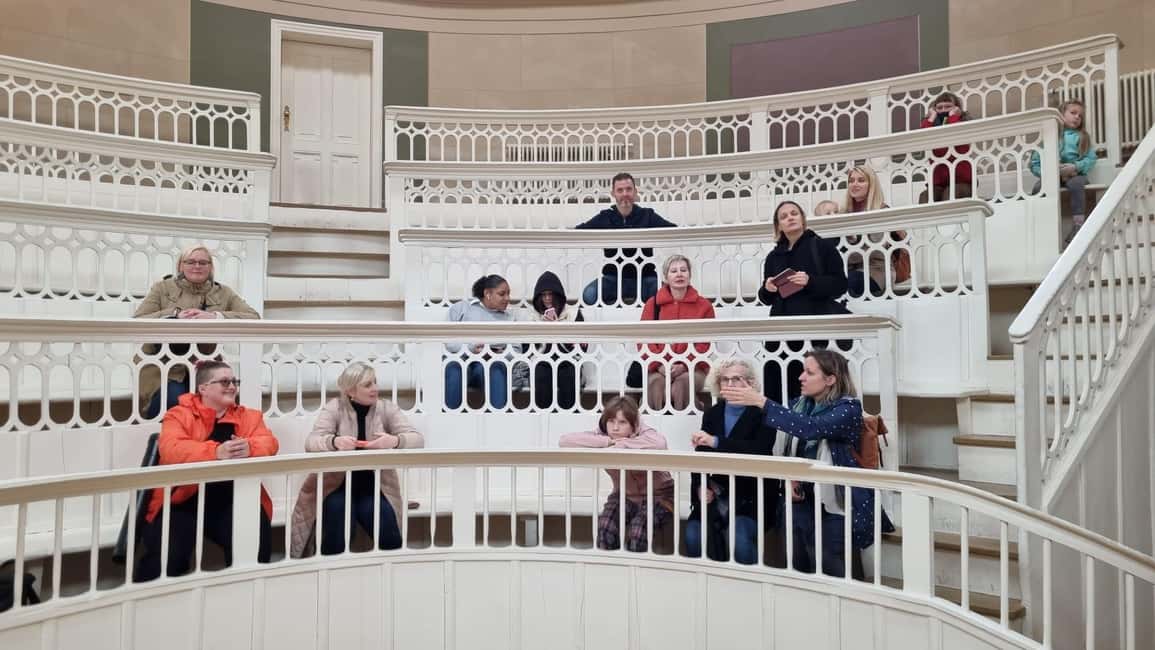
Charité also has a painful side that you shouldn’t skip past. During the Nazi era, medical ethics were disregarded and ideas of racial hygiene were imposed ruthlessly. The tour discusses how some doctors kept quiet while others organized the extermination of psychiatric patients.
This is not a light topic, but it’s handled as part of the institution’s real story. If you’re the kind of visitor who wants clean and comfortable history, this tour may feel heavy. If you prefer honesty—history as it was—this is where Charité becomes essential rather than just interesting.
The tour then looks at the later East Germany period, when Charité was presented as an achievement. At the same time, you’ll hear how certain windows facing the capitalist West were bricked up. It’s a detail that shows how political narratives shaped the physical environment. History was not only written in documents—it was walled into architecture.
What the 2 Hours Feels Like on Your Feet
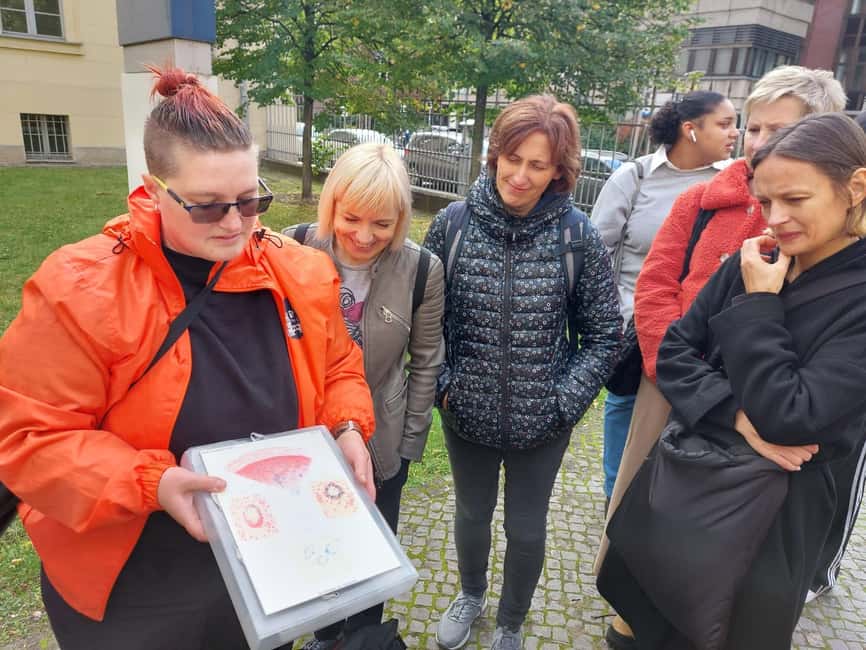
This is a walking tour that lasts about 2 hours, and you should plan for walking and standing throughout. Comfortable shoes matter, and it’s also smart to bring water.
Because most of the route is outdoors, dress for cold weather. That’s not a “nice-to-have” tip. It affects how much you actually enjoy the storytelling, especially when the guide is counting on you to stay attentive and together.
The content is recommended for ages 14 and up due to its depth. If you’re bringing younger teens, it’s worth thinking carefully about how sensitive the material is, especially around Nazi-era medical crimes.
Price and Value: Why $28 Can Be a Bargain
At about $28 per person, this tour can feel like good value for three reasons.
First, you get an expert local guide who provides the context and connects names to locations, which is where self-guided visits usually fall flat. Second, the stop at the Veterinary Anatomy Theatre includes free admission, so you’re not paying twice for the biggest interior moment. Third, the tour length is tight enough to be efficient: you get a full institutional story without eating your whole day.
The only “value catch” is that entry to some buildings and restricted areas isn’t included. Still, you’re learning in a way that matches what you can actually see from the outside. If you go in expecting a guided exterior tour plus one key interior theatre visit, the price makes sense.
Charité Stories That Connect to What You’ve Seen on Screen
If you’ve watched the Charité TV series, this is the part where your expectations can get corrected—in a good way. The tour includes real-life stories behind the kinds of dramatic medical moments people associate with that show.
I like this angle because it turns entertainment curiosity into historical understanding. You’ll still come away with a clear sense of who mattered, what decisions were at stake, and why the institution became so influential.
Even if you haven’t seen the series, the point stands: the guide uses stories to make medicine feel like people doing hard work under pressure—sometimes noble work, sometimes unforgivable harm.
Should You Book This Charité Hospital History Walk?
Book it if you want a focused, readable way to understand Berlin through one institution: Charité. The mix of scientific breakthroughs, social change through Rachel Hirsch, and the Nazi and East Germany chapters gives you a story that’s bigger than one building.
Skip it (or consider your mindset) if you’re looking for a purely scenic or lightly educational tour. This is history that includes atrocities, and it’s also a mostly outdoor walk where cold weather can slow your enjoyment.
Also, it’s a smart choice if you like guided interpretation. The tour’s value comes from connecting facts to place—especially at the Veterinary Anatomy Theatre—without forcing you to manage ticketing or multiple stops on your own. If you’re spending limited time in Berlin and want a “one tour, many layers” experience, this is an easy yes.
FAQ
How long is the Charité Hospital History Walking Tour?
It lasts about 2 hours.
Where do I meet the guide?
Meet at Robert-Koch-Platz by the Robert Koch statue. Look for the guide holding an orange umbrella.
Where does the tour end?
The tour ends at Alexanderufer, 10117 Berlin.
Is admission to the Veterinary Anatomy Theatre included?
Yes. The theatre visit includes free admission.
What languages are offered?
The tour is available in English and German.
Is the tour wheelchair accessible?
Yes, it’s listed as wheelchair accessible.
Is it suitable for children?
It’s not suitable for children under 14. The tour is recommended for ages 14 and up, and minors must be accompanied by an adult.
What should I bring?
Wear comfortable shoes and bring water. Dress warmly in cold weather because most of the tour is outdoors.
Do I get inside every building on the Charité campus?
No. Entry to buildings where hospital or university activities take place isn’t included, and some campus areas are restricted for guided tours. You can explore some areas independently after the tour.