REVIEW · BERLIN
Small Group Tour: “Wild Kreuzberg”
Book on GetYourGuide →Operated by BBT-Sightseeing & More · Bookable on GetYourGuide
Berlin has a second face, and Kreuzberg is it. This Wild Kreuzberg walking tour strings together markets, alternative clubs, and the real traces of the squatter era in just three hours. I love that it stays practical and human-sized, while still hitting the landmark corners that make Kreuzberg feel like Berlin’s own culture—right down to the U1 rails cutting through the square at Kottbusser Tor.
What I like most is the mix of everyday life and unusual stops. You’ll pass the Kottbusser Tor area, the Adalbertstraße skyline shapes, and the Kreuzberg Museum, then slow down for places like the Berlin Home for the Blind and a coffee break at Oranienhöfen. The other big win for me is the story-telling focus: mass production history at the Museum of Objects, punk-era streets around SO36, and the art-squat spaces linked to former hospital buildings like Bethanien.
One thing to keep in mind: the tour is in German, so if you’re not comfortable with everyday conversation, you might miss some of the nuance. Also, it’s a walking tour in all weather, with a rain poncho offered if needed—so comfortable shoes aren’t optional.
In This Review
- Key things that make this tour worth your time
- Price and what $24 actually buys you
- Where you start: Kottbusser Tor, Skalitzer Straße, and the rail line divide
- Adalbertstraße, Kreuzberg Museum, and the “big-city edges” of the neighborhood
- Oranienstraße and SO36 energy, plus a calm coffee moment at Oranienhöfen
- Museum of Objects and Mariannenplatz: mass production and the street-level art scene
- Fontane-Apotheke and Görlitzer Park: the old and the repurposed
- Oberbaumbrücke: East and West in one symbolic walk-off
- How small-group size changes the quality of the stories
- Weather, shoes, and the German-language reality check
- Who this tour is best for (and who should choose differently)
- Should you book Wild Kreuzberg?
- FAQ
- How long is the Wild Kreuzberg tour?
- Where do I meet the guide for Wild Kreuzberg?
- What’s the nearest U-Bahn station?
- Is food included in the tour?
- What language is the tour guide?
- What happens if it rains?
Key things that make this tour worth your time
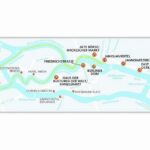
- Kottbusser Tor to Oberbaumbrücke: a clear Kreuzberg-to-East-West route with symbolic stops
- Small-group feel: min 3, max 12, so you can actually hear your city guide
- Squatter-era landmarks: Bethanien and the Rauchhaus are tied to the social movement story
- A stop that changes your pace: Home for the Blind, plus coffee at Oranienhöfen
- Museum time that’s not museum-y: Museum of Objects connects design, production, and daily life
- Old transport, new park: Görlitzer Park, once a train station, now a public green space
Price and what $24 actually buys you
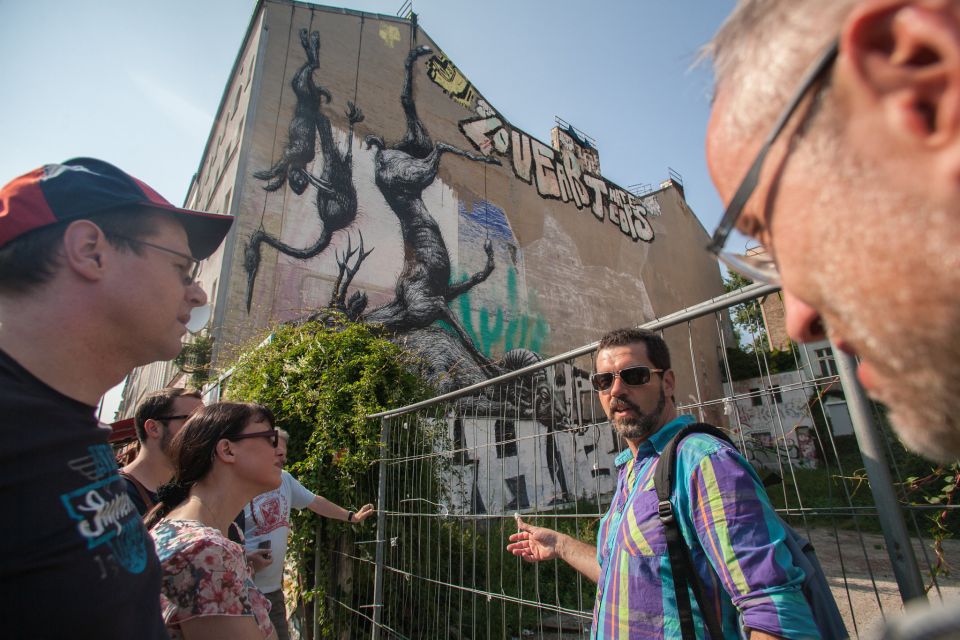
At about $24 per person for a 3-hour small-group walk, you’re paying mainly for two things: a local city guide and a tight route that would be hard to stitch together yourself without turning it into an all-day project.
This is the kind of value that works best when you want context. Kreuzberg looks like a patchwork of cultures and styles from street level, but the meaning of certain places only clicks when someone connects the dots: the SO36 punk district reputation, squatter life in specific buildings, and how East-West Berlin shows up in today’s streets. If you’re the type who likes to wander anyway, the tour helps you wander with direction.
If you’re hoping to “collect sights” with quick photo stops, you might find it less satisfying. This isn’t built around food or shopping—food and drink aren’t included, and the payoff is understanding what you’re seeing as you walk.
You can also read our reviews of more tours and experiences in Berlin.

Where you start: Kottbusser Tor, Skalitzer Straße, and the rail line divide
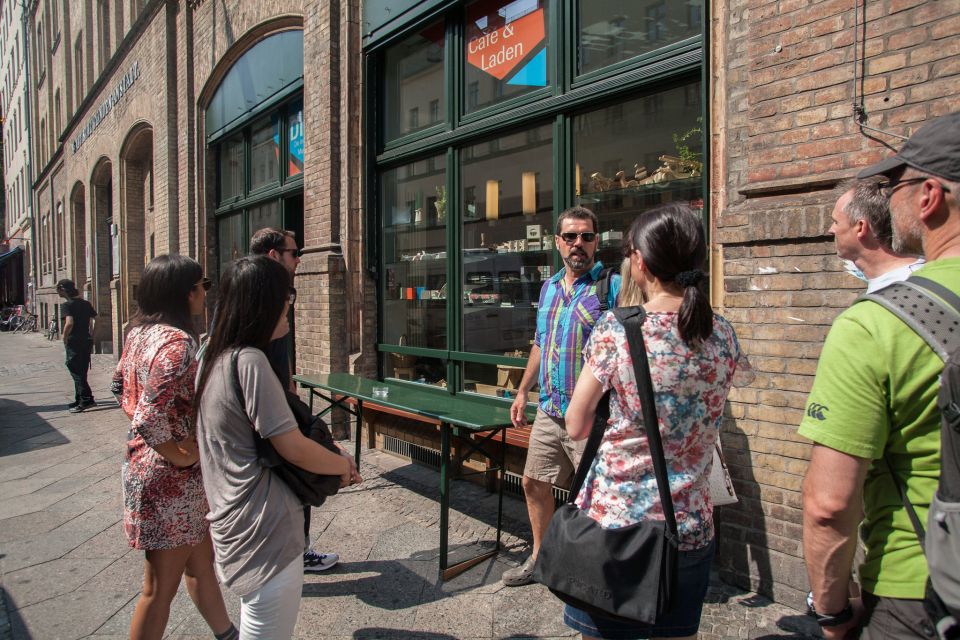
Your tour begins at 137 Skalitzer Straße, in front of Gold Exchange and next to REWE. The nearest U-Bahn station is Kottbusser Tor (lines U1 and U8), using the Skalitzer Straße exit. The guide carries a sign with the operator’s logo, so you should be able to spot the group without guesswork.
Kottbusser Tor matters because it sets the tone. This is where everyday city life meets Kreuzberg nightlife energy, and the square is split by the overground U1 rails. That physical divide is a great metaphor for the neighborhood’s layering: cultures, decades, and identities moving side by side without blending into one thing.
Also, since the tour is walking, you’ll want to arrive ready to move. I’d aim to be there a few minutes early, especially if you’re navigating the underground to street level.
Adalbertstraße, Kreuzberg Museum, and the “big-city edges” of the neighborhood
From the rail-and-market atmosphere near Kottbusser Tor, the route presses into Kreuzberg’s built environment. You’ll pass imposing houses from the beginning of the last century and also see the Adalbertstraße skyscraper-like structures that give the area a sharper skyline edge than you might expect.
Then there’s the Kreuzberg Museum stop. The point isn’t just “go inside.” It’s more about grounding you in what the neighborhood is known for and why people care about Kreuzberg’s evolution. Museums can sometimes feel like detours on walking tours, but here it works as a reset—so later squatter and art locations hit harder.
A practical note: museums can mean a bit more standing around, so bring patience and let the guide steer the pace.
Oranienstraße and SO36 energy, plus a calm coffee moment at Oranienhöfen
Next you’ll reach Oranienstraße, described as the heart of the former SO36 postal district. This is the area strongly associated with Kreuzberg’s punk reputation, and the street’s personality comes through immediately: restaurants, bars, shops, and a mix of chic cafés alongside alternative venues.
Along the way, you’ll also see the Socialpalast, which helps connect the neighborhood’s housing and social story to the way people lived there.
One of the smarter things about this tour’s flow is that it doesn’t run nonstop. You stop at the Berlin Home for the Blind, then you get to relax over a coffee at Oranienhöfen. Since food and drink aren’t included, you’ll pay your own way for coffee, but that short break is a real benefit—especially on a 3-hour schedule where energy can dip.
If you’re traveling with a group that tends to get restless, this coffee window can be the difference between a good walk and a long one.
Museum of Objects and Mariannenplatz: mass production and the street-level art scene
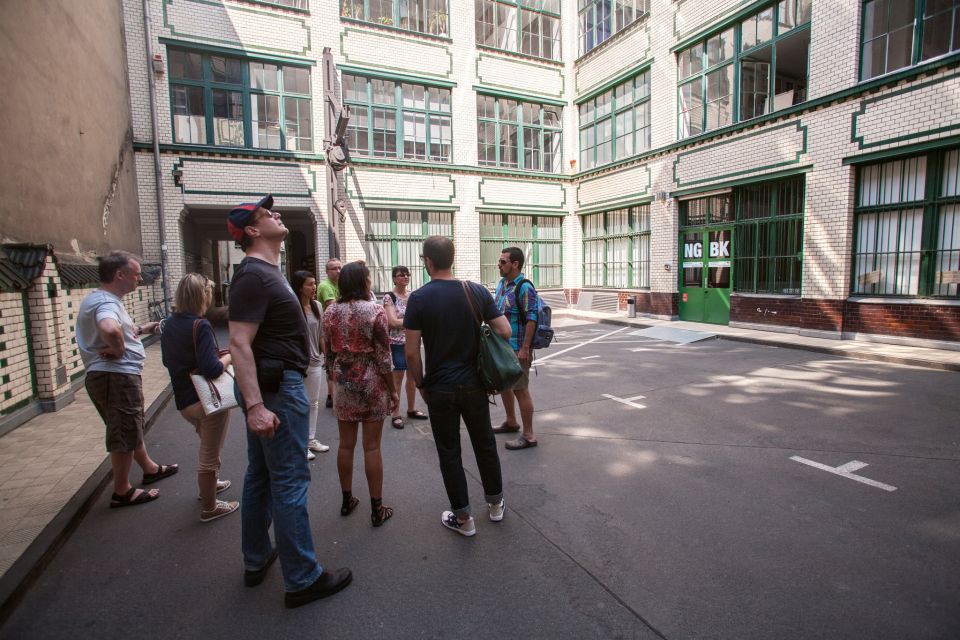
After Oranienstraße, the route heads over Heinrich-Platz toward Mariannenplatz. This area is where the tour starts tying “street life” to physical spaces with history.
You’ll visit the Museum of Objects, which focuses on the history of mass production. That sounds academic until you connect it to what you’re already walking through: everyday products, everyday design, and how manufacturing shaped ordinary life. I like that the tour doesn’t treat this neighborhood history as only political drama; it includes the practical world of objects people use, and the systems that made them cheap and widespread.
From there, you wander toward art squat Bethanien, located in a former hospital. That’s the kind of place that changes how you read the neighborhood: instead of seeing abandoned-looking buildings as empty, you see them as repurposed social spaces.
Then there’s Rauchhaus next door, where you’ll find more traces of squatters’ day-to-day life from days gone by. This is one of the tour’s key “meaning stops,” because the buildings themselves act like evidence.

Fontane-Apotheke and Görlitzer Park: the old and the repurposed
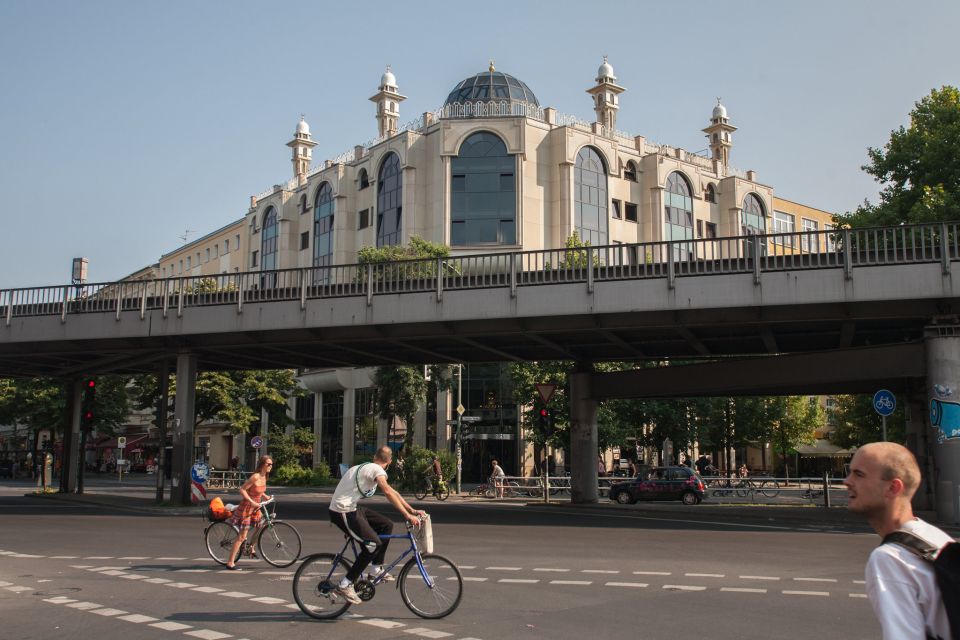
The walk continues past the well-known Fontane-Apotheke. Pharmacies can seem like just another stop on a city walk, but in Berlin neighborhoods like Kreuzberg, they’re often anchors—places that reflect long-term community needs amid constant change.
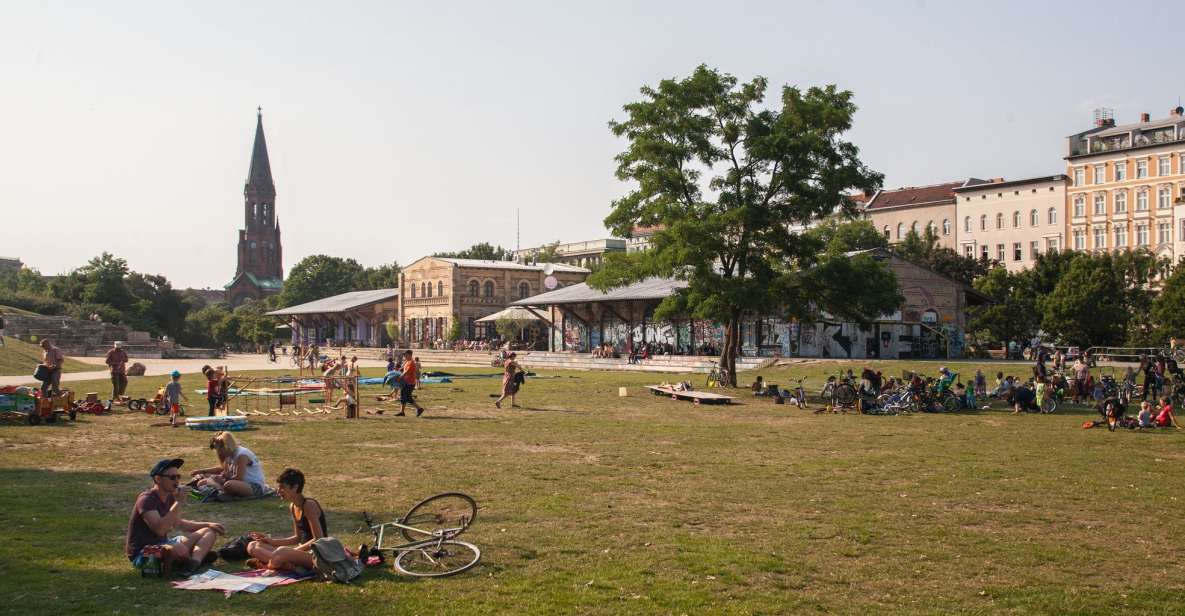
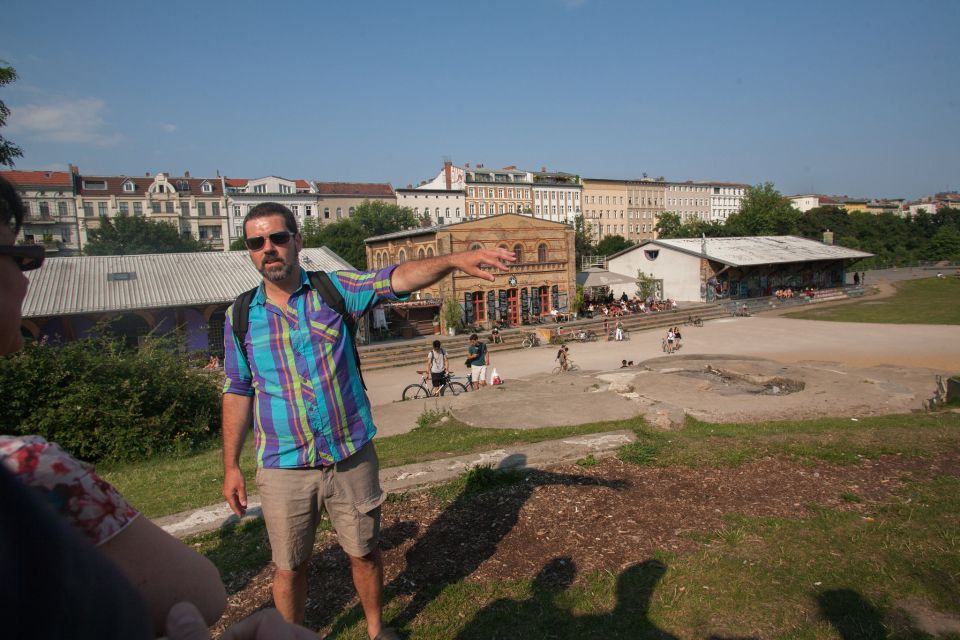
Then you reach Görlitzer Park, which you’ll learn was previously a train station. That’s an important detail because it explains why the park feels the way it does: public space on top of old infrastructure, a reminder that Berlin keeps reusing space instead of deleting it.
This park segment also balances the earlier stops. Museum time and squat-related history are absorbing, and a park gives your brain room to cool off.
Oberbaumbrücke: East and West in one symbolic walk-off
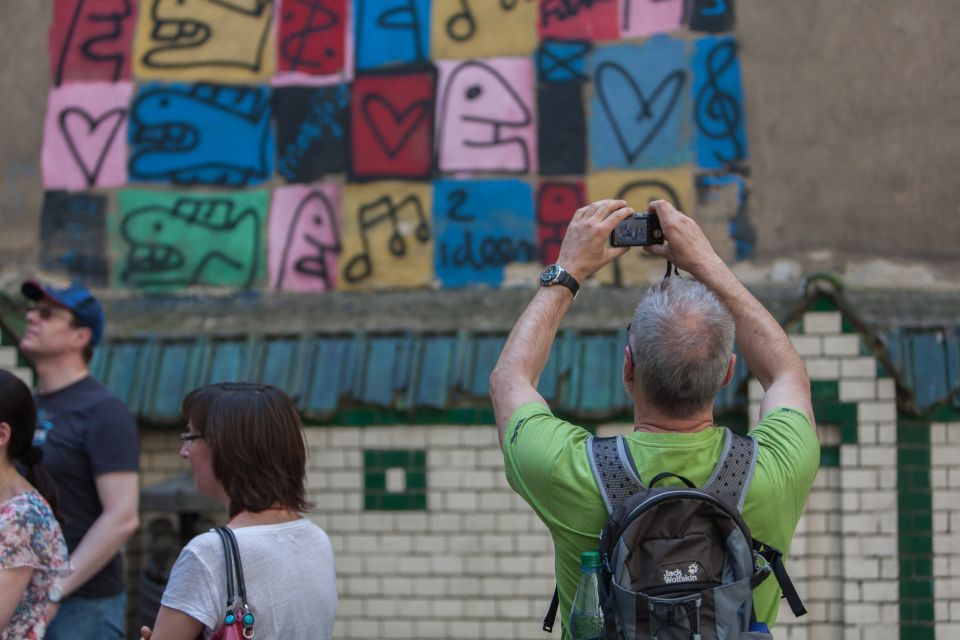
The tour ends with a stroll to Oberbaumbrücke, presented as a symbolic link between East and West Berlin. You’re not getting a lecture hall here. You’re walking into a physical viewpoint where the city’s division—and the later reunified reality—shows up in design, geography, and memory.
It’s a strong closing note for a route that started at Kottbusser Tor, a place of constant motion and overlapping identities. Oberbaumbrücke gives you a “final chord” that’s easy to feel, even if you don’t know every historical detail.
The tour finishes back at the starting point near 137 Skalitzer Straße, so you can continue on your own afterward.
How small-group size changes the quality of the stories
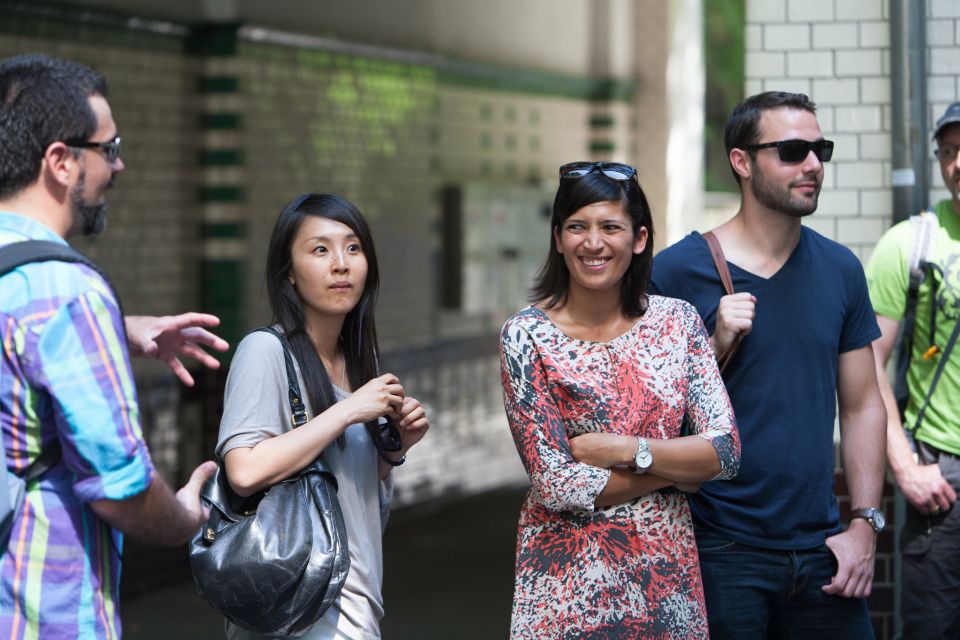
This is min 3 pax, max 12 pax, and you’ll feel the difference. In a small group, your guide can adjust on the fly. You’re not stuck listening to someone shout from far away while half the group lags behind.
Also, the tour’s reviews strongly point to guides who tailor details rather than reading a script. One glowing review specifically thanked a guide named Ferenz for a very individual, high-interest tour of Kreuzberg’s wild side. That kind of attention is exactly what you want here, since Kreuzberg history isn’t just dates—it’s street texture and lived meaning.
If you prefer generic big-bus sightseeing, this might feel too “human-sized.” If you like street-level context, you’ll likely appreciate it.
Weather, shoes, and the German-language reality check
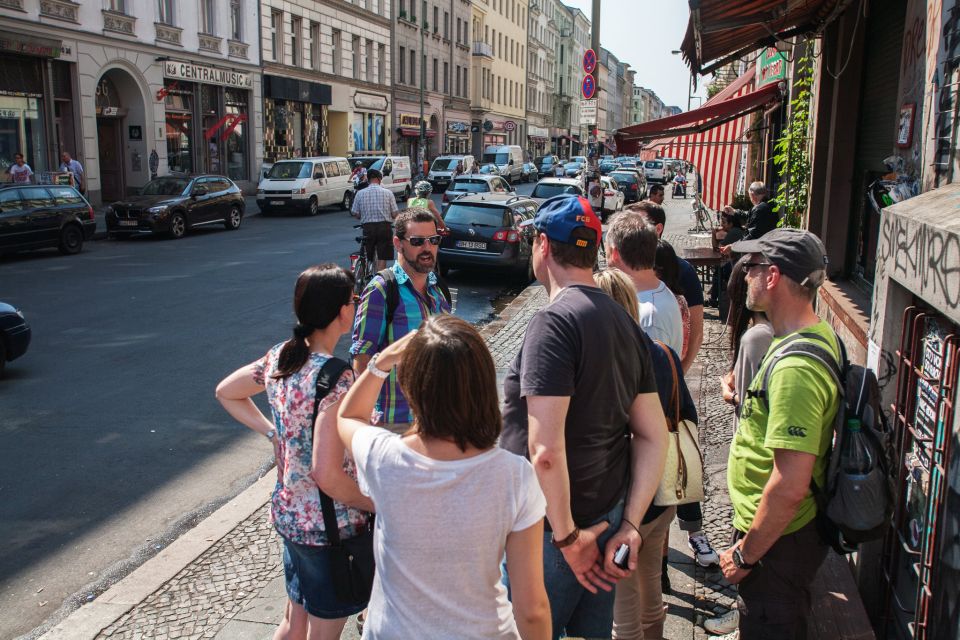
It runs in all weathers, and on rainy days you’ll be distributed a rain poncho. So you should still plan for wet sidewalks, not just a light sprinkle. This is a walking tour—comfortable shoes are the best investment you can make.
One more reality: the guide language is German. The tour is built for German-speaking participants, and that’s worth taking seriously if you’re relying on translation. If your German is basic, you might still enjoy the sights, but you may not catch the “why” behind each stop.
Who this tour is best for (and who should choose differently)
This works especially well for you if:
- you want a fast, focused Kreuzberg intro without planning every stop yourself
- you like neighborhood history tied to real places like Bethanien and the Rauchhaus
- you enjoy small-group walking with a guide instead of self-guided apps
You might want another option if:
- you only care about major monuments and want fewer topic shifts
- you need an English-speaking guide and would feel lost in German
- you’re hoping for food as part of the experience (coffee is a stop, but food and drink aren’t included)
Should you book Wild Kreuzberg?
My take: Yes, book it if you’re excited by Kreuzberg as a living neighborhood—markets, alternative culture, and buildings with movement-history behind them. At $24 for 3 hours, it’s good value because you’re buying guided context and a smart route that hits both everyday life and the “what happened here” story.
Just go in knowing two things: it’s walking, and it’s German. If you’re comfortable with that, you’ll come away with a much clearer feel for Kreuzberg than you’d get from a casual stroll alone. If you’re not comfortable with German, I’d think twice before committing.
FAQ
How long is the Wild Kreuzberg tour?
The tour lasts 3 hours.
Where do I meet the guide for Wild Kreuzberg?
Meet at 137 Skalitzer Straße, in front of Gold Exchange and next to REWE.
What’s the nearest U-Bahn station?
The nearest station is Kottbusser Tor on U1 and U8. Use the Skalitzer Straße exit.
Is food included in the tour?
No. Food and drink are not included.
What language is the tour guide?
The live tour guide speaks German.
What happens if it rains?
The tour runs in all weather. If necessary, the operator distributes a rain poncho on rainy days.