REVIEW · BERLIN
Berlin: 2.5-Hour Neighborhood Tour of Neukölln
Book on GetYourGuide →Operated by Sonderweg-Berlin · Bookable on GetYourGuide
Neukölln tells its story in street corners. This 2.5-hour walk strings together history that feels real and architecture you can actually see up close, from an old court and former prison to Town Hall and housing complexes on Innstraße. The only real catch is pace: you’ll cover a lot of visually different stops in a short time, so plan on comfortable shoes and quick photos.
I especially like how the route connects places to people—Rixdorf’s refugee past, then the later shift toward a dense proletarian residence district. I also like the variety of sights: civic buildings, housing details, public leisure spots, and religious landmarks near Richardplatz. One consideration: because it’s a walking tour, you’ll want to pace yourself if you’re sensitive to long stretches between stops.
If you’re the kind of traveler who enjoys local texture over the usual postcard Berlin hits, this works well. The tour is led by a guide from Sonderweg-Berlin, in German or English, and it can be wheelchair accessible depending on your needs and the departure.
In This Review
- Key highlights to look for
- Why Neukölln’s story hits hard in just 2.5 hours
- Rixdorf to Neukölln: the name change behind the neighborhood stereotypes
- Old district court and former prison: seeing power in stone
- Town Hall architecture: civic pride meets city planning
- Rollberg and Innstraße: proletarian residence district and housing design
- Old Neukölln public pool façade, Saalbau Neukölln, and the Karl-Marx-Straße arcade
- Bohemian Rixdorf exile houses and Bethlehem Church at Richardplatz
- What the guide does best (and why it matters for your time)
- Price and practical value for $23 per person
- Who should book this Neukölln neighborhood tour
- Should you book this Neukölln neighborhood tour?
- FAQ
- How long is the Neukölln neighborhood tour?
- What is the price per person?
- What is included in the tour price?
- Are food and drinks included?
- What languages are available for the live guide?
- Is the tour wheelchair accessible?
- Where do we meet for the tour?
- Can I request a specific meeting point, date, and time?
- Is free cancellation available?
Key highlights to look for
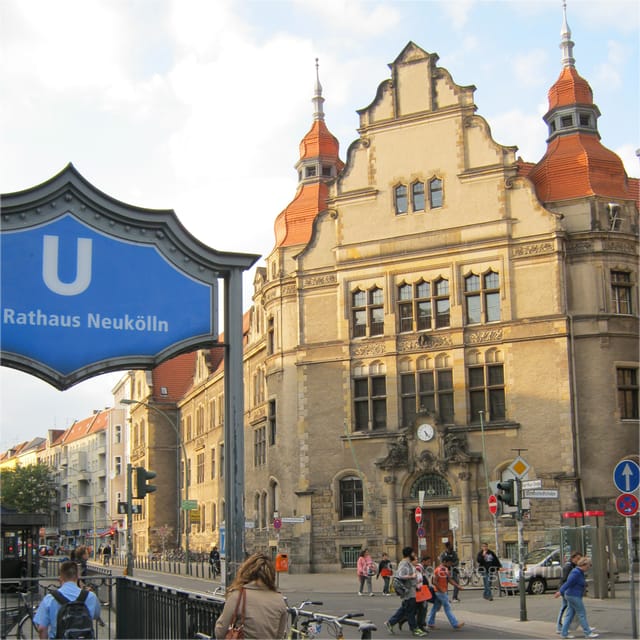
- Rixdorf renamed to Neukölln in 1912 and what that says about Berlin’s image wars
- Old district court and former prison that turn legal history into something you can point at
- Town Hall architecture you’ll pause for, not just pass by
- Rollberg and Innstraße housing where everyday life meets striking design
- Old Neukölln public pool façade, Saalbau Neukölln, and Karl-Marx-Straße arcade in one compact route
- Bohemian Rixdorf exile houses and Bethlehem Church at Richardplatz for the human side of the story
Why Neukölln’s story hits hard in just 2.5 hours
Neukölln can feel like a separate city inside Berlin. That’s exactly what I’d want from a short neighborhood tour: you get a chain of meaningful stops without spending the whole day commuting or doubling back.
Here, the focus is on how the district developed into a multicultural hub. You don’t just hear a timeline; you see physical reminders—civic buildings, housing, public venues, and places of worship—then connect them to the way the area was used over time. The 2.5-hour length matters because it’s long enough to build context, but short enough that you can keep your energy for the rest of the day.
You can also read our reviews of more tours and experiences in Berlin.


Rixdorf to Neukölln: the name change behind the neighborhood stereotypes
One of the most interesting things you learn early is that the name change wasn’t only administrative. With Wilhelm II’s approval, Rixdorf was renamed Neukölln in 1912. The reason was blunt: the southern side of Berlin—especially this area—had a reputation tied to entertainment, and Berlin wanted to fix the image.
That detail changes how you look at the neighborhood. Instead of treating labels as fate, you realize names are branding. And branding can shift what people assume about a place before they even step outside.
But the story doesn’t start in 1912. You also trace the older roots of Rixdorf, where life was influenced by religious faith and puritanism—particularly through the Bohemian Exulanten, Protestant refugees who settled here as early as the 18th century. That’s the part that helps Neukölln feel human, not just historical.
Old district court and former prison: seeing power in stone
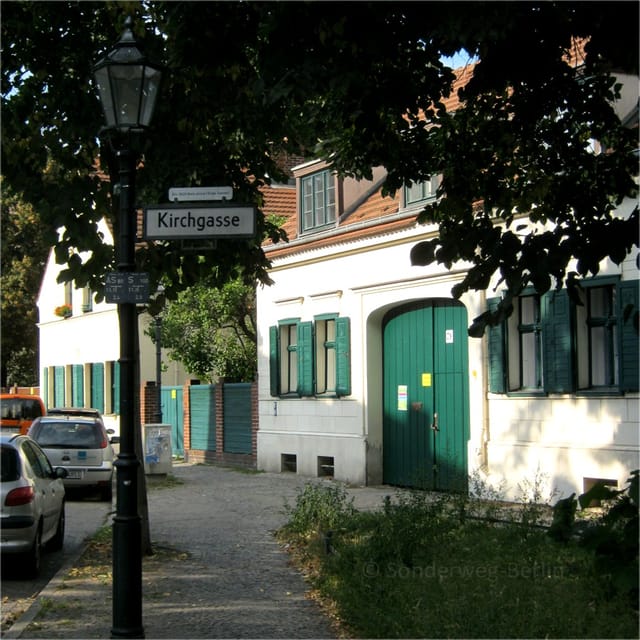
This tour includes a look at the old district court and the former prison in Neukölln. Those two stops do a lot of work for a relatively small amount of time: they show the institutions that shaped daily life long before “neighborhood charm” became a travel phrase.
Even if you’re not a history nerd, you can usually read what these buildings represent. Courts point to order and rules; a former prison points to consequences. Together, they give you a grounded sense of how the district functioned—how decisions were made and how society enforced them.
If you like architecture but also like meaning, these stops are a strong anchor. They keep the tour from becoming only decorative, and they set up the later housing and public-building themes.
Town Hall architecture: civic pride meets city planning
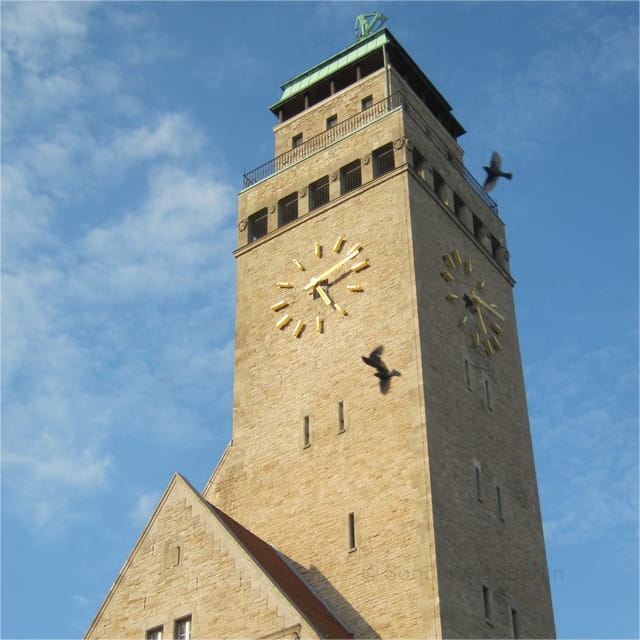
Next up is the magnificent architecture of the Town Hall. It’s the kind of building that encourages you to slow down, because municipal architecture is often about presence—visible authority, public confidence, and the idea that the city is organized and durable.
I like how this fits with what you learn about development. A neighborhood isn’t built only by private decisions; it’s shaped by planning choices, governance, and public investment. The Town Hall stop helps you connect the dots between the district’s “lived” history and the official structures that influenced it.
This is also a good time to watch how the guide frames details. The best guides point out what you’d miss on your own: symmetry choices, the feeling of monumentality, and how civic buildings contrast with residential density nearby.
Rollberg and Innstraße: proletarian residence district and housing design
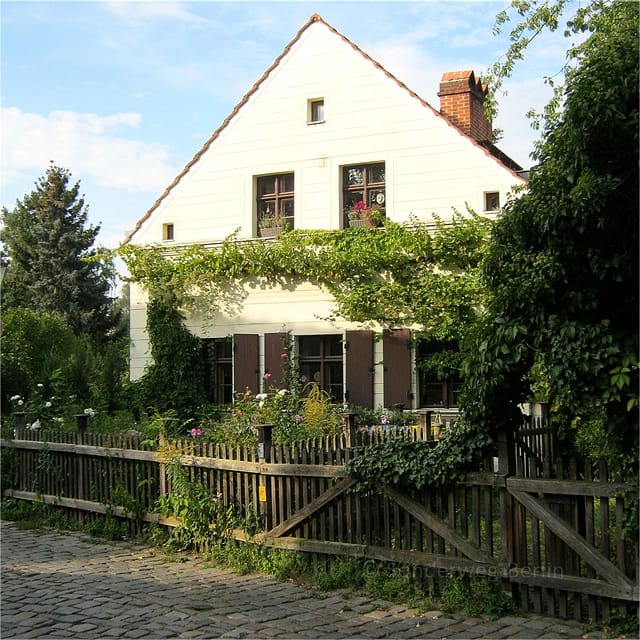
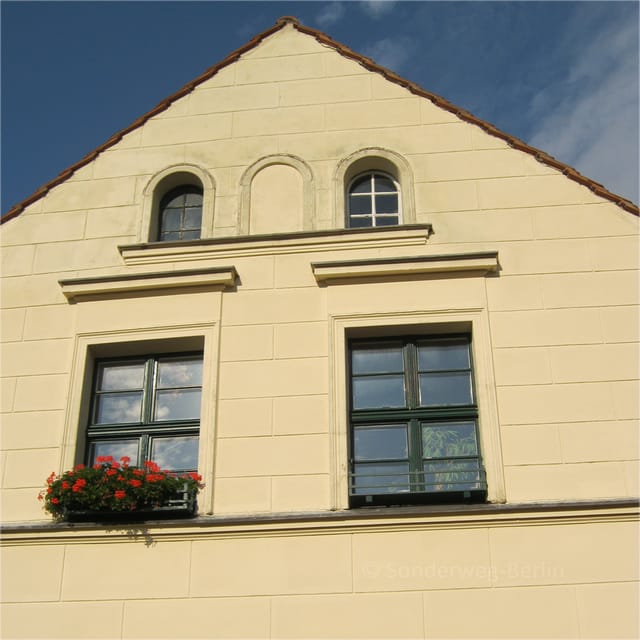
Neukölln’s housing story is a big part of why the neighborhood is worth walking through carefully. You learn facts about the proletarian residence district of Rollberg, and then you move on to the outstanding architecture of the housing complex on Innstrasse.
This is where you go from “history happened here” to “history is still visible.” Worker housing districts tell you how people lived, what the priorities were, and how cities tried to solve the pressure of growing populations. Even without getting stuck in theory, the buildings themselves offer clues—scale, rhythm, and the way structures relate to streets.
One nice bonus is that some departures can include additional Rollberg-related architecture. For example, you may encounter the Atriumhäuser on Rollberg, which add a different kind of housing detail to the conversation. And on at least some versions, there’s even a look at the former Brauraum of the Brauerei Kindle. Those kinds of stops are valuable because they show how industry and daily routines once sat side by side with housing.
The takeaway for you: if you care about how neighborhoods work, not just how they look, these housing-focused segments are the heart of the tour.

Old Neukölln public pool façade, Saalbau Neukölln, and the Karl-Marx-Straße arcade
This part of the walk feels like the neighborhood’s public living room.
You’ll admire the façade of the old Neukölln public pool. Pools are more than leisure; they’re civic culture. A public pool suggests a city invested in shared recreation, and the façade itself becomes a kind of time capsule of what was considered important.
Then you discover the Saalbau Neukölln, a building that points you toward how people gathered for events and performances. Even if you don’t go inside, the inclusion matters: it balances the tour so it isn’t only about governance and housing. It gives you a sense of community life in built form.
The route also includes the arcade on Karl-Marx-Straße. Arcades are practical architecture. They create sheltered movement and concentrate daily commerce. I like this stop because it shows how the city handles density in a very physical way—how people walk, buy, meet, and pass through.
If you’re the kind of traveler who enjoys reading a neighborhood like a map, these stops are ideal. They help you understand the district as a system: living spaces, civic spaces, and social spaces all in walking distance.
Bohemian Rixdorf exile houses and Bethlehem Church at Richardplatz
To end with heart, the tour shifts toward Bohemian Rixdorf and the area around Richardplatz.
You’ll see the exile houses in Bohemian Rixdorf, connecting back to the Bohemian Exulanten (Protestant refugees) who arrived early on. That’s where you feel the story move from policy and stereotypes into lived reality: people came here seeking safety, faith, and community continuity.
Then you visit the Bethlehem Church on Richardplatz. Religious buildings often hold steady when the surrounding world changes, and this one anchors the neighborhood’s identity. What’s especially compelling is the way Richardplatz still carries a village-like atmosphere. That doesn’t mean it’s frozen in time; it means the feel of daily life stays close to the street.
For me, this is the section that makes the tour emotionally complete. The earlier stops explain structures. This part helps you connect those structures to the reason they mattered.
What the guide does best (and why it matters for your time)
The guide is the difference between seeing buildings and understanding a neighborhood. An expert tour guide from Sonderweg-Berlin keeps the story moving, and you also get it in your language choice: German or English.
The standout style from guides here is how personal the narration can feel. One guide named Tobias is specifically mentioned for using lots of factual background and delivering it in a very human way, even on a day like Christmas when he led a small group. That tells you something important: you’re not just getting a script. You’re getting a guide who can explain city development clearly and add personality without turning the walk into theater.
What you’ll appreciate as you go:
- The tour links each stop to the broader story of Neukölln’s evolution
- You get historical context in plain language, not academic fog
- The route includes obvious highlights plus extra architecture details that many people would miss on their own
If you’re traveling with questions, this kind of guide pays off. If you’re the quiet type, it still works, because the buildings do most of the visual talking and the guide provides the meaning.
Price and practical value for $23 per person
At $23 per person for 2.5 hours, you’re paying for two things: guided context and a walk through a dense cluster of architecture and history.
Is it a bargain? It feels like good value because the tour covers multiple “categories” of sights—civic buildings, housing, public leisure, culture, and religious landmarks—without asking you to do separate tickets or extra planning. Instead of spending your limited time in Berlin hopping between far-flung spots, you’re walking a focused neighborhood circuit and learning why it developed the way it did.
This isn’t a private driver tour. You’ll be on foot. But if you pack snacks and water for yourself (since food and drinks aren’t included), you’ll likely finish the walk energized and informed rather than mentally drained.
Who should book this Neukölln neighborhood tour
This tour is a great match if:
- You want a neighborhood story with architecture and city planning context
- You like Berlin districts beyond the obvious center
- You’re curious about migration, refugee history, and how it shows up in buildings
- You prefer a time-efficient walk you can pair with other Berlin plans afterward
It’s less ideal if:
- You hate walking or need long breaks every few minutes
- You want a heavily curated “one-ticket” museum style day (this is streets first)
Wheelchair accessibility is listed as available. If you use a wheelchair, plan to confirm how the route will work for you with the operator.
Should you book this Neukölln neighborhood tour?
Yes, if you’re looking for a compact way to understand Neukölln as a real place, not a stereotype. The mix of court/prison, Town Hall, housing architecture, and the religious/exile story around Richardplatz gives you a full arc in just 2.5 hours.
Book it especially if you’ll be in Berlin for a short time and want to spend your limited sightseeing time on a district that’s historically layered. If you’re building your day around neighborhood exploration, this is an efficient, thoughtful start.
If you want, tell me your travel dates and your comfort level with walking, and I’ll suggest how to pair this with other nearby stops so you don’t waste time backtracking.
FAQ
How long is the Neukölln neighborhood tour?
The tour lasts 2.5 hours.
What is the price per person?
The price is $23 per person.
What is included in the tour price?
The included item is an expert tour guide.
Are food and drinks included?
No. Food and drinks are not included, so you’ll want to plan your own.
What languages are available for the live guide?
The live tour guide is available in German and English.
Is the tour wheelchair accessible?
Yes, the tour is listed as wheelchair accessible.
Where do we meet for the tour?
The meeting point may vary depending on the option booked.
Can I request a specific meeting point, date, and time?
Yes. A meeting point, date, and time of your choice can be arranged for your group upon request if you provide that information when booking.
Is free cancellation available?
Yes. You can cancel up to 24 hours in advance for a full refund.