REVIEW · BERLIN
Berlin: 3-Hour Segway Tour
Book on GetYourGuide →Operated by Firewheels Tour GmbH · Bookable on GetYourGuide
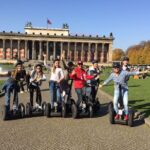
Segwaying past Berlin feels like time travel. I like how fast you can move between big landmarks like Brandenburg Gate and the Holocaust Memorial, without the stress of parking or constant walking. In a few hours, you get layers of Berlin: Cold War drama, imperial-era architecture, and East Berlin’s wide boulevards.
What I also like is that you’re not thrown onto the Segway cold. You get practice time first, plus a helmet and weather gear, so you can focus on the sights instead of wobbling. And because it’s a small group (up to 10), the guide can slow down at photo stops and answer questions without turning the whole thing into a herd.
One consideration: this isn’t a casual stroll. You must be at least 15 years old, within the weight range (45–118 kg), and you’ll need a valid driver’s license or moped certification, plus comfortable clothing for roads and weather. If any of that doesn’t fit you, walking (or a different tour format) may be a better match.
In This Review
- Key things to know before you go
- Berlin on Two Wheels: What This 3-Hour Segway Tour Really Delivers
- Robot City Meeting Point: Training, Gear, and Safety Reality
- Cold War Highlights on a Segway: Checkpoint Charlie and Karl-Marx-Allee
- Hackescher Markt to Alexanderplatz: Neighborhood Energy Without the Rush
- Gendarmenmarkt and Nikolaiviertel: Old Town Charm Meets Big City Power
- Berlin’s Big Religious and Transport Landmarks: Berlin Cathedral and Europe’s Largest Station
- Reichstag to Holocaust Memorial: Moving Between Government and Memory
- Price and Value at About $100: When It’s Worth It
- Who This Segway Tour Suits Best (and Who Should Rethink It)
- Final Call: Should You Book This Berlin Segway Tour?
- FAQ
- Where does the Berlin Segway tour meet?
- How long is the tour?
- How much does it cost?
- What are the age and weight requirements?
- Do I need a driver’s license?
- Is food included?
Key things to know before you go
- Practice session first so you can feel steady before the main route
- Cold War stops on wheels, including Checkpoint Charlie
- Icon landmarks plus local streets, from Hackescher Markt to Karl-Marx-Allee
- Big-photo moments built in, not just a drive-by schedule
- Weather-ready gear like raincoats, gloves, and warm vests when conditions turn
- Guides make it human, with story-forward narration across major sights
Berlin on Two Wheels: What This 3-Hour Segway Tour Really Delivers
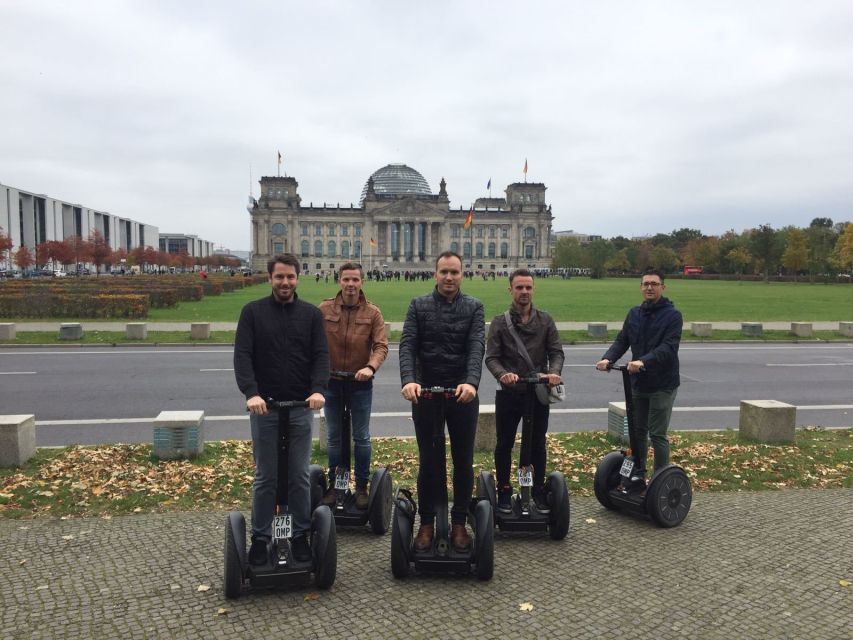
A Segway tour in Berlin works because the city rewards movement. You want to see the landmarks, yes, but you also want the connections: how one era sets up the next. A 3-hour route is long enough to build that sense of place, while still short enough that you aren’t stuck in “tour bus fatigue” the whole time.
The best part is the balance between speed and stopping. You glide between major points, then pause for the kind of time you actually need—photos, quick questions, and brief walking where it helps your eyes take things in. You’ll cover famous sights, but you’ll also get glimpses of the neighborhoods that make Berlin feel like Berlin.
The tour is built around a classic Berlin mix: western symbols, eastern architecture, and the reminder of what happened in between. That’s why it’s such a practical intro for first-timers who want the highlights without needing to plan a full day of transit and walking.
You can also read our reviews of more tours and experiences in Berlin


Robot City Meeting Point: Training, Gear, and Safety Reality
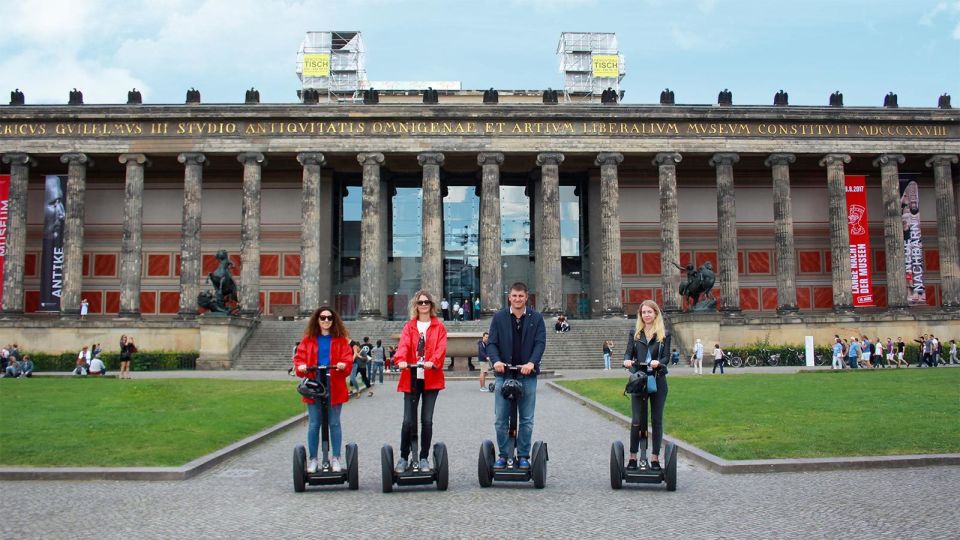
You’ll meet at Robot City to start. From there, the experience quickly shifts from anticipation to action: training first, then sights. That practice period matters more than people expect. Even if you’ve tried a Segway before, Berlin roads and turns will feel different because you’ll be riding longer stretches between stops.
The tour supplies the basics you should expect:
- Helmet
- Raincoats, gloves, and warm vests depending on conditions
- A professional guide
- The practice session before you head out
This is one of those “small details that change the whole trip.” Cold Berlin weather isn’t a minor inconvenience when you’re moving. With the warm layer and gloves provided, you can keep your hands functional for controlling the Segway and your attention on the route.
Safety is also part of the deal. Segways are not hard, but they do require focus. You’ll be riding in a way that feels controlled—more like gliding than commuting—yet still out in the real city environment. Wear comfortable shoes and clothing that match the weather, because you’ll want warmth and grip on any wet or chilly surfaces.
Cold War Highlights on a Segway: Checkpoint Charlie and Karl-Marx-Allee
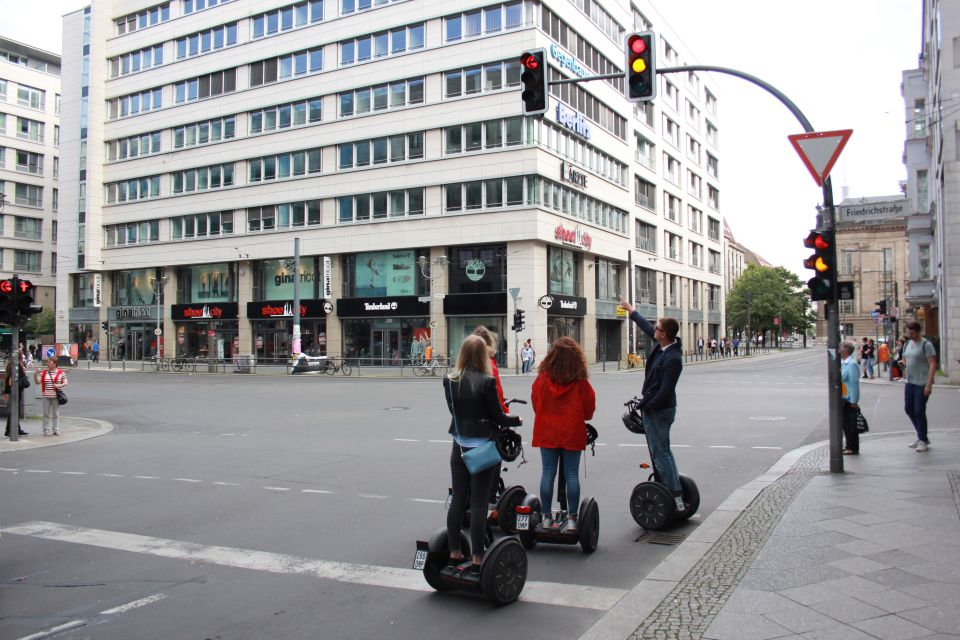
If you want a Berlin tour that doesn’t just show buildings but shows the story behind them, the Cold War segment is where this route earns its keep. The tour includes Checkpoint Charlie, the border crossing symbol that still anchors the imagination of modern Berlin.
Seeing Checkpoint Charlie from a moving perch (instead of standing in one fenced area) helps you grasp how the city grew around those divisions. You can look back at the surrounding streets and understand why Berlin’s history feels spatial. It’s not only what happened—it’s where it happened.
From there, you’ll also roll past the broader East Berlin feel, including the socialist-era boulevard of Karl-Marx-Allee. That wide, straight feeling is hard to appreciate on foot in a short time. On a Segway, you can take in the scale without losing your day to walking pace.
This is also where the guide’s narration becomes important. The tour is built to answer your questions on the go, so when you pause at a landmark, you’re not just reading a plaque. You’re getting the “why it looks like this” explanation that makes the architecture stick in your mind.
Hackescher Markt to Alexanderplatz: Neighborhood Energy Without the Rush
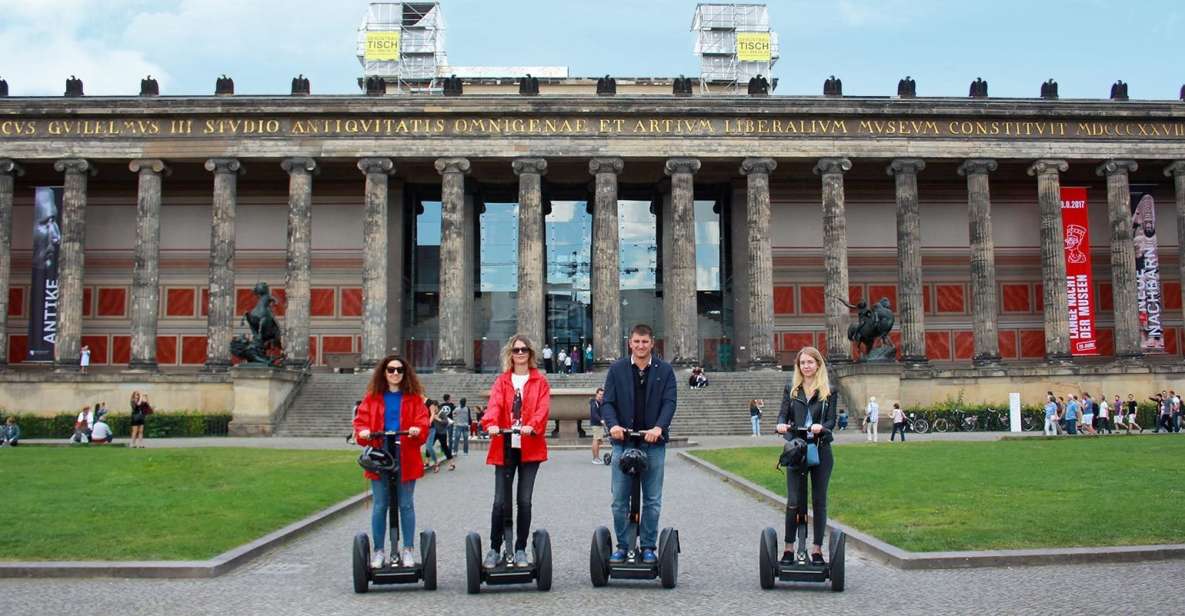
One of the smartest parts of this tour is that it doesn’t only chase the biggest names. It threads through the center and includes lived-in areas that help Berlin feel current.
The route includes Hackescher Markt, including the regenerated areas around it. This matters because Berlin’s center isn’t frozen in time. It’s a place where older streets and newer life overlap, and you can feel that even when you’re passing quickly.
You’ll also see Alexanderplatz. It’s a landmark that can feel overwhelming if you’re trying to “figure it out” on your own. With a guide and Segway glide, you don’t have to chase the layout. You can focus on what the place represents and why it sits where it does.
Between neighborhoods, you’ll also pass major architectural anchors, so the trip feels like a connected loop, not a checklist of disconnected stops. And because you have built-in pause moments, you can step off the Segway briefly when it helps you frame photos.
Gendarmenmarkt and Nikolaiviertel: Old Town Charm Meets Big City Power
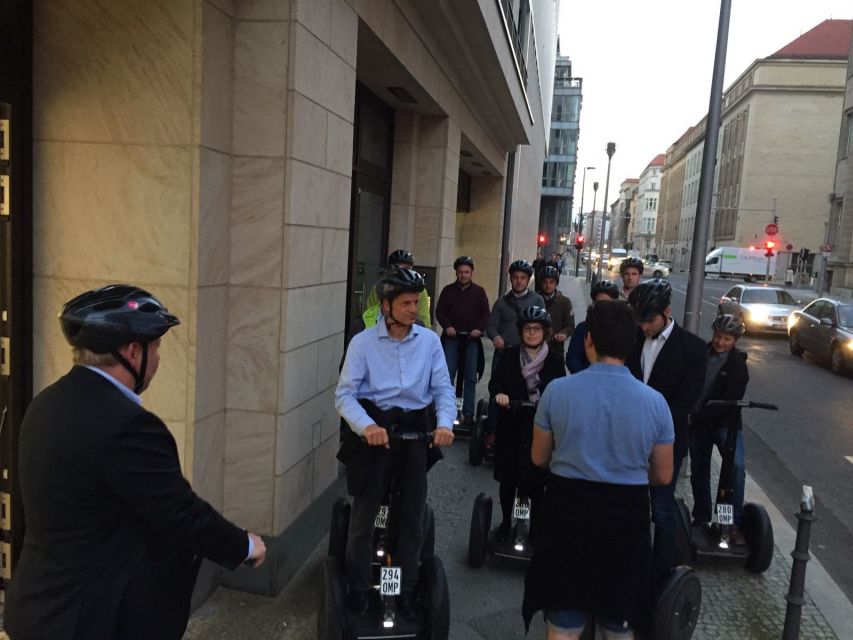
The route moves through some of the city’s most visual spaces, including Gendarmenmarkt and the Nikolaiviertel area. These stops are the kind you’ll remember because they look like Berlin slowed down.
Gendarmenmarkt is all about symmetry and classic European urban design. On foot, it can take time to position yourself for good angles. On the Segway, you can adjust quickly, then stop long enough to enjoy the view and get the shot.
Then you head toward Nikolaiviertel, part of Berlin’s historical heart. The value here isn’t just the buildings. It’s the feeling of time layering—imperial and early city identity sitting within a capital that later went through major upheaval. When you glide through, you can connect that physical sense of “old and new next to each other” without having to map it yourself.
The tour also highlights the imperial Berlin Palace area. Even if you don’t know what you’re looking at at first glance, it helps to see it in context with the other stops around it. The guide can tie the visual clues to the broader story of how Berlin reshaped itself.






Berlin’s Big Religious and Transport Landmarks: Berlin Cathedral and Europe’s Largest Station
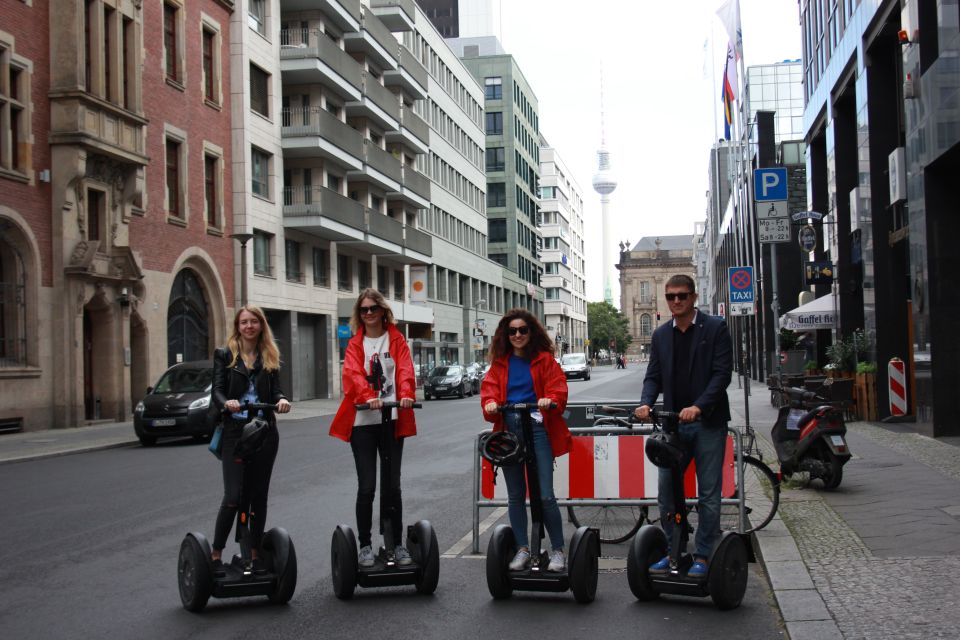
Two highlights that earn their place on this tour are the Berlin Cathedral and the largest train station in Europe. These are the kind of sights where scale and design can hit you harder when you’re not stuck in one crowded vantage point.
Berlin Cathedral is listed as one of Germany’s most beautiful churches, and that matches what many first-timers feel when they see it. You don’t have to spend a full day planning entry and interior time to appreciate the exterior presence. The Segway format gives you the chance to see it from the right distance and angles, with enough time to take photos and regroup.
As for the train station, the “largest” framing is exactly why it belongs on a fast intro tour. You’ll notice the engineering and the sheer size before you even understand it. And when you connect it to Berlin’s modern role as a travel hub, it makes the city feel more like a living system than a museum.
The guide’s job here is to keep these stops from becoming random photo moments. You should feel you’re seeing why each landmark matters, not just what it looks like.
Reichstag to Holocaust Memorial: Moving Between Government and Memory
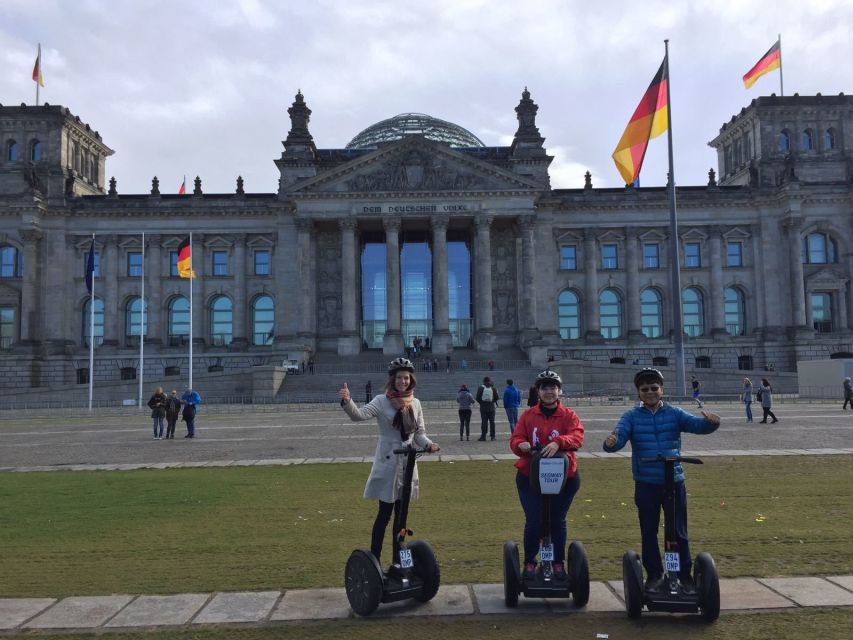
A Berlin highlight list would be incomplete without the Reichstag area and the Holocaust Memorial. This part of the route is where the tour’s pacing matters, because it’s easy to turn heavy sites into rushed stops if the schedule is wrong.
The tour includes the German Chancellery and the Reichstag building, and you’ll also visit the Holocaust Memorial to the Jewish victims of the Nazi regime. That combination hits two ends of Berlin’s story: the modern political center and one of the most important sites of remembrance in Europe.
What I like about putting the memorial on a tour like this is that you’re not arriving from nowhere. You’ve been gliding through other landmarks and eras, so the city context is already in your head. You understand you’re in a place that has transformed—politically, socially, and physically.
This tour also builds in photo opportunities and the chance to ask questions of your guide, which is useful here. When you want clarity about what you’re seeing, this format gives you a real chance to get it instead of only reading a sign and moving on.
Price and Value at About $100: When It’s Worth It
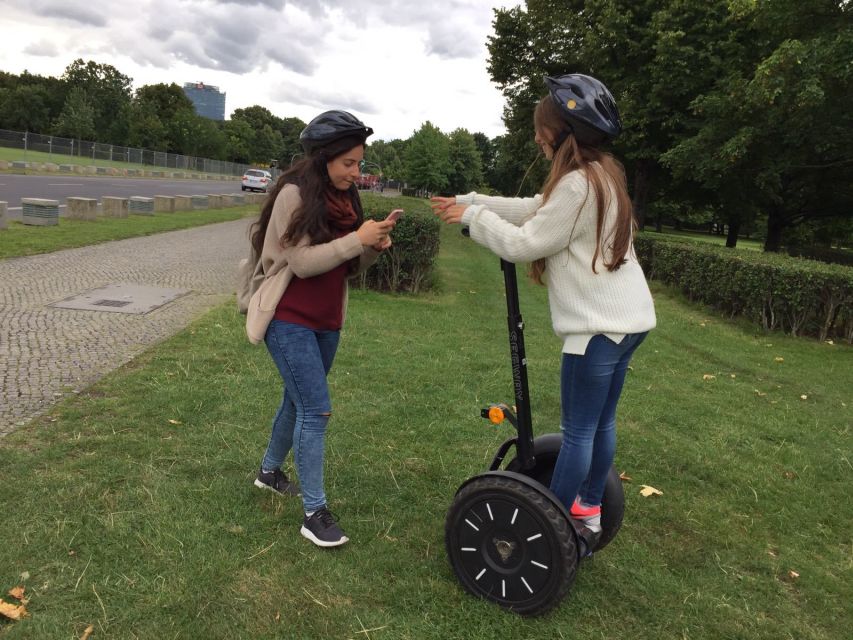
At $100 per person for a 3-hour tour, the value comes down to what’s included and what you’re avoiding.
You’re paying for:
- A professional guide
- Helmet
- Practice time before riding
- Weather gear (raincoats, gloves, warm vests)
- A small group limit (up to 10)
You’re also saving time and energy. If you attempted to cover these sights by yourself in a day, you’d likely spend time figuring out the route, dealing with ticket lines, and doing lots of walking between far-apart stops. Here, the Segway handles the movement, and the guide handles the connections.
Is it worth it for everyone? It’s best for people who:
- Want a first-pass Berlin highlights tour
- Prefer gliding over long walking days
- Like guided storytelling and built-in photo stops
If you love spending hours in museums or churches, you might find this tour is more of a “set up your day” experience rather than the entire trip. But as a way to get orientation and key sights in one afternoon, the price feels grounded.
One more value note: it includes gear for bad weather. That’s not glamorous, but it’s real travel value. Cold and rain can ruin plans fast in Berlin. This tour plans for it.
Who This Segway Tour Suits Best (and Who Should Rethink It)
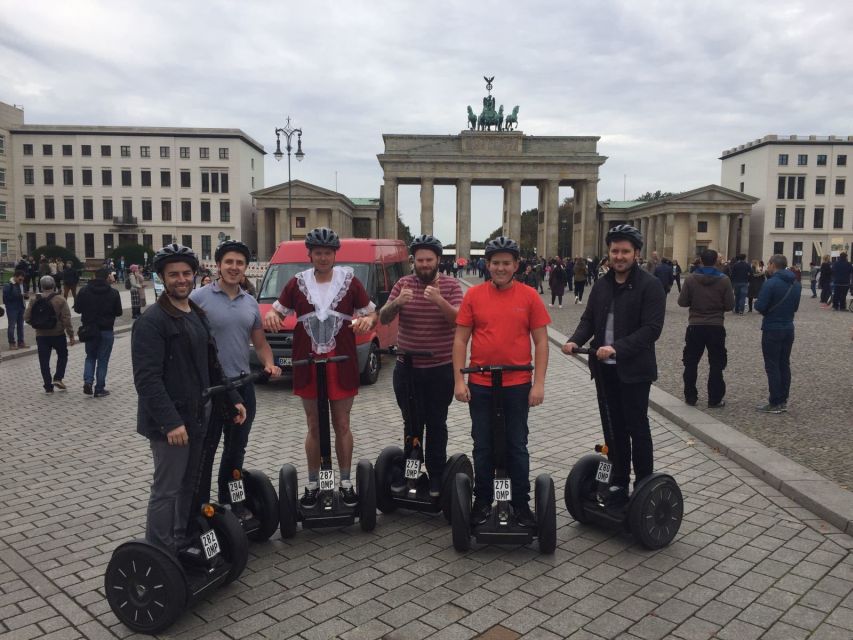
This is a strong fit for active travelers who don’t want to waste half a day on logistics. It also suits couples and small groups who enjoy guided explanations and who want time to stop and photograph without feeling rushed.
It’s less ideal if you:
- Can’t meet the age/weight requirements (15+; 45–118 kg)
- Don’t have a valid driver’s license or moped certification
- Hate riding on city roads or prefer a very quiet, low-speed experience
Because the route includes multiple central landmarks, you’ll want comfortable shoes and layers. Berlin’s weather can change fast, and you’ll be outside the whole time.
On the fun side, it’s hard not to smile once you’re steady. Guides like Eishan, Nachi, Morgan, Vincent, Gabriel, Hunter, and Mike are examples of the kind of narration that can make big sights feel personal and understandable. You’ll also likely enjoy the guide’s habit of adding small detours or extra explanation where it helps you connect the dots.
Final Call: Should You Book This Berlin Segway Tour?
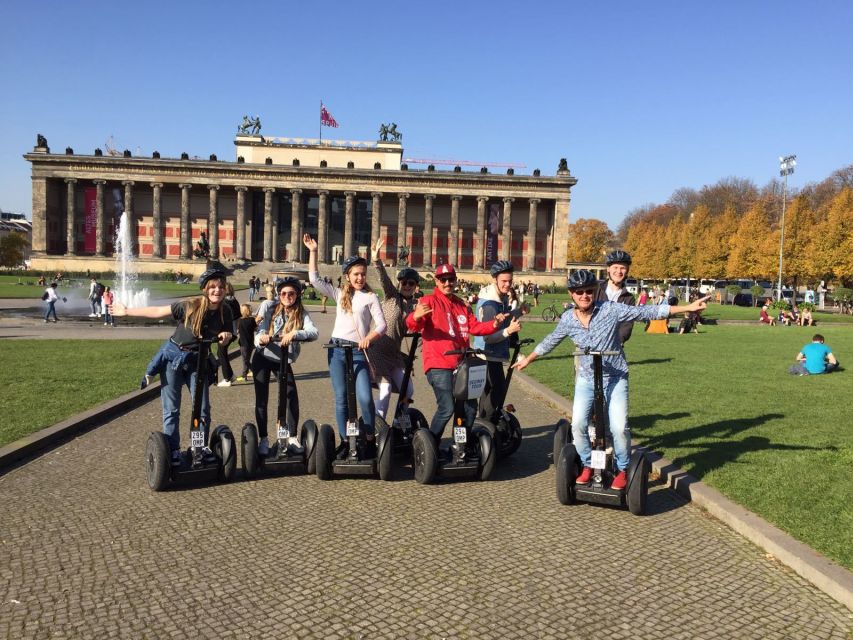
I think you should book this if you want an efficient, story-forward way to see Berlin’s top highlights in a single afternoon. The practice time, supplied helmet and weather gear, and the small group size all support a calmer experience than a big-group version would.
I’d pause if you’re tight on requirements, hate the idea of city-road riding, or plan to spend most of your trip in museums instead of seeing exterior landmarks and neighborhoods. Also, because the tour does not include food and drinks, plan to eat before or after so you don’t feel hungry during the ride.
If you’re a first-timer, or you want a second-day “best of” loop without exhausting yourself, this is a practical choice. It’s one of those Berlin experiences that helps you feel the city’s past and present without needing a full schedule of planning.
FAQ
Where does the Berlin Segway tour meet?
Meet at Robot City.
How long is the tour?
The tour lasts 3 hours.
How much does it cost?
The price is $100 per person.
What are the age and weight requirements?
You must be at least 15 years old, and your weight must be between 45 and 118 kilograms.
Do I need a driver’s license?
Yes. You need a valid driver’s license or moped certification.
Is food included?
No. Food and drinks are not included.