REVIEW · BERLIN
Berlin: Muro,Guerra Fría y Museo de la Stasi
Book on GetYourGuide →Operated by cultourberlin by cultour-incoming · Bookable on GetYourGuide
Berlin’s Cold War story feels close to the sidewalk. This Spanish-language Berlin Wall and Stasi tour strings together the places you need to understand a divided city. In just 4 hours, you move through Wall remains, memorial sites, former underground spaces, and the Stasi Museum, with a guide who keeps the story clear and human.
I really like two things about this experience: you get key landmarks in one route (not random stops), and the focus stays on what daily life felt like under the rules of the time, not just dates. Another plus is the museum piece, because the Stasi angle turns the history into something you can picture.
One drawback to plan for: you’ll need the Berlin public transport ticket AB (one day), and it is not included in the tour price. So factor that into your budget and time.
In This Review
- Key things I think are worth your attention
- A Cold War Tour That Explains What You’re Seeing
- Meeting Point at Alexanderplatz (Fernsehturm + Espresso House)
- Walking the Berlin Wall Remains and the Death Strip
- Frankfurter-Allee Avenue: Cold War Berlin in Street Form
- Bernauer Straße Wall Memorial: Where the Story Gets Personal
- Ghost Stations on the Underground Lines: Control Underground
- Stasi Museum: Methods of Control in East Berlin
- Price and Value: What $41 Buys for 4 Hours
- Language Choice: Spanish-Only, With Clear Storytelling
- What to Bring and How to Prepare
- Who This Tour Fits Best (And Who Might Skip It)
- Should You Book This Tour?
- FAQ
- What language is the tour?
- How long is the tour?
- Where does the tour meet?
- What is included in the price?
- What is not included?
- Do I need to buy a Berlin transport ticket in advance?
- Is the tour wheelchair accessible?
- What is the cancellation policy?
- Is payment required immediately?
Key things I think are worth your attention
- Berlin Wall remains + the Death Strip area for a strong sense of how the barrier worked
- Bernauer Straße Wall Memorial to connect the Wall to real people and real choices
- Frankfurter-Allee Avenue stops that help you understand the city’s Cold War layout
- Former ghost stations on the underground lines, so you see control beyond the border itself
- Stasi Museum entrance included, with an explanation of how the secret service controlled East Berliners
A Cold War Tour That Explains What You’re Seeing
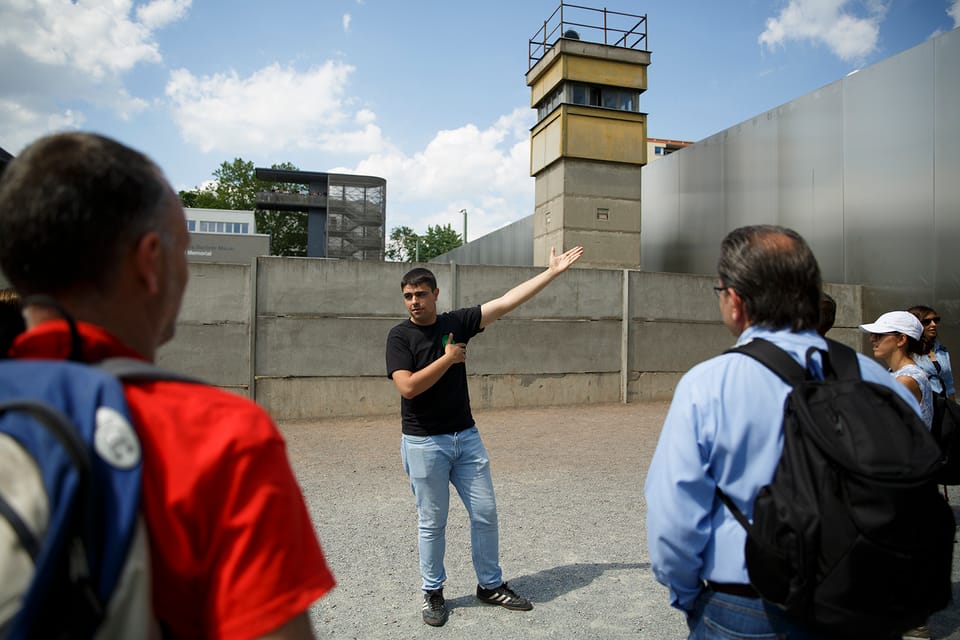
Berlin is full of monuments. This tour does something more useful: it helps you read them. You walk through spaces tied to the Wall and the system behind it, and your guide connects the dots as you go. That matters, because the Cold War is easy to reduce to slogans. Here, you learn why the Wall was built, how people tried to cross, and why it eventually came down, in the same story thread.
What I like about the approach is that you’re not just staring at concrete. You’re being shown how the city functioned under division, and how that shaped everyday movement and daily expectations.
You can also read our reviews of more tours and experiences in Berlin.


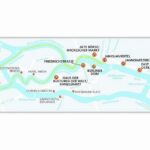
Meeting Point at Alexanderplatz (Fernsehturm + Espresso House)
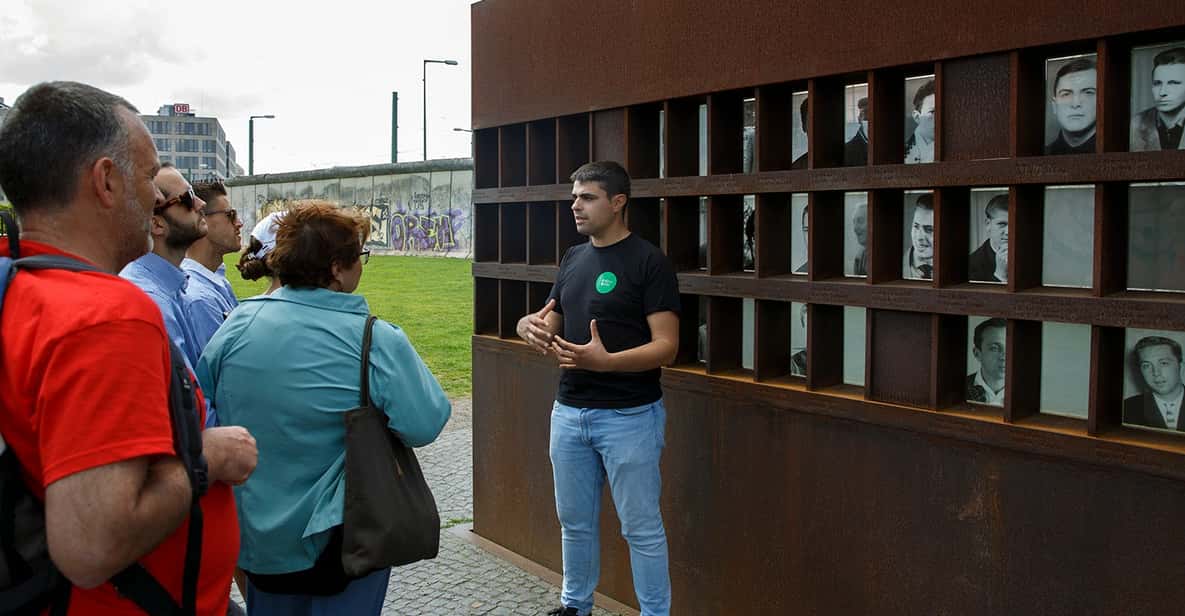
You start near Alexanderplatz, by the TV tower area. The meeting instructions are very specific: look for a green flag with the text tours en español, by the single entrance to Fernsehturm at Alexanderplatz. It’s also described as between the TV tower and the Alexanderplatz train station, next to the Espresso House.
This kind of precise meeting point is a real value. Alexanderplatz can feel like chaos if you arrive early and keep searching. If you’re trying to keep your morning simple, this start helps you get oriented fast.
Walking the Berlin Wall Remains and the Death Strip
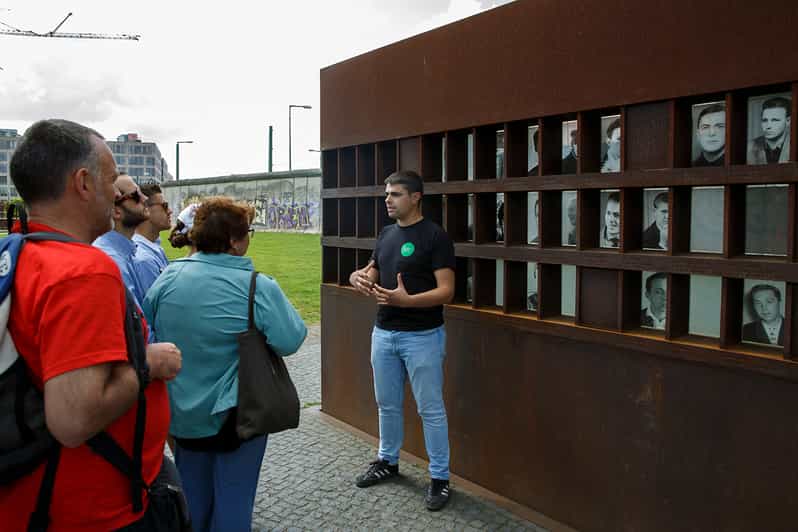
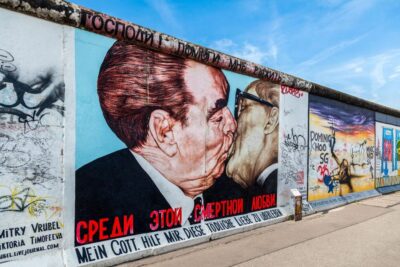
The Wall is the headline, but the tour doesn’t treat it like a postcard. One of the most powerful parts is seeing what remains of the Berlin Wall and the area connected to the infamous Death Strip. Even with only parts visible today, the scale and placement make it easier to understand the barriers that separated neighbors.
Here’s what you’ll get from this section: it’s not only about the Wall being there. Your guide uses the visible remnants to explain how the division was enforced, and why crossing was so difficult. That context is what turns a few preserved sections into something meaningful.
If you’re visiting Berlin for the first time, this stop is also a good foundation. It gives you language and concepts for everything else you’ll see later, including the memorial sites and the underground story.
Frankfurter-Allee Avenue: Cold War Berlin in Street Form
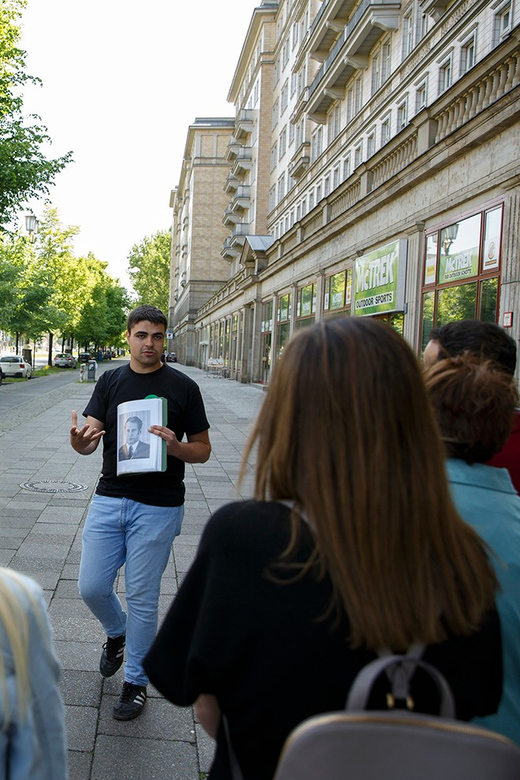
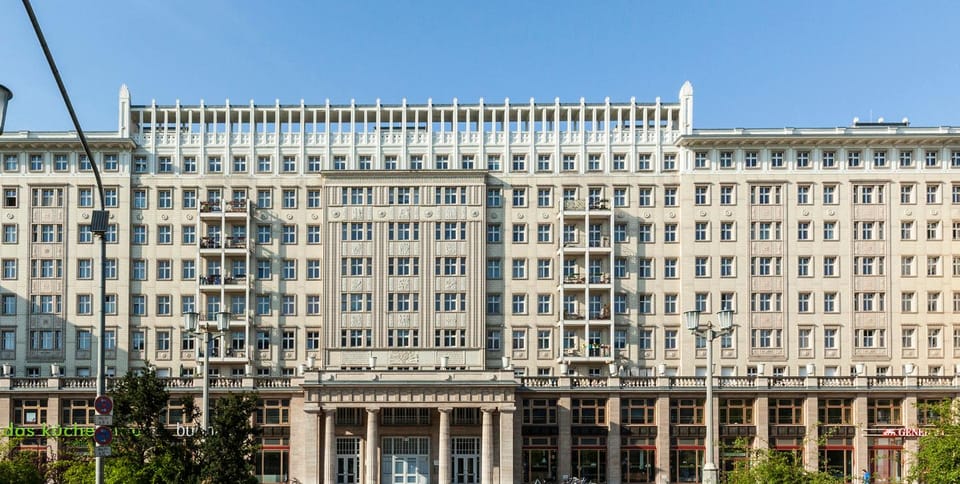
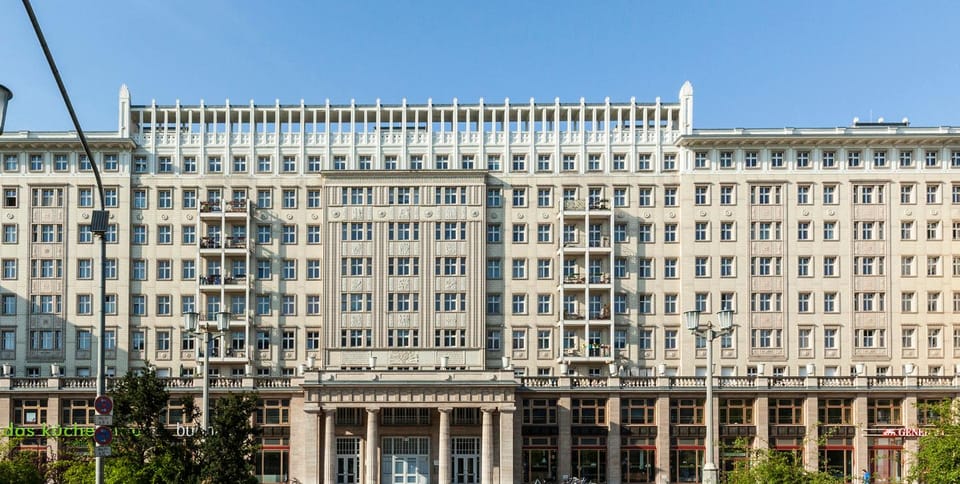
After the Wall remnants, you head to Frankfurter-Allee Avenue. A big reason I like this kind of inclusion is that it keeps the story rooted in geography. Berlin wasn’t divided only at borders. The division shaped whole corridors, neighborhoods, and travel routes.
By putting Frankfurter-Allee into the same tour as the Wall and the Stasi Museum, you’ll start to see how the Cold War was built into the city’s movement patterns. Even if you don’t know the street beforehand, the tour framing helps you notice the layout and the way Berlin grew around political lines.
Bernauer Straße Wall Memorial: Where the Story Gets Personal
The Bernauer Straße Wall Memorial is one of the central reasons to pick this tour. It’s the kind of place where “history” stops being abstract because it’s designed for remembering how the Wall affected people.
On this stop, you explore the memorial area connected to the Wall and the division. The tour description makes it clear the guide ties this to living in a divided city and learning about the Wall-building reasons, plus what changed for Berliners once the Wall eventually came down.
What to watch for here is how the guide turns static displays into cause-and-effect. You’ll be learning not only what happened, but also why this location mattered in the story of escape attempts and control.



Ghost Stations on the Underground Lines: Control Underground
One of the most interesting additions on this itinerary is exploring the former ghost stations of the underground lines. This changes the tour from a Wall-focused experience into a larger view of control.
The logic is simple and important. If you only look at the border, you miss the daily pressure of being watched and constrained. Ghost stations point to a quieter form of division: spaces in public transit that became part of the system.
You’ll likely appreciate this section most if you’re the kind of traveler who asks, How did ordinary people move through the city, and what got disrupted? Here, the underground story answers that in a concrete way.
Stasi Museum: Methods of Control in East Berlin
The tour includes entrance to the Stasi Museum, which is where many visitors feel the story click. Instead of staying at the Wall surface, you shift into the system that helped enforce it.
The key takeaway you’ll get: you learn about the methods the secret service used to control the population of East Berlin. That focus matters because the Stasi element explains why the Cold War wasn’t only about buildings and borders. It was also about power inside everyday life.
This is also where your guide’s ability to handle a difficult subject becomes important. Some of the guides connected with this tour have been praised for being professional, detailed, and passionate about the topic. Names that show up in the feedback include Constantino and Jordi (from Barcelona), both noted for strong delivery and clear storytelling.
If you want history that helps you understand the human side of surveillance and fear, this museum segment is the part you’ll talk about after you leave.
Price and Value: What $41 Buys for 4 Hours
At $41 per person for 4 hours, this is a solid value if you care about the Wall, the memorial sites, and the Stasi Museum in one package. The tour includes a Spanish tour guide, and it also includes the Stasi Museum entrance, which is not something you want to scramble for on your own.
What’s not included is just as important for budgeting: food and beverages and the public transport ticket AB (one day). So your real cost is the tour price plus the AB card you’ll need to get around.
If you’re traveling with limited time in Berlin, this bundled structure makes sense. You don’t have to assemble a Wall day, a memorial visit, a museum entry, and transit planning from scratch. Instead, you get one guided route with a coherent story thread.
Language Choice: Spanish-Only, With Clear Storytelling
This tour runs in Spanish with a live guide. That’s great if Spanish is your comfort language for history-heavy material. You’ll get more than sightseeing facts; you’ll get explanations about why the Wall was built, how it worked, and what changed later.
One nice signal from the feedback is that the guide style tends to be detailed and professional. A tour on this theme can get technical fast. The best guides keep it understandable, and the comments tied to guides like Constantino and Jordi emphasize strong engagement and clear knowledge.
What to Bring and How to Prepare
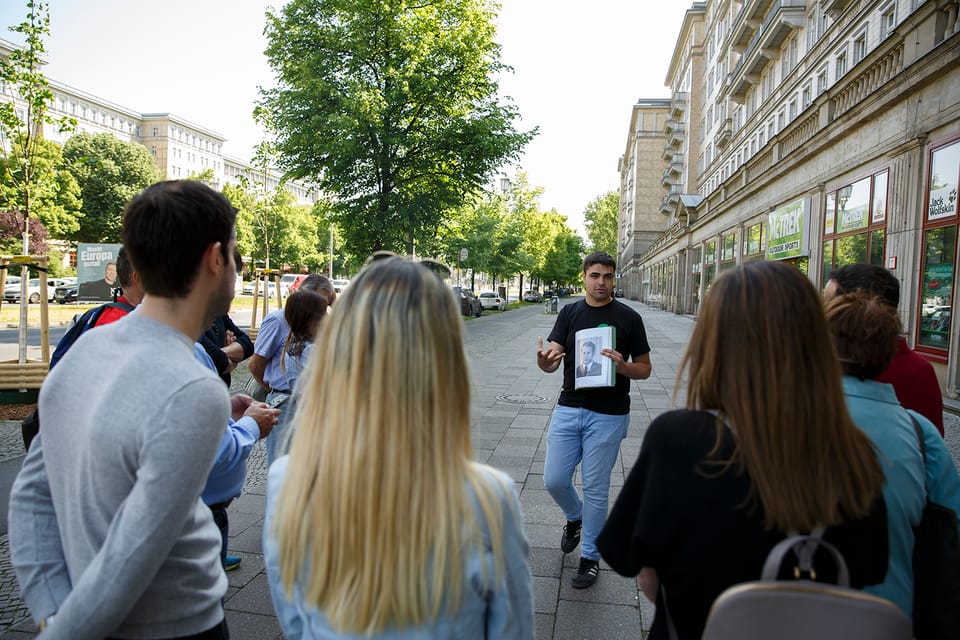
This is a walking-heavy, outdoor-friendly history route. Wear shoes you trust. Berlin weather can shift, so bring a layer even if the forecast looks calm.
Also, plan your transit around the AB one-day ticket you must purchase. That’s not a small detail. It affects whether the day feels smooth or stressful, especially if you’re trying to stay on schedule for each stop.
If you like taking photos, you will want time for it at Wall-related remnants and memorial spaces. Those are the locations where the visual context does a lot of the educational work.
Who This Tour Fits Best (And Who Might Skip It)
This tour is a strong match if you want:
- A guided Cold War route focused on the Wall, the memorial, and the Stasi story
- Spanish language explanations with a guide who can handle difficult material clearly
- A way to see the ghost stations without guessing what to look for on your own
- A compact day plan that uses a 4-hour window efficiently
You might think twice if:
- You prefer to explore at your own pace without fixed stops
- You don’t want to use the public transport AB card system that this tour requires
- You’re only interested in Berlin’s more casual sightseeing and don’t want a heavy historical theme
Should You Book This Tour?
I’d book it if you want Berlin’s Cold War story told in the places that matter most: Wall remains and Death Strip context, Bernauer Straße Wall Memorial, former ghost stations, and a Stasi Museum visit with entrance included.
It also works well for travelers who want clarity. At 4 hours, it’s long enough to build a coherent narrative, but short enough that you won’t lose the day to logistics. Just make sure you add the AB ticket to your plan and wear comfortable shoes.
If that sounds like your kind of Berlin experience, this is a smart way to spend your time.
FAQ
What language is the tour?
The tour is in Spanish with a live Spanish-speaking guide.
How long is the tour?
The duration is 4 hours.
Where does the tour meet?
You meet next to a green flag that says tours en español, beside the only entrance to the Fernsehturm (TV tower) in Alexanderplatz. It’s between the TV tower and the Alexanderplatz train station, next to the Espresso House.
What is included in the price?
The tour includes a Spanish tour guide and entrance to the Stasi Museum.
What is not included?
Food and beverages are not included, and you also need to buy public transport tickets (you must have a Berlin Transport Card AB one day).
Do I need to buy a Berlin transport ticket in advance?
Yes. A one-day AB transport card is necessary for this tour and it is not included in the tour price.
Is the tour wheelchair accessible?
Yes, the tour is wheelchair accessible.
What is the cancellation policy?
You can cancel up to 24 hours in advance for a full refund.
Is payment required immediately?
You can reserve now and pay later, so you can book a spot without paying today.