REVIEW · BERLIN
Berlin and Car Culture Tour
Book on Viator →Operated by Berlin car culture · Bookable on Viator
Berlin has two speeds: history and horsepower. On this Berlin car culture tour, you hop between key stops like Potsdamer Platz and Leipziger Platz, connecting Karl Benz and early auto chaos to today’s electric-mobility talk. I love how the route makes the automobile story feel local to Berlin, and I also like the hands-on moment where you can get into the cars. One note before you go: you’ll need your own AB zone public-transport ticket, since it’s not included.
The pace is built for a quick hit of car history and car future—about three hours total—and the group caps at 30 people. I also like that it uses a mobile ticket and runs in English, so you can fit it into a day without too much planning.
In This Review
- Key Points That Make This Tour Worth Your Time
- What This Berlin Car Culture Tour Feels Like in Real Life
- Potsdamer Platz: Auto Patent Origins and Germany’s Oldest Traffic Light
- Leipziger Platz: Electric Cars, a Tesla Connection, and Getting in the EVs
- Moabit’s Car-Focused Stop: Where the Tour Finds the “Timeless Jewels”
- Price and Logistics: Is This Berlin Automobile History Value Worth It?
- Who Should Book This Tour (and Who Might Skip It)
- Quick Take: What You’ll Probably Remember After the Tour
- Should You Book This Berlin Automobile History and Car Culture Tour?
- FAQ
- How long is the Berlin and Car Culture Tour?
- How much does the tour cost?
- Is the tour offered in English?
- What does the tour ticket include?
- Do I need a transport ticket?
- Where do I meet and where does the tour end?
Key Points That Make This Tour Worth Your Time
- Germany’s auto origin story, right in the street view: Potsdamer Platz connects you to the early days of the automobile.
- A real electric-car focus at Leipziger Platz: You’ll see advanced EVs and a Tesla connected to the Berlin area.
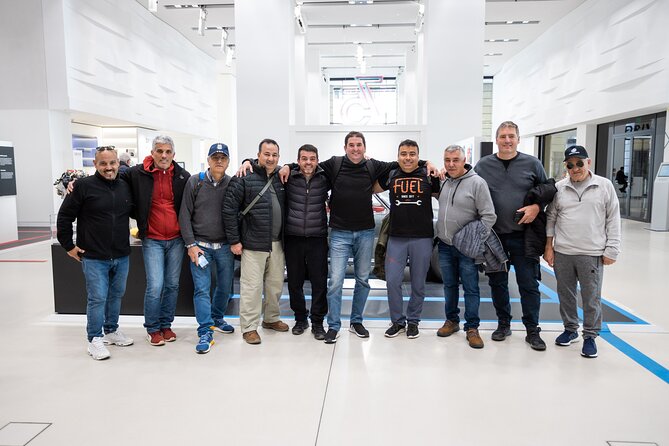
- You don’t just stand and watch: At one stop, you get in the cars to get a feel for the technology.
- Small group energy: Maximum 30 travelers keeps questions and discussion manageable.
- Entrance tickets are included: That saves you time and extra money at the stops.
- You’ll walk and then transit again: Plan for AB zone transport outside the tour itself.
What This Berlin Car Culture Tour Feels Like in Real Life
This is a short tour with a clear goal: show you how cars shaped Berlin, and then point at where cars are going next. In just a few stops, you get a timeline jump—from the early invention era to electric mobility—with enough story to make it more than a photo walk.
You’re looking at roughly 30 minutes at Potsdamer Platz, 30 minutes at Leipziger Platz, then about 1 hour 30 minutes in Moabit. That last stretch matters: it’s where the tour slows down and shifts from big themes into the fun part—seeing car culture in the flesh.
If you enjoy pairing street-level history with practical questions (What’s real tech today? What changes later? What gets political?), this style fits well. If you want only museum facts with no modern contrast, it might feel a bit “history plus debate.” Either way, you’ll come away with a clearer sense of how Berlin treats cars as both history and future industry.
You can also read our reviews of more tours and experiences in Berlin.



Potsdamer Platz: Auto Patent Origins and Germany’s Oldest Traffic Light
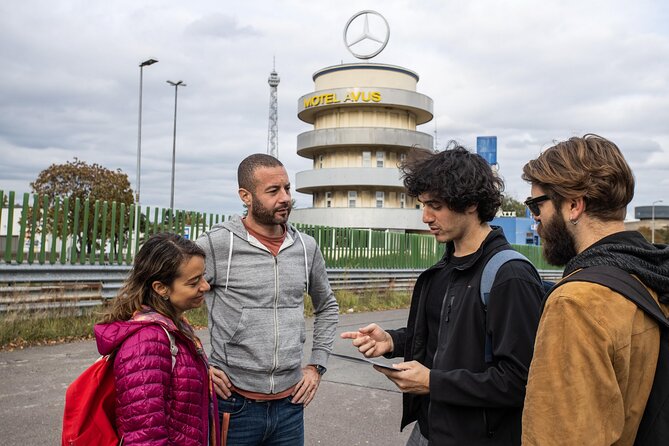
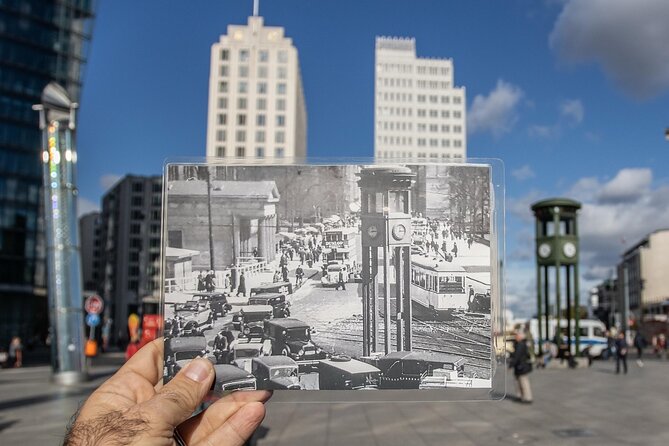
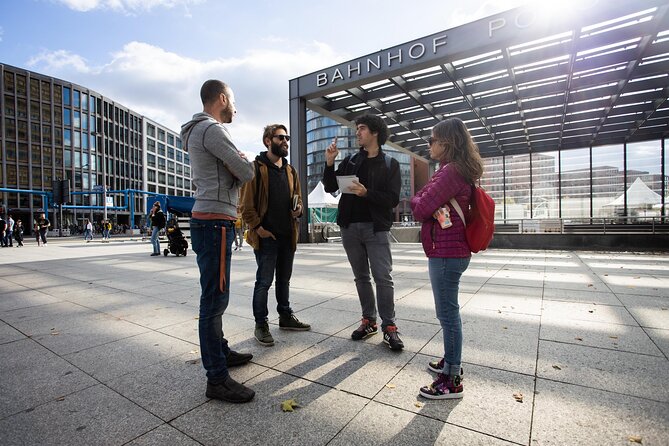
You start at Potsdamer Platz (Potsdamer Platz 10, 10785 Berlin). This stop is doing heavy lifting because it sits at the crossroads of invention storytelling and how cities adapt to vehicles.
The tour points out that Berlin issued a patent for the first automobile more than a century ago, right in this area. That’s a huge theme in a small space: instead of starting your car history in a textbook, you start it where the city actually made early auto happen.
Then there’s the visual hook that makes this stop memorable: you’ll see the oldest traffic light in Germany. Even if you’re not a traffic-signal nerd (no judgment), it’s the kind of detail that explains why cars changed more than engineering. Cities had to learn new rules fast—signals, flow, behavior, safety. In other words, the car didn’t just arrive. Berlin had to reorganize itself around it.
Karl Benz’s invention is part of the story here too—plus the reaction it caused. That matters because it frames cars as a disruptive new idea, not just a product. You’ll likely walk away thinking about the first electric cars or first driver-assist tech you’ve heard about—same pattern: excitement, skepticism, and people arguing about what’s next.
What to watch for: look for how the tour ties invention to the street. The best moments are when the guide connects the gadget to city life.
Possible drawback: if you already know a lot of early auto history, this portion may feel like a solid overview rather than a deep chapter. Still, the traffic-light detail is worth it on its own.
Leipziger Platz: Electric Cars, a Tesla Connection, and Getting in the EVs
Leipziger Platz is where the tour shifts gears—literally and mentally. This stop leans into advanced electric cars of today and asks the big question: is the electric future actually the future, or just the loudest current policy message?
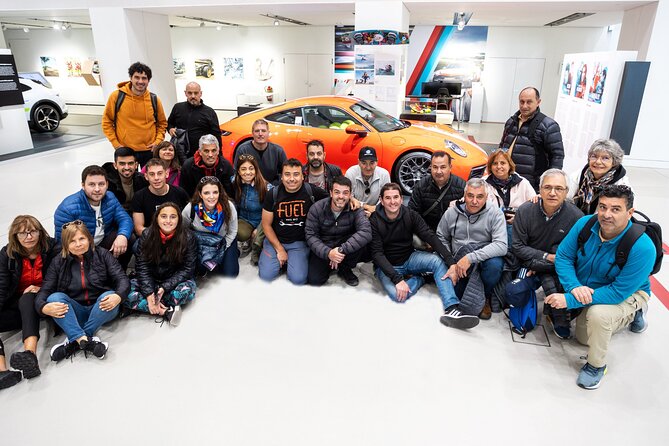
You’ll spend about 30 minutes here. That’s enough time to cover the theme and still make room for the standout practical moment: you get in the cars. It’s one thing to look at vehicles from the outside; it’s another to sit inside and feel how different EV design is when you’re in the driver’s space.
The tour also calls out a Tesla manufactured near Berlin. That’s useful context if you’ve only seen Tesla as a brand name. Here, it becomes part of Berlin’s manufacturing-and-mobility conversation.
Expect questions to come up during the talk. You’ll hear debate-style framing like when combustion engines finish and whether EVs are truly next. Even if you’ve got strong opinions, this part is built to make you think, not just to sell a side.
What you’ll likely enjoy most: the human-to-technology angle. Getting in the cars turns “future mobility” into something physical, and that usually makes the discussion click.
What to consider: this stop is short, so you won’t get a full hands-on EV seminar. You’re getting a guided snapshot that sets you up to explore more on your own after.
Moabit’s Car-Focused Stop: Where the Tour Finds the “Timeless Jewels”
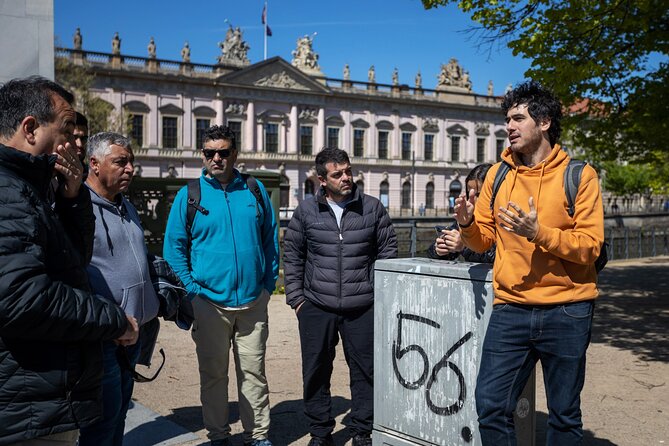
The final stop is in Moabit, and it’s where the tour spends the most time—about 1 hour 30 minutes. The description here is playful: you’ll enjoy the best “motor timeless jewels” that live in Berlin. That phrasing tells you the vibe: you’re moving from broad history and future talk into more specific car culture viewing.
Moabit is often associated with Berlin’s working-city energy, which makes sense for a car-themed ending. Instead of only ending in another big landmark square, the tour finishes where the atmosphere can feel more grounded.
Even without a detailed list of exact exhibits in the information provided, the structure is clear. By the time you reach Moabit, you’ve already had the invention era and the electric era explained. Now you’re in the part meant to satisfy the car-lover eye—seeing machines and ideas connected to Berlin in a more tangible way.
Why this stop works: it gives you time to slow down. A shorter stop can feel like speed-reading history. A longer stop lets the guide connect details and helps you ask follow-up questions without the tour snapping to the next corner too soon.
Possible drawback: if you’re only interested in early auto history or only interested in electric technology, you might want to treat Moabit as the “car culture catch-all.” It’s still likely valuable—it’s just not the same theme as the first two stops.
Price and Logistics: Is This Berlin Automobile History Value Worth It?
The price is $50.57 per person for approximately 3 hours. That’s in the range where you’re paying not just for narration, but for included access. The tour states that entrance tickets to all the places you visit are included, which often matters in Europe where entry fees can stack up quickly.
The only notable extra cost is transport: you’ll need a daily transport ticket for AB zone. That means you should budget for local transit anyway, and plan your start and end points with that in mind.
You start at Potsdamer Platz 10 (10785 Berlin). You end at Berlin BeusselstraßeBeusselbrücke, 10551 Berlin. That end point is helpful if you’re already heading toward neighborhoods in that part of the city, but you’ll still want a transit plan so you don’t get stuck figuring it out at the end of the tour.
A couple small practical wins are built in:
- Mobile ticket means less paper hassle.
- It’s offered in English.
- Free cancellation up to 24 hours before the start gives you flexibility if your Berlin schedule shifts.
Also, the tour runs with a max of 30 travelers. For a topic that invites questions—history plus technology plus debate—that cap is a real quality factor. Bigger groups often turn into listening only. Here, you have a better chance to get answers.



Who Should Book This Tour (and Who Might Skip It)
This tour is a strong fit if you enjoy:
- Berlin history that’s tied to real-world invention and city change
- cars as culture, not just as vehicles
- the question of where mobility is headed, with both enthusiasm and skepticism in the mix
- a short walking-and-transit day that still feels structured
It also works well if you’re with mixed interests. The first stop pulls in history lovers with invention and the traffic-signal detail. The second stop brings in tech-curious folks with electric cars and a Tesla tie-in. The last stop gives the car-minded crowd something visual and longer to look at.
You might consider skipping if:
- you want only deep academic history with lots of museum time
- you’re hoping for a long, full technical EV experience (this is brief by design)
- you don’t want to deal with planning an AB zone transport ticket for the day
One more plus: service animals are allowed, and the tour notes that most travelers can participate. It’s also near public transportation, which helps if you’re juggling other plans.
Quick Take: What You’ll Probably Remember After the Tour
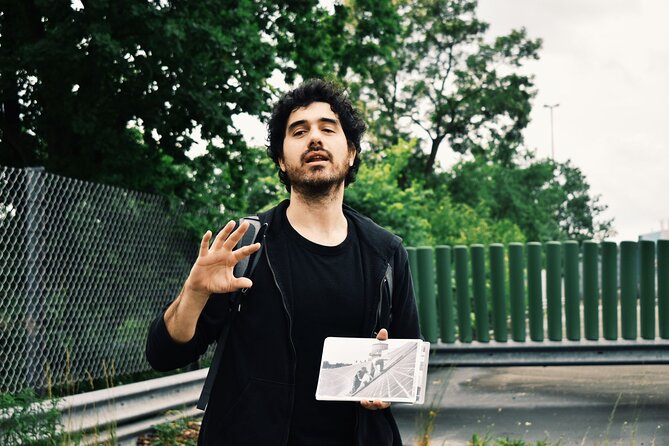
If you like collecting “one detail that sticks,” this tour delivers. You’re likely to remember the oldest traffic light in Germany near Potsdamer Platz—because it’s visible, specific, and connects invention to daily life. You’ll also remember the story thread from Karl Benz’s early invention reactions to the electric-car arguments at Leipziger Platz.
And if you enjoy hands-on moments, the chance to get in the cars is a better memory trigger than another exterior photo.
Should You Book This Berlin Automobile History and Car Culture Tour?
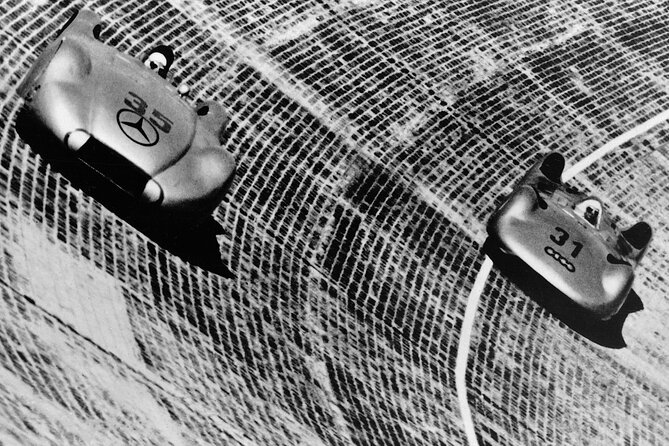
Book it if you want a smart, time-friendly tour that connects Berlin’s invention-era roots to modern mobility questions, with a bonus of getting inside electric cars. At $50.57 for about three hours—with entrance tickets included—you’re paying a fair price for both story and access.
Skip it if you’re chasing one narrow lane. This is not just “Karl Benz history.” It’s not just “electric cars 101.” It’s a blend, by design, so you’ll enjoy it most if you like the mix.
If you’re short on time in Berlin and want something more interesting than another landmark loop, this is a solid pick.
FAQ
How long is the Berlin and Car Culture Tour?
The tour lasts approximately 3 hours.
How much does the tour cost?
The price is $50.57 per person.
Is the tour offered in English?
Yes, the tour is offered in English.
What does the tour ticket include?
The entrance ticket to all the places you visit is included.
Do I need a transport ticket?
Yes. A daily transport ticket for AB zone is necessary for the tour, and it is not included.
Where do I meet and where does the tour end?
You start at Potsdamer Platz 10, 10785 Berlin, and the tour ends at Berlin BeusselstraßeBeusselbrücke, 10551 Berlin.