REVIEW · BERLIN
Berlin: Old Neukölln Private Walking Tour
Book on GetYourGuide →Operated by ReinholdSteinle · Bookable on GetYourGuide
Neukölln has a backstory you won’t expect. I love the Richardplatz village feel inside Berlin and Reinhold Steinle turning street names into real-world stories; you’ll move from Bethlehemskirche to the Czech-linked corners of the district and hear what past fires meant for Rixdorf. One thing to consider: it’s guided in German, so if your German is limited, you’ll need to rely on the overall flow and context.
This is the kind of walk that makes a district click. Instead of treating Neukölln as a headline or a stereotype, you get a personal mix of people, places, and name changes that connect directly to what you can still see today.
The tour runs 90 minutes, private (up to 6 people), and focused on walking. That’s great for getting oriented fast, but it also means you won’t have long detours or time to linger in museums—comfortable shoes help.
In This Review
- What makes Old Neukölln feel like a story (not a checklist)
- Meeting Reinhold Steinle at Richardplatz 22
- Richardplatz to Bethlehemskirche: how a church area anchors the whole district
- Böhmischer Platz, Böhmische Gottescaker, Jan Hus, and Popraci: the Czech layer of Neukölln
- Tracing Rixdorf’s fires: why disaster changed the neighborhood’s story
- Renaming in Neukölln: how names reflect power and belonging
- “Bohemian villages” in the city: Richardstraße, schoolhouse, and garden space
- KGB44 and the “odd stops” that make the walk memorable
- What you get in 90 minutes (and why the private size matters)
- Price and value: when €-style logic meets real budgeting
- Language and pacing: plan for a story-driven, German-guided walk
- Who should book this Old Neukölln private walk
- Should you book this tour?
- FAQ
- Where does the Berlin: Old Neukölln Private Walking Tour start?
- How long is the tour?
- What is the group size and price?
- Is food or drinks included?
- What language is the guide speaking?
- Is the tour wheelchair or mobility-friendly?
- What kinds of sights will we see during the walk?
What makes Old Neukölln feel like a story (not a checklist)
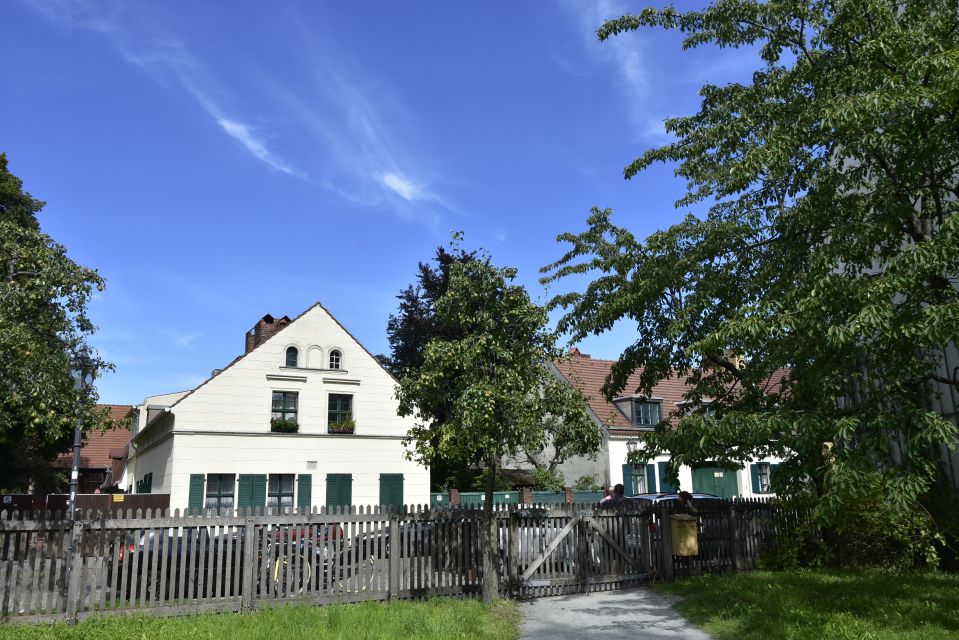
- Richardplatz like a village square: you’ll experience that calm, everyday rhythm that surprises people who expect only big-city noise.
- Bethlehemskirche and the district’s memory: the tour uses the church area as a starting point for how Neukölln changed over time.
- The Czech thread is front and center: stops tied to Bohemian/Czech history shape the walk’s big theme.
- Rixdorf fires explained through place: you’ll connect dramatic past events to the streets you’re standing on now.
- Renaming and identity changes: you’ll hear why the district’s labels mattered—and how the community adapted.
Meeting Reinhold Steinle at Richardplatz 22
Your walk starts at Richardplatz 22, 12055 Berlin Neukölln, right next to the small church. This is a good meeting point because it’s not a transit hub—so once you’re there, the atmosphere feels local from minute one.
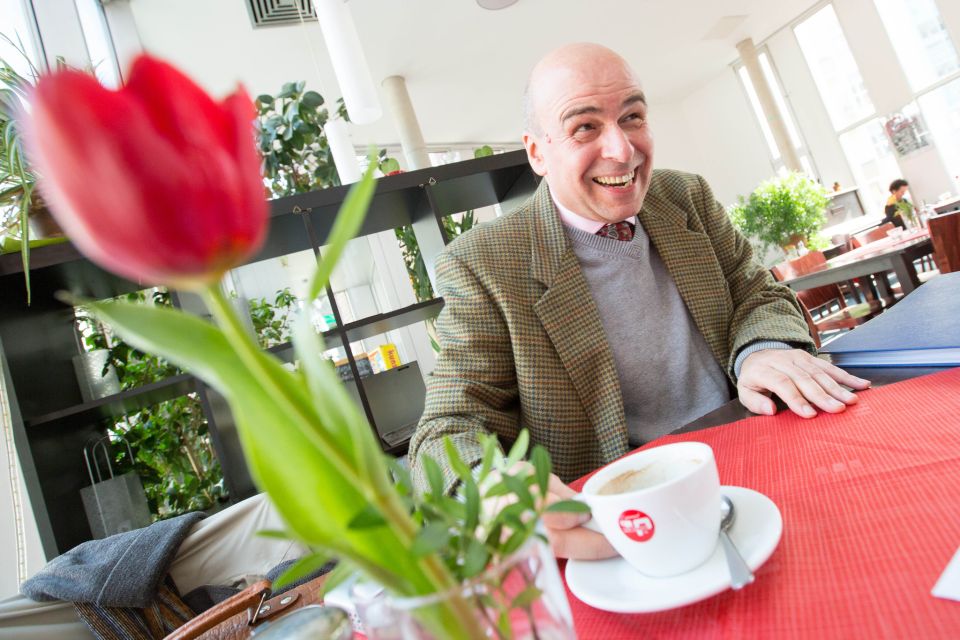
What I like about this tour is the guide’s motivation. Reinhold Steinle is a Berliner at heart who has been guiding groups through Neukölln since 2008. His personal mission is blunt and useful: he wants to correct the negative image people carry into the neighborhood. That matters, because a tour like this lives or dies on tone. When the guide is trying to prove something, you either get a lecture or you get a conversation with energy. Here, you get energy—with a lot of specific places.
You’re also in a private format (up to 6), so the walk doesn’t feel like you’re just herded past highlights. The pace is built for explanation and questions, which is ideal for a district where the details are easy to miss if you just wander.
You can also read our reviews of more walking tours in Berlin



Richardplatz to Bethlehemskirche: how a church area anchors the whole district
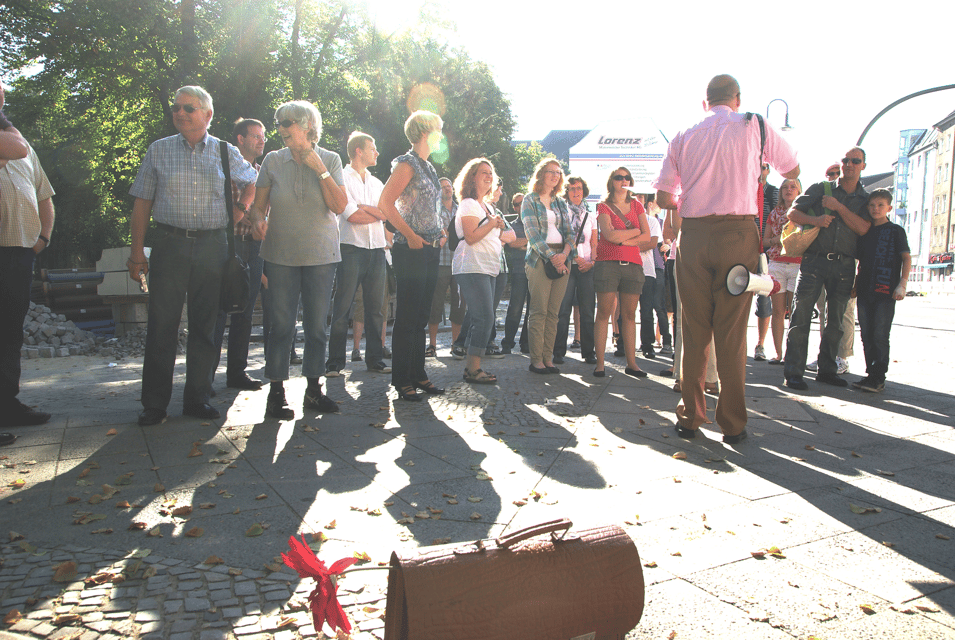
Richardplatz is where the tour flips your expectations. Even though you’re in central Berlin, this square can feel like a neighborhood’s living room. The walking tour uses that feeling on purpose: you’re meant to notice how everyday space and historical space overlap.
From there, the walk heads toward Bethlehemskirche (Bethlehem Church). This is more than a pretty landmark stop. The point is memory—how religious and community spaces shape the way a neighborhood tells its own story. You’ll get context that ties the church area to the broader evolution of the district, including how people organized themselves and how that changed as Neukölln’s identity shifted.
A practical note: churches and community buildings tend to affect the soundscape—there’s often a calmer vibe around them, which makes the guide’s stories easier to follow. If you like tours where the guide points out what’s right in front of you, this is a strong fit.
Böhmischer Platz, Böhmische Gottescaker, Jan Hus, and Popraci: the Czech layer of Neukölln
After you get your bearings, the tour leans into one of Neukölln’s most distinctive themes: Czech/Bohemian presence. You’ll pass through places connected to names like Böhmischer Platz and Böhmische Gottescaker, along with references tied to Jan Hus and Popraci.
Even without being a deep Czech-history expert, you can follow the logic of what the guide is doing. These stops act like signposts. The names themselves carry clues, and the guide connects them to why a “Bohemian” identity existed here—and what it meant for real people, not just for labels on street signs.
This is also where the tour’s balance shows. It’s not only about old-world heritage. It’s about how communities negotiated their place in Berlin—how they were seen, how they adapted, and how their cultural footprint shows up in the district’s structure.
A small consideration: because these stops are name-driven, it helps if you pay attention while walking. If you tune out for a few minutes, you might miss the thread that ties the Czech-connected locations together.
Tracing Rixdorf’s fires: why disaster changed the neighborhood’s story
One of the tour’s standout themes is the past fires in Rixdorf. This isn’t just drama for drama’s sake. The guide uses these events as a way to explain how the district changed—how destruction and rebuilding can reshape streets, community spaces, and everyday life.
When you walk in Berlin, it’s easy to think history is only monuments and museums. A fire story works differently. You’re on the street; the guide points to what the district looks like now, and you connect that to why certain areas developed the way they did.
If you like tours that explain how places evolve because of real events (not only kings and dates), this section is a strong reason to book.
Renaming in Neukölln: how names reflect power and belonging
Neukölln’s identity isn’t fixed. Part of what the tour does well is show you the mechanics of change through something simple: renaming. You’ll hear about renaming in Neukölln, and you’ll also encounter the idea of how communities were labeled, re-labeled, and sometimes pushed into new narratives.
This is also where you’ll hear about themes like Evacuation of the Bohemians and the broader question of how partnerships formed. The tour isn’t stuck in the past; it’s using past shifts to help you understand why neighborhoods can feel unstable in reputation—because identity can be rewritten over time.
For you, the benefit is clarity. After this walk, you’ll likely understand why certain cultural markers exist where they do, and why some parts of the district can feel both “ordinary Berlin” and “special, if you know how to look.”
You can also read our reviews of more private tours in Berlin


“Bohemian villages” in the city: Richardstraße, schoolhouse, and garden space
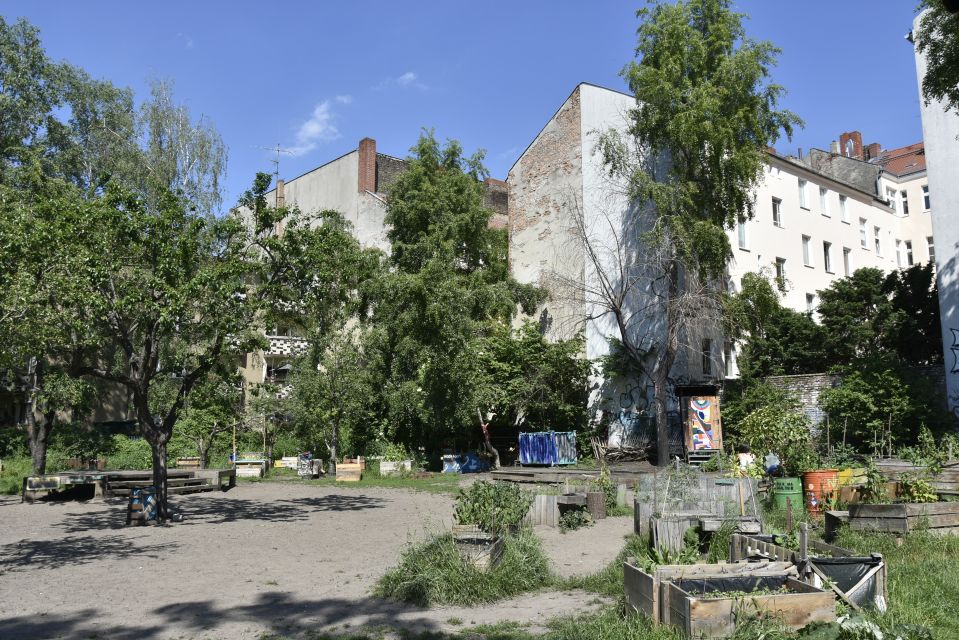
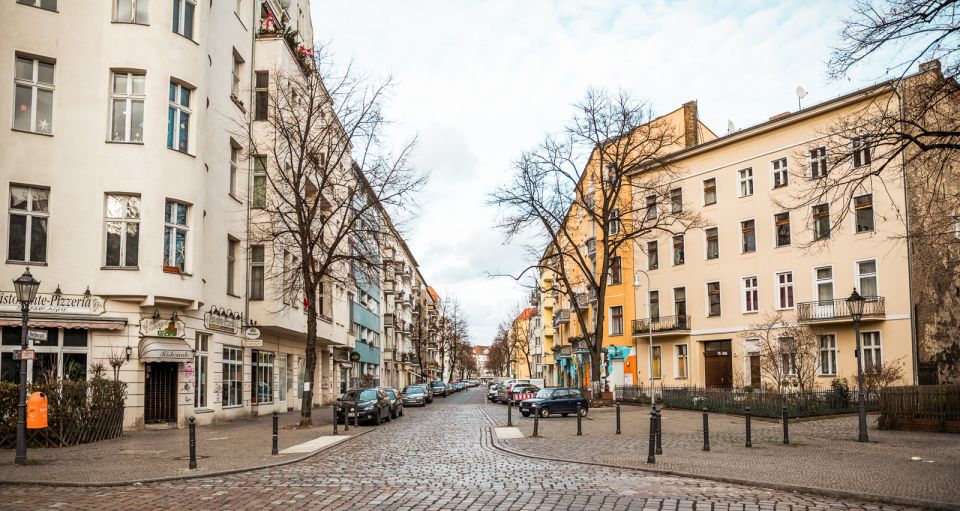
As the tour continues, it turns into a walk through what feels like a different scale of Berlin. You’ll move along Richardstraße and you’ll hear about an Old Bohemian school house, plus Comenius Garten (Comenius Garden) and the idea of Bohemian villages.
This is where the tour’s title makes sense: Old Neukölln isn’t just a time period. It’s a feeling. You’re seeing how cultural enclaves and community spaces—school, garden, neighborhood corners—can create a village vibe even when you’re surrounded by a city.
Comenius Garden, in particular, functions well as a “pause” stop. Gardens and quiet outdoor spaces let you hear the last part of the guide’s story without competing street noise. It’s also a good place to let the tour’s big theme settle: community life doesn’t vanish just because Berlin modernizes around it.
KGB44 and the “odd stops” that make the walk memorable
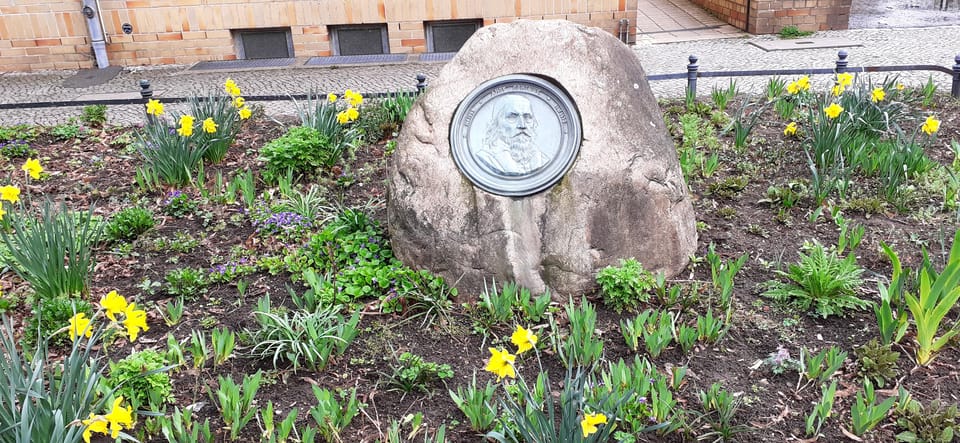
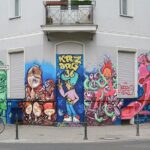
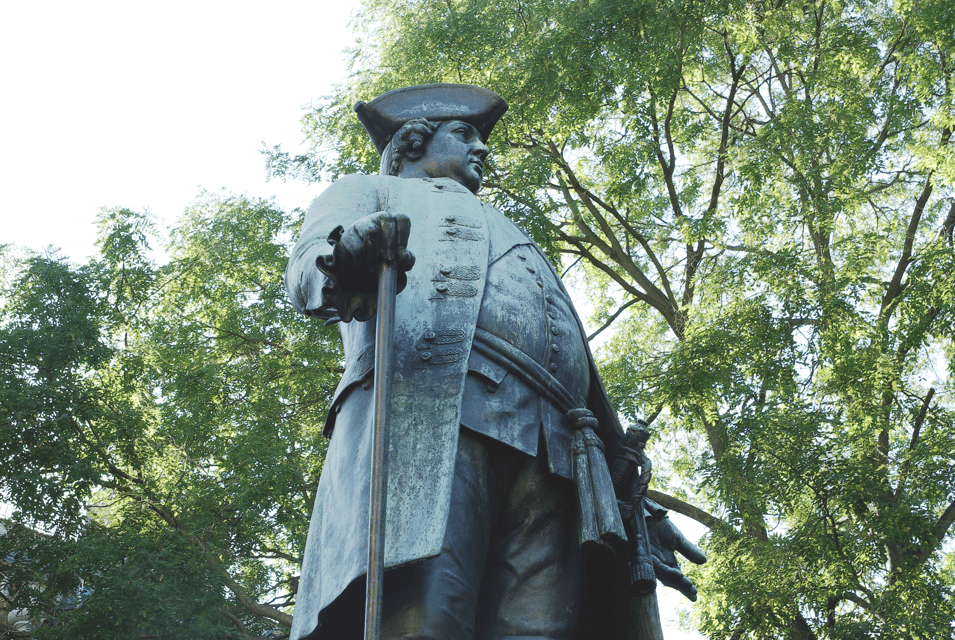
You’ll also see stops such as KGB44 and Friedrich Wilhelm I Memorial. The tour doesn’t treat these as random photo ops. Instead, it uses them as part of the district-wide story of shifting eras.
Here’s the practical takeaway for you: Berlin tours can sometimes jump from one topic to another. This one tries to keep the district coherent by tying the sights together under one umbrella—how a neighborhood changes over decades, and how those changes leave physical traces.
If you’re the kind of person who likes architecture and place-based clues, these “odd” stops can become the glue that keeps the story from becoming only cultural history.
What you get in 90 minutes (and why the private size matters)
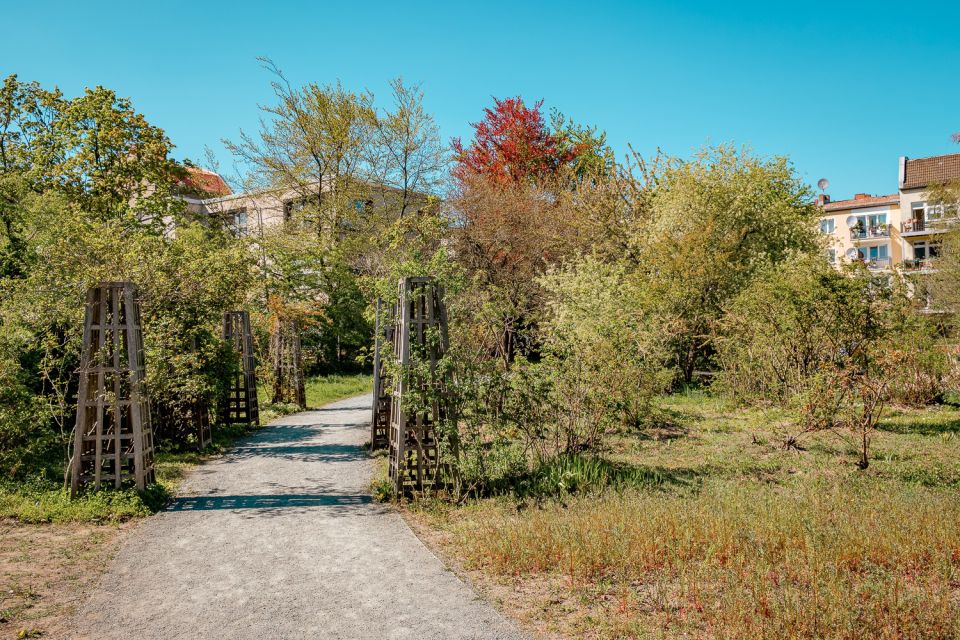
The tour lasts 90 minutes, which is a smart length for a neighborhood intro. It’s long enough to get multiple themes (church, Czech/Bohemian references, Rixdorf events, renaming, and modern-day context). It’s short enough that you won’t burn half your day trying to figure out what you’re looking at.
It’s also private, with a group size of up to 6. That’s a big deal in a district like Neukölln, where details matter. With a small group, questions and clarifications feel normal, and the guide can adjust pacing if people want to slow down for a specific corner.
Also, you’re walking throughout. This tour is not suitable for people with mobility impairments, so plan accordingly.
Price and value: when €-style logic meets real budgeting
The price is $70 per group (up to 6) for 90 minutes. That can be either a steal or a splurge depending on who you’re going with.
- If you go with 5–6 people, you’re effectively paying a low per-person rate for a guided neighborhood experience with a single, story-focused guide.
- If you go as a pair, you’ll pay more per person, but you still get the advantage of a private, tailored walk rather than sharing attention with a big crowd.
For me, the real value isn’t just the math. It’s that this tour is driven by a clear theme—correcting misconceptions about Neukölln—and delivered through specific local stops. That’s the kind of experience that turns “I walked around” into “I understand what I saw.”
Language and pacing: plan for a story-driven, German-guided walk
The guide leads in German. The walking tempo is built around explanation, so if you don’t speak much German, you might still enjoy it for the place-based clues—but you’ll get less from the spoken stories and side details.
If your German is limited, consider this your best strategy:
- Don’t expect every word.
- Instead, focus on what the guide points to—names on buildings, church-adjacent landmarks, the way squares and streets connect.
- Ask one or two questions if you can manage basic phrases; a good guide will often reframe for you.
The good news: the tour’s structure is made of visible anchors—Richardplatz, Bethlehemskirche area, Böhmischer named stops, and the garden/schoolhouse type locations. Even if you miss a sentence or two, the story still has legs.
Who should book this Old Neukölln private walk
This tour is best for you if:
- You want a neighborhood intro that explains how culture and history shaped the streets.
- You like tours that connect stories to specific places, not only general background.
- You’re curious about the Czech/Bohemian presence and how it shows up in Neukölln.
- You prefer a small-group or private format where the guide can slow down and answer questions.
It’s less ideal if:
- You’re looking for a fast hit of must-see Berlin landmarks outside this district.
- You need a tour in English.
- Mobility limitations make walking routes difficult.
Should you book this tour?
I’d book it if your goal is to understand Old Neukölln from the inside out. The best part is how the walk refuses to treat the district like a single-note stereotype. Reinhold Steinle’s whole approach—his long experience guiding Neukölln and his mission to change the negative image—makes the stories feel purposeful, not random.
If you’re traveling with a small group and you want a guided “how to read the neighborhood” experience in about 90 minutes, this is a strong value. Just be honest about the language: German is key. Once that’s sorted, you’ll come away with the sense that Rixdorf and Neukölln are more than labels like Bohemian village—they’re places made by real people, events, and change over time.
FAQ
Where does the Berlin: Old Neukölln Private Walking Tour start?
The meeting point is Richardplatz 22, 12055 Berlin Neukölln, next to the small church.
How long is the tour?
The tour lasts 90 minutes.
What is the group size and price?
It’s private with a group up to 6 people, priced at $70 per group.
Is food or drinks included?
No. The tour includes the guided tour only. Food and refreshments are not included.
What language is the guide speaking?
The live guide speaks German.
Is the tour wheelchair or mobility-friendly?
It is not suitable for people with mobility impairments.
What kinds of sights will we see during the walk?
You’ll visit and hear stories tied to places such as Richardplatz, Bethlehemskirche, Böhmischer Platz, Böhmische Gottescaker, Jan Hus, Popraci, areas connected to Rixdorf fires, and other stops including KGB44, Richardstraße, Comenius Garten, and a Bohemian school house.