REVIEW · BERLIN
Berlin: Private tour through the district of Kreuzberg
Book on GetYourGuide →Operated by Sightseeing Point GmbH · Bookable on GetYourGuide
Kreuzberg hits different when it’s on foot. This private walking tour turns the trendy streets into something you can actually understand, with stories about daily life, the neighborhood’s multicultural edge, and how Berlin moved on after the Wall. I especially love the way you get a clear sense of what Kreuzberg feels like today and the very specific Wall-era detail about the former death strip and a tree house built on it. One consideration: it covers a good stretch of walking, so bring comfortable shoes and plan for street-level stops rather than museum-style sitting.
You start at Kottbusser Tor and end near U Görlitzer Bahnhof, which makes it easy to keep moving through Berlin afterward. The best part for me is that it’s a private group with a live guide in German or English, so you can ask questions and get context as you go. The downside is that you’ll miss the option to sit down for long breaks, and there’s no food or drinks included.
In This Review
- Key moments you’ll remember from Kreuzberg
- Why Kreuzberg feels different when you’re walking it
- Getting oriented at Kottbusser Tor (and staying easy to find)
- Kreuzberg on foot: the heart of the neighborhood in two hours
- Oranienburger Straße: why the bars matter to the story
- The Wall’s former death strip and the tree house you’ll want to spot
- Everyday life in Berlin: how to notice what tourists miss
- The guide factor: what makes this tour rate 4.9
- Where it ends: finishing near U Görlitzer Bahnhof
- Price and value: is $22 a smart deal for Kreuzberg?
- Who this private Kreuzberg walk suits best
- Quick tips before you go
- Should you book the Kreuzberg private walking tour?
- FAQ
- Where do I meet my guide for the Kreuzberg private tour?
- How long is the private walking tour through Kreuzberg?
- Where does the tour finish?
- What languages are the guides available in?
- Is hotel pickup or drop-off included?
- Are food and drinks included?
- What should I bring?
- Is the tour wheelchair accessible, and what about cancellation?
Key moments you’ll remember from Kreuzberg
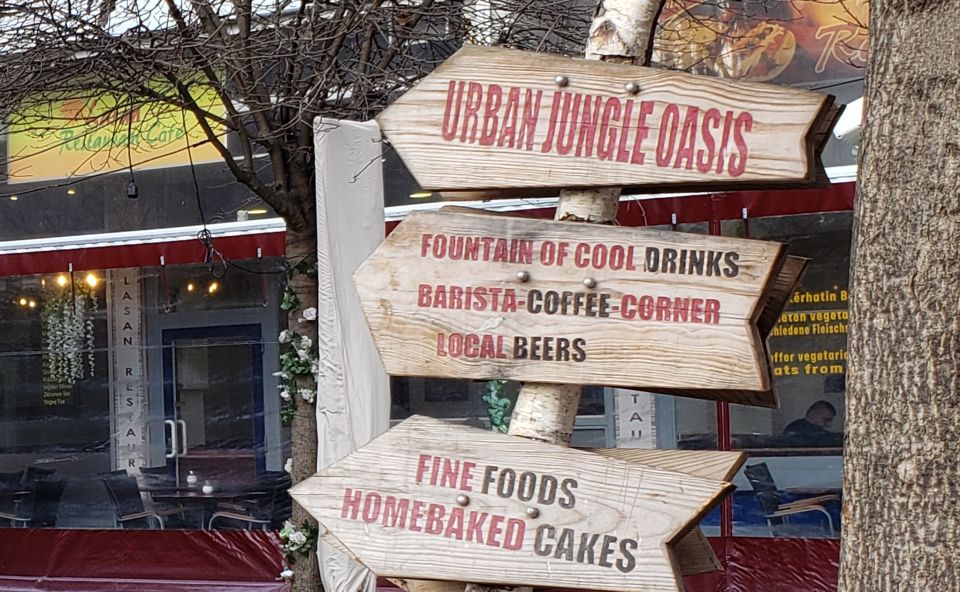
- Kottbusser Tor start point: meet right by REWE, so you can find your guide fast.
- Oranienburger Straße bar street energy: you’ll see why this area is famous for its nightlife.
- Wall history with a real-world payoff: the former death strip is tied to a tree house you can look at.
- Everyday Berlin, not postcard Berlin: you’ll get a feel for how people live away from the busiest tourist clusters.
- Your guide’s real-time perspective: questions and local explanations keep the walk moving.
Why Kreuzberg feels different when you’re walking it
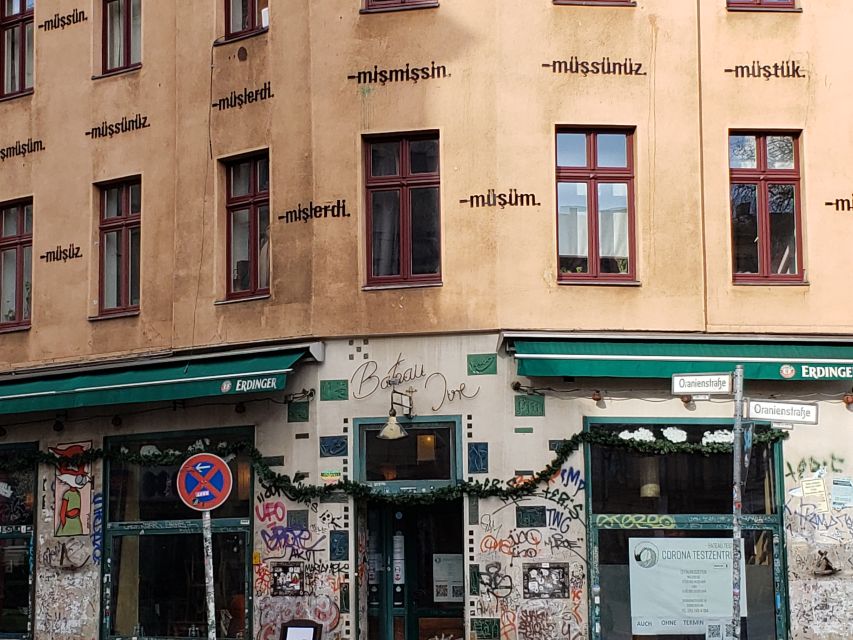
Kreuzberg has a reputation that comes with baggage. In the past, the neighborhood was seen by many as rougher and even associated with riots, and that context still helps explain the edge people associate with it. The tour doesn’t pretend those layers aren’t there. Instead, it uses them to make the present make sense.
What you get is a ground-level picture of Berlin’s mix of cultures and alternative lifestyles. You’re not just looking at signs and storefronts. You’re learning how the neighborhood’s identity formed, and why young Berliners are drawn here now. That matters because Kreuzberg can look like a party and still be a real place where people work, commute, shop, and hang out.
The tour price is also refreshingly straightforward for what you’re paying for: a private guide for two hours. At $22 per person, the value isn’t fancy marketing. It’s time with a guide who can point out meaning in plain sight—streets, locations, and those small details most people walk past.
You can also read our reviews of more private tours in Berlin

Getting oriented at Kottbusser Tor (and staying easy to find)
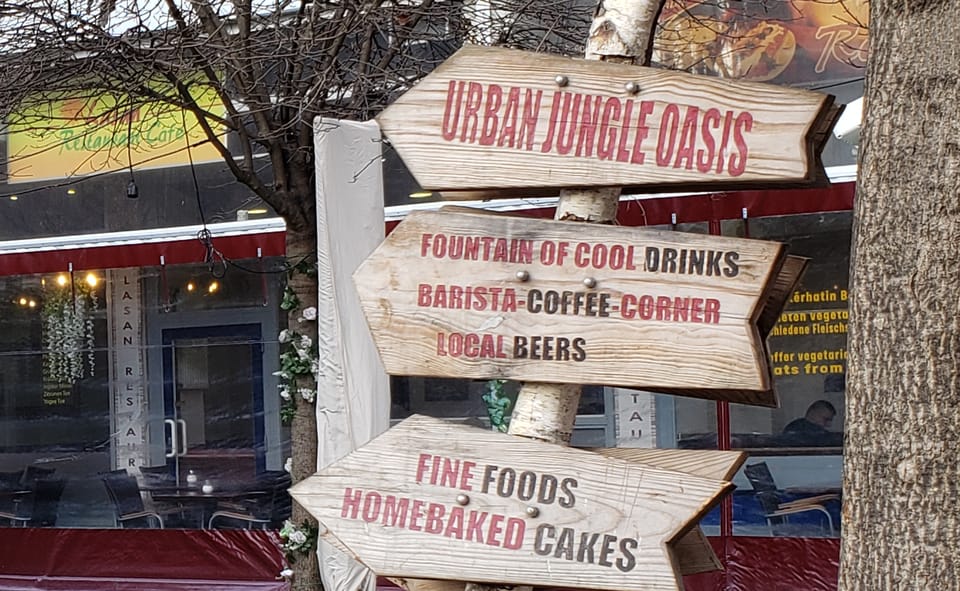
The walk starts at Kottbusser Tor, in front of the REWE supermarket. Your guide will have a sign with your name on it. That’s a small detail, but it’s the kind of practical thing that makes a tour feel smooth, especially in a big city where landmarks can blur together.
Kottbusser Tor is also a useful place to begin because it’s a working transit area. You’re not meeting at some remote viewpoint or behind a museum. You’re stepping into the flow of Berlin life right away: people moving through, shops nearby, and the general sense that Kreuzberg is more neighborhood than theme park.
Because this is a private walking tour, you’re not stuck watching other groups shuffle along. If you want to ask a quick question—how something got its reputation, why a street is known for nightlife, what to notice next—you can. That personal pace can turn a “two-hour walk” into something that actually sticks.
Kreuzberg on foot: the heart of the neighborhood in two hours
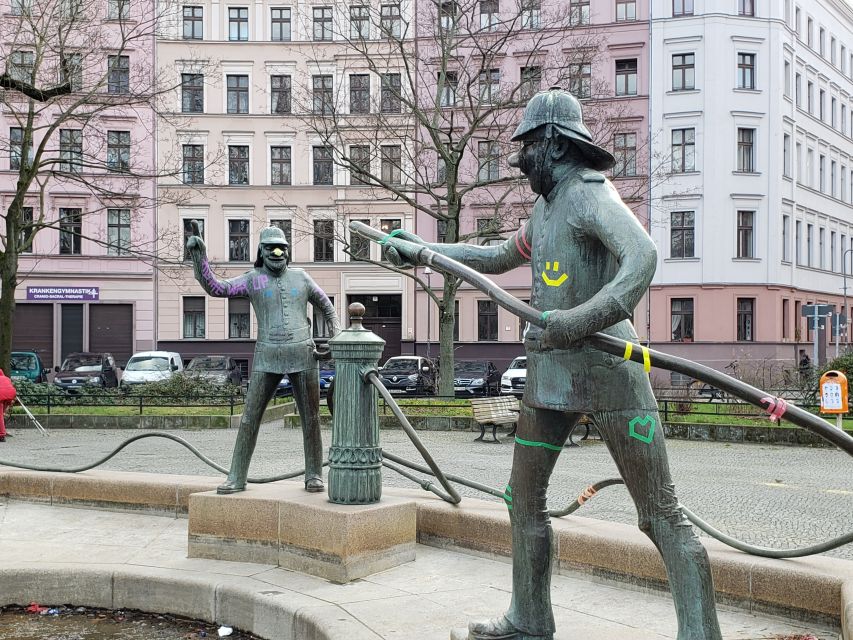
Once the tour is underway, you’ll be guided through the district in a way that balances big-picture themes with street-level moments. The neighborhood is known for a multicultural vibe and alternative lifestyles, and you’ll feel that through what’s around you: shops, bars, and the general mix of people using the streets day to day.
One reason a private format works so well here is that Kreuzberg can be confusing if you only rely on famous stops. There are well-known streets, yes, but the tour’s goal is to connect the famous parts to the everyday ones—so you finish with a mental map of where the energy comes from.
Also, two hours is a real sweet spot. Long enough to get context and see multiple sides of the neighborhood, short enough that you’re not stuck for half a day. You’ll still be able to continue your Berlin day after the tour without feeling like you got dragged around.
Oranienburger Straße: why the bars matter to the story
You’ll walk along Oranienburger Straße, one of the area’s most famous bar streets. The tour doesn’t treat it like a checklist item. Instead, it uses the nightlife reputation as a jumping-off point for understanding why Kreuzberg’s modern image is so strong.
At street level, “famous for bars” becomes more specific than it sounds. You notice how social life spills into the sidewalk. You see how the street functions as a magnet for people at different hours. And you start to understand that the neighborhood’s appeal isn’t only about nightlife—it’s about atmosphere and community.
If you’re the type of traveler who likes to understand the city behind the fun, this section is particularly useful. It helps you read the neighborhood correctly, instead of assuming it’s just one vibe.
The Wall’s former death strip and the tree house you’ll want to spot
One of the tour’s most distinctive moments is the story of the former “death strip.” This is tied to the era when the Berlin Wall cut through the district, and the tour connects that heavy past to something you can actually look at today.
The guide shows you a tree house built on the former death strip. That detail is powerful because it’s not abstract history. You’re standing in the neighborhood where the Wall’s division once shaped movement and fear, and now the space has been repurposed in a way that feels almost symbolic—life growing back into the area.
This is the kind of stop that makes a short tour feel meaningful. It gives you context for why Berlin neighborhoods can hold both everyday normalcy and layered history in the same few blocks. You’ll come away with a stronger sense of how the city changed, not just when the Wall fell, but how it was stitched back into daily life.
Practical note: because this is a walking tour, you won’t get a slow, seated history lesson. What you get is a human-scale explanation in the place where it happened.





Everyday life in Berlin: how to notice what tourists miss
A big promise of this tour is that you’ll see daily life in Berlin, away from the tourist hotspots. In practice, that means your route emphasizes what people actually do and see: shopping streets, street scenes, the rhythm of an active neighborhood, and places that feel more lived-in than staged.
This is also where the personal guide really pays off. A good guide doesn’t just point out sights. They help you notice patterns. For example, you’ll learn why Kreuzberg is currently popular with young people, and what that popularity looks like on the street.
You’ll also hear stories that help explain the neighborhood’s reputation. The past comes up—how it was remembered by many as unsafe or riot-prone—and then you’ll see the present version of that story. That contrast is one of the most valuable parts of the experience, because it keeps you from reducing Kreuzberg to a single stereotype.
The guide factor: what makes this tour rate 4.9
The tour’s rating is high, and the pattern behind it makes sense. The most praised aspect is the guide—specifically that the guide is competent and that the tour gives you more impressions of Berlin than you expected.
That lines up with what you can use right away: a guide who can keep the walk interesting, explain context, and give you an overview that feels coherent. It’s not just a set of stops. It’s a guided experience with a clear narrative, which is exactly what makes short tours worth doing.
Also, the guide speaks German and English, so you should feel comfortable if you’re either adjusting to Berlin or traveling with a mix of comfort levels.
Where it ends: finishing near U Görlitzer Bahnhof
The walk finishes at U Görlitzer Bahnhof. It ends back at the meeting point area, so you can treat it like a neat loop: you start at a recognizable transit zone (Kottbusser Tor), explore Kreuzberg, and then land near another major connection point.
Finishing near U Görlitzer Bahnhof is convenient if you want to keep exploring afterward, grab dinner, or continue to another neighborhood without having to backtrack across town. It also helps you avoid the feeling of “Now what?” that can happen when tours end in awkward locations.
Price and value: is $22 a smart deal for Kreuzberg?
Let’s talk value in practical terms. At $22 per person for a two-hour private walking tour, you’re paying for three things: time with a live guide, local interpretation (not just directions), and a route that focuses on understanding the neighborhood instead of scanning it.
You’re not paying for hotel pickup, and you’re not paying for food. That’s normal for city walking tours, and it can actually be a good thing because you control where you eat afterward—especially in a neighborhood like Kreuzberg where choices are part of the experience.
The best way to judge whether it’s worth it for you: if you like context and street-level storytelling, you’ll get more than you would from reading a few pages or using a map. If you only want a casual stroll, the value depends on how much you’ll ask and how much you’ll engage with the guide.
For most people who want a real orientation in Berlin’s districts, two hours is enough to make the money feel justified, especially with a competent, personable guide guiding the pace.
Who this private Kreuzberg walk suits best
This tour is a strong fit if you:
- want an overview of Kreuzberg with neighborhood-specific context
- like learning about history through places you can still see, like the death strip and tree house area
- prefer a private format where you can ask questions and set your own pace within reason
- are interested in multicultural Berlin and the alternative side of town
It’s also a good option for travelers who feel tired after “big sight” days. Kreuzberg isn’t just monuments. It’s people, streets, and the way the city feels when it’s doing ordinary life.
If you’re traveling with mobility needs, it’s good to know the tour is wheelchair accessible. That said, it’s still a walking tour, so ask or plan based on your own comfort level with street surfaces and walking time.
Quick tips before you go
Bring comfortable shoes and dress for weather. Kreuzberg street scenes can change fast with temperature and rain, and you’ll want to stay comfortable for the full two hours.
If you’re the type who likes to get the most out of a guide, have one or two questions ready before you meet them. For example: what to notice on the bar streets, or how the Wall history connects to what you see today. A private tour works best when you treat it like a conversation.
Also, since the starting time depends on availability, check the schedule so you can choose a time that matches your energy level. Two hours can feel short, but it still covers real city walking.
Should you book the Kreuzberg private walking tour?
I’d book it if you want a smarter, more personal way to understand Kreuzberg—especially if you care about how Berlin’s past shapes what you see now. The combination of Oranienburger Straße nightlife energy and the Wall-era story tied to the former death strip and tree house gives you both atmosphere and meaning. And the consistently strong feedback about the guide is exactly what you want for a short walking tour: somebody who can keep it informative without turning it into a lecture.
I’d skip it or rethink it if you’re only interested in major landmarks or you want lots of long breaks. This is a walking tour. It rewards curiosity, good shoes, and an openness to learning while you move.
If that sounds like your travel style, this is a solid value way to get your bearings in one of Berlin’s most distinctive neighborhoods—without relying on tourist shortcuts.
FAQ
Where do I meet my guide for the Kreuzberg private tour?
Meet your guide at Kottbusser Tor, in front of the REWE supermarket. Your guide will have a sign with your name on it.
How long is the private walking tour through Kreuzberg?
The tour lasts 2 hours.
Where does the tour finish?
The tour ends at U Görlitzer Bahnhof.
What languages are the guides available in?
The live tour guide is available in German and English.
Is hotel pickup or drop-off included?
No. Hotel pickup and drop-off are not included.
Are food and drinks included?
No. Food and drinks are not included.
What should I bring?
Wear comfortable shoes and dress for the weather.
Is the tour wheelchair accessible, and what about cancellation?
The tour is wheelchair accessible. Cancellation is free up to 24 hours in advance for a full refund, and you can reserve now and pay later.