REVIEW · BERLIN
Berlin: Sachsenhausen Concentration Camp and Potsdam day tour
Book on Viator →Operated by Buendía · Bookable on Viator
Hard history, then palace calm in one day.
This Berlin trip strings together two very different places: Sachsenhausen Memorial for a deeply sobering look at Nazi and Soviet imprisonment, and Potsdam for a slower, more beautiful contrast. You’ll move with a guide through key buildings and exhibits, and you’ll get time built in to stop and think instead of just marching along.
Two things I really like: the guiding at Sachsenhausen is structured around what you’re seeing, so the site makes sense instead of feeling like a checklist, and the overall setup is practical for a day out of Berlin. Your admission and private transfers are handled, so you can focus on the experience rather than tickets and timing.
One consideration: it’s a long day with a lot of walking and some stairs, and the bus part can feel tight if you get combined with another language group. If you’re sensitive to pace or mobility limits, read the logistics section before you book.
In This Review
- Key takeaways before you go
- Alexanderplatz start: how the day sets the tone
- Sachsenhausen Memorial: what you’ll see in guided time
- Nazi and Soviet layers: learning without turning it into trivia
- Potsdam after Sachsenhausen: a needed contrast, not just a side trip
- Bus, timing, and walking: the part you should plan for
- Walking and stairs
- Bus layout and bilingual narration
- Weather and what to pack
- Price and value: is $83.48 a fair deal?
- Who this tour fits best (and who should skip it)
- Should you book this Berlin Sachsenhausen and Potsdam day tour?
- FAQ
- Where do I meet for the tour?
- What time does the tour start, and how long is it?
- Is the tour offered in English?
- How much time do we spend at Sachsenhausen and Potsdam?
- Is food included?
- What should I bring, and what happens if the weather is bad?
Key takeaways before you go
- 3 hours at Sachsenhausen with a guided route through major parts of the memorial
- Plenty of time to reflect, not just quick stops and photos
- Two very different vibes in one itinerary: imprisonment history, then Potsdam’s palaces and gardens
- All tickets and transfers included, so you’re not managing entry lines mid-day
- Bring snacks and water since there are no services during the Sachsenhausen visit
Alexanderplatz start: how the day sets the tone
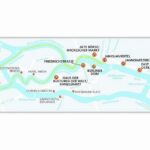
You’ll meet at the World Time Clock on Alexanderplatz (Alexanderpl. 1). The start time is 9:30 am, which matters because it helps you arrive at Sachsenhausen while the day still feels fresh.
Alexanderplatz also functions like a real Berlin anchor point. It’s not just a random departure spot. It’s easy to get to by public transport, and it’s a good place to start your mindset shift: from Berlin’s modern city energy to a place where history takes over the air in the most literal way.
If you’re the type who likes to understand the “why” before you walk into a site, this pacing works. You’re not dropped off cold. You get a Berlin bus intro as part of the tour setup, and that gives context for how the city and its political history connect.
You can also read our reviews of more tours and experiences in Berlin.


Sachsenhausen Memorial: what you’ll see in guided time
Sachsenhausen is the heart of the day, and you spend about 3 hours there with a guided visit. The route is built around how daily life worked inside the camp system—through buildings that still stand, monuments, and key points that explain how the place functioned.
Here are the kinds of areas your guide will take you through:
- Death Marches Exhibition
- Tower A, focused on security measures and punishments
- The Small Camp, including barracks 38 and 39
- The camp prison
- Kitchen and laundry facilities
- The Soviet Monument from 1961
- Station Z
- Infirmary and morgue
That list is heavy, but it’s also why the guided format matters. When you’re standing in places like the kitchen/laundry facilities or the prison, your brain starts asking practical questions—How did they run it? What did routine look like? What changed, and when? A good guide helps connect those questions to what the site is trying to teach.
I also like that the memorial is framed as a layered history site. Sachsenhausen doesn’t only point backward to Nazi rule. It also reflects how the site was remembered and reinterpreted during later Soviet and post-war eras—visible in the monuments and the way different parts of the memorial were shaped over time. You end up with a clearer picture of how ideology changes what a society chooses to highlight.
Nazi and Soviet layers: learning without turning it into trivia
A lot of “history tours” turn into speeches. This one is different because the experience is organized around what’s physically there and why it’s still standing.
That’s important because Sachsenhausen includes both the Nazi concentration camp story and later Soviet association. Your guide’s job is to explain those transitions carefully, and you’re encouraged to take time to reflect—not just absorb facts at speed.
In particular, the memorial route touches the idea of camps as systems with daily operations, not just a single dramatic moment. That helps you understand what imprisonment meant day after day, including how security, punishments, work, and detention were woven together.
If you want an example of what that looks like in real human terms: one guide named Peter is repeatedly praised for sensitive storytelling that matches the gravity of the setting. Another guide, Whalid (sometimes spelled Walid), is also noted for being knowledgeable and respectful, with a pace that lets the group stay together without feeling bullied by the schedule. Different days mean different guides, but the standard you should expect is the same: clear, careful explanations with time to process.
Potsdam after Sachsenhausen: a needed contrast, not just a side trip
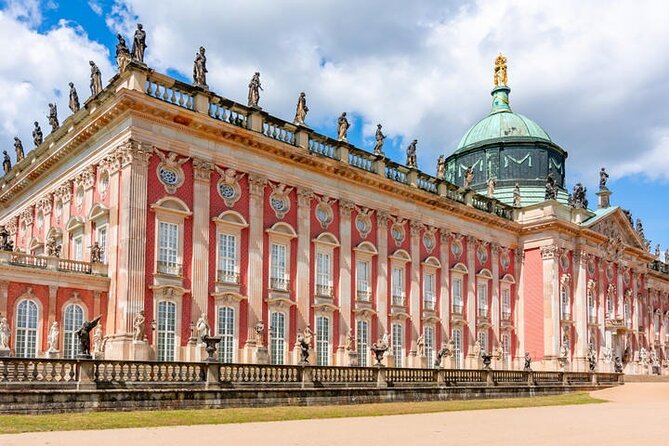
After the memorial, you’ll head to Potsdam for about 2 hours. This part of the day is lighter in tone, but it still feels tied to the overall story of Europe’s political shifts—just from the other end of the emotional spectrum.
Potsdam eventually became a royal residence, so you’ll see the splendor that royal courts once enjoyed: palaces and gardens, plus the feeling of a city planned around status and space.
You’ll explore with your guide, and then you’ll have free time to wander at your own pace. Many people use that window to walk into the town area rather than trying to do “everything.” If you love wandering without a schedule, this stop works well.
Practical note: the tour does not promise a full palace interior experience. The time and pace are designed for seeing highlights and getting context rather than doing a long, ticket-based palace deep dive. If palace interiors are a must for you, you may want to confirm what’s included for your exact date—or plan a separate Potsdam visit later.
Also, remember: food and drinks aren’t included. So while Potsdam is a nice place to buy something, don’t assume you’ll have a long lunch sitting. Bring a snack mentality, even if Potsdam gives you options.
Bus, timing, and walking: the part you should plan for
This is a day tour that runs about 7 hours (give or take with traffic and group flow). That alone isn’t bad, but the shape of the day is what matters: you start early, you do a long emotional site, then you shift to a second location with walking and sightseeing.


Walking and stairs
Sachsenhausen involves a lot of walking. Some areas also involve stairs, and at least one review noted there were stairs with no railings in certain spots. If you use mobility aids or your legs get tired quickly, you’ll want to think hard about whether this is your kind of day.
Bus layout and bilingual narration
You’ll travel by bus from Berlin. Your experience on the bus can include two guides, typically an English-speaking guide and a Spanish-speaking guide, working through narration in their languages. At the sights, the visits are done in a single language at a time, which helps keep the site experience clear.
Still, if you’re sensitive to audio quality or if the bus is combined with another group, it can get tight. If you can, aim for a seat where you can hear the microphone best. And if you’re traveling with someone, note that you might not always sit side-by-side in a packed bus.
Weather and what to pack
The tour requires good weather. Bring an umbrella since rain or sun can both happen in Berlin. Also pack a bottle of water and a few small snacks. The important part: there are no services available during the Sachsenhausen visit, so waiting until you’re done isn’t the best plan.
Price and value: is $83.48 a fair deal?
At $83.48 per person, you’re paying for more than a bus ride. You’re buying:
- a professional guide
- admission to Sachsenhausen
- a guided camp visit plus Potsdam guiding
- a private bus transfer
- and a Berlin bus component as part of the day
That bundled pricing is where the value shows. A day that includes major admission tickets and guided time is usually more expensive when you try to assemble it yourself, especially with the schedule discipline needed to visit two locations in one day.
You should also factor in what you’re getting emotionally and educationally. Sachsenhausen isn’t a “quick look” site. A good guide is not optional if you want to understand how the camp functioned and how different historical layers are represented. With the praise this tour gets for guides like Peter and Whalid, you’re paying for a guided experience that people consistently describe as respectful and well-paced.
What’s not included is also part of the value equation. Food and drinks are on you. So the smartest budgeting move is to plan one simple meal (often in Potsdam) and cover snacks earlier in the day.
Who this tour fits best (and who should skip it)
This day trip is a strong choice if you:
- want one organized, guided visit to Sachsenhausen with time to process
- like contrast days: heavy history first, then a calmer, beautiful stop in Potsdam
- prefer guided storytelling that explains what you’re seeing (not just dates on a timeline)
You might think twice if you:
- have limited mobility or trouble with stairs and long walking days
- hate group pace and would rather control every minute yourself
- need a long, unhurried palace visit in Potsdam (this itinerary is time-tight by design)
If you’re traveling with teens or are looking for a meaningful education day, this can work well. The experience is designed to be sensitive, and multiple guide-focused comments emphasize clarity and respect.
Should you book this Berlin Sachsenhausen and Potsdam day tour?
I’d book it if you want a guided, respectful day that handles Sachsenhausen seriously and still gives you a restorative contrast afterward. The big selling point for me is the balance: Sachsenhausen isn’t rushed into sound bites, and Potsdam doesn’t feel like a token add-on. The structure works.
But I’d be cautious if stairs or long walking are a concern, or if you want lots of palace interior time in Potsdam. In that case, you might be happier with a more flexible Potsdam-focused visit paired with a separate Sachsenhausen plan.
If you book, do three things to make it smoother:
- wear shoes you can walk in for hours
- bring water and a snack for the Sachsenhausen portion
- go in expecting a long day, not a quick hit
FAQ
Where do I meet for the tour?
You meet at the World Time Clock on Alexanderplatz (Alexanderpl. 1, 10178 Berlin). The tour ends back at the same meeting point.
What time does the tour start, and how long is it?
It starts at 9:30 am and runs about 7 hours (approx.).
Is the tour offered in English?
Yes. The tour is offered in English, and the Sachsenhausen and Potsdam visits are conducted in a single language at a time.
How much time do we spend at Sachsenhausen and Potsdam?
You’ll spend about 3 hours at Sachsenhausen Memorial & Museum and about 2 hours in Potsdam.
Is food included?
No. Food and drinks are not included, and there are no services available during the Sachsenhausen visit.
What should I bring, and what happens if the weather is bad?
Bring an umbrella (for rain or sun), a bottle of water, and some food. The tour requires good weather, and if it’s canceled due to poor weather, you’ll be offered a different date or a full refund.