REVIEW · BERLIN
DDR Museum Berlin Admission Ticket
Book on Viator →Operated by DDR Museum Berlin GmbH · Bookable on Viator
East Berlin comes at you fast. The DDR Museum Berlin turns postwar GDR life (1949–1989) into hands-on rooms and moving exhibits you can see in about 1 to 2 hours, in English.
I especially like the interactive layout—mock homes, clickable displays, and even a virtual-feeling look at everyday housing. I also like that you’re not stuck with one theme: you bounce from propaganda on TV to the Trabant and the political machinery behind the scenes. One drawback to plan for: the museum is small, so it can get very crowded and a bit stressful if you hate shoulder-to-shoulder sightseeing.
In This Review
- Key Things to Know Before You Go
- Berlin Cathedral to the GDR Years: What This Admission Ticket Actually Delivers
- Timing and Hours: How to Plan for a Comfortable Visit
- Entering the DDR: How the Museum Sets the Scene (and Why It Works)
- Replica Living Spaces and Propaganda TV: The Details to Look For
- Trabant Car Exhibition and GDR Housing: Why Everyone Remembers This Part
- Stasi Interrogation and GDR Politics: Getting the Tone Right
- Exit Through a Berlin Wall Hole: The Meaningful Closing Beat
- Price and Value: Is $16.26 Worth It?
- Crowds and Heat: The Two Real-World Things to Plan Around
- Practical Tips That Make the Experience Smoother
- Who Should Book the DDR Museum Ticket
- Should You Book This DDR Museum Admission Ticket?
- FAQ
- How long does the DDR Museum visit take?
- Where is the DDR Museum Berlin located?
- What’s included with the ticket?
- Is the museum ticket offered in English?
- Do I need to arrange hotel pickup or drop-off?
- Can I use a mobile ticket?
- What kinds of exhibits should I expect?
- Is it suitable for children?
- What are the opening hours?
- Is free cancellation available?
- What should I know about food and drinks?
Key Things to Know Before You Go
- Central location by Berlin Cathedral: easy to pair with nearby sights on foot.
- Choose your own time slot: you control the pace, and the museum stays open until 9:00 PM.
- Hands-on East Germany rooms: replica living spaces, kitchen details, and interactive labels/displays.
- Trabant exhibition: one of the most memorable ways to anchor GDR daily life.
- Stasi and election-style exhibits: history lessons with a role-play vibe.
- Small museum, big crowd potential: earlier or later times often feel smoother.
Berlin Cathedral to the GDR Years: What This Admission Ticket Actually Delivers
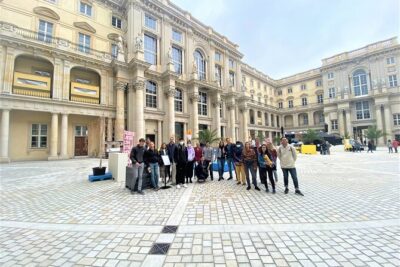
This is a straightforward ticket: you pick a date and time, you show up on your own, and you walk into a curated route through life in East Germany. The museum sits at Karl-Liebknecht-Str.1, right opposite Berlin Cathedral. That matters because it’s not tucked away. It’s easy to drop into your Berlin day without turning your schedule into a juggling act.
What I like most is how the DDR Museum doesn’t just explain the GDR. It tries to simulate it. You’ll move through reconstructed rooms and staged scenes that make you feel like you’ve stepped into ordinary daily life under a socialist regime—then you’re pulled back to reality with harsher topics like surveillance and party control.
The experience is designed for families and history buffs. Adults get plenty of context and detail. Kids get activities and hands-on moments. If you’re traveling with mixed ages, this ticket can save you from the usual “someone won’t care” problem.
You can also read our reviews of more tours and experiences in Berlin


Timing and Hours: How to Plan for a Comfortable Visit
Your ticket is for a specific time slot, and the visit typically runs about 1 to 2 hours. The museum’s hours are 9:00 AM to 9:00 PM, every day. That long window is more than just convenient—it’s your best tool to avoid crowds.
Based on the experience’s size, crowd level can make a real difference. Some people feel like the museum is “more attraction than museum,” especially when it’s packed with families. If you want the exhibits without constant movement in your way, aim for a quieter window—often that means going when fewer schools are running field trips and less of the day is peak family time.
Also note there’s no mention of air-conditioning in the provided info. One common complaint was that it can get hot inside. When Berlin is warm, the late-day heat can turn a quick trip into an endurance test. If you’re sensitive to heat, consider going earlier in the day or whenever you expect cooler temperatures.
Entering the DDR: How the Museum Sets the Scene (and Why It Works)
When you arrive, you’re not waiting around for a tour group. You go straight in with your admission, then you follow the museum’s flow. The route places you in a “Berliner” mindset from 1949 to 1989—the years of the GDR—so you can connect objects and spaces to a time period rather than isolated facts.
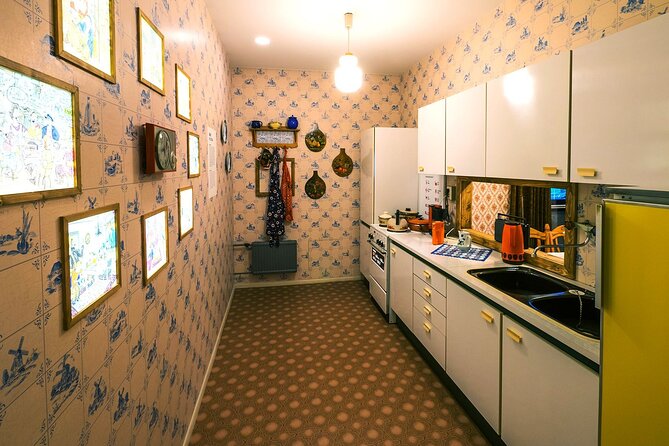
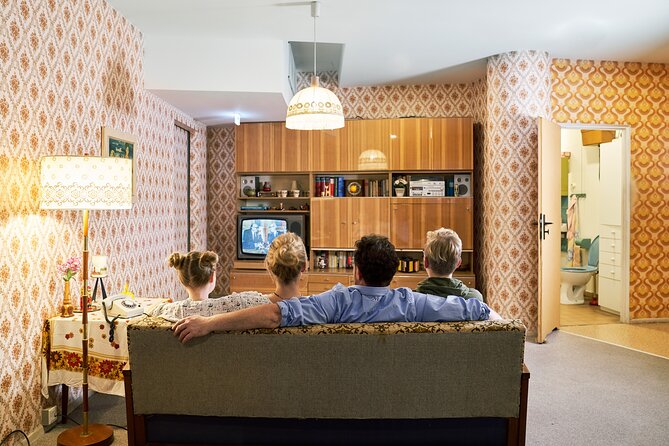
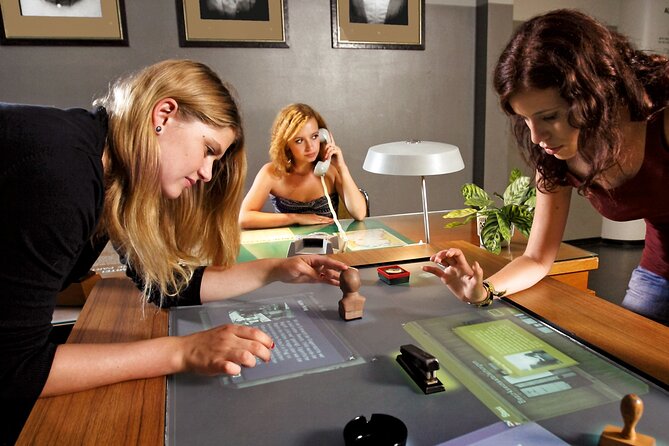
The early rooms focus on daily life. You’ll see reconstructed interiors that feel specific and lived-in, including an East German living room setup and kitchen appliances staged to look like you’ve walked into someone’s real home. A TV plays propaganda-style programming, which is one of the most direct ways to show how the state reached people at home, not just through laws and posters.
This section is valuable because it gives you something to compare against. Once you’ve seen how domestic life was shaped and controlled, the harsher parts of the museum land harder. You’re not jumping straight from dates into dystopia. You’re starting with the ordinary—and then watching the ordinary get politicized.
Replica Living Spaces and Propaganda TV: The Details to Look For
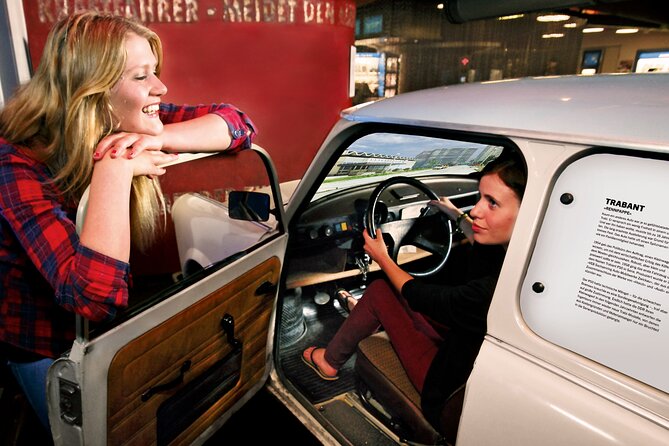
This is where the DDR Museum earns repeat attention, even though it’s not huge. You’ll be nudged to pay attention to small things: the scale of rooms, the way daily routines are staged, and the kind of information that’s shown on screens.
A few practical thoughts that will help you get more out of this part:
- Slow down at the replica home areas. These spots teach you the “feel” of GDR living better than reading alone.
- Keep an eye on the TVs and information screens. Propaganda here isn’t just a topic; it’s part of the room set-dressing.
- If you’re with kids, use the interactive elements as stepping stones. Some activities are “drawers” and small label interactions, so they’re not just staring at glass cases.
One downside is that the museum can lean on signage and text in places, which some families felt didn’t match their idea of interactive. If you’re visiting with young kids, be ready to help them interpret what they’re looking at, and don’t expect every display to be a big button-pushing game.
Trabant Car Exhibition and GDR Housing: Why Everyone Remembers This Part
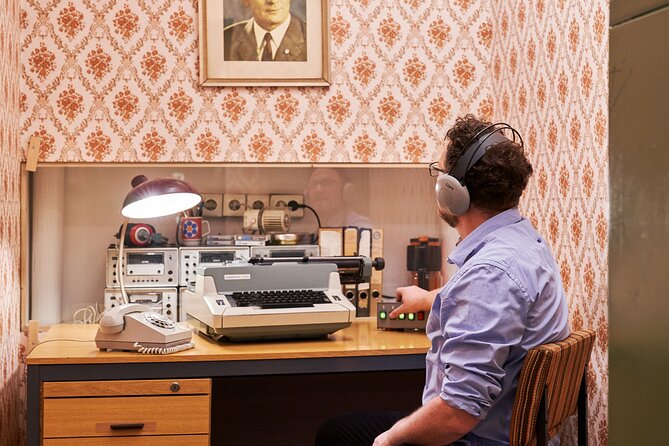
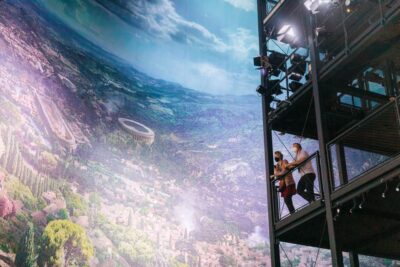
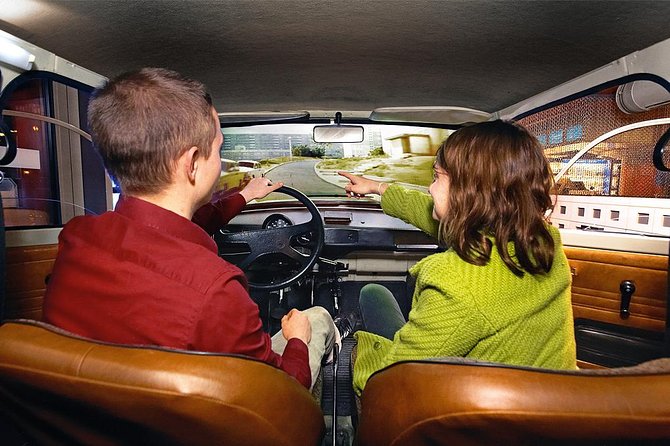
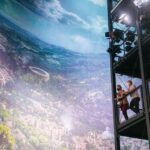
The Trabant exhibit is a standout. It’s not just a car on a pedestal. You can climb aboard, and the museum pairs it with film-style everyday scenes and a “virtual” look at life in a GDR housing estate.
This section is valuable for a simple reason: it anchors history in a recognizable object and an everyday environment. A car, a neighborhood, and familiar routines are easier to hold in your mind than abstract political theory. Even if you know the general story of East Germany, the Trabant gives the experience a concrete hook.
If you want the best flow here, don’t treat the Trabant as a quick photo stop. Time it so you can spend a few minutes looking around inside it. That way, the scenes and housing estate features feel connected instead of like random jumps.
If the museum is crowded, this area can get especially tight. People want the same few moments: getting inside the car, posing near the same viewpoints, moving through the same corridors. When you see a bottleneck, step aside and give yourself a minute. You’ll keep your mood intact.
You can also read our reviews of more museum experiences in Berlin


Stasi Interrogation and GDR Politics: Getting the Tone Right
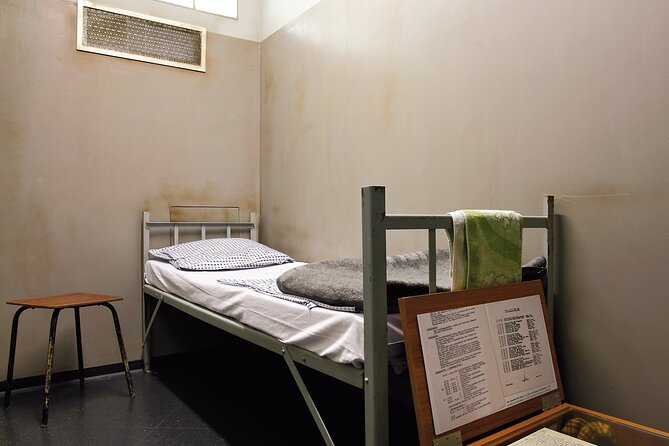
Not everything in the museum is cozy. You’ll see an interrogation-style room and exhibits that cover the Socialist Union Party, including elements that mimic election participation in the GDR.
What makes this important is the museum’s balance between education and experience. Instead of only listing oppression, it stages elements of how control worked—how people could be watched, questioned, and managed through institutions.
Just keep expectations aligned. This isn’t a formal guided lecture. It’s closer to a themed route that uses role-play and immersive settings. That means you might see a more playful energy in some areas, including family-focused interactive parts. If you’re very sensitive to how heavy topics are presented, you might find it helps to focus on the context plaques and take pauses away from the busiest zones.
The key is to treat the museum’s “hands-on” approach as a way to understand the system—not as a theme park. When you do that, the interrogation and party-control exhibits feel purposeful rather than distracting.
Exit Through a Berlin Wall Hole: The Meaningful Closing Beat
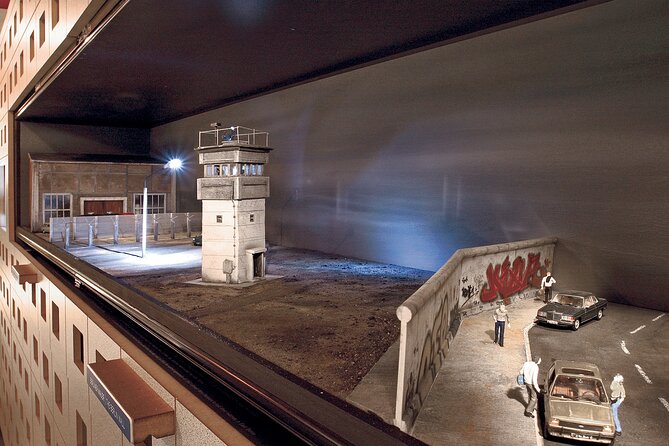
The museum ends with a sobering final moment: exiting through a hole in the Berlin Wall after you’ve explored the exhibits and absorbed the story layers.
That ending matters. It doesn’t fade the subject into vague nostalgia. It forces you to confront what the walls represented and what people lived with before freedom arrived.
It’s also a practical cue. If you’re short on time, you’ll likely feel the museum’s “arc” more clearly if you pace yourself and don’t sprint. If you’re rushed, you may miss the emotional connection between the everyday rooms and the finale.
Price and Value: Is $16.26 Worth It?
At $16.26 per person, this ticket sits in a sweet spot for a Central Berlin museum experience—especially if you’re a fan of interactive displays.
Here’s how I’d judge the value before you buy:
- If you like hands-on exhibits, the experience is more than a quick walk-through. Many exhibits are designed to be engaged with directly.
- If you travel with kids, the museum can function as both an education stop and an activity-heavy outing.
- If you want a large museum with long corridors of galleries and deep archival study, you may feel it’s too small for the money.
Size is the main variable in value. Several people found it smaller than expected, and some wished for more interactive depth in certain areas. On the flip side, people who enjoyed it often said they spent about an hour and felt satisfied with the amount they learned.
So the question isn’t only cost. It’s your tolerance for crowds and your preference for interactive, room-by-room storytelling.
Crowds and Heat: The Two Real-World Things to Plan Around
This museum’s biggest practical challenge is crowding. Because it’s compact and interactive, foot traffic can become a traffic jam. People reported difficulty moving at busy times and lots of kids around pressing buttons and exploring.
The simple strategy:
- Pick a quieter time slot if you can.
- Give yourself extra minutes in peak areas like the Trabant and interactive rooms.
- If you get stuck, don’t fight it. Take a small breather in a less crowded section, then re-enter the flow.
Heat can add fuel to the stress. A complaint about the interior feeling extremely warm suggests you should dress for it, bring water if you can (food and drinks aren’t included), and avoid wearing heavy layers.
If you’re planning for comfort, consider a visit when you’re less likely to feel rushed—because crowd control is mostly up to you by choosing a time slot.
Practical Tips That Make the Experience Smoother
A few “save-your-trip” notes based on what you’ll be dealing with on-site:
- Bring an offline backup of your ticket. Some people had issues with their digital passes at entry and needed help. Having your confirmation email handy can save time if your phone display acts up.
- Wear shoes you don’t mind walking in. The route is mostly internal, but it’s still a museum walk with frequent stops.
- If you’re with kids, set expectations early: there will be hands-on moments, but also plenty of reading and labels.
- Plan for at least 1.5 to 2 hours if you want the videos and interactive areas without panic.
Also, the ticket is mobile-friendly, and the museum is near public transportation. That’s useful if you’re stringing Berlin sights together. You won’t need a special transport plan beyond getting to central Berlin.
Who Should Book the DDR Museum Ticket
This is a great fit if you:
- Want a focused, interactive introduction to GDR history and daily life.
- Like immersive exhibits—replica rooms, staged scenes, and hands-on tasks.
- Are traveling with kids who learn better by doing instead of only reading.
- Prefer a museum that you can complete in an hour or two, not half a day.
It might be a weaker fit if you:
- Hate crowds and need lots of elbow room to enjoy exhibits.
- Want a big museum with lots of quiet space and deep archival collections.
- Are very sensitive to how heavy subjects are presented in a family-attraction environment.
Should You Book This DDR Museum Admission Ticket?
If you’re coming to Berlin and want one clear stop that explains East Germany through objects, rooms, and interactive scenes, I think this ticket is a solid choice. At $16.26, it’s good value when you enjoy hands-on exhibits and you can pick a quieter time.
But if you’re traveling during a peak family rush and you know you’ll hate being jostled, you should adjust your expectations—or choose your time slot carefully. The museum is small. When it’s busy, that becomes the whole story.
If you want, tell me when you’re going (day/time) and who’s in your group (adults/kids, ages, history interest). I’ll suggest the best visit window and how to plan your stops around it.
FAQ
How long does the DDR Museum visit take?
Plan for about 1 to 2 hours. The layout is designed to be completed within that timeframe at your own pace.
Where is the DDR Museum Berlin located?
It’s at Karl-Liebknecht-Str.1, opposite Berlin Cathedral.
What’s included with the ticket?
Your admission ticket to the DDR Museum Berlin is included.
Is the museum ticket offered in English?
Yes, the experience is offered in English.
Do I need to arrange hotel pickup or drop-off?
No. Hotel pickup and drop-off are not included, and you make your own way to the museum.
Can I use a mobile ticket?
Yes. The ticket is a mobile ticket, and it’s described as available for use on your phone.
What kinds of exhibits should I expect?
You can expect interactive rooms about life in East Germany, a Trabant car exhibition, a virtual tour of a GDR housing estate, and an interrogation-style experience, plus information about the Socialist Union Party and election-style content.
Is it suitable for children?
It’s described as fun for both kids and adults, and the museum uses interactive elements that can work well for younger visitors. Some exhibits still involve reading and labels, so kids may need a bit of help.
What are the opening hours?
The museum is open 9:00 AM to 9:00 PM daily, according to the listed hours.
Is free cancellation available?
Yes. You can cancel for a full refund up to 24 hours in advance of the start time. Cancellation within 24 hours is not refundable.
What should I know about food and drinks?
Food and drinks are not included with the ticket. Plan to get refreshments separately if you need them.