Berlin facts and streets, in one smart route.
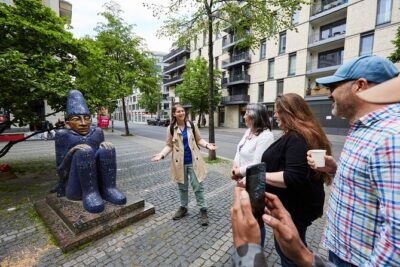
This private walking tour is built for first-time orientation and real context, with a guide who can connect landmarks to the people and power struggles that shaped 20th-century Berlin. You’ll move through major sites like Brandenburg Gate and the Reichstag, then hit the wall on both the memorial and art-street levels, with time to ask questions.
I especially like two things here: the customizable route to your interests (so you’re not stuck with a rigid script), and the hotel pickup/drop-off that saves you the annoying meeting-point hunt. I also like that you get an English guide and a private format—small-group energy, but with the freedom to set the pace.
One drawback to consider: this is a serious history-heavy walk. You’ll spend time on Nazi-era locations and Holocaust remembrance sites, and even stops like the Führerbunker area are brief and unglamorous—so if you want only light sightseeing, you may prefer a softer route.
In This Review
- Key Highlights You’ll Actually Feel on This Walk
- Why This Private Berlin Walk Works as an Introduction
- Price and What You Get for $192.97 Per Person
- Hotel Pickup and Drop-Off: The Little Thing That Saves Your Day
- How the 3-Hour vs 4-Hour Timing Feels in Real Life
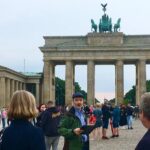
- Brandenburg Gate at Pariser Platz: More Than a Big Photo
- Berlin Wall Memorial on Bernauer Straße: Where the Wall’s Story Gets Specific
- Checkpoint Charlie: Border Drama in One Small Area
- Gendarmenmarkt: Elegant Architecture as a Breather
- The Führerbunker Area: History That’s Almost Unmarked
- Reichstag Building and the Glass Dome: Transparency With a View
- East Side Gallery: The Wall as a Canvas
- Museum Island Photos and Cathedral Views for Classic Berlin Icons
- Bebelplatz and the Empty Library: Memory Inside a Beautiful Square
- Die Hackeschen Höfe: Courtyards, Architecture, and a Different Berlin Mood
- What If the Tour Adds or Swaps Stops?
- Who This Tour Suits Best (and Who Might Want a Different Plan)
- Should You Book This Private Berlin: Iconic Sights and Hidden Gems Walking Tour?
- FAQ
- How long is the Berlin private walking tour?
- Where do we meet the guide?
- Is the tour private?
- What language is the guide?
- Does the tour include tickets or entry fees?
- Is food included in the price?
- Can the route be customized?
- Is there a cancellation refund?
- Can service animals join?
- Is the tour physically demanding?
Key Highlights You’ll Actually Feel on This Walk
- Hotel pickup and drop-off so you start relaxed and finish without backtracking
- Two tour lengths (3 or 4 hours) to match your energy level and how long you want to linger
- Cold War on the ground: Berlin Wall Memorial, Checkpoint Charlie, and the Wall’s remaining lines
- Reichstag glass dome views that turn a landmark into a practical city-orientation moment
- Art and memory together at the East Side Gallery and Bebelplatz’s Empty Library memorial
- Guides who adapt to your pace and interests, with examples like Ariel, Tina, Ronja, Ruben, Xavier, and Will appearing in guide write-ups
Why This Private Berlin Walk Works as an Introduction
If Berlin is your first stop in Germany, this kind of tour helps you build a mental map fast. You don’t just see the front doors of famous places—you learn why Berlin’s layout and borders mattered, how the city split, and why reunification shaped how people use these spaces today.
The private setup matters because Berlin’s distances can fool you. Stops like Brandenburg Gate, Checkpoint Charlie, and the Reichstag aren’t next door, but they’re close enough to walk with guidance—and a guide can route you efficiently. That means less time zigzagging and more time understanding what you’re looking at.
It’s also a good fit if you like asking questions. The tour is designed around dialogue, not a one-way lecture, and you can steer the focus toward what you care about most—Nazi-era history, Cold War politics, architecture, or the human stories tied to specific corners.
You can also read our reviews of more walking tours in Berlin


Price and What You Get for $192.97 Per Person
At about $192.97 per person, you’re paying for three things: a private guide, a timed route that fits 3 to 4 hours, and hotel pickup/drop-off. If you were doing this on your own, you’d still pay for museum entries you might add and you’d lose the time saved by having the route planned and explained.
Also note the timing reality: this tour is often booked around 50 days in advance on average. That’s usually a clue that the best time slots go first, so if your dates are fixed, it’s smart to lock in sooner rather than later.
Where the value really shows is at the “connection points.” Brandenburg Gate and the Reichstag are easy to spot on your own. The value here is explaining what those places meant when Berlin was divided, why some areas feel stark today, and how memorial sites change the meaning of what you’re seeing.
Hotel Pickup and Drop-Off: The Little Thing That Saves Your Day
Berlin can be confusing on day one, especially when you’re trying to place neighborhoods and transit lines. The pickup means you start right in a central hotel lobby with a meet-and-greet, and you also get a drop-off at the end.
That translates into one practical benefit: you arrive less stressed and you can stay focused on the walk itself. It’s also helpful if you’re traveling with family, mixing in photos, or just want fewer “where do we meet” moments.
You’ll also get a mobile ticket, which is convenient for day-of check-in. And because the tour is private, only your group participates, which keeps the experience from feeling like a crowded classroom.
How the 3-Hour vs 4-Hour Timing Feels in Real Life
Berlin landmarks can swallow time—especially when you’re reading details, watching street life, or stepping into memorial spaces. Choosing between the 3-hour and 4-hour option is basically choosing how much breathing room you want.
- The 3-hour version is best when you want the “main beats” and a strong framework for East vs West Berlin.
- The 4-hour version works better if you like context, want extra Q&A, or tend to linger at memorials and viewpoints.
Either way, the guide can tailor stops based on your interests and needs. So if you care more about Cold War crossings than Nazi-era sites, or vice versa, you should be able to shape the emphasis during booking.
Brandenburg Gate at Pariser Platz: More Than a Big Photo
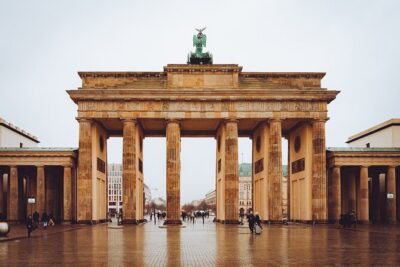
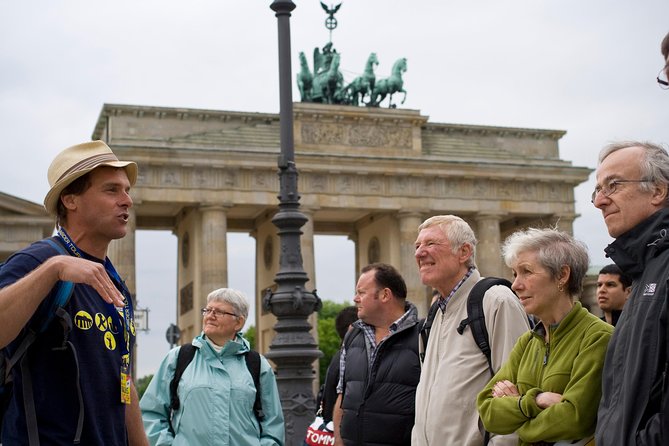
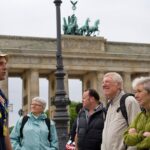
Your walk typically starts at Brandenburg Gate, standing at Pariser Platz. This is the kind of landmark that looks straightforward until you learn the timeline behind it. The gate has long symbolism tied to Germany’s reunification and resilience, and the Quadriga on top—four horses pulling a chariot—adds a layer of visual history.
What I like about this stop is the way it sets the theme of the day. You can photograph the gate quickly, but the real value is understanding how something once tied to division became a national sign of peace and unity.
Even the surrounding area helps. Pariser Platz has shops, cafés, and street performers, so you’re not trapped in a dead zone. It’s a good place to orient yourself before the tour becomes more sobering.
You can also read our reviews of more private tours in Berlin


Berlin Wall Memorial on Bernauer Straße: Where the Wall’s Story Gets Specific
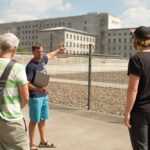
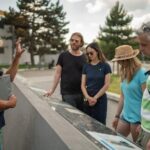
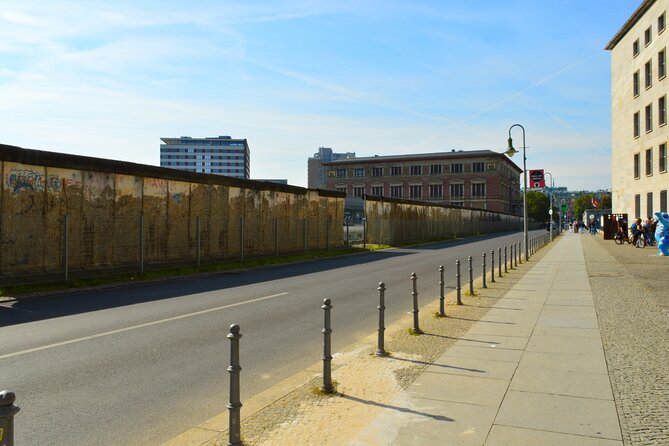
The Berlin Wall Memorial along Bernauer Straße is the moment when the tour stops being about landmarks and becomes about lived reality. You’ll see a preserved section of the wall and visit the visitor area with exhibits and personal stories connected to escape attempts and the wall’s human impact.
This stop is listed for about 30 minutes, which is a comfortable amount of time to take in the basics without feeling rushed. The memorial format also helps you understand how the wall was more than a barrier—it shaped daily routines, fear, and choices.
If you’re the type who likes details, this is your best window. If you’re sensitive to heavy topics, you can also use the time to slow down and pace yourself. A private guide can adjust what you focus on.
Checkpoint Charlie: Border Drama in One Small Area
Checkpoint Charlie is one of the most recognizable crossing points from the Cold War era. Here, you’re dealing with symbolism at street level: the site marks what East-West tension looked like in everyday reality.
You’ll have time to see the memorial area and museum-style information tied to stories of people who tried to escape. The iconic wooden booth and replica guardhouse are designed to make the point visually, and they’re the kind of detail that helps even non-history buffs understand what a border post meant in practice.
This stop is shorter—around 15 minutes—so it works best as a “fast but meaningful” segment. You’ll get enough context to understand why this crossing became a world-famous reference point.
Gendarmenmarkt: Elegant Architecture as a Breather
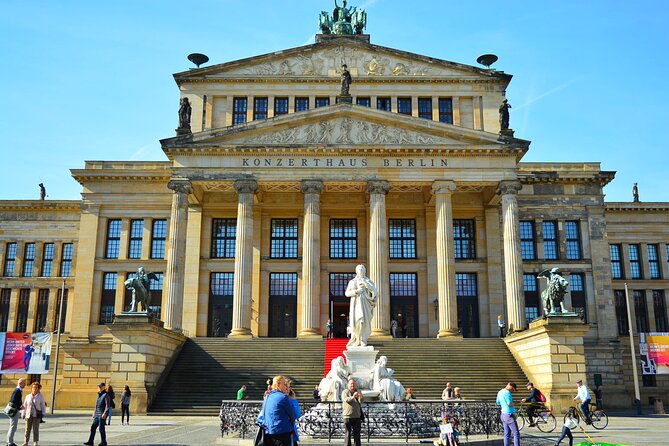
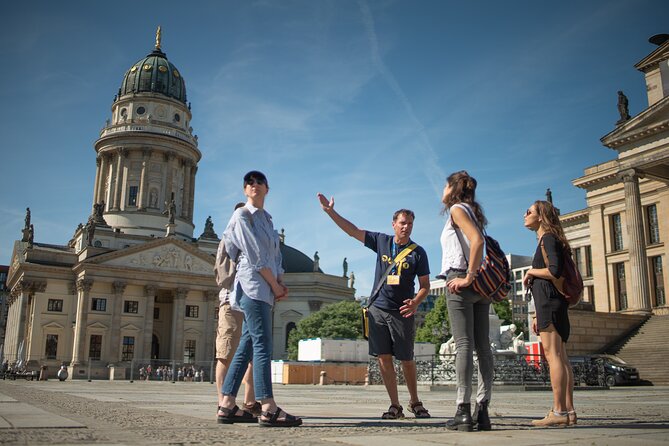
After heavy themes, Gendarmenmarkt gives you a reset. The square is framed by the French Cathedral (Französischer Dom) and the German Cathedral (Deutscher Dom), with the Konzerthaus (concert hall) in the middle.
Even if you only have about 10 minutes here, the visual effect matters. Neoclassical design and symmetrical lines create a feeling of order, and the square’s cafés and cobblestones make it an easy place to stretch your legs.
It also helps to see cultural landmarks between memorial stops. Berlin isn’t only about conflict. It’s also about how people live, gather, perform, and rebuild—sometimes in the same city blocks where history got brutal.
The Führerbunker Area: History That’s Almost Unmarked
The Führerbunker site is located beneath the gardens of the Reich Chancellery area. It’s strongly associated with Adolf Hitler’s final days in 1944, and the reason you’re here is the grim fact that this is where he directed the last phase of military actions as the Allies closed in.
Here’s the thing: it’s largely unmarked today. You won’t get a dramatic, themed set-piece. Instead, the significance is indicated by a small plaque, and guided explanation provides the context.
That’s why a private guide is useful. Without explanation, this stop can feel like you’re standing near a regular garden area. With explanation, it becomes a sharp reminder of how quickly power can vanish—and how concentrated the final moments of a regime really were.
Reichstag Building and the Glass Dome: Transparency With a View
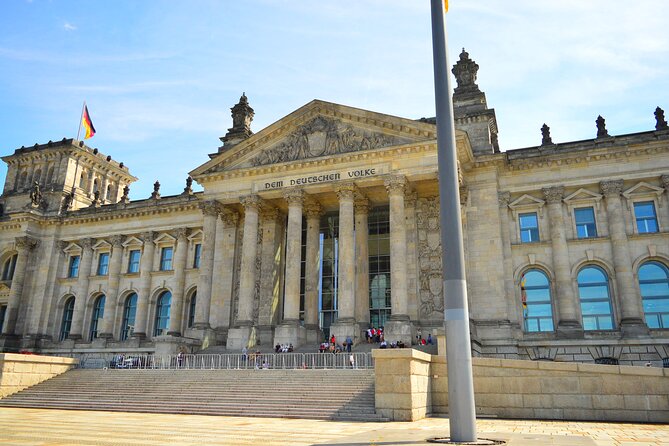
The Reichstag building is one of Berlin’s most important political symbols, and it’s tied to big moments—from its original role as a parliament space to the 1933 fire and the rise of the Nazi regime. After World War II, it went through restoration, and in the modern era it serves as the seat of the Bundestag.
The glass dome is the modern signature. It’s designed to support panoramic views and it symbolizes transparency in government. If you’ve ever wondered what it means for a country to build a seat of power that shows itself to citizens, this dome makes the point in a very physical way.
You’ll also get a chance to understand the relationship between the building and the public sphere. You’ll have about 10 minutes at the stop, so the goal is understanding and orientation rather than a long inside visit.
East Side Gallery: The Wall as a Canvas
The East Side Gallery takes the idea of the Wall and flips it into art and memory. This open-air gallery covers a long stretch—about 1.3 kilometers—with more than 100 murals painted after the Wall fell in 1989.
This stop is listed for about 20 minutes, and that’s enough to walk through several murals and notice recurring themes: freedom, hope, and the idea of a divided symbol becoming a canvas for expression.
You’ll likely point out major pieces, including the Fraternal Kiss mural featuring a kiss between Leonid Brezhnev and Erich Honecker. It’s exactly the kind of recognizable visual detail that turns political history into something you can remember.
The value isn’t just photos. It’s noticing the contrast between the memorial tone of the Wall and the creative tone of the murals.
Museum Island Photos and Cathedral Views for Classic Berlin Icons
After the wall-art moment, the tour often shifts toward classic Berlin postcard territory.
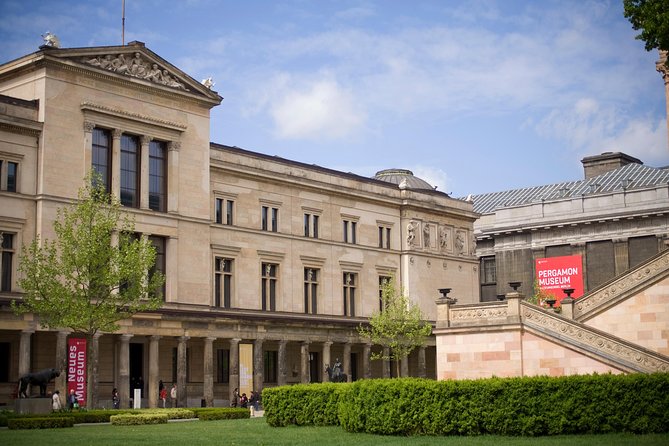
Museum Island is a photography-friendly stop, with views of the museums along the Spree River and the surrounding gardens. You’ll have time for a quick look—about 15 minutes—mostly to orient yourself and capture the facades and riverside scenery.
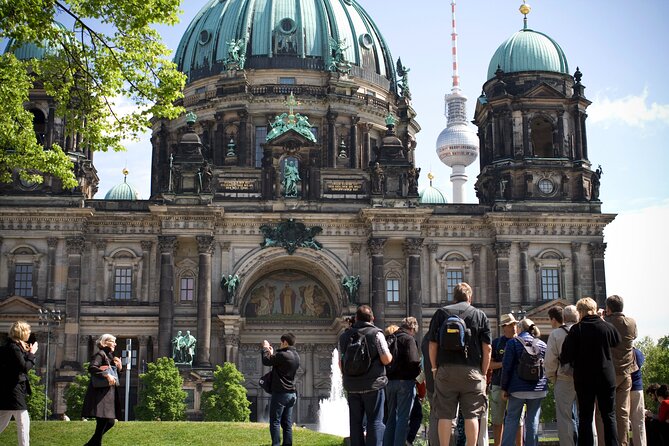
Next, you may reach Berliner Dom, the Berlin Cathedral. The exterior and dome are big on the skyline, and you’ll also learn about its Baroque design and how high the dome rises. The stop is short—around 10 minutes—so think of it as a viewpoint and landmark moment rather than a full cathedral experience.
If you’re interested in going inside or climbing for views, you can ask your guide how to prioritize your time on the day.
Bebelplatz and the Empty Library: Memory Inside a Beautiful Square
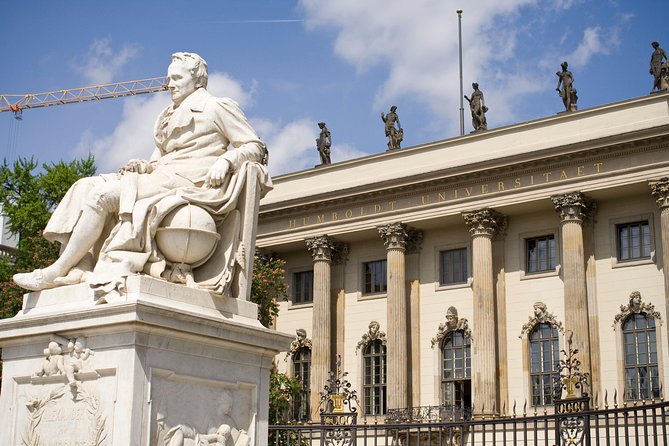
Bebelplatz is surrounded by institutions like the State Opera House, St. Hedwig’s Cathedral, and Humboldt University. It’s a pretty square, which makes the story here hit harder.
This stop connects to the Nazi book burnings on May 10, 1933, when over 20,000 books were burned in an act of censorship and propaganda. Writers associated with Jewish, political, and intellectual life—like Einstein, Freud, and Marx—are tied to what was targeted.
At the center is the Empty Library memorial by Micha Ullmann. It’s a simple idea with a strong emotional impact: empty shelves visible through a glass panel, symbolizing the loss of knowledge and culture.
This is one of the moments when the “tour guide” part matters most. A guide helps you understand how a place can hold both architectural beauty and intentional harm in the same frame.
Die Hackeschen Höfe: Courtyards, Architecture, and a Different Berlin Mood
Die Hackeschen Höfe (Hackescher Höfe) bring you into a creative, architectural Berlin pocket. The complex is made up of eight interconnected courtyards built around the early 1900s, with art nouveau details and ornate facades.
This stop is often around 20 minutes, which gives you enough time to walk the courtyards and catch the mix of restaurants, art spaces, and boutiques that fill the area today.
It’s also a nice contrast to the memorial-heavy sections of the tour. Even if you only spend a short amount of time here, the courtyards help you feel how Berlin reuses and repurposes built space—how old structures can carry new energy.
What If the Tour Adds or Swaps Stops?
The tour is described as customized, so you shouldn’t treat every stop as guaranteed in the exact same order. Your guide can tailor the experience to your interests and needs, and you can request specific attractions at the time of booking.
The tour may also include additional sites such as Unter den Linden, the Protestant Kaiser Wilhelm Memorial Church, and an East German Government Quarter area depending on what you want to focus on. If you have a must-see, list it early so the guide can plan time around it.
This is especially important for the hardest-hitting stops. If you’re sensitive to Nazi-era and Holocaust remembrance themes, tell your guide ahead of time so they can pace your day and choose emphasis carefully.
Who This Tour Suits Best (and Who Might Want a Different Plan)
This private walk is a strong match if you:
- Want an organized introduction to Berlin’s main landmarks without reading a manual
- Prefer a guide who can answer questions and adjust the focus
- Like walking, photography breaks, and short stops with context
- Are drawn to how Berlin’s borders shaped everyday life and politics
It’s also a good option for families if everyone can handle a 3 to 4 hour walking format. One of the recurring strengths of this tour is that guides have handled mixed groups and kept things engaging for kids and adults.
I’d consider a different route if you:
- Want a mostly light, low-emotion sightseeing day
- Don’t like structured time at memorial sites
- Have trouble with sustained walking and limited pacing flexibility
Should You Book This Private Berlin: Iconic Sights and Hidden Gems Walking Tour?
Yes, book it if you want context along with the photos. The hotel pickup/drop-off alone makes it easier than a DIY day, and the mix of Brandenburg Gate, Cold War sites, Reichstag, and memory stops helps you understand Berlin instead of just scanning it.
Be sure to match the tour length to your style. If you’re the type who lingers, choose the 4-hour option. If you only want the strongest highlights and a clear framework, the 3-hour version will likely feel about right.
Finally, decide what kind of Berlin you want most: border-crossing stories, Nazi-era remnants, or the way the city uses monuments and architecture to talk to the present. This tour is built for that kind of choice—tell your guide what matters to you, and you’ll get a day that feels made for your questions.
FAQ
How long is the Berlin private walking tour?
It runs for about 3 to 4 hours. You can choose the 3-hour option for a solid overview or the 4-hour option for a more in-depth journey.
Where do we meet the guide?
You meet in a central-Berlin hotel lobby with a hotel pickup option offered. The tour also includes hotel drop-off at the end.
Is the tour private?
Yes. It’s a private tour/activity, and only your group participates.
What language is the guide?
The tour is offered in English.
Does the tour include tickets or entry fees?
The tour includes a mobile ticket, and the listed stops show free admission for those sites. However, the tour itself includes guide service and transfers; it does not include food and drinks.
Is food included in the price?
No. Food and drinks are not included.
Can the route be customized?
Yes. The walking tour is customized to your interests and needs, and you can include specific requests and desired attractions when booking.
Is there a cancellation refund?
Yes. You can cancel up to 24 hours in advance for a full refund.
Can service animals join?
Service animals are allowed.
Is the tour physically demanding?
It’s a walking tour through central Berlin, and it states that most travelers can participate. If you have mobility concerns, plan to coordinate your pace with the guide during the tour.