REVIEW · BERLIN
Berlin: “Shadow of the Rubber Duck” Escape Room Experience
Book on GetYourGuide →Operated by Trabiwood · Bookable on GetYourGuide
A rubber duck hides serious clues. In Berlin Mitte, TRABIWOOD’s Shadow of the Rubber Duck turns a murder mystery into a one-hour puzzle sprint with a dark 1976 Berlin Wall-inspired atmosphere.
I like the sheer puzzle density. Even though the room feels compact, you’re facing 20+ tricky challenges that keep you moving and communicating. I also like the effects, especially the moment you get a splash of water from the waves, which adds a physical jolt to the whole clue hunt.
One consideration: the game runs fast. With a one-hour limit and lots of puzzles, the experience can feel tight if your team needs lots of time to think out loud.
In This Review
- Key highlights you’ll actually feel
- Berlin Mitte mystery: what you’re walking into
- The one-hour chase: how the game plays out
- 1) Start as an investigator, not a spectator
- 2) Move through a sequence of puzzle stations
- 3) A timed push to track down the murderer
- The room’s mood: dark, compact, and puzzle-rich
- Finding clues in a murder mystery, not just a puzzle box
- The wave splash effect: why it matters
- Language support in German, English, and Russian
- Price and value: is $35 per person fair?
- Who this escape room fits best
- A practical tip: don’t judge by first sight
- Should you book Shadow of the Rubber Duck?
- FAQ
- How long is the Shadow of the Rubber Duck escape room?
- Where is it located?
- What does it cost?
- What languages are available?
- Is it a private group?
- Can I cancel and get a refund?
Key highlights you’ll actually feel
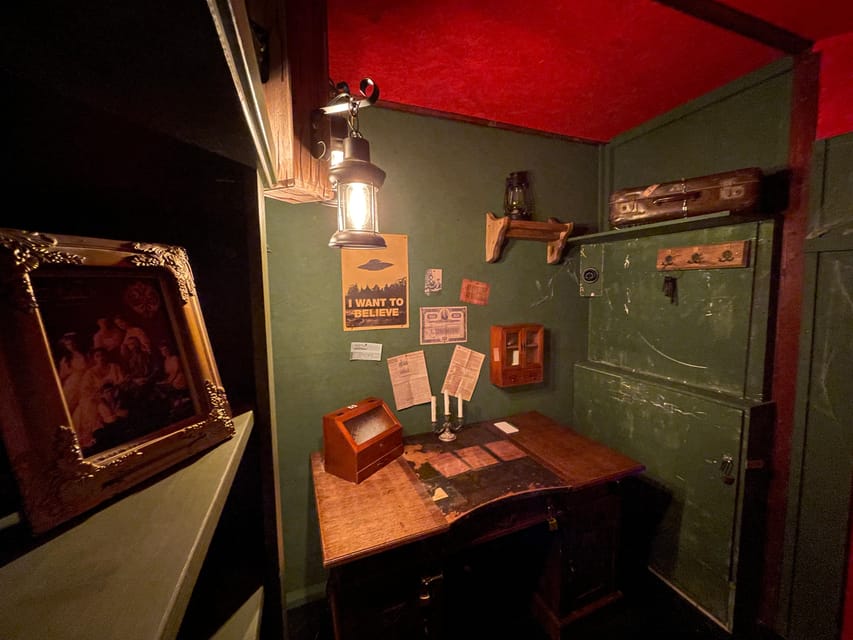
- 1976 Berlin Wall-style murder story with a fictional investigator mission to solve what happened
- 20+ puzzles in a small space, so you’re constantly switching tasks and roles
- One-hour time pressure that adds urgency when you’re stuck
- Wave splash effect, so expect a surprise sensory moment during the game
- Private-group setup with a small investigator team of two to three people
- German, English, and Russian support via the host or greeter
Berlin Mitte mystery: what you’re walking into
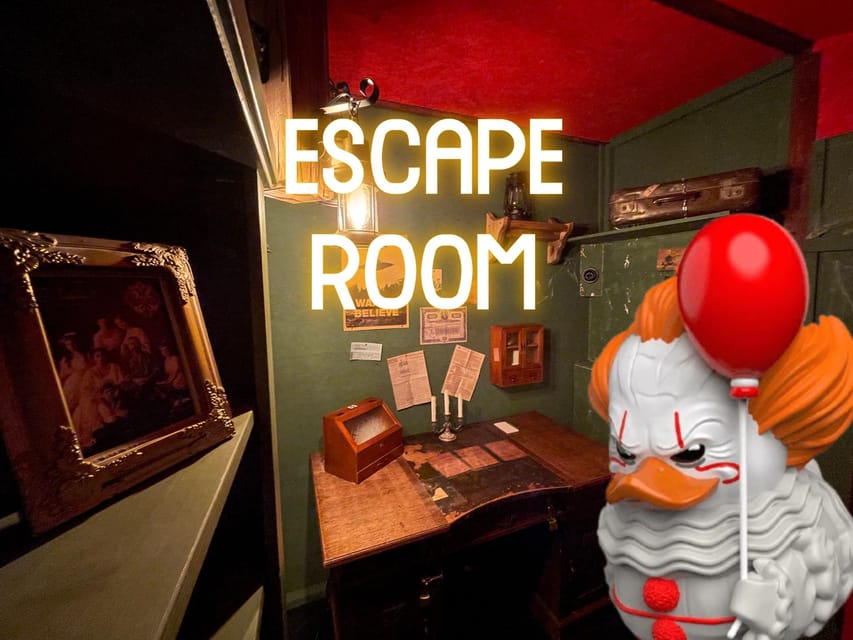
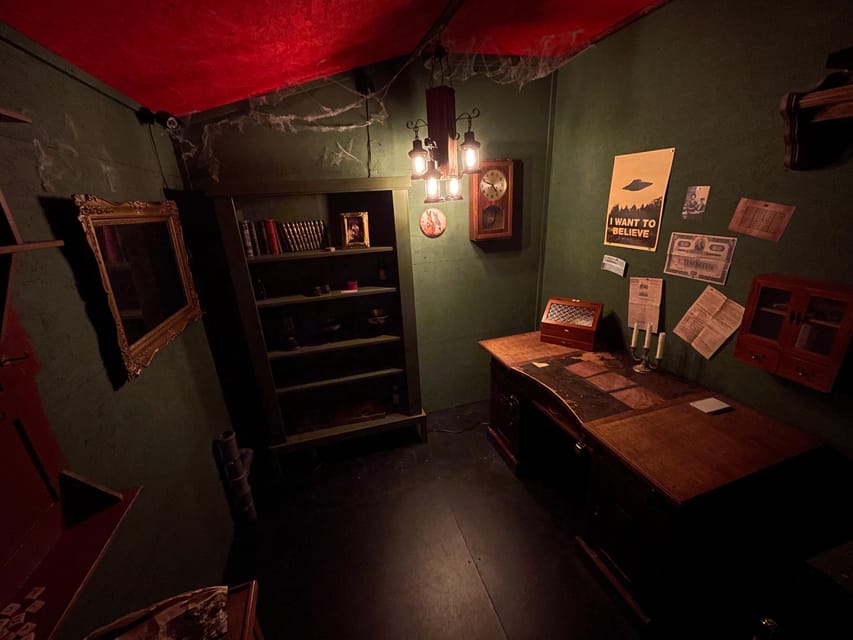
TRABIWOOD’s Shadow of the Rubber Duck escape room is set in a fictional world inspired by the mood around the Berlin Wall in 1976. Think shadows, secrets, and a story that feels like it has consequences even though it’s a game. Your job is to act as the investigator for a small team and work through the room’s clues to track down the murderer.
The vibe is intentionally dark. The room and its presentation are designed to make you pay attention, slow down your assumptions, and look for what’s hidden. If you’re the type who likes puzzles that reward close observation, this setup makes sense fast.
You’ll be doing this with a group of two to three. That’s a sweet size for escape rooms. Too many people can turn puzzle-solving into a shouting match. Too few and you’ll run out of eyes and hands. Here, the goal is teamwork, with enough people to spread out clue checking.
You can also read our reviews of more tours and experiences in Berlin.



The one-hour chase: how the game plays out
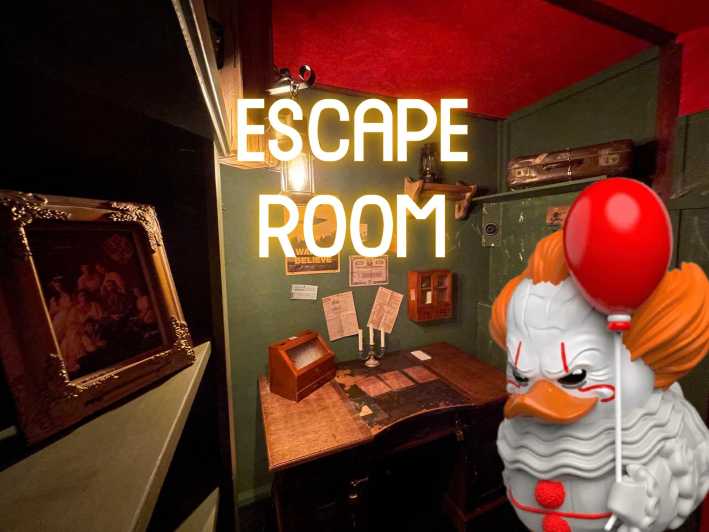
The experience is one hour long, and the pacing is built around that. You start as an investigator, and you immediately shift into “collect clues, solve puzzles, repeat.” The room is packed with over 20 tricky puzzles, which means you won’t just solve one big riddle and coast. You’ll keep cycling through smaller challenges that connect as you go.
Here’s how the flow typically feels:
1) Start as an investigator, not a spectator
At the beginning, you’re gathered with your small team and expected to begin solving right away. The story framing matters because it tells you what you’re working toward: unraveling a mysterious case and finding out who did what.
If you’re nervous about escape rooms, this first phase is where you’ll either relax or tense up. The trick is to treat it like a shared investigation. One person reads puzzle elements carefully, another tests ideas, and a third keeps track of what you’ve already tried.
2) Move through a sequence of puzzle stations
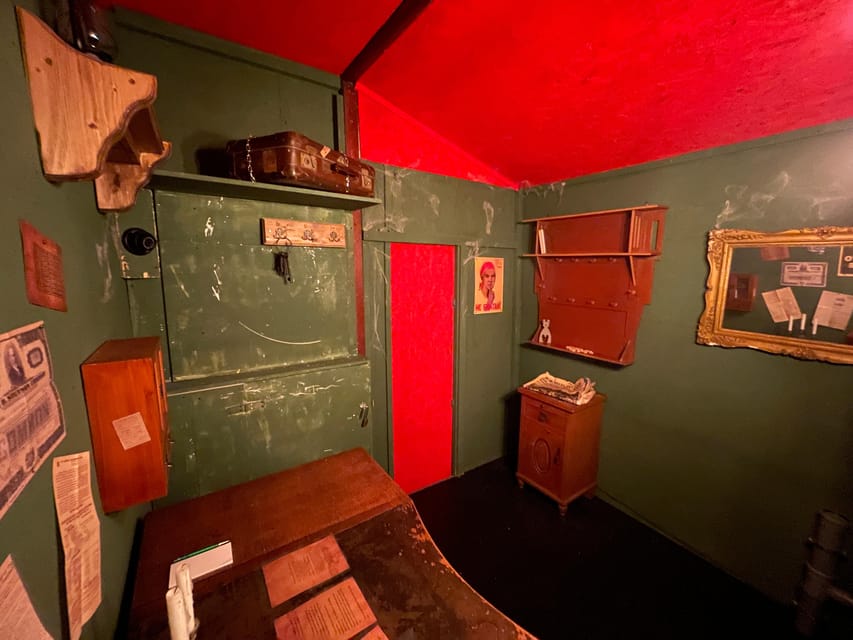
The room may be described as small, but it’s busy. You’ll be searching for clues and interacting with multiple puzzle elements across the space. Expect hidden components, information that’s easy to miss, and puzzles that require you to combine what you find rather than treating each task as independent.
The big thing to know: with 20+ puzzles, your team strategy matters. If everyone fixates on the same puzzle for too long, you’ll lose time that’s hard to get back.
3) A timed push to track down the murderer
Time is against you. The story angle is that the murderer is on the run, so your solution has to happen within the limit. This doesn’t mean chaos, but it does mean you’ll feel urgency. When you’re stuck, you need to decide quickly whether to keep working or pivot to the next clue.
That time pressure is part of the fun for puzzle people. If you dislike timers, treat this as a “fast thinking” challenge rather than a leisurely stroll through riddles.



The room’s mood: dark, compact, and puzzle-rich
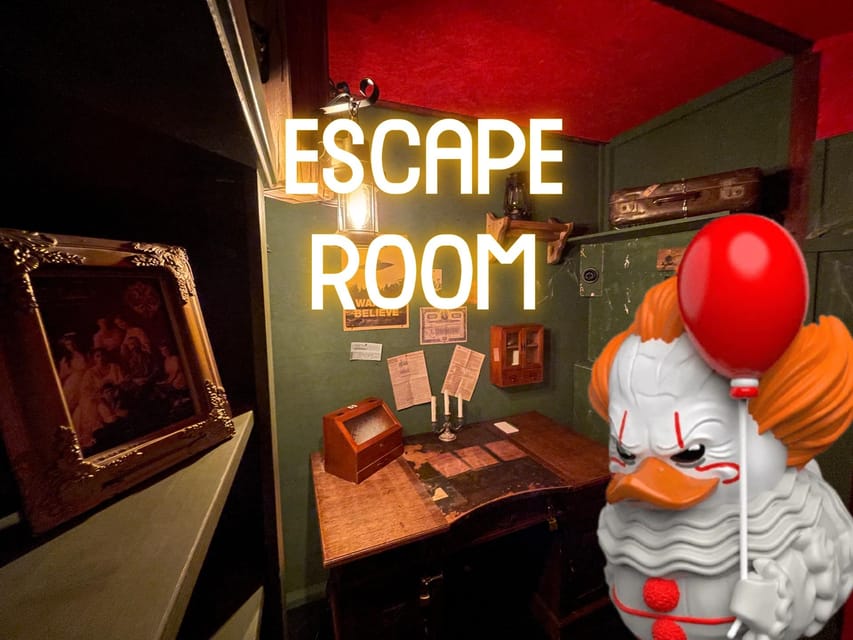
This escape room leans hard into atmosphere. The presentation is dark and secretive, tied to the 1976 Berlin Wall-inspired theme. That helps the puzzles feel like more than just mechanisms. They feel like evidence in a case.
The “small room, big puzzle count” aspect is worth highlighting. Many escape rooms feel either spacious (so your steps feel slow) or cluttered (so you feel overwhelmed). This one aims for the middle: compact enough to move quickly, but packed enough that you don’t run out of tasks.
The result is a game where you’re constantly scanning. You’ll look for patterns, check surfaces and details, and stay alert for hidden clues. If you enjoy that kind of mental active mode, you’ll probably have a good time. If you want wide open areas and lots of room to spread out, you might find the footprint limiting.
Finding clues in a murder mystery, not just a puzzle box
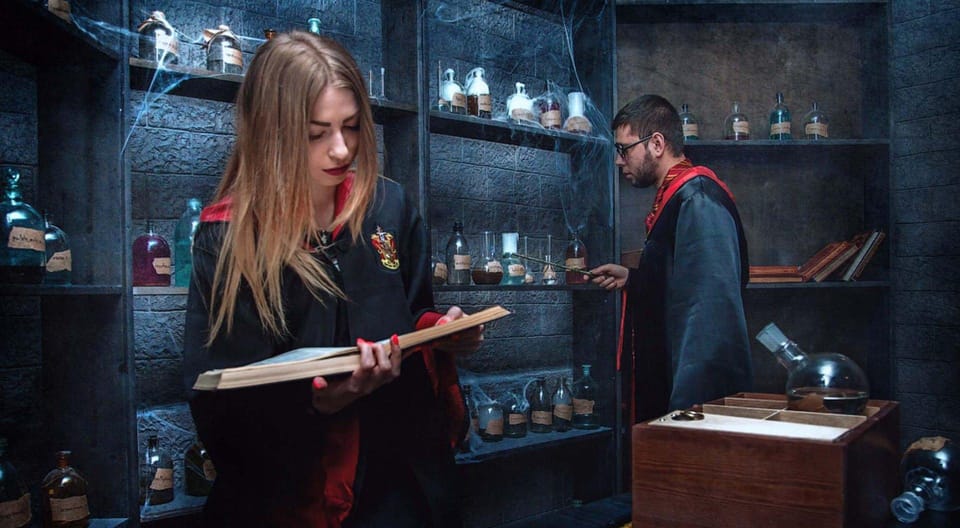
What makes Shadow of the Rubber Duck different from a generic escape room is the story purpose. You’re not solving puzzles for puzzle’s sake. You’re building toward a single outcome: unraveling the mystery and tracking down the murderer.
That story structure helps you keep going when one puzzle doesn’t click immediately. Instead of thinking, we’re stuck, you can think, we’re missing evidence for the next step.
The theme also gives the game a consistent emotional tone: hidden secrets, dark shadows, and a chase feel. Even if you don’t know anything about the Berlin Wall era beyond the broad idea, you can still follow the narrative. The game’s clues carry the meaning.
The wave splash effect: why it matters
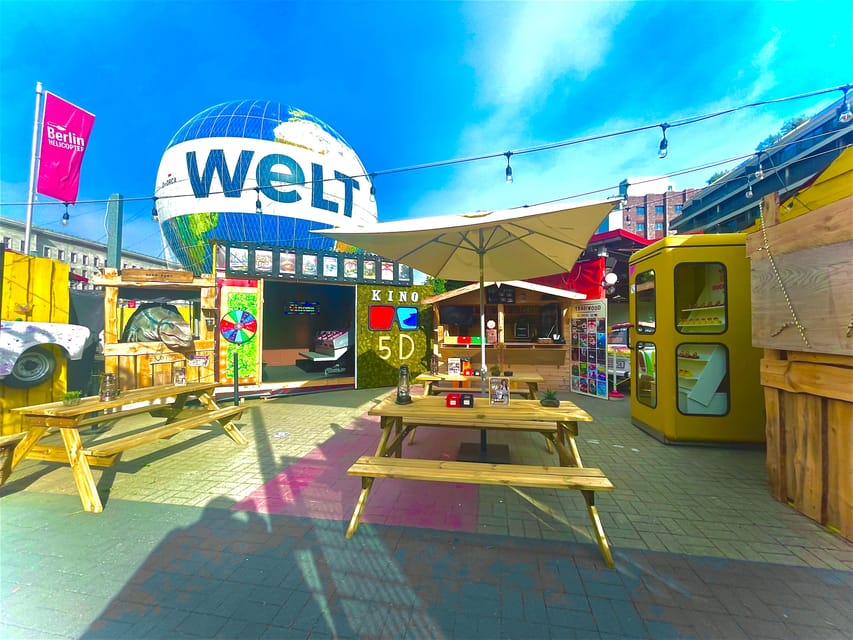
One of the listed highlights is the splash of water from waves. That detail might sound like a gimmick, but effects like this do something real in an escape room.
They shift your attention. When something unexpected happens, your senses wake up. You stop treating the experience like a static room of locks and papers. You’re reminded that the set is interactive and designed to heighten tension.
Practical note: if you don’t like getting splashed, plan for that mentally. You might want to keep your phone secure and protect anything you don’t want dampened. You’re also doing this in a dark environment, so wet surprises are part of the thrill.
Language support in German, English, and Russian
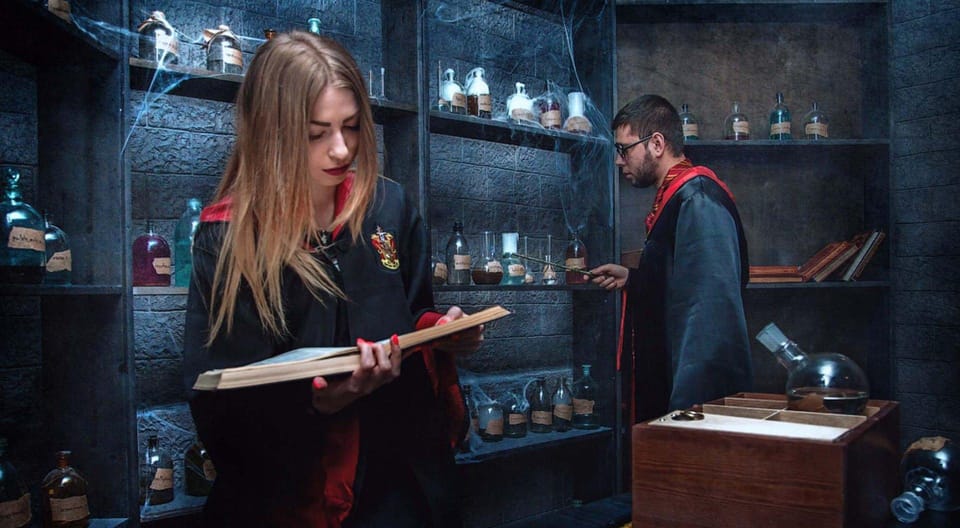
Communication matters in a puzzle game. TRABIWOOD lists support via a host or greeter in German, English, and Russian. That helps a lot if your group shares a language and wants smooth instructions.
It also means you shouldn’t have to rely on complex gestures alone. When you’re trying to solve 20+ puzzles, misunderstandings can waste minutes. Having a host or greeter who can meet you in your language helps keep the momentum.
If your group has mixed languages, you’ll still be fine as long as you can agree on a simple method: one person reads puzzle instructions out loud, and everyone confirms what they think the clue is asking for.
Price and value: is $35 per person fair?
The price is $35 per person for a one-hour experience. That number makes sense in value terms because you’re not paying for a single puzzle. You’re paying for a compact room that delivers a lot of puzzle variety, plus a timed story mission and at least one sensory effect (the wave splash).
In other words, you’re not just renting attention for one trick. You’re buying a full hour of challenge with a dense puzzle setup and a consistent narrative.
The best value will come if you’re:
- going with a small team that likes problem-solving
- prepared to communicate and share progress
- comfortable with timed pressure
If you prefer slow, open-ended activities, you might feel the timer more strongly than you expected. But if you like escape rooms as a workout for your brain, this pricing feels aligned with the workload.
Who this escape room fits best
This isn’t an all-ages attraction. It’s not suitable for children under 16, which tells you the experience leans into challenge and maturity rather than kid-friendly exploration.
I’d especially recommend it if you:
- enjoy clue hunting and pattern spotting
- like teamwork with two to three people
- want a mystery story setting rather than a theme with no narrative
- don’t mind a dark atmosphere and a fast pace
It’s also a good pick if you’ve done a couple escape rooms and want something that doesn’t let you coast. 20+ puzzles in one hour is a sign the design expects active problem-solving.
A practical tip: don’t judge by first sight
One of the most repeated bits of sentiment around this room is that the external look can be misleading. The practical takeaway is simple: if the outside of the venue feels unremarkable, don’t read that as a warning sign. Focus on the actual experience inside, because the setup and the puzzle design are what count.
That advice matters because escape rooms are often judged before you even enter: the door, the hallway, the vibe. With this one, the game is designed to feel purposeful once you step in.
Should you book Shadow of the Rubber Duck?
Book it if you want an escape room in Berlin Mitte with a strong theme, lots of puzzles, and a timed murder-mystery format. The combination of 20+ puzzles, a story-driven goal, and a surprising wave splash effect makes the experience feel more than just lock-and-key.
Skip it if you know your team struggles under time pressure or you’re not comfortable with a dark, intense setting. Also, if your group is younger than 16, it’s not the right fit.
If you match the vibe—puzzle-first, teamwork, and quick decisions—you’ll likely have a fun hour that keeps your brain busy from start to finish.
FAQ
How long is the Shadow of the Rubber Duck escape room?
The experience lasts 1 hour.
Where is it located?
It takes place in Berlin Mitte, Berlin (State), Germany.
What does it cost?
The price is $35 per person.
What languages are available?
The host or greeter offers German, English, and Russian.
Is it a private group?
Yes, it’s listed as a private group with a small investigator team of two to three people.
Can I cancel and get a refund?
Yes. You can cancel up to 24 hours in advance for a full refund.