REVIEW · BERLIN
Berlin: Street Art and Alternative Tour
Book on GetYourGuide →Operated by Vive Berlin e.G · Bookable on GetYourGuide
Berlin’s walls still talk. This 3-hour street art tour follows the story of how Berlin’s alternative culture grew out of Cold War division—art on the border between east and west, where politics and color share the same walls. I especially love how the guide connects what you’re seeing to the social and historical why, and I love the small-group pace that makes it easier to actually look closely at details.
One thing to plan for: you’ll need to buy an AB 24-hour public transport ticket before the tour, since transport is not included.
In This Review
- Key Highlights You’ll Actually Feel on the Walk
- Why Berlin’s Street Art Became a Political Language
- Kreuzberg on Foot: Alternative Blocks, Hidden Courtyards, and Big Statements
- Reading the East–West Border: From Wall Wounds to Today’s Gentrification
- East Side Gallery: Big Works, Hard Memory, and Color With a Purpose
- Guides Who Explain the Why: French or Italian, and Names You’ll Hear
- Price and Logistics: What You Get for $31
- Who This Tour Is For (and Who Might Want Something Different)
- Should You Book This Berlin Street Art Tour?
- FAQ
- How long is the Berlin Street Art and Alternative Tour?
- How much does the tour cost?
- Is this tour a small-group experience?
- What languages are the guides available in?
- Where is the tour located?
- Do I need public transport tickets?
- What should I bring?
- What’s included in the tour price?
- What is not included?
- What is the cancellation policy?
- Does the tour start at different times?
Key Highlights You’ll Actually Feel on the Walk
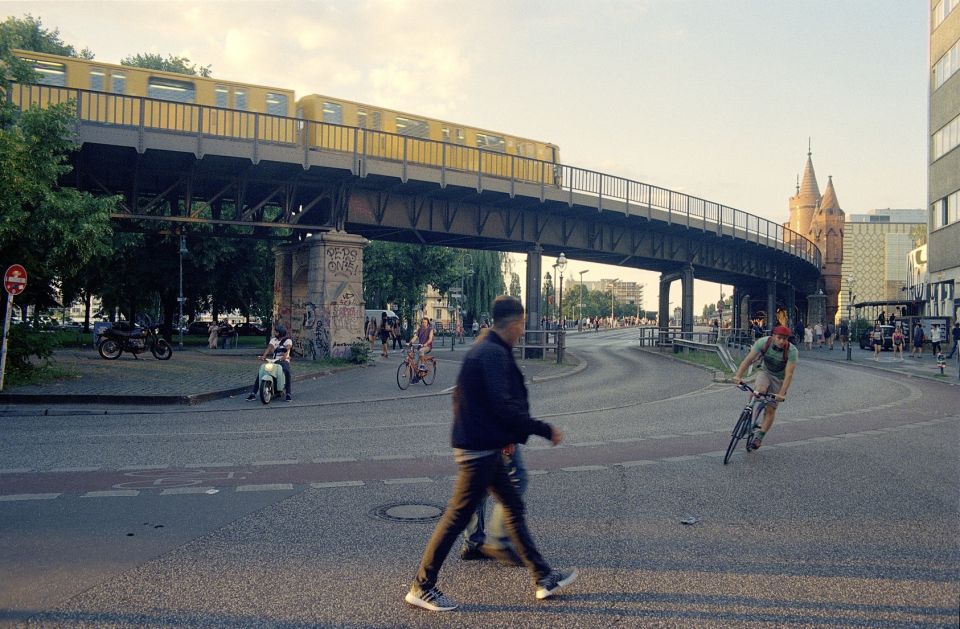
- Street art as social commentary: you’ll see murals and pieces as messages, not just decoration
- Kreuzberg’s alternative quarter: real neighborhoods, not a staged photo route
- Cold War context you can use: the tour ties art to East/West tension and what changed after 1989
- East Side Gallery impact: you’ll connect the monumental works to Berlin’s ongoing memory
- French or Italian live guide: guides bring the topic to life, and you can ask questions
Why Berlin’s Street Art Became a Political Language
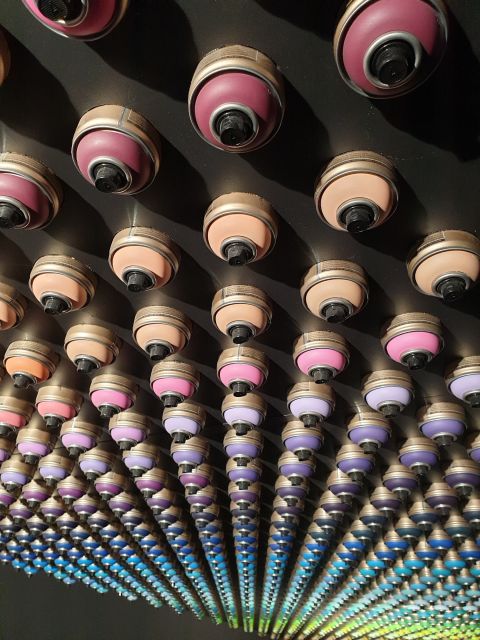
Berlin is one of the few big European cities where street art can feel like a public record. Not a museum label. A living page. On this tour, you learn why the city’s alternative culture is tightly linked to its Cold War oddness: it sat on a border, with walls cutting neighborhoods into meanings.
The big idea is simple: when politics gets loud, people start painting. On these streets, murals and tags often act like visible arguments about identity, power, and daily life. After the wall fell in 1989, Berlin didn’t instantly “settle.” Economic and social change rolled in, and art kept shifting along with it—so the streets became an ongoing conversation, not a one-time historical exhibit.
You’ll also pick up a useful way to read the city. Instead of seeing the wall only as a past event, you start seeing it as a canvas and a symbol that still shapes what people make today.
You can also read our reviews of more tours and experiences in Berlin

Kreuzberg on Foot: Alternative Blocks, Hidden Courtyards, and Big Statements
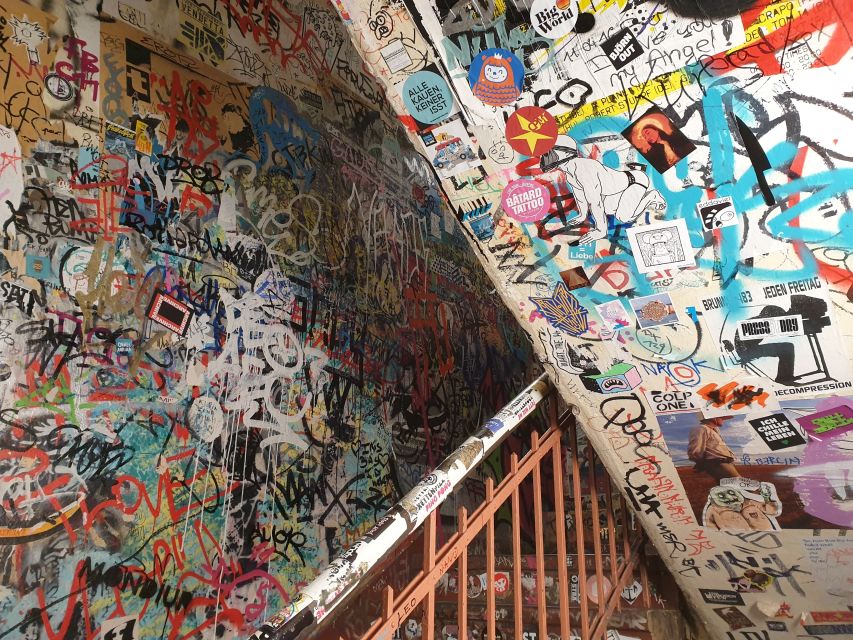
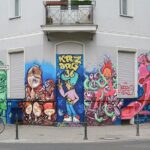
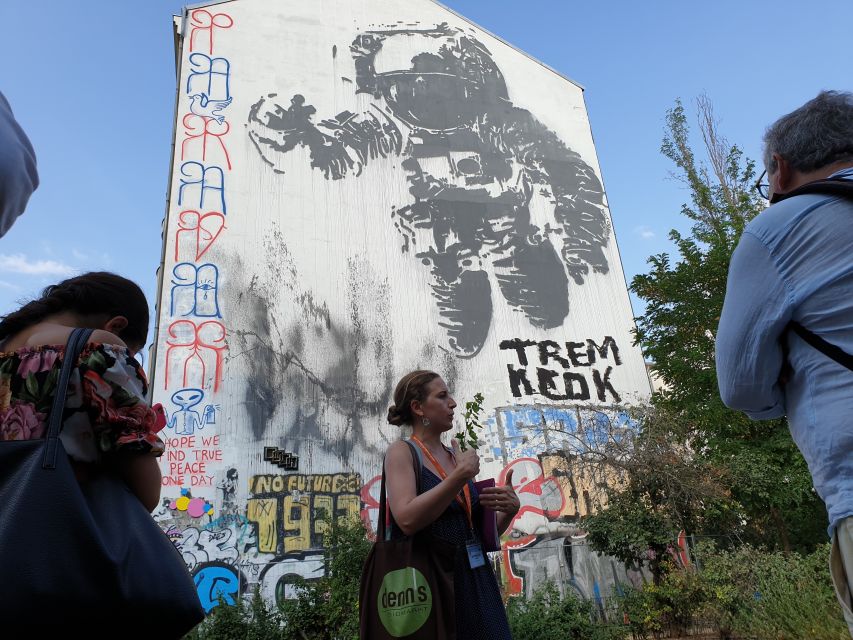
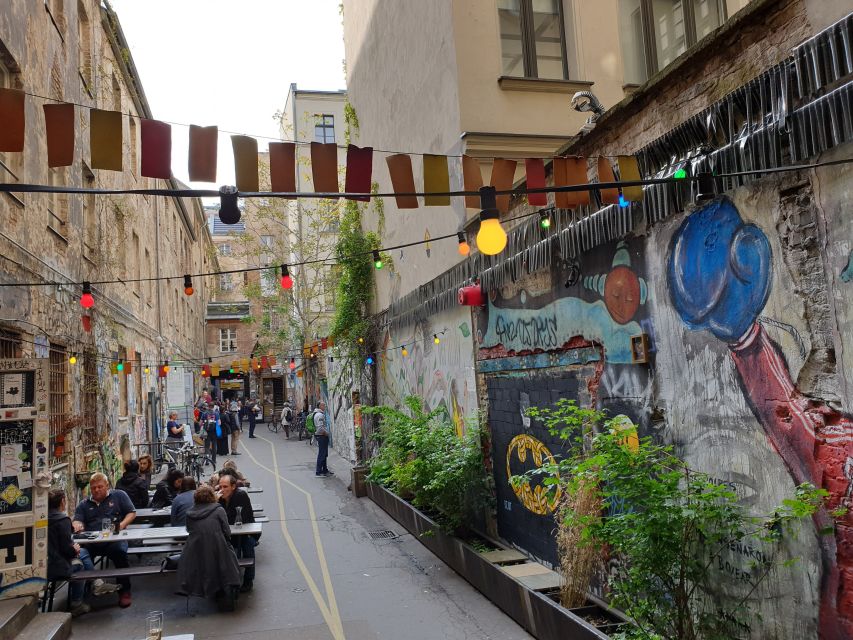
Kreuzberg is where this tour earns its alt-culture reputation. You’re not just walking past murals from the sidewalk; you’re moving through the kind of urban fabric where art can slip into corners and courtyards. The tour focuses on the look-and-feel of Kreuzberg and nearby creative areas, and it treats architecture and street layout as part of the story.
What I like about this part is that you’re guided to notice scale and placement:
- Gigantic works appear between buildings, where they can dominate a whole stretch of street.
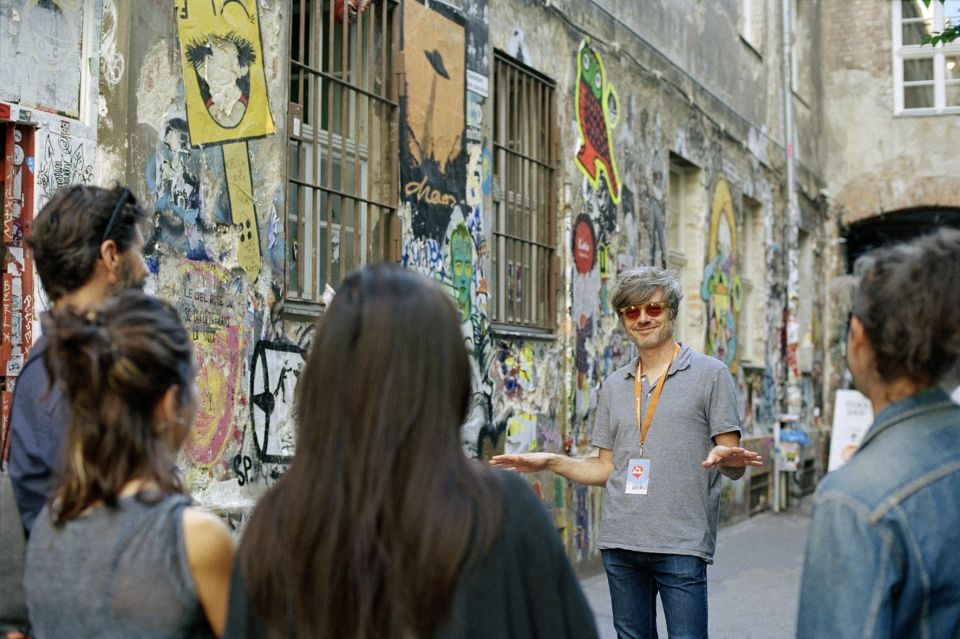
- Smaller pieces show up wedged into the urban seams—corners, entryways, or side areas you’d miss without local direction.
- Courtyards and tucked spots matter because they explain how art can grow where people actually live, not only where tourists roam.
This is also where the tour’s Cold War framing becomes practical. You’re learning to connect the present-day look of Kreuzberg with how East/West pressure shaped communities long before the city became famous for design, nightlife, and trend cycles.
One practical note: this is a walking experience, so comfortable shoes matter. You’ll want the kind of footwear that works for uneven pavement and lots of stops.
Reading the East–West Border: From Wall Wounds to Today’s Gentrification
Berlin’s street art doesn’t just reference history; it reacts to it. This tour walks you through the idea that Berlin became a central point for alternative culture because the city was literally divided. The wall left scars, and artists turned those scars into a language.
After the fall of the wall in 1989, the city went through major shifts—historical, economic, and social. The tour connects those shifts to how murals and street art change over time, so you’ll understand what you’re seeing now as part of a longer chain, not random graffiti.
You’ll also get a handle on the current phase: gentrification. Street art often grows in places where the city is changing fast—where communities feel pressure, and where new attention can bring both opportunity and loss. That’s why the art here can feel emotional as well as aesthetic. A painted wall can be celebration, grief, protest, or commentary, depending on the message and the moment.
If you like making sense of cities, this is one of the tour’s strongest advantages. You don’t just get pretty photos. You get context you can carry into your other Berlin plans—museums, neighborhoods, and even cafes.
East Side Gallery: Big Works, Hard Memory, and Color With a Purpose
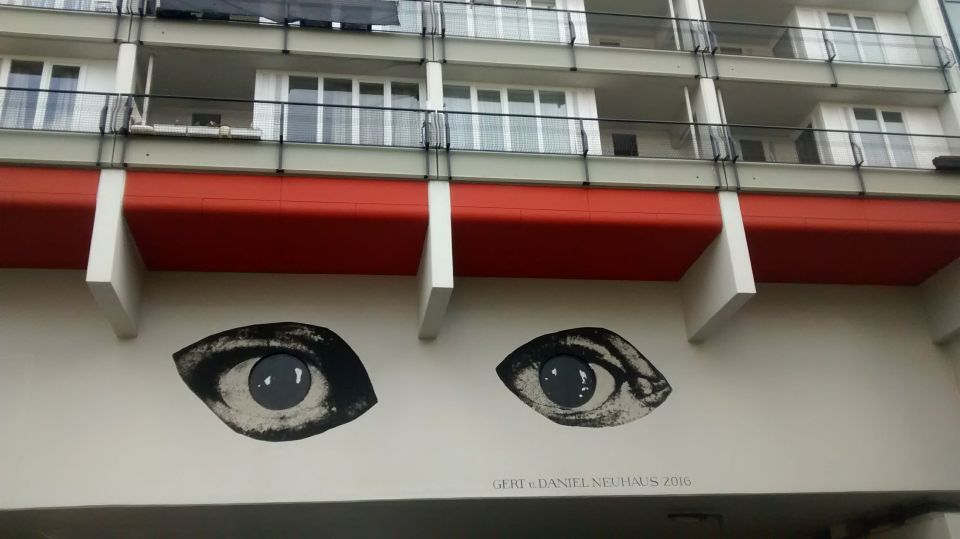
The East Side Gallery is the headline moment on this walk. It’s famous for a reason, but the value here is the connection: you’re not only standing in front of art. You’re learning why that stretch of wall became a high-profile canvas and how the imagery fits the broader story of division and aftermath.
During this portion, you’ll see the kind of large-scale pieces described in the tour approach—works that rise between buildings and command the street around them. The scale matters, because it forces you to treat the wall as architecture and as memory.
What helps most is that the tour frames the East Side Gallery as part of a broader arc:
- a Cold War border turned into a public statement
- a wall turned into art
- a historical wound kept visible enough that new generations keep asking what it means
Even if you’ve seen photos of the East Side Gallery, the guide’s explanations make the walk feel like a story in motion. You start noticing relationships between messages, styles, and the physical setting. It stops being a single stop and becomes a chapter.
Guides Who Explain the Why: French or Italian, and Names You’ll Hear
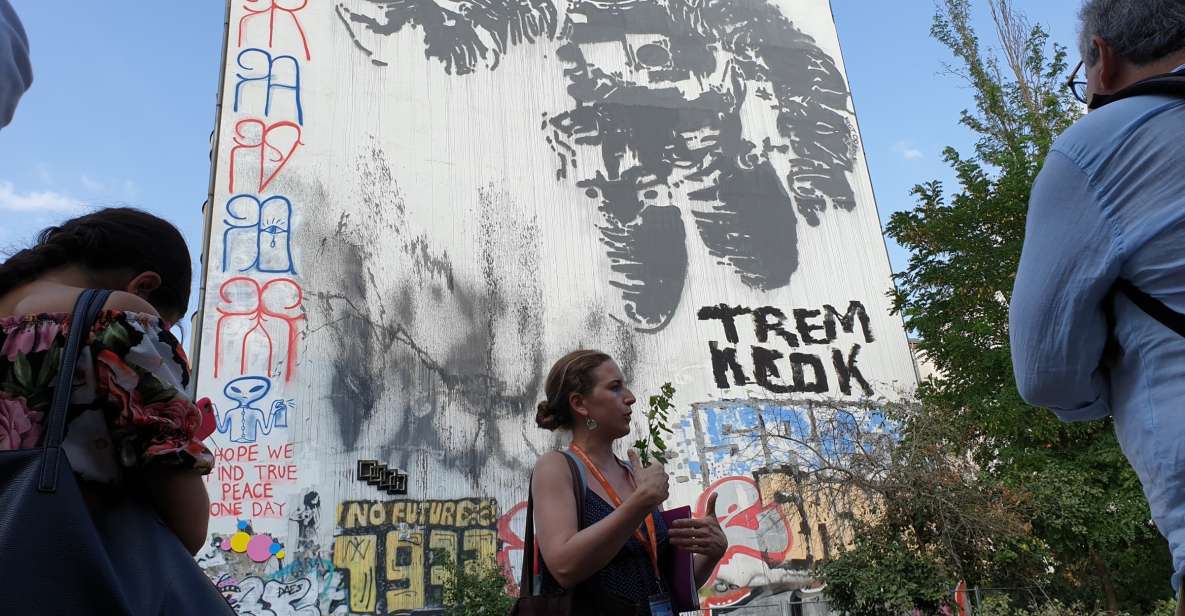
This tour runs with a live guide in French or Italian, and that language choice actually matters for quality. The guide isn’t just describing where you are; they’re interpreting why the art exists in the first place.
The reviews give you a sense of what “good” looks like on this tour:
- Guides like Antonella and Iacopo (Italian) are described as highly prepared, passionate, and able to guide you through Berlin’s city history with real involvement.
- Martin (French) is praised for sharing a love of Berlin while keeping an important historical perspective accessible.
- More than one guide is credited with answering questions and adding current anecdotes, not just sticking to old dates.
That mix—street-level art plus social and political context—is the heart of the experience. When the guide ties a mural to neighborhood claims or to the arc from the wall era to today, you feel like you’re getting inside the city’s logic.
In a small-group format, you also get something practical: the pace allows the guide to point out details without rushing you along. If you like to ask questions, this setup is usually where the best conversations happen.

Price and Logistics: What You Get for $31
For $31 per person and about 3 hours, you’re paying for three things: guided storytelling, a walking format, and focused street art interpretation. Considering the tour includes a live small-group walking tour with a French or Italian guide, the value is strongest if you’re the type of traveler who enjoys context more than just sightseeing.
What the price does not include is an important logistics item: the AB public transport ticket for the day. Before you go, plan to buy the 24-hour AB ticket so you can reach the meeting point and move around as needed.
Meeting point details can vary depending on which option you book. That’s normal for this kind of tour, but it means you should double-check your specific start location ahead of time.
Finally, do bring comfortable shoes. This is a walking tour designed to get you close to the walls, not a quick bus-and-photos loop.
Who This Tour Is For (and Who Might Want Something Different)
This is a great fit if you:
- enjoy street art and want it explained as part of real neighborhood life
- like history, but prefer it connected to what you see on the street
- want an alternative Berlin intro that includes both politics and everyday change
- appreciate small-group walking so you can stop, look, and ask
You might choose a different style of tour if you’re mainly looking for a museum-type deep dive with indoor stops. This experience is about walking, reading the city visually, and understanding the street art language through Berlin’s Cold War legacy.
Should You Book This Berlin Street Art Tour?
If you want Berlin through the lens of art and politics—where a mural can be a message about power, identity, and change—this tour is an easy yes. The best reason to book is the guide framing: you’ll learn how Berlin’s alternative culture grew from division and how it’s still shaped by what happened after 1989, including today’s gentrification pressures.
The only real caution is practical: budget time to handle the AB 24-hour ticket, and wear shoes that can handle lots of walking. Do that, and you’ll get a 3-hour experience that turns street corners and wall stretches into a story you’ll remember.
FAQ
How long is the Berlin Street Art and Alternative Tour?
The tour lasts 3 hours.
How much does the tour cost?
The price is $31 per person.
Is this tour a small-group experience?
Yes, it’s described as a small-group walking tour.
What languages are the guides available in?
The live tour guide is available in French or Italian.
Where is the tour located?
The tour takes place in Berlin, Germany.
Do I need public transport tickets?
Yes. You will need to purchase an AB public transport ticket for the day to take the tour.
What should I bring?
You should bring comfortable shoes.
What’s included in the tour price?
It includes a walking tour with a small group and a French- or Italian-speaking guide.
What is not included?
The AB public transport ticket for the day is not included.
What is the cancellation policy?
Free cancellation is available up to 24 hours in advance for a full refund.
Does the tour start at different times?
Yes. Starting times vary, and you can check availability to see the options.