REVIEW · BERLIN
Berlin: The Wall Ride Guided Trabi Tour
Book on GetYourGuide →Operated by Trabiworld Trabi-Safari · Bookable on GetYourGuide
A Trabi ride turns Berlin’s Cold War real. I love driving the iconic Trabant myself, and I love the Wall-focused route that links East Side Gallery, the death strip, and Checkpoint Charlie to today’s Berlin. One possible drawback: in bad weather, the car can act up late in the tour, including things like the radio or wipers.
In about 135 minutes, you’ll cruise in a convoy of several Trabants with a guide up front and live radio commentary, then you can study the machine at Trabi World. At about $116 per person, it can feel pricey until you factor in petrol, mileage, insurance, and the souvenir Trabi driver’s license.
In This Review
- Key things to know before you go
- Why drive a Trabi on the Berlin Wall route
- Getting to TrabiWorld and the driver requirements
- The convoy rhythm: guide up front and live radio commentary
- East Side Gallery from the street: what to notice while you roll past
- The death strip area: why it feels different when you can picture it
- Checkpoint Charlie: hearing the border story while crossing the area
- Trabi World and the Trabant museum: a smart follow-up
- Comfort, traffic, and where you’ll feel the bumps
- Price and value at about $116 for 135 minutes
- Who should book this Wall Ride Trabi tour
- Should you book the Berlin Wall Ride Trabi Tour?
- FAQ
- How long is the Berlin Wall Ride Trabi Tour?
- Where do I meet for the tour?
- Do I need a driver’s license to participate?
- What languages are available during the tour?
- Is the tour self-driving, or do I ride with someone else?
- How many people can be in each Trabi?
- Is wheelchair accessibility available?
- What’s included in the price?
- What if plans change?
- Does the booking offer payment flexibility?
Key things to know before you go
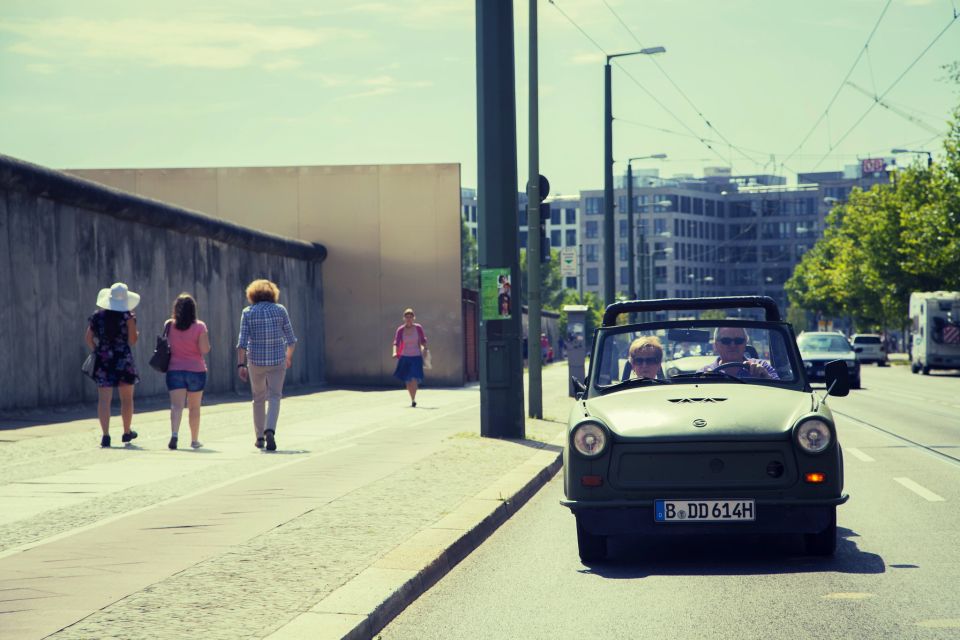
- You drive the Trabi: a hands-on Berlin experience, not a sit-and-zoom bus tour
- Cold War stops in motion: East Side Gallery, the death strip area, and Checkpoint Charlie
- Guide + live radio: you get directions and commentary while you stay focused on the road
- Real Berlin road conditions: cobblestones and turns add to the fun (and the bumpiness)
- Car capacity limits: max 4 per Trabi, and everyone needs a ticket
- After the ride, check the museum: brush up on the Trabant at Trabi World
Why drive a Trabi on the Berlin Wall route
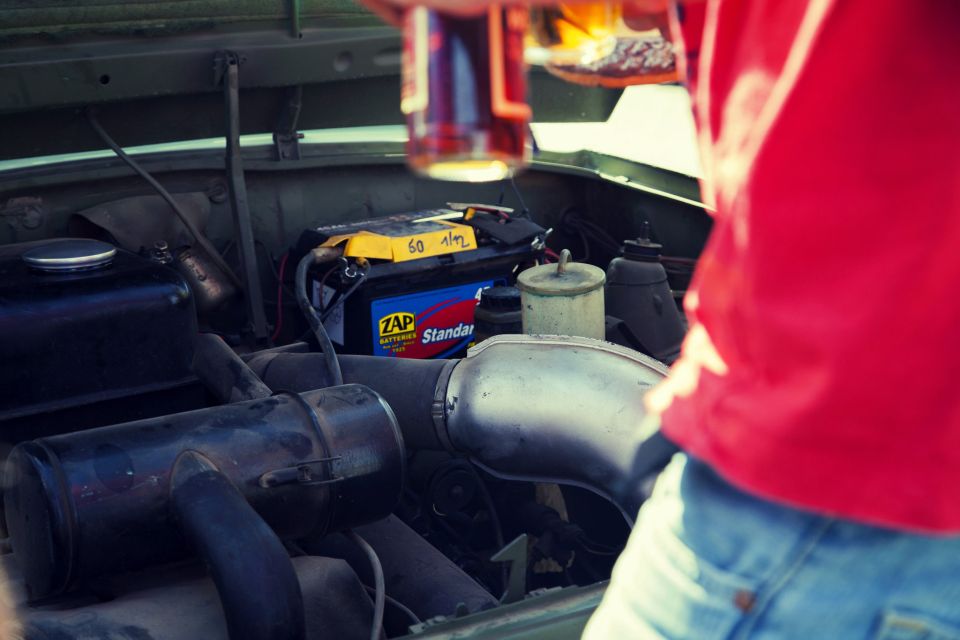
This is the kind of tour that makes Berlin’s division feel physical. You’re not just looking at photos. You’re moving through the city in the car people associate with everyday life in East Germany, while your guide points out where power, borders, and propaganda shaped daily routines.
I like that the route ties past and present together. You’ll pass relics tied to Marxism and Leninism, then roll toward the East Side Gallery, and later through the area around Checkpoint Charlie. The effect is simple: Berlin stops being an idea and becomes a place you can picture and walk through later with better context.
It’s also high-energy. Driving a Trabant takes attention. That means you’ll get less long, classroom-style narration than you might on a museum tour, but more moments where you have to pay attention right now—turn, street, sight—so it sticks.
You can also read our reviews of more guided tours in Berlin



Getting to TrabiWorld and the driver requirements
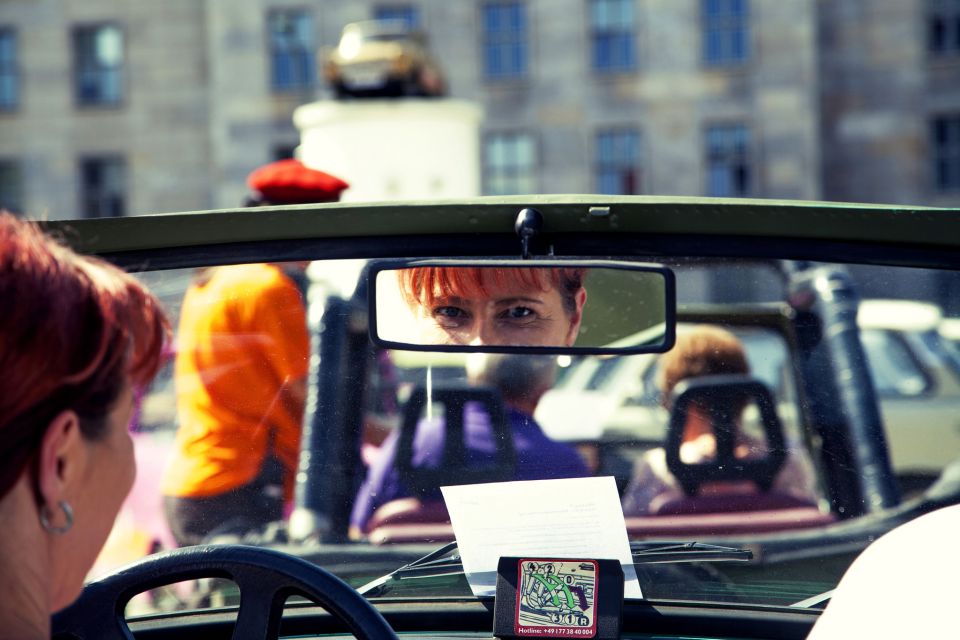
Your meeting point is TrabiWorld at Zimmerstrasse 97, on the corner of Wilhelmstrasse in Berlin-Mitte (U6 to Kochstraße). Plan to arrive a few minutes early so you can get suited up, confirm your driver setup, and get comfortable with the vehicle.
To drive, you need:
- Minimum age: 18
- A suitable driving license: class 2 resp B (as stated)
- Fitness to drive, without anything that would impair driving
Bring your driver’s license. Each participant needs a ticket, including driver and co-driver, plus passengers. Children get a cost-free ticket, but you won’t have random extra riders in the car. Capacity is also tight: max 4 people or 330 kg per Trabi, and drivers can change during the tour.
Wheelchair accessibility is listed for this activity. If you use a wheelchair, it’s smart to ask on arrival how the seating and entry will work for your specific vehicle that day, since the Trabi layout is compact.
The convoy rhythm: guide up front and live radio commentary
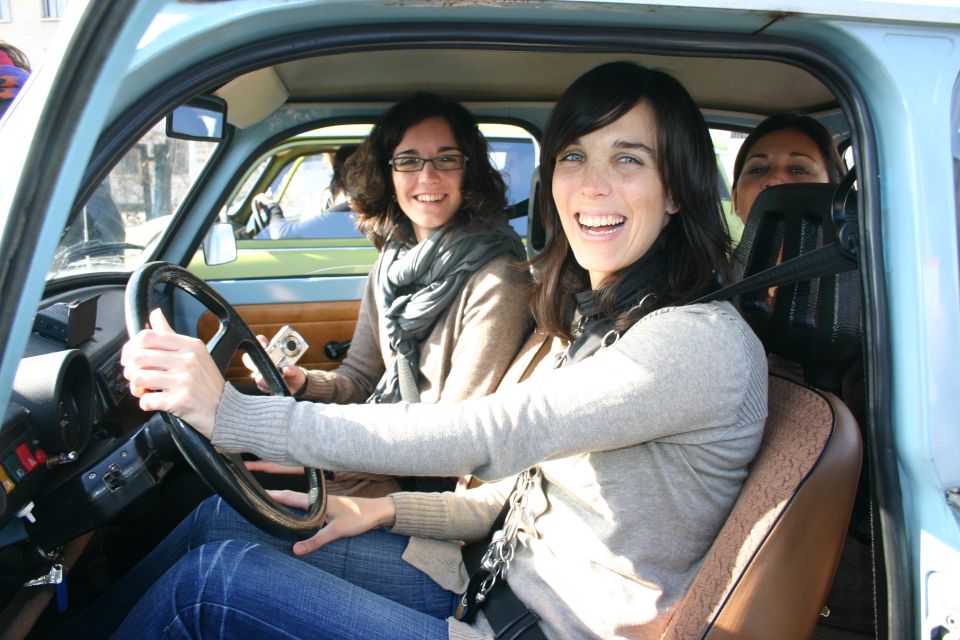
The tour runs in a convoy of several Trabants. One vehicle leads with the guide, and you follow along. That matters because it keeps the route manageable and helps you avoid getting stuck trying to “figure it out” while you’re driving.
You’ll get live radio commentary plus an audio guide in English and German (both are provided). Practically, this means two things:
1) The guide can keep commentary flowing while you’re moving.
2) If you end up focused on driving, you still catch the key context.
One caution: the audio can be hard to hear over the car noise, especially if you’re farther back. If you care about every detail, sit where you’ll catch the radio/audio best and keep your windows positioned so sound doesn’t get swallowed by wind.
Also, the “drive first” nature of the experience is part of the charm. Yes, it limits how much time you’ll spend parked and listening. But it also makes the sightseeing feel like a mission: pay attention, follow the convoy, and look out for the Wall-era landmarks as they slide past.
East Side Gallery from the street: what to notice while you roll past
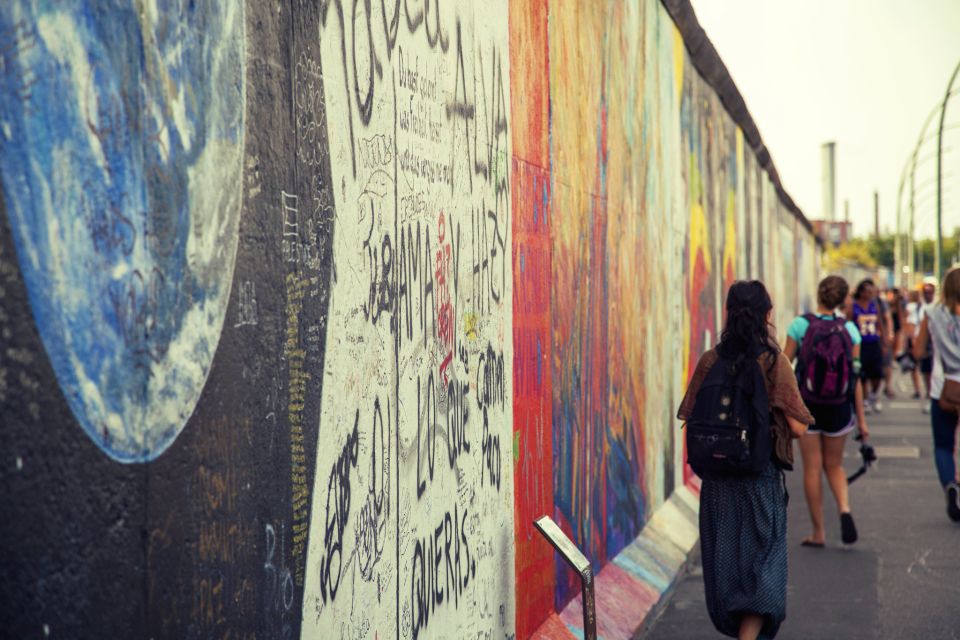
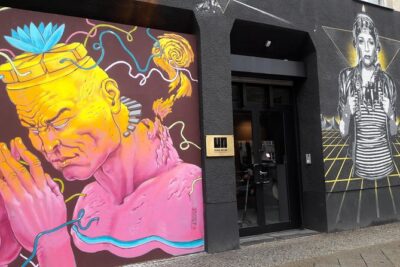
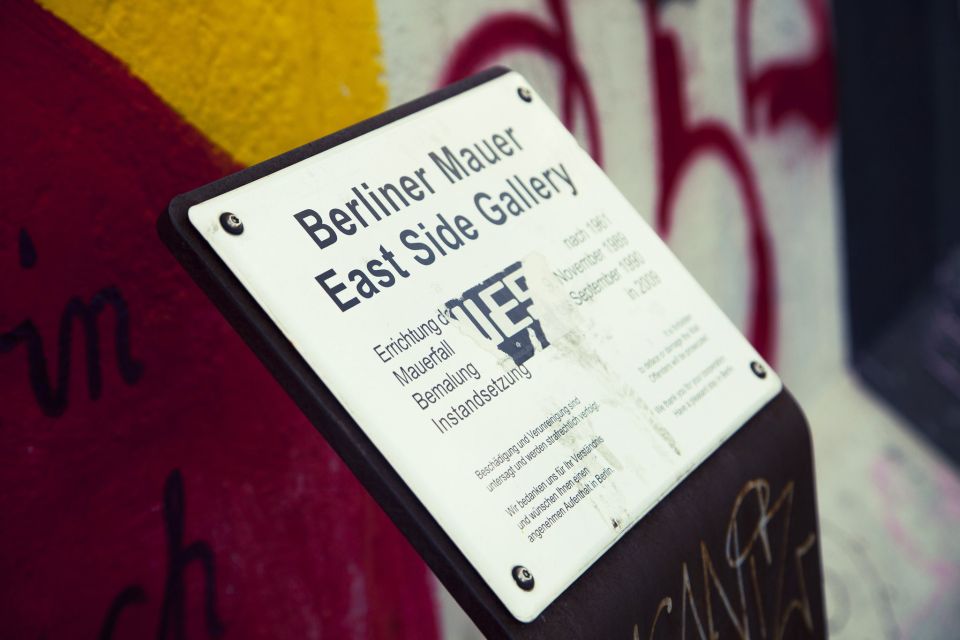
You’ll head toward the East Side Gallery area as part of the route. This is one of Berlin’s most famous stretches of Wall artwork, and seeing it from a moving Trabi gives it a different feel than reading it from a brochure.
What to notice:
- The scale: you get a quick sense of how the Wall shaped the corridor along the city
- The contrast: Wall-era messages against today’s streets and traffic
- The way your route frames the art: you’re seeing it like you’re part of the city flow, not just standing in front of a landmark
Because you’ll be driving, don’t expect a long stop for quiet contemplation. Instead, treat this section like a “spotlight” moment. Glance, take it in, then later you’ll recognize it instantly when you walk around on your own.
If you’re the kind of person who likes to take notes, consider writing down what you see immediately while it’s fresh: a color, a mural theme, or an area name your guide mentions. That tiny effort pays off when you’re back at a café trying to remember details.
The death strip area: why it feels different when you can picture it
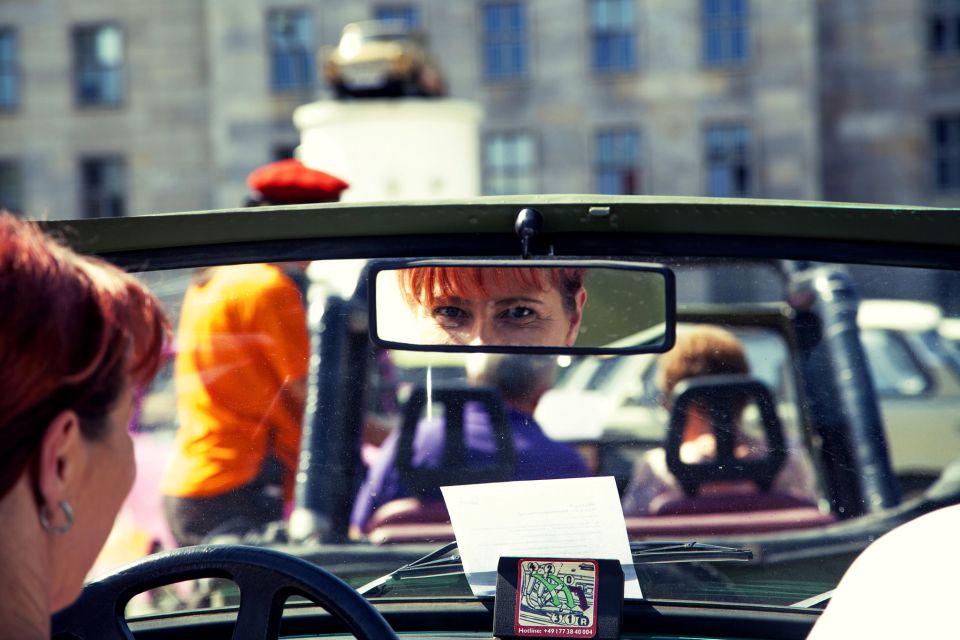
The route includes the death strip area. The phrase hits hard because it describes a real system of control and surveillance, not just a wall as a symbol.
When you pass through or near this part of Berlin, I think the most important thing is how your brain fills in the gaps. Even from the car, you can imagine:
- how visibility mattered
- how movement was restricted
- how the city became organized around a border line
A Trabant ride adds another layer. It’s slow enough, and small enough, that it nudges you to think about movement and constraint. You’re not gliding like a modern tour bus. You’re driving a compact machine through narrow turns and real street surfaces, which helps you understand the lived reality of roads and routes.
The downside is obvious: you won’t experience it like a long walking tour with time for interpretive panels. But for most people, that’s fine. This is meant to be a high-impact, moving introduction you can build on later.

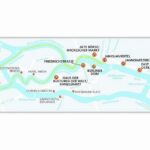


Checkpoint Charlie: hearing the border story while crossing the area
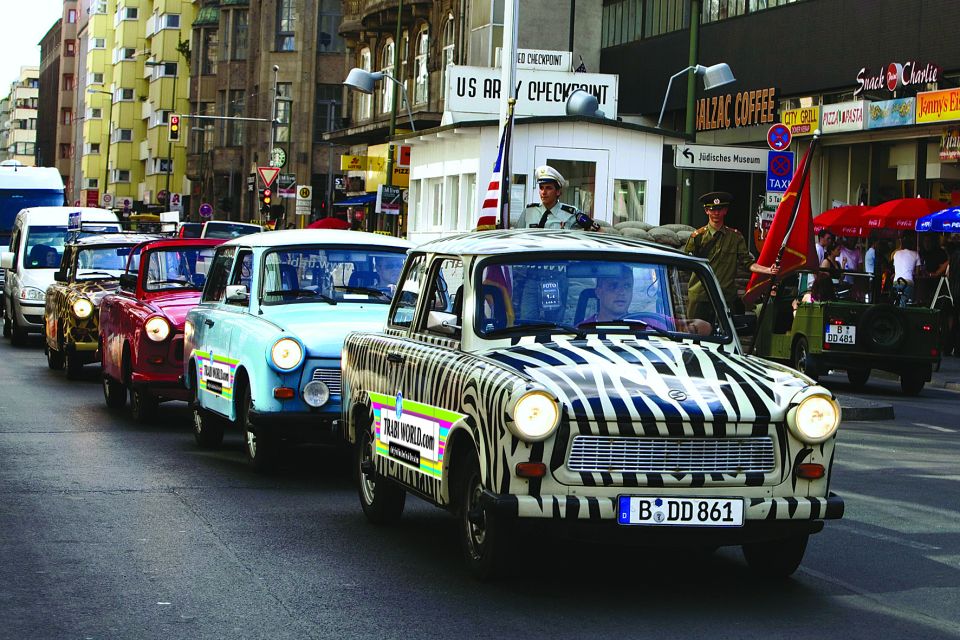
One of the standout moments is crossing through Checkpoint Charlie, where passport checks took place daily for almost 30 years in the divided city.
Why this stop hits:
- It was practical, not theoretical. People faced paperwork and control every day.
- It connects the Wall concept to the real mechanics of travel, identity, and permission.
From the Trabi, you get a sense of how a border crossing interrupts a city. It’s not only about a gate—it’s about how streets, crowds, and routines changed when rules were enforced.
Keep your eyes open for what the guide points out as you pass. Since you’re driving, you’ll likely get a guided explanation in motion rather than a long, standing history talk. That can be a drawback if you want deep pauses and long photo stops. But it can also be an advantage, because it keeps the story tied to the geography, where it belongs.
Trabi World and the Trabant museum: a smart follow-up
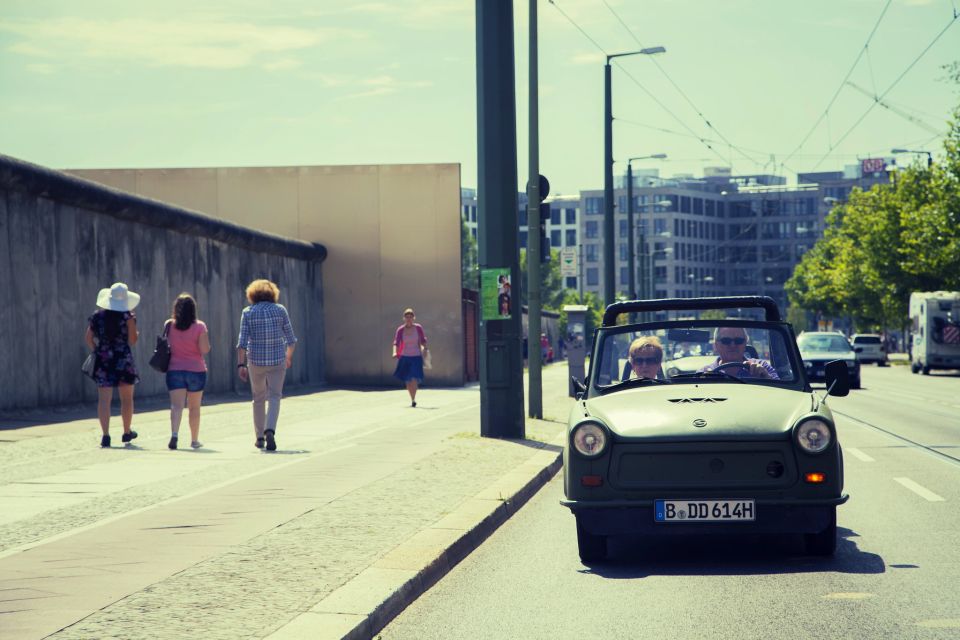
After the ride, you can visit the Trabi Museum at Trabi World to refresh what you learned about the vehicle. This is a good idea even if you already know the basics, because it turns the Trabant from a cute icon into something with context: how it fit daily life and how it became a symbol.
I like this add-on because it balances the political emphasis of the ride with a more personal, human-scale topic. If the Cold War parts left you hungry for more, the museum gives you an easier on-ramp: the car itself, its story, and why it still makes people smile decades later.
One more practical thought: if you’re taking photos, this is where you’ll likely slow down. Use the museum time to capture details you might have missed while you were driving.
Comfort, traffic, and where you’ll feel the bumps
This tour is fun, but it’s not a smooth-luxury ride. Expect:
- tight turns and real city driving
- cobblestone roads at times (the kind that can make you feel like you’re in a blender if you’re not braced)
- lots of looking out the window, because the car is so distinctive
If you’re choosing where to sit, pay attention to where you’ll be happiest. The driving seat and front area generally feel better because you control the experience more directly and you’re closer to the guide/radio cues. The back can be less comfortable, especially if the road surface gets rough.
Traffic also plays a role. On lighter-traffic days, you can probably keep closer rhythm with other Trabants in the convoy. On busier days, you may have more stops and slower segments. Either way, you’ll still get the key sights, but the energy can shift.
Weather matters too. In rough conditions, it’s possible for car functions like wipers or radio to fail late in the tour. If you’re the type who hates surprises, this is worth keeping in mind. Bring patience, not just a camera.
Price and value at about $116 for 135 minutes
At roughly $116 per person for 135 minutes, this isn’t the cheapest way to see Berlin’s Cold War sites. So here’s where the value comes from.
You’re paying for a combo:
- active driving in a rare vehicle
- a guide leading the convoy
- live radio commentary
- mileage and petrol
- comprehensive insurance (with a 650€ excess in case of damage)
- a souvenir Trabi driver’s license
Once you break it down, the cost feels less like a pure sightseeing fee and more like an experience-and-vehicle package. You’re also getting a story delivered in context, not just in words.
The main trade-off is depth per minute. Because you’re driving, you won’t get endless guided stops. If you’re looking for slow, museum-like interpretation at every location, you might prefer another format. If you want a memorable, action-based orientation to Berlin’s division and reunification geography, this one delivers.
Who should book this Wall Ride Trabi tour
Book it if:
- you want a hands-on Berlin experience, not just another walking route
- you’re interested in the Wall era and how it shaped streets and crossings
- you like vehicles with personality and don’t mind a little mechanical unpredictability
- you’ll enjoy listening while doing something active
Consider skipping or choosing a different tour if:
- you hate uneven road surfaces or you get motion discomfort easily
- you want long stops for quiet viewing and extended explanations at each point
- you’re relying on crystal-clear audio for every detail (sound can be hard to hear over the car noise)
It also works well as a memorable family or group activity, as long as everyone follows the rules: you need the right tickets, the right driving setup, and the correct capacity per car.
Should you book the Berlin Wall Ride Trabi Tour?
If your goal is to feel Berlin’s divided past in a way that’s hard to forget, I’d lean yes. The best part is the combination: the iconic Trabant + the Wall-era route + guide commentary in motion. It’s one of those rare tours where the vehicle isn’t just transport—it’s part of the story.
If you’re picky about audio clarity, or you want super long, stop-and-start photo sessions, you’ll need to adjust your expectations. Treat this as an energetic orientation ride with key landmarks like East Side Gallery and Checkpoint Charlie, then plan to follow up on your own if you want slower, deeper time on foot.
FAQ
How long is the Berlin Wall Ride Trabi Tour?
The duration is listed as 135 minutes.
Where do I meet for the tour?
Meet at TrabiWorld, Zimmerstrasse 97 (corner of Wilhelmstrasse), 10117 Berlin-Mitte. The U6 station is Kochstraße.
Do I need a driver’s license to participate?
Yes. The activity notes that drivers need a driver’s license. The requirements list a minimum age of 18 and a suitable driving license class (class 2 resp B).
What languages are available during the tour?
Live tour guide commentary is available in English and German. An audio guide is also included in German and English.
Is the tour self-driving, or do I ride with someone else?
You drive your own private Trabi as part of the convoy. The tour includes a co-driver setup and you follow the guided convoy.
How many people can be in each Trabi?
A maximum of 4 people or 330 kilograms is permitted in each Trabi.
Is wheelchair accessibility available?
Wheelchair accessibility is listed as available for this activity.
What’s included in the price?
Included items are: a private Trabi that you drive yourself, a tour guide in front of the convoy, live radio commentary, liability and comprehensive insurance (with 650€ excess in case of damage), a souvenir Trabi driver’s license, and mileage and petrol. Entry fees to sights are not included.
What if plans change?
Free cancellation is available up to 24 hours in advance for a full refund.
Does the booking offer payment flexibility?
Yes. The option is listed as Reserve now & pay later.